
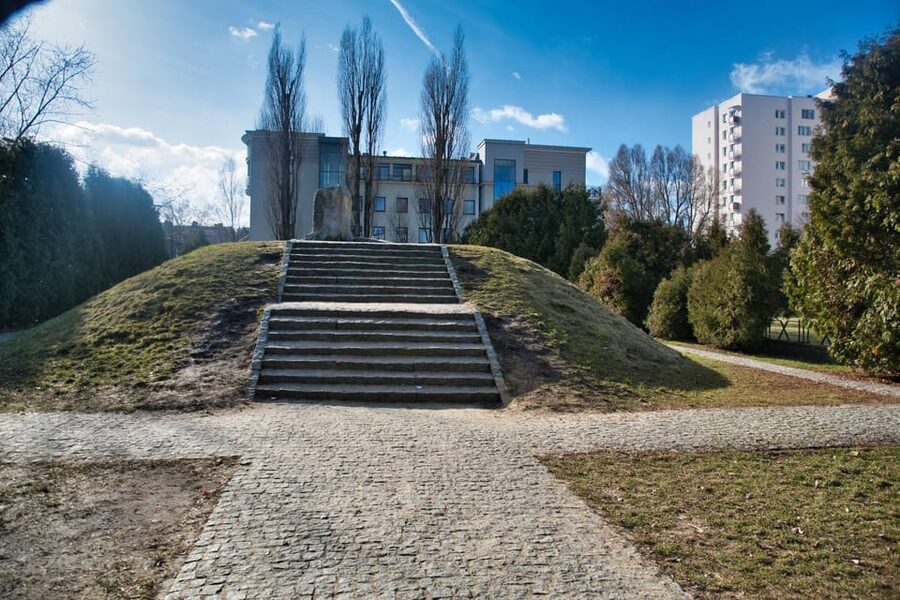
Reviewed · JEWISH QUARTER & KAZIMIERZ TOURS
Warsaw: Jewish Heritage & Holocaust Walking Tour
Warsaw’s Jewish Heritage and Holocaust Walking Tour takes you through a city whose Jewish past is often hard to see with the naked eye. Streets and buildings changed drastically during the war, so the guide uses pre-war photographs and maps to show you what once filled these spaces. More than half the walk focuses on the Warsaw Ghetto, the deportations to Treblinka, and the sites of the Ghetto Uprising.
I like the clear timeline, which moves from medieval Jewish life to the Holocaust instead of dropping you straight into the darkest chapter. I also like the human touch brought by guides such as Magda, Gawel, Albert, and Goska, who explain difficult material with care and answer questions. The main drawback is simple: this is a 150-minute outdoor walk, and winter weather can make the later sections very cold.
Key points to know before you book

- A 600-year story: The walk covers medieval Jewish settlement, expulsions, the Haskalah, 19th-century life, the pre-war district, and the Holocaust.
- Old images bring vanished streets back: Photos and maps help you compare today’s Warsaw with the Jewish District that war and postwar rebuilding erased.
- The Ghetto takes up most of the tour: Expect detailed discussion of the wall, daily conditions, deportations to Treblinka, and the 1943 Uprising.
- Strong guides make the difference: Magda, Gawel, Albert, Goska, Martin, and others have been praised for clear English, warmth, strong preparation, and thoughtful delivery.
- A good price for a serious history walk: At $20 per person, you get 150 minutes with a professional guide, though attraction entry fees are not included.
- Prepare for weather and walking: Wear comfortable shoes, bring water and a head covering or kippah, and dress warmly in the colder months.
Meeting at Castle Square with the orange umbrella
The tour begins at Castle Square, beside Sigismund’s Column. Look for the guide holding an orange umbrella with a British flag. This is a busy and familiar part of central Warsaw, so the meeting point is easier to find than a tucked-away street corner.
The location also gives you a useful starting point. Warsaw’s rebuilt Old Town is nearby, while the Jewish District and former Ghetto areas tell a very different story. The contrast is important from the beginning: one part of the city was reconstructed to recall what was lost, while much of the former Jewish area was reshaped so thoroughly that you need photographs and explanation to read it.
The tour is offered in English and lasts 150 minutes. That is long enough to give the subject proper attention, but short enough to fit into a busy Warsaw day. You will be outside throughout the walk, so comfortable shoes matter more than stylish ones. Bring water, and in cold weather wear more layers than you think you need.
More History Tours in Warsaw
- Warsaw: POLIN Museum of the History of Polish Jews Ticket
★ 4.7 · 1,142 reviews - Warsaw: Chopin Concert at Historical Venue in Old Town
★ 4.7 · 445 reviews - Small-Group Historical Guided Tour of Warsaw with pick up/drop off. Public Tour.
★ 4.5 · 343 reviews
Starting with medieval Jewish life in Warsaw
The first part reaches back to the origins of Polish Jews and the growth of Jewish communities in Poland. You learn about medieval Jewish life, the Jewish quarter in Warsaw, and the first expulsions. This section gives you essential context: the Holocaust was not an isolated event, and Warsaw’s Jewish presence had developed over many centuries.
The guide also explains Jewish settlements in the 18th-century jurydyki. These were areas under the control of Warsaw’s magnates rather than the city authorities. That political setup helped shape where Jewish residents could live and work. It is a small detail, but it helps you see Jewish settlement as part of Warsaw’s legal and economic structure, not as a separate story detached from the city.
You also hear about the Haskalah, or Jewish Enlightenment. This period brought new ideas about education, culture, religious life, and the relationship between Jewish communities and the wider society. The topic can sound abstract in a book, but on a walking tour it becomes part of a real city story, connected to the people who lived, worked, worshipped, and built families here.
This early portion is especially useful if your knowledge of Polish Jewish history begins with World War II. The tour asks you to see the people of Warsaw not only as victims of the Holocaust, but also as members of a long-established community with its own institutions, debates, traditions, and changes.
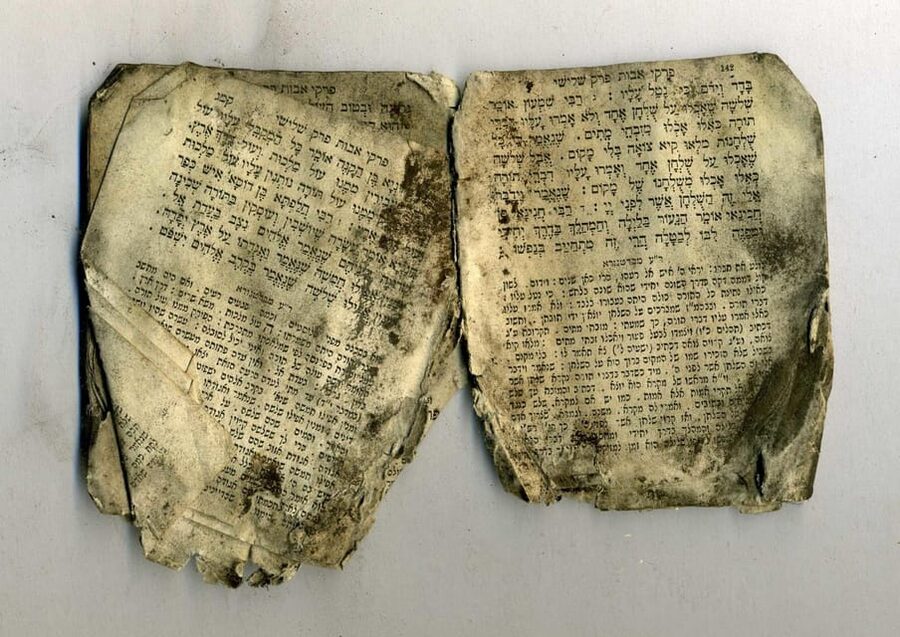
Using photographs to recover a vanished district
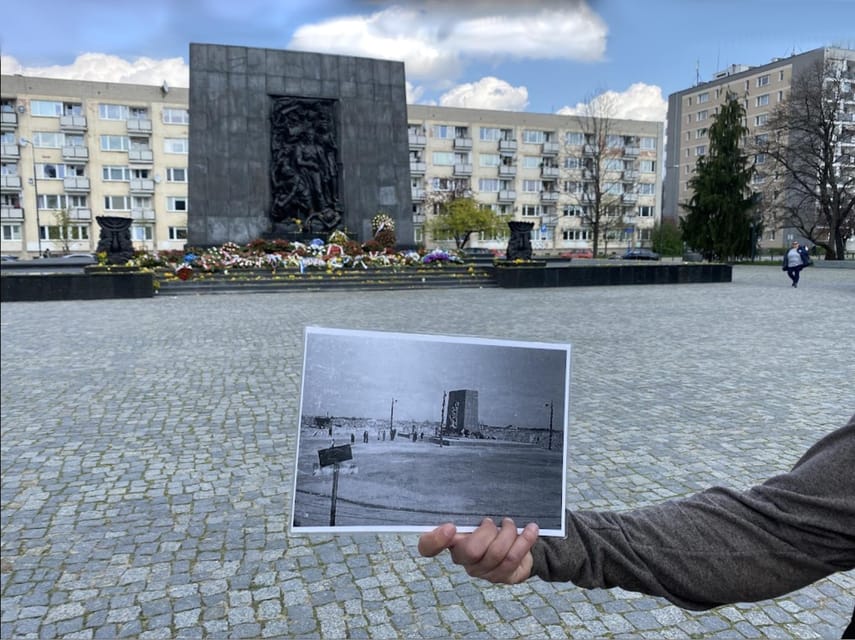
One of the tour’s best tools is the collection of old photographs. Warsaw’s Jewish District was heavily damaged and then rebuilt, so a modern address may offer few visible clues about what stood there before the war. A photograph held up beside the present-day view can make the gap suddenly clear.
You might see a broad street that now appears ordinary, then look at an image showing shops, homes, signs, pedestrians, and Jewish institutions before the war. The point is not only to compare architecture. The photographs restore scale and daily life, showing that this was a functioning part of Warsaw rather than a collection of memorial sites.
The guide uses the images to explain 19th-century life and the pre-war Jewish District. This visual method earned particular praise from people who appreciated having photographs and maps alongside the spoken history. I think it is vital here. Without them, much of the walk could feel like a list of places that no longer exist.
The photographs also help you understand the destruction more honestly. A memorial can make you pause, but a picture of a normal street full of ordinary activity makes the loss more personal. You are not simply looking at an empty space. You are comparing a living neighborhood with what remains after war, deportation, and deliberate destruction.
Entering the Warsaw Ghetto story
More than half of the tour is devoted to the Holocaust of Warsaw’s Jews. The guide explains how the Warsaw Ghetto was created, how the wall divided the city, and what life was like behind it. This is the central section of the walk, and it is not treated as a quick stop between attractions.
You learn about overcrowding, severe conditions, isolation, and the daily struggle to survive. The guide also explains how the ghetto fitted into the larger Nazi system, including the deportations to Treblinka death camp. The value of hearing this while walking through the city is that geography becomes part of the lesson. A wall, street, or open space is no longer just a point on a map. It helps you understand confinement and the limited choices facing the people trapped there.
The material is painful, but the guides have generally handled it in a factual and measured way. Strong guides do not soften the subject, yet they also avoid turning it into a grim performance. Several guides, including Albert and Martin, have been praised for presenting difficult facts with compassion, clear organization, and a human tone. That balance matters, especially when the group includes people from several countries and backgrounds.
You should expect a serious experience rather than a light sightseeing walk. There may be moments when you want time to think or ask a question. The guide’s use of documented sources and careful distinctions between established facts and uncertain details is another strength noted about the best-led tours.
More Walking Tours in Warsaw
- Warsaw: Old Town Highlights Walking Tour in English
★ 4.7 · 1,516 reviews - Warsaw: Old Town Guided Walking Tour
★ 4.9 · 599 reviews - Half-Day Polish Food Walking Tour with Guide and Dinner
★ 4.5 · 381 reviews - Warsaw: Warsaw Ghetto Private Walking Tour with Hotel Pickup
★ 4.9 · 369 reviews
Seeing the places tied to the 1943 Uprising
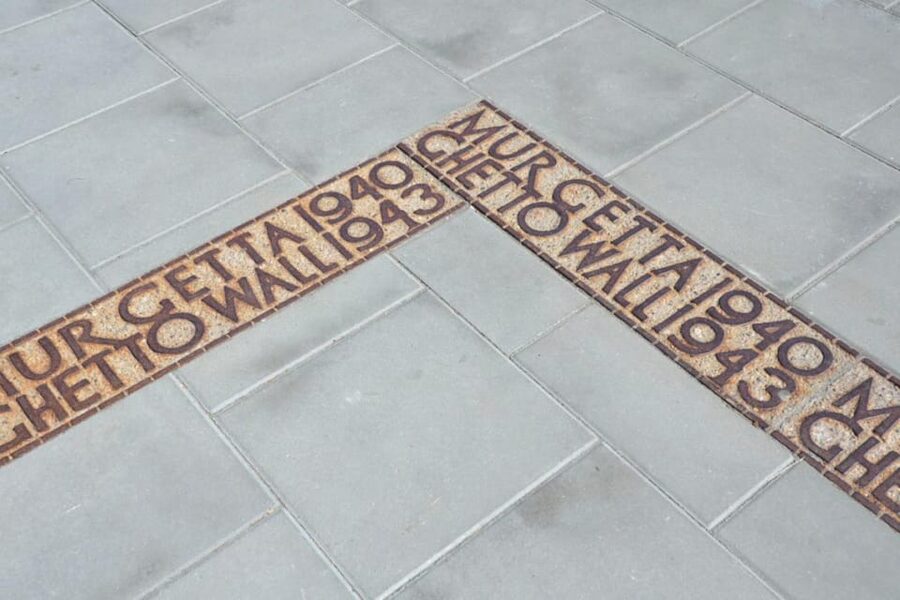
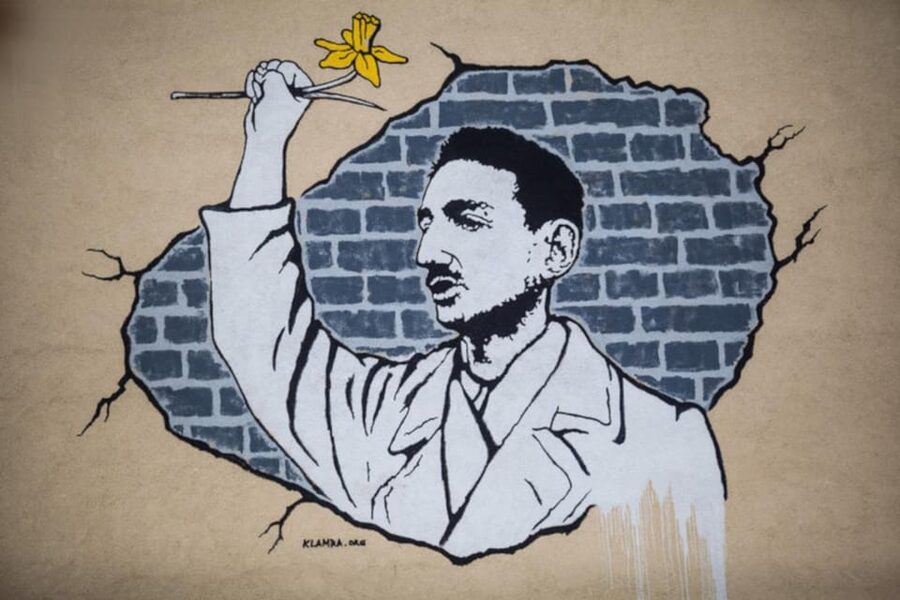
The final portion focuses on the major places connected with the Warsaw Ghetto Uprising. You learn where the fighting took place and how the uprising fits into the wider story of the ghetto’s destruction.
This part works because it moves beyond a general account of resistance. Specific locations give the events a physical setting. You can better understand the limits faced by the fighters, the scale of the German attack, and the difference between a city neighborhood and the historical image of a battlefield.
The walk does not turn the uprising into a simple tale of victory. The subject is presented within the larger tragedy of deportation and destruction. That approach gives the resistance its proper weight without hiding the overwhelming force used against the ghetto.
For many people, this is the most moving section because the guide connects monuments and exact places with individual stories. You are not just told that an uprising happened in Warsaw. You are shown where the fighting occurred and how the area changed.
The guides: Magda, Gawel, Albert, and more
The quality of a history walk depends heavily on delivery, and this tour has received especially strong praise for its guides. Magda is described as enthusiastic, clear, personable, and attentive. She has even adjusted the pace enough to allow a brief coffee stop when cold weather became a problem.
Gawel has been praised for making the subject interesting and for explaining complex history in accessible English. Goska brings warmth and energy to a difficult topic, while Albert is noted for careful preparation, well-organized commentary, and a willingness to answer questions.
Martin has been singled out for a compassionate, human approach and a strong command of the material. Peter Hardy has also been appreciated for kindness and practical help when people had trouble finding their way back afterward. You may not be able to choose your guide, but these names give you a sense of the team’s range.
The praise is not limited to factual knowledge. The strongest descriptions focus on clear English, passion, patience, and a human tone. That is what you need here. A guide can list dates and names, but the best ones help you understand how the pieces connect.
Group size may vary. One report describes a small group, while another found a group of up to 30 too large for comfort. A larger group can make it harder to hear and may slow movement through busy streets. If you prefer a quieter, more personal discussion, ask about the expected group size when you check availability.
Is $20 good value for 150 minutes?
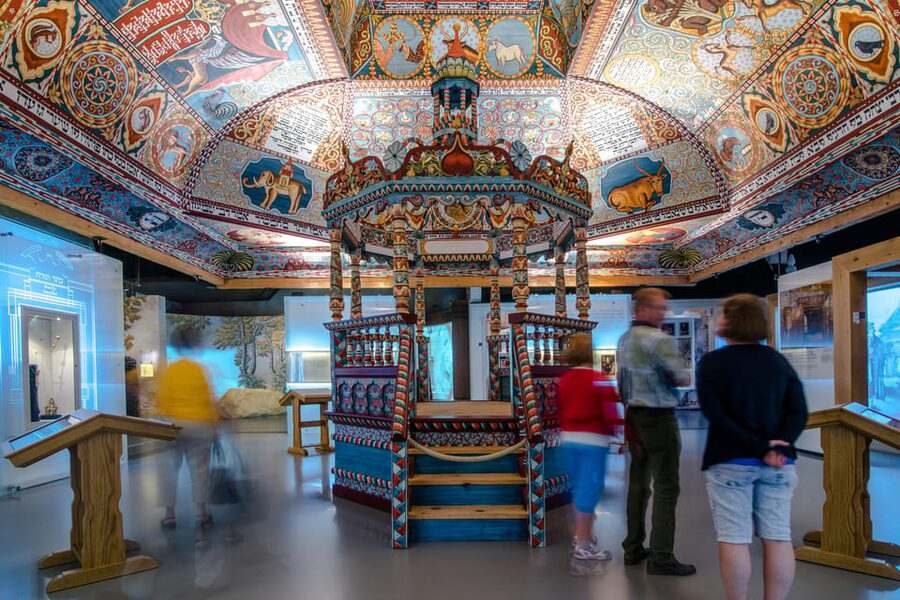
At $20 per person, this is a strong value for a 150-minute guided walk. You are paying for a professional English-speaking guide and a focused history lesson through the city, not for admission to a museum or other attraction.
The value comes from interpretation. You can walk through Warsaw independently, but you may miss the Jewish history because so much of the original district was destroyed or altered. The guide’s photographs, maps, and explanations supply the links that the streets themselves cannot provide.
You should remember that entrance fees are not included. The experience is a walking tour, so its main cost is the guide rather than access to an indoor site. If you want to visit museums or memorial interiors afterward, plan and pay for those separately.
The free cancellation policy allows you to cancel up to 24 hours before the start for a full refund. You can also reserve and pay later, which helps if your Warsaw schedule is still shifting. These are practical advantages, but the central value remains the time and skill put into making an almost invisible district understandable.
Weather, clothing, and practical comfort
This walk is wheelchair accessible, but it remains an outdoor route with long periods on city streets. Comfortable shoes are essential. Bring water, since the tour lasts two and a half hours.
A head covering or kippah is listed among the items to bring. If you need one, plan ahead rather than assuming it will be supplied. Smoking is not allowed during the activity.
Cold weather deserves special attention. A December walk became uncomfortable later in the tour, when the group was outside in falling temperatures and fading light. Winter days in Warsaw can also be short, so check the start time and dress for the full 150 minutes, not just the first half-hour.
The tour is not suitable for children under 10. That rule makes sense given the subject matter, length, and seriousness of the Holocaust section. Older children and teenagers may find it valuable, but you should decide based on their ability to handle difficult historical material.
An optional tip may be appropriate if you feel the guide gave you a worthwhile experience. The booking information notes that commissions, agency costs, and taxes take a large share of the $20 price, so you can treat tipping as a personal way to recognize especially strong guiding. It is not listed as a required payment.
Who will get the most from this walk?
I would choose this tour if you want historical context rather than a quick collection of monuments. It suits first-time visitors who want to understand Warsaw’s Jewish past, as well as people who already know something about the Holocaust but want to connect the history to exact streets and places.
It is also a good choice if you learn best through visual material. The photographs and maps are not decoration. They are central to understanding the vanished district.
You may want a different option if you dislike long outdoor walks, need frequent indoor breaks, or prefer a small private group. Group size is not fixed in the available information, and a larger group may feel less comfortable. You should also avoid scheduling this as a casual activity between meals if you are not prepared for a serious subject.
Give yourself time afterward. The walk covers a great deal, from the Middle Ages to the Ghetto Uprising, and the Holocaust section is emotionally demanding. You may want a quiet coffee or a visit to another Warsaw site that helps you continue thinking about the city’s past.
Should you book the Warsaw Jewish Heritage and Holocaust Walking Tour?
Book it if you want a clear, respectful introduction to Warsaw’s Jewish history and the Holocaust, especially if old photographs and on-site explanation help you learn. At $20, the price is modest for 150 minutes of focused guiding, and the strongest guides bring both precision and compassion to the subject.
Go with realistic expectations. This is not a cheerful sightseeing stroll, and cold weather or a large group can affect comfort. Wear proper shoes, bring water and a head covering, and allow enough time to listen carefully.
For a first visit to Warsaw, I consider this one of the most useful ways to understand what the modern city cannot show on its own. The photographs, the Ghetto locations, and the detailed account of the Uprising give the walk a purpose beyond sightseeing.
FAQ
How long does the tour last?
The walking tour lasts 150 minutes, or two and a half hours.
What language is the tour conducted in?
The tour is conducted in English with a live English-speaking guide.
Where does the tour begin?
The meeting point is in Castle Square, beside Sigismund’s Column. Look for a guide holding an orange umbrella with a British flag.
Is the tour wheelchair accessible?
Yes, the activity is listed as wheelchair accessible.
Are attraction entrance fees included?
No. The price includes the professional guide and walking tour, but entrance fees to attractions are not included.
What should I bring?
Bring comfortable shoes, water, and a head covering or kippah. Dress warmly in cold weather, since the tour takes place outdoors.
Other Jewish Quarter and Kazimierz walks
- Private Tour: Warsaw’s Jewish Heritage by Retro Fiat
★ 5.0 · 208 reviews - Warsaw: Jewish Heritage 4-Hour Private Tour
★ 4.9 · 26 reviews - Warsaw Jewish Heritage Private Tour in Retro Fiat
★ 4.9 · 22 reviews - Warsaw : Jewish Quarter Private Walking Tour
★ 4.8 · 11 reviews
Recently added in Warsaw
- Warsaw Wolf’s Lair with St. Lipka and Mamerki Private Guided★ 4.2 · 3 reviews
- Taste of Poland, food tour and guided walk with 12 tasting★ 5.0 · 3 reviews
- Discover Warsaw’s most Photogenic Spots with a Local★ 5.0 · 3 reviews
- Lodz Small Group Tour from Warsaw with Lunch★ 4.0 · 3 reviews
- Jewish heritage in Warsaw★ 4.5 · 3 reviews
- Warsaw Outdoor Paintball with Transfers (all year round)★ 5.0 · 3 reviews
- Electric Scooter Tour: Full Tour – 3-Hours of Magic!★ 5.0 · 3 reviews
- Skip-the-Line Polin Museum Warsaw Jewish History Tour★ 5.0 · 3 reviews
Jewish Quarter & Kazimierz Tours, compared.
Bike Tour of Old Town, Jewish Quarter and the Ghetto
Read our review →
Kazimierz, Schindler’s Factory & Ghetto Guided Tour
Read our review →
Bike Tour of the Old Town, Kazimierz, and the Ghetto
Read our review →
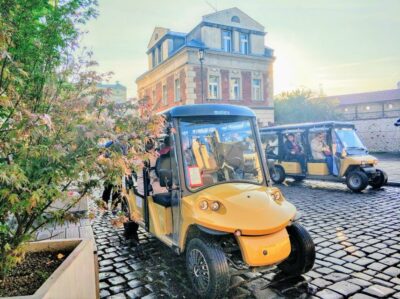
Jewish Quarter and Ghetto Electric Golf Cart Tour
Read our review →
Where else this one turns up