
Reviewed · OLD TOWN TOURS
Warsaw: Old Town Guided Walking Tour
Warsaw’s Old Town is more than pretty façades and cobbled lanes. This two-hour walk explains how a city almost erased in World War II rebuilt its historic center, while also covering royal Poland, Jewish Warsaw, the 1943 Jewish Uprising, and the 1944 Warsaw Uprising. The story gives the postcard views real weight.
I like the small-group limit of 25 to 30 people, which keeps the guide close enough for questions. I also like the mix of famous sights and quieter paths, plus useful advice on Polish restaurants, cafés, and a traditional pastry shop. The main drawback is pace: fitting Old Town, New Town, Jewish heritage, and wartime monuments into two hours means some stops receive only a short explanation.
Key points to know before you book
- Start beneath Sigismund’s Column: Meet in Castle Square, in front of the 22-meter-high column, and look for the guide carrying a white umbrella.
- See a rebuilt UNESCO center: Old Town was reconstructed after wartime destruction and has been a UNESCO World Heritage Site since 1980.
- Cover more than the postcard core: The route reaches the Royal Gardens, New Town, ghetto boundary markers, and the Warsaw Uprising Monument.
- Expect history with humor: Guides including Anthony, Antek, and Thomas are praised for making difficult subjects clear without turning the walk into a lecture.
- Plan for two hours on foot: Wear comfortable shoes and allow extra time afterward if you want to enter the Royal Castle or explore museums.
- Understand the payment setup: The $13 charge covers the reservation and guide payment for a general pay-as-you-wish format, so check the terms carefully when booking.
Starting at Sigismund’s Column in Castle Square
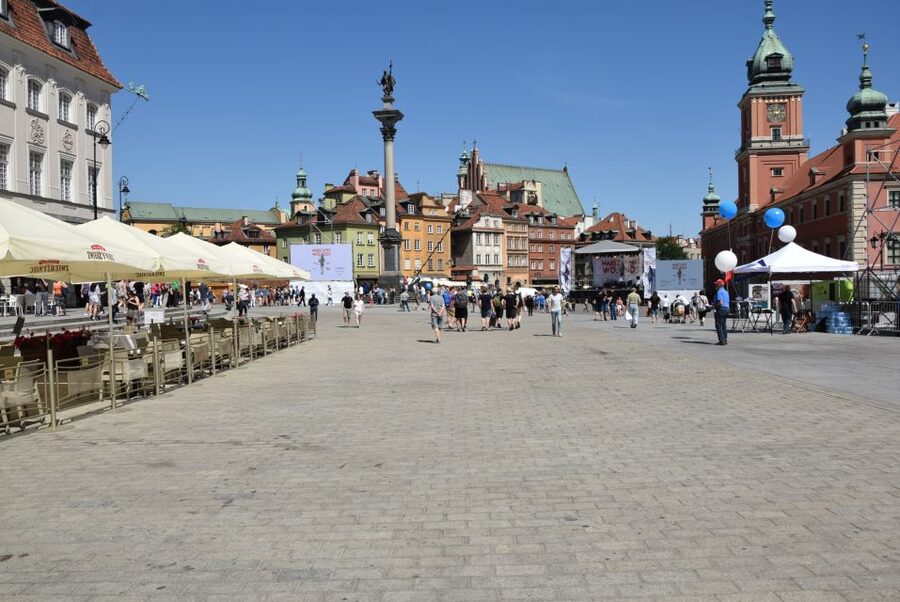
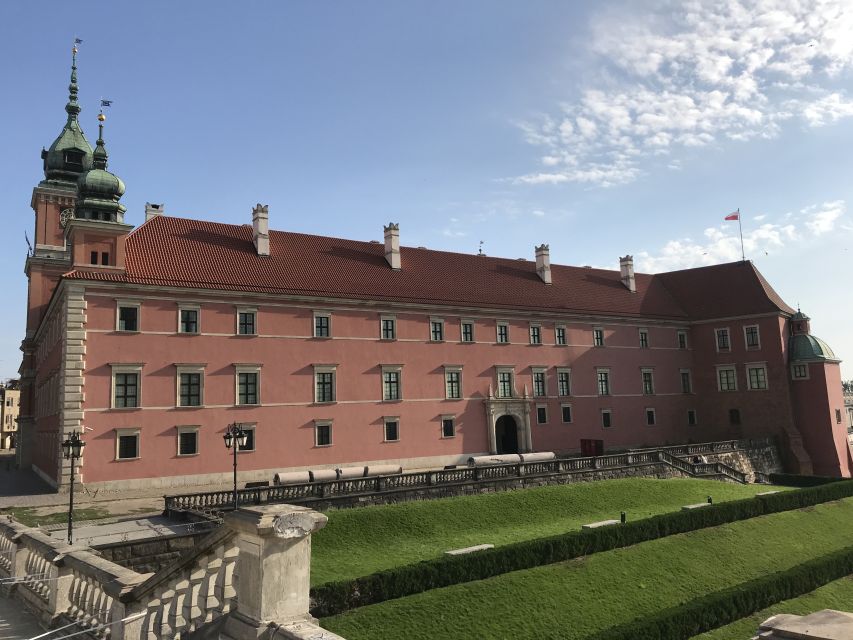
The tour begins in front of Sigismund’s Column, one of Warsaw’s easiest meeting points. The column rises 22 meters above Castle Square, beside the Royal Castle, so you should not need to search through side streets. Arrive five to ten minutes early and look for a white umbrella.
This is a smart place to begin. Castle Square introduces the city’s royal past, and the broad space gives the guide room to gather the group before leading you into narrower streets. It also puts you beside one of Warsaw’s major symbols from the first minute.
The guide speaks English or German. Individual guides vary, but Anthony, Antek, and Thomas receive especially warm praise for combining clear explanations with jokes and personal stories. That style matters here. Warsaw’s past includes royal ceremony, occupation, genocide, revolt, and near-total destruction. A good guide needs to handle the darker material with care while keeping the group attentive.
More Old Town Tours in Warsaw
- Warsaw: Chopin Concert in the Old Town
★ 4.8 · 2,287 reviews - Warsaw: Old Town Highlights Walking Tour in English
★ 4.7 · 1,516 reviews - Warsaw: Chopin Concert at Historical Venue in Old Town
★ 4.7 · 445 reviews
Royal Castle and gardens: Poland’s royal chapter
The first major section takes you around the Royal Castle and its gardens. The castle reflects Warsaw’s role as a seat of Polish power, while the gardens offer a calmer setting before the walk moves into more crowded parts of the Old Town.
The experience includes a visit to the gardens and an introduction to the castle. It does not promise an interior tour, so do not book this walk expecting extended time inside the state rooms or a museum visit. Instead, think of this section as a useful orientation to the royal quarter.
I like this opening because it prevents Old Town from feeling like a collection of unrelated buildings. You get a sense of how authority, religion, trade, and defense once fit together. If the castle interests you, use the guide’s overview to decide if you want to return later for a separate indoor visit.
Market Square and the Warsaw Mermaid
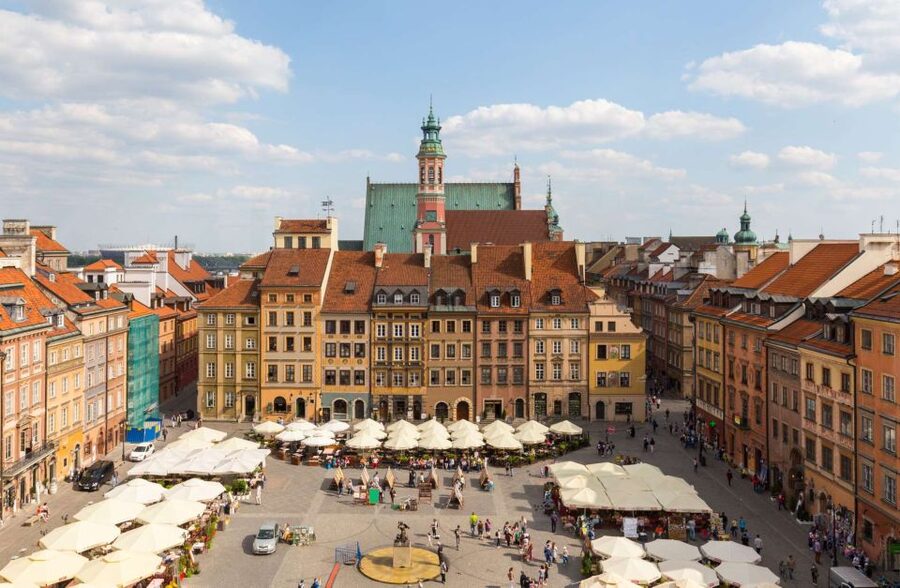
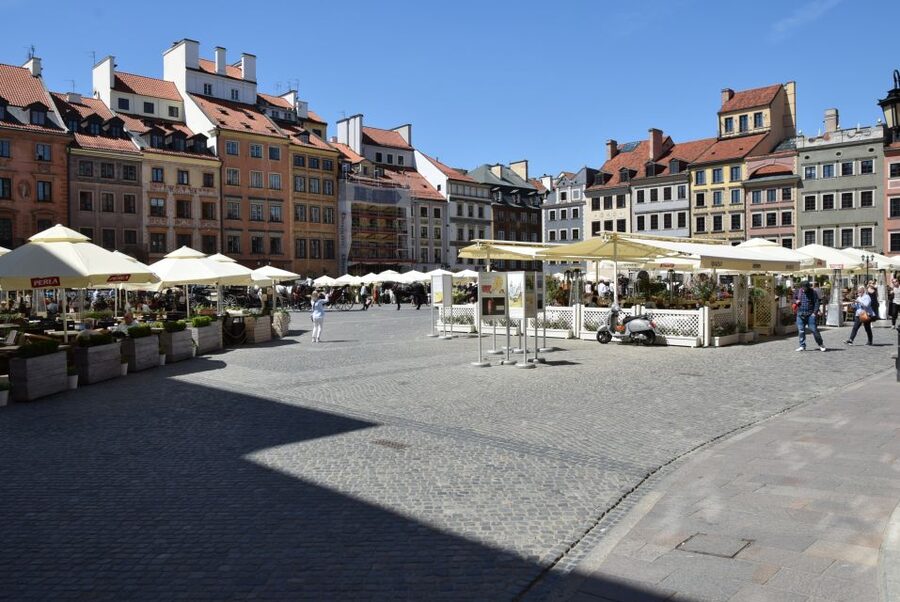
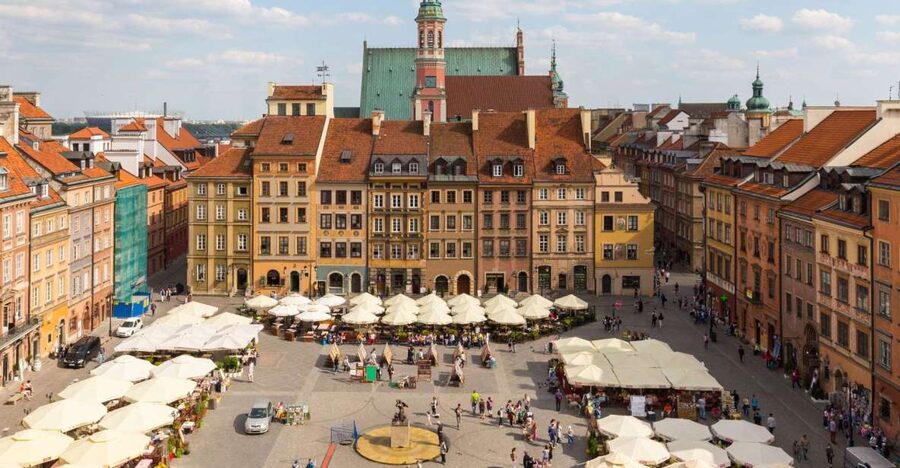
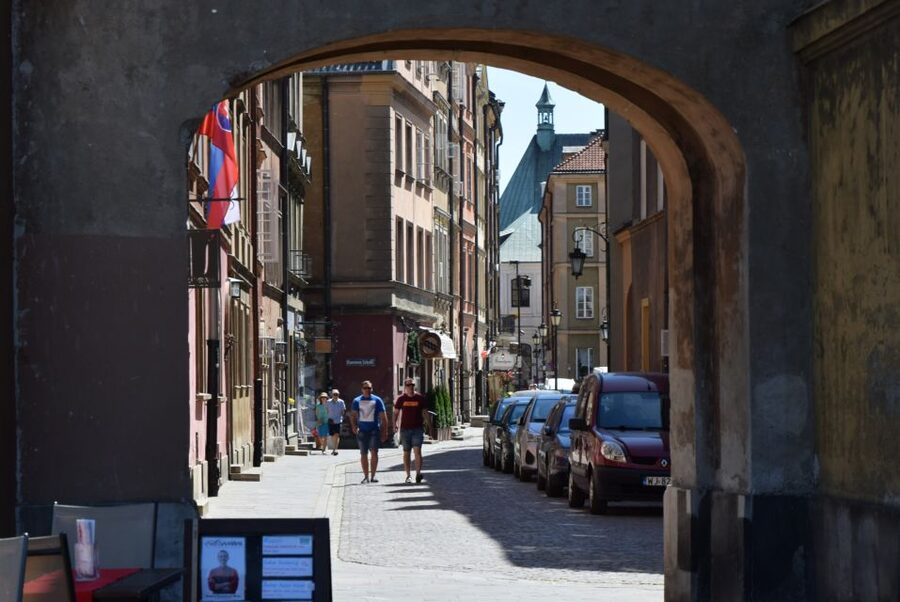
From the royal quarter, the route enters the Old Town proper and reaches Rynek Starego Miasta, the Old Town Market Square. This is the visual heart of the walk, with colorful façades, restaurants, and the famous Warsaw Mermaid statue.
You will have time to take a picture with the Mermaid and look closely at the square’s architecture. The guide also explains why the Old Town matters beyond its appearance. Much of what you see was rebuilt after the city’s wartime destruction, using historic plans, paintings, and surviving records.
That reconstruction gives the square a special character. It is historic in design, yet much of the fabric is postwar. A guide can point out this difference in a way that a quick photograph cannot.
The square can be busy, especially during popular hours. The tour company says guides use less crowded paths where possible, but you should still expect people, restaurant activity, and pauses for photographs. Keep your group in sight when the route moves through tight lanes.
Small details: narrow façades and old churches
One of the tour’s more unusual sights is the narrowest house façade. It is a small architectural curiosity, but it helps show how closely buildings were fitted into the medieval street pattern. Details like this give the walk variety between the larger historical subjects.
The route also includes St. John’s Cathedral and the Jesuit Church. These are not simply photo stops. They offer a way to compare Warsaw’s religious architecture and to discuss the city’s Catholic traditions, changing fortunes, and wartime damage.
The exact time spent at each building can vary. The listed route is ambitious, and the overall tour lasts only two hours. You should expect an explanation outside or around the sights rather than a long, quiet church visit. If you want to study interiors, pray, or take architectural photographs at length, return after the tour.
More Walking Tours in Warsaw
- Half-Day Polish Food Walking Tour with Guide and Dinner
★ 4.5 · 381 reviews - Warsaw: Warsaw Ghetto Private Walking Tour with Hotel Pickup
★ 4.9 · 369 reviews - Old Town Warsaw Walking Tour
★ 4.5 · 333 reviews - Warsaw: Jewish History Guided Walking Tour in English
★ 4.7 · 324 reviews
City walls, Barbican, and the Old Town view
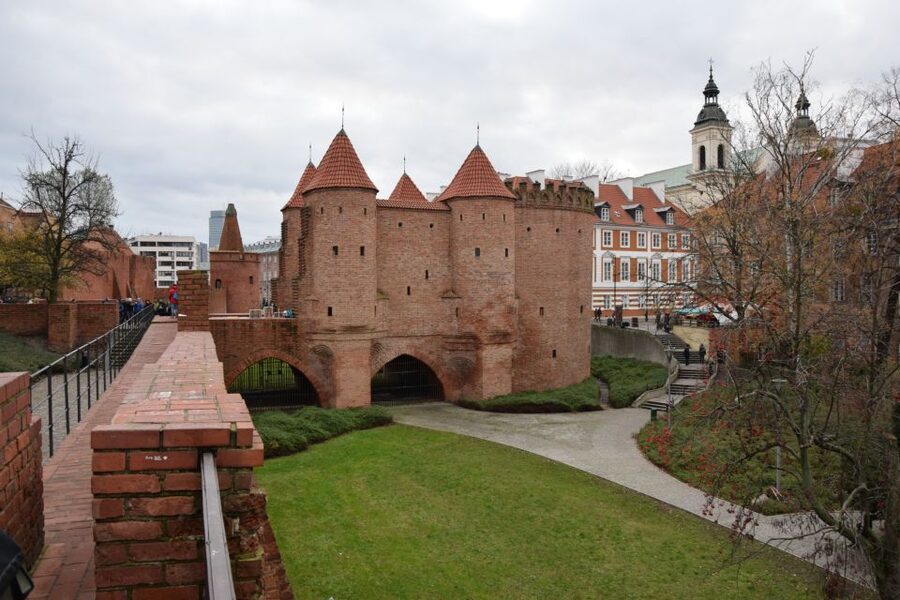
The remaining city wall and Barbican explain how Warsaw was defended. The Barbican’s fortified shape makes the medieval town easier to picture, especially after hearing about the gates, walls, and limits that once defined the settlement.
This portion works well for first-time visitors because it shifts the story from royal power to ordinary city structure. You begin to see why the Old Town streets are compact and why the defensive remains sit where they do.
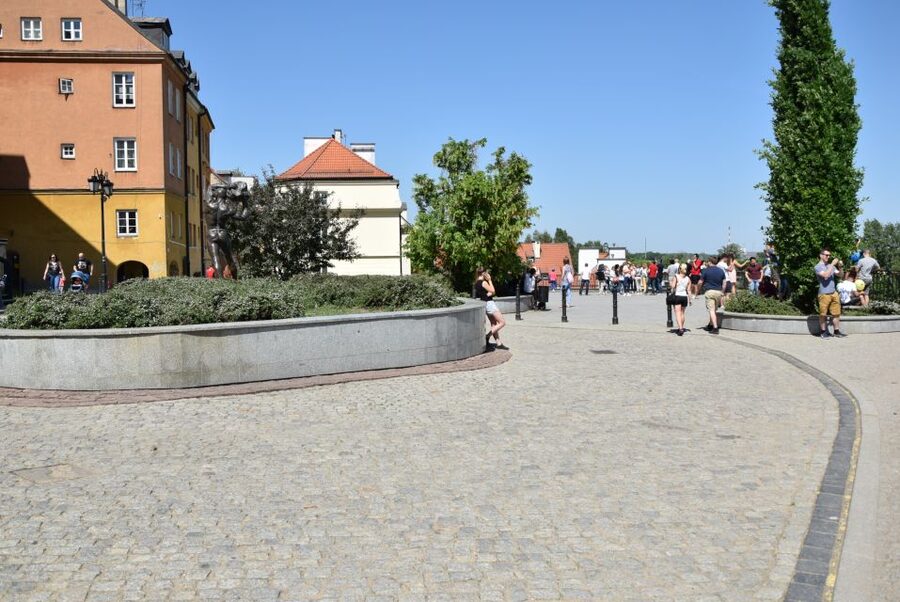
The viewing terrace adds a welcome change of angle. From here, you can look toward the river and across the city. The panorama is a useful reminder that Warsaw is much larger than its reconstructed historic center.
The route includes stairs or an ascent to the terrace, so the walk is not completely flat. The information provided does not specify accessibility arrangements, and the group moves through several historic areas. If you have mobility concerns, ask the operator before booking.
New Town and Marie Curie’s birthplace
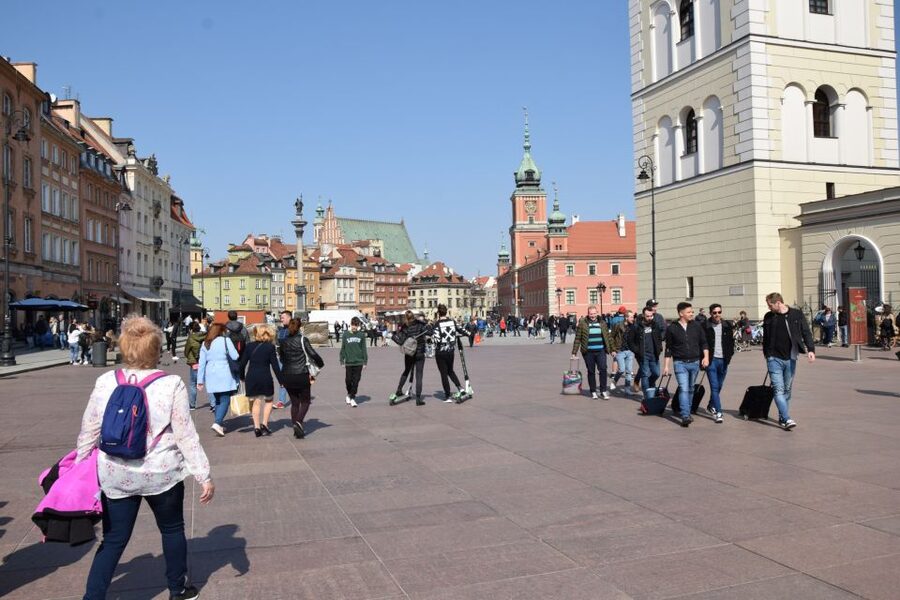
The walk continues beyond the best-known Old Town streets into New Town, or Nowe Miasto. This helps you see how Warsaw expands outward from its historic core instead of ending at the Old Town Market Square.
A stop connected with Marie Curie adds a personal and scientific thread. Her birthplace links Warsaw to one of the world’s best-known scientists and gives the tour a break from royal and military history.
The New Town section may feel less polished and immediately famous than the main square, which is exactly why it earns a place here. You get a broader sense of the historic district and a chance to see how the city’s old quarters connect.
Jewish Warsaw and the wartime story
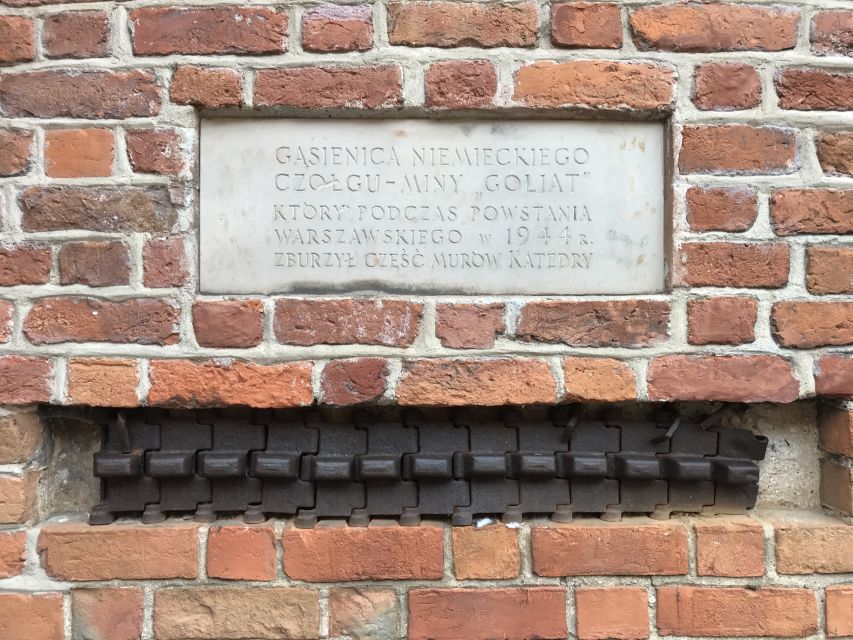
The most serious part of the tour concerns Warsaw’s Jewish heritage and World War II. The route reaches the ghetto boundary markers and explains the Jewish Uprising of 1943. This is an important distinction: the 1943 uprising and the 1944 Warsaw Uprising were separate events, involving different groups and different aims.
The guide then places both episodes within Warsaw’s wider wartime experience. You should expect difficult subjects, including persecution, the destruction of the Jewish community, and the devastation inflicted on the city during the Nazi occupation.
This is where guide quality matters most. The best version of the tour needs facts, dates, and human context, not just a list of tragedies. Anthony, Antek, and Thomas are repeatedly praised for making the subject understandable, using humor only where it suits the moment, and giving the history emotional context without making the walk feel heavy from start to finish.
Personal anecdotes can also make this section more immediate. One guide has used family stories during the walk, connecting large events to people and places. That approach can help you understand Warsaw as a lived city rather than a set of textbook chapters.
The 1944 Warsaw Uprising Monument
The tour finishes at the Warsaw Uprising Monument on plac Krasińskich, with about 15 minutes set aside for a guided explanation. This is one of the strongest stops because the monument is not just a final photo opportunity. It gives the guide a clear place to explain the 1944 uprising and its consequences.
The monument commemorates the Polish resistance against German occupation. At this point, the earlier stops begin to connect: the reconstructed streets, the royal quarter, the Jewish heritage sites, and the city’s determination to rebuild all become part of one larger story.
Ending here also gives you a useful sense of location. The finish is at plac Krasińskich 01, 00-238 Warszawa, Poland, rather than back at Castle Square. If you have a restaurant reservation or another timed activity, allow for the possibility that the group may run a little over. One guide has spent extra time answering questions, which is helpful for curious people but less convenient if you are rushing.
How the guides shape the experience
The tour’s strongest feature is the guide-led storytelling. Feedback consistently points to a good balance of facts and humor, with Anthony, Antek, Thomas, Anton, Magda, Bratek, Andrew, and others named in individual experiences. Names and staffing can change, so you cannot assume a particular guide will lead your departure.
The style is informal rather than academic. You can expect explanations in clear English or German, opportunities to ask questions, and practical suggestions for the rest of your stay. Several guides have also helped with restaurant, café, pastry shop, and parking advice.
Humor is part of the format, sometimes including dark humor around tragic history. Many people find this keeps the tour lively, but it is personal. If you prefer a solemn museum-style presentation, this walk may feel too relaxed at times. If you want a human guide who can shift between royal ceremony, family stories, and wartime loss, it should suit you well.
The group cap of 25 to 30 people is moderate rather than intimate. It is small enough to feel organized, but not a private tour. Expect to walk as a group and stay alert when crossing busy areas or moving through narrow streets.
Two hours, $13, and what you are really buying
At $13 per person, the tour offers strong value if you want orientation and context in a short time. You are paying for a licensed city guide, not entry to the Royal Castle or other paid attractions. The walk gives you a map in your head, a basic grasp of Warsaw’s past, and a list of places to revisit.
The payment structure deserves attention. This is presented as a general pay-as-you-wish tour, while the booking charge covers the reservation and the guide’s payment. Read the booking wording carefully so you understand what the $13 includes and whether any additional contribution is expected or optional.
Two hours is enough for a first look, not enough for a full study of every stop. The route covers a lot of ground, and some listed visits show no fixed time allocation. That means the guide may adjust the pace for weather, group size, questions, and crowd levels.
Free cancellation is available up to 24 hours before the start, and reserve-now, pay-later booking is offered. Starting times vary, so check the schedule rather than relying on a general morning departure. One booking had a time change from 10:30 to 10:00 and confusing communication, so confirm the final time before setting out.
Weather, shoes, and planning your day
This is an outdoor walking tour, and Warsaw weather can shape the experience. It has been enjoyed in snow, rain, freezing January temperatures, and cool winter sunshine, but the group remains outside for most of the route. Wear warm layers in winter and bring rain protection when the forecast looks unsettled.
Comfortable shoes matter more than fancy clothing. You will cross historic streets, walk between districts, and climb to a viewing terrace. Guides have been praised for stopping in shade during hot weather and waiting for slower walkers, but you should still choose a pace you can manage for two hours.
I would schedule this tour early in your Warsaw stay. The route covers the core sights, and the food recommendations can help you choose where to eat next. It also gives you enough historical context to make later visits to the Royal Castle, museums, or Jewish heritage sites more meaningful.
Who should take this walking tour?
I recommend it most to first-time visitors who want a clear introduction without committing half a day. It also suits history-minded families, couples, solo visitors, and anyone who wants help connecting Warsaw’s attractive rebuilt center with the painful events behind it.
You will get the most from it if you enjoy walking, asking questions, and listening to a broad story rather than inspecting every building at length. The format is less suitable if you need a private pace, want extensive time indoors, or prefer a tour focused only on architecture.
The route also works for repeat visitors who already know the main square. The narrower paths, New Town, ghetto boundary markers, and guide anecdotes can add layers beyond the standard postcard view.
Should you book the Warsaw Old Town walk?
Book it if you want a lively two-hour introduction to Warsaw’s royal, Jewish, and wartime past, with a guide who can add practical food advice and point out less obvious routes. The $13 cost is reasonable for the amount of ground and context covered.
Skip it if you need a slow, private tour or a detailed interior visit to the Royal Castle. For everyone else, start here, take notes on the places you want to revisit, and give yourself free time afterward around the Old Town and New Town.
FAQ
Where does the Warsaw Old Town walking tour start?
It starts in Castle Square, in front of the 22-meter-high Sigismund’s Column. The guide carries a white umbrella for recognition.
How long does the walking tour last?
The tour lasts two hours. The Warsaw Uprising Monument has a guided explanation lasting about 15 minutes within the route.
Which languages are available?
The live tour guide is available in English and German.
What sights are included?
The route includes the Royal Castle Gardens, the Royal Castle area, Old Town Market Square, New Town, Warsaw ghetto boundary markers, and the Warsaw Uprising Monument. It also covers the city walls, Barbican, St. John’s Cathedral, Jesuit Church, the narrowest house façade, and an Old Town viewing terrace.
How large is the group?
Public tours are limited to a maximum of 25 to 30 people.
What does the $13 payment cover?
The $13 price covers the reservation fee and the guide’s payment within the general pay-as-you-wish tour format. Check the booking terms for the exact payment arrangement before confirming.
Recently added in Warsaw
- Warsaw Wolf’s Lair with St. Lipka and Mamerki Private Guided★ 4.2 · 3 reviews
- Taste of Poland, food tour and guided walk with 12 tasting★ 5.0 · 3 reviews
- Discover Warsaw’s most Photogenic Spots with a Local★ 5.0 · 3 reviews
- Lodz Small Group Tour from Warsaw with Lunch★ 4.0 · 3 reviews
- Jewish heritage in Warsaw★ 4.5 · 3 reviews
- Warsaw Outdoor Paintball with Transfers (all year round)★ 5.0 · 3 reviews
- Electric Scooter Tour: Full Tour – 3-Hours of Magic!★ 5.0 · 3 reviews
- Skip-the-Line Polin Museum Warsaw Jewish History Tour★ 5.0 · 3 reviews
Old Town Tours, compared.

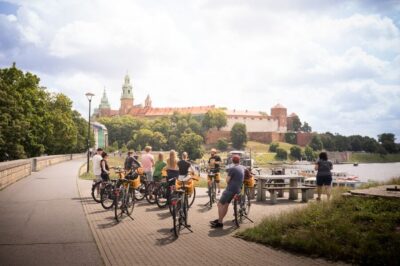
Bike Tour of Old Town, Jewish Quarter and the Ghetto
Read our review →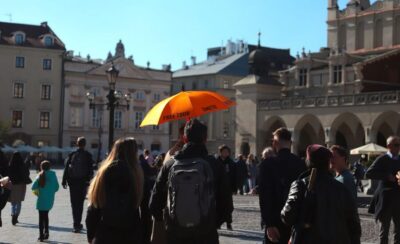

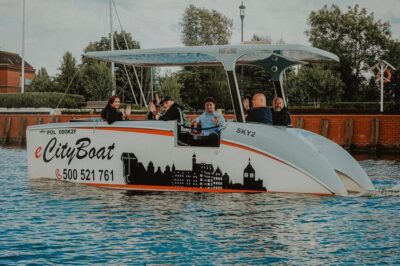
Sightseeing EcoCruise around the Old Town of Gdansk
Read our review →
Where else this one turns up