
Reviewed · MUSEUMS
Warsaw: POLIN Museum of the History of Polish Jews Ticket
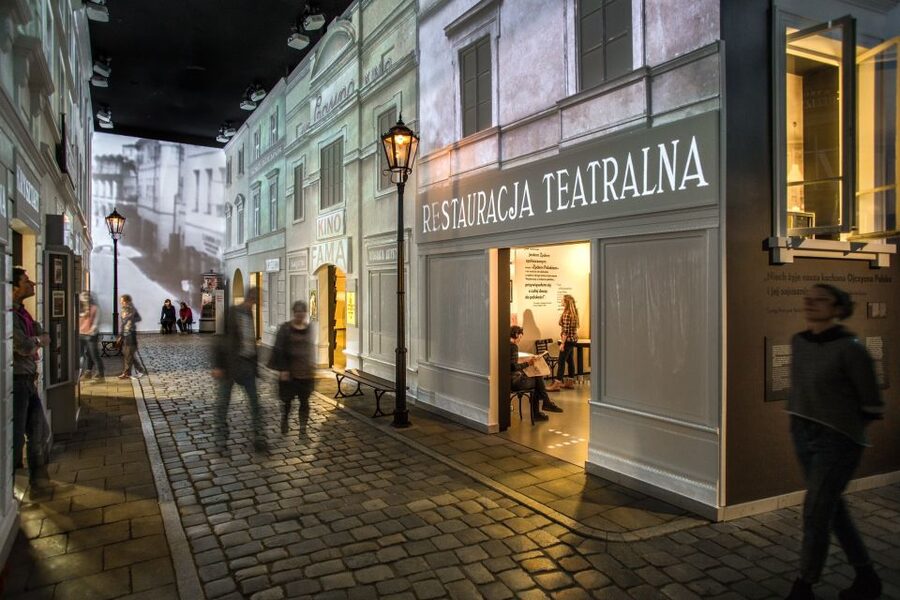
The most striking thing about POLIN is its decision to tell the story of Polish Jews as a thousand-year story, not only as a story of destruction. You move from the first Jewish communities in Poland through religion, work, politics, family life, and culture before reaching the Holocaust and the uncertain revival that followed.
I especially like the interactive displays, which give you more to do than simply read wall panels, and the excellent audio guide, which helps you keep the long historical journey in order. The main consideration is time: two hours covers the core route at a brisk pace, but three to five hours gives the material room to breathe.
Key points before you go
- A thousand years in one museum: Follow Jewish life in Poland from its earliest communities to the present day.
- Eight main gallery areas: Expect objects, paintings, sound, reconstructed spaces, films, and hands-on displays.
- The audio guide is a major help: It is clear, well organized, and available in Polish and English.
- Allow more time than the official estimate: Two hours is possible, but three to five hours is a better plan for most people.
- The Holocaust is one chapter, not the whole story: Earlier galleries explain the society and culture that Nazi Germany tried to destroy.
- Easy to fit into a Warsaw day: You can leave for lunch and return on the same day, and the building is wheelchair accessible.
Why POLIN matters in Warsaw
POLIN Museum of the History of Polish Jews sits in Warsaw’s Mazovia Province, in an area closely tied to the city’s Jewish past and the wartime destruction of the Jewish community. A visit here gives you context that a memorial visit alone cannot provide.
If you go to the Warsaw Ghetto Uprising monument, the museum helps explain the people and society behind that event. If you visit Auschwitz-Birkenau, POLIN gives you a longer view of Polish Jewish life before the Holocaust. That order matters. It is easier to understand what was lost when you first see how much had existed.
The museum does not treat Jewish history in Poland as a footnote to Polish history. It examines Jewish communities as part of the country’s social, political, economic, and religious development. You learn about individuals, institutions, arguments, customs, and daily routines. The result is more useful than a simple timeline of kings, wars, and persecution.
More History Tours in Warsaw
- Warsaw: Chopin Concert at Historical Venue in Old Town
★ 4.7 · 445 reviews - Small-Group Historical Guided Tour of Warsaw with pick up/drop off. Public Tour.
★ 4.5 · 343 reviews - Warsaw: Jewish History Guided Walking Tour in English
★ 4.7 · 324 reviews
Entering the first galleries
Present your voucher at the museum entrance, then allow time for the required electronic security scan before entering the core exhibition. Oversize luggage is not allowed, so arrive with a manageable bag and avoid bringing anything you cannot carry comfortably.
The permanent exhibition is arranged as a chronological journey. The material begins with the arrival and growth of Jewish communities in Poland, then moves through the medieval and early modern periods, later political changes, the Holocaust, the postwar years, and the renewal of Jewish culture.
This opening section is important, but it can also feel dense. A visitor who comes mainly to learn about the Second World War may find the medieval and pre-18th-century material longer than expected. I suggest resisting the urge to rush. These early sections explain how Jewish communities organized themselves, how they related to the wider society, and why Poland became such an important center of Jewish life.
You do not need to read every line to benefit from the early galleries. Listen to the audio guide, look for the main themes, and save some energy for the later rooms.
Jewish communities and daily life
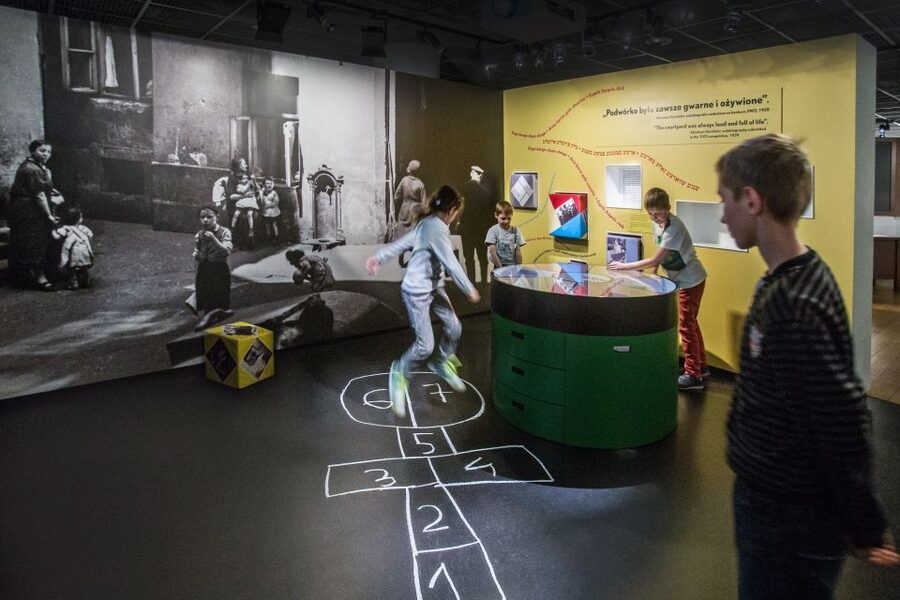
The museum’s strongest choice is its attention to ordinary life. You are not shown only famous rabbis, political leaders, or victims. The displays also consider families, workers, religious communities, merchants, students, and neighbors.
Artifacts and paintings give the story a physical presence. Interactive screens and audio elements allow you to explore details at your own pace. Some visitors may press every button and read every panel. Others will prefer to follow the main route and stop at the displays that speak most directly to them.
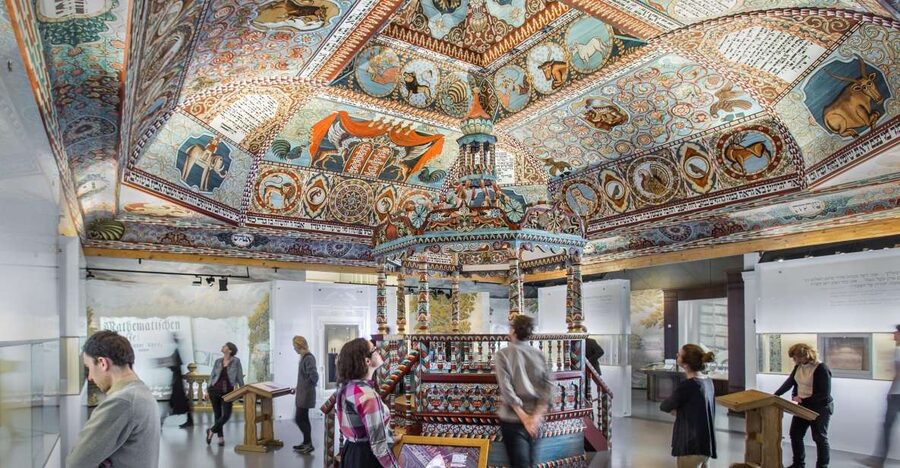
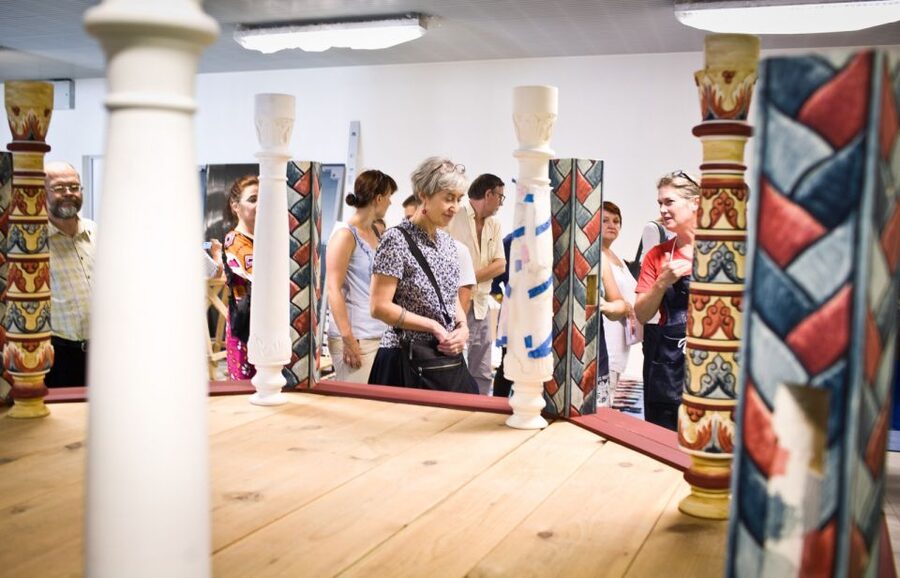
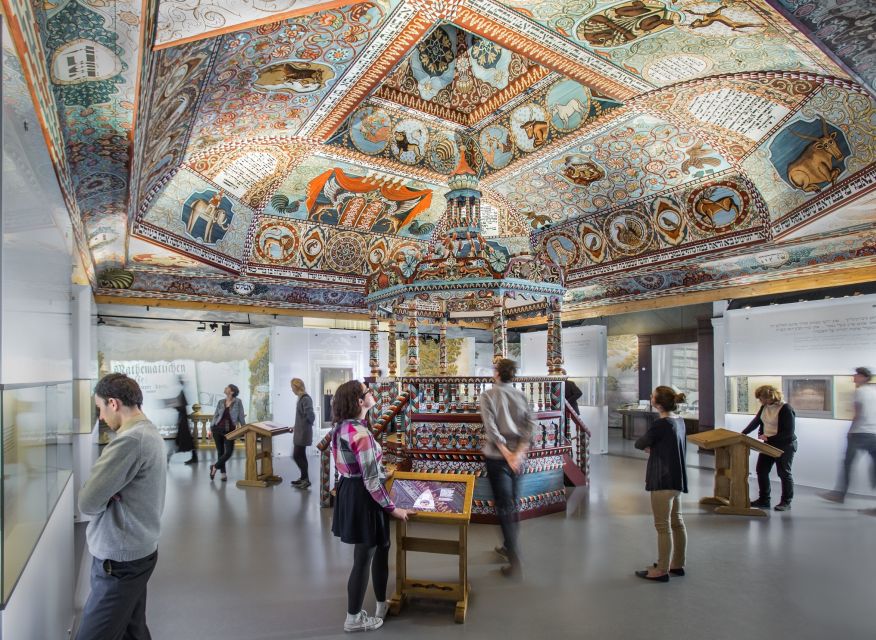
You may find the reconstructed synagogue interior especially memorable. The painted ceiling and wooden structure give you a sense of the visual world of Jewish worship in Poland. It is one of those spaces where design does more than decorate the room. It helps you picture a community gathering in a place that no longer survives in its original setting.
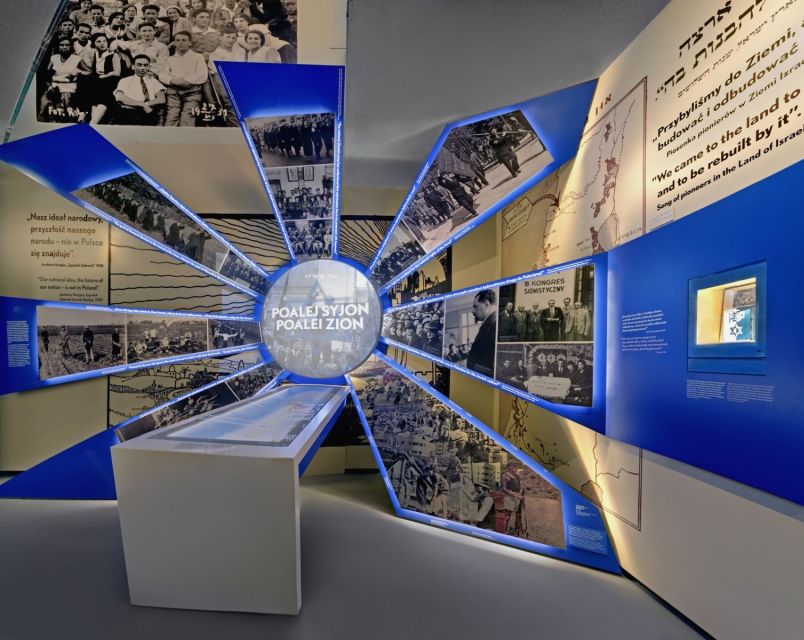
The museum also presents the tension between Jewish identity and changing political or social conditions. You see debates about modernization, religious practice, education, language, and political involvement. This makes the story less tidy, but more honest. Jewish life in Poland was never one single experience.
The 18th and 19th centuries
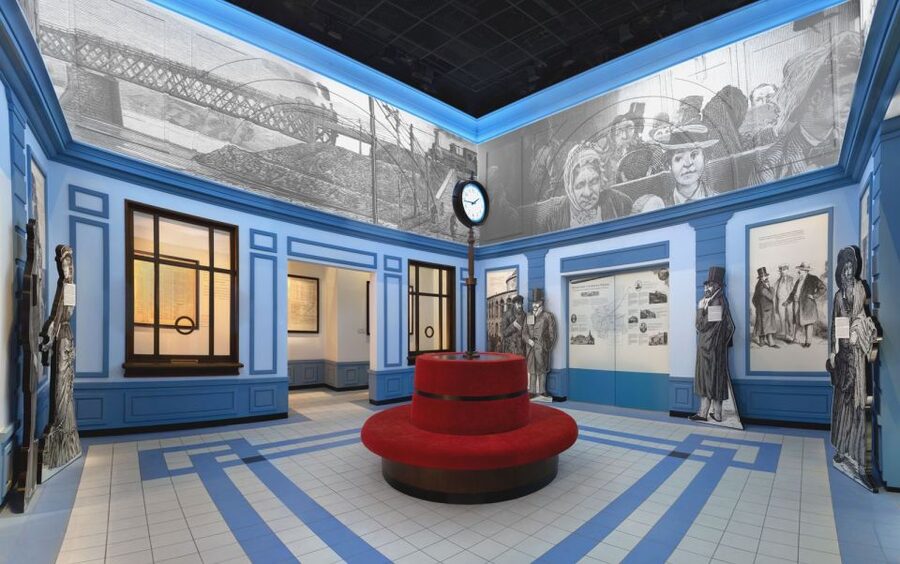
As you move forward, the museum explains how partitions, industrialization, urban growth, and changing political ideas affected Jewish communities. This part can be demanding because the museum is covering several major shifts at once.
The displays examine how people responded to new opportunities and new pressures. Some embraced modern education and political movements. Others worked to preserve religious customs and community structures. The important point is that Jewish society was not static. It changed along with the surrounding country.
This section is also valuable for understanding later divisions within Jewish politics and culture. The questions were not merely religious. They included language, national identity, economic life, and the place of Jews in modern European society.
If you are reading everything, you can spend a great deal of time here. One practical approach is to use the audio guide for an overview, then choose a few subjects for closer attention. The museum gives you more material than most people can absorb in one visit.
More Museum Tours in Warsaw
- Warsaw: Polish Vodka Museum Tour with Tasting
★ 4.6 · 788 reviews - Warsaw: Ghetto, Jewish Cemetery & POLIN Museum Private Tour
★ 4.8 · 132 reviews - Warsaw: Cold War Museum Entry Ticket
★ 4.6 · 55 reviews - World of Illusion Museum Skip-the-Line Ticket
★ 4.0 · 55 reviews
The Holocaust galleries
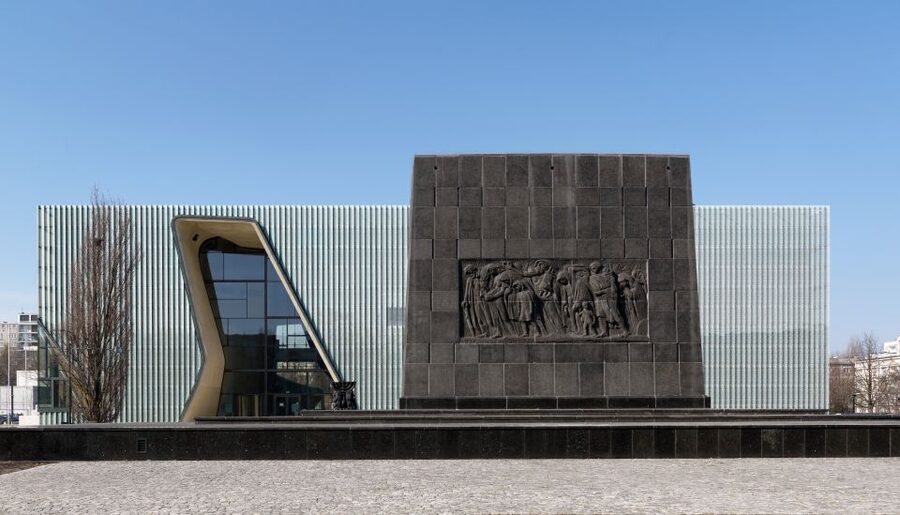
The Holocaust section is painful, but it is made more powerful by the earlier rooms. You have already seen Jewish families, religious life, intellectual work, art, education, and community organization. The Nazi destruction then appears not as an abstract tragedy, but as the violent dismantling of a living society.
The presentation is serious and direct. It does not need theatrical effects to make its point. Personal stories, documents, images, and historical explanation show how persecution developed into mass murder, and how the political and social world around Polish Jews changed under German occupation.
This is an intense visit, even though the museum generally relies on clear information rather than emotional manipulation. Give yourself time to pause. Seating is available in various parts of the route, which helps when the material becomes difficult or when your legs need a rest.
You may find that this section leaves you with questions that do not have easy answers. How did people respond to persecution? What choices were possible? How did individuals and institutions behave? POLIN gives context rather than forcing one simple emotional response.
Some people would like more survivor testimony in video form. The museum has substantial audio and visual material, but visitors particularly interested in personal recorded testimony may wish to allow extra time at related displays or combine this visit with other Warsaw sites.
After 1945 and the revival of Jewish culture
The story does not end in 1945. The later galleries show what happened to Jewish life in Poland after the war, including the effects of the Holocaust, postwar politics, emigration, and the slow return of Jewish culture.
This final part is easy to overlook if you are tired, but it is essential. The destruction of Jewish communities was not the only postwar story. People who survived had to rebuild their lives, decide where to live, and work out how to maintain identity in a country transformed by war.
The museum also asks what cultural revival means after such a rupture. Jewish festivals, education, public memory, religious activity, and historical research all play a role. You are left with a picture of a culture that suffered an almost unimaginable loss, yet was not entirely erased.
This is one reason I recommend planning your visit around the entire route rather than treating POLIN as a Holocaust museum alone. The later sections help you understand both the scale of the loss and the continuing presence of Jewish culture.
The audio guide and self-guided format
The included audio guide is one of the best reasons to choose this ticket. It provides a clear route through the museum and helps you understand how one historical period leads to the next.
You can listen in English or Polish. The system is designed to guide you through the exhibition, and some visitors find that it responds to their position in the museum and supplies the relevant narration. That makes the visit easier for first-time visitors who do not want to keep checking a printed map.
There is one drawback. The audio guide and the wall text compete for your attention. If you listen to every section while trying to read every panel, the visit becomes slow and tiring. I suggest alternating between the two. Listen to the main audio introduction, then pause it while you study an object or a long text panel.
A guided tour is not included. That is fine for many people because the museum works well as a self-guided visit. If your group prefers discussion, asks many questions, or has limited time, a separate guided tour may suit you better. The ticket itself includes the audio guide, not a personal museum guide.
How long should you allow?
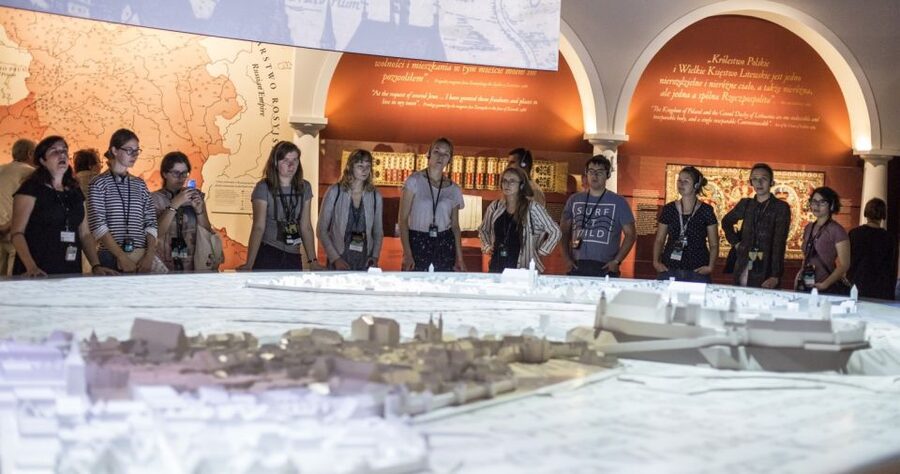
The stated estimate for the core exhibition is about two hours. That is enough for a focused visit, especially if you listen selectively and do not read every label.
I would plan on three hours as a sensible minimum. Three and a half to four hours gives you time to follow the audio guide, stop at key displays, and take short breaks. If you are deeply interested in Jewish history, or visiting with a family group that wants to try the interactive elements, five hours is realistic.
Several practical details make a long visit easier:
- Wear comfortable shoes.
- Use the seating areas when you need to pause.
- Do not begin too close to closing time. Admission ends two hours before the museum closes.
- You may leave for lunch and return later the same day.
- The museum restaurant offers informal cafeteria-style service, with generous portions and good food according to the available visitor information.
- Children aged seven or younger may enter free.
- Children aged 12 or younger must be supervised by an adult throughout the visit.
The museum is closed on Tuesdays, so check the schedule before building it into your Warsaw plan.
Is the $12 ticket good value?
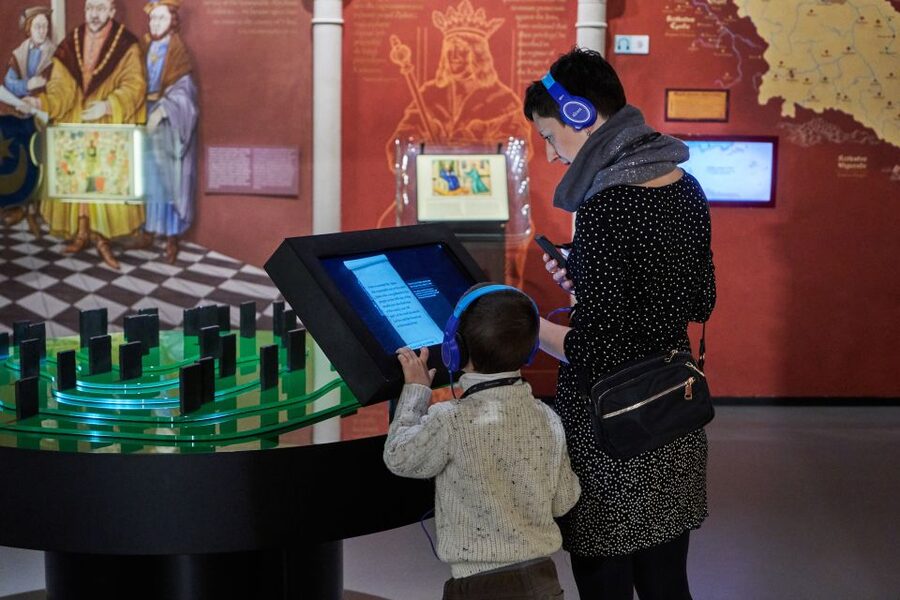
At about $12 per person, this is strong value for a major museum visit, particularly if you spend three or more hours inside. The price includes the permanent exhibition, the audio guide, and a temporary exhibition when one is available.
The value is not only measured by the number of displays. You are getting a carefully organized explanation of a subject that is central to Warsaw and to European history. The museum can also save you from paying for several separate visits to understand the same story.
The ticket is less useful if you only have 45 minutes or if you dislike museums that require concentration. This is not a quick photo stop. You need time and attention to get your money’s worth.
Booking ahead is sensible, especially during busy periods. The ticket offers free cancellation up to 24 hours before the visit and a reserve-now, pay-later option, which can help if your Warsaw schedule is still changing.
Who will enjoy POLIN most?
I recommend POLIN to anyone interested in Warsaw, Polish history, Jewish history, the Holocaust, religion, migration, or modern Europe. It is also a worthwhile stop for visitors who usually avoid history museums, because the interactive design and reconstructed spaces keep the experience active.
It suits adults and older children who can manage a long, serious museum visit. Younger children may enjoy the buttons, sound, and visual elements, but the historical content can be difficult, and children 12 or younger must remain with an adult.
The museum is particularly useful before visiting the Warsaw Ghetto Uprising monument or Auschwitz-Birkenau. It gives you a broader frame and reminds you that the people targeted by the Nazis had families, professions, beliefs, arguments, ambitions, and centuries of life behind them.
You should think twice if you are looking only for a short Holocaust exhibit. In that case, the early galleries may feel too extensive. You should also plan carefully if you have mobility or sensory concerns, although the museum is wheelchair accessible and provides seating along the route.
A practical visit plan
For a two-hour visit, follow the main chronological path and use the audio guide for its essential explanations. Give priority to the reconstructed synagogue, the sections on community life, the Holocaust galleries, and the postwar revival.
For a three-hour visit, listen to most of the audio guide and read the displays that interest you. Take one short break, especially before the Holocaust section or after it.
For a half-day visit, slow down. Study individual objects, listen to more personal accounts, and give proper attention to the 19th and 20th-century galleries. If a temporary exhibition is open, check its location and time requirements before starting the permanent exhibition.
Do not worry about seeing every word. POLIN contains enough material for more than one visit, and trying to finish every label can leave you too tired to appreciate the final sections.
Should you book the POLIN Museum ticket?
Yes, if you can give it at least three hours. The combination of a chronological route, thoughtful interactive displays, strong audio narration, and original objects makes this one of Warsaw’s most worthwhile museum visits.
Book it especially if you want more than a Holocaust memorial experience. POLIN explains the long life of Jewish communities in Poland, the forces that changed them, the catastrophe of the Second World War, and the efforts to keep Jewish culture present today.
Skip it only if your schedule is extremely tight or you want a short, narrowly focused attraction. For everyone else, the $12 ticket is a practical buy. Arrive early enough to avoid rushing, carry only a small bag, wear comfortable shoes, and keep your afternoon open.
FAQ
Where is the POLIN Museum ticket used?
You use the ticket at POLIN Museum of the History of Polish Jews in Warsaw, in Poland’s Mazovia Province. Present your voucher at the museum entrance.
What does the ticket include?
It includes access to the permanent exhibition, access to a temporary exhibition if one is available, and an audio guide.
Is a guided tour included?
No. A personal guided tour is not included. The ticket provides an audio guide for a self-guided visit.
How long does the museum visit take?
The estimated time for the core exhibition is two hours. Allowing three to five hours is more comfortable if you want to listen to the audio guide and read a large portion of the displays.
Can I leave and return on the same day?
Yes. You may leave for lunch and return, provided you come back within the same day of your ticket’s validity.
What languages are available?
The listed languages are Polish and English. The audio guide is included with the ticket.
Is the museum open every day?
No. The museum is closed on Tuesdays. Check the available starting times before booking.
Can children enter free?
Children aged seven or younger may enter the museum free of charge. Children aged 12 or younger must be supervised by an adult at all times.
Is the museum wheelchair accessible?
Yes. The activity information states that the museum is wheelchair accessible. Oversize luggage is not allowed, and all visitors must pass an electronic security scan before entering the core exhibition.
Recently added in Warsaw
- Warsaw Wolf’s Lair with St. Lipka and Mamerki Private Guided★ 4.2 · 3 reviews
- Taste of Poland, food tour and guided walk with 12 tasting★ 5.0 · 3 reviews
- Discover Warsaw’s most Photogenic Spots with a Local★ 5.0 · 3 reviews
- Lodz Small Group Tour from Warsaw with Lunch★ 4.0 · 3 reviews
- Jewish heritage in Warsaw★ 4.5 · 3 reviews
- Warsaw Outdoor Paintball with Transfers (all year round)★ 5.0 · 3 reviews
- Electric Scooter Tour: Full Tour – 3-Hours of Magic!★ 5.0 · 3 reviews
- Skip-the-Line Polin Museum Warsaw Jewish History Tour★ 5.0 · 3 reviews
Museums, compared.
Auschwitz-Birkenau Museum and Memorial Guided Tour from Krakow
Read our review →
Krakow Schindler’s Factory Museum Guided Tour in English
Read our review →
Auschwitz Birkenau Museum Guided Tour with Pickup
Read our review →
Where else this one turns up