
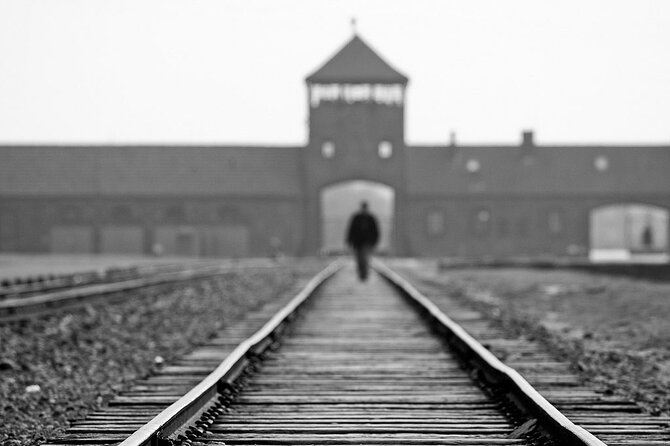
Reviewed · AUSCHWITZ-BIRKENAU MEMORIAL TOURS
Krakow: Auschwitz-Birkenau Tour & Museum Expert Guide
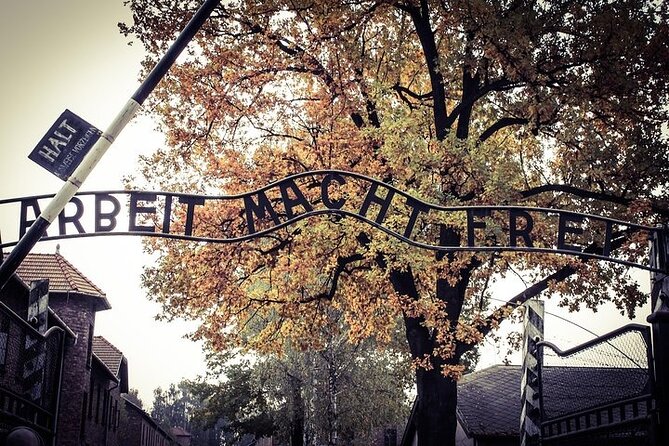
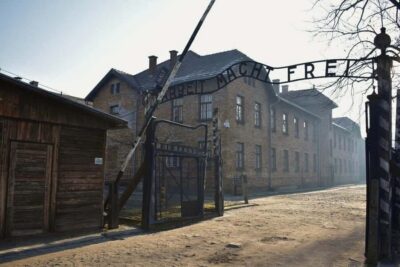
Auschwitz-Birkenau is not a sightseeing stop in the usual sense. It is a place of evidence, memory, and grief, where barracks, watchtowers, documents, personal belongings, and the infamous Arbeit Macht Frei gate make the scale of Nazi persecution painfully real. This tour takes you from Krakow to both parts of the former camp, with an official Auschwitz-Birkenau Museum guide leading the main visit.
I like two things here. The museum-approved guide gives the visit proper historical structure, rather than leaving you to wander among difficult exhibits alone. I also like the practical package: round-trip transport, entry fees, headsets, and an English-speaking tour leader are included for $30.23.
The main caution is timing. Your pickup may change sharply, sometimes from a planned morning departure to the middle of the night. Confirm the exact time the day before, and do not book this tour around a prepaid breakfast or a tight evening plan.
Key points to know before booking
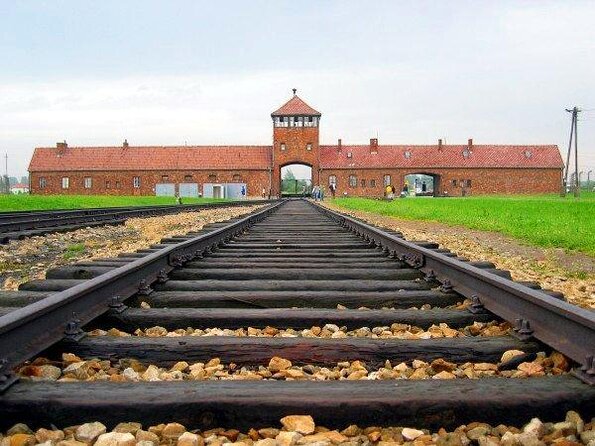
- Two camps in one day: You visit Auschwitz I and Birkenau, also called Auschwitz II.
- Museum-appointed guide: The local guide is officially approved by the Auschwitz-Birkenau Museum and continues at both sites.
- Possible pre-dawn pickup: Departure times can change because of museum scheduling and high demand.
- Up to 30 people: This is a group tour, not a private visit.
- Bring your passport or ID: Security staff may ask to see it before entry.
- Plan for walking and limited breaks: The day lasts 7 to 8 hours, with only short pauses and no meal included.
Why this visit matters
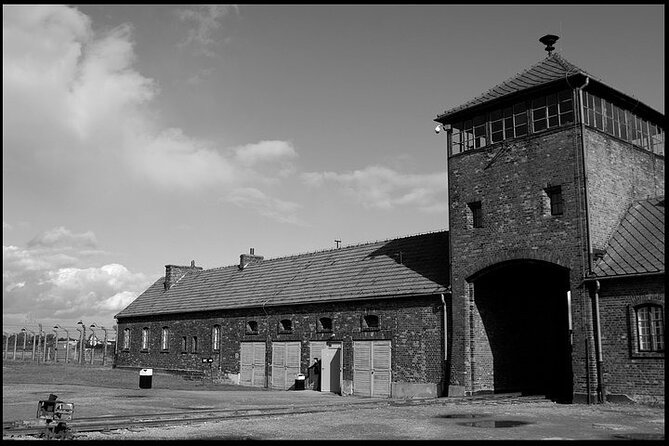
The first camp, Auschwitz I, contains the familiar gate, brick barracks, watchtowers, and museum rooms. Yet the power of the visit comes less from the buildings alone than from the preserved human evidence inside them. Photographs, documents, clothing, luggage, shoes, and other personal possessions show that the victims were not an abstract number. They were families and individuals stripped of their names, homes, and lives.
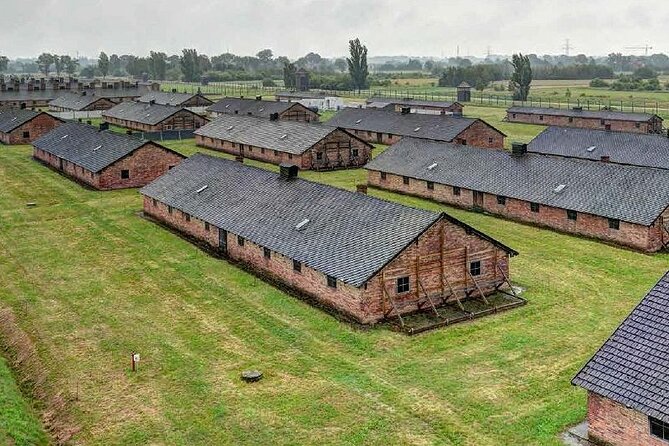
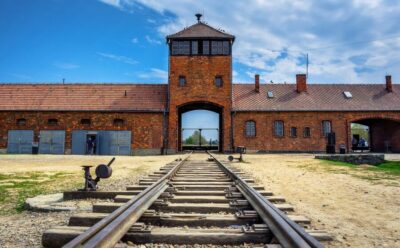
At Birkenau, the scale changes. The second camp is much larger, with long lines of barracks, open ground, the railway approach, watchtowers, and the remains of structures destroyed near the end of the war. You get a clearer sense of how the camp functioned as a system built for mass murder.
I appreciate that the day includes both places. Auschwitz I gives you the museum evidence and the physical remains of the original camp. Birkenau shows the size and purpose of the killing center. Seeing only one would leave a major part of the story missing.
This is a solemn visit, not a casual day trip. You should expect difficult material and a quiet atmosphere. Photography may be possible in some areas, but respectful behavior matters. Posing for pictures or treating the grounds like an ordinary attraction is inappropriate.
More Museum Tours in Krakow
- Auschwitz-Birkenau Museum and Memorial Guided Tour from Krakow
★ 4.5 · 1,510 reviews - Krakow: Rynek Underground Museum Guided Tour
★ 4.6 · 1,122 reviews - Krakow Schindler’s Factory Museum Guided Tour in English
★ 4.5 · 650 reviews
From Krakow to Oswiecim
The tour begins at Pawia 18B in Krakow, with pickup offered according to the arrangement made for your booking. Transport is by air-conditioned van or minibus, and the group can be as large as 30 people. The English-speaking tour leader helps with the journey and practical details, while the museum guide takes over for the camp visit itself.
The drive gives you time to prepare mentally for the day. Exact road time varies, but the return portion is described as about 1 hour and 15 minutes. You should not expect a quick city excursion. With security, queues, two camp visits, breaks, and the drive back, the full outing takes around 7 to 8 hours.
A short pause is planned on arrival in Oswiecim. You may have time for coffee or a look at outdoor exhibits before meeting the local guide. That pause can be useful after the ride, but it should not be treated as a full breakfast stop.
Pack food and water before leaving Krakow. Meals and drinks are not included, and the schedule may leave little time for a proper lunch. One short break after the first camp is planned, and the information provided says breaks are usually no longer than 10 minutes. A later pause of at least 20 minutes is scheduled before the return journey, when you can visit a bookstore, buy groceries, or rest.
Auschwitz I, barracks and evidence
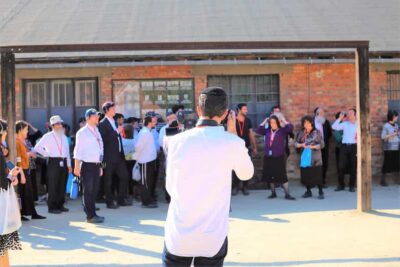
The guided visit at Auschwitz I lasts about 2 hours and 30 minutes. You enter through the former camp gate and follow the guide through preserved buildings and exhibitions. Headsets are supplied, which is especially useful in a group because you can hear the explanation without crowding around the guide.
This section focuses on the machinery of persecution and the lives destroyed by it. Barracks and watchtowers remain, but the indoor displays carry much of the emotional weight. Personal belongings, photographs, and official documents make the crimes concrete. The evidence is direct and difficult to look at, yet it is also why an official guide is valuable.
I like the structure of this part of the tour. A guide can explain what each building was used for, how prisoners were controlled, and how the camp fit into the wider Nazi system. The visit is not simply a walk past old buildings. It is a lesson in how bureaucracy, prejudice, forced labor, imprisonment, and mass murder were organized.
You will also see memorial areas where a quiet pause is appropriate. The museum is a place for attention and respect, not rushed conversation. Even if you have read extensively about the Holocaust, the physical setting can change your understanding of scale and place.
The visit involves walking outdoors between buildings and standing in lines. On a hot day, sun protection matters. In wet weather, bring an umbrella or raincoat. Comfortable walking shoes are a sensible choice, and you should be ready to spend much of the day on your feet.
Birkenau, the camp built on a vast scale
After Auschwitz I, a break of up to 15 minutes is planned. The group then travels a very short distance, about three minutes, to Birkenau in the village of Brzezinka. The same guide continues the explanation at Auschwitz II.
Birkenau was built in 1941 on the orders of Heinrich Himmler and could hold roughly 90,000 prisoners. Its size helps explain the industrial scale of the crimes. The open space, long rows of barracks, railway area, watchtowers, and ruined camp structures create a different experience from Auschwitz I.
The guide discusses living conditions, selections, and the medical experiments carried out by Nazi doctors, including Josef Mengele. You also learn about the liberation of Auschwitz on January 27, 1945, by soldiers of the 60th Army of the First Ukrainian Front.
The planned Birkenau visit lasts about 1 hour and 30 minutes. That is enough to understand the layout and see important areas, but it is not enough to inspect every corner. One practical weakness is that the second camp can feel rushed, especially if queues or museum scheduling reduce the available time.
I consider Birkenau the part that most needs open time. Its scale is not easy to absorb from a hurried walk. If your guide keeps the group moving, listen closely and use the short pauses to look around rather than trying to photograph everything. The main value is understanding how the site worked and remembering the people imprisoned and killed there.
Other guided visits to the Auschwitz-Birkenau Memorial:
- From Krakow: Auschwitz-Birkenau Guided Tour & Hotel Pickup
★ 4.5 · 33,358 reviews - From Krakow: Auschwitz-Birkenau Guided Tour & Hotel Pickup
★ 4.5 · 29,340 reviews - Krakow: Auschwitz Guided Tour with Optional Hotel Pickup
★ 4.5 · 15,280 reviews - Krakow: Auschwitz-Birkenau Guided Tour with Pickup & Lunch
★ 4.5 · 9,800 reviews
The guide makes the difference
The camp guides are assigned through the Auschwitz-Birkenau Museum, not chosen freely by the transport company. That means the quality of delivery can vary from one departure to another, even though the guide is museum-approved.
Several guides have earned especially warm praise, including John, Norbert, and Paulina. John is described as offering detailed explanations at both camps, while Norbert is noted for being friendly and attentive during the day. Paulina is praised for clear English, strong knowledge of the area, and a real passion for the subject.
Those names are useful when you receive your final guide details, but you should not assume a particular person will lead your visit. The important point is that the tour includes a licensed local guide and headsets, rather than leaving you to depend only on printed displays.
A guide can also help with sensitive conduct. The site requires restraint. You should listen, avoid loud conversation, follow photography rules, and respect memorial areas. The guide’s instructions matter, especially when the group includes people unfamiliar with the tone expected at a former concentration and extermination camp.
The serious risk: changing departure times
This is the biggest practical issue with the booking. The advertised departure may not be the final departure. Museum policy and heavy demand can lead to a change, sometimes with less than 24 hours of notice.
Some bookings planned for around 9 a.m. have been moved to departures around 3 a.m. or 4 a.m. That is not a minor adjustment. It can affect sleep, meals, transport to the meeting point, and any other plans you made in Krakow.
The reason is tied to access and scheduling at Auschwitz-Birkenau. Tour operators compete for available museum entry times, and the final arrangement may be confirmed late. Still, the effect on you is the same: you must check the exact departure time the day before.
Do not rely only on the original confirmation time. Contact the provider before the tour and ask for the final pickup or meeting time. Check your messages and phone notifications, too. If you cannot accept a pre-dawn start, this fixed, non-refundable booking carries a real risk.
Some serious problems have also been reported with missed pickups, poor communication, long waits, and transport arrangements that did not match expectations. These accounts are not consistent with the smooth days described by other customers, but they are important enough to consider. Keep the provider’s contact details handy, arrive early, and confirm the meeting place clearly.
Queues, security, and the museum entrance
Bring your passport or national ID. Security staff may request it before admission, and failing to have identification could create a serious problem at the entrance.
You may also face a queue. The site has high visitor numbers, and waiting times can change by date and entry period. In the worst reported cases, people were left waiting outside for hours before the gates or ticket office opened. That is not the normal experience promised by the tour, but it shows why exact timing and communication matter.
The tour includes entry fees, but admission still depends on the museum’s procedures and schedule. Your tour leader should explain where to go and what happens next. If instructions are unclear, ask directly before leaving the vehicle or moving away from the group.
Toilets and food facilities may be available during certain waiting periods, but you should not count on frequent access. The day can be physically demanding, especially in heat or rain. Carry a small supply of water and snacks, subject to museum security rules.
Is $30.23 good value?
At $30.23 per person, the package is inexpensive for a full-day visit from Krakow. Round-trip air-conditioned transport, entry fees, an English-speaking leader, a museum guide, headsets, and assistance are included. If the day runs smoothly, the price is hard to criticize.
The value is strongest if you want someone else to handle the road journey and basic coordination. You do not need to arrange separate transport to Oswiecim, navigate the museum grounds alone, or find an English-language guide after arrival.
The low price comes with tradeoffs. This is a group experience, with up to 30 people. Departure times may change, breaks are short, food is not provided, and the day is governed by museum availability. You are paying for convenience at a budget rate, not a flexible private tour.
If you have only one free day in Krakow and want to see both camps, the package can be a practical choice. If timing, personal space, or guaranteed transport matters more than price, compare it with a booking made directly through the museum or a more clearly structured operator.
Who should choose this day trip?
I would consider it for someone who wants a guided, organized visit and accepts that the schedule may shift. It suits adults and older children who can manage a long day, substantial walking, emotional material, and limited meal breaks.
It may also suit you if you value context. The guide explains the buildings, the camp system, prisoner conditions, selections, medical crimes, and liberation. That added structure can make a difficult place easier to understand.
I would be cautious if you have serious health or mobility restrictions. The activity is not recommended for people in that situation. The information provided does not promise wheelchair-friendly arrangements or special transport, so ask before booking if you have specific needs.
Families should think about the subject matter carefully. The tour provider has accommodated groups with children, but the Holocaust exhibits and memorial grounds are emotionally heavy. Parents should decide what is suitable for their children before committing to a fixed, non-refundable reservation.
What to bring for a better day
Bring your passport or ID, water, snacks, comfortable shoes, and clothing suited to the forecast. An umbrella or raincoat is useful, and a sunhat can help on hot days.
Keep your bag manageable. Security rules apply, and you may need to carry your belongings during entry. Do not plan a restaurant meal between the two camps. The break after Auschwitz I is short, and the later 20-minute stop is mainly for rest, groceries, or the bookstore.
Give yourself breathing room after returning to Krakow. The stated duration is about 7 to 8 hours, but queues or transport delays can stretch the day. Avoid booking an important dinner too close to the expected arrival time.
Should you book this Auschwitz tour?
Book it if you want a low-cost, guided visit to both Auschwitz I and Birkenau, and you can tolerate a group format and possible schedule changes. The official museum guide, headsets, included admission, and round-trip transport offer good value when the operation works as planned.
I would not book it blindly. Confirm the final departure time the day before, check how pickup will work, and make sure you can accept a very early start. If you need reliable timing, generous breaks, or stronger control over transport, look at alternatives before paying a non-refundable fare.
The place itself deserves time, care, and respect. This tour can provide that understanding, but your preparation will determine how smoothly the day goes.
FAQ
Where does the tour start?
The listed meeting point is Pawia 18B, 31-154 Kraków, Poland. Pickup is also offered, depending on the arrangement for your booking.
How long does the tour take?
The full experience lasts approximately 7 to 8 hours, including transportation from Krakow, the visits to both camps, breaks, and the return journey.
Which sites are included?
You visit Panstwowe Muzeum Auschwitz-Birkenau at Auschwitz I and Brzezinka, which is Birkenau or Auschwitz II.
Is an English-speaking guide included?
Yes. The tour includes an English-speaking local guide approved by the Auschwitz-Birkenau Museum, along with an English-speaking tour leader for assistance during the journey.
Are entry fees included?
Yes. Entry fees for the Auschwitz I visit are included. The Birkenau portion is also part of the organized experience.
Is transportation included?
Yes. Round-trip transport from Krakow is provided in an air-conditioned van or minibus. The activity ends back at the meeting point or chosen Krakow address, according to the arrangement.
Can the departure time change?
Yes. The departure time may change because of Auschwitz-Birkenau Museum policy. You should contact the provider the day before to confirm the exact time.
What should I bring?
Bring your passport or ID, comfortable walking shoes, water, snacks, and weather protection such as an umbrella or raincoat. Food and drinks are not included.
Is the tour suitable for people with serious mobility restrictions?
No. The activity is not recommended for people with serious health or mobility restrictions. The day also includes outdoor walking and short breaks.
Recently added in Krakow
- Auschwitz-Birkenau and Krakow Private Car Trip from Katowice★ 4.3 · 3 reviews
- Wawel Castle, Old Town with St. Mary’s Church Guided Tour★ 5.0 · 3 reviews
- From Krakow: Chocholow Thermal Hot Springs (hotel pick up)★ 5.0 · 3 reviews
- Private tour to Zakopane and Thermal Baths from Krakow★ 5.0 · 3 reviews
- Wawel Castle, Cathedral, Rynek Underground Tour with Lunch★ 5.0 · 3 reviews
- Legends of Cracow ROBOTIC SHOW★ 4.0 · 3 reviews
- From Krakow: Zakopane and Thermal Pools Guided Trip★ 5.0 · 3 reviews
- Guided Beer Tour in Krakow★ 4.5 · 3 reviews
Auschwitz-Birkenau Memorial Tours, compared.
Auschwitz-Birkenau Guided Tour & Hotel Pickup
Read our review →Auschwitz Guided Tour with Optional Hotel Pickup
Read our review →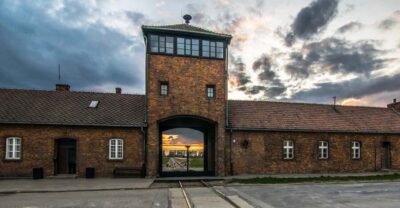
Auschwitz-Birkenau Guided Tour with Pickup & Lunch
Read our review →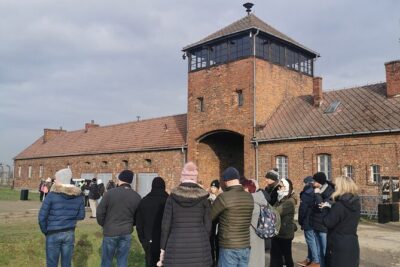
Krakow to Auschwitz Birkenau Guided Tour with Transfer and Ticket
Read our review →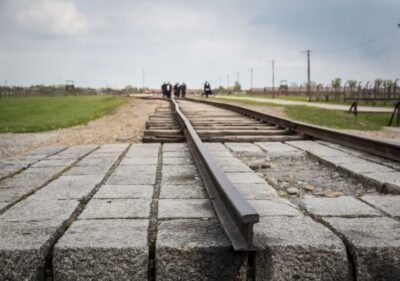
Auschwitz Birkenau Small Group Tour with Pickup
Read our review →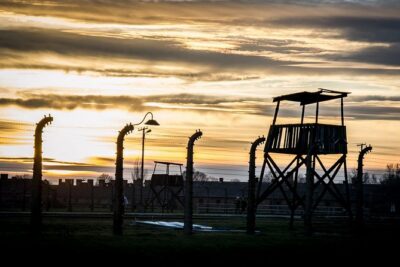
Auschwitz Birkenau Guided Tour with Ticket Hotel Pickup Small Van
Read our review →Where else this one turns up