
Reviewed · MUSEUMS
Warsaw: Ghetto, Jewish Cemetery & POLIN Museum Private Tour
Warsaw’s former ghetto is a place where very little remains, and that is exactly why a guide matters. Streets, apartment blocks, and memorials now occupy ground where more than 400,000 Jewish people were imprisoned. A good guide helps you read the missing city through boundary markers, photographs, monuments, and personal stories.
I like the private format, which gives you room to ask difficult questions and lets the guide adjust the pace. I also like the choice of three tour lengths, especially the five-hour version with the POLIN Museum. The main drawback is that the two-hour walk is only a brief introduction, and it does not include the cemetery or museum fees.
Key points to know before booking
- Mila 18 and the Ghetto Heroes Monument: Connect the 1943 uprising with the people who planned and fought it.
- The Umschlagplatz Monument: Visit the departure point from which Jews were sent to Treblinka.
- Boundary markers and missing buildings: See the few physical traces left by the former ghetto and use old photographs to picture what disappeared.
- The Jewish Cemetery: Add the three-hour option to see graves of religious leaders, political activists, cultural figures, and unnamed victims.
- POLIN Museum: Choose five hours for the main exhibition, temporary exhibition, and Heritage Gallery.
- Private multilingual guiding: Tours are offered in English, Spanish, French, German, Italian, Polish, and Russian.
Why the former ghetto needs a guided walk
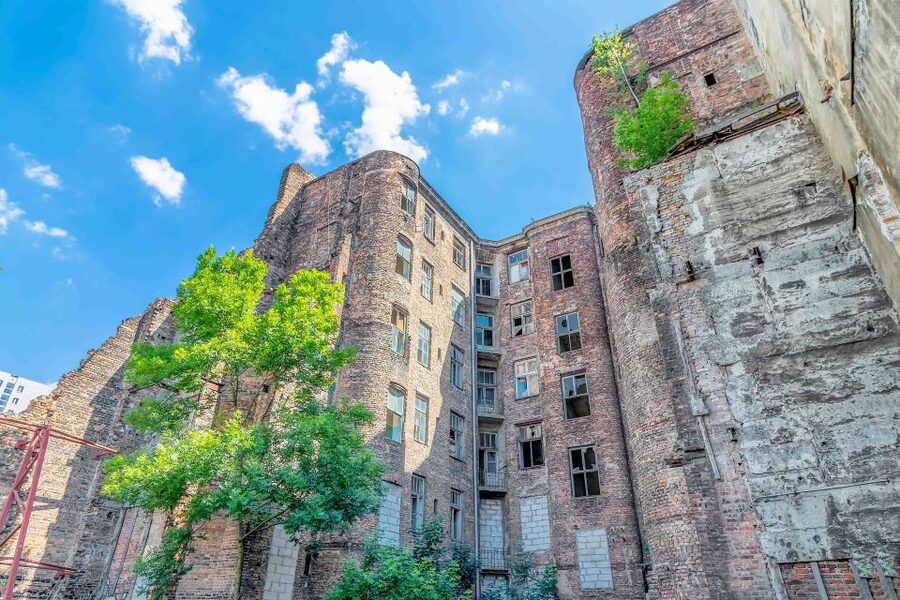
The Warsaw Ghetto was not preserved as a single historic quarter. The war destroyed much of the area, and later rebuilding changed the streets again. If you walk alone, you may see a marker or monument without knowing what stood there before.
This tour gives those fragments a clear sequence. You begin by learning what happened to Warsaw during the German occupation, then follow the former ghetto through its boundary markers, memorials, resistance sites, and final deportation point. The guide’s job is not just to name places. It is to explain how hunger, disease, forced confinement, and terror shaped ordinary life.
The private setting is useful here. This is a serious subject, and you may want to pause or ask about a detail that a large group would pass over. Guides are available in seven languages, and the language quality matters on a tour built around names, dates, testimony, and careful historical explanation. Iwona, one guide praised for clear German, is a good example of the kind of language support you should expect when booking in a non-English language.
The meeting point is next to the anchor monument in front of the main entrance to the Field Cathedral of the Polish Army at Długa 13/15. This is in central Warsaw, but do not rely on a last-minute guess. Check the message sent the day before, especially if your accommodation is not in the Old Town.
More Museum Tours in Warsaw
- Warsaw: POLIN Museum of the History of Polish Jews Ticket
★ 4.7 · 1,142 reviews - Warsaw: Polish Vodka Museum Tour with Tasting
★ 4.6 · 788 reviews - Warsaw: Cold War Museum Entry Ticket
★ 4.6 · 55 reviews
Reading the boundary of the ghetto
The walk includes traces of the former ghetto boundary. These markers are small compared with the scale of the story they represent. That contrast is one of the most striking parts of the experience.
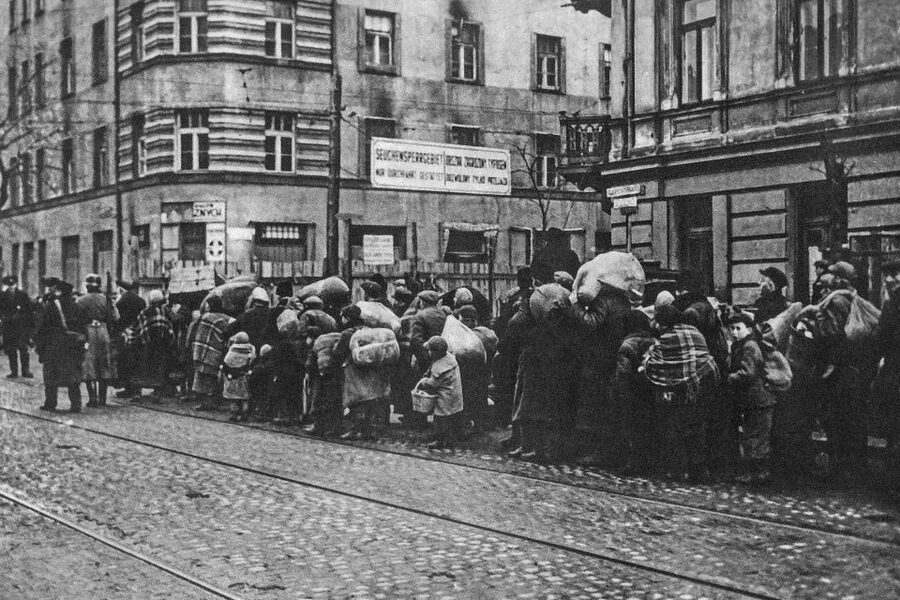
More than 400,000 Jewish people from Warsaw and nearby areas were forced into the ghetto, described here as the largest in Europe. The boundary was not simply a line on a map. It separated families from the rest of the city and restricted access to food, work, medicine, and movement.
Your guide explains what happened inside rather than treating the boundary as a photo stop. You hear about hunger, disease, death, and the daily struggle to survive. You also hear about efforts to maintain community life and resist Nazi control. The result is a fuller picture than a tour focused only on destruction.
Old photographs are especially helpful. One guide used photographs and the shape of present-day streets to show where buildings destroyed in the war once stood. That approach is valuable because the modern city can otherwise make the former ghetto feel abstract.
Expect walking on city streets rather than a preserved wartime site. The tour is not a visit to a reconstructed ghetto. It is an exercise in locating a destroyed world beneath present-day Warsaw.
The Ghetto Heroes Monument and Mila 18
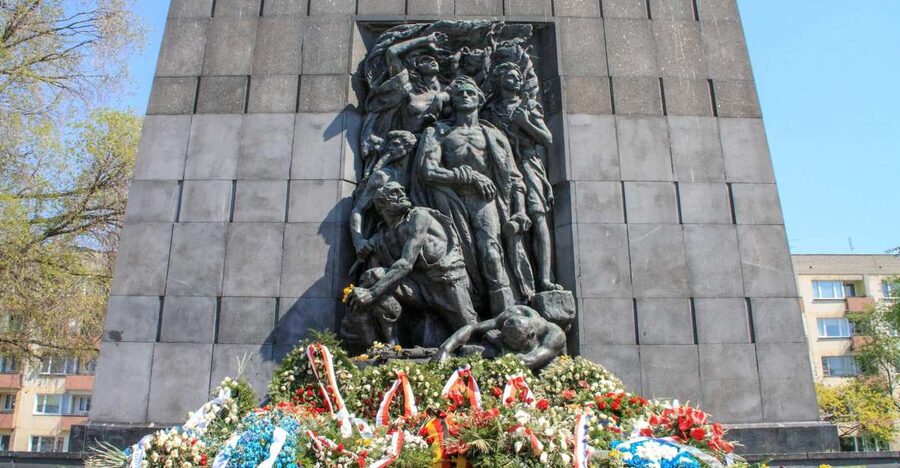
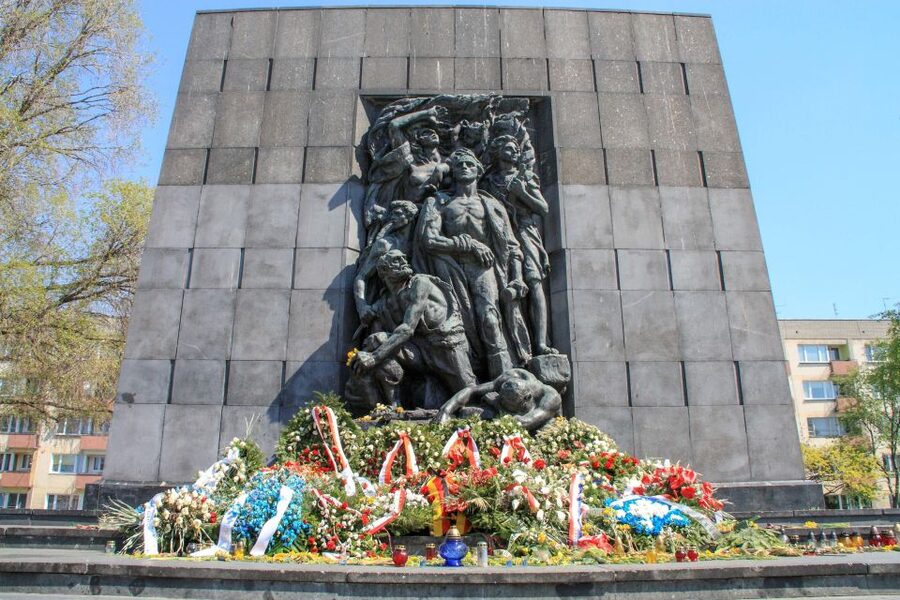
The Monument to the Ghetto Heroes is the emotional center of the shorter walk. It commemorates the Warsaw Ghetto Uprising of 1943, when Jewish resistance fighters rose against the German forces who had imprisoned and deported the ghetto population.
Your guide puts the uprising into the wider story of the ghetto. By this point, you will have heard about the brutal conditions inside and the deportations that removed hundreds of thousands of people. The uprising was not a conventional military campaign with a realistic chance of victory. It was an act of resistance in the face of overwhelming force.
The guide also points out the Anielewicz Mound at Mila 18, the site of a hidden shelter used by a Jewish resistance group. This detail adds a human scale to the monument. You are not only hearing about a famous event. You are being shown where people organized, hid, and made their final stand.
I appreciate that this part of the tour includes both the public memorial and the less obvious site. The monument gives you a place for remembrance, while Mila 18 helps you picture the underground network behind the uprising. Ask questions here if you want to understand how the resistance operated, since the private format gives you time for follow-up.
The supplied description also includes a visit to the Monument to the Warsaw Uprising. Be aware that this is distinct from the Monument to the Ghetto Heroes. The guide uses Warsaw’s wartime memorials to help explain the city’s broader experience under occupation.
Umschlagplatz and the end of the two-hour route
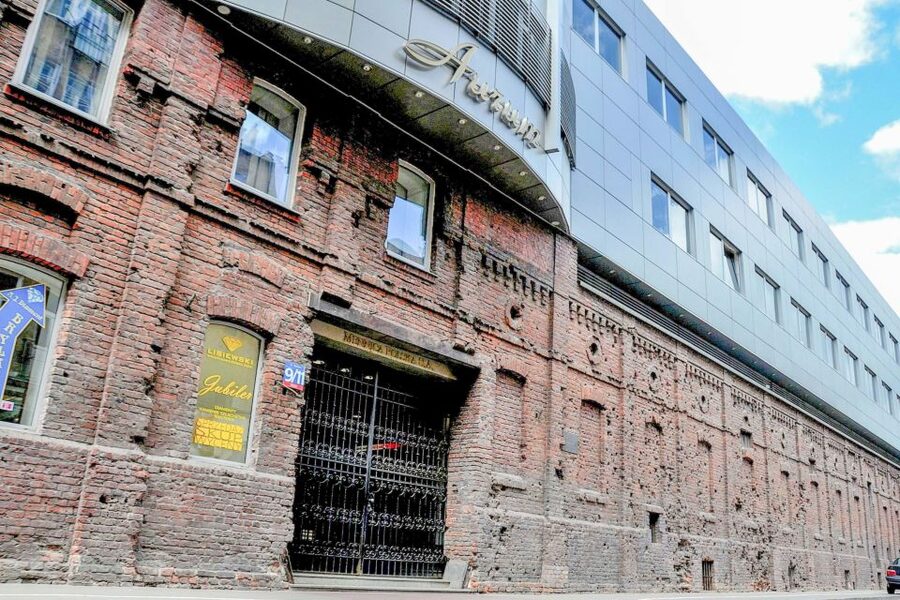
The two-hour walking tour ends at the Umschlagplatz Monument. This marks the deportation point where Jews were gathered before being transported to Treblinka. More than 300,000 Jewish people died there.
This is a hard place to finish, but it gives the route a clear historical arc. You begin with confinement and daily survival, move through resistance, and end at the place connected with mass deportation. The stop is not just a final landmark. It shows how the Nazi system turned the ghetto into a staging ground for murder.
The two-hour option works best if you want a focused introduction or have limited time in Warsaw. At $112 per person, the cost is easier to justify for a small private group than for one person traveling alone, since the price buys a dedicated guide rather than a standard large-group walk. Still, you should compare the duration with your priorities. The two-hour tour does not include admission to the Jewish Cemetery or POLIN Museum.
If you prefer a slower pace, want more questions answered, or need time to reflect at each memorial, the short option may feel compressed. The subject is too important to rush, and the extra hours add sites rather than padding.
A different kind of day in Warsaw:
- Warsaw: Chopin Concert in the Old Town
★ 4.8 · 2,287 reviews - Warsaw: Traditional Galar Cruise on The Vistula River
★ 4.6 · 1,640 reviews - Warsaw: Old Town Highlights Walking Tour in English
★ 4.7 · 1,516 reviews - Warsaw Concert: Chopin – Painted by Candlelights with Wine
★ 4.8 · 1,442 reviews
The Jewish Cemetery in Muranow
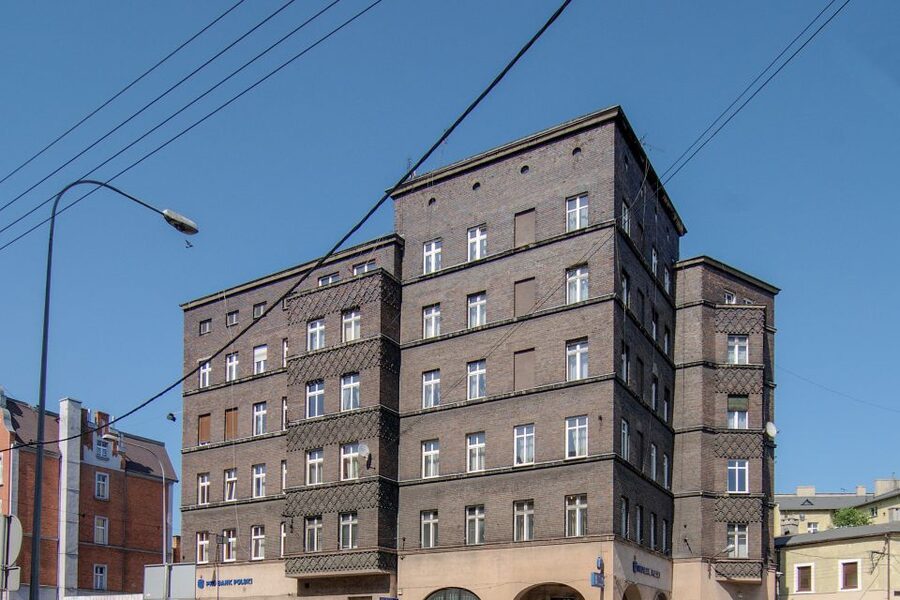
The three-hour tour adds the old Jewish Cemetery in Muranow, established in 1809. A one-way public transport ticket is provided because the cemetery lies outside the central walking route.
The cemetery is one of the largest in Europe, with more than 200,000 people buried there. The guide points out graves connected with spiritual leaders, political activists, and important creators of Jewish culture. You will also see the graves of many unnamed victims of the Second World War.
This stop changes the mood of the tour. The ghetto memorials are public statements built for collective remembrance. The cemetery is a place of individual names, stones, family connections, and absence. Even when you do not know the people buried there, the setting makes the scale of Jewish life in Warsaw easier to understand.
The three-hour option is a good middle choice. You get the former ghetto walk and the cemetery without committing most of a day to museum galleries. The public transport connection also means you are not expected to walk the full distance between the sites.
Keep in mind that the cemetery entry fee and transport ticket are not included in the two-hour option, but they are included in the three-hour version. Check the exact option before paying, since the inclusions change with the duration.
POLIN Museum on the five-hour option
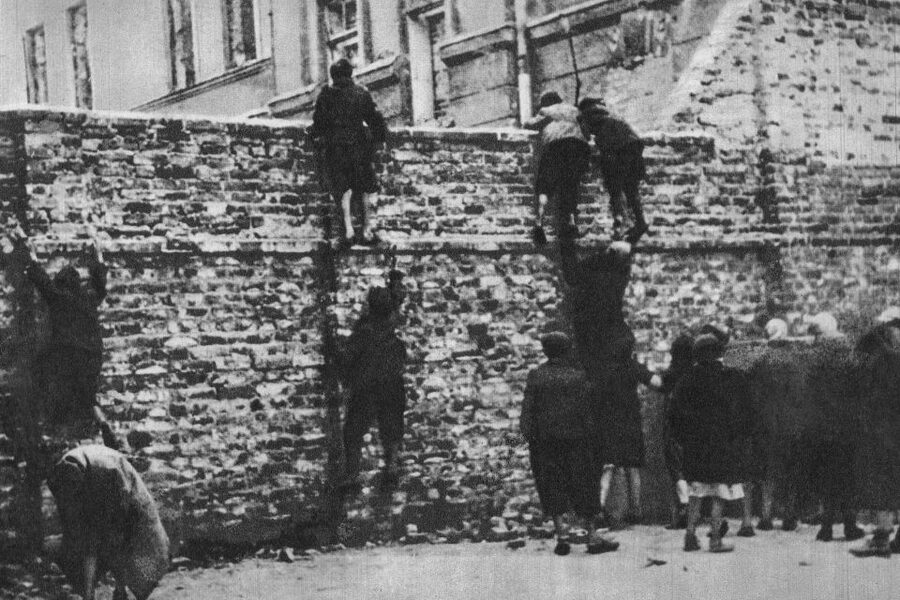
The five-hour version combines the former ghetto, Jewish Cemetery, and POLIN Museum of the History of Polish Jews. This is the best choice if you want the memorial walk placed within a much longer story of Polish Jewish life.
POLIN covers the history, culture, and heritage of Polish Jews before, during, and after the war. That broader scope matters. A ghetto tour naturally focuses on persecution and the Holocaust, but Jewish life in Poland did not begin with the Nazi occupation. The museum helps you understand the communities, traditions, achievements, and institutions that existed before the war.
Skip-the-line tickets are included for the museum. This means you can bypass the ticket office queue, but not the entrance or security checks. Admission covers the main exhibition, the ongoing temporary exhibition, and the Heritage Gallery.
Allow enough mental energy for POLIN. The museum is described as modern and highly educational, and you could spend more than three hours there if you read everything closely. The five-hour tour may introduce the museum within a set schedule, but it cannot guarantee that you will see every display at length.
One visitor’s visit ended with more than three hours in POLIN because the museum was so absorbing. That is useful planning advice: if the museum is your main reason for booking, consider treating the five-hour option as an introduction rather than your complete museum visit. You may want a separate return visit if your schedule allows.
Guide quality and the value of a private group
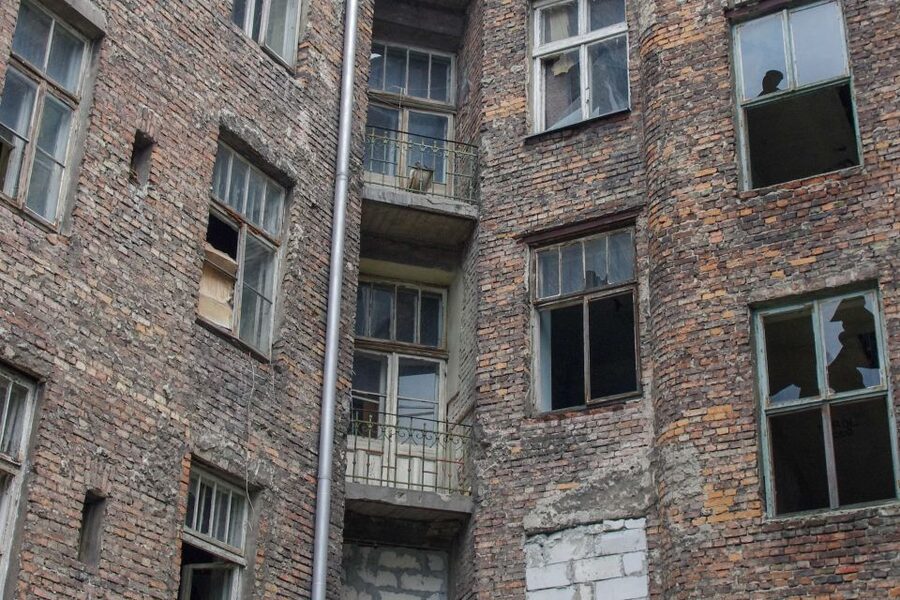
The strongest part of this experience is the guide. Several specific strengths come through in the available feedback: clear explanations, strong language skills, good use of photographs, and the ability to answer questions on the spot.
That flexibility is more important here than on a simple sightseeing walk. You may ask about a memorial, a street that no longer exists, or the difference between the ghetto uprising and Warsaw’s broader 1944 uprising. A private guide can respond to your interests instead of following a fixed script for a large crowd.
The guides work in English, Spanish, French, German, Italian, Polish, and Russian. French explanations were praised for the effort and clarity, while Iwona received particular approval for her German. The right language can make a major difference when the tour deals with painful events and detailed historical terms.
At $112 per person, this is not a bargain walk for a single person. For a couple, family, or small private group that values conversation and a chosen language, it can be fair value. You are paying for personal attention, not just access to a route. If your main goal is to see memorials quickly and read the signs independently, the price may feel high.
Timing, pickup, and practical details
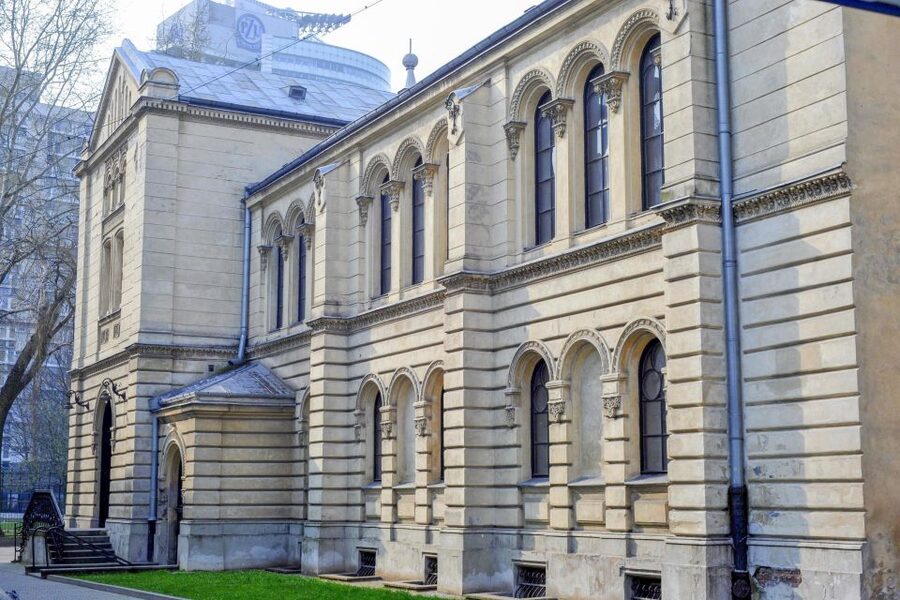
The tour lasts two, three, or five hours. Starting times vary, so you need to check availability for your date. The walking portion takes place outdoors, while the cemetery and museum add different kinds of time and movement.
Pickup is available only from accommodations in the Old Town area and within 1.5 kilometers of the designated meeting point. If you are staying farther away, plan to meet at the Field Cathedral instead. Provide your address when booking if you want pickup eligibility checked.
Read the message sent the day before. It contains important meeting information, and the starting point is specific: the anchor monument at the cathedral entrance, not simply the cathedral or the Old Town.
The tour is private, but the supplied information does not set a group-size limit. That means you should confirm the practical arrangement if you are booking for a larger party. Public transport is included for the cemetery on the three and five-hour options, so you do not need to plan that connection yourself.
Free cancellation is available up to 24 hours in advance, and you can reserve now and pay later. Those terms help if your Warsaw plans are still changing, but they should not replace checking the exact inclusions for your selected duration.
Which version should you choose?
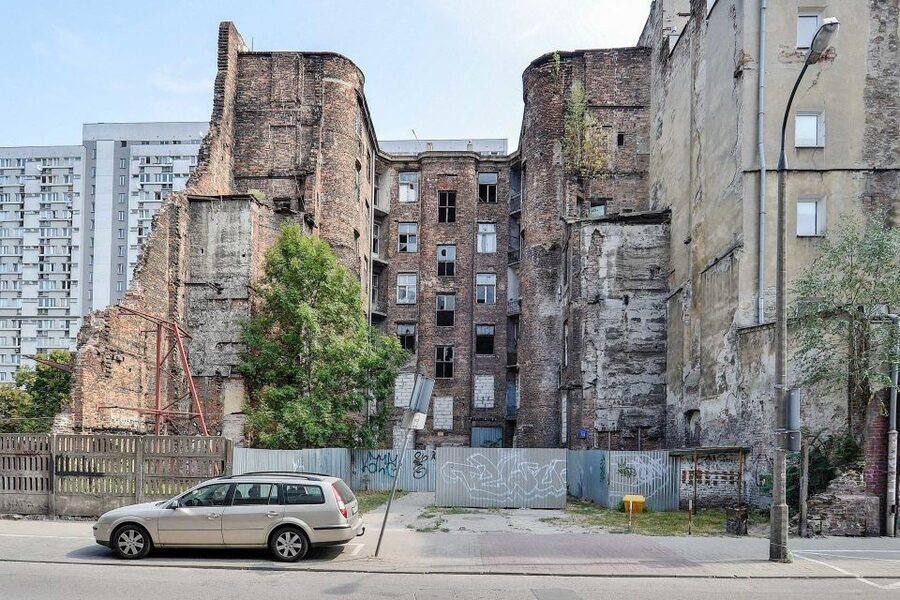
Choose the two-hour tour if you want the main ghetto story, need a compact introduction, or are fitting the experience between other Warsaw sights. It covers the boundary markers, wartime context, Ghetto Heroes Monument, Mila 18, and Umschlagplatz.
Choose the three-hour tour if the cemetery matters to you. It adds a major place of remembrance and gives you a wider view of Jewish life in Warsaw. This is probably the best balance for someone who wants more than memorials but does not want a full museum visit.
Choose the five-hour tour if you want the broadest historical experience and can give the subject most of your day. POLIN adds essential context before and after the Holocaust, while the cemetery gives you a quiet place to consider the human scale of the story.
This tour suits adults and older children who can engage with difficult history. It is especially useful if you prefer asking questions, want explanations in a language other than English, or find it hard to make sense of a city where so many wartime buildings have vanished.
Should you book this Warsaw Jewish history tour?
I would book it if you want a serious, guided introduction to Warsaw’s Jewish history rather than a quick list of memorials. The private format, strong language options, use of old photographs, and focus on places such as Mila 18 and Umschlagplatz give the walk real substance.
For the best value, I would choose the three-hour option at minimum, then choose five hours if POLIN is high on your list. The two-hour route is worthwhile when time is tight, but the cemetery and museum are what turn a short memorial walk into a fuller understanding of Jewish life, Nazi persecution, resistance, and remembrance in Warsaw.
FAQ
Where does the tour meet?
Meet your guide next to the anchor monument in front of the main entrance to the Field Cathedral of the Polish Army, Długa 13/15, 00-238 Warsaw.
How long is the tour?
You can choose a two-hour, three-hour, or five-hour option.
What does the two-hour tour include?
It includes a private walking tour of the former Warsaw Ghetto, including ghetto boundary markers, the Monument to the Ghetto Heroes, Mila 18, and the Umschlagplatz Monument.
Is the Jewish Cemetery included?
The Jewish Cemetery is included in the three-hour and five-hour options. It is not included in the two-hour option.
Is transport to the cemetery provided?
A one-way public transport ticket is provided with the three-hour and five-hour options because the cemetery is outside the city center.
Is POLIN Museum included?
POLIN Museum is included only in the five-hour option.
Do the museum tickets skip every line?
The ticket allows you to skip the line at the ticket office. You still need to pass the entrance and security checks.
What museum areas does admission cover?
Admission includes the main exhibition, the ongoing temporary exhibition, and the Heritage Gallery.
Is hotel pickup available?
Pickup is available only from accommodations in the Old Town and within 1.5 kilometers of the designated meeting point. Otherwise, meet the guide at the cathedral.
Which languages are available?
The live guide can conduct the tour in English, Spanish, French, German, Italian, Polish, or Russian.
Recently added in Warsaw
- Warsaw Wolf’s Lair with St. Lipka and Mamerki Private Guided★ 4.2 · 3 reviews
- Taste of Poland, food tour and guided walk with 12 tasting★ 5.0 · 3 reviews
- Discover Warsaw’s most Photogenic Spots with a Local★ 5.0 · 3 reviews
- Lodz Small Group Tour from Warsaw with Lunch★ 4.0 · 3 reviews
- Jewish heritage in Warsaw★ 4.5 · 3 reviews
- Warsaw Outdoor Paintball with Transfers (all year round)★ 5.0 · 3 reviews
- Electric Scooter Tour: Full Tour – 3-Hours of Magic!★ 5.0 · 3 reviews
- Skip-the-Line Polin Museum Warsaw Jewish History Tour★ 5.0 · 3 reviews
Museums, compared.
Auschwitz-Birkenau Museum and Memorial Guided Tour from Krakow
Read our review →POLIN Museum of the History of Polish Jews Ticket
Read our review →


Krakow Schindler’s Factory Museum Guided Tour in English
Read our review →
Auschwitz Birkenau Museum Guided Tour with Pickup
Read our review →
Where else this one turns up