
Reviewed · WALKING TOURS
Warsaw: 2-Hour Chopin’s Life Walking Tour
Warsaw’s Chopin story is much more than a list of statues and plaques. This two-hour private walk follows the young composer through the city where he studied, made friends, gave his first concerts, fell in love, and shaped the musical voice that later carried Poland into the wider world. You finish at the interactive Chopin Museum, with music along the way.
I like the personal scale of the tour, especially when a guide such as Marzena or Marta turns dates and buildings into a human story. I also like the route’s mix of outdoor Warsaw and an indoor museum, plus the chance to see the Church of the Holy Cross, where Chopin’s heart was placed. The main drawback is pace: two hours is short for a subject this large, and the museum is closed in 2026 while its core exhibition changes.
Key points at a glance
- Follow Chopin’s Warsaw, not just his famous name: See places tied to his childhood, education, performances, friendships, and departure from Poland.
- Hear the music during the walk: Chopin’s compositions provide an atmospheric link between the sites.
- Visit the Church of the Holy Cross: This important stop connects Chopin’s life in Warsaw with his final resting place in the city.
- End at the interactive Chopin Museum: Plan extra attention here if you want to explore his life and works beyond the guided portion.
- Enjoy a private group format: You can ask questions and shape the conversation more easily than on a large group tour.
- Know the 2026 limitation: The museum will be closed because its core exhibition is being changed.
Why Chopin matters so much in Warsaw
Frederick Chopin spent the first 20 years of his life in Warsaw. That period covered his childhood, musical training, early friendships, first concerts, and the beginnings of the romantic identity that shaped his work.
You are not simply following the route of a famous musician. You are seeing the city that formed him before he left Poland. The tour asks useful questions: What made Chopin’s music sound so personal? Who encouraged him? Which parts of Warsaw gave him confidence, and why did he eventually leave?
That setting matters because Chopin is often presented mainly as a virtuoso at a piano. This walk gives you the missing context. You see the young man before international fame, when his talent was still developing and his relationship with Warsaw was still growing.
The tour also places Chopin within Polish culture and history. One review described the experience as a good way to connect his life with the history of Poland, and that is a key strength. His story is personal, but it also reflects a country wrestling with identity, culture, and separation from the wider European stage.
More Walking Tours in Warsaw
- Warsaw: Old Town Highlights Walking Tour in English
★ 4.7 · 1,516 reviews - Warsaw: Old Town Guided Walking Tour
★ 4.9 · 599 reviews - Half-Day Polish Food Walking Tour with Guide and Dinner
★ 4.5 · 381 reviews
Beginning in central Warsaw
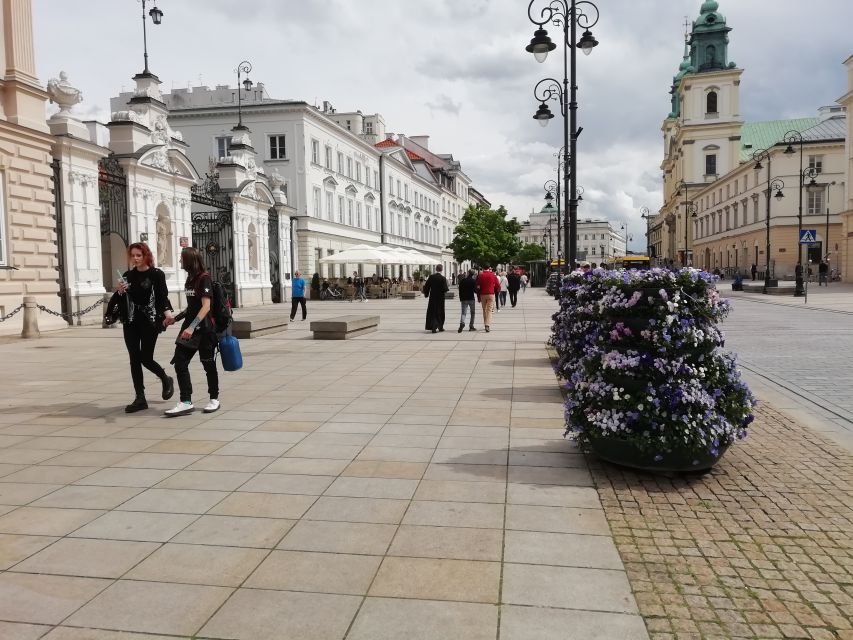
The route can begin in or near the Old Town area, based on the location of your hotel and the guide’s meeting arrangements. The sightseeing order may change, so think of this as a connected trail rather than a fixed procession of stops.
At the meeting point, look for a guide holding a sign marked PolinTours, Private Guide. Arrive 10 minutes early. That small buffer is worth taking seriously because a private walking tour has a set start time, and you do not want to spend the opening minutes trying to find one another.
Your guide speaks English, German, or Polish. The private format is especially helpful here because Chopin’s story can lead in several directions. You may want more music, more Polish history, more detail about his family, or a clearer explanation of why he left. A private guide can spend time on your questions rather than moving at the pace of a full group.
The tour is described as relaxed, but it is still a walking tour. Wear comfortable shoes, and bring sunglasses and sunscreen in bright weather. Large bags, oversize luggage, pets, smoking, alcohol, and drugs are not allowed.
Saxon Garden and the feel of 19th-century Warsaw
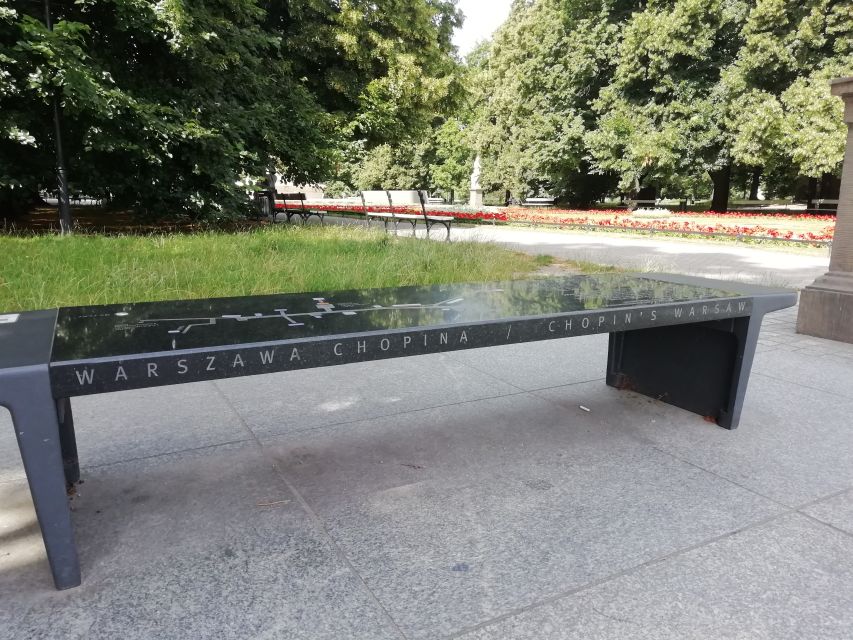
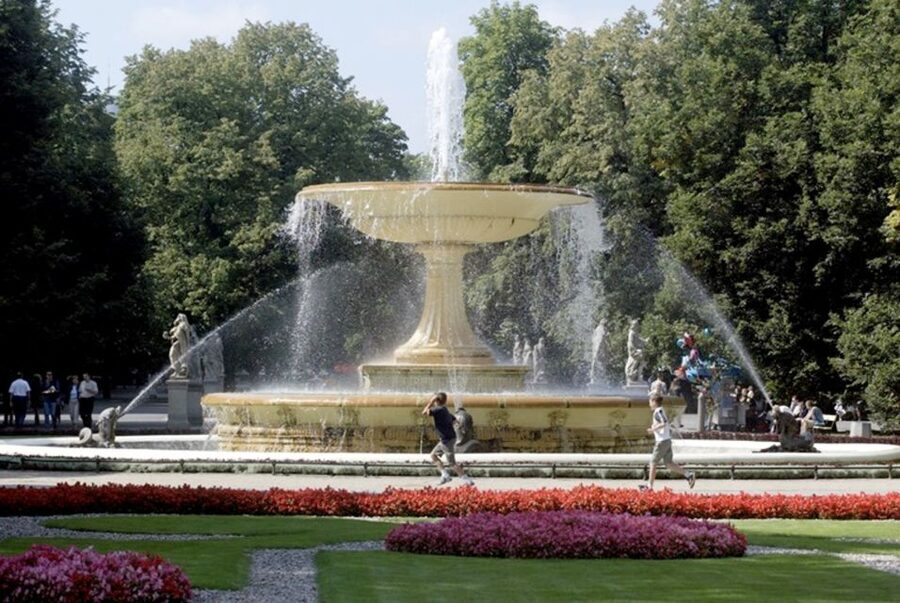
The Saxon Garden gives the tour an open-air beginning and helps shift your attention from modern Warsaw to the city Chopin knew. You get a chance to walk while the guide sets the period and explains how the young composer’s surroundings shaped his habits and imagination.
This is one of the places where a live guide adds real value. A sign alone can tell you that Chopin lived or spent time nearby. A guide can explain how the location fits into his wider life, who mattered to him, and how his early experiences affected his music.
Do not expect every stop to function like a grand museum room. Some of the pleasure comes from linking ordinary city spaces with a person whose work is now performed around the world. The tour’s appeal lies in that contrast: familiar streets on one side, a major artistic life on the other.
The walking pace also makes the experience feel less formal than a concert or museum visit. You are not required to absorb a long lecture in one sitting. Instead, the story builds as you move through the city.
Radziwiłł Palace and Chopin’s first public steps
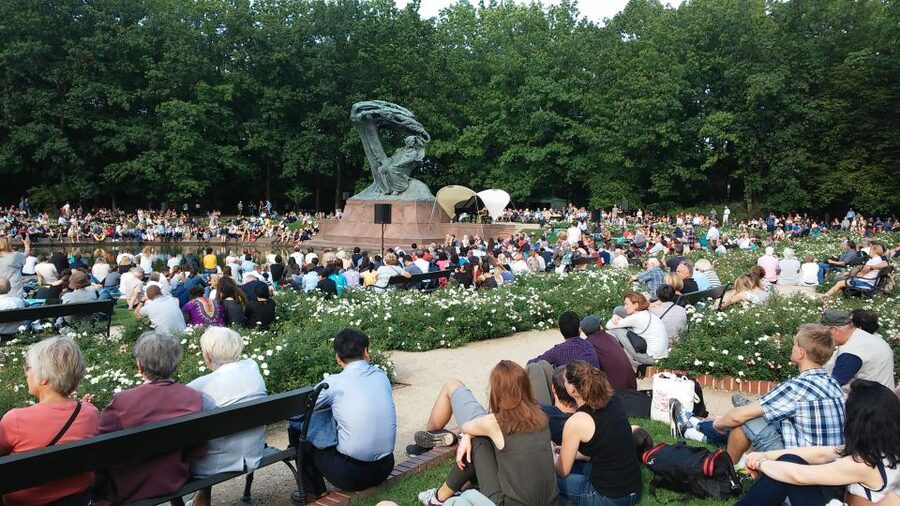
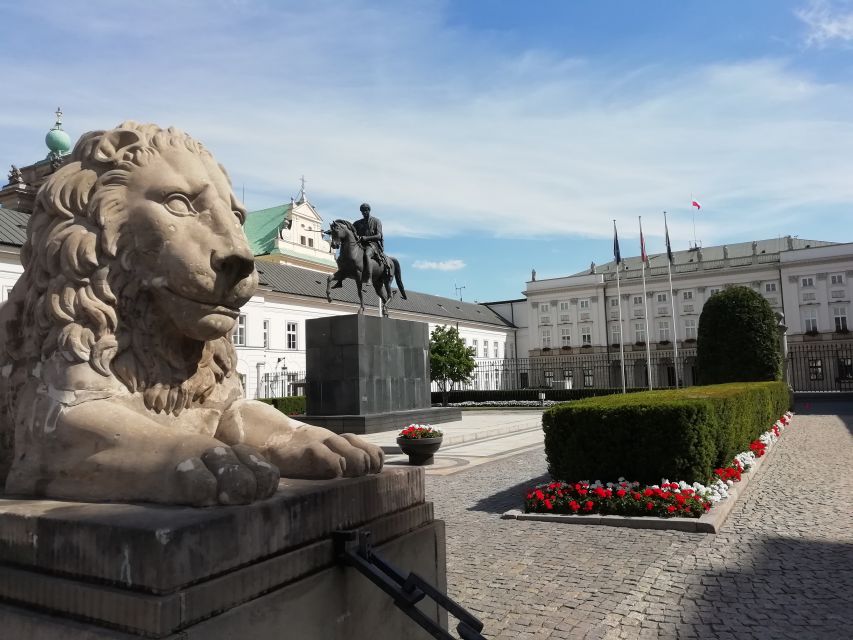
The Radziwiłł Palace is tied to Chopin’s early performances. This is an important point in the route because it takes the story from gifted child to public musician.
Chopin did not appear fully formed as the adult composer known today. He learned, practiced, met influential people, and tested himself before an audience. A stop connected with his early concerts helps you picture that transition.
I find these moments more revealing than a simple list of masterpieces. You begin to see the pressure and excitement behind a first performance. The guide also discusses the people who played a role in Chopin’s life, including the relationships that shaped his confidence and creativity.
The tour links these early public appearances with Chopin’s personality. That makes the palace more than an architectural pause. It becomes part of the explanation for how a young pianist developed into a composer with a very distinct voice.
Because the entire walk lasts only two hours, expect the guide to select the most useful points rather than cover every detail. If Chopin is a major interest for you, ask questions as you go. The private format gives you room to turn a short stop into a more meaningful conversation.
A different kind of day in Warsaw:
- Warsaw: Chopin Concert in the Old Town
★ 4.8 · 2,287 reviews - Warsaw: Traditional Galar Cruise on The Vistula River
★ 4.6 · 1,640 reviews - Warsaw Concert: Chopin – Painted by Candlelights with Wine
★ 4.8 · 1,442 reviews - Warsaw: City Sightseeing Hop-On Hop-Off Bus Tour
★ 3.6 · 1,415 reviews
The Church of the Holy Cross and Chopin’s heart
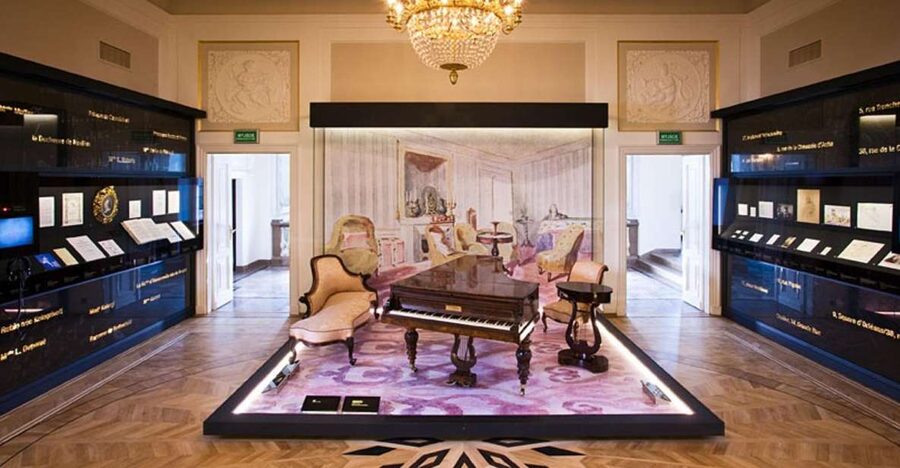
The Church of the Holy Cross is one of the most emotionally important stops. Chopin spent much of his life away from Poland after leaving Warsaw, but his heart eventually came to rest here.
That detail gives the church a strong connection to the theme of home. Chopin’s career carried him far from Warsaw, yet the city remained central to his identity. The church links the young man who grew up and performed in Warsaw with the composer remembered by the city today.
This stop is also a reminder that the tour is not only about music. It is about memory, belonging, and the way a city keeps a connection with one of its most famous residents.
Your guide can place the church within the larger story of Chopin’s departure from Poland and explain why leaving was such a significant turning point. The supplied tour information does not promise a long interior visit or a specific religious service, so treat this as a guided landmark stop rather than a church program.
As with any church visit, be respectful of the setting. Comfortable clothing and quiet attention are sensible, especially if services or other visitors are present.
Listening to Chopin along the way
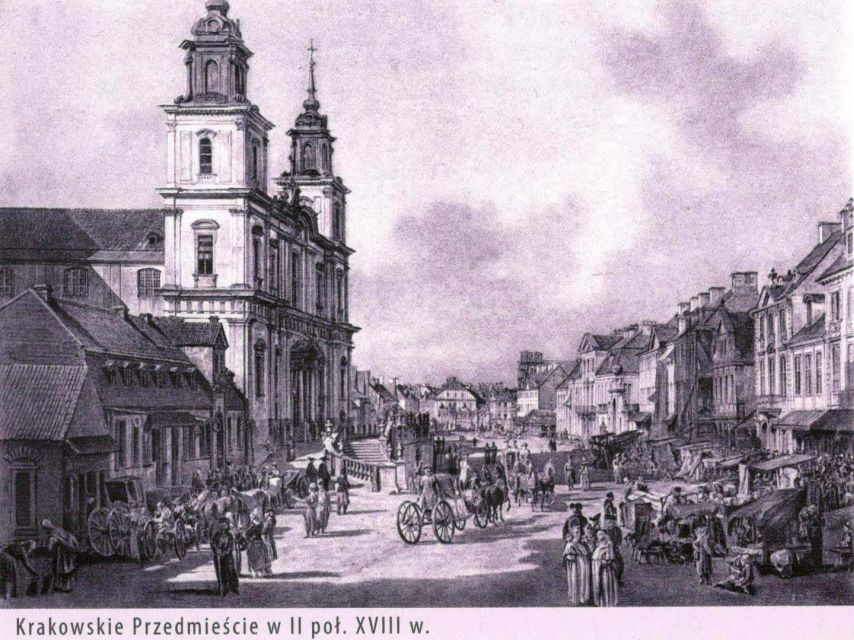
Music is part of the tour rather than a subject saved for the end. Listening to Chopin’s work while standing in places linked to his early life gives the walk a stronger emotional thread.
You can hear how the music changes the way you look at the city. A palace connected with his first concerts feels more personal when you remember that this was once the setting for a young performer finding his public voice. The church becomes more poignant when the music is paired with the story of his lasting connection to Warsaw.
This is not a full concert, and you should not book it expecting a long recital. The music works as a complement to the walking and storytelling. Its purpose is to help you connect sound with place.
I particularly like this part for visitors who know Chopin mainly by name. You do not need to arrive as a classical music expert. The guide provides enough context to help you listen with greater attention, while the route explains why the music matters to Warsaw.
Finishing at the Chopin Museum
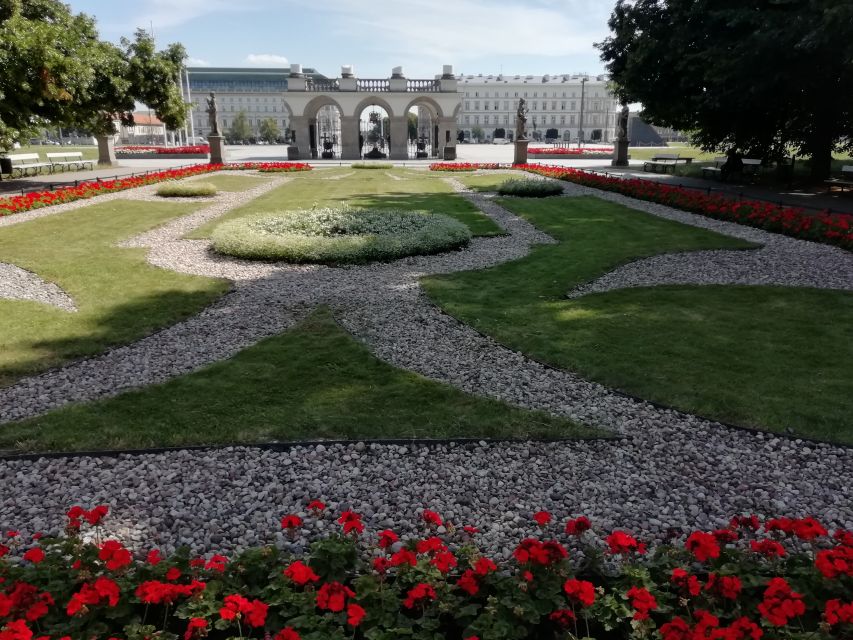
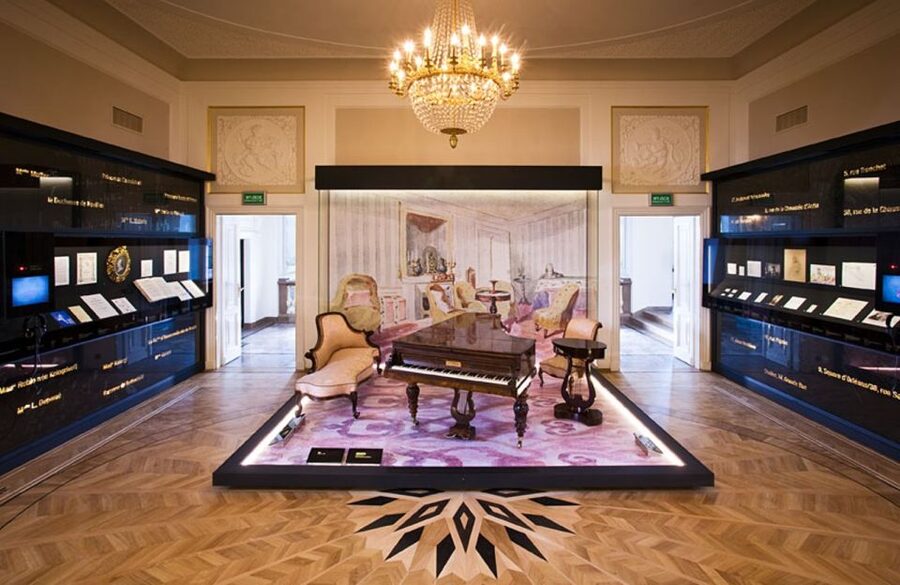
The interactive Chopin Museum is the tour’s main indoor stop and its most concentrated look at the composer’s life. It is described as one of Europe’s most modern biographical museums, with material connected to Chopin and his work.
The museum matters because the walking route gives you the setting, while the exhibits give you more evidence and detail. You can follow up on the people, places, and events introduced outdoors instead of treating the museum as an unrelated attraction.
A useful feature of the guided visit is the orientation. Marzena has been praised for explaining how to continue exploring the museum after the tour, so you can make better use of the exhibits once the formal guiding ends. That is practical advice, since an interactive museum can offer more material than you can absorb in a quick visit.
Marta has also been singled out for making the walk fun and engaging. Those two guide styles point to what you should look for here: not just facts, but help in deciding which parts deserve your attention.
Allow for the possibility that you will want more time inside the museum than the two-hour schedule allows. The tour may introduce the collection, but serious Chopin followers should plan a separate visit if the schedule permits.
There is one major date-specific warning. The Chopin Museum is scheduled to be closed throughout 2026 because its core exhibition is changing. If your visit falls in 2026, do not book this tour expecting museum access. Confirm what the revised route includes before paying.
What $69 means in practical terms
At $69 per person, this is not the cheapest way to take a walk through Warsaw. You are paying for a two-hour private tour with a certified guide, rather than a self-guided route or a large group outing.
The value depends on your group size and your interest in Chopin. For one or two people, the price is easier to justify if you want focused attention, questions answered in real time, and a clear route through the city. For a larger private group, the per-person cost may feel more reasonable.
The listed inclusions specify a certified guide. Food and drinks are not included, and you should confirm the museum admission arrangement before booking because the inclusions do not separately list an entry ticket.
I would see this as a good-value introduction if you want a structured Chopin story without spending half a day in a classroom. It is less compelling if you only want to see Warsaw’s main sights or if you prefer to explore museums at your own pace.
The private format is the biggest value point. You can ask about Chopin’s first love, musical training, family, friendships, or reasons for leaving Poland. On a large group walk, those side questions may be cut short. Here, they can become part of the experience.
Who will enjoy this walk most
This tour suits you if Chopin’s music already means something to you, even if your knowledge is basic. It also works well if you want a personal introduction before attending a concert or visiting the museum alone.
History-minded visitors will appreciate the link between Chopin and Poland. The walk is not limited to musical technique. It explores the city, the people around him, and the events that shaped his decisions.
The private setup can also work well for families or small groups with different levels of interest. Someone who knows every nocturne can ask detailed questions, while someone new to Chopin can receive a simple explanation without feeling lost.
It is less suitable if you have limited mobility. The activity is a walking tour, and the information specifically says it is not recommended for people with mobility impairments. The tour also does not include food or drinks, so plan those separately.
Timing, cancellation, and small practical matters
The activity lasts two hours, with starting times based on availability. You can cancel up to 24 hours before the start for a full refund, and the reserve-now, pay-later option lets you hold a place without paying immediately.
The meeting point instructions are simple: find the guide with the PolinTours, Private Guide sign and arrive 10 minutes early. Since the route order may change depending on your hotel location, read the final meeting details carefully.
You should bring comfortable shoes, sunglasses, and sunscreen. Leave large luggage behind. Pets, smoking, alcohol, and drugs are not permitted.
If your date is in 2026, the museum closure is the detail to settle first. The rest of the tour can still offer a Chopin-focused walk, but the experience will not match the museum-based route described here.
Should you book the Chopin walking tour?
Book it if you want a focused, personal introduction to Chopin’s Warsaw and like the idea of connecting streets, churches, performance sites, music, and museum exhibits in one short outing. The strongest parts are the private guide, the clear historical thread, and the way the tour connects Chopin’s early life with his enduring bond to Warsaw.
The guides Marzena and Marta have been praised for clear explanations, patience, humor, and good museum guidance. That matters on a subject that can easily become a string of dates and names.
Skip it if you want a broad Warsaw sightseeing tour, dislike walking, or need a fully accessible route. Also check the museum situation carefully for 2026. For the right visitor, $69 buys more than landmarks: it buys a human story about how Warsaw helped form one of Europe’s most famous composers.
FAQ
How long is the Chopin walking tour?
The tour lasts two hours.
What languages does the guide speak?
The live guide is available in English, German, or Polish.
Is this a private tour?
Yes. The activity is organized for a private group.
What locations are included?
The route includes the Saxon Garden, Radziwiłł Palace, the Church of the Holy Cross, and the Chopin Museum. The sightseeing order may change depending on the location of your hotel.
Is the Chopin Museum open in 2026?
No. The museum is scheduled to close in 2026 while changes are made to its core exhibition.
What is included in the price?
A certified tour guide is included. Food and drinks are not included.
What should I bring?
Bring comfortable shoes, sunglasses, and sunscreen. Arrive at the meeting point 10 minutes before the activity begins.
More two hour outings in Warsaw
- Warsaw: 2-Hour Guided Segway Tour
★ 4.8 · 34 reviews - Warsaw: 2-Hour Tour of Daily Life in the Ghetto Warsaw
★ 4.9 · 26 reviews - Warsaw: 2-Hour Praga Walking Tour
★ 4.5 · 18 reviews - Warsaw: 2-Hour Old Town Walking Tour
★ 5.0 · 17 reviews
Recently added in Warsaw
- Warsaw Wolf’s Lair with St. Lipka and Mamerki Private Guided★ 4.2 · 3 reviews
- Taste of Poland, food tour and guided walk with 12 tasting★ 5.0 · 3 reviews
- Discover Warsaw’s most Photogenic Spots with a Local★ 5.0 · 3 reviews
- Lodz Small Group Tour from Warsaw with Lunch★ 4.0 · 3 reviews
- Jewish heritage in Warsaw★ 4.5 · 3 reviews
- Warsaw Outdoor Paintball with Transfers (all year round)★ 5.0 · 3 reviews
- Electric Scooter Tour: Full Tour – 3-Hours of Magic!★ 5.0 · 3 reviews
- Skip-the-Line Polin Museum Warsaw Jewish History Tour★ 5.0 · 3 reviews
Walking Tours, compared.




Gdańsk City Sights & History Guided Walking Tour in English
Read our review →



Where else this one turns up