
Reviewed · WARSAW TOURS
Warsaw: 2-Hour Tour of Daily Life in the Ghetto Warsaw
Warsaw’s former ghetto is not a single attraction behind a gate. It is a scattered set of streets, markers, walls, monuments, and empty spaces woven into the modern city. This two-hour walking tour helps you connect those fragments, from the last preserved street and ghetto wall to Mila 18 and Umschlagplatz.
I like the way the route deals with ordinary daily life, not only the uprising. I also like the link to Oneg Shabbat, whose hidden archive survived in metal cases and milk cans. The main drawback is that two hours is brief for such a large subject, and public transport tickets and museum entry cost extra.
Key points at a glance
- The last preserved street and wall fragments: See some of the few physical remains of the ghetto.
- Mila 18 and the Warsaw Ghetto Uprising: Visit the bunker site tied to the final resistance.
- The Chłodna Street footbridge site: Understand how the ghetto was split and how movement was controlled.
- Umschlagplatz: Learn about the deportations to Treblinka at the place where many people were forced onto trains.
- Oneg Shabbat and its secret archive: Hear how life inside the ghetto was recorded for the future.
- A useful museum finish: The tour usually ends at the POLIN Museum, where the core exhibition needs at least 2.5 hours.
Why this Warsaw Ghetto tour matters
The Warsaw Ghetto was created by the Nazis in 1940 in the center of Warsaw. About 460,000 Jewish people from Warsaw and nearby areas were forced into roughly four square kilometers. Hunger, exhaustion, and disease killed about 100,000 people inside the ghetto, while more than 300,000 were deported to Treblinka.
Those figures are difficult to grasp from a page. The route gives them a physical setting. You walk through streets that no longer look like a sealed district, then stop at the places where walls, bridges, bunkers, and deportation points once shaped every part of life.
That contrast is one of the tour’s most useful features. Modern Warsaw has grown around the former ghetto, so you need a guide to explain what has disappeared and what remains. A bare wall fragment may look modest, but its location can show how tightly people were confined.
The tour also avoids treating the ghetto only as a battlefield. You learn how people faced food shortages, disease, forced movement, blackmail, indifference, and Nazi terror. You also hear about the efforts to help, resist, record, and preserve evidence.
More two hour outings in Warsaw:
- Warsaw: 2-Hour Guided Segway Tour
★ 4.8 · 34 reviews - Warsaw: 2-Hour Chopin’s Life Walking Tour
★ 5.0 · 19 reviews - Warsaw: 2-Hour Praga Walking Tour
★ 4.5 · 18 reviews
Walking the last streets and wall remains
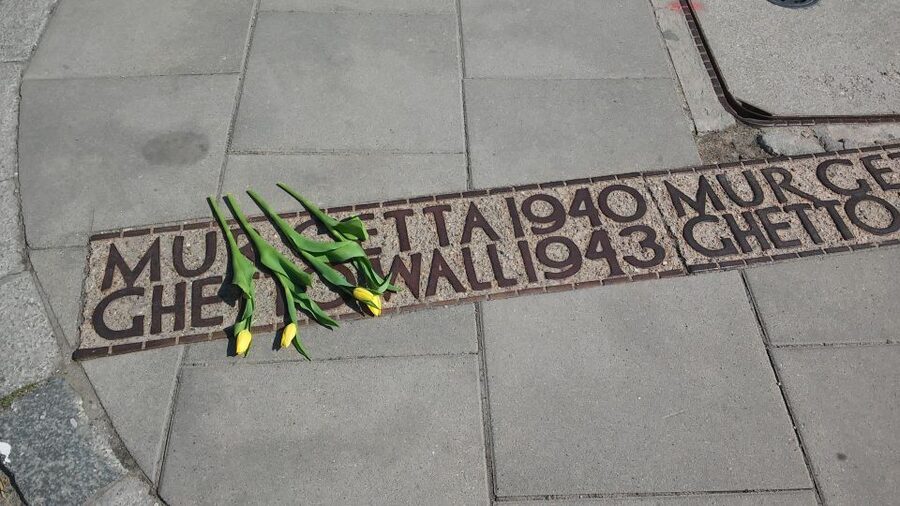
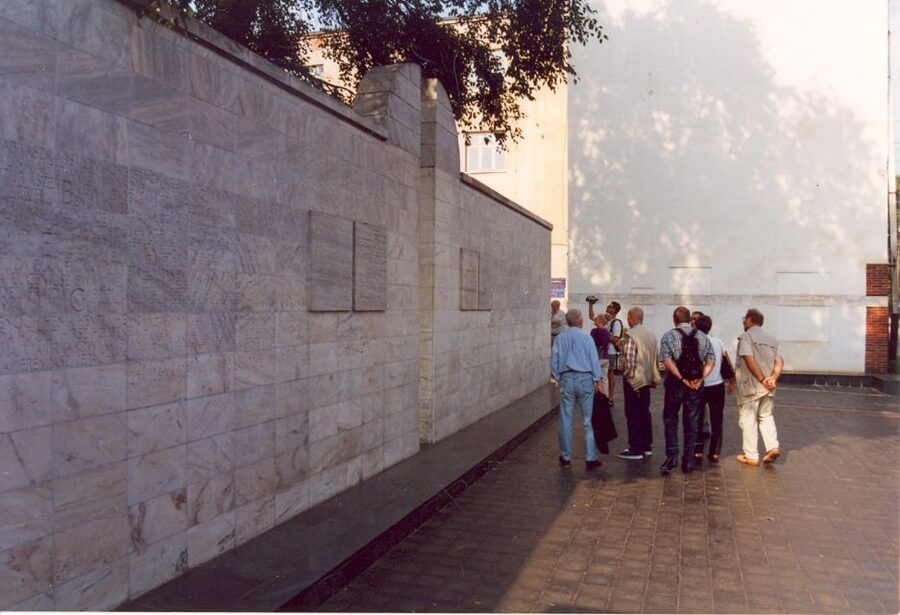
The route includes the last preserved street of the ghetto and surviving sections of the ghetto wall. These are among the most important stops because they make the boundaries easier to picture.
The wall was not simply a line on a map. It separated families and neighborhoods from the rest of Warsaw, controlled movement, and turned daily needs into dangerous problems. A guide can place the remaining fragments within that larger system, so you understand why a short piece of masonry carries so much meaning.
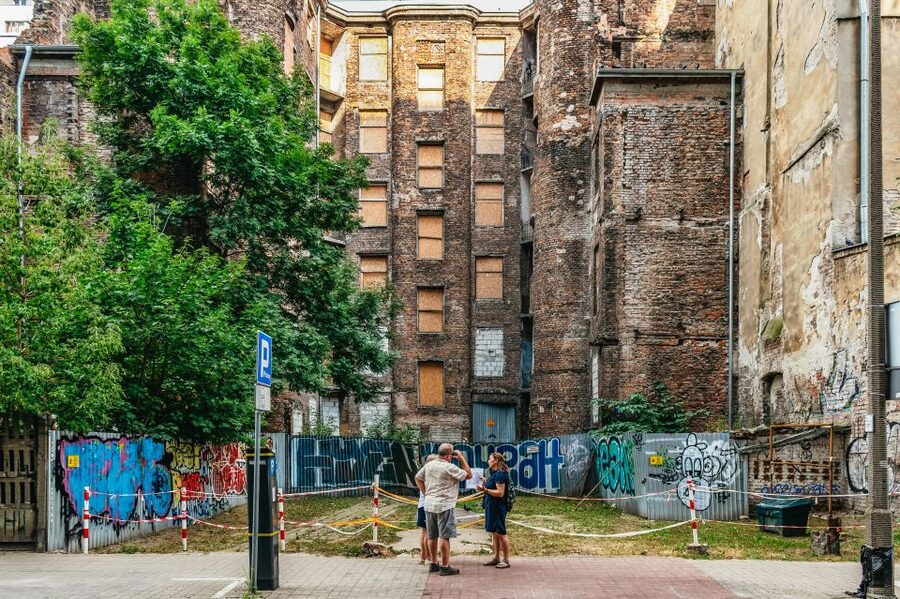
Do not expect a preserved medieval quarter. Much of the former ghetto was destroyed, rebuilt, or absorbed into the present city. That can make the experience feel visually restrained. The value lies in the explanation, the exact locations, and the gap between what you see now and what once occupied the site.
Wear comfortable shoes. The tour is conducted on foot with public transport, and the route includes several stops rather than one enclosed museum visit. Public transport tickets are not included, so keep that small extra cost in mind.
Chłodna Street and the vanished footbridge
One of the most memorable locations is the former footbridge over Chłodna Street. The bridge became a symbol of the divided ghetto, linking sections while allowing an important road below to remain open.
Today, the bridge itself is gone. That is precisely why this stop needs a guide. You must use the street, the surrounding buildings, and the explanation to picture the structure above you and understand how the ghetto functioned as a controlled space.
The footbridge is also tied to the visual world shown in Roman Polanski’s The Pianist. The tour visits real places connected with the film’s central character, Władysław Szpilman. This does not turn the visit into a movie-location walk. Instead, the film reference gives you a familiar entry point into the real streets and events behind the story.
If you have seen the film, you may find these locations especially useful. If you have not, the guide still explains why the bridge mattered and how it reflected the harsh division of life inside the ghetto.
Mila 18 and the 1943 uprising
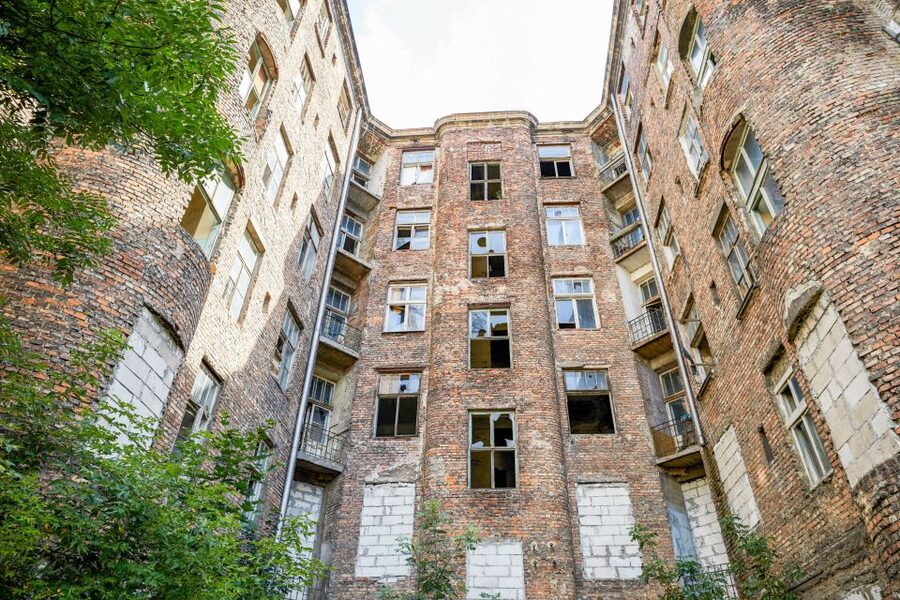
At 18 Mila Street, you stop at the site of the bunker associated with the Warsaw Ghetto Uprising. In 1943, Jewish resistance fighters rose against the Nazi attempt to liquidate the ghetto entirely.
The uprising was not a conventional military campaign. The people inside the ghetto had been starved, terrorized, and cut off from normal supplies. Yet resistance groups organized, built hiding places, gathered weapons, and chose to fight rather than accept deportation without resistance.
The Mila 18 bunker site helps explain both the courage and the terrible odds. After the uprising, the Nazis destroyed much of the district in revenge. The ghetto itself ceased to exist, leaving only scattered traces and memorial sites.
This part of the tour is emotionally heavy, as it should be. You are not being asked to rush from one photo stop to another. The guide explains why the uprising began, how the destruction followed, and what the site means in the story of resistance.
A few more Warsaw half days to consider
- Warsaw: Chopin Concert in the Old Town
★ 4.8 · 2,287 reviews - Warsaw: Traditional Galar Cruise on The Vistula River
★ 4.6 · 1,640 reviews - Warsaw: Old Town Highlights Walking Tour in English
★ 4.7 · 1,516 reviews - Warsaw Concert: Chopin – Painted by Candlelights with Wine
★ 4.8 · 1,442 reviews
Umschlagplatz and the road to Treblinka
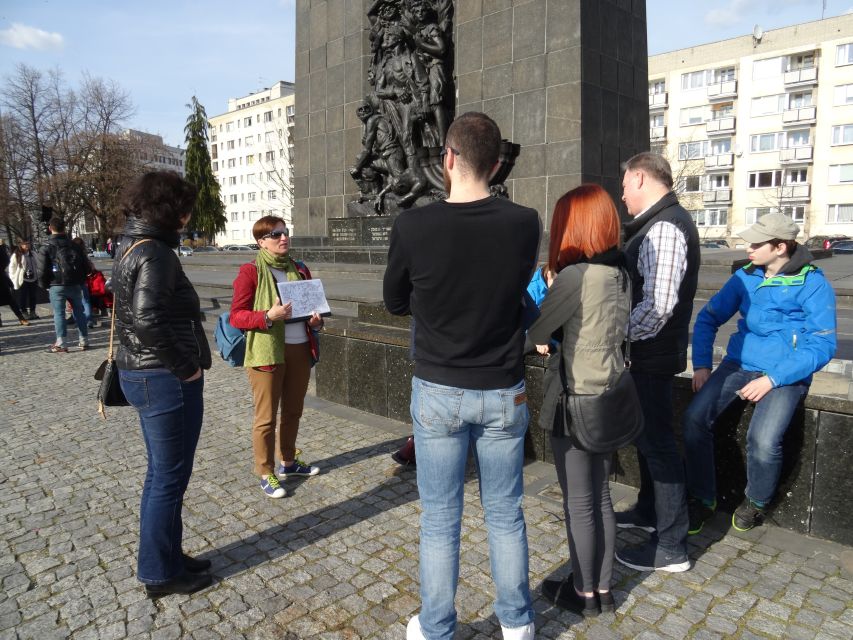
Umschlagplatz was the deportation point where Jewish people were gathered before being sent to extermination camps, including Treblinka. The stop brings the mass deportations into the geography of Warsaw.
This is an important distinction. The ghetto was not only a place of confinement. It was also part of a planned system of deportation and murder. More than 300,000 people were sent from the Warsaw Ghetto to Treblinka.
At Umschlagplatz, the guide explains the place’s role and the symbolism of the memorial. It is a stop that benefits from quiet attention. You may see a relatively simple urban space, but the explanation connects it to the forced assembly of people, the loss of families, and the destruction of the Jewish community.
Because the tour covers several sites, the time at each place is limited. If you want long periods for reflection or detailed memorial study, you may need to return on your own later. The two-hour format gives you a strong framework, not every detail.
Oneg Shabbat and the archive in milk cans
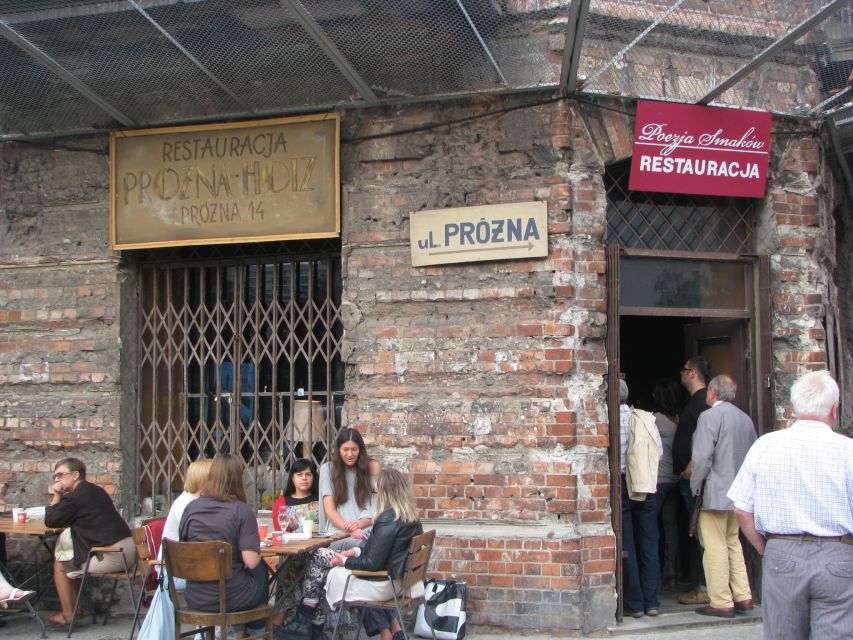
The tour also introduces the Underground Archive of the Warsaw Ghetto and the secret group Oneg Shabbat. Their task was to document daily life under Nazi occupation, including suffering, deportation, resistance, and the actions of different people and institutions.
The archive was hidden in metal cases and milk cans and survived the war. It was later entered into the UNESCO Memory of the World register, which recognizes important surviving documents.
I especially like this part because it expands the meaning of historical evidence. The ghetto was not recorded only by outside observers after the war. People living through it worked to preserve their own account, even when they knew they might not survive.
For you, that means the tour is about more than locations. It also asks who gets to tell a story and how evidence can survive an attempt to erase a community. The archive gives a human purpose to the route through the streets.
The surviving synagogue and the memorial sites
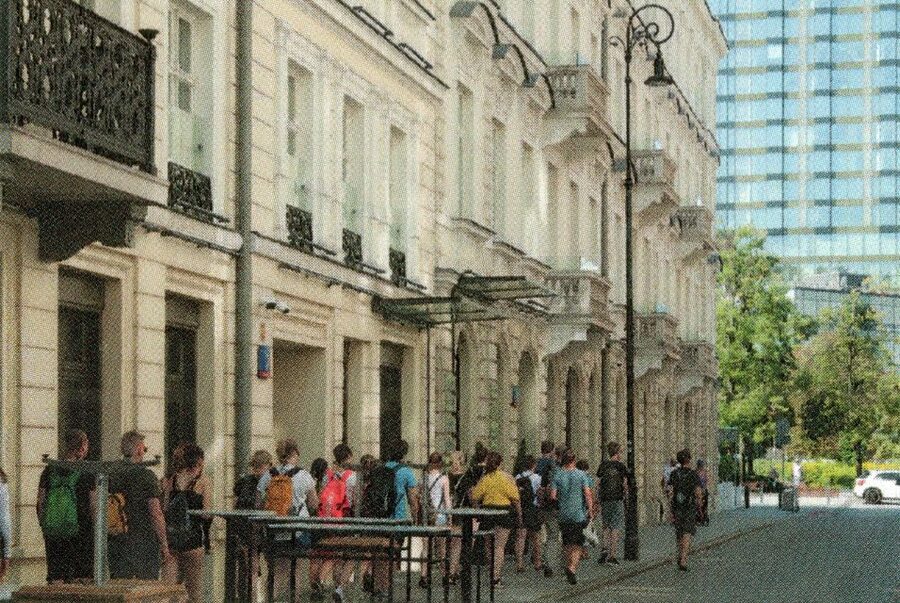
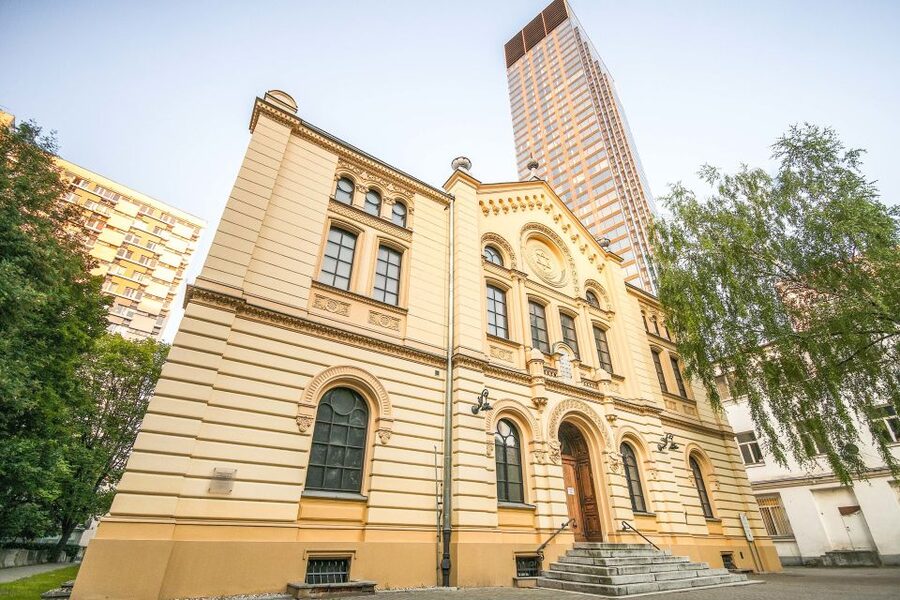
You will also see the only synagogue identified in the experience as having survived the war. The stop adds another layer to the tour, showing that the former Jewish presence in Warsaw is not represented only by walls, bunkers, and deportation sites.
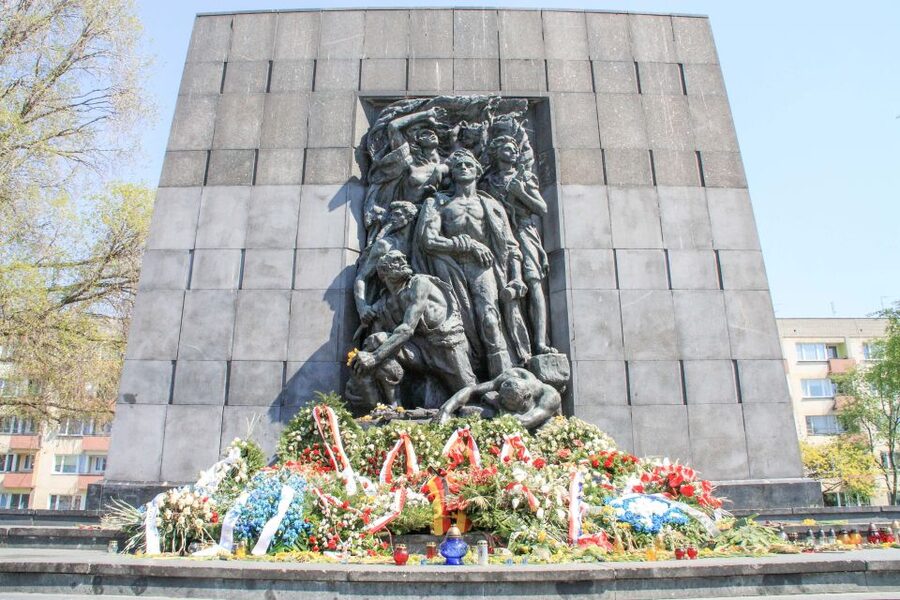
The route includes the Monument to the Ghetto Heroes, where the guide explains the symbolism behind the memorial. This is one of the central places for understanding how the uprising and its fighters are remembered.
You also learn about the POLIN Museum of the History of Polish Jews. The museum is not simply a final photo stop. It provides the larger story of Jewish life in Poland, including the long period before the Holocaust and the events that followed.
The tour usually ends at the museum. Entrance to sites and any guided visit inside the Jewish Museum are not included, so check exactly what your booking covers. If you plan to visit the core exhibition, set aside at least 2.5 hours and check opening times before you book the tour.
The museum is closed on Tuesdays. On Monday, Wednesday, Thursday, Friday, and Sunday, it is open from 10:00 a.m. to 6:00 p.m., with last entry at 4:00 p.m. On Saturday, it is open from 10:00 a.m. to 8:00 p.m., with last entry at 6:00 p.m.
The guides and the group experience
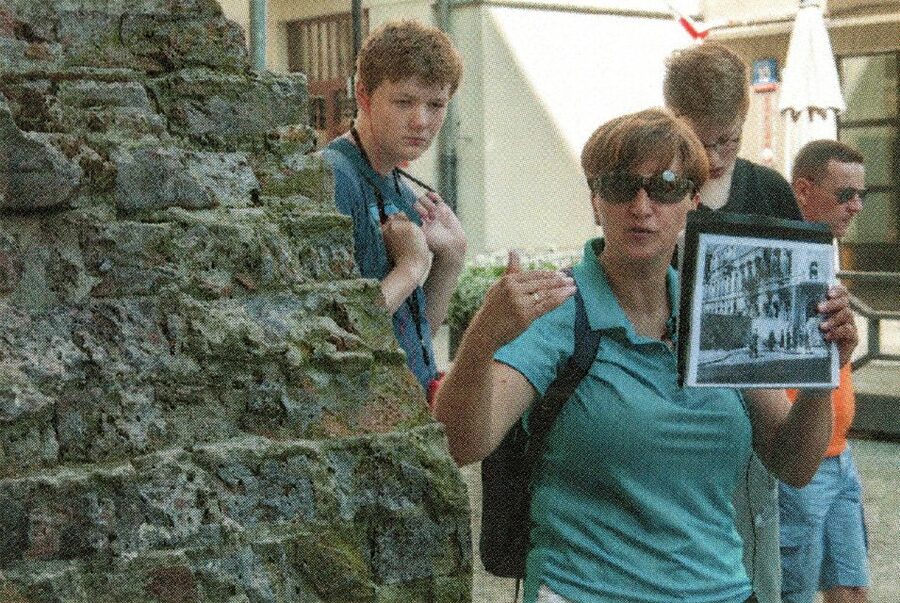
The tour comes with a licensed live guide in English or German. Headsets are provided for groups of up to 20 people, which matters on city streets where traffic and distance can make explanations hard to hear.
Marzena is one named guide associated with this experience. Her visits are described as clear, detailed, open, and warm, with easy communication and careful answers to questions. That combination matters here. The subject calls for accuracy, but a cold lecture would make the route harder to follow.
The tour has a high rating from 26 reviews, with repeated praise for the guide’s detailed explanations, clear answers, welcoming manner, and ability to hold attention. I would place the greatest weight on that consistency because a historical walking tour depends heavily on the person leading it.
Still, guide quality can vary from one departure to another. The supplied information names Marzena, but it does not promise that she will lead every booking. You should expect a licensed guide, not a guaranteed individual.
What the $76 price includes
At $76 per person, this is not the cheapest way to see the former ghetto. The price includes two hours with a licensed guide and headsets for groups of up to 20, but not public transport tickets, lunch, or entrance fees.
The value comes from the route planning and interpretation. The physical remains are scattered, and several major places are easy to misunderstand without context. If you tried to connect them alone, you could see the same streets and memorials but miss the relationship between them.
The price makes more sense if you want a focused introduction and plan to visit the POLIN Museum afterward. It is less appealing if you only want to walk past monuments quickly or already have a strong understanding of Warsaw Ghetto history.
This is also a serious tour, not a general sightseeing outing. The subject matter is painful, and the walking route asks you to concentrate. For the right visitor, the cost buys structure and meaning rather than entertainment.
Who should book this experience
I would recommend it to adults and older teenagers who want to understand Warsaw’s wartime history through real locations. The tour is not suitable for children under 12, and the subject matter may be difficult even for older children.
It works well as a first visit to the former ghetto because it introduces the main sites in a manageable two-hour route. It also suits people who have seen The Pianist and want to place some of its scenes in the real city.
You should book it if you value a guide’s explanation more than a long museum visit, or if you want both. You may want a different plan if you prefer to read quietly at your own pace, spend a long time at each memorial, or avoid public transport during your sightseeing.
The best approach is to treat the tour and POLIN as two connected parts. Use the walk to understand the places, then allow several more hours for the museum’s core exhibition. Trying to fit the museum into the same two-hour block would leave you rushing.
Practical details before you go
Meet the guide at the agreed location, where they will hold a sign marked PolinTours. Make sure you know the meeting point before setting out, since the route uses both walking and public transport.
Bring comfortable shoes and a small bag. Oversize luggage, large bags, pets, smoking, alcohol, and drugs are not allowed. Since transport tickets are excluded, have a way to pay for your own public transport.
Choose the language that lets you follow difficult material without strain. English and German tours are available. The group may include up to 20 people, and headsets are supplied for groups of that size.
You can cancel up to 24 hours in advance for a full refund, and the reserve-now, pay-later option allows you to keep your plans flexible. Check the starting time and museum hours together, especially if you want to continue straight into POLIN.
Should you book the Warsaw Ghetto tour?
Book it if you want a serious, clearly guided introduction to the former Warsaw Ghetto, with real locations tied to daily life, resistance, deportation, and remembrance. The strongest reasons are the well-chosen route, the attention to the Oneg Shabbat archive, the Mila 18 and Umschlagplatz stops, and the clear, warm guiding style associated with Marzena.
Skip it if you want a light city walk, a self-guided visit, or a tour that includes museum admission and transport. For most visitors who have only a short time in Warsaw, though, this is a useful way to make sense of a difficult part of the city before spending more time inside POLIN.
FAQ
How long does the Warsaw Ghetto tour last?
The tour lasts two hours.
What language is the tour offered in?
The live guide conducts the tour in English or German.
Is the tour conducted entirely on foot?
The tour is conducted on foot in combination with public transport.
Are public transport tickets included?
No. Public transport tickets are not included in the price.
Does the price include entrance to the Jewish Museum?
No. Entrance fees are not included. The tour usually ends at the Jewish Museum, and you can visit the museum separately.
Is the tour suitable for children?
The experience is not suitable for children under 12 years old.
What are the POLIN Museum opening hours?
The museum is closed on Tuesday. It is open from 10:00 a.m. to 6:00 p.m. Monday, Wednesday, Thursday, Friday, and Sunday, with last entry at 4:00 p.m. On Saturday, it is open from 10:00 a.m. to 8:00 p.m., with last entry at 6:00 p.m.
Recently added in Warsaw
- Warsaw Wolf’s Lair with St. Lipka and Mamerki Private Guided★ 4.2 · 3 reviews
- Taste of Poland, food tour and guided walk with 12 tasting★ 5.0 · 3 reviews
- Discover Warsaw’s most Photogenic Spots with a Local★ 5.0 · 3 reviews
- Lodz Small Group Tour from Warsaw with Lunch★ 4.0 · 3 reviews
- Jewish heritage in Warsaw★ 4.5 · 3 reviews
- Warsaw Outdoor Paintball with Transfers (all year round)★ 5.0 · 3 reviews
- Electric Scooter Tour: Full Tour – 3-Hours of Magic!★ 5.0 · 3 reviews
- Skip-the-Line Polin Museum Warsaw Jewish History Tour★ 5.0 · 3 reviews
Warsaw Tours, compared.

Traditional Galar Cruise on The Vistula River
Read our review →
Warsaw Concert: Chopin – Painted by Candlelights with Wine
Read our review →

POLIN Museum of the History of Polish Jews Ticket
Read our review →
#1 Pub Crawl Warsaw with Optional Premium 1 Hour Open Bar
Read our review →
Where else this one turns up