
Reviewed · HISTORICAL TOURS
Gdansk: City Cruise on Historical Polish Boat
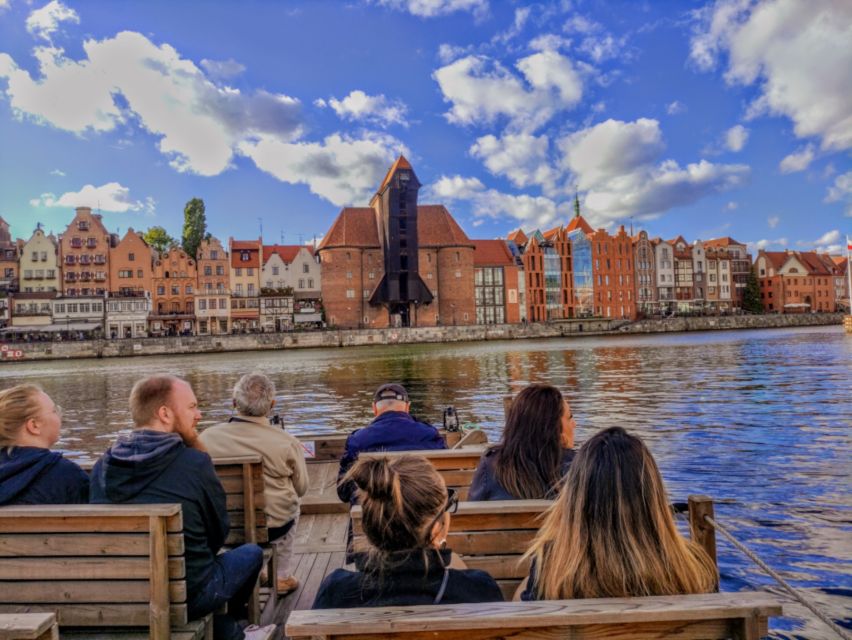
Gdańsk is best understood from the water, where its grand waterfront buildings, working port, old gates, and shipyard past line up in one easy view. This 70-minute cruise uses a 12-seat wooden replica of a Polish river boat, giving you a quieter ride than the large sightseeing vessels.
I especially like the narrow route through places bigger boats cannot reach, and the lively guiding style reported from guides such as Borna, Szymon, Danusia, and Jarek. You also get blankets and umbrellas, useful comforts on a cool or rainy day. The main drawback is the departure point: the former shipyard is interesting but a little out of the way and can feel rough around the edges when you walk there.
Key points to know before booking
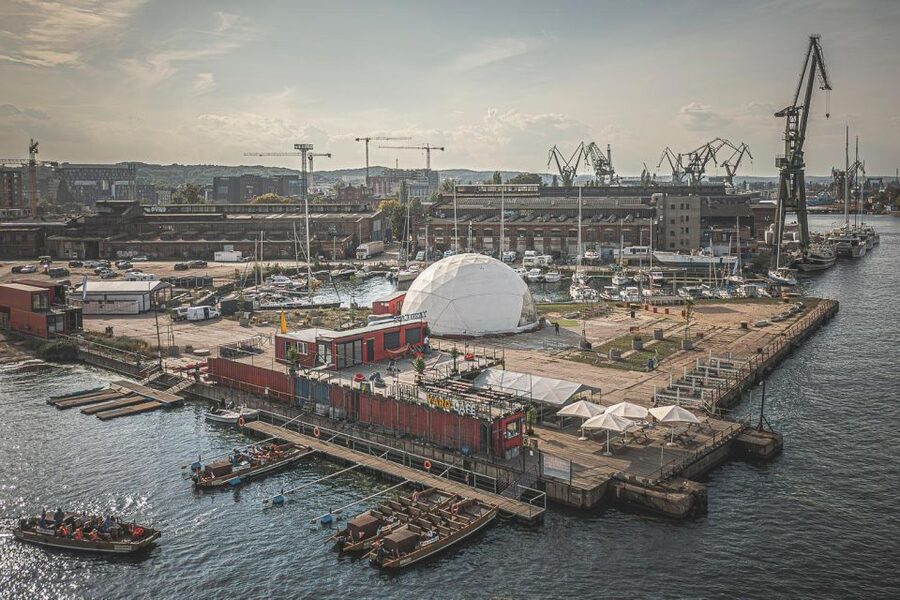
- A small boat with a real sense of place: The 12-seat wooden craft feels intimate, spacious, and far removed from a loud party boat.
- A cruise with serious historical range: You hear about the shipyard, Solidarity, the medieval port, WWII submarine production, and modern Gdańsk.
- Access to narrow waterways: The boat can reach canals and inner quays that are unavailable to larger vessels.
- A useful starting point near major sights: The cruise begins and ends at Dokowa 1, close to the shipyard area and about 10 minutes from the World War II Museum according to one detailed account.
- Good weather protection: Blankets, umbrellas, and life jackets are provided.
- Strong value at $22: For 70 minutes of guiding, city views, port access, and a small-group setting, the cost is easy to justify.
Why a boat is a smart way to see Gdańsk
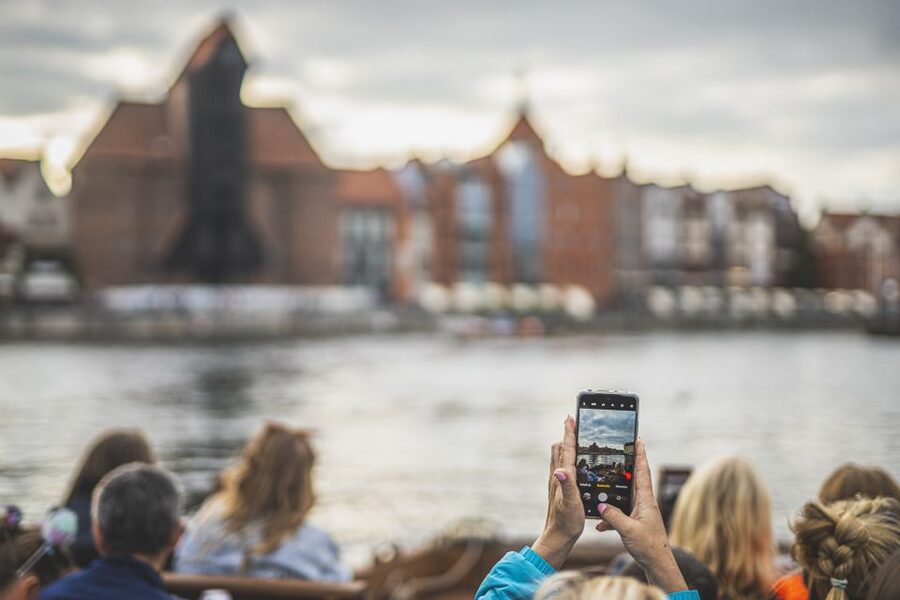
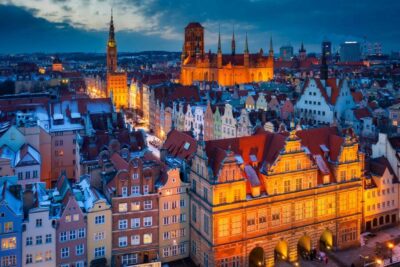
Gdańsk’s waterfront is not just a pretty backdrop. It explains how the city grew, traded, fought, and changed. From the river, you can see the old center from a fresh angle while also reaching industrial areas that are easy to miss on foot.
The big advantage here is scale. A 12-seat boat gives you room to look around without feeling packed into rows of seats. You are close to the water, close to the guide, and able to hear the commentary without competing with loud music or a large crowd.
The cruise also gives you a useful first look at Gdańsk. Several people found it helpful early in a stay, before exploring the Old Town on foot. I agree with that approach. After seeing the river, gates, islands, cranes, and shipyards together, the city map makes more sense.
This is not a fast thrill ride or a long sightseeing voyage. It is a calm city tour with a strong local angle. You get a broad introduction in just over an hour, then you can return to the places that catch your attention.
More Boat Tours in Gdansk
- Gdańsk: Sunset Cruise on a Historic Polish Boat
★ 4.9 · 977 reviews - Gdansk: Guided Round-Trip Cruise to Westerplatte
★ 4.3 · 865 reviews - Sopot: Sunset Yacht Cruise with Welcome Drink
★ 4.7 · 278 reviews
Starting at the former Gdańsk Shipyard
The cruise begins at Dokowa 1 in the former Gdańsk Shipyard. This location is one of the most meaningful parts of the experience, even before the boat leaves.
The shipyard was established after 1945 on the site of former German shipyards. At its height, it employed nearly 18,000 people. For more than 170 years, much of this working waterfront was not open to ordinary visitors, so starting here gives the cruise a setting that feels very different from the polished streets of the Old Town.
The shipyard is also where the Solidarity movement began in 1980. That labor movement helped bring about the end of communist rule in Poland. A cruise that begins here gives you a quick connection between Gdańsk’s maritime economy and its modern political story.
The departure area has a seating space and a café or snack bar. You can get coffee, drinks, snacks, and, according to one useful account, pierogi and beer. That makes arriving a little early worthwhile, especially if you want a break before boarding.
You should plan your route to the meeting point rather than assuming it sits in the center of the Old Town. It is walkable for some people, but the shipyard area may feel somewhat isolated or untidy along the way. A few passengers found the approach less appealing than the cruise itself. Once aboard, though, the unusual setting becomes part of the story.
What the wooden replica adds
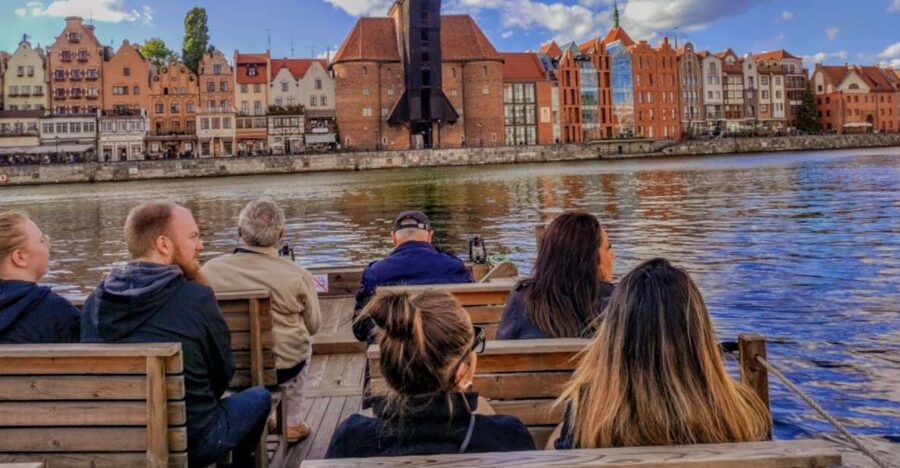
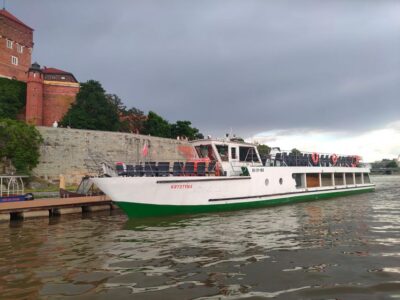
The boat is a replica of a Polish river vessel used for more than 400 years, particularly in the 18th century. It is small, wooden, and designed for only 12 passengers.
That design matters. Large boats can give you a higher viewpoint, but they cannot enter every canal or inner quay. This smaller craft takes you closer to the edges of Gdańsk and lets you see working areas from a more personal distance.
The boat is described as spacious for its size, with comfortable seating. Blankets are available for chilly weather, and umbrellas are supplied if rain arrives. Life jackets are included as well.
Do not mistake the traditional appearance for a museum display. This is a working sightseeing boat, and the practical equipment is part of the experience. The wooden construction adds character, while the low passenger count keeps the mood relaxed.
The small capacity can also be a limitation. If you prefer a large open deck where you can move freely, a bigger harbor cruise might suit you better. Here, the appeal is the close view and the personal guiding, not a wide choice of decks or facilities.
Cruising into the Old Town on the Motława
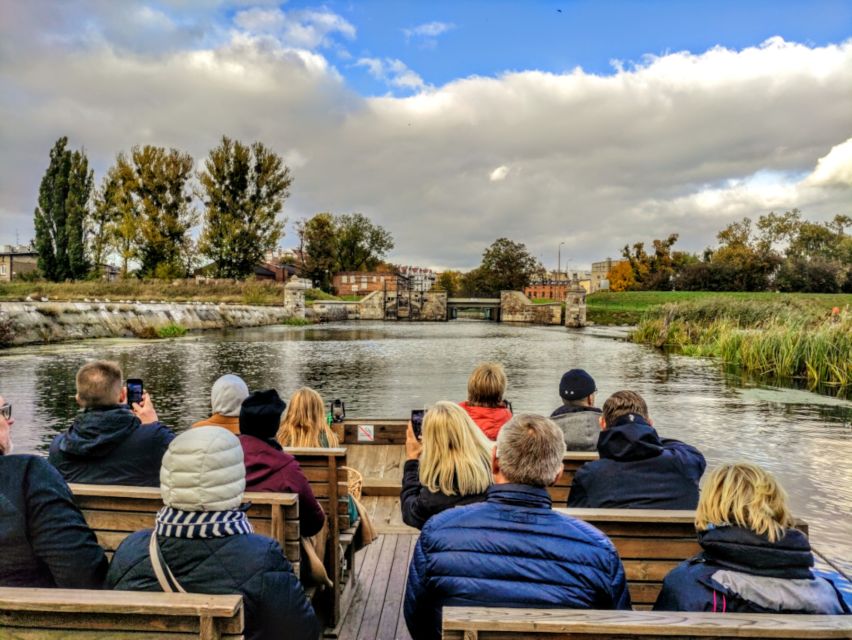
After leaving the shipyard area, the route reaches the Motława River beside central Gdańsk. This is the familiar postcard side of the city, but the water gives it a different shape.
You see the waterfront buildings, old tenement houses, and water gates that once controlled access to the city. Their façades look especially clear from the river because you are viewing the entire line of the waterfront at once rather than one building at a time.
One major sight is the famous wooden crane dating from the 15th century. It is one of Gdańsk’s best-known symbols, and the river offers a natural viewpoint beneath and beside it. From street level, the crane can feel part of a dense wall of buildings. From the boat, its size and position on the water become easier to understand.
The route also passes the ruins of the Teutonic castle. These remains add another layer to the city’s long story, showing that the waterfront is not only about attractive façades and cafés. The guide connects the visible sites with the port’s role over time, so the cruise feels more like a moving orientation tour than a simple photo trip.
The new setting around the old houses is worth noticing. Gdańsk’s waterfront combines reconstructed historic architecture with newer buildings, and the river makes that contrast plain. You can see how the city has rebuilt and reshaped its edge while keeping familiar symbols in view.
More History Tours in Gdansk
- Gdańsk City Sights & History Guided Walking Tour in English
★ 4.8 · 876 reviews - Historic City Center Tour Gdansk in German
★ 4.6 · 455 reviews - Gdansk Guided City Cruise on Historical Polish Boat
★ 4.5 · 230 reviews - Gdansk Legends & Cocktails Tour: Historic Tales and Tasting
★ 5.0 · 11 reviews
Ołowianka and Granary Island from the water
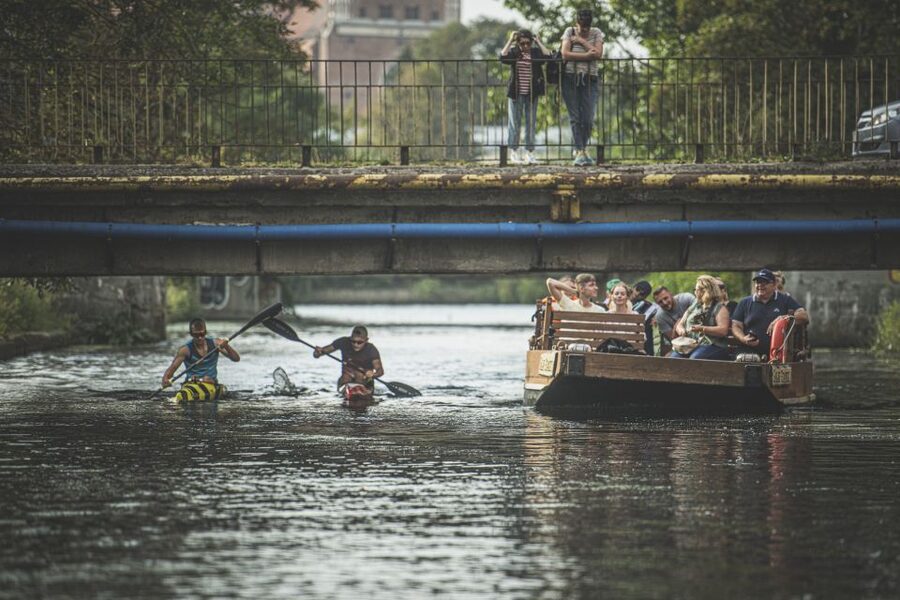
The boat continues toward Ołowianka and Granary Island, two areas that help explain how Gdańsk used its waterways.
Granary Island points to the city’s trading past, when goods moved through the port and were stored near the river. Today, old structures and newer development sit together here. From the boat, you see the island as part of a working water system rather than as a separate sightseeing stop.
Ołowianka offers another useful viewpoint across the river. The changing mix of monuments, quays, and newer buildings gives you a sense of how the city has expanded beyond its historic core.
This part of the route is especially good for photographs. The boat moves slowly enough for you to take in the waterfront, and the small group makes it easier to turn toward the guide or take a picture without blocking a crowd.
The cruise does not stop for extended visits at each sight. That is both a strength and a limit. You cover a lot of ground in 70 minutes, but you will need to return on foot if you want to enter museums, inspect buildings, or spend time at a particular quay.
The working port and WWII submarine connection
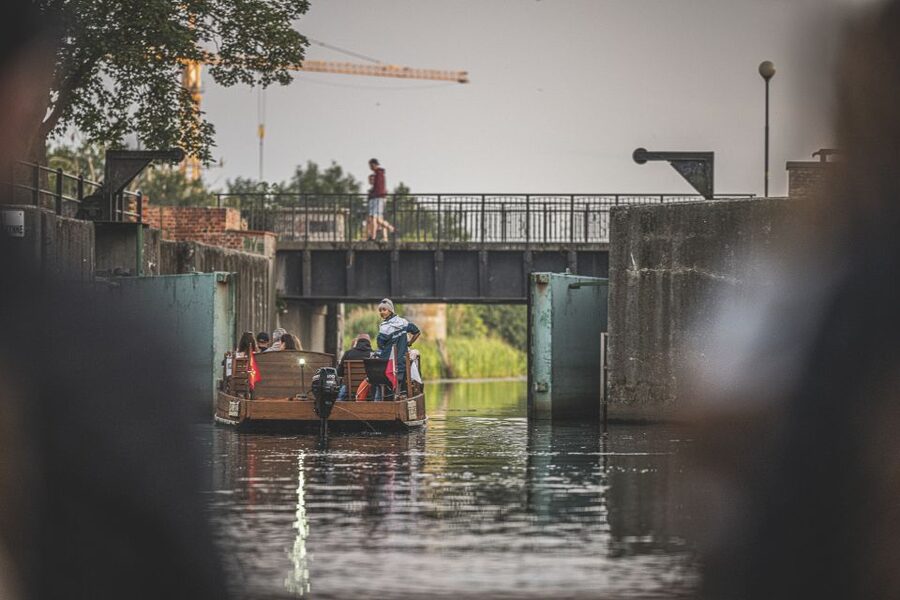
The most unusual views come away from the familiar Old Town waterfront. The route includes specialist vessels, port cranes, and the internal quay of the Port of Gdańsk.
These are not the standard sights you get on a short walk through the center. The cranes are a symbol of the city, but here you see them in their working setting, alongside the vessels and industrial edges that support the port.
You also pass the areas where German submarines were produced during World War II. That detail gives the cruise a sharper historical edge. Gdańsk’s waterfront was not only a place of trade and scenic buildings. It was also tied to wartime manufacturing and military production.
The guide’s role is important here. The landscape alone will not explain what you are seeing, and the best guides add context without turning the cruise into a lecture. Names praised for a lively delivery include Borna, Szymon, Danusia, Jarek, David, and Nick, though the guide assigned to your departure can vary.
English and Polish tours are available. English delivery has been described as clear and fluent, with humor mixed into the facts. That balance matters on a compact boat, where a dry, nonstop lecture would quickly feel long.
The guide makes or breaks the 70 minutes
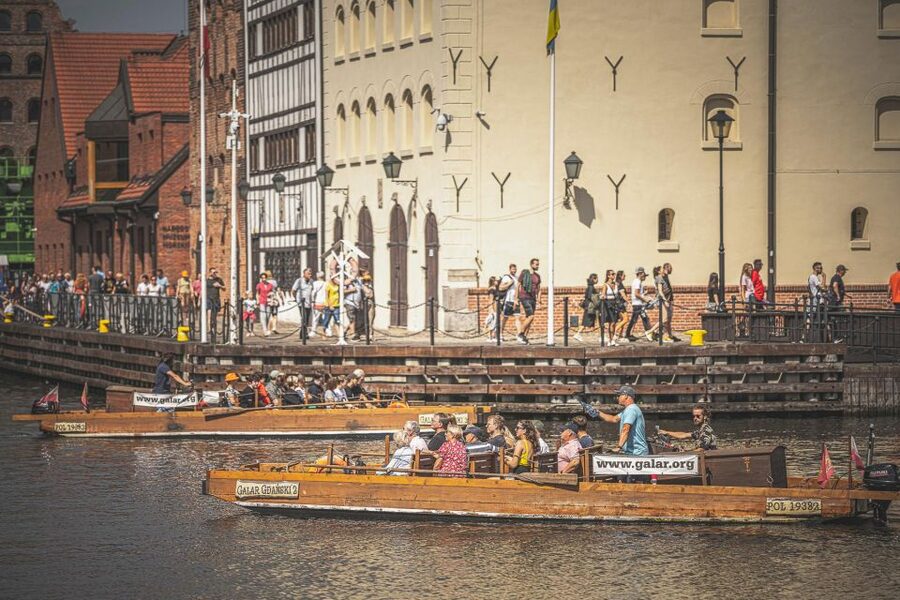
The strongest part of this activity is the guiding. You are not simply carried past buildings while a recording plays. A live guide points out the waterfront, explains the port, and connects Gdańsk’s medieval, wartime, industrial, and modern stories.
Several guides have been praised for being funny as well as well informed. That combination keeps the pace friendly. One guide even led a playful bit of bridge yoga, while another group ended up helping rescue a pumpkin floating in the water. These small moments show that the tone can be relaxed rather than formal.
You should still keep your expectations sensible. Guide quality can vary by departure, and the tour’s exact personality depends on who is working that boat. The consistent strengths are the live format, the English and Polish language options, and the amount of ground covered in 70 minutes.
I would book this early in your Gdańsk visit if you enjoy guided orientation. You can note the museums, buildings, and port areas that deserve a closer look later. One guide recommended the World War II Museum, which is a useful pairing with this cruise if you have several hours to spend there.
Weather, comfort, and the practical details
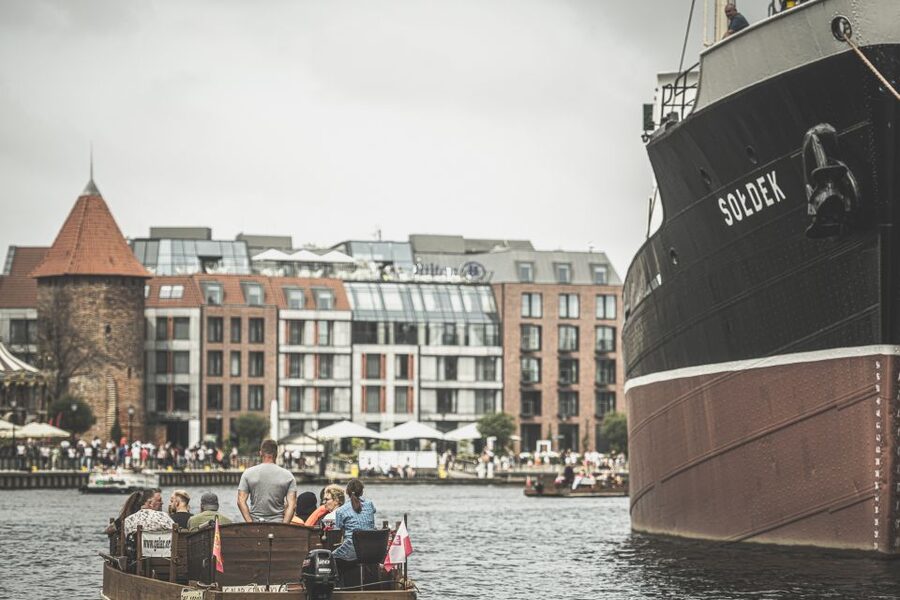
Gdańsk weather can change quickly, especially on open water. The supplied blankets are more than a nice extra. They make a real difference on a windy or chilly day, and umbrellas help keep light rain from spoiling the ride.
The boat is also suitable in rainy weather, although you should not expect perfectly dry conditions. One passenger enjoyed the trip despite rain, while another moved the booking to a better-weather day and was glad to do so. If your schedule allows flexibility, check the forecast before choosing your departure.
The cruise lasts 70 minutes and returns to Dokowa 1. Some departures may offer a more central drop-off near the city center, which can save you the walk back. That option is not something to assume automatically, so listen for the crew’s instructions at the end.
The activity is wheelchair accessible, an important point for some visitors. The meeting point can vary with the option booked, so check your confirmation carefully rather than relying only on a map pin.
Cancellation is allowed up to 24 hours before departure for a full refund. You can also reserve and pay later, which helps if your plans depend on weather or other activities.
Is $22 a fair price?
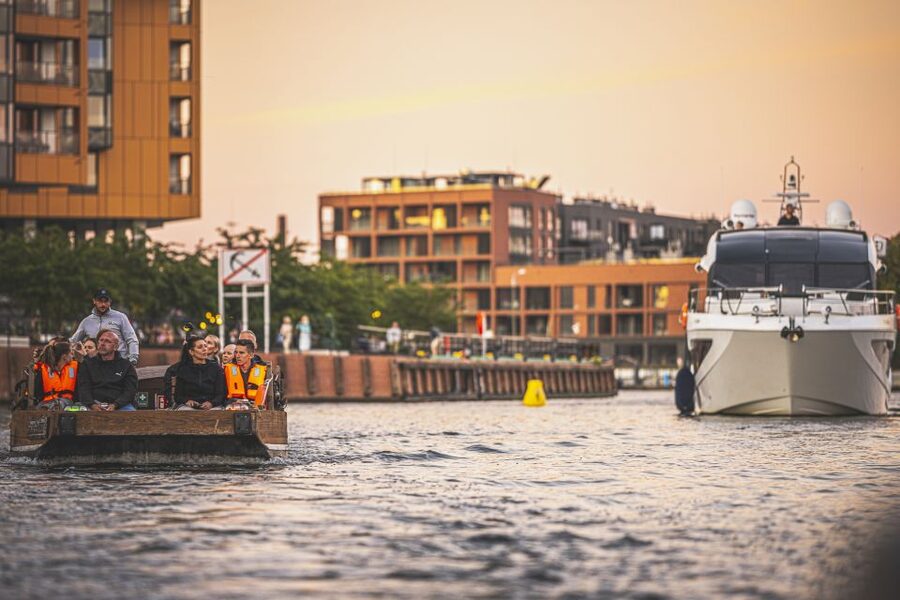
At $22 per person, I consider this strong value. The price covers a 70-minute cruise, a live guide, a small traditional boat, blankets, umbrellas, and access to parts of the port that larger vessels cannot reach.
The real value is the combination of city and working waterfront. Many short cruises focus only on the attractive central riverfront. This route adds the shipyard, internal quays, port equipment, and wartime submarine-production areas, so you receive a broader picture of Gdańsk.
It is also a good alternative to a standard walking tour if you want to rest your feet. You still see the Old Town sights, but from a calmer position and with fewer people around you. One passenger called it a bargain, and that assessment makes sense for the amount of guiding and the unusual route.
The price is less compelling if you only want a long, independent ride with no commentary. It is the guide and the historical explanation that turn this into a worthwhile tour. If you are happy simply to sit on the river and take pictures, compare it with a cheaper ferry or an unscripted waterfront walk.
Who should book this cruise?
I would recommend it to first-time visitors, couples, families, older travelers, and anyone who wants a gentle introduction to Gdańsk. The low passenger count helps families keep together, while the calm ride suits people who do not want a noisy excursion.
It is also a good choice for history fans. The route moves from medieval water gates and the Teutonic remains to the shipyard, Solidarity, WWII production, and the modern port.
Photographers should like the changing views, especially around the crane, tenement houses, islands, cranes, and internal quays. The boat’s size brings you close to details that can disappear from a larger vessel.
You may want something else if you are looking for a long harbor trip, a meal, a party atmosphere, or extensive free time at each sight. This is a compact guided circuit, not a full-day boat outing.
Should you book the Gdańsk historical boat cruise?
Yes, if you want to understand Gdańsk quickly and see more than the postcard center. The traditional boat, shipyard departure, narrow canals, port cranes, and lively English guiding make this more useful than a generic city cruise.
Book it early if you want help planning the rest of your visit. Choose a later departure if you prefer to finish a day of sightseeing on the water, and allow extra time to reach the shipyard meeting point.
At $22, the cruise offers a rare mix of comfort, access, and context. The departure area is the one clear inconvenience, but the historic setting is also part of what makes the experience distinctive. If you can manage that short logistical wrinkle, this is an easy recommendation.
FAQ
How long is the Gdańsk historical boat cruise?
The cruise lasts 70 minutes.
How much does the cruise cost?
The listed price is $22 per person.
Where does the cruise start and finish?
The listed starting and drop-off point is Dokowa 1. The meeting point may vary depending on the option booked.
What language is the live guide available in?
The live guide is available in Polish and English.
How many people fit on the boat?
The wooden replica boat has space for 12 passengers.
What sights can I see during the cruise?
The route includes the former Gdańsk Shipyard, the Motława River, Old Town waterfront sights, Teutonic castle ruins, water gates, the 15th-century wooden crane, Ołowianka, Granary Island, port cranes, specialist vessels, and the internal quay of the Port of Gdańsk.
Are blankets and umbrellas provided?
Yes. Blankets and umbrellas are provided, along with life jackets.
Can I cancel the booking?
Yes. You can cancel up to 24 hours in advance for a full refund. The activity also allows you to reserve and pay later.
Recently added in Gdansk
- Szymbark: Kashubian Switzerland 5-Hour Private Tour★ 3.7 · 3 reviews
- Segway Tour Gdańsk: Shipyard Tour – 1,5-Hour of Magic!★ 5.0 · 3 reviews
- Stutthof Concentration Camp and Museum of WWII: Private Tour★ 4.7 · 3 reviews
- Sopot Sunset Cruise with Welcome Drink★ 3.5 · 3 reviews
- Gdansk: Basic Bike Tour★ 4.3 · 3 reviews
- Gdansk: Bubble Football with Hotel Transfers★ 5.0 · 3 reviews
- Artus Court and Gdansk Old Town Private Tour with Tickets★ 4.7 · 3 reviews
- Gdansk: Oliwa Zoo with Tickets and Roundtrip Transportation★ 5.0 · 3 reviews
Historical Tours, compared.
POLIN Museum of the History of Polish Jews Ticket
Read our review →
Gdańsk City Sights & History Guided Walking Tour in English
Read our review →

Small-Group Historical Guided Tour of Warsaw with pick up/drop off. Public Tour.
Read our review →
Where else this one turns up