
Reviewed · WALKING TOURS
World War 2 in Warsaw walking tour in English
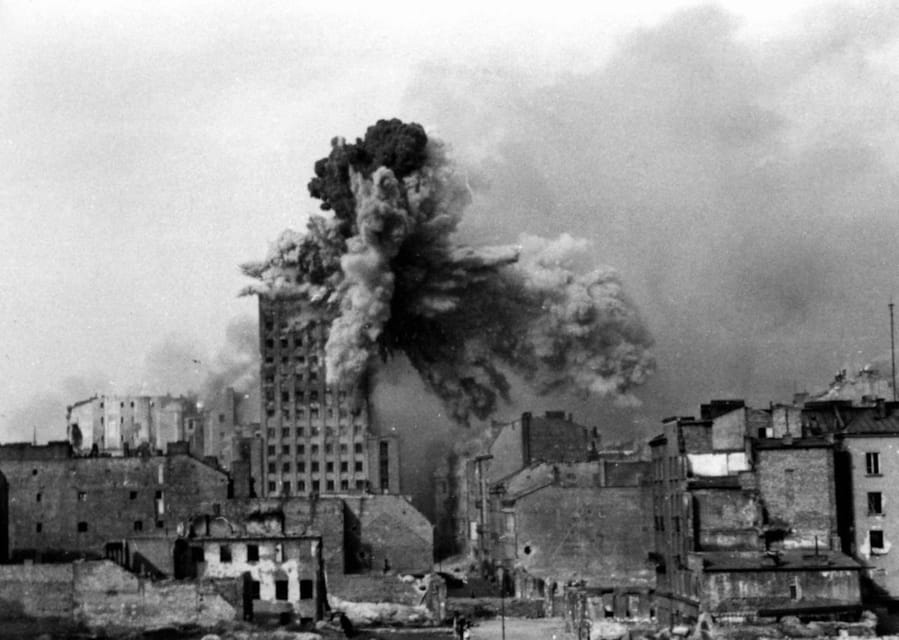
Warsaw’s World War II story is told best where events happened, not only behind museum glass. This 150-minute walking tour takes you through the former Nazi German District, Adolf Hitler Square, the Jewish Ghetto area, execution sites, and places tied to the 1944 Warsaw Uprising. I like the use of wartime photographs and personal family stories, which help you picture a city that was later almost completely destroyed. I also like the small-group format, which gives you a better chance to hear and ask questions. The drawback is simple: this is a serious, outdoor walk, and harsh winter weather can cut the experience short.
The guides are Poles born and raised in Warsaw, and names such as Magda, Gosia, Andrew, Piotr, Albert, Iga, and Peter appear often in the tour’s strong feedback. They explain a complicated subject in clear English and usually keep the mood respectful without making it grim every second. You should still expect a fair amount of walking, a heavy subject, and a brisk pace that may challenge some older visitors.
Key points at a glance
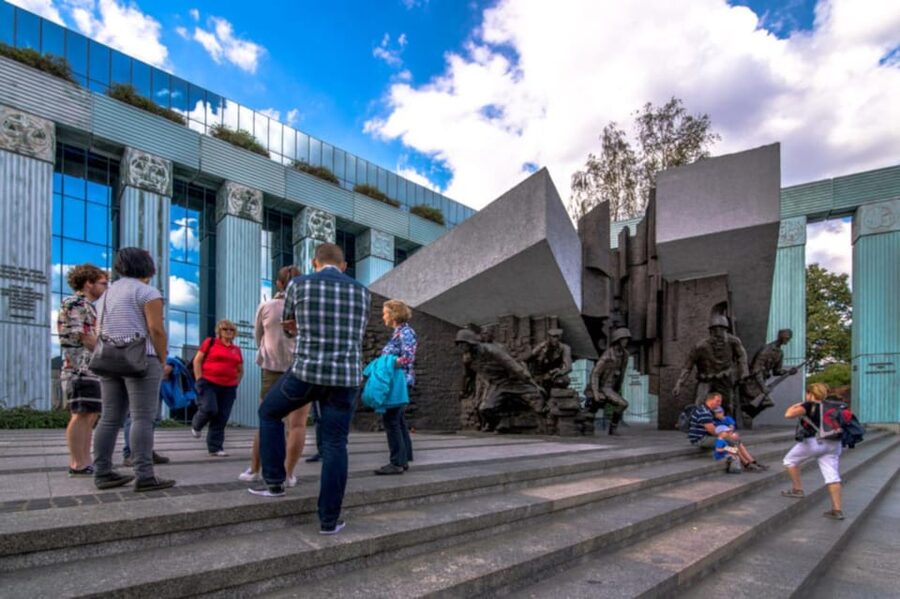
- Warsaw’s wartime story on foot: Visit former Nazi administrative areas, the Jewish Ghetto, execution sites, and Polish Resistance locations.
- Old photographs in modern streets: Guides use images and maps to show what stood in places that may look ordinary today.
- Two Warsaw uprisings explained: Learn how the 1943 Jewish Ghetto Uprising differed from the 1944 Warsaw Uprising.
- Personal family connections: Guides add Polish family memories to the wider military and political story.
- Small groups and English commentary: The format makes it easier to follow the guide and discuss difficult questions.
- $20 for 150 minutes: This is a strong-value introduction to wartime Warsaw, with free cancellation up to 24 hours before the start.
Why this walking tour matters in Warsaw

Warsaw suffered bombing, occupation, executions, forced removals, and the destruction of much of the city during World War II. The story is not just about armies moving across a map. It is also about how civilians bought food, lived under SS control, hid their identity, joined underground networks, and tried to survive the destruction around them.
I like this tour because it connects the large political story to street-level details. You do not simply hear that Warsaw resisted German occupation. You see the former districts, strongholds, and public spaces connected to that resistance.
The route also deals with two different uprisings. The 1943 Jewish Ghetto Uprising was a desperate revolt by Jews trapped inside the Nazi-created ghetto. The 1944 Warsaw Uprising was a much broader Polish resistance effort against German occupation. Keeping those events distinct matters, and a good guide helps you understand their different aims, circumstances, and outcomes.
The tour also places Poland’s wartime experience in its wider political setting. One especially useful feature is the focus on the Polish perspective, including the turmoil affecting Poland’s borders and the pressures created by the occupying powers. That approach gives you context that can be missed if you know only the standard Western European version of the war.
More Walking Tours in Warsaw
- Warsaw: Old Town Highlights Walking Tour in English
★ 4.7 · 1,516 reviews - Warsaw: Old Town Guided Walking Tour
★ 4.9 · 599 reviews - Half-Day Polish Food Walking Tour with Guide and Dinner
★ 4.5 · 381 reviews
Starting beneath the orange umbrella
The meeting point is easy to identify if you follow the visual clue: look for the guide holding an orange umbrella, near the roughly 20-meter-high column with a statue on top. One past visitor specifically noted that the umbrella was orange rather than yellow, so do not wait for the wrong color.
This is a group tour with other participants, rather than a private walk. That keeps the price low, but it also means you need to stay close and listen carefully when the group is near traffic or in a noisy public space.
The guides generally speak clear English. Peter, Andrew, Magda, Gosia, Piotr, Albert, Iga, and other members of the local team have been praised for explaining complicated events in a way that remains easy to follow. One useful criticism is that traffic noise made parts of the commentary hard to hear, so position yourself near the guide when the group stops.
The former Nazi German District
Early stops focus on areas used by the Nazi German administration. This section helps explain how occupation worked in daily life. The SS was not a distant name in wartime Warsaw. Its authority shaped movement, food, policing, punishment, and the constant fear faced by civilians.
The value here is the change in scale. A street or square may look like an ordinary part of central Warsaw now, but the guide’s photographs show how it functioned during the occupation. Old images help you compare the prewar city, the wartime city, and the rebuilt city.
This is also where a local guide can add something a printed guidebook often cannot. Family stories and memories give the subject a human edge without replacing the broader facts. The strongest guides use those stories carefully, showing how ordinary people were affected while still explaining the military and political setting.
Do not expect every stop to contain surviving wartime buildings. Warsaw was rebuilt after enormous destruction, so the absence of original structures is part of the story. You often have to use photographs, maps, and the surrounding street plan to imagine what once stood there.
Adolf Hitler Square and the changing city
The former Adolf Hitler Square is one of the tour’s useful reminders that public spaces can be politically transformed. Names, symbols, ceremonies, and official buildings were used to impose occupation authority. Walking through the area today, you are looking at a modern city layered over a very different wartime one.
The guide’s photographs are particularly important at stops like this. Without them, it can be hard to understand the scale of change. The images make the lost city visible, while the narration explains why the space mattered.
The tour may also include the changing of the guard at the Tomb of the Unknown Soldier. That moment was singled out as especially moving, and it can provide a quiet link between wartime memory and present-day Poland. It is not simply a ceremony to watch. In the context of the walk, it reflects how the country remembers sacrifice, occupation, and national survival.
The route is not presented as a list of dates. Guides such as Piotr and Iga have been praised for maintaining a respectful tone while allowing some lightness when appropriate. That balance matters. Two and a half hours of uninterrupted grim detail can be hard to absorb, but humor should never erase the horror. The better guides use it only to keep the group attentive.
A different kind of day in Warsaw:
- Warsaw: Chopin Concert in the Old Town
★ 4.8 · 2,287 reviews - Warsaw: Traditional Galar Cruise on The Vistula River
★ 4.6 · 1,640 reviews - Warsaw Concert: Chopin – Painted by Candlelights with Wine
★ 4.8 · 1,442 reviews - Warsaw: City Sightseeing Hop-On Hop-Off Bus Tour
★ 3.6 · 1,415 reviews
The former Jewish Ghetto and the 1943 uprising
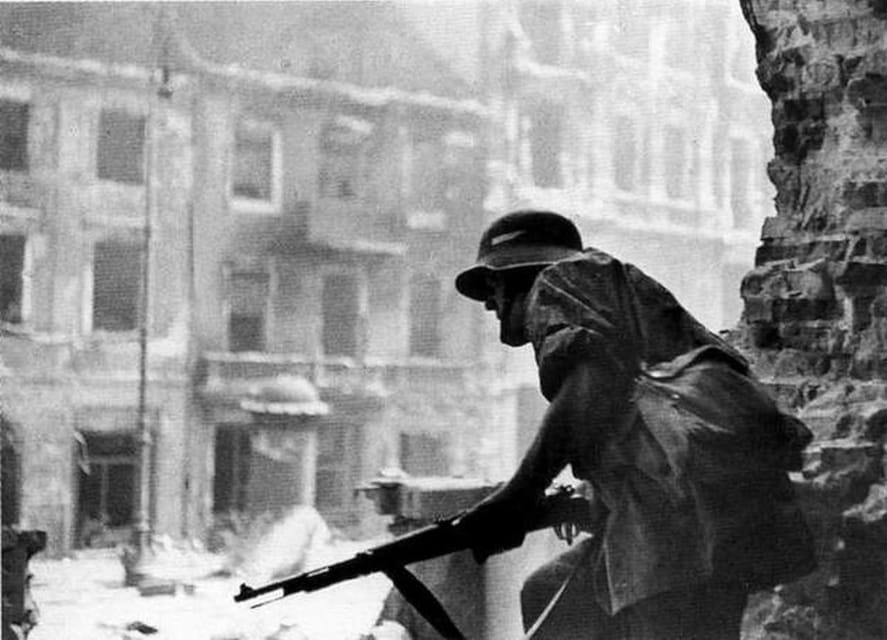
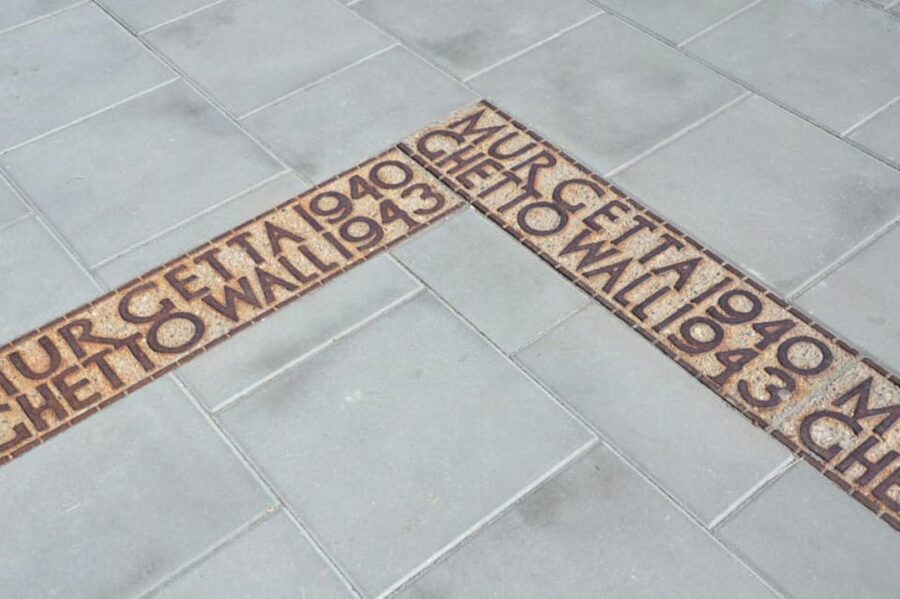
The former Jewish Ghetto section is among the most emotionally difficult parts of the walk. You learn how Jewish residents were confined, controlled, and subjected to brutal conditions under Nazi occupation. The tour then places the 1943 uprising within that setting, showing it as an act of resistance by people facing overwhelming force.
Because so much of the original district was destroyed or changed, you should expect a combination of visible city spaces and historical explanation. The guide brings the missing buildings and altered streets back into focus with photographs and maps.
This portion is best approached with patience. You may hear about civilian life, the actions of resistance groups, and the different choices people faced under occupation. The tour’s strength is that it does not reduce the period to a simple story of heroes and villains. It gives attention to civilians and to the human cost of every decision.
Families with older children can find this especially meaningful, provided the children are ready for difficult material. One family with a 10-year-old found the subject powerful enough to prompt serious reflection. That does not mean the tour is designed for young children, though. The themes include mass violence, executions, and suffering, so parents should decide carefully.
Execution sites and the cost of occupation
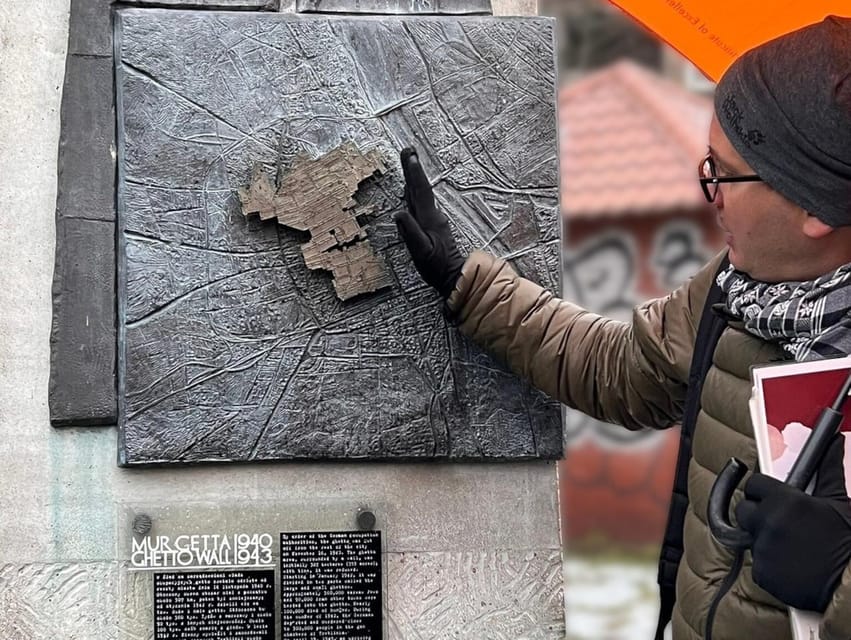
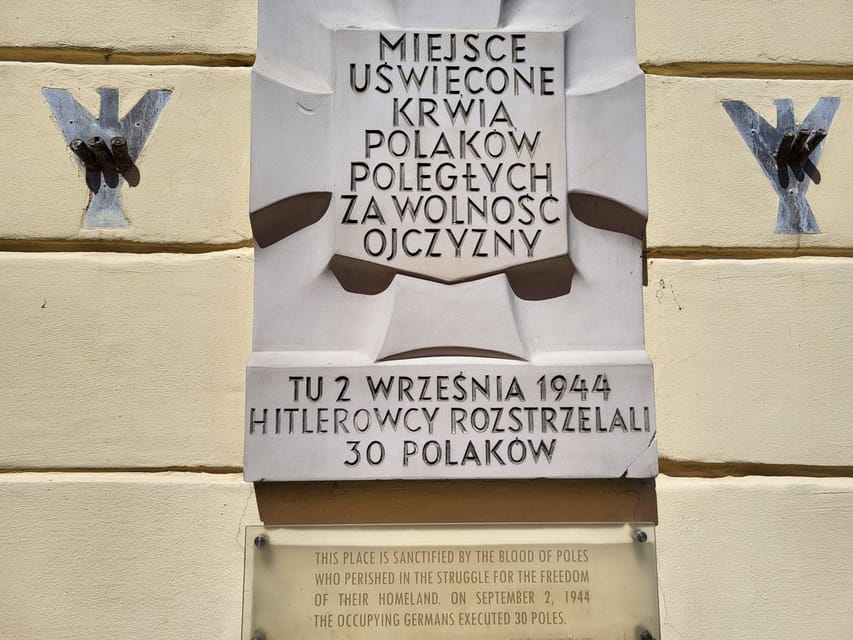
The stops connected with executions make the consequences of Nazi rule direct and unavoidable. These places show how punishment and terror were used against Warsaw’s population. The subject is upsetting, but skipping it would leave out a central part of how the occupation worked.
Guides handle this section with varying personal styles, but the best approach is clear and restrained. Andrew was praised for providing sensitive information, while another guide was valued for answering difficult questions directly. That combination is useful because you may want facts, but you also need someone who understands the human weight of the material.
You will not get a light sightseeing stroll here. The route asks you to slow down mentally, even if the group continues walking physically. I recommend leaving time afterward for a quiet meal or a museum visit rather than planning another demanding activity immediately.
The 1944 Warsaw Uprising and Polish Resistance
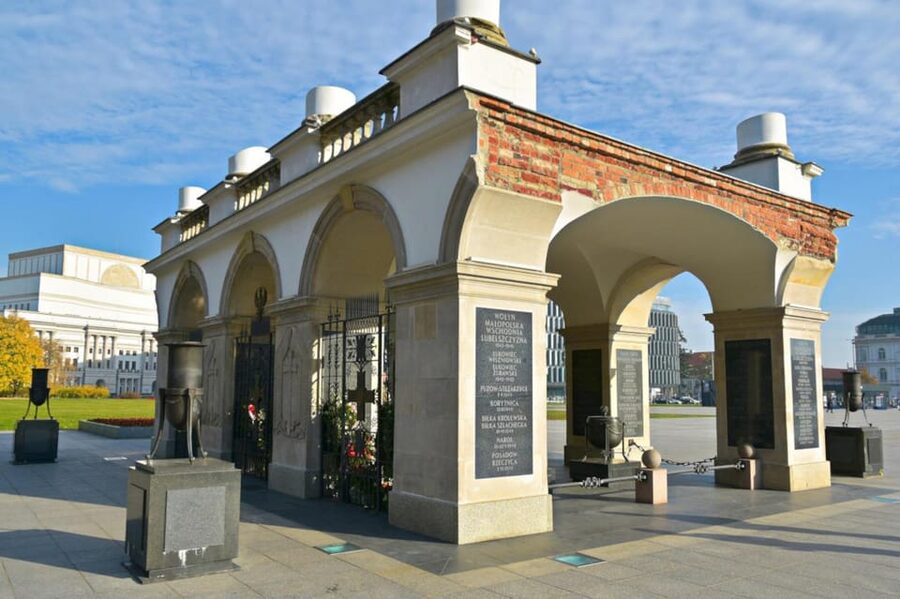
The later part of the tour turns to the 1944 Warsaw Uprising and the underground Polish Resistance. This is where the city’s story shifts from living under occupation to organized revolt.
The guide explains the places used as Resistance strongholds and shows how the uprising unfolded across Warsaw. The exact value of these stops comes from seeing the city as a battlefield and a network of civilian neighborhoods, rather than as a single military front.
The 1944 uprising also needs careful explanation because the political situation was complicated. The tour connects the fighting to the wider struggle over Poland’s future and borders. That context helps you understand why Polish forces rose when they did and why the consequences were so devastating.
The photographs are helpful again. A modern building or open space may offer few visible clues, but an old image can reveal barricades, ruined facades, crowded streets, or the layout of a former stronghold. One guide was praised for using photos to show Warsaw before, during, and after the war. That comparison is one of the most useful parts of the whole experience.
How the guides handle a complicated subject
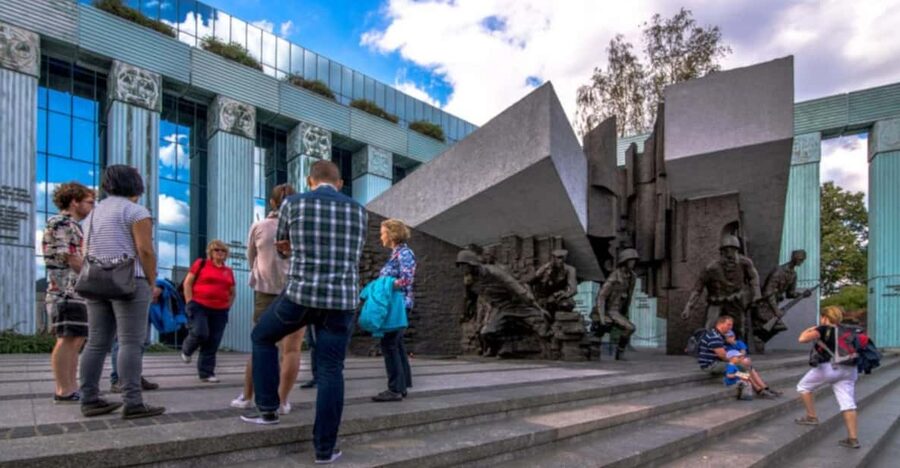
The strongest feature here is the guide team. These are local Polish guides raised in Warsaw, and their connection to the city gives the walk a personal quality. Family stories do not turn the tour into a family memoir. Instead, they help connect major events to real people and everyday life.
Magda has been praised for her passion, care, and ability to continue engaging the group even in extreme cold. Gosia has been valued for keeping energy up during the walking portions. Andrew has been praised for clear explanations, strong English, and an ability to make complicated material understandable.
Piotr is noted for keeping a light atmosphere without playing down the suffering. Albert has been praised for combining frank historical detail with compassion and occasional humor. Iga was described as serious when the subject required it, but open to wider questions. Those different personalities mean your exact experience may vary by guide, but the overall standard appears high.
I especially value the guides’ willingness to discuss difficult questions. World War II in Poland involves occupation, resistance, Jewish persecution, national identity, and postwar political change. A guide who can handle those issues clearly is far more useful than someone who simply recites dates.
Walking pace, weather, and comfort
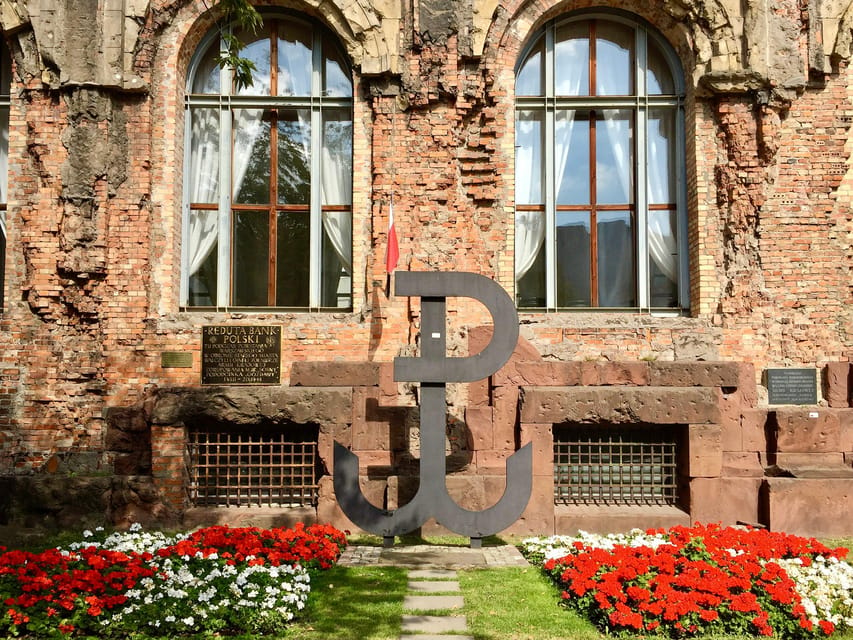
This is an outdoor walking tour lasting 150 minutes. The route includes a decent amount of walking, but it is not described as requiring rough ground or difficult steps. It is also wheelchair accessible.
The main practical issue is weather. Winter in Warsaw can be severe. Tours have taken place in temperatures around minus 17 to minus 20 Celsius, and one visitor managed only 45 minutes because of the cold. Another group found the cold difficult even though the guide remained attentive and engaging.
If you visit in winter, wear serious cold-weather clothing, gloves, warm footwear, and something that covers your ears. This is not the day for thin city shoes and a light coat. In warmer months, the same route is easier to enjoy because you can concentrate on the commentary rather than simply trying to stay warm.
Pace may also matter if you have limited mobility or are older. One older participant found the guide’s pace faster than expected. You should not assume a slow, casual stroll. Stay near the guide, tell them if you need a moment, and consider choosing a starting time when you are rested.
Is $20 a fair price?
At $20 per person, this is strong value for a 150-minute guided walk. The fee covers a professional local guide, and the small-group format gives the experience more substance than wandering through the same streets alone with a quick online summary.
The value is not in admission tickets or transport. No museums are included, and the tour is entirely about outdoor sites and interpretation. You are paying for the guide’s structure, historical context, visual material, and ability to connect separate locations into one story.
That matters in Warsaw because the city’s wartime appearance can be misleading. Rebuilding means that important places may not look historic at first glance. Without explanation, you might walk past them with no idea what occurred there.
The payment arrangement is flexible: you can reserve now and pay later, and cancellation is free up to 24 hours before the start for a full refund. Tips are not required, but the activity information notes that a large share of the booking price is consumed by commissions and taxes. If your guide gives you a thoughtful, well-run tour, tipping is a reasonable way to recognize that work.
Who should book this walk?
I recommend it most strongly to first-time visitors who want a clear introduction to Warsaw’s World War II story. It also suits history fans who want more than museum displays, since you will stand in the places tied to the events.
Families with teenagers may find the tour worthwhile, especially if everyone is prepared for serious material. It can also work for people with limited prior knowledge because the guides build the story from the beginning and explain the wider political setting.
You should think twice if you dislike long periods outdoors, have trouble walking for two and a half hours, or are visiting during a severe cold snap. The tour is wheelchair accessible, but individual comfort will still depend on the pace, weather, and ability to remain with the group.
Practical details before you reserve
Meet near the tall column with a statue and look for the orange umbrella. Arrive with enough time to locate the guide, especially if you are unfamiliar with central Warsaw.
The tour is in English only and is led live by a local guide. You will join a group rather than book a private experience, so questions are welcome but the guide must keep the full group moving.
I would bring water, weatherproof clothing, comfortable shoes, and a phone or notebook for names and places you may want to research afterward. One useful improvement would be a route map for later reference, so consider making a quick note of the stops as you go.
The overall rating is 4.7 from 237 reviews, and the most repeated praise concerns the guides’ passion, clear English, personal stories, photographs, and ability to explain difficult events without losing the group’s attention.
Should you book the World War II in Warsaw walk?
Book it if you want to understand why Warsaw looks the way it does today and how its people lived, resisted, and suffered during the war. The use of wartime photographs, local family stories, and real city locations makes the $20 price easy to justify.
Choose a warmer day if possible, and allow the full 150 minutes. If you want only cheerful sightseeing, this is not the right activity. If you want a serious, well-organized introduction to Warsaw’s wartime past, with guides such as Magda, Andrew, Gosia, Piotr, Albert, and Iga bringing the subject to life, this is a very good choice.
FAQ
Where does the World War 2 in Warsaw walking tour meet?
Meet near the roughly 20-meter-high column with a statue on top. Look for the guide holding an orange umbrella.
How long does the tour last?
The walk lasts 150 minutes, or two and a half hours.
What language is the tour conducted in?
The tour is conducted in English with a live guide.
How much does the tour cost?
The listed price is $20 per person.
Is this a private tour?
No. You join a group of other tourists. The tour is described as having small groups.
What places does the walk cover?
The route includes the former Nazi German District, the former Adolf Hitler Square, the former Jewish Ghetto, execution sites, and locations connected with the Polish Resistance during the 1944 Warsaw Uprising.
Does the guide use photographs?
Yes. The tour is enriched with wartime photographs and maps, including images showing Warsaw before, during, and after the war.
Do the guides share personal stories?
Yes. The local guides add personal family stories and memories connected with the wartime experience.
Is the tour wheelchair accessible?
Yes, the activity is listed as wheelchair accessible.
Can I cancel the booking?
You can cancel up to 24 hours in advance for a full refund. You can also reserve now and pay later.
Recently added in Warsaw
- Warsaw Wolf’s Lair with St. Lipka and Mamerki Private Guided★ 4.2 · 3 reviews
- Taste of Poland, food tour and guided walk with 12 tasting★ 5.0 · 3 reviews
- Discover Warsaw’s most Photogenic Spots with a Local★ 5.0 · 3 reviews
- Lodz Small Group Tour from Warsaw with Lunch★ 4.0 · 3 reviews
- Jewish heritage in Warsaw★ 4.5 · 3 reviews
- Warsaw Outdoor Paintball with Transfers (all year round)★ 5.0 · 3 reviews
- Electric Scooter Tour: Full Tour – 3-Hours of Magic!★ 5.0 · 3 reviews
- Skip-the-Line Polin Museum Warsaw Jewish History Tour★ 5.0 · 3 reviews
Walking Tours, compared.
Gdańsk City Sights & History Guided Walking Tour in English
Read our review →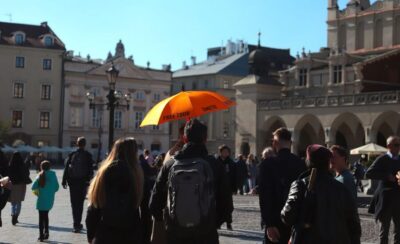
Where else this one turns up