
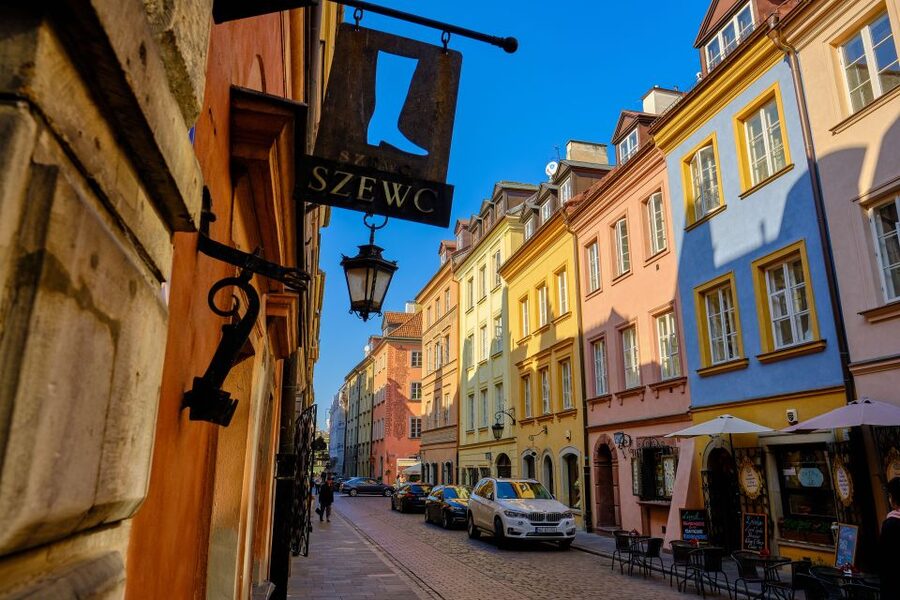
Reviewed · WALKING TOURS
Warsaw: Old and New Town Private Walking Tour
Warsaw’s Old Town looks old, but much of it was rebuilt after World War II. That tension, between colorful facades and a city nearly wiped away, gives this four-hour private walk its real power. You begin at Sigismund’s Column and finish along the Royal Route, with the city’s royal past, wartime destruction, and postwar recovery tied together on foot.
I like the personal format, since your guide can adjust the route and explain what interests you most. I also like the mix of major sights and smaller details, from the Barbican and cathedral to the bell on Kanonia Street and the view toward the Vistula. The main consideration is that admission fees are not included, so you will see the Royal Castle from outside unless you choose to buy a ticket during the tour.
Key points to know before booking
- Warsaw’s rebuilt Old Town: See colorful houses and medieval-looking streets while learning how carefully the center was reconstructed after wartime destruction.
- A private four-hour route: Your guide can adapt the pace and focus, as Ania did when rain and special interests called for a change.
- Royal Warsaw in one walk: Follow part of the Royal Route from the Royal Castle toward the Presidential Palace and Warsaw University.
- Strong historical context: Guides such as Magda, Carolina, and Dorota have helped make Poland’s complicated past easier to understand.
- Useful local advice: Guides may suggest Polish food, doughnuts, and places to visit during the rest of your stay.
- Low price, extra costs: At $16 per person, the tour is good value, but castle entry and other admission charges are separate.
Starting at Sigismund’s Column on Castle Square
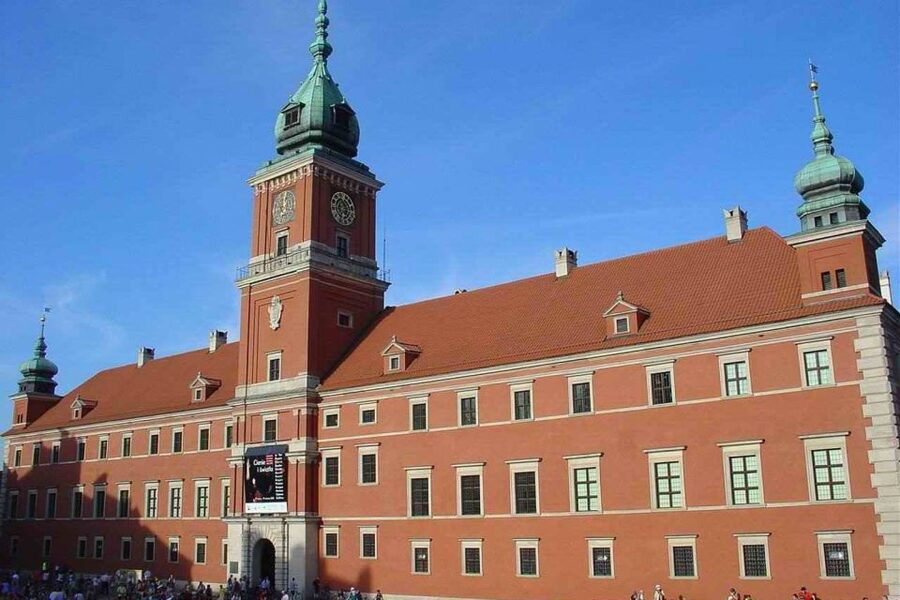
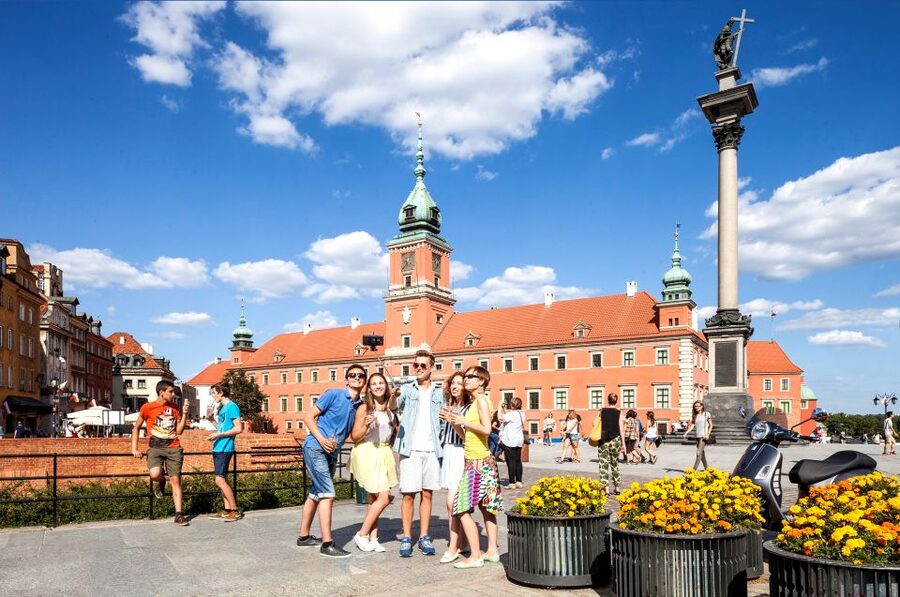
Your meeting point is easy to identify: Sigismund’s Column on Castle Square. The monument honors the king who moved Poland’s capital from Krakow to Warsaw in the 16th century, a useful starting point for understanding why Warsaw became the center of Polish political life.
This is also where you get your first look at the Royal Castle. It was the home of Polish rulers and the place where the Constitution of 3 May was passed. That document was the first constitution in Europe and the second in the world, so the castle is not just a grand building for photographs.
The guide will wait with your name by the column. Since this is a private group, you avoid the usual problem of trying to spot a guide among a crowd. I would arrive a few minutes early and use the square to get oriented before the walk begins.
If you have extra time, you can collect a ticket and visit the castle interiors. The tour price does not cover admission, but the additional visit can add royal apartments, paintings by Rembrandt, and works by Bernardo Bellotto, known as Canaletto. The walking tour itself does not promise an interior visit, so treat this as an optional extension rather than part of the four-hour plan.
More Walking Tours in Warsaw
- Warsaw: Old Town Highlights Walking Tour in English
★ 4.7 · 1,516 reviews - Warsaw: Old Town Guided Walking Tour
★ 4.9 · 599 reviews - Half-Day Polish Food Walking Tour with Guide and Dinner
★ 4.5 · 381 reviews
Old Town Square and the Warsaw Mermaid
From Castle Square, the route follows narrow streets toward Old Town Square. The colorful tenement houses make this part of Warsaw pleasant to photograph, but the guide’s explanation gives the pretty facades more meaning. The center was rebuilt after the city suffered enormous wartime damage, and its old appearance is the result of careful reconstruction.
Old Town Square once hosted celebrations and markets. It also saw executions, a reminder that this was a working civic center rather than a decorative postcard set. I appreciate that the tour puts both sides of the square into view: public celebration and public punishment.
The Warsaw Mermaid is the natural photo stop. Her statue is the emblem and guardian of the city, and you will have time for a selfie before continuing. This is a simple moment, but it helps you connect with a local symbol rather than just ticking off another building.
A private guide can make this section especially useful if you want more than dates and names. Several guides have been praised for explaining the Polish point of view and for using maps, photographs, and other visual material. Dorota, for example, used historical images to show how completely Warsaw had been flattened and rebuilt.
The Barbican, Kanonia Street, and the Vistula View
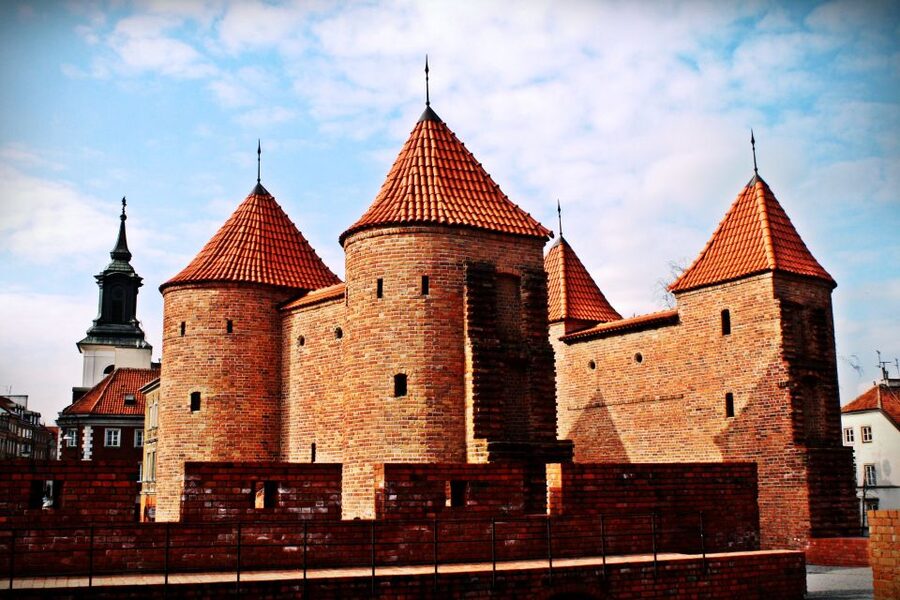
The Barbican is one of the most imposing pieces of the old city defenses. Its curved brick form and walls make a strong contrast with the bright houses inside the Old Town. You will walk along the old city walls and get a feel for the shape of medieval Warsaw.
The route also includes the bell on Kanonia Street. It is an easy detail to miss if you are walking alone, which is one reason a guide helps here. The tour is not only about the famous monuments. It also points out smaller places that help the old center feel like a real district.
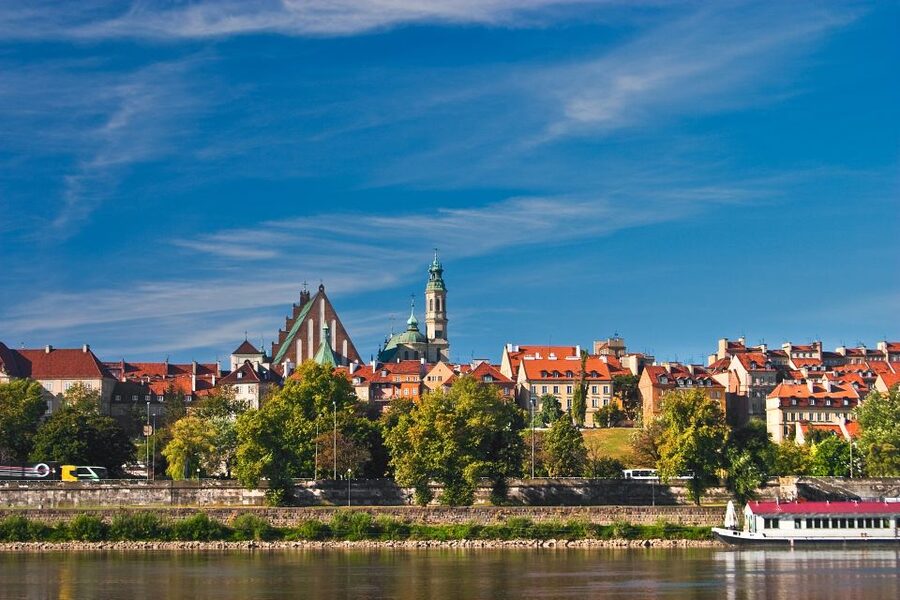
At Gnojna Gora, an observation point, you can take a photograph of the Vistula. The view gives the walking route a little breathing room after the tight streets and crowded architectural detail. Do not expect a long scenic stop, but it is a useful place to pause and see Warsaw beyond its rebuilt center.
This section involves several hours on foot, with uneven streets and repeated stops. Wear comfortable shoes. The format suits you best if you prefer seeing a city at street level instead of moving between sights by vehicle.
Warsaw Cathedral and Its National Figures
You will step into the cathedral, which contains tombs connected with important Polish figures. These include medieval Mazovian princes, Poland’s last king, Stanislaw August Poniatowski, and the pianist and politician Ignacy Jan Paderewski.
The cathedral adds a quieter, more personal part to the tour. Outside, Warsaw’s story is told through walls, squares, monuments, and political buildings. Inside, it is tied to people who shaped the country’s royal, cultural, and political life.
The exact time spent inside can depend on the pace of the group and the guide’s approach. I would use this stop to ask questions about the people buried there, especially if you are interested in Poland’s monarchy or Paderewski’s role beyond music.
A different kind of day in Warsaw:
- Warsaw: Chopin Concert in the Old Town
★ 4.8 · 2,287 reviews - Warsaw: Traditional Galar Cruise on The Vistula River
★ 4.6 · 1,640 reviews - Warsaw Concert: Chopin – Painted by Candlelights with Wine
★ 4.8 · 1,442 reviews - Warsaw: City Sightseeing Hop-On Hop-Off Bus Tour
★ 3.6 · 1,415 reviews
From Krasinski Palace to the Warsaw Uprising Monument
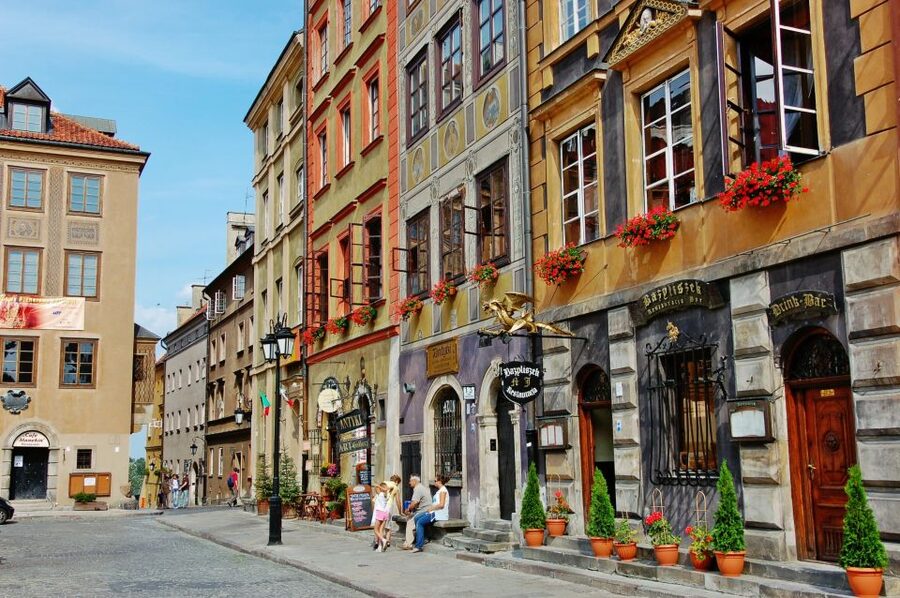
The route then moves toward Krasinski Palace, the Supreme Court building, and the monument to the Warsaw Uprising. This is where the tour shifts more clearly from old royal Warsaw to the city’s 20th-century ordeal.
The Warsaw Uprising monument is one of the key stops for understanding the capital. Your guide will explain the destruction of Warsaw during World War II and how the city was rebuilt afterward. This context matters because the Old Town’s historic appearance can otherwise give a misleading impression that every building survived intact.
I especially value the use of photographs and maps at this point. Seeing the rebuilt streets is one thing. Seeing images of the wartime ruins makes the scale of the work and loss far easier to grasp.
The history can be heavy, but the tour does not stop at tragedy. It also deals with recovery and the choices made after the war. That balance helps you read the city more clearly during the rest of your stay.
Grand Theatre, National Opera, and the Tomb of the Unknown Soldier
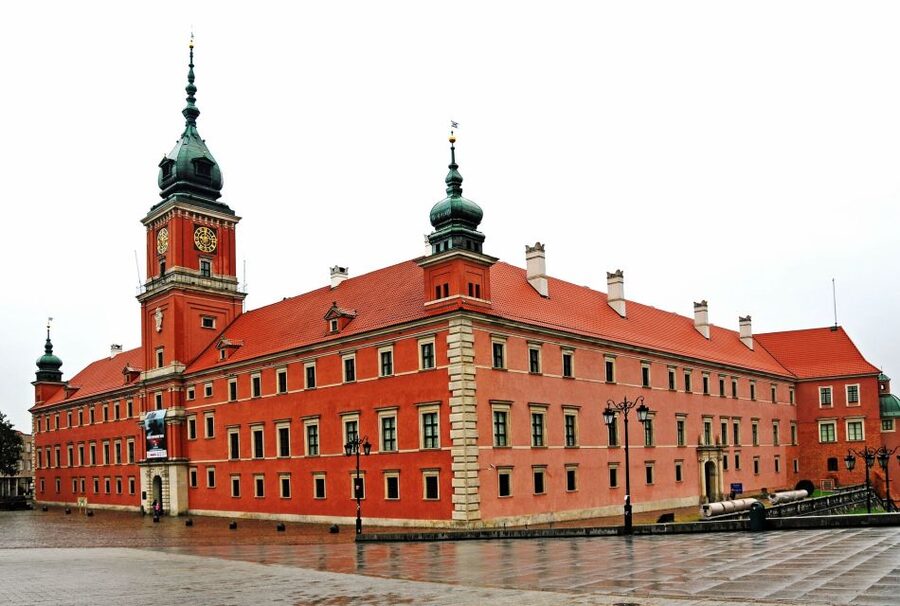
The walk continues past the Grand Theatre and National Opera, two major cultural landmarks. These buildings broaden the picture of Warsaw beyond the Old Town. You are seeing a capital shaped by royal power, national culture, war, and rebuilding.
The Tomb of the Unknown Soldier adds another solemn stop. The guide can place it within the wider story of Poland’s military sacrifice and national memory. Since this is a walking tour rather than a museum visit, the value comes from the explanation given in front of the monument.
This is also a good stretch for questions. Guides including Carolina and Maria have been praised for placing individual sights in their wider Polish context. That kind of background can turn a quick look at a monument into something you remember later.
The Royal Route to the Presidential Palace and Warsaw University
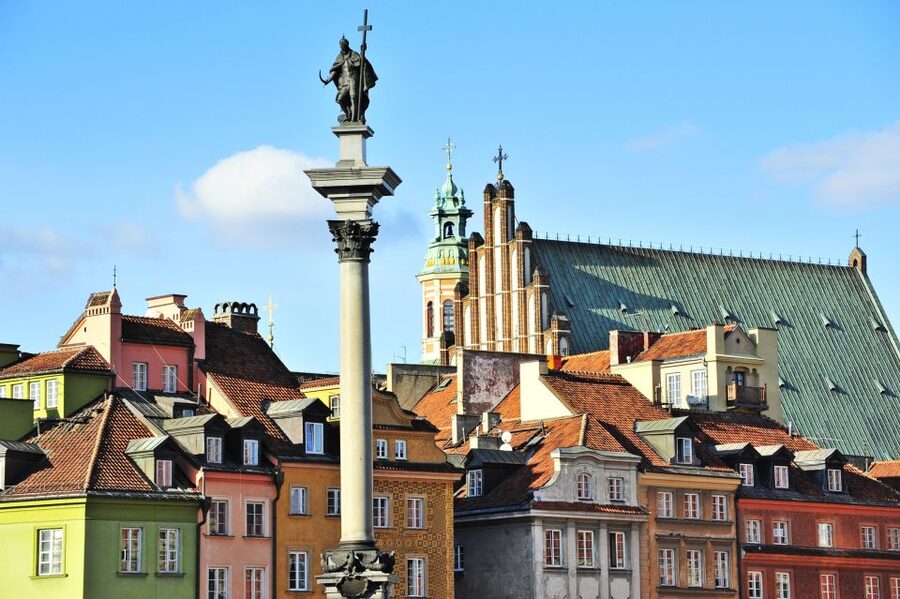
The final part follows the Royal Route, the representative avenue linking former royal residences. The historic sequence connects the Royal Castle with Royal Lazienki and Wilanow Palace, though this walking tour does not visit all three residences.
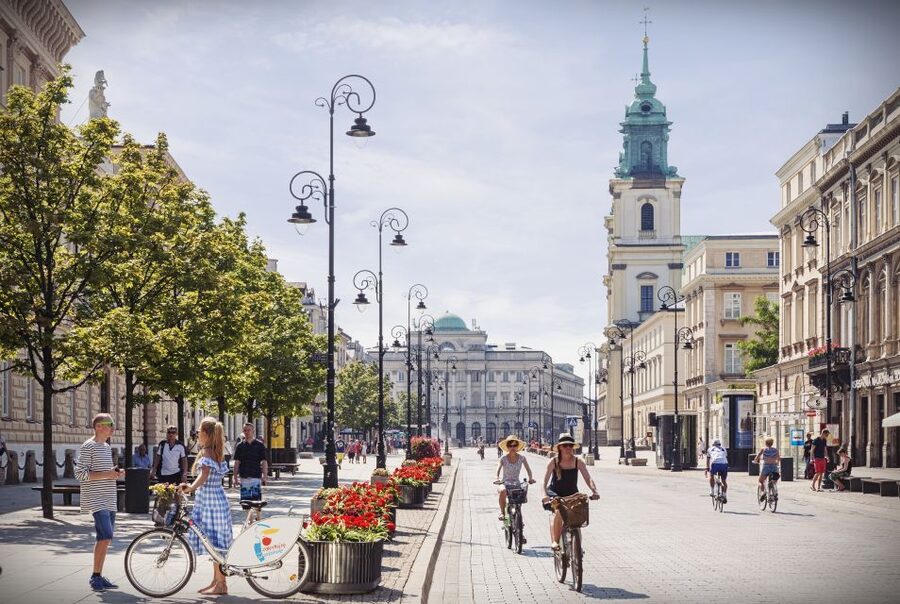
You will pass the Presidential Palace, Warsaw University’s historic main campus, churches, and townhouses. This portion feels less confined than the Old Town and helps you see how royal Warsaw extended beyond its medieval core.
Warsaw University is a useful stop for understanding the city as a living capital, not simply a collection of restored monuments. The churches and townhouses add architectural variety, while the Presidential Palace brings the route back to present-day national life.
The tour ends after this short walk, leaving you free to continue on your own. That is a practical finish. You are not dropped at an isolated meeting point, and your guide can suggest what to see or where to eat next. Carolina offered advice on Polish food, while Sebastian helped with a local food recommendation and a doughnut stop. Treat such suggestions as a helpful bonus, not a guaranteed food tour.
What the private format adds
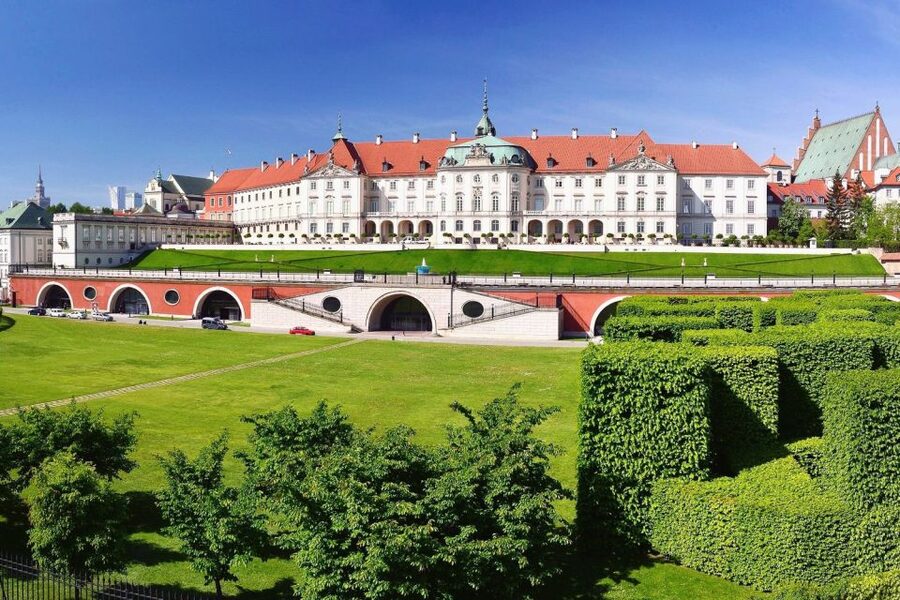
At $16 per person, the cost is modest for four hours with a private guide. The value is strongest when you want explanation and flexibility rather than a simple route map.
A private tour lets you ask why the city was rebuilt in a particular way, spend more time on the Warsaw Uprising, or move faster through buildings that matter less to you. One guide, Meggy, was noted for adjusting the experience to personal interests, while Ania changed the route when rain arrived and found another way to keep the walk useful.
That flexibility is harder to get in a large group. It also means the quality depends heavily on the individual guide. The guide names praised for strong delivery include Karla, Meggy, Magda, Margaret, Sebastian Urlik, Maria, Carolina, Dorota, and Ania. You cannot necessarily request a particular person, but the range of positive experiences suggests that guide interpretation is a major part of the product.
The language choice is broad: English, German, Russian, Spanish, Polish, French, Italian, and Portuguese are available. Check the selected language and starting time before booking, since the activity runs for four hours and departure times depend on availability.
Who will get the most from this walk
I would recommend this tour to a first-time visitor who wants a clear introduction to Warsaw without spending a full day inside museums. It is also a strong choice for anyone drawn to wartime history, urban reconstruction, royal Poland, or national monuments.
You will get the most from it if you enjoy asking questions. The route includes many stops, and a thoughtful guide can connect them into a story. If you only want photographs and very little explanation, four hours may feel long.
Families with older children may find the rebuilt city and wartime photographs easier to understand with a guide. The private format can also help if your group has different interests, since the route may be adjusted.
The tour is less suitable if you want extended interior visits. The Royal Castle, cathedral, and other important buildings are presented mainly as part of a walking route, and admission charges are not included. You will need separate time and tickets for a fuller museum experience.
Practical advice for a better four hours
Wear shoes suited to a long city walk. The route covers Old Town streets, walls, squares, monuments, and the Royal Route, so comfort matters more than dressing for a formal palace visit.
Bring water and allow room for pauses. Four hours is enough to cover a lot, but it is not a rushed checklist if your guide balances walking with explanations and photographs.
If the weather turns wet, ask about adapting the route. Ania changed the plan during a short rain shower, showing why the private format can be useful. Do not assume every guide will make the same choices, but the structure allows more flexibility than a fixed group excursion.
If you want to enter the Royal Castle, plan for the extra admission cost and ask your guide how it fits with the walking schedule. The castle interiors include royal apartments, Rembrandt paintings, and Canaletto’s Warsaw views, but the basic activity includes guiding and walking only.
The free-cancellation period extends to 24 hours before the activity for a full refund. You can also reserve now and pay later, which helps if your Warsaw schedule is still moving around.
Should you book the Warsaw Old and New Town walk?
Book it if you want Warsaw explained as a connected story: royal capital, wartime ruin, carefully rebuilt Old Town, and modern Polish center. The four-hour length gives enough time for major sights without asking you to spend an entire day on one theme.
The strongest reasons to choose it are the private format, the low $16 price, the range of available languages, and the guides’ ability to add context with maps, photographs, local food advice, and route changes. The main limitation is that entry tickets are extra and the walking route cannot replace a full visit to the Royal Castle or other museums.
For a first day in Warsaw, this is a sensible introduction. You will leave with a map in your head, a better grasp of the city’s destruction and rebirth, and practical ideas for where to go next.
FAQ
How long does the Old and New Town private walking tour last?
The tour lasts four hours.
Where does the tour meet?
Your guide meets you by Sigismund’s Column on Castle Square in Warsaw. The guide will be waiting with your name.
Is the Royal Castle entrance included?
No. Admission fees are not included. You can buy a ticket separately if you have time and want to see the royal apartments, Rembrandt paintings, and works by Canaletto.
Is this a private group activity?
Yes. The tour is designed for a private group.
Which languages are available?
The available languages are English, German, Russian, Spanish, Polish, French, Italian, and Portuguese.
Can I cancel for a full refund?
Yes. You can cancel up to 24 hours in advance for a full refund. You can also reserve the activity and pay later.
Recently added in Warsaw
- Warsaw Wolf’s Lair with St. Lipka and Mamerki Private Guided★ 4.2 · 3 reviews
- Taste of Poland, food tour and guided walk with 12 tasting★ 5.0 · 3 reviews
- Discover Warsaw’s most Photogenic Spots with a Local★ 5.0 · 3 reviews
- Lodz Small Group Tour from Warsaw with Lunch★ 4.0 · 3 reviews
- Jewish heritage in Warsaw★ 4.5 · 3 reviews
- Warsaw Outdoor Paintball with Transfers (all year round)★ 5.0 · 3 reviews
- Electric Scooter Tour: Full Tour – 3-Hours of Magic!★ 5.0 · 3 reviews
- Skip-the-Line Polin Museum Warsaw Jewish History Tour★ 5.0 · 3 reviews
Walking Tours, compared.
Gdańsk City Sights & History Guided Walking Tour in English
Read our review →
Where else this one turns up