
Reviewed · SCHINDLER'S FACTORY TOURS
Schindler’s Factory and Jewish Ghetto Guided Tour
Schindler’s Factory tells a much bigger story than the film. Inside, you follow Oskar Schindler’s rise from factory owner to protector of more than 1,000 Jewish workers, while the exhibition also shows how ordinary Jewish and non-Jewish people lived under Nazi rule. I like the original objects and carefully rebuilt 1940s streets, which give the museum a strong sense of place. I also like the walking route to the preserved ghetto walls and Ghetto Heroes Square, where the history moves from display cases into the streets of Kraków.
The main trade-off is pace. A three-hour guided visit gives you context and fast-track entry, but the museum can be crowded, and some groups feel rushed through its narrow rooms. The best guides, including Joanna, Alicja, Magda, Bartholomew, and Phil on different departures, make the difficult material clear and personal. Still, you should arrive ready to keep moving and save time for the most important exhibits.
Key points to know before booking
- Schindler’s Factory is now a museum, not a working factory: You see the former building and an exhibition, but not original production machinery.
- The museum explains Kraków under occupation: Schindler’s story is placed within the wider experience of the city’s Jewish and non-Jewish population.
- The ghetto walk adds real places to the museum story: You visit preserved wall fragments, Ghetto Heroes Square, and the site of the Under the Eagle Pharmacy.
- The pharmacy is viewed from outside: The tour stops there and explains its role, but entry is not included.
- Fast-track admission saves hassle: The museum issues personalized tickets, so you must provide every participant’s full name when booking.
- The group can reach 25 people: Smaller groups may move more easily through the crowded exhibition, while a good guide remains important for keeping everyone together.
Why Schindler’s Factory is more than a film connection
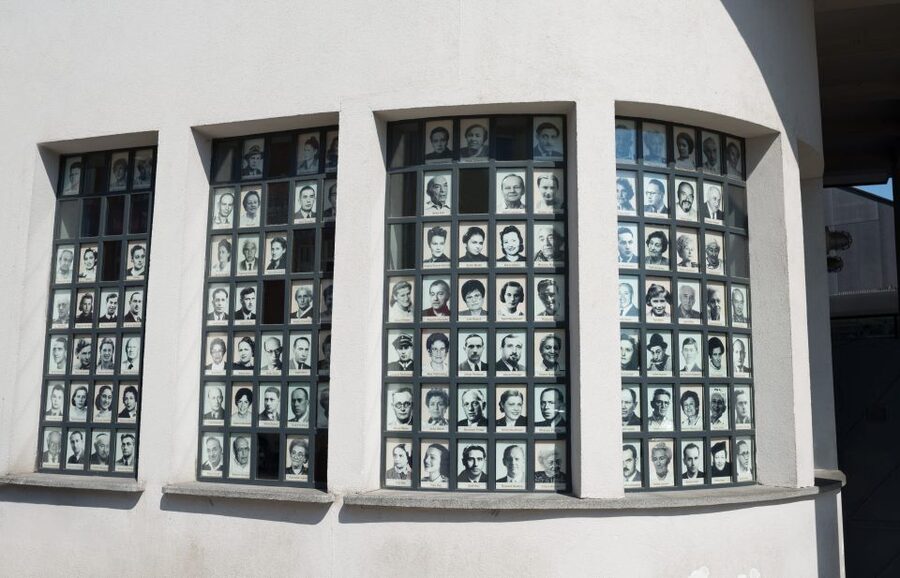
The museum occupies the former enamel factory associated with Oskar Schindler, but it does not recreate the film set or preserve the building as a complete wartime factory. There is no original production equipment to inspect. Instead, the museum uses photographs, documents, personal objects, reconstructions, and room designs to explain Kraków from 1939 through 1945.
That distinction matters. If you arrive expecting a factory tour, you may be surprised. If you want a carefully arranged account of occupation, persecution, resistance, and survival, the exhibition makes much more sense.
Schindler is the thread that helps you find your way through the story. He employed Jewish workers and used his money, contacts, and influence to protect them from deportation. The people saved through his efforts are often called Schindlerjuden. Their survival is important, but the museum does not treat Schindler as the only subject. You also see the pressure placed on families, workers, businesses, and public life across Kraków.
I appreciate this wider frame. It prevents the familiar Hollywood story from becoming a simple tale of one heroic man. You learn how his choices mattered within a system built on fear, forced labor, separation, and murder. The result is more useful than a film-themed visit alone.
Other visits to Schindler's Factory:
- Krakow: Oskar Schindler’s Factory Entry Ticket & Guided Tour
★ 4.2 · 3,793 reviews - Krakow: Schindler’s Factory Tour with Entrance Ticket
★ 4.5 · 3,182 reviews - Krakow: Schindler’s Factory Skip-the-Line Ticket
★ 4.4 · 3,105 reviews
Walking through Kraków under Nazi occupation
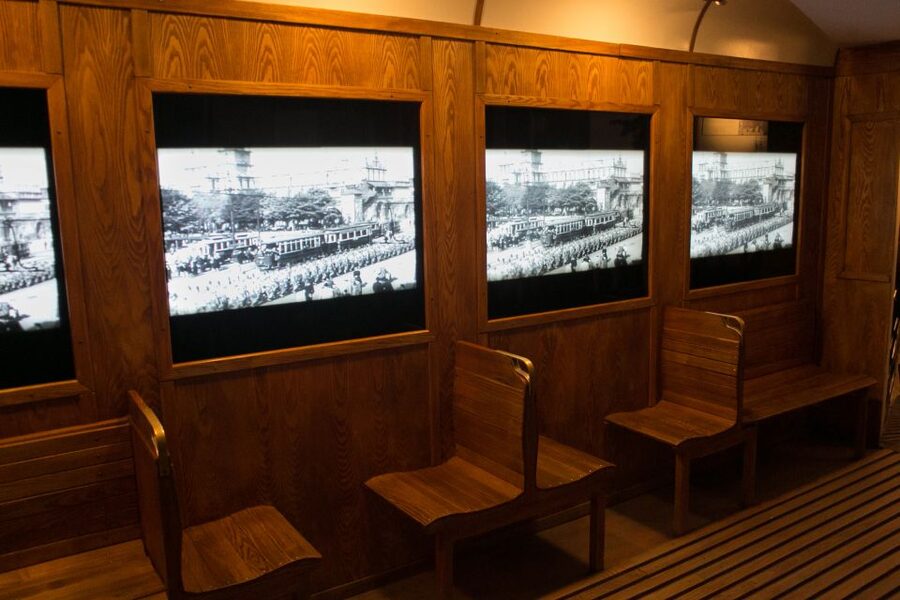
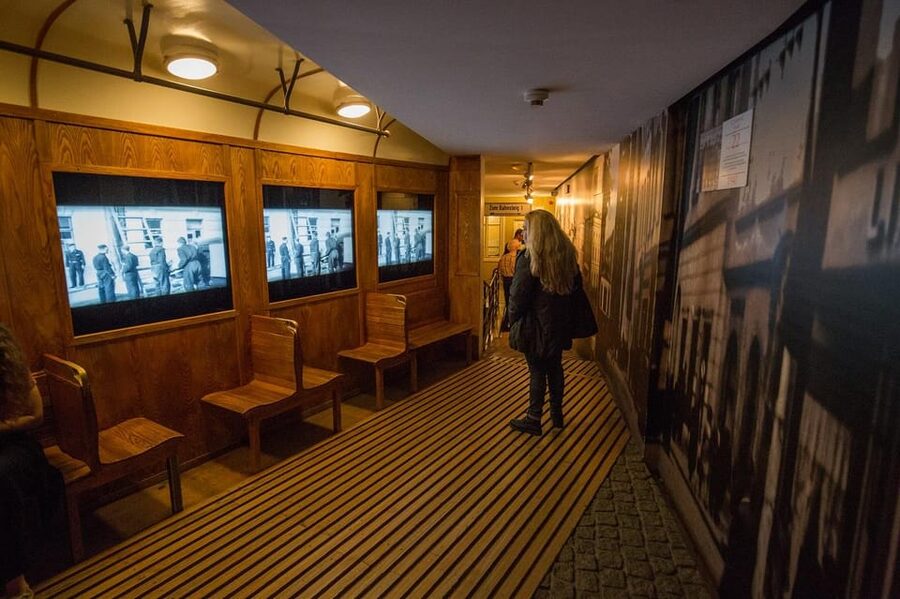
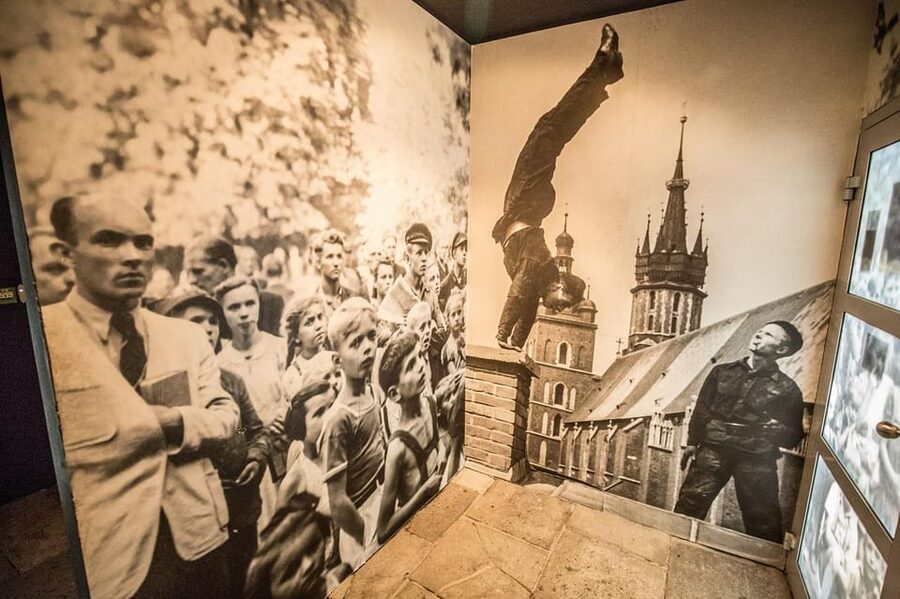
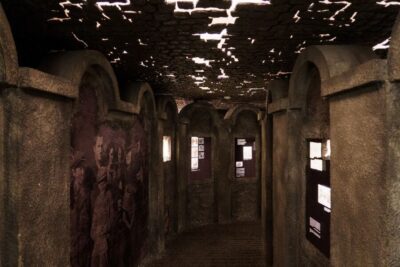
The exhibition is titled Kraków under Nazi Occupation 1939 to 1945. Its layout is designed to create an atmosphere of the period, using narrow passageways and reconstructed settings rather than a simple row of display cases.
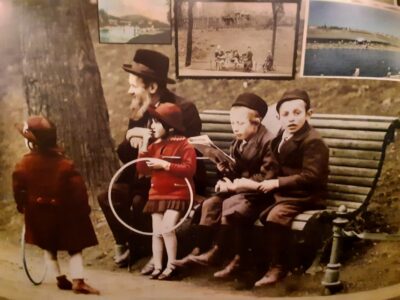
You move through photographs, personal belongings, and scenes that show daily life before, during, and shortly after the occupation. That broader timeline helps you see what changed. The story is not only about deportations. It also concerns work, family life, public rules, fear, waiting, and the constant loss of normal choices.
A guide makes a real difference here. The museum contains more information than you can absorb in one quick pass, and a spoken explanation helps you understand why particular images or objects matter. Guides such as Bartholomew have been praised for clear English and detailed explanations, while Joanna has led visitors through the museum and ghetto in a way that places the two parts in a logical order.
You will not have unlimited time to read every caption. That is the cost of taking a group tour. Some people prefer moving independently so they can pause at each photograph. I would choose the guided option if you want the main events explained in a sensible order, especially if this is your first visit to Kraków’s wartime sites.
Schindler’s choices and the people he saved
Schindler’s part of the exhibition works best when it remains tied to individual lives. His factory employed Jewish men and women, and his position gave him ways to argue for their value as workers. His efforts, influence, and resources helped more than 1,000 people avoid deportation and survive the war.
The important point is that protection was never abstract. A name on a list could mean a chance to live. A workplace could become a temporary shield. A decision by a factory owner could alter the fate of an entire family.
The guide explains those choices alongside the harsh limits of life under Nazi occupation. You hear about the people Schindler saved, but you also learn about the many people who had no such protection. This makes the museum moving without turning it into a simple morality play.
Alicja has been especially well regarded for connecting the history of Polish people and Polish Jews during the Nazi period. That approach is useful because the occupation affected different communities in different ways. The tour aims to explain those experiences together, not erase the differences between them.
The subject is painful, and the museum’s presentation can feel intense. You should not expect a light museum stop or a quick celebrity biography. Plan it for a time when you can give the material your full attention.
From the museum to the former Jewish Ghetto
The walking section begins among the remnants of Kraków’s wartime ghetto. This shift is one of the tour’s strongest features. Inside the museum, you see reconstructed scenes and objects. Outside, you stand in the district where the policies of confinement shaped real streets and buildings.
The route includes Józefińska 41. The building once held an orphanage, welfare offices, and a hospital, all vital services in a place where residents faced severe restrictions and growing danger. A stop here helps you think about how the ghetto functioned, not simply as a fenced area, but as a forced community trying to care for children, the sick, and people without resources.
The preserved fragments of the ghetto walls are stark. They mark the physical separation imposed on Jewish residents and remind you that confinement was built into the city itself. The walls are not a complete preserved enclosure, so you should not expect a large intact structure. Their value comes from their location and meaning.
The walking portion is also where weather matters most. In cold weather, the route can be uncomfortable, so wear warm clothing and shoes suitable for several hours on foot. There is no food or drink included, and the tour is long enough that you should handle those needs before meeting the group.
Other Jewish Quarter and Kazimierz walks:
- Krakow: Jewish Quarter and Former Ghetto Tour
★ 4.9 · 1,441 reviews - Krakow: Bike Tour of Old Town, Jewish Quarter and the Ghetto
★ 4.9 · 1,155 reviews - Krakow: Kazimierz Jewish Quarter Walking Tour
★ 4.8 · 571 reviews - Krakow: Kazimierz, Schindler’s Factory & Ghetto Guided Tour
★ 4.8 · 460 reviews
Ghetto Heroes Square and the Chair Memorial
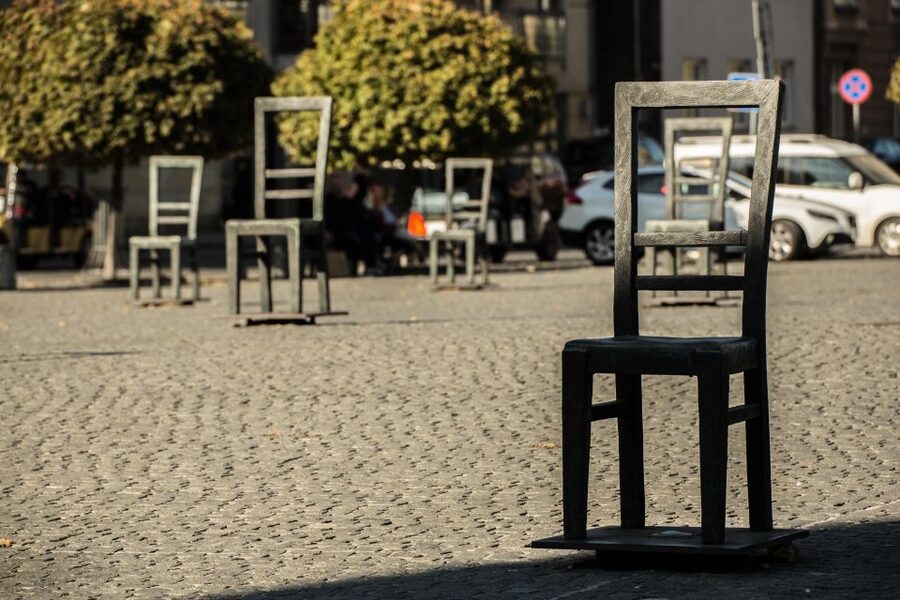
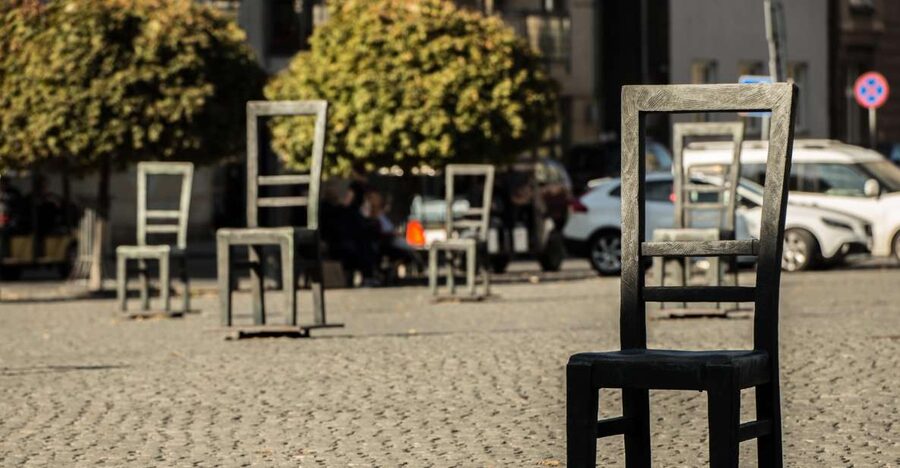
Ghetto Heroes Square is one of the most powerful outdoor stops. During the occupation, this open space was used for round-ups and deportations to concentration camps. Today, the symbolic Chair Memorial marks the square.
The empty chairs suggest absence, removal, and the belongings left behind when people were forced from their homes. Your guide explains how the square functioned during the war, giving the memorial a specific setting rather than leaving it as a modern artwork without context.
This is a place where a guide can help you look closely. The square may appear quiet and ordinary at first, but its role in the deportations changes how you understand it. The tour does not ask you to treat the site as a backdrop for photographs. It asks you to connect the public space with the people who were gathered there.
The outdoor section is not as detailed as a full specialist walking tour of the former ghetto might be. One person specifically wanted more stories about individual families and more time connected with the Jewish community’s daily hardships. I agree that the museum provides more visual material than the short walk can cover. Still, the square is an essential link between the personal stories inside Schindler’s Factory and the larger machinery of persecution.
Under the Eagle Pharmacy and Tadeusz Pankiewicz
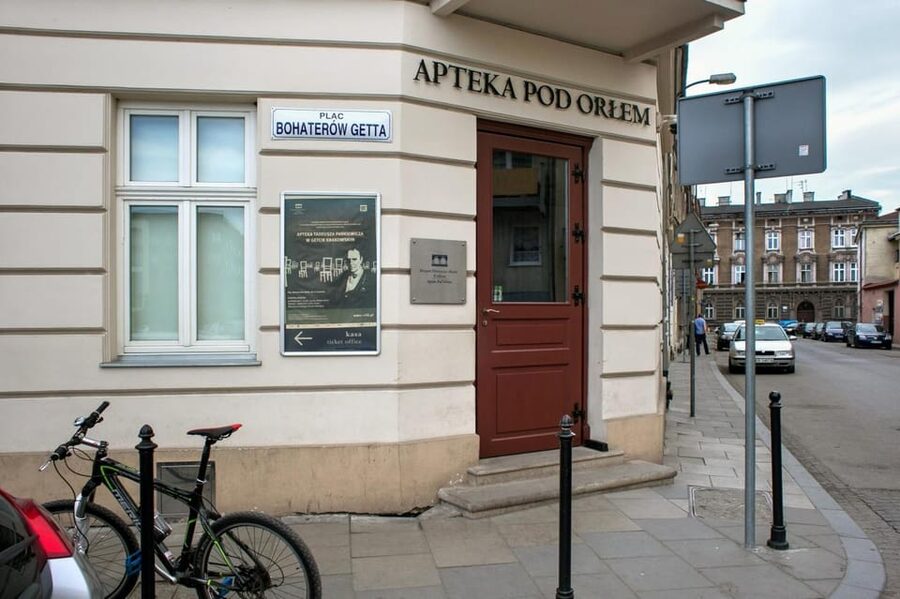
Across Ghetto Heroes Square is the Under the Eagle Pharmacy. The tour stops outside, so entry is not part of the experience. Even without going inside, the guide explains the work of Tadeusz Pankiewicz and his staff.
The pharmacy became a place where Jewish residents could seek medicine, help, shelter, and information. Pankiewicz and his employees risked their own safety to assist people inside the ghetto. Their actions offer another form of courage, different from Schindler’s but connected to the same daily reality.
I would treat this stop as an introduction rather than a full pharmacy visit. If you want to see the interior and spend more time with its displays, you will need to arrange that separately. The group’s schedule may allow only a short explanation outside, which is one reason some people wish for more time here.
Even so, the pharmacy adds an important human scale. The tour is not only about industrial work, lists, and deportations. It also shows how medicine, friendship, and small acts of help could become matters of life and death.
How the three-hour schedule works
The experience lasts about three hours and combines museum time with outdoor walking. The museum normally comes first, followed by the former ghetto route. That order works well because you first learn the main events and people, then see the places where the story unfolded.
The museum is popular and can be crowded. Narrow passageways make it harder for a group to stop for long, and a group of up to 25 people may block other visitors if everyone pauses together. Two people found the factory section too rushed and felt that an independent visit would allow more time with the photographs and exhibits.
That is fair criticism. A guide gives you structure, but structure also means you follow the group’s rhythm. If you want to read every label, compare each photograph, or linger in silence, an unguided visit may suit you better.
Arrive at least 10 minutes early. The meeting point is in front of the main entrance to Schindler’s Factory Museum, on the right-hand side, where the guide holds a Schindler’s Factory Guided Tour sign. Once the group enters, late arrivals cannot be accommodated, and the ticket is not refundable.
Museum tickets are personalized. You must provide the full names of everyone in your party when booking, or entry may be refused. This is a small detail, but it is the kind that can ruin an otherwise carefully planned day.
Guides, languages, and group size
The tour is offered in English, French, Spanish, German, and Italian. Each group uses one language, so select the language you want when you book.
The strongest part of this experience is the guide’s ability to make difficult information understandable. Joanna, Alicja, Magda, Bartholomew, and Phil are among the guides associated with particularly strong departures. Phil has been praised for clear English and for answering questions fully, while Magda is known for being helpful and attentive to the group.
You cannot assume which individual will lead your departure, but the tour is built around a licensed guide rather than an audio guide or a simple escort. That matters in a museum where context is essential and questions often arise.
A group limit of 25 is reasonable for an organized city tour, but it is not intimate. If your group reaches the maximum, stand near the guide when possible and keep an eye on the meeting point between rooms. A smaller group of around 20 would move more comfortably through the exhibition, particularly during busy periods.
Is $57 good value?
At $57 per person, this is not the cheapest way to see Schindler’s Factory. You are paying for fast-track admission, a licensed guide, and the connected walking tour of the wartime district. Food and drinks are not included.
The value is strongest if you want the museum and ghetto explained as one story. Buying admission separately and walking on your own may cost less, but you would need to arrange entry and build your own route between Józefińska 41, the ghetto wall fragments, Ghetto Heroes Square, and the pharmacy.
The price is less compelling for an independent-minded museum visitor who reads quickly, wants to control the pace, or has already studied Kraków’s wartime history. You may prefer to visit the museum alone, then take a separate walk at your own speed.
Flexible booking helps. You can reserve now and pay later, and cancellation is free up to 24 hours before the start time. That is useful when your Kraków plans depend on weather, since the outdoor portion is less comfortable in cold or wet conditions.
Who should book this experience?
I would recommend it to first-time visitors who want a clear introduction to Kraków during World War II. It also suits you if Schindler’s story interests you but you want to understand the Jewish Ghetto, the city’s civilians, and the people who helped others beyond the factory.
Families with older teenagers may find the tour worthwhile, though the subject matter is serious. Anyone with limited time in Kraków will appreciate combining the museum and outdoor sites in one three-hour block.
I would hesitate if you want a quiet, slow museum visit. The exhibition is busy, the passageways are narrow, and the group schedule may keep you from reading everything. I would also think twice if you expect the original factory floor or a full interior visit to the Under the Eagle Pharmacy, because neither is included in that form.
FAQ
How long does the Schindler’s Factory and Jewish Ghetto tour last?
The tour lasts approximately three hours, including the museum visit and the walking tour of the wartime district.
What does the tour include?
It includes a professional licensed guide, fast-track admission to Schindler’s Factory Museum, and a walking tour of the Jewish Wartime District.
Is entry to the Under the Eagle Pharmacy included?
No. The tour stops at the pharmacy and explains its history, but admission inside is not included.
Where do I meet the guide?
Meet in front of the main entrance to Schindler’s Factory Museum, on the right-hand side. The guide holds a Schindler’s Factory Guided Tour sign.
How early should I arrive?
Arrive at least 10 minutes before the scheduled start. Late arrivals cannot join after the group has entered, and their tickets are non-refundable.
What languages are available?
Tours are available in French, English, Spanish, German, and Italian. Each group is conducted in one language.
How large can the group be?
Museum group tours are limited to 25 participants.
Is the original factory equipment still inside?
No. The building now operates as a museum and does not contain the original production equipment.
Do I need to provide participant names?
Yes. The museum issues personalized tickets, so you must provide the full names of all participants when booking. Missing names may result in denied entry.
Can I cancel the booking?
You can cancel up to 24 hours in advance for a full refund. The reserve-now-and-pay-later option also lets you hold a place without paying immediately.
Should you book it?
Book this tour if you want the context of a guide and the convenience of seeing Schindler’s Factory and the former ghetto together. The combination is the real strength: the museum explains the people and policies, while the walls, square, and pharmacy connect those events to Kraków’s streets.
Skip it in favor of an independent visit if you need a slow pace and time to read every exhibit. For most first-time visitors, though, the $57 cost is reasonable for fast-track entry, a licensed guide, and a serious, well-planned introduction to one of Kraków’s most important wartime stories.
Recently added in Krakow
- Auschwitz-Birkenau and Krakow Private Car Trip from Katowice★ 4.3 · 3 reviews
- Wawel Castle, Old Town with St. Mary’s Church Guided Tour★ 5.0 · 3 reviews
- Private tour to Zakopane and Thermal Baths from Krakow★ 5.0 · 3 reviews
- Wawel Castle, Cathedral, Rynek Underground Tour with Lunch★ 5.0 · 3 reviews
- From Krakow: Chocholow Thermal Hot Springs (hotel pick up)★ 5.0 · 3 reviews
- Legends of Cracow ROBOTIC SHOW★ 4.0 · 3 reviews
- From Krakow: Zakopane and Thermal Pools Guided Trip★ 5.0 · 3 reviews
- Guided Beer Tour in Krakow★ 4.5 · 3 reviews
Schindler's Factory Tours, compared.
Oskar Schindler’s Factory Entry Ticket & Guided Tour
Read our review →
Schindler’s Factory Tour with Entrance Ticket
Read our review →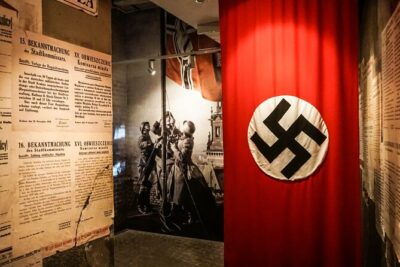
Schindler’s Factory in Krakow: Guided Tour & Skip the Line Ticket
Read our review →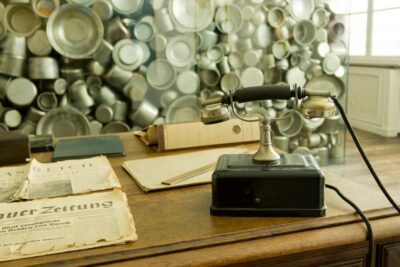
Schindler’s Factory Ticket with Guided Tour Option
Read our review →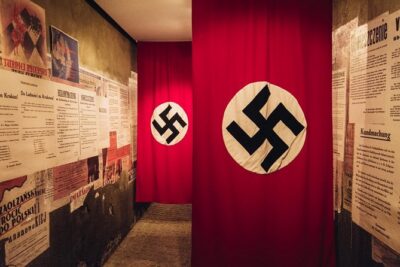
Krakow Schindler’s Factory Guided Tour with Admission Ticket
Read our review →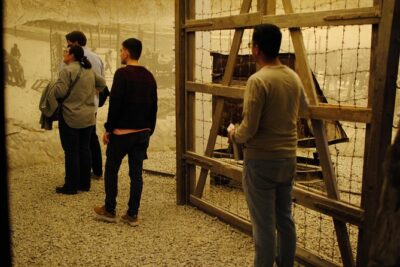
Krakow Schindler’s Factory Museum Guided Tour in English
Read our review →Where else this one turns up