
Reviewed · SCHINDLER'S FACTORY TOURS
Krakow: Schindler’s Factory Tour with Entrance Ticket
Schindler’s Factory is not mainly a museum about Oskar Schindler. It is a powerful account of Kraków under Nazi occupation, with Schindler’s story placed inside the larger story of persecution, deportation, resistance, and survival. I like the way the exhibition makes you think about ordinary city life during wartime, and I like having a guide explain details that are easy to miss when you walk through alone.
The skip-the-line entry is useful, especially when the museum is busy. My main caution is the setting: narrow, dim rooms and groups of up to 25 can make it hard to stop and study every photograph or display at your own pace.
Key points to know before booking
- The museum is about wartime Kraków first, Schindler second: You will learn much more about the occupation and the Jewish ghetto than about the factory owner alone.
- A guide adds real value: Guides including Anna, Helena, Kinga, Joanna, and Dominique have been praised for clear explanations, personal stories, and strong English.
- Skip-the-line entry matters: At busy times, the outside queue can be long, while timed group entry takes you inside more directly.
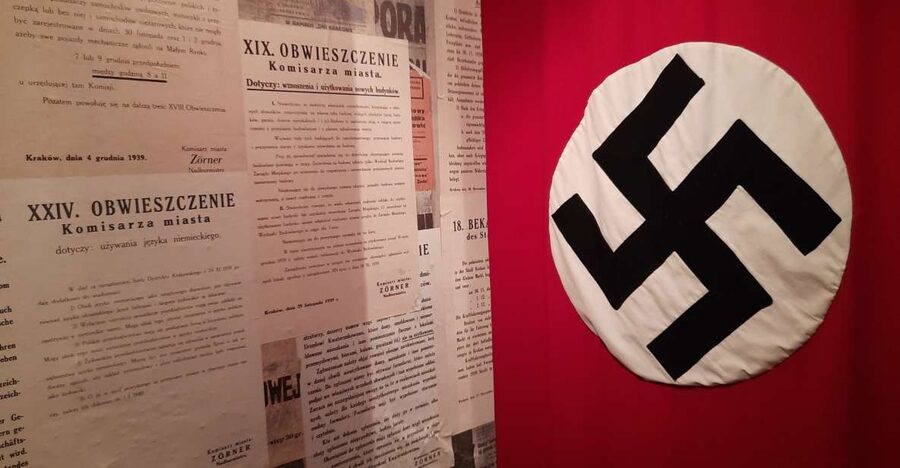
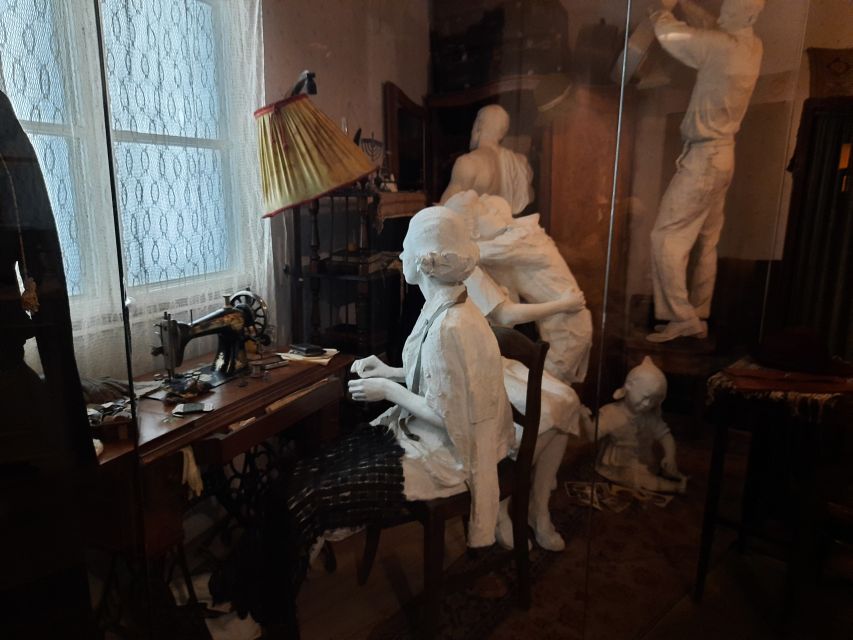
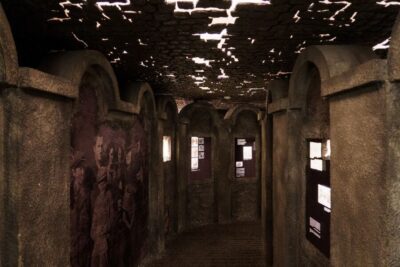
- The exhibition is deliberately unsettling: Tight corridors, dim lighting, old photographs, and reconstructed spaces create a feeling of pressure and confinement.
- You will see Schindler’s office, not a working factory: The building is historic, but there is no original machinery on display.
- Allow 90 minutes and arrive early: You must arrive 10 minutes before departure, with identification matching the personalized ticket.
What Schindler’s Factory really tells you
The name naturally brings to mind the film Schindler’s List. That can give you the wrong idea about this visit. Schindler is part of the story, but the museum’s main subject is Kraków between 1939 and 1945, when German occupation reshaped the city and destroyed much of its Jewish community.
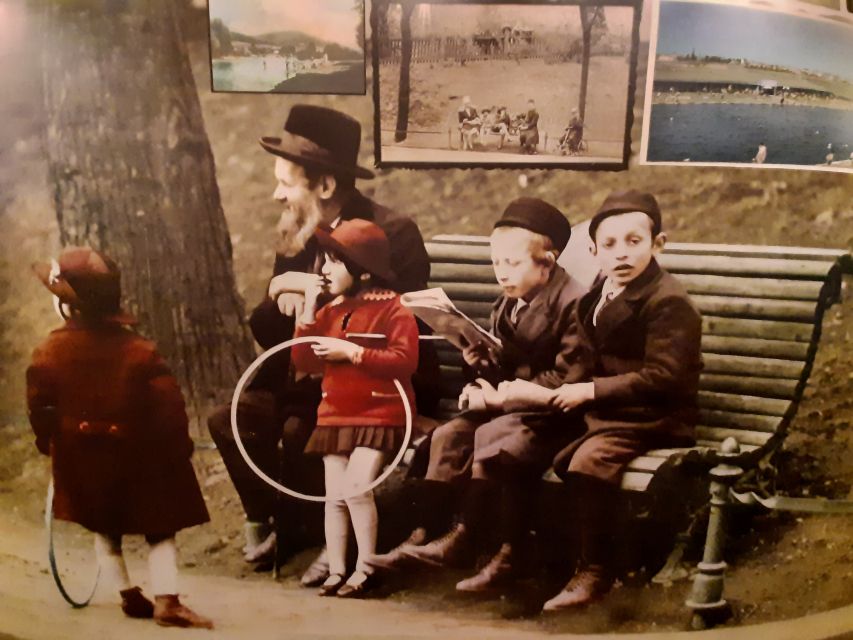
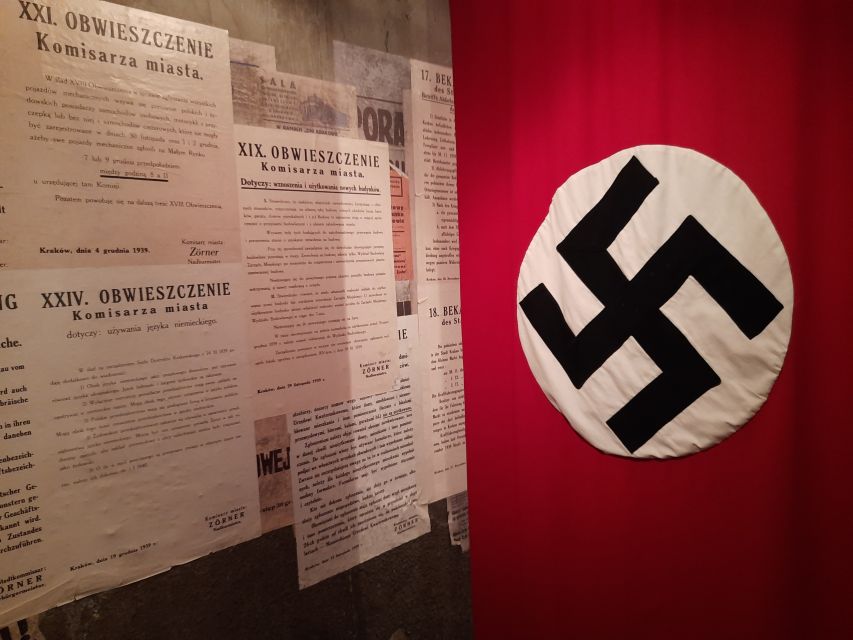
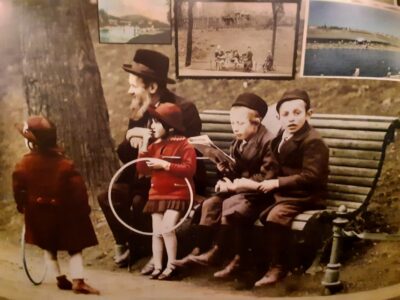
You begin with the city itself, then move into the years of occupation. The exhibition shows how quickly daily life changed for Jewish and non-Jewish residents. Laws, restrictions, forced labor, deportations, and fear became part of the routine.
That wider view is one of the tour’s greatest strengths. You learn about Schindler’s efforts to protect more than a thousand Jewish workers, but you also see the limits of focusing on one heroic figure. His actions mattered enormously, yet they took place amid a much larger system of violence.
I especially value this approach because it gives you context. You are not simply shown a famous man who saved lives. You are shown the people who needed saving, the machinery of persecution around them, and the city where these events took place.
Other visits to Schindler's Factory:
- Krakow: Oskar Schindler’s Factory Entry Ticket & Guided Tour
★ 4.2 · 3,793 reviews - Krakow: Schindler’s Factory Skip-the-Line Ticket
★ 4.4 · 3,105 reviews - Krakow: Schindler’s Factory Tour with Entrance Ticket
★ 4.6 · 1,737 reviews
Entering the former enamel factory
The museum occupies the former enamel factory connected with Oskar Schindler. Do not arrive expecting rows of old industrial equipment or a preserved production floor. There is no original machinery, and the experience is built around the museum’s exhibition rather than a factory tour.
That distinction matters when you decide what to book. If you want a technical look at enamel production, this is not the right visit. If you want a carefully arranged account of wartime Kraków in the building linked to Schindler, it fits much better.
Your guide normally gathers the group outside before taking you in. The meeting point can vary depending on the option booked, so check your confirmation carefully. Guides are meant to be easy to identify, and one practical detail is that they may hold a laminated card with the tour operator’s name.
Arrive 10 minutes before the scheduled start. Once the group has gone inside, latecomers cannot join and their tickets cannot be refunded. This is one of those small rules that can ruin an otherwise well-planned afternoon, so build in extra time for Kraków traffic, finding the meeting point, and collecting everyone in your party.
Moving through Kraków under Nazi occupation
The exhibition is arranged as a guided sequence rather than a loose collection of objects. You pass through rooms filled with photographs, documents, personal items, and recreated settings. The arrangement helps you follow the story in order, but it also means you move at the guide’s pace.
The early sections establish Kraków before and during the war. From there, the exhibition shows how occupation entered homes, streets, workplaces, and family life. The story is not told only through military events. It focuses on what restrictions and violence meant for people trying to work, shop, travel, worship, and protect their families.
The original photographs can be disturbing. Some are direct records of real events, and the exhibition does not soften the suffering. You should expect an emotional visit rather than a light sightseeing stop.
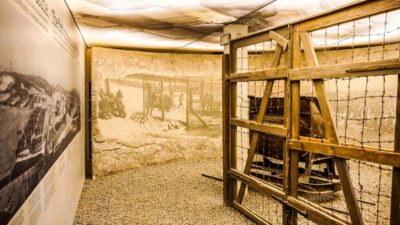
The museum’s physical design adds to that effect. Narrow corridors and low light can make you feel boxed in. Some rooms are tight enough that people passing in the opposite direction can interrupt the group. The design is intentional, echoing the lack of freedom and constant pressure of the occupation, but the practical result is that the museum can feel crowded.
A guide helps you read the space as well as the objects. One guide explained the symbolic meaning of parts of the layout, including a section with a noticeably uneven or squishy floor. Details like this can pass unnoticed if you walk through without context.
The Jewish ghetto and everyday fear
A major part of the visit concerns Kraków’s Jewish population and life under Nazi rule. You learn about the forced separation of Jewish residents, the conditions inside the ghetto, and the deportations that followed.
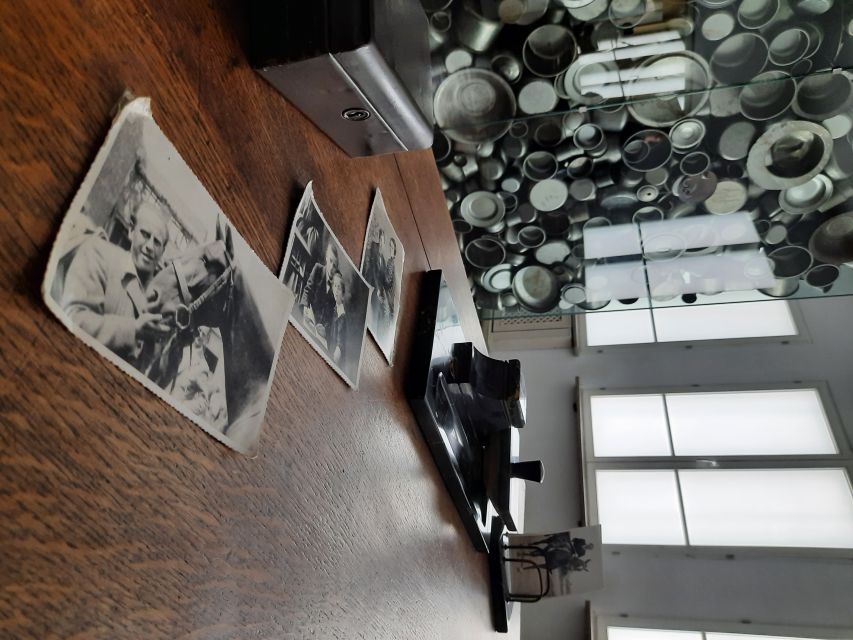
The exhibition’s strength lies in its human scale. Rather than giving you only dates and official orders, it shows how people experienced the occupation in daily life. Personal objects and photographs bring the subject down from the level of political history to the level of individuals and families.
This is also where the museum can be hardest to take. The displays are not designed for a quick, cheerful museum visit. You may need quiet time afterward to process what you have seen.
The guide’s role is especially important here. Several guides have used personal family accounts or stories from meetings with people connected to those events. Guides such as Helena, Kinga, and Joanna have been praised for presenting difficult material with feeling while keeping the facts clear.
That personal approach does not replace the evidence in the galleries. It gives the evidence a human voice. For many people, this is the difference between seeing a series of old photographs and understanding the fear behind them.
A few more Krakow half days to consider
- From Krakow: Auschwitz-Birkenau Guided Tour & Hotel Pickup
★ 4.5 · 33,358 reviews - From Krakow: Auschwitz-Birkenau Guided Tour & Hotel Pickup
★ 4.5 · 29,340 reviews - Krakow: Auschwitz Guided Tour with Optional Hotel Pickup
★ 4.5 · 15,280 reviews - Krakow–Zakopane: Cable Car, Chocholow Baths, Cheese & Vodka
★ 5.0 · 10,720 reviews
Where Oskar Schindler fits into the story
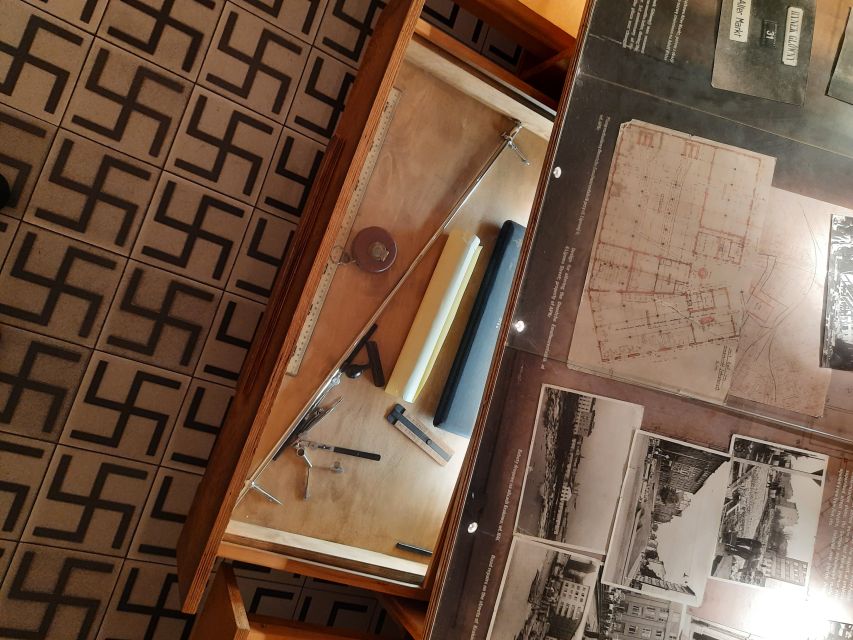
Schindler appears as the exhibition moves through the occupation and the factory’s role. His enamelware business employed Jewish workers, and the factory provided refuge to more than a thousand people who might otherwise have faced deportation or death.
You will hear how his position and relationships helped him protect his workers. The story is moving, but the museum does not treat him as the only subject. His office is one of the memorable places connected directly with him, though the visit remains much broader than a biography.
This balance is worth knowing before you book. If you expect a detailed account of Schindler’s personal life, business career, and every stage of his rescue work, you may find the coverage limited. One useful way to think about the tour is this: Schindler’s story is a thread running through the museum, while the occupation of Kraków is the main subject.
I like that choice. It prevents the visit from turning the war into a story about one exceptional man alone. You see his courage in relation to the huge number of people who were not protected and the many others who tried to survive in impossible conditions.
Why a guide is worth the extra cost
At $49 per person, this is not the cheapest museum ticket in Kraków. Still, the value depends less on the entry itself than on the guide.
The museum uses visual effects, recreated spaces, written panels, and original material. Some information is available for independent visitors, but the exhibition can be dense and the route can feel fast. A good guide tells you which details matter, explains the symbolism of the rooms, and keeps the larger timeline clear.
I would choose the guided option for a first visit. Several people have found that they understood far less when imagining the museum without a guide. That is especially true if you are visiting with teenagers, since spoken storytelling can make the displays easier to follow than long panels of text.
The strongest guides do more than recite dates. Anna was praised for adding extra facts during a surprisingly small tour. Helena brought personal feeling to the subject. Kinga explained the exhibition clearly and moved the group through the main displays without making the visit feel rushed. Joanna was singled out for polished English and an engaging presentation.
Guide quality can vary, of course. One visitor found the tone slightly accusatory, which is a reminder that this is morally difficult material and that presentation style will not suit everyone. Still, the repeated strength of the guiding is a major reason to consider paying for this format.
Group size, timing, and the pace inside
The official maximum is 25 people. That is not a huge group by ordinary sightseeing standards, but it can feel large inside this museum. The rooms are narrow, and a full group may have trouble standing together without blocking other people.
A smaller group is better for hearing every explanation and examining the displays. In one unusual case, a tour went ahead with only one participant, creating an almost private visit. You should not book expecting that, but it shows that the group size may vary.
Headsets are supplied for groups of 15 or more. They help when the room is crowded or when you are standing toward the back. Smaller groups may not use them, depending on the guide and arrangement.
The advertised duration is 90 minutes. That gives you a strong overview, not unlimited time with every display. Some people have wished for more time to read and reflect, while others have appreciated the focused route.
If you want to study every caption, this tour may feel quick. If you want the main story explained clearly within a compact schedule, 90 minutes works well. You can also plan a quieter period afterward rather than trying to squeeze another major attraction into the same hour.
The emotional weight of the visit
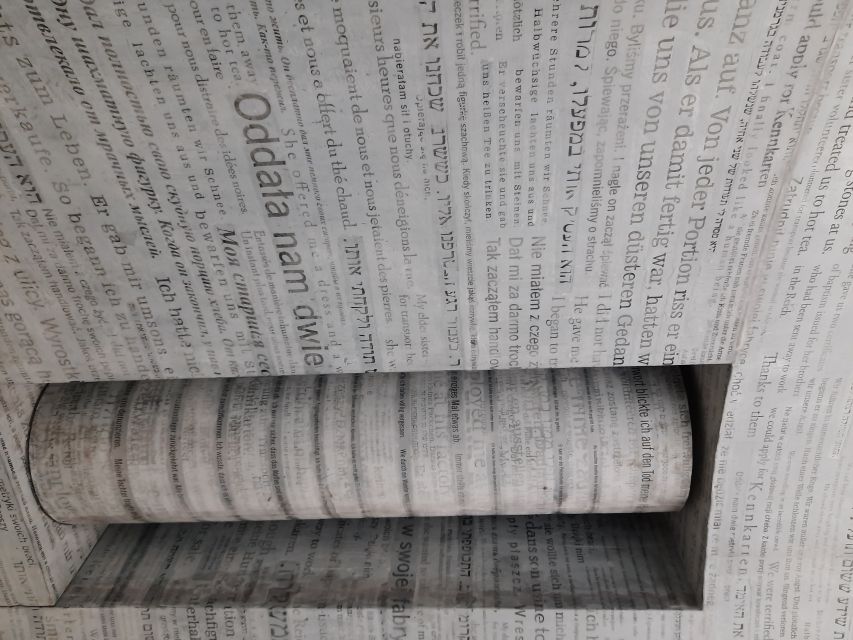
This is not an attraction I would recommend simply because it is famous. You should book it if you are prepared for difficult photographs, accounts of persecution, and a serious examination of wartime Kraków.
The design can feel almost theatrical, but the subject remains grounded in real people and real suffering. The dim rooms and tight passages are effective, yet the original material carries the greatest force. You may leave with a clearer sense of how the occupation affected a whole city, not just the people whose names became famous.
I also appreciate that the tour gives space to both Jewish and non-Jewish experiences. That does not blur the central tragedy of the destruction of Kraków’s Jewish community. It shows how occupation affected the full city while keeping persecution at the heart of the story.
Set aside time after the tour if you can. A busy sightseeing schedule immediately afterward may feel jarring.
Languages and booking details that matter
Live guided tours are available in English, German, French, Spanish, and Italian. Group tours operate in one language only, so select your preferred language at booking rather than assuming the guide will switch between several.
The museum issues personalized tickets. You must provide the full names of all participants and bring an identification document. The name on the ticket must match the name on your ID, or museum staff may refuse entry.
The selected start time is a preference rather than an absolute guarantee. Museum scheduling can cause approximate times to change, so check the final details before setting up the rest of your day.
Free cancellation is available up to 24 hours before the tour for a full refund. You can also reserve now and pay later, which is useful if your Kraków plans are still shifting.
Who should book this 90-minute tour?
I would recommend it to first-time visitors who want help making sense of Kraków’s wartime past. It suits history-minded adults, families with older children, and anyone who prefers spoken explanation to reading every panel alone.
It is also a good choice if you have limited time. The skip-the-line admission protects part of your day, and the guide gives you a clear route through a museum that can otherwise feel dense.
You may want a different option if your main interest is Oskar Schindler’s biography or the factory’s industrial history. The museum includes Schindler’s office and his rescue work, but it is not devoted only to him, and it has no original factory machinery.
Think carefully about group size if you dislike crowds. The maximum of 25 is manageable but not intimate, and the narrow rooms can make a full tour feel compressed.
Should you book Schindler’s Factory?
Book it if you want a serious, well-explained account of Kraków during World War II, not just a famous-film connection. The guide is the main reason to pay $49, and the strongest guides turn a difficult museum into a clear, memorable lesson.
I would book ahead, particularly if your schedule is fixed or you are visiting during a busy period. The skip-the-line entry can save substantial time, and timed museum access is more reliable than hoping to walk in.
Go with realistic expectations: this is an emotional occupation museum in Schindler’s former factory, not a machinery display and not a complete Schindler biography. If that sounds right for you, it is one of Kraków’s most worthwhile history visits.
FAQ
How long does the Schindler’s Factory tour last?
The guided tour lasts 90 minutes.
What is included in the tour?
The experience includes a licensed expert guide, skip-the-line admission to Schindler’s Factory, and a 1.5-hour guided tour. Headsets are provided for groups of 15 or more.
Which languages are available?
Live guides are available in English, German, French, Spanish, and Italian.
Is the museum only about Oskar Schindler?
No. The main exhibition is Kraków under Nazi Occupation 1939 to 1945. It covers the experiences of Jewish and non-Jewish residents, with Schindler’s story included within that wider history.
Is the original factory machinery still inside?
No. The building once housed Schindler’s factory, but it is now a museum and does not contain the original machinery.
How large can the tour group be?
Museum regulations limit each group to a maximum of 25 participants.
Do I need to arrive early?
Yes. Arrive 10 minutes before the tour begins. Latecomers cannot join once the group has departed, and their tickets cannot be refunded.
Do I need identification?
Yes. Bring an ID card or another identification document. The name on your ticket must match the name on your document.
Can I cancel the booking?
You can cancel up to 24 hours in advance for a full refund. A reserve-now, pay-later option is also available.
Recently added in Krakow
- Auschwitz-Birkenau and Krakow Private Car Trip from Katowice★ 4.3 · 3 reviews
- Wawel Castle, Old Town with St. Mary’s Church Guided Tour★ 5.0 · 3 reviews
- Private tour to Zakopane and Thermal Baths from Krakow★ 5.0 · 3 reviews
- Wawel Castle, Cathedral, Rynek Underground Tour with Lunch★ 5.0 · 3 reviews
- From Krakow: Chocholow Thermal Hot Springs (hotel pick up)★ 5.0 · 3 reviews
- Legends of Cracow ROBOTIC SHOW★ 4.0 · 3 reviews
- From Krakow: Zakopane and Thermal Pools Guided Trip★ 5.0 · 3 reviews
- Guided Beer Tour in Krakow★ 4.5 · 3 reviews
Schindler's Factory Tours, compared.
Oskar Schindler’s Factory Entry Ticket & Guided Tour
Read our review →
Schindler’s Factory Tour with Entrance Ticket
Read our review →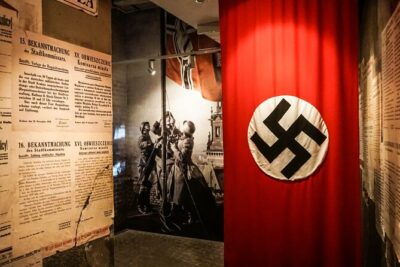
Schindler’s Factory in Krakow: Guided Tour & Skip the Line Ticket
Read our review →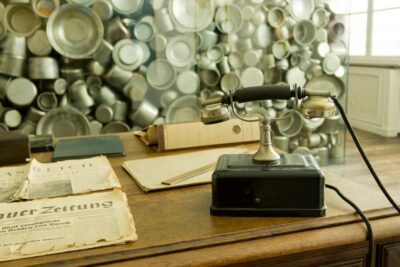
Schindler’s Factory Ticket with Guided Tour Option
Read our review →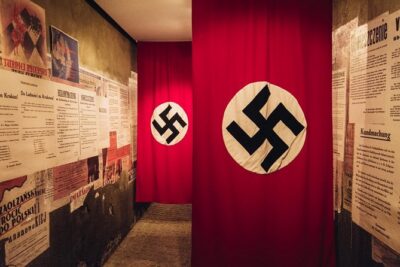
Krakow Schindler’s Factory Guided Tour with Admission Ticket
Read our review →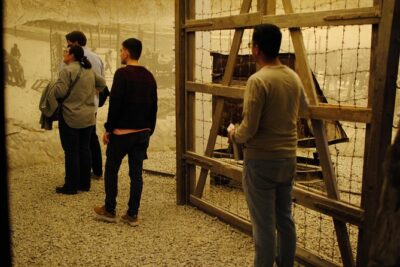
Krakow Schindler’s Factory Museum Guided Tour in English
Read our review →Where else this one turns up