
Reviewed · SCHINDLER'S FACTORY TOURS
Krakow: Schindler’s Factory & Ghetto Guided Tour
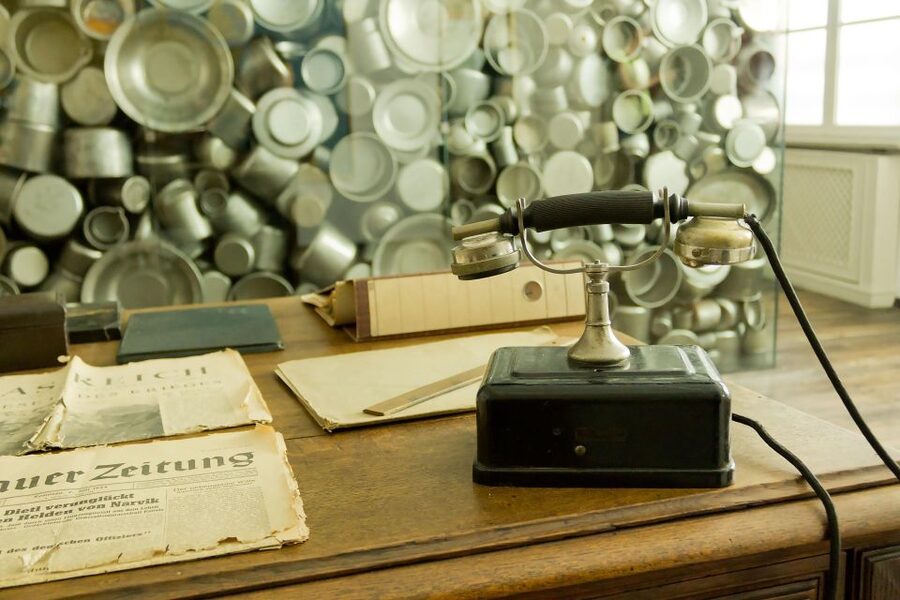
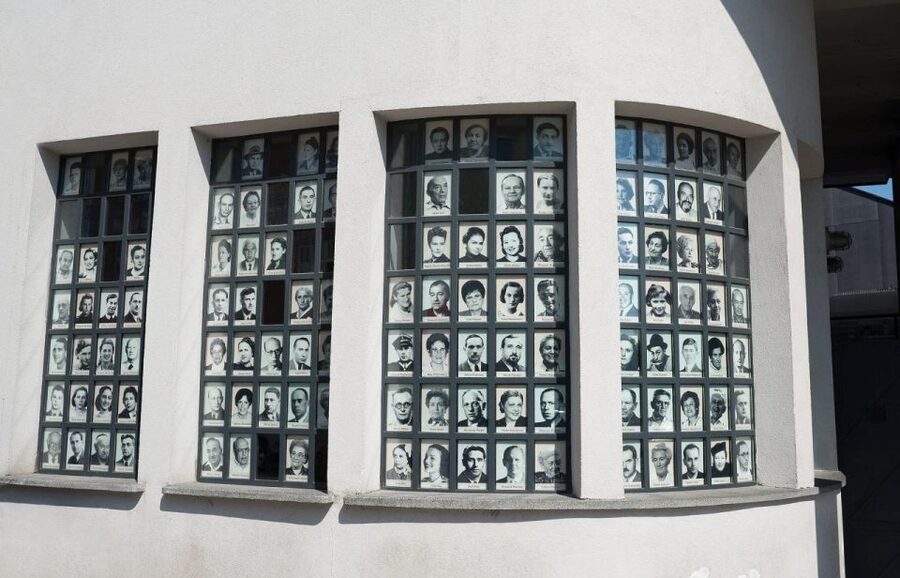
Schindler’s Factory is not mainly a museum about factory work or machinery. It is a vivid account of Kraków under Nazi occupation, told inside the former enamel works linked to Oskar Schindler. The museum’s narrow rooms, old photographs, personal objects, and recreated streets show how war changed ordinary lives.
I like two things here: the guide gives shape to a museum packed with information, and the walking portion takes you beyond displays to the actual remains of the ghetto. The main drawback is pace. In three hours, you may need to choose between listening closely and stopping to read every panel.
Key points to know before you go
- The museum is about wartime Kraków, not factory machinery: You will see an exhibition about occupation, persecution, and daily life rather than original production equipment.
- The ghetto walk adds real physical context: The surviving wall fragments, Ghetto Heroes Square, and Under the Eagle Pharmacy connect the museum story to the city streets.
- A guide makes the information easier to follow: Guides including Alexandra, Phil, Eva, Alice, and Joanna have been praised for clear explanations and strong storytelling.
- Plan for about two hours inside: A short break usually separates the museum visit from the outdoor walk.
- Groups can feel large in small rooms: Some groups approach 20 people, and narrow galleries can make it hard to see everything.
- Arrive early and dress for the weather: You must be at the museum entrance 10 minutes before departure, and the tour runs outdoors in rain or cold.
Why Schindler’s Factory is more than the Schindler story
The museum occupies Oskar Schindler’s former enamel factory in the Zabłocie district. That setting matters, but you should adjust your expectations before arriving. This is a museum without the original factory machinery, and the main exhibition is not a simple biography of Schindler.
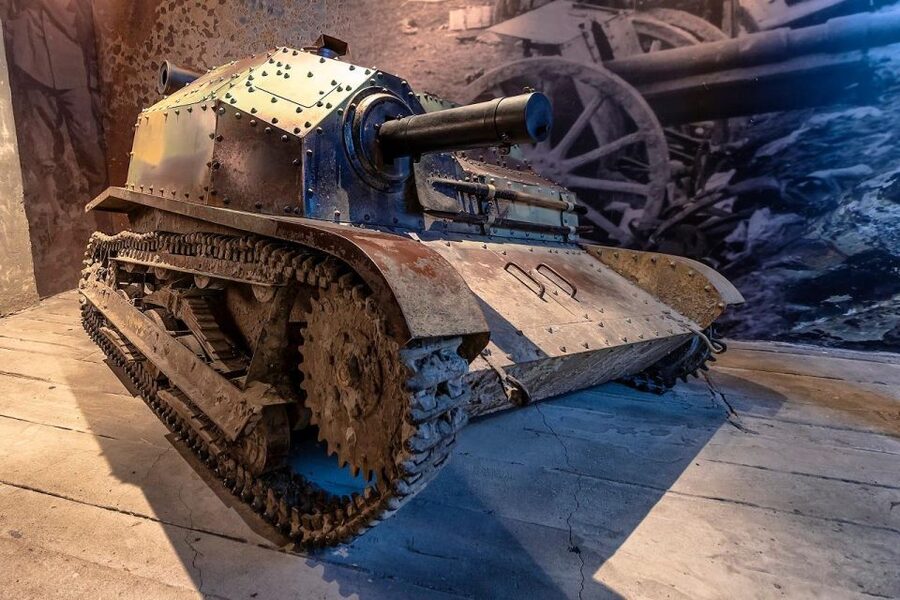
Instead, the exhibition, Kraków under Nazi Occupation 1939 to 1945, explains how German rule altered the city from the first days of the war. You learn about the pressure placed on Polish residents, the persecution of Jewish families, deportations, forced labor, and the destruction of Kraków’s Jewish community.
Schindler’s part is important, but it appears within this larger story. His factory employed more than a thousand Jewish workers and offered some protection during a period when work could mean survival. The guide helps you see both sides of the story: the courage involved in helping people, and the enormous scale of the crimes surrounding those individual acts.
That balance is one of the tour’s strengths. It avoids turning the museum into a film-location stop. You may arrive because of Schindler’s List, but you leave with a much wider understanding of wartime Kraków.
Other visits to Schindler's Factory:
- Krakow: Oskar Schindler’s Factory Entry Ticket & Guided Tour
★ 4.2 · 3,793 reviews - Krakow: Schindler’s Factory Tour with Entrance Ticket
★ 4.5 · 3,182 reviews - Krakow: Schindler’s Factory Skip-the-Line Ticket
★ 4.4 · 3,105 reviews
Entering the dimly lit exhibition
The museum’s design is intentionally intense. Narrow corridors and dark rooms create a feeling of confinement, reflecting the fear and uncertainty of life under Nazi rule. This is not a light, quick museum visit. The physical setting asks you to slow down and think about what the information meant for people living through it.
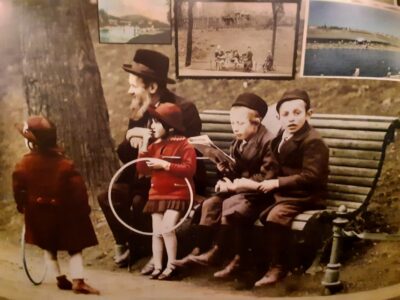
You will encounter original objects, photographs, documents, and reconstructed interiors. Some displays focus on public events, while others bring the story down to the level of homes, families, work, clothing, and daily routines. That mixture helps prevent the past from becoming a list of dates.
A guide is especially useful here because there is a great deal to take in. Alice, Alexandra, Phil, Eva, and Joanna are among the guides praised for making difficult material clear and keeping the group involved. A good guide can point out the detail that matters, explain the background, and keep you from getting buried under every label.
The headset system is another practical advantage. Several visitors specifically appreciated being able to hear the guide through a microphone and closed-loop audio system. In a crowded museum, this saves you from straining to catch every sentence.
The tradeoff is freedom. You will not always have time to read each caption, study every photograph, or take pictures at your own speed. Some groups move on while you are still looking at a display. If you prefer a slow museum visit, consider returning on your own after the tour, if your schedule allows.
Understanding Oskar Schindler’s place in the story
The Schindler section works best when you already know that the museum is not presenting him as a lone hero outside history. His factory and the people he protected are part of the exhibition, but the guide places his actions beside the wider machinery of Nazi persecution.
You hear how employment could provide a degree of safety, why factory workers were valuable to Schindler, and how the situation changed as the war grew more brutal. The details help you understand why a workplace could become a refuge.
At the same time, the exhibition keeps attention on the people who suffered. The story includes Jewish and non-Jewish residents of Kraków, showing how occupation controlled the whole city while targeting Jewish families with particular cruelty.
That wider focus may surprise anyone expecting a museum built around the film. It is also why the visit has more value than a quick stop for film fans. You gain a clearer sense of the city before, during, and after the ghetto years.
Crossing into the former Kraków Ghetto
After the museum, the tour moves outdoors into Podgórze, the district where the Kraków Ghetto was established. This is where the history changes character. Inside the museum, you study objects and images. Outside, you walk through streets that still contain physical traces of confinement and deportation.
The first major stop is the remains of the ghetto wall. Even a fragment can be difficult to face because it makes the policy of separation tangible. The wall was not an abstract border. It divided neighbors, restricted movement, and helped turn a part of the city into a controlled prison.
Your guide explains how the area was used during the occupation and points out buildings connected to ghetto life. The outdoor section is not only a walk between landmarks. It helps you understand distances, locations, and the relationship between the ghetto and the rest of Kraków.
The guide also adds stories that are easy to miss if you explore alone. You may hear about families, children, buildings, and the choices people faced under impossible conditions. This human scale is what makes the walk more than a history lesson.
The outdoor portion does require energy. After close to two hours in the museum, you may feel ready for a rest, especially if you are touring in cold weather. A short break between the two sections gives you time for the toilet, a hot drink, and a chance to collect yourself.
A few more Krakow half days to consider
- From Krakow: Auschwitz-Birkenau Guided Tour & Hotel Pickup
★ 4.5 · 33,358 reviews - From Krakow: Auschwitz-Birkenau Guided Tour & Hotel Pickup
★ 4.5 · 29,340 reviews - Krakow: Auschwitz Guided Tour with Optional Hotel Pickup
★ 4.5 · 15,280 reviews - Krakow–Zakopane: Cable Car, Chocholow Baths, Cheese & Vodka
★ 5.0 · 10,720 reviews
Ghetto Heroes Square and the Chair Memorial
Ghetto Heroes Square is the emotional center of the walking route. Deportations to extermination camps took place here, making it one of the most painful places in the former ghetto.
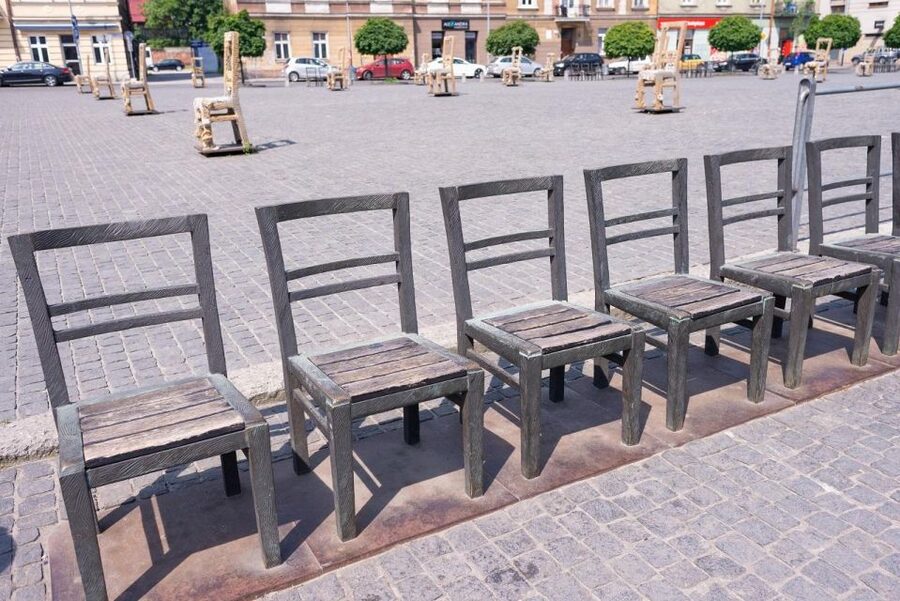
Today, the square is marked by the Chair Memorial. The empty chairs represent people who were forced from their homes and lost their lives. The memorial is simple, but that simplicity gives it force. You do not need a large monument or a long inscription to understand what the empty furniture suggests: abandoned homes, interrupted family life, and possessions left behind.
This is a place where the guide’s tone matters. The strongest guides, including those praised for being careful and objective, allow the site to speak while giving enough context to understand it. The tour is sobering and sometimes distressing, so do not plan it as a casual activity between shopping and dinner.
Across the square is the Under the Eagle Pharmacy. During the occupation, pharmacist Tadeusz Pankiewicz and his staff helped people in the ghetto by preserving medicine and offering a small measure of hope. The pharmacy’s story shows how practical help could become an act of courage.
You may not have enough time to explore every interior or display in detail during this combined tour. The important benefit is that you learn where the pharmacy stood and why it mattered, then connect it to the square and the surrounding ghetto streets.
What the three-hour schedule feels like
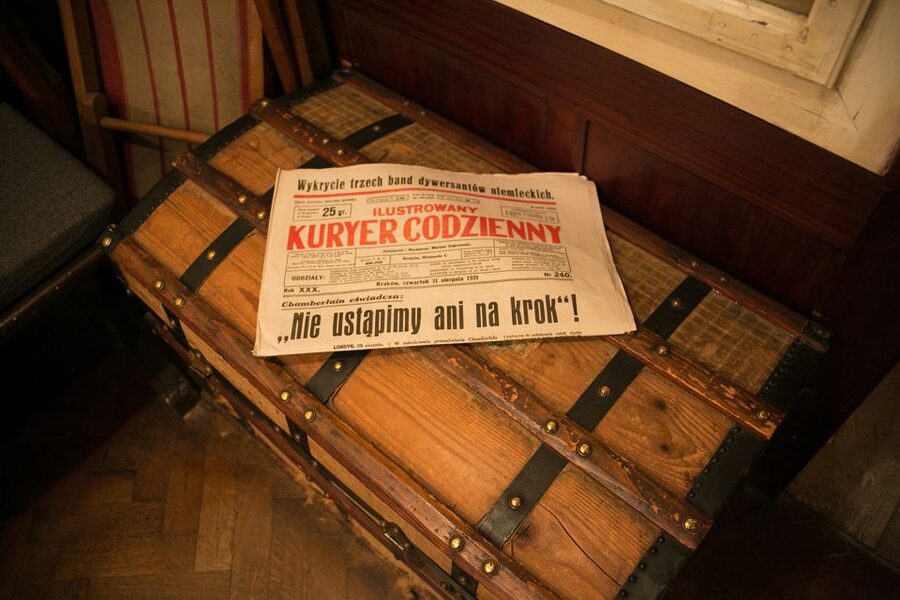
The full activity lasts about three hours. Most of that time is spent inside Schindler’s Factory, followed by a brief pause and the walking tour of the ghetto.
This division works well for a first visit. The museum gives you the timeline and background. The walk then lets you place that information on a real map. Without the museum, the outdoor sites might feel disconnected. Without the walk, the museum could remain an intense but enclosed presentation.
The schedule is also the source of the tour’s main limitation. You are covering a lot of material in a short period. Several guides are praised for fitting in a large amount of information without making it feel overwhelming, but you still cannot absorb every detail.
Large groups make this more noticeable. A group of about 20 people can be manageable with a microphone, yet the small museum rooms may not hold everyone comfortably around a display. You may sometimes need to stand behind another person or wait for a clear view.
I would treat this as a guided introduction, not the final word on the museum. If you want to read every panel, return separately with extra time. If you want a clear route through the main story and the most important outdoor landmarks, three hours is a useful format.
Price, languages, and meeting details
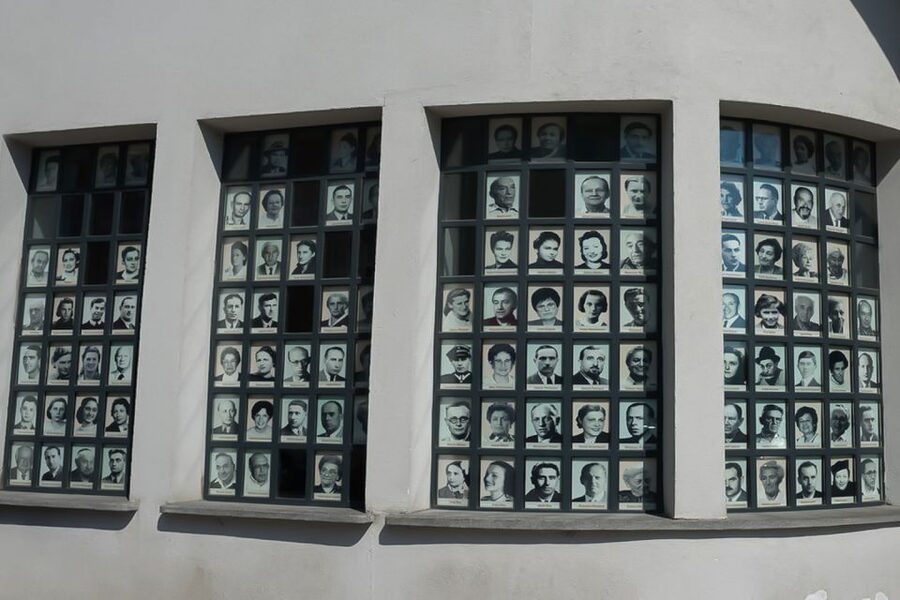
At $57 per person, the tour is not the cheapest way to visit a museum. The price includes a live guide, skip-the-line admission to Schindler’s Factory, and the walking tour of the former ghetto. Food, drinks, and hotel transfers are not included.
The value depends on how you like to travel. If you are good at reading museums alone and want complete control over your pace, a self-guided visit may suit you better. If you want context, an organized route, and help connecting the museum to the ghetto streets, the combined ticket and guide make the price easier to justify.
The meeting point is in front of the main entrance to Schindler’s Factory Museum, on the right-hand side. Look for the guide holding an excursions.city sign. Arrive at least 10 minutes early. Late arrivals cannot join once the group has left, and the ticket cannot be refunded.
Tours are offered in English, Italian, French, Spanish, and German. Groups use one language only, so choose carefully when booking. Live guides have included Alexandra, Phil or Fil, Eva, Alice, Joanna, Helena, Magdalena, and Alicja, though the exact guide will depend on the date and language.
From January 1, 2026, the exact start time may change because of museum scheduling. You can choose a preferred time, but it is not guaranteed. You must also provide the full names of everyone in your party because the museum uses personalized tickets, and entry may be refused without them.
Practical advice for a more comfortable visit
Wear comfortable shoes. The tour includes museum walking and an outdoor route through the former ghetto, with no hotel pickup or drop-off.
Check the forecast and dress in layers, especially from autumn through early spring. The walking section goes ahead in rain or shine, and a cold, wet square can make it harder to concentrate on what you are hearing.
An evening tour can be atmospheric, but darkness may prevent you from seeing the surrounding streets and buildings clearly. If you care about the outdoor setting and want to study the remaining wall or nearby architecture, a daylight departure is the better choice.
Do not expect a relaxed pace with long photography stops. Keep your camera away during the most sensitive parts if you find it distracting, and listen closely to the guide’s explanations. The most valuable details are often the stories connecting one building or object to the people who used it.
This tour suits adults, older children, history students, and anyone who wants a serious look at Kraków during World War II. It may be a poor fit if you are seeking a light sightseeing walk, a film-themed attraction with lots of movie memorabilia, or a museum visit at your own pace.
Should you book the Schindler’s Factory and Ghetto tour?
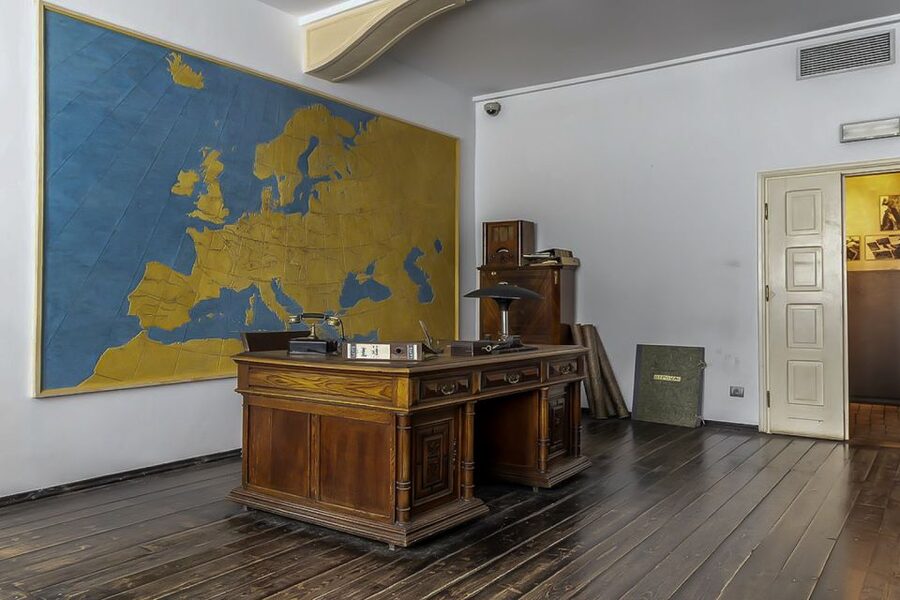
I would book it if you have limited time in Kraków and want the museum and former ghetto explained as one connected story. The guide is the real value. Strong guides such as Alexandra, Phil, Eva, and Joanna have been praised for clear delivery, careful treatment of the subject, and the ability to answer questions without losing the group.
I would skip the guided format if you dislike fixed schedules or need long periods to read every exhibit. In that case, visit the museum separately and take the ghetto at your own speed.
For most people, the combination is worthwhile. You see the museum, the wall, Ghetto Heroes Square, the Chair Memorial, and the Under the Eagle Pharmacy in one focused visit. Just arrive early, dress for the weather, and understand that the building is now a museum, not a working factory filled with original machinery.
FAQ
How long does the Schindler’s Factory and Ghetto tour last?
The tour lasts three hours. It includes the museum visit and a walking tour through Kraków’s former Jewish ghetto.
What does the $57 price include?
The price includes a live guide, skip-the-line admission to Schindler’s Factory, and the walking tour of Kraków Ghetto. Food, drinks, and hotel pickup or drop-off are not included.
Where do I meet the guide?
Meet in front of the main entrance to Schindler’s Factory Museum, on the right-hand side. The guide will hold an excursions.city sign.
Which languages are available?
The tour is offered in English, Italian, French, Spanish, and German. Each group tour operates in one language, selected when booking.
Will I see original factory machinery?
No. The building once housed Schindler’s factory, but it is now a museum and does not contain the original machinery.
What happens if I arrive late?
You should arrive 10 minutes before the start time. Once the group has departed, latecomers cannot join the tour and the ticket cannot be refunded.
Recently added in Krakow
- Auschwitz-Birkenau and Krakow Private Car Trip from Katowice★ 4.3 · 3 reviews
- Wawel Castle, Old Town with St. Mary’s Church Guided Tour★ 5.0 · 3 reviews
- Private tour to Zakopane and Thermal Baths from Krakow★ 5.0 · 3 reviews
- Wawel Castle, Cathedral, Rynek Underground Tour with Lunch★ 5.0 · 3 reviews
- From Krakow: Chocholow Thermal Hot Springs (hotel pick up)★ 5.0 · 3 reviews
- Legends of Cracow ROBOTIC SHOW★ 4.0 · 3 reviews
- From Krakow: Zakopane and Thermal Pools Guided Trip★ 5.0 · 3 reviews
- Guided Beer Tour in Krakow★ 4.5 · 3 reviews
Schindler's Factory Tours, compared.
Oskar Schindler’s Factory Entry Ticket & Guided Tour
Read our review →
Schindler’s Factory Tour with Entrance Ticket
Read our review →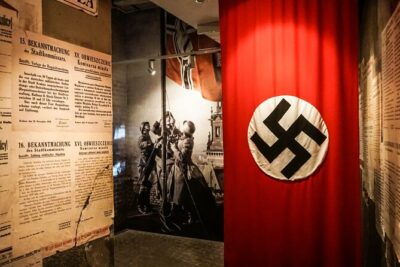
Schindler’s Factory in Krakow: Guided Tour & Skip the Line Ticket
Read our review →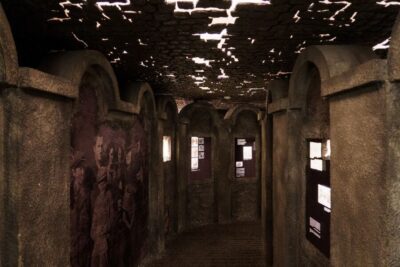
Schindler’s Factory Ticket with Guided Tour Option
Read our review →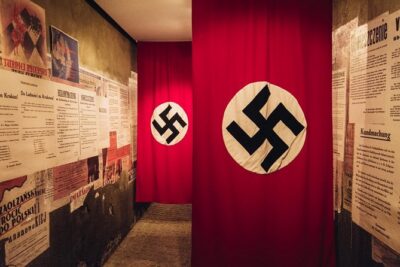
Krakow Schindler’s Factory Guided Tour with Admission Ticket
Read our review →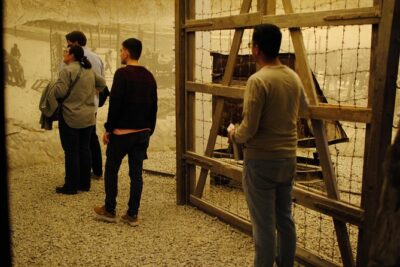
Krakow Schindler’s Factory Museum Guided Tour in English
Read our review →
Kazimierz, Schindler’s Factory & Ghetto Guided Tour
Read our review →Where else this one turns up