
Reviewed · WARSAW TOURS
From Warsaw: Treblinka Camp 6-Hour Private Tour
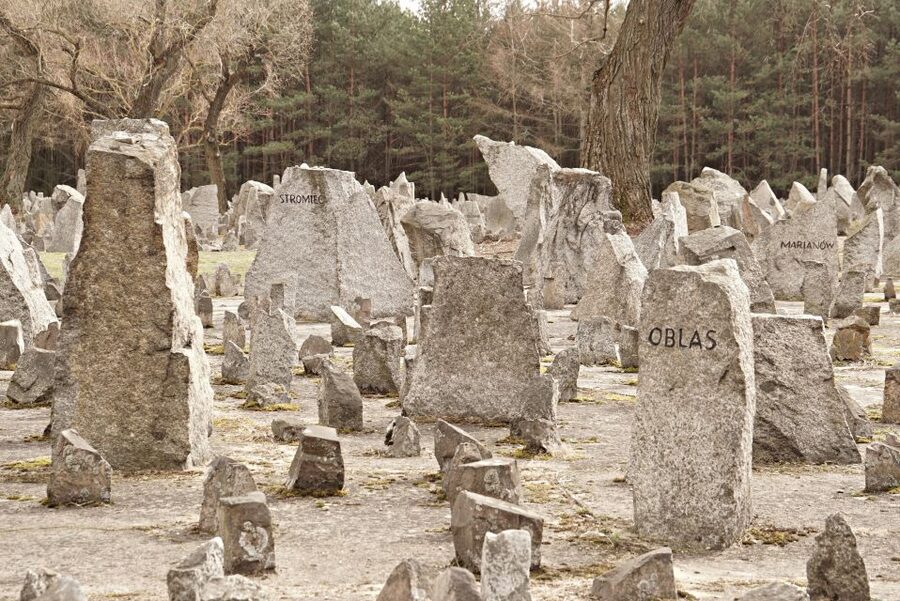
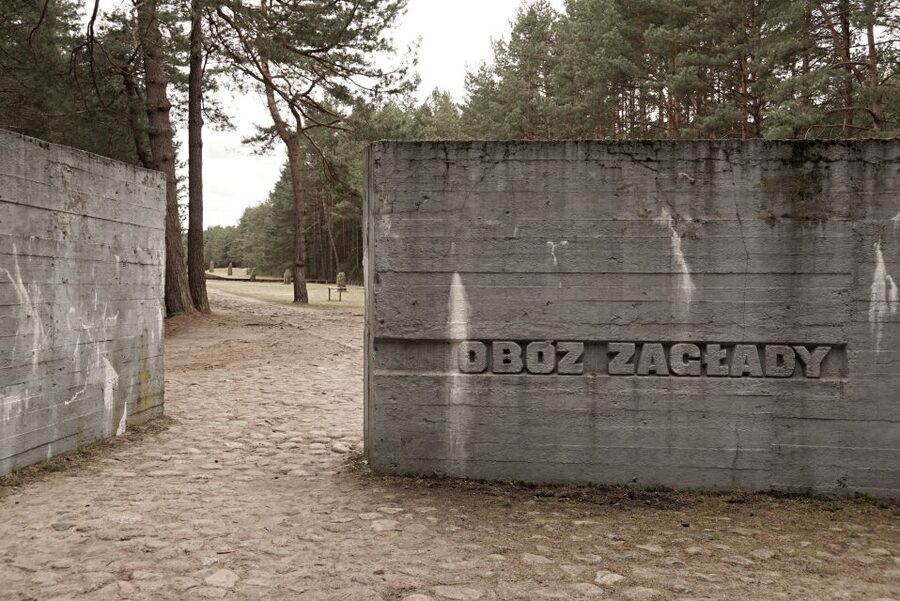
Treblinka is not a place of grand buildings or preserved barracks. It is a quiet memorial site where symbols replace what the Nazis destroyed, and that makes the visit both moving and demanding. You see the railway ramp, thousands of memorial stones, the museum, and the ground where Treblinka I penal labor camp and Treblinka II extermination camp once operated.
I like the private format, which gives you room to ask hard questions and pause without keeping up with a large group. I also like the careful shape of the day: a hotel pickup, a guided visit, time for personal reflection, and lunch at a local restaurant. The main consideration is the subject itself. This is not a light sightseeing outing, and children under 14 are not accepted.
Key points to know before you go
- The drive takes about 90 minutes each way, giving your guide time to introduce Warsaw and Treblinka before you arrive.
- Treblinka I and Treblinka II are both included, along with the memorial and museum.
- The site has few original structures, so the railway ramp, memorial stones, exhibits, and explanations carry much of the experience.
- A private English-speaking guide leads the visit, with guides including Konrad and Marcin named in recent bookings.
- Lunch and drinks at a local restaurant are included, a useful break after an emotionally heavy morning.
- You need comfortable shoes, since the visit involves a moderate amount of walking.
Why Treblinka feels different from other camp memorials
Treblinka was the second-largest death camp in Europe after Birkenau. Its name is tied to the murder of vast numbers of Jews during World War II, yet the physical site can initially seem surprisingly bare.
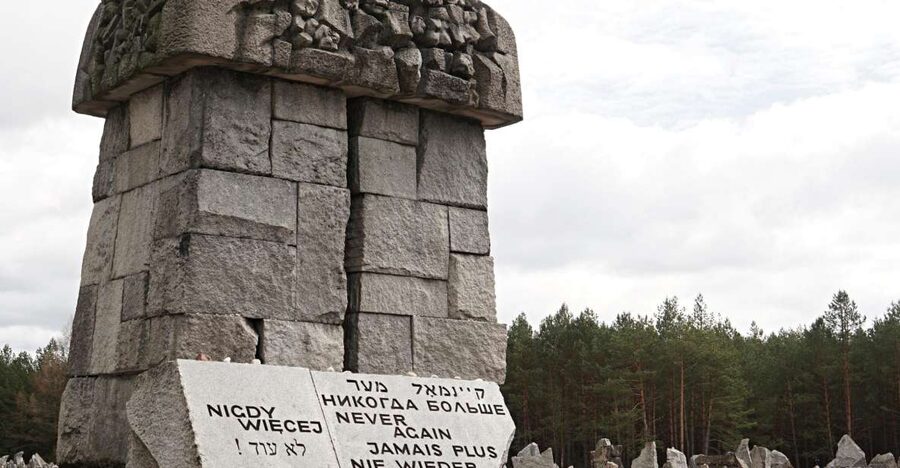
That is not an accident. The Nazis dismantled and disguised the extermination camp, trying to erase evidence of what happened there. Today, the absence of original structures becomes part of the lesson. You are not walking through intact barracks or entering preserved gas chambers. Instead, you are asked to read the site through its memorial design, surviving traces, museum displays, and the testimony of those who lived through it.
The result demands more imagination than a visit to a fully preserved camp. I find that difficult, but also valuable. The stones and open ground do not let you reduce the place to a neat museum display. They leave space for silence, questions, and grief.
Your guide helps connect the different parts. The private setting also matters here. You can ask for clarification, take a few minutes alone, or stay with a subject longer than a fixed group tour might allow.
A few more Warsaw half days to consider
- Warsaw: Chopin Concert in the Old Town
★ 4.8 · 2,287 reviews - Warsaw: Traditional Galar Cruise on The Vistula River
★ 4.6 · 1,640 reviews - Warsaw: Old Town Highlights Walking Tour in English
★ 4.7 · 1,516 reviews
The 90-minute journey from central Warsaw
The tour begins with pickup from your hotel lounge, but there is an important restriction: the service collects only from centrally located hotels. If you are staying outside the central area, check the pickup details before booking rather than assuming a citywide hotel service.
Transport is by luxury van, and the drive from Warsaw takes about an hour and a half. That is a significant part of a six-hour tour, but it also gives the day a useful rhythm. You leave the city, receive historical context on the road, visit the memorial site, eat lunch, and return to Warsaw.
Recent guide experiences point to a strong use of this travel time. Guides such as Konrad and Marcin have been praised for beginning the historical discussion before reaching Treblinka. One guide was also noted for adding anecdotes and stories while driving through Warsaw. That can help you understand the visit as part of Poland’s wartime story, rather than treating Treblinka as an isolated stop.
The guide is also the driver, according to the experience details and recent bookings. That keeps the group small and the day personal, though it means your guide will be managing both the road and the touring role. For a private group, this arrangement is practical and common.
Treblinka I, the penal labor camp
The visit includes Treblinka I, the Nazi penal labor camp. This is important because Treblinka is often spoken of only as an extermination camp, while the two sites had different functions.
Your guide explains the role of Treblinka I and how it fits into the wider camp system. The tour does not treat the site as a collection of disconnected facts. Instead, you get a clearer picture of how forced labor, punishment, imprisonment, and mass murder formed part of the same machinery of Nazi persecution.
Do not expect a large preserved complex. The site’s power comes from the explanation of what happened there and from the memorial treatment of the grounds. Comfortable shoes are a must, since you will walk between parts of the camp area and memorial.
For many people, this first stop sets the tone for Treblinka II. It shows that the location was not one single camp with one single purpose. It was a wider area of Nazi violence, and the guided context helps you keep those distinctions clear.
Treblinka II and the symbolic railway ramp
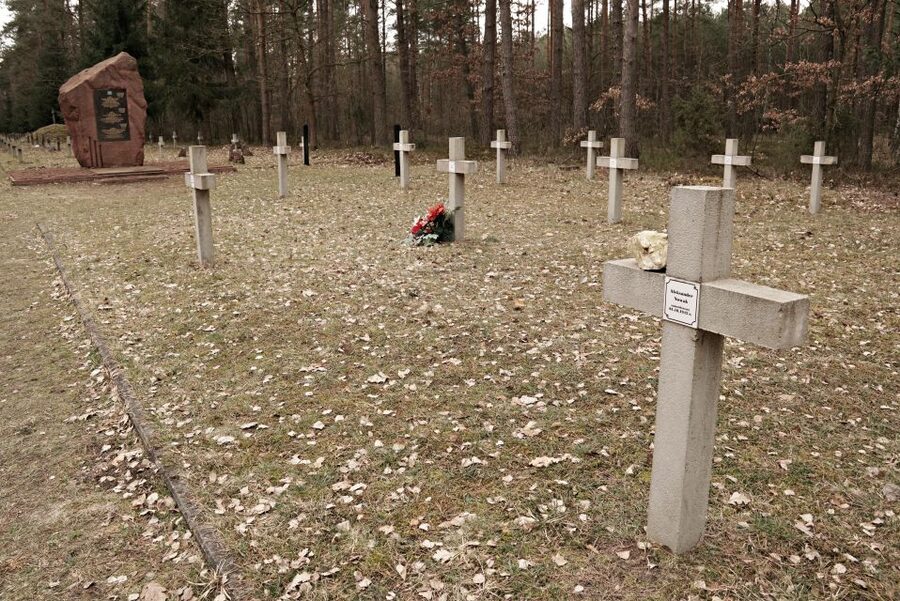
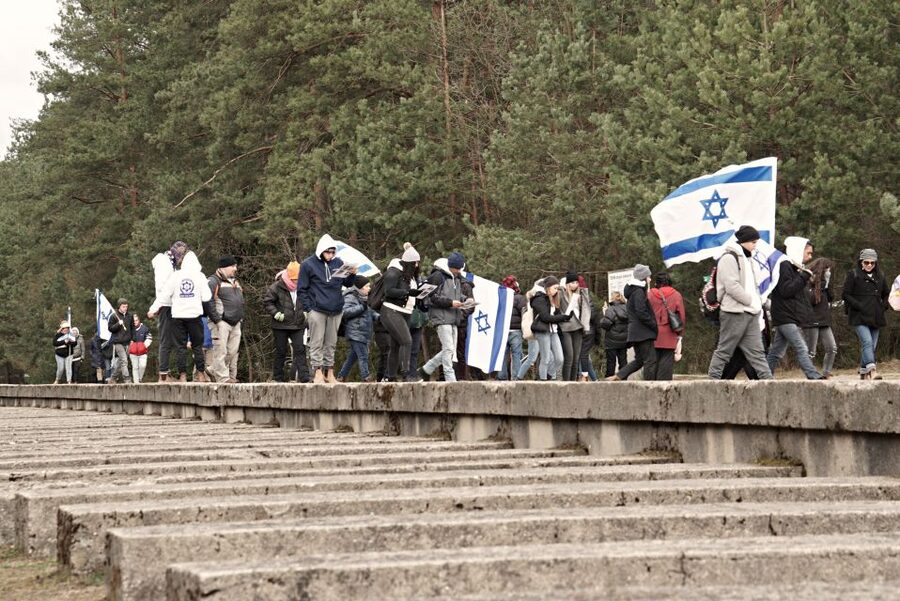
Treblinka II was the extermination camp, and it is the central focus of the visit. The symbolic railway ramp is one of the most important points on the grounds.
A railway ramp may sound like a simple feature, but here it represents the arrival of deportation trains and the first stage of a process designed to strip people of their names, belongings, and hope. The guide explains the site’s function and the events that followed arrival.
Because the original camp structures were destroyed, the ramp carries unusual weight. You will not see a preserved station platform in the ordinary sense. You see a memorial representation that helps you understand the physical route taken by victims.
This is also where the private format earns its price. A guide can explain the site without rushing you from one numbered point to the next. You can ask questions about the camp layout, the relationship between Treblinka I and II, and what is known from survivor accounts.
The material is painful. I would not plan another major attraction immediately afterward. Even with lunch included, give yourself some quiet time later in the day if you can.
A different kind of day in Warsaw:
- Warsaw Concert: Chopin – Painted by Candlelights with Wine
★ 4.8 · 1,442 reviews - Warsaw: City Sightseeing Hop-On Hop-Off Bus Tour
★ 3.6 · 1,415 reviews - Warsaw: POLIN Museum of the History of Polish Jews Ticket
★ 4.7 · 1,142 reviews - #1 Pub Crawl Warsaw with Optional Premium 1 Hour Open Bar
★ 5.0 · 790 reviews
The museum model, personal objects, and survivor film
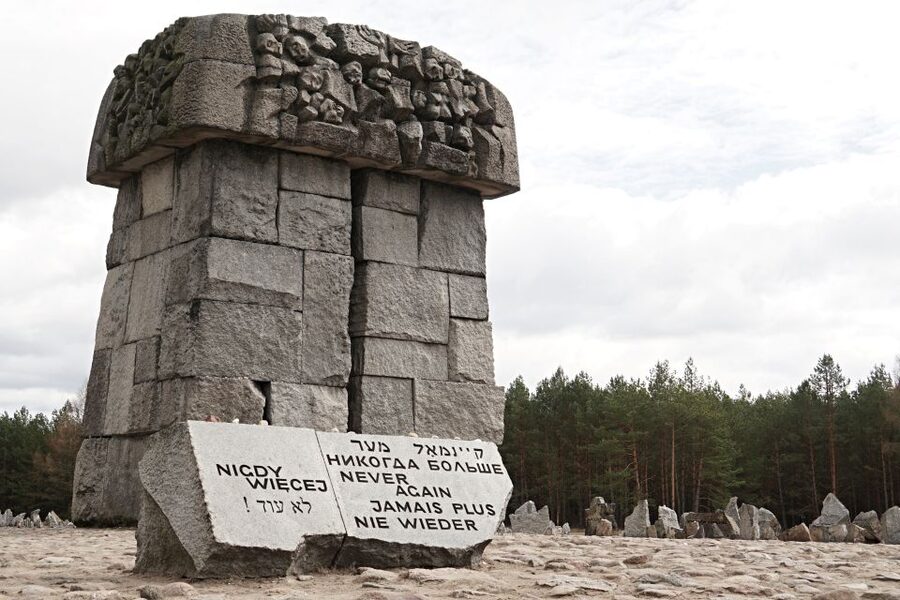
The museum building gives the visit a more structured layer. Inside, you see a model of Treblinka I and Treblinka II, personal items found around the camp, and a short film featuring testimonies from several survivors.
The model is especially useful because the open site can be hard to read. It gives you a physical sense of how the two camps were arranged and helps connect the guide’s explanation to the ground outside.
The personal objects are small, but that is exactly why they matter. A large historical event can feel distant when reduced to dates and numbers. Individual belongings bring the people affected by the camp back into view, even when you know very little about the original owners.
The survivor film adds voices that the site itself cannot provide. It is short, but the testimonies help place human experience beside the wider historical account. If you are sensitive to difficult material, prepare yourself for an emotionally serious museum visit rather than a neutral display.
The guide’s role remains useful here. Recent guide feedback has highlighted clear explanations and strong command of the subject. Names associated with recent tours include Konrad and Marcin, though the guide assigned to your booking may be different.
The memorial stones and time for reflection
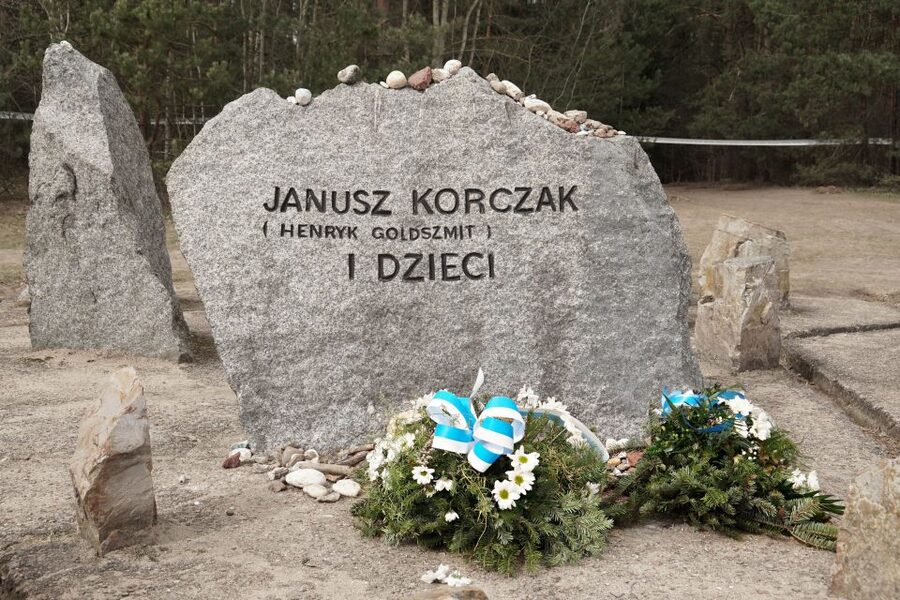
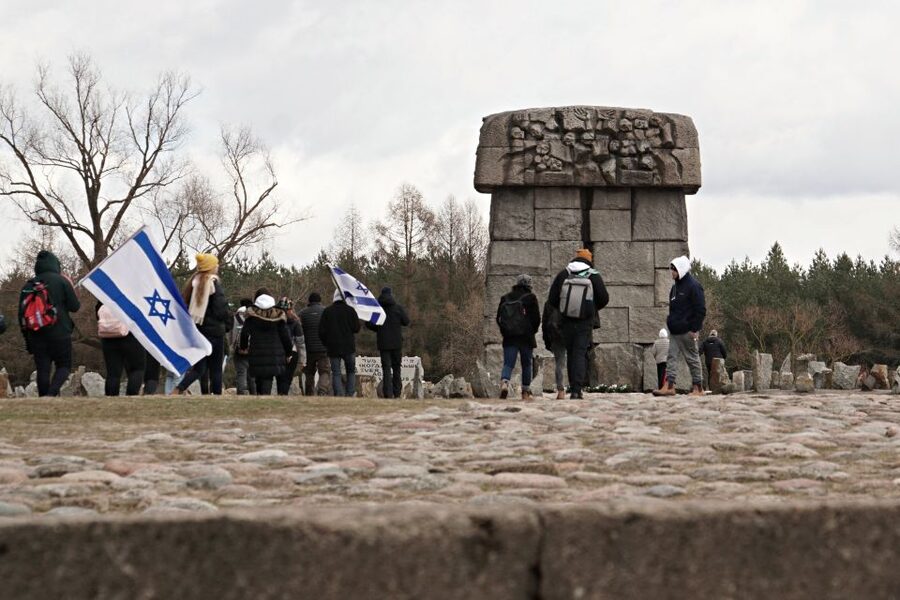
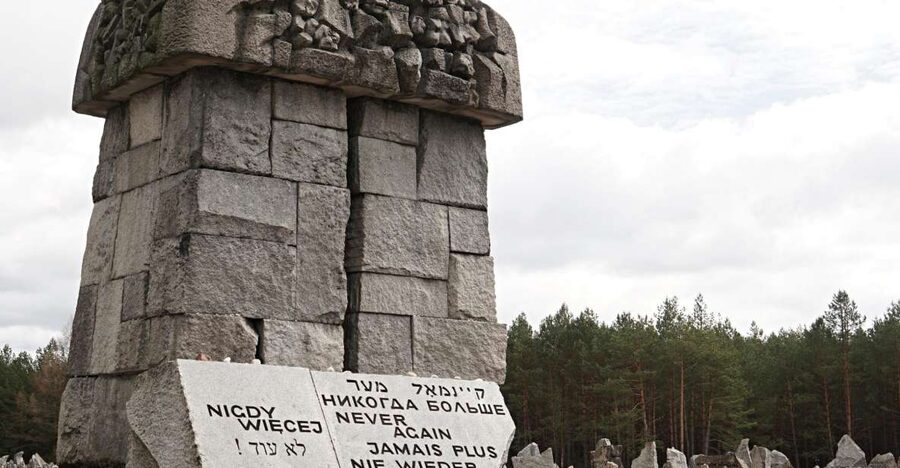
The Treblinka Memorial is built around symbolic stones and plaques. With the original camp largely gone, this memorial carries much of the site’s public meaning.
You will see the railway ramp, museum, memorial, and stones as parts of one carefully shaped visit. The stones encourage you to think about the many communities and people connected to the camp. Plaques and markers make the scale of the crime more visible, even though the surroundings are quiet and open.
I particularly value the time allowed for personal reflection. A visit like this should not be a race from explanation to explanation. The private tour gives you room to stop at the memorial, listen, and process what you have seen.
That quiet time can be the most important part of the day, but it may also feel uncomfortable. There is no easy release from the subject. The memorial asks you to remain present with the history rather than moving quickly to the next photo opportunity.
Please treat the site with care. Comfortable clothing and shoes are practical, but the larger preparation is mental. This is a place for attention, not casual sightseeing.
Lunch at a local restaurant
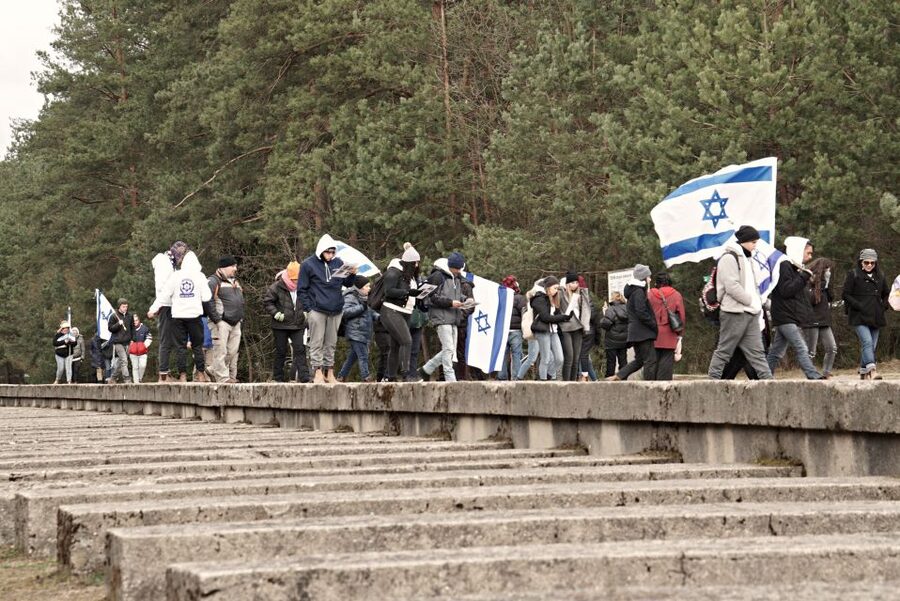
Lunch with drinks at a local restaurant is included in the six-hour price. It comes after the visit, which is sensible. You have time to eat, regroup, and talk with your guide once you have left the memorial grounds.
The meal is more than a simple convenience. Treblinka is away from Warsaw, so finding a suitable restaurant independently would take extra planning and would cut into your time. A local lunch also gives the day a more grounded feel than returning immediately to the city in silence.
Recent experiences have praised the meal and the chance for further conversation with the guide. That post-visit discussion can be useful because questions often arrive after you have seen the museum and memorial. A guide who can explain the history clearly on the drive can also help you sort through those questions over lunch.
Still, keep your expectations sensible. The main reason to book this experience is Treblinka, not a food tour. Lunch is a welcome inclusion and a good practical choice, but the memorial remains the heart of the day.
Is $205 per person good value?
At $205 per person, this is not the cheapest way to reach Treblinka. The price becomes easier to understand when you add up what is included: central hotel pickup and drop-off, private transport in a luxury van, an English-speaking guide, entry to Treblinka I and II, the memorial, and lunch with drinks.
A private tour also changes the value calculation. You are paying for direct transport from Warsaw, rather than arranging your own route, and for a guide who can shape the visit around your questions. That matters at a site where the historical setting is not always self-explanatory.
The six-hour length is another positive. A shorter excursion might get you to Treblinka, but it could leave little time for the museum, memorial, and quiet reflection. This schedule allows the site to be treated as a serious historical visit rather than a quick stop.
The drawback is simple: if you are comfortable arranging transport and studying the history on your own, the premium may not suit your budget. You are also paying for private service when a larger group outing could cost less. For a first visit, though, the combination of transport, guide, admission, and lunch is practical.
Who should book this private tour?
I would choose this tour if you want a focused visit to Treblinka without renting a car or working out the route yourself. It suits adults and older teenagers who are prepared for difficult World War II history and who value time for questions and reflection.
It is also a good choice if you prefer a private group to a fixed public tour. You can set the pace more easily, and the guide can respond to your interests. The format works well for couples, families with older children, and small groups of friends.
I would think twice if you want a cheerful half-day outing or a site filled with original buildings. Treblinka is quiet, symbolic, and emotionally heavy. The lack of surviving camp structures may frustrate anyone looking for a highly visual historical attraction.
Children under 14 are not recommended, and the tour involves a moderate amount of walking. The site is wheelchair accessible, but you should still be ready for an outdoor memorial visit and confirm that the central hotel pickup fits your location.
Practical details that shape the day
The tour is conducted in English and uses a live guide. Private group size is not specified, but the format means you are not joining a large public group.
Bring comfortable shoes. You will walk around the camp grounds, museum, memorial, and related points of interest. Pets are not allowed.
Pickup and drop-off are included from centrally located Warsaw hotels, with collection from the hotel lounge. Starting times depend on availability, so check the date you want before booking.
The tour allows free cancellation up to 24 hours before departure for a full refund. You can also reserve now and pay later, which helps if your Warsaw plans are still shifting.
Should you book the Treblinka tour?
Book it if you want to visit Treblinka with proper historical guidance, private transport, and enough time to think. The strongest parts are the well-prepared guides, the clear explanation of Treblinka I and II, the museum model and survivor film, and the quiet period at the memorial.
Skip it if your schedule cannot spare six hours, if you dislike emotionally serious sites, or if you expect preserved buildings and a conventional museum experience. Treblinka asks more of you than a typical attraction.
For the right visitor, $205 is a fair price for a difficult but important day from Warsaw. You return with more than facts. You have seen how a place can preserve memory even after the perpetrators tried to erase the evidence.
FAQ
How long is the tour from Warsaw?
The experience lasts six hours. The drive from Warsaw to Treblinka takes about 1.5 hours, or roughly 90 minutes, each way.
Is hotel pickup included?
Yes. Pickup and drop-off are included from centrally located Warsaw hotels. The guide collects you from the hotel lounge.
Can I be picked up from any Warsaw hotel?
No. The service only picks up from centrally located hotels, so check your accommodation location before booking.
What language is the tour conducted in?
The tour has a live English-speaking guide.
Is this a private tour?
Yes. It is offered for a private group rather than as a shared public group.
Which places are included in the entry?
Admission includes Treblinka II, Treblinka I, and the Treblinka Memorial.
What will I see at the museum?
The museum includes a model of Treblinka I and Treblinka II, personal objects found around the camp, and a short film with testimonies from survivors.
Is the tour suitable for children?
The tour is not suitable or recommended for children under 14 years old.
Is the experience wheelchair accessible?
Yes. The experience is listed as wheelchair accessible, though it also requires a moderate amount of walking.
Recently added in Warsaw
- Warsaw Wolf’s Lair with St. Lipka and Mamerki Private Guided★ 4.2 · 3 reviews
- Taste of Poland, food tour and guided walk with 12 tasting★ 5.0 · 3 reviews
- Discover Warsaw’s most Photogenic Spots with a Local★ 5.0 · 3 reviews
- Lodz Small Group Tour from Warsaw with Lunch★ 4.0 · 3 reviews
- Jewish heritage in Warsaw★ 4.5 · 3 reviews
- Warsaw Outdoor Paintball with Transfers (all year round)★ 5.0 · 3 reviews
- Electric Scooter Tour: Full Tour – 3-Hours of Magic!★ 5.0 · 3 reviews
- Skip-the-Line Polin Museum Warsaw Jewish History Tour★ 5.0 · 3 reviews
Warsaw Tours, compared.

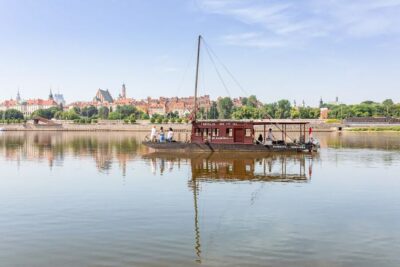
Traditional Galar Cruise on The Vistula River
Read our review →
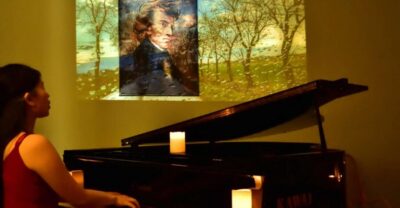
Warsaw Concert: Chopin – Painted by Candlelights with Wine
Read our review →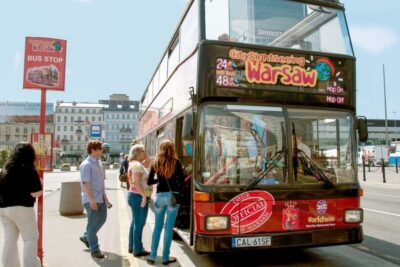

POLIN Museum of the History of Polish Jews Ticket
Read our review →
#1 Pub Crawl Warsaw with Optional Premium 1 Hour Open Bar
Read our review →