
Reviewed · WARSAW TOURS
Warsaw Off The Beaten Path Self-Drive Tour
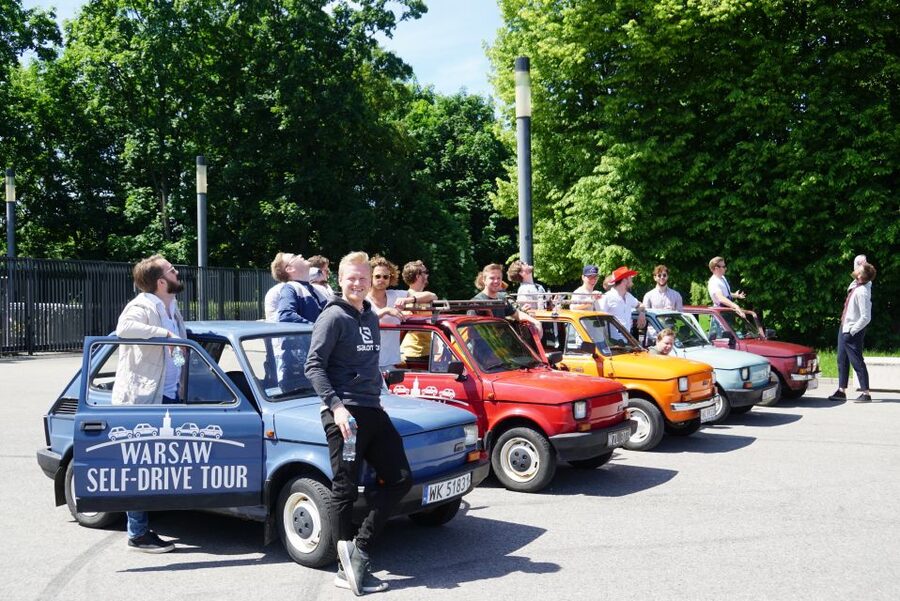
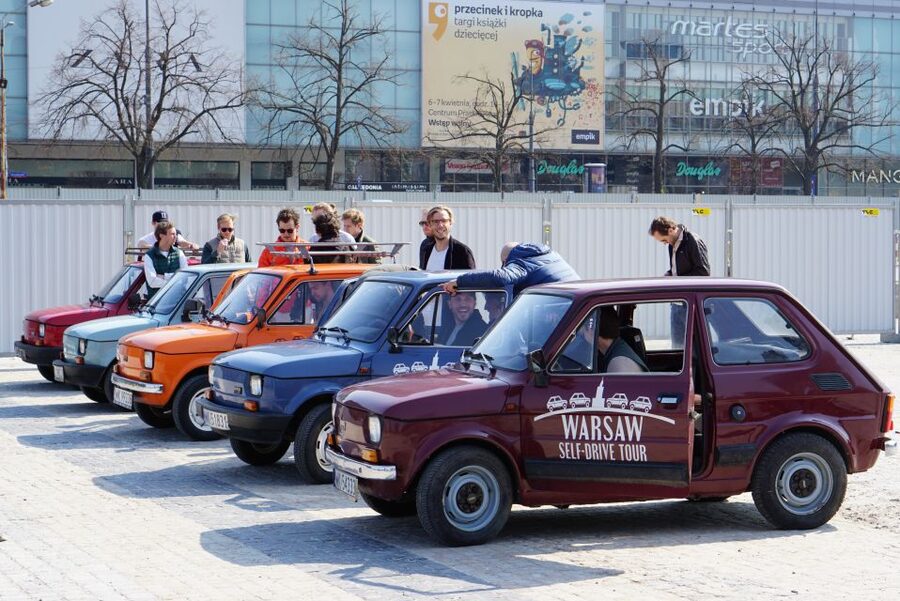
Warsaw’s most unusual sightseeing ride starts with a small car and leads you into parts of the city that standard tours often skip. You drive a classic Fiat 126p, nicknamed the Toddler, and follow your guide from the Palace of Culture and Science to wooden workers’ homes, Old Bielany, the Warsaw Citadel, and bohemian Praga.
I like the hands-on format: you are not simply looking out a bus window, because you learn to handle the little Fiat yourself. I also like the route’s range, from Soviet-era housing to interwar modernism and a 19th-century fortress. The main consideration is comfort. The tour is half driving and half walking, and the small car may not suit every driver or passenger.
Key points at a glance
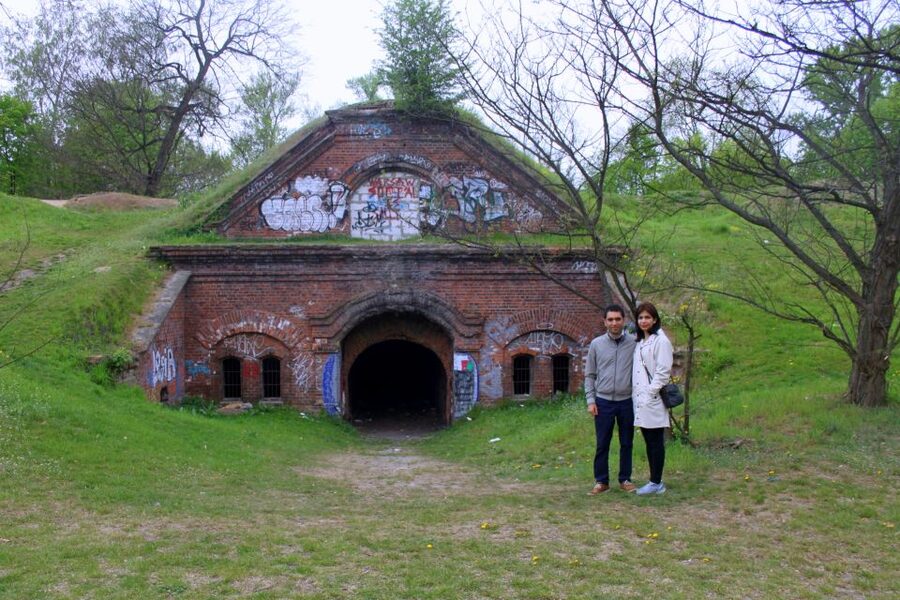
- Drive a Fiat 126p yourself: Begin with a 20-minute lesson before taking the wheel on Warsaw streets.
- See the Palace’s workers’ neighborhood: Wooden housing once served the people who built the Palace of Culture and Science.
- Explore Old Bielany: Find interwar homes, modernist architecture, and Warsaw’s last gas lanterns.
- Pass the Warsaw Citadel: See an authentic 19th-century fortification linked to the era of Russian control.
- Reach Praga’s bohemian streets: Take in picturesque architecture in one of Warsaw’s more distinctive districts.
- Get a story-led tour: An English-speaking local guide explains the places along the route and sends photos afterward.
Why this Fiat 126p tour is different
The usual first look at Warsaw centers on the Old Town, the Royal Route, the Warsaw Uprising Museum, and the Palace of Culture and Science. Those places matter, but they can leave you with a polished, official version of the city.
This tour looks at the less tidy, more revealing corners. You see where Palace construction workers lived, how interwar housing was planned, and how a military fortification reflects Warsaw’s time under Russian rule. The route gives you several different eras in one outing without turning the experience into a long lecture.
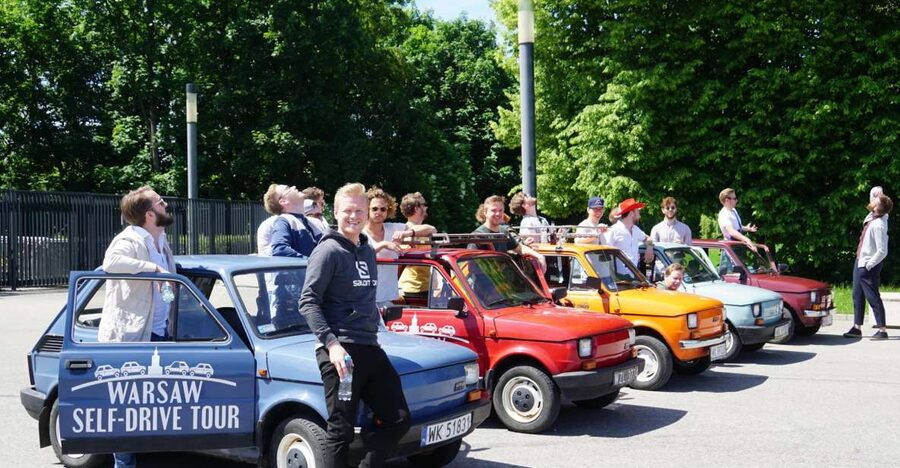
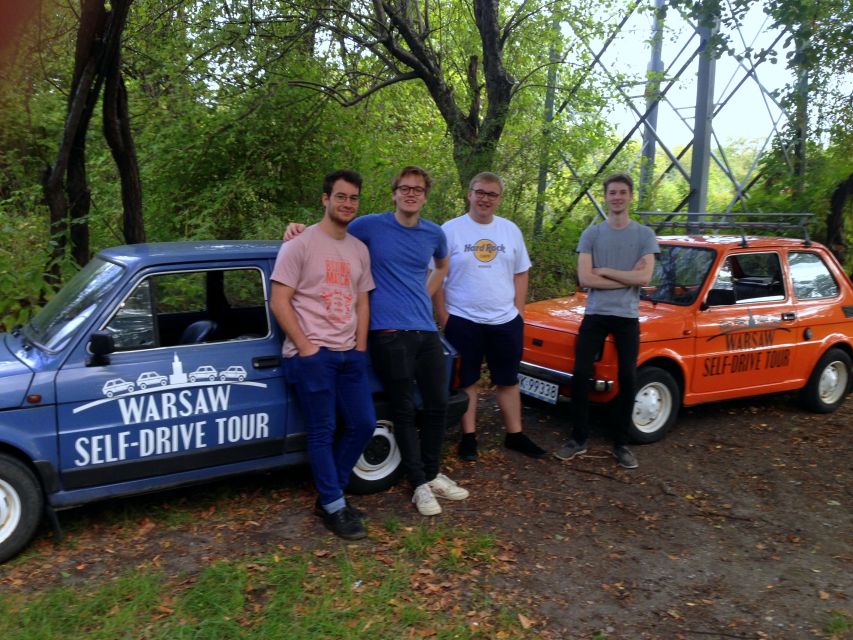
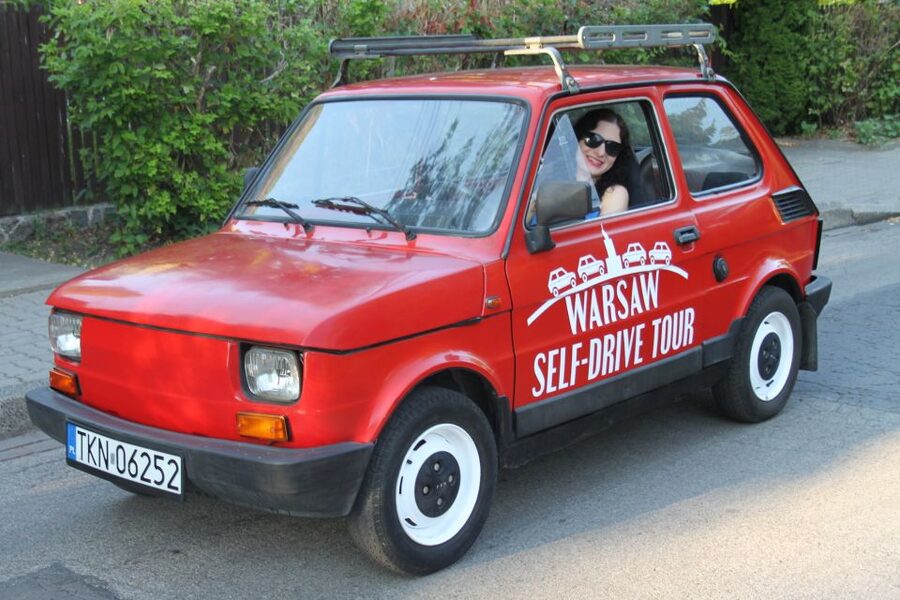
The Fiat 126p changes the mood. This compact Polish car, widely known as the Toddler, is part of the experience rather than just transport. You receive a 20-minute driving lesson at the start, then set off with the guide. That makes the outing playful, but the driving also asks for your attention. If you want a completely relaxed ride where somebody else handles every turn, choose a conventional sightseeing tour instead.
The tour costs $69 per person. That is not the cheapest way to see Warsaw, but the price includes 150 minutes, a professional local guide, the driving lesson, use of the car, and photos emailed afterward. For two people, the value comes from the mix of transport, guiding, and access to several far-flung districts in one outing. Remember to budget for the refundable security deposit of 500 PLN.
A few more Warsaw half days to consider
- Warsaw: Chopin Concert in the Old Town
★ 4.8 · 2,287 reviews - Warsaw: Traditional Galar Cruise on The Vistula River
★ 4.6 · 1,640 reviews - Warsaw: Old Town Highlights Walking Tour in English
★ 4.7 · 1,516 reviews
Starting at the Palace of Culture and Science
Meet your guide at the back of the Palace of Culture and Science, by the Tourist Information office on the Emilii Plater Street side, near Parade Square. This location is easy to identify, but the building has several sides and entrances, so allow enough time to reach the correct meeting point.
The Palace is an apt place to begin. It was built during the Soviet period and remains one of Warsaw’s most recognizable landmarks. Here, the focus shifts quickly from the giant tower to the little Fiat 126p waiting nearby.
Before you drive, the guide gives you a 20-minute lesson. This matters because the car is not simply a modern rental vehicle with familiar controls. You need to understand how to handle it before entering the route, and the lesson gives you time to get comfortable.
You must bring a valid driver’s license, which is checked before the tour. A minimum of two people is required per booking. The experience is offered in English, and the guide remains with you to explain the places you pass.
The wooden homes of Palace workers
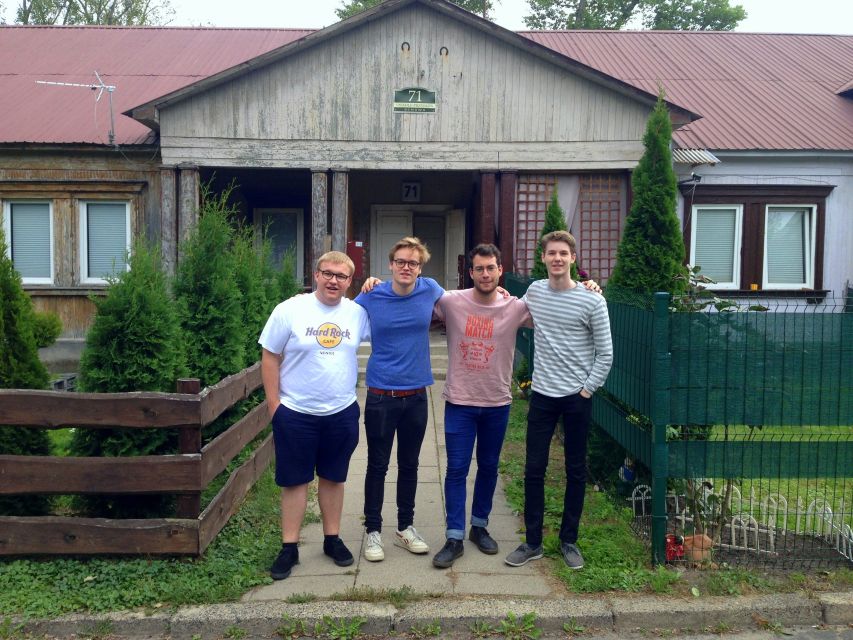
The first stop is closely tied to the Palace of Culture and Science. The tour takes you to a wooden housing neighborhood built for Russian workers involved in the Palace’s construction.
This is one of the most useful stops because it connects a famous monument with the people who physically built it. From the Palace, it is easy to think only about grand design and political power. The wooden homes point to the daily life behind that project, giving you a more human view of a major Warsaw landmark.
The guide explains what life was like for those workers and what the neighborhood is used for today. That change over time is the point. You are not just looking at old buildings and taking pictures. You are asked to consider who lived there, why the homes were built, and how the area fits into present-day Warsaw.
The stop also gives the tour a clear advantage over a standard city drive. These houses are tied directly to the Palace but are rarely part of a basic sightseeing route. If you enjoy architecture with a social story attached, this will likely be one of the most memorable sections.
Old Bielany and the last gas lanterns
From the workers’ housing, the route moves to Old Bielany, a very different part of Warsaw. This interwar-era housing district is known for picturesque streets, gas lanterns, and modernist architecture.
The gas lanterns are a particularly unusual detail. They are described as the last ones in the city, so this stop offers something you are unlikely to encounter on a general Warsaw highlights tour. Their presence helps you picture a quieter, earlier version of the city, even though you are still within modern Warsaw.
Old Bielany is also valuable for its architecture. The interwar period produced housing with a different scale and style from the monumental Palace area. Here, the appeal comes from the relationship between homes, streets, and design rather than from one famous building.
I would pay close attention to the guide’s explanations at this point. The district may look like a pleasant residential area if you pass through without context. With the stories of its planning and modernist buildings, it becomes a lesson in how Warsaw developed between the world wars.
There is a practical tradeoff. Because the tour covers several districts in 150 minutes, the stop is designed as part of a moving route rather than a long architectural study. If modernism is your main interest, you may want extra time in Old Bielany on another day. If you want a broad look at Warsaw’s lesser-known character, the short visit works well.
A different kind of day in Warsaw:
- Warsaw Concert: Chopin – Painted by Candlelights with Wine
★ 4.8 · 1,442 reviews - Warsaw: City Sightseeing Hop-On Hop-Off Bus Tour
★ 3.6 · 1,415 reviews - Warsaw: POLIN Museum of the History of Polish Jews Ticket
★ 4.7 · 1,142 reviews - #1 Pub Crawl Warsaw with Optional Premium 1 Hour Open Bar
★ 5.0 · 790 reviews
Warsaw Citadel and the era of Russian rule
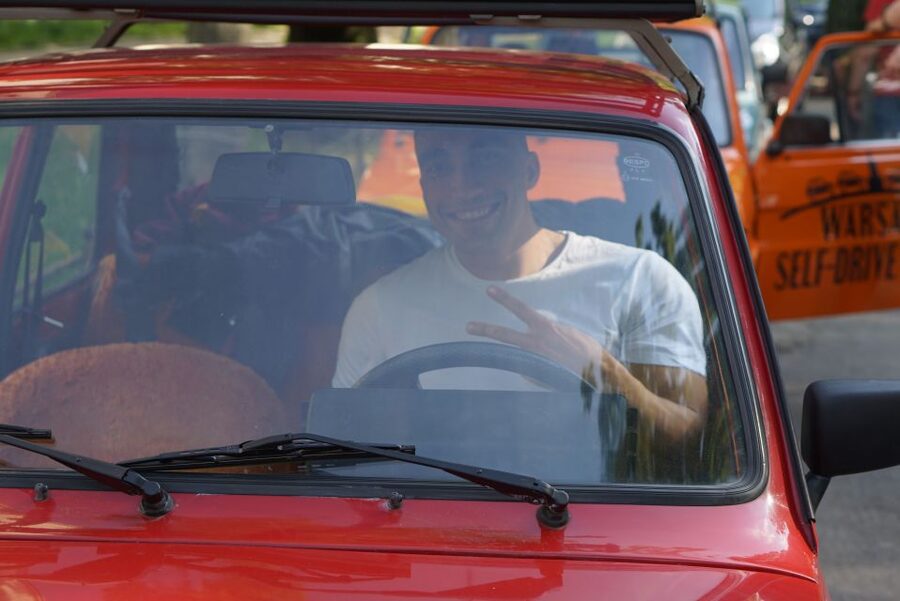
The route then reaches the Warsaw Citadel, an authentic 19th-century fortification connected with the period when Russian tsars controlled Warsaw. It gives the tour another sharp change in subject and atmosphere.
The Citadel is important because Warsaw’s story is not only about destruction and rebuilding in the 20th century. The city also lived under imperial control, and military sites help explain that political past. Driving by the fortification lets you see a physical reminder of that period without committing to a full museum visit.
The information provided for this tour describes passing by the Citadel rather than entering it. That distinction matters. You should expect an exterior view and guide commentary, not a dedicated visit inside the fortification or a separate entrance experience. No entrance fees are included.
This is also where the route’s variety pays off. In one short outing, you move from homes built for Palace workers to interwar architecture and then to imperial military history. The guide’s stories connect those places, helping you see Warsaw as a city shaped by several political periods rather than as a collection of isolated sights.
Praga’s picturesque, bohemian side
Praga brings a different feel again. Located on the eastern side of the Vistula, the district is known here for its bohemian character and picturesque architecture.
The tour does not present Praga as a checklist of famous monuments. Instead, it uses the district to show another side of Warsaw, one with its own visual identity and street atmosphere. That makes it a good match for you if you prefer old facades, local character, and less conventional city scenery over polished postcard views.
The small car suits this part of the experience. You can cover more ground than on foot, while still stopping to walk and listen to the guide. Since the experience is described as half walking and half driving, tell the guide if you need the balance adjusted. The route can be adapted to suit your requirements.
Do not expect a long, independent wander through every corner of Praga. The tour has a fixed 150-minute length and several areas to cover. Think of this as an introduction, with enough context to decide which parts of the district you might want to revisit later.
What the guide adds
The guide is central to the experience. Without the explanations, the wooden homes, gas lanterns, modernist streets, and fortification could look like disconnected stops. The tour’s purpose is to explain the stories that link them.
The guide speaks English and tells stories connected with the places you drive around. The strongest praise in the available feedback focuses on the guide’s command of Warsaw’s history and architecture, along with a clear affection for the city and its people. That combination matters. You want more than dates and building labels on a route like this. You want someone who can explain why a place is worth noticing.
The tour also received praise for combining fun with information. That balance is important here. The Fiat creates the entertainment, while the guide supplies the context. If either side were missing, the experience would be weaker.
Photos are emailed afterward. They are included in the price, so you do not need to decide during the tour whether to buy a separate photo package. Since you are driving for part of the outing, it is useful to let the guide handle photography when you are behind the wheel.
How much driving is involved?
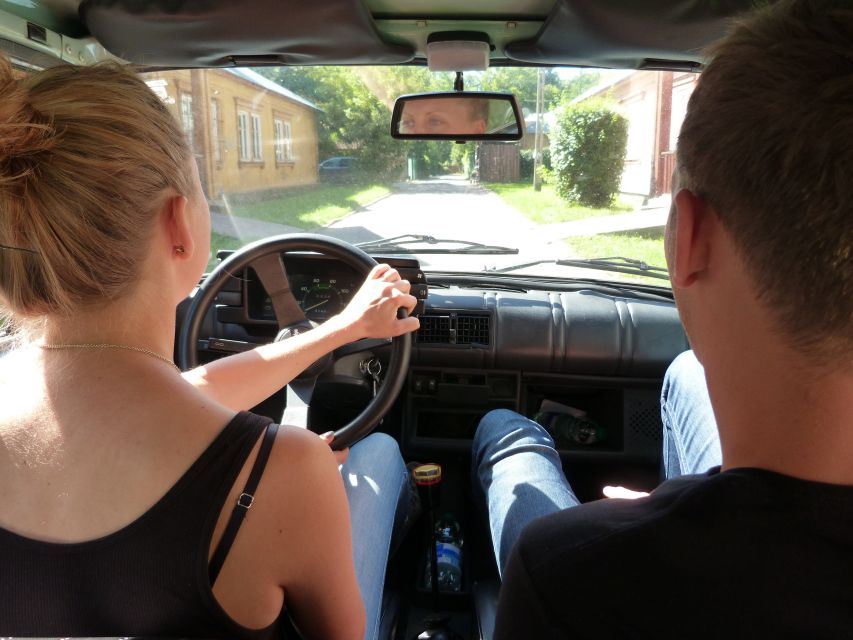
You should expect to drive the Fiat 126p yourself after the initial lesson. The exact amount of driving for each participant is not specified, so ask the guide at the start if you want to understand how the driving will be shared.
The route is not a pure driving tour. It is half walking and half driving, with the balance adaptable to your needs. Wear comfortable shoes, since you will get out of the car and spend time on foot at the stops.
The car is part of the charm, but it is also the main practical limitation. A Fiat 126p is a small, old-style vehicle, not a roomy modern car. If you are tall, have limited mobility, or simply dislike compact vehicles, think carefully before booking. The tour is not suitable for wheelchair users, and pets are not allowed.
Who will enjoy it most?
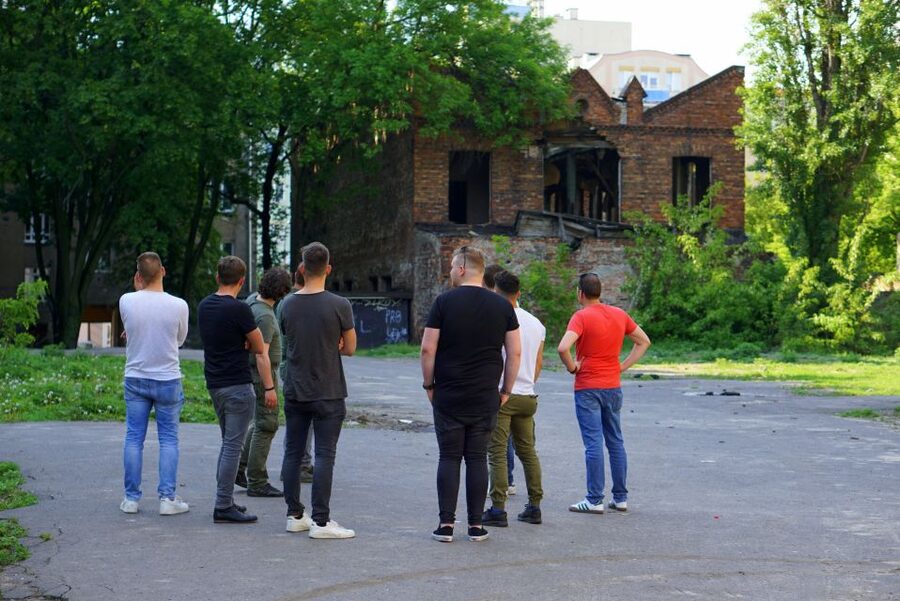
I would recommend this tour to people who have already seen Warsaw’s standard sights and want more context about the city. It also suits anyone who enjoys architecture, local history, unusual transport, and a guide who tells stories rather than just pointing out landmarks.
It is a good choice for couples and small groups who like doing something together. The minimum booking requirement is two people, and the self-drive setup gives the outing a shared activity that a normal walking tour does not provide.
You will get the most from it if you are comfortable driving, willing to listen while moving between stops, and interested in places that may not look important at first glance. It is less suitable if you want a slow museum visit, a fully passive ride, or a tour focused only on Warsaw’s famous attractions.
Price, deposit, and booking flexibility
At $69 per person, the experience sits above a basic walking tour but includes more than a guide’s commentary. You receive a 20-minute lesson, the self-drive car experience, 150 minutes with a local guide, and photos afterward.
The 500 PLN security deposit is required and refunded after the tour. Treat this as a temporary hold you need to plan for, not an extra tour fee, provided the vehicle is returned as required.
Meals, drinks, and entrance fees are not included. That is unlikely to be a major issue on a 150-minute outing, but you should not expect a meal stop or an included visit inside the Citadel. Comfortable shoes and your driver’s license are the key items to bring.
You can cancel up to 24 hours in advance for a full refund, and the reserve-now, pay-later option gives you some flexibility when arranging a Warsaw schedule. Check the available starting times before booking, since the tour lasts exactly 150 minutes.
My call: book it if you want Warsaw beyond the postcard
Book this tour if you have already covered the main sights or if the idea of driving a classic Fiat 126p sounds as appealing as the history. The best features are the unusual route, the link between grand monuments and ordinary housing, the last gas lanterns of Old Bielany, and the guide’s story-led approach.
Skip it if you need wheelchair access, dislike driving, want a large modern vehicle, or prefer to spend a full afternoon inside museums. Also remember that the Citadel is viewed from the route and no entrance fees are included.
For the right person, this is a smart way to see a wider slice of Warsaw in a short time. You get a playful ride, several distinct districts, and a better sense of how the city’s people, politics, and architecture fit together.
FAQ
Where does the Warsaw Off The Beaten Path Self-Drive Tour start?
It starts at the Palace of Culture and Science, at Parade Square. Meet your guide at the back of the building by the Tourist Information office on the Emilii Plater Street side.
How long does the tour last?
The tour lasts 150 minutes, or 2.5 hours. Starting times depend on availability.
Do I drive the Fiat 126p myself?
Yes. The tour begins with a 20-minute driving lesson, after which you set off in the Fiat 126p, also known as the Toddler.
Do I need a driver’s license?
Yes. You must bring a valid driver’s license, and it is checked before the tour.
Is a security deposit required?
Yes. A 500 PLN security deposit is required and refunded after the tour.
Is the tour suitable for wheelchair users?
No. The experience is not suitable for wheelchair users. It includes both driving and walking, although the walking and driving balance can be adapted to suit your requirements.
What is included in the price?
The price includes the 2.5-hour self-driving tour, a professional local guide, the 20-minute driving lesson, and photos emailed after the tour. Meals, drinks, and entrance fees are not included.
Recently added in Warsaw
- Warsaw Wolf’s Lair with St. Lipka and Mamerki Private Guided★ 4.2 · 3 reviews
- Taste of Poland, food tour and guided walk with 12 tasting★ 5.0 · 3 reviews
- Discover Warsaw’s most Photogenic Spots with a Local★ 5.0 · 3 reviews
- Lodz Small Group Tour from Warsaw with Lunch★ 4.0 · 3 reviews
- Jewish heritage in Warsaw★ 4.5 · 3 reviews
- Warsaw Outdoor Paintball with Transfers (all year round)★ 5.0 · 3 reviews
- Electric Scooter Tour: Full Tour – 3-Hours of Magic!★ 5.0 · 3 reviews
- Skip-the-Line Polin Museum Warsaw Jewish History Tour★ 5.0 · 3 reviews
Warsaw Tours, compared.

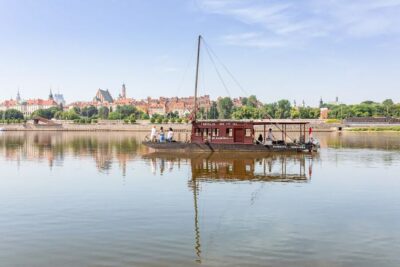
Traditional Galar Cruise on The Vistula River
Read our review →
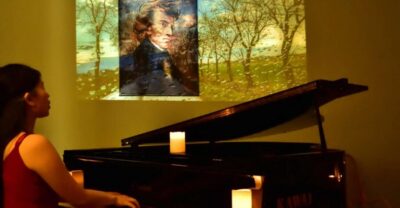
Warsaw Concert: Chopin – Painted by Candlelights with Wine
Read our review →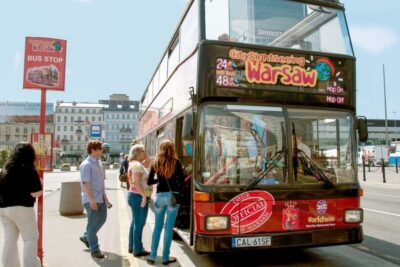

POLIN Museum of the History of Polish Jews Ticket
Read our review →
#1 Pub Crawl Warsaw with Optional Premium 1 Hour Open Bar
Read our review →