
Reviewed · WALKING TOURS
Warsaw Private Walking Tour
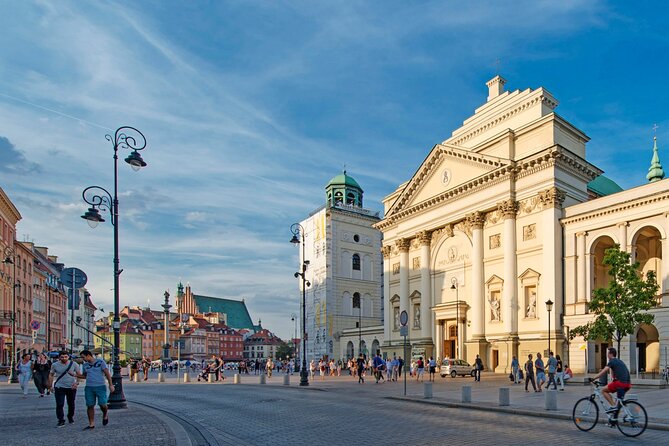
Warsaw’s story is written in layers. In one morning, you can move from the red-brick Royal Castle and medieval-looking Market Square to the places tied to the Warsaw Uprising, Nazi occupation, and communist rule. This private tour gives you a guide who can connect those pieces instead of leaving you with a string of pretty squares.
I especially like the choice of three tour lengths and the small private format, capped at 10 people. I also like that the longer routes bring in the former Jewish Ghetto and Łazienki Royal Park, two very different parts of the city. The main caution is that the seven-hour version may feel long if your guide does not keep the route tight, and public transport costs extra.
Key points to know before booking
- Castle Square is the natural starting point: You begin by Sigismund’s Column, an easy landmark in the Old Town.
- The three-hour route covers the core sights: Expect the Old Town, Market Square, Cathedral of St. John, Barbican, Royal Castle, Krakowskie Przedmieście, and major national memorials.
- The five-hour option adds difficult but essential history: You visit Grzybowski Square and the former Jewish Ghetto, then go to the Palace of Culture and Science viewing terrace.
- The seven-hour route adds Łazienki Royal Park: The final two hours include the gardens, Chopin monument, Palace on the Isle, Old Orangery, and Amphitheatre.
- The guide makes the biggest difference: Kasia, Kate, and Margret have each been singled out for clear explanations, local suggestions, and strong English.
- Plan for transport costs: A short bus or tram ride may be used on the longer route, and tickets are not included.
Why Warsaw works best with a guide
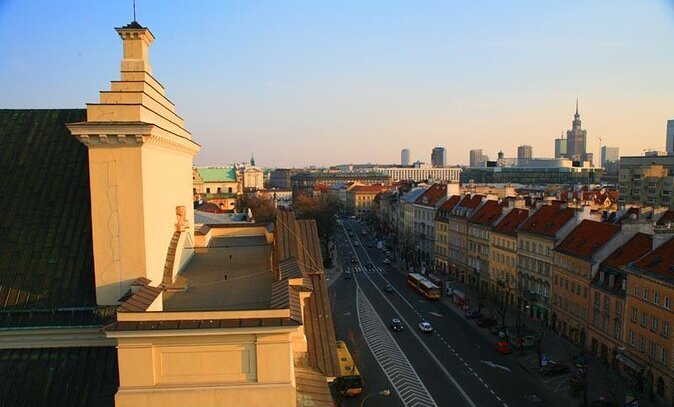
Warsaw can look easier to understand than it really is. The Old Town feels centuries old, but much of it was rebuilt after World War II. The Jewish Ghetto area now sits within an active modern city, so its wartime geography is not always obvious from the pavement.
That is where a private guide earns the fee. You can ask why a building looks old, how a square relates to the Warsaw Uprising, or what changed during the communist period. The guide can also adjust the pace, spend more time on a subject that catches your interest, or move along when your group has had enough.
The experience is offered in English, with other languages possible by advance request and subject to availability. The group limit is 10, but a private booking may feel especially personal if you are traveling as a couple, family, or small group.
More Walking Tours in Warsaw
- Warsaw: Old Town Highlights Walking Tour in English
★ 4.7 · 1,516 reviews - Warsaw: Old Town Guided Walking Tour
★ 4.9 · 599 reviews - Half-Day Polish Food Walking Tour with Guide and Dinner
★ 4.5 · 381 reviews
Castle Square and the rebuilt Old Town
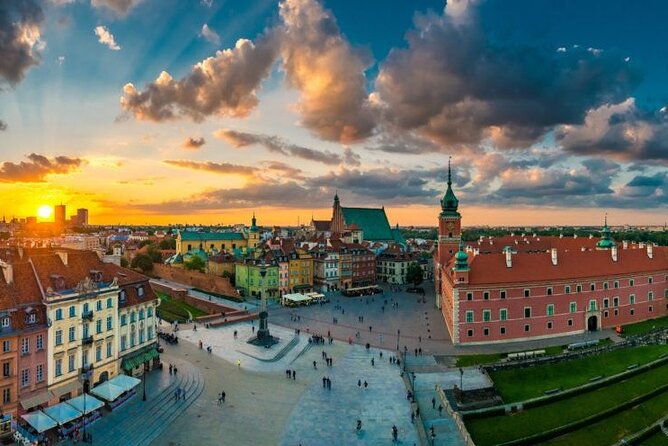
Meet at Castle Square, Plac Zamkowy, beside Sigismund’s Column. The 72-foot, or 22-meter, column is one of Warsaw’s clearest meeting points and gives the tour an immediate sense of place.
From here, the route leads through the UNESCO-listed Old Town. The red façade of the Royal Castle provides the grand opening, while the narrow streets and colorful façades make the area pleasant to explore on foot. Your guide can explain how the Old Town was restored after its wartime destruction, an important part of understanding why Warsaw looks both historic and new.
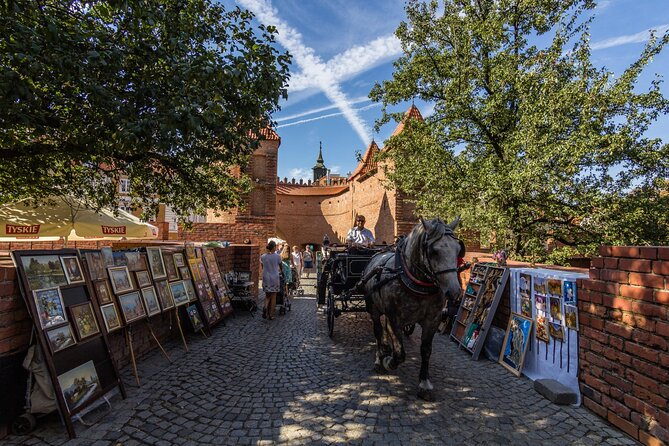
You then reach the Cathedral of St. John, the Warsaw Barbican, and Market Square. The cathedral brings a more solemn note, while the Barbican offers one of the Old Town’s most recognizable defensive structures. Market Square is a natural pause for photographs, especially near the Mermaid Monument.
The listed stops are generally short, around 15 minutes at Castle Square and Market Square, with about 90 minutes set aside for the Old Town walking portion. That timing is enough for an introduction, but it is not a museum-style visit with long interior stops. If you want extended time inside churches or the Royal Castle, ask your guide how that would affect the route.
Krakowskie Przedmieście and Warsaw’s national memory
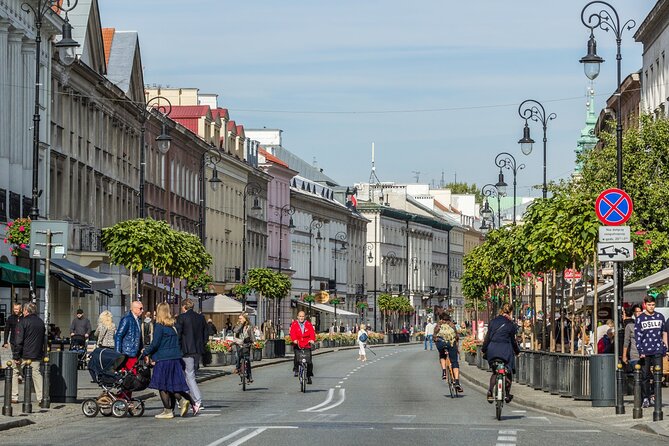
The walk continues toward Krakowskie Przedmieście, one of the city’s important ceremonial streets. The route includes Holy Cross Church, the Presidential Palace, and the University of Warsaw.
This section helps connect the Old Town to modern Polish public life. You will also visit Pilsudski Square, where the Tomb of Unknown Soldiers offers a quiet place to consider Poland’s repeated struggle for independence. Krasińskich Square brings the Warsaw Uprising into the story.
I find this part valuable because it stops the tour from becoming a postcard walk. You are not only seeing façades and monuments. You are also learning why certain squares matter and how Warsaw remembers war, occupation, and national sacrifice.
The three-hour option can finish in the Old Town, or at another agreed point depending on the route. The stated end point for one version is Krakowskie Przedmieście 4/6, but the route and finish can change by arrangement. Confirm the final meeting and end locations when you book, particularly if you have a train, museum reservation, or dinner plan afterward.
The former Jewish Ghetto at Grzybowski Square
The five-hour version adds a short bus or tram ride to Grzybowski Square. Public transport is not included, so keep a little money available for the ticket. One person found the extra underground ticket unexpected, which is a useful warning: ask at the start exactly which transport you will use and who buys the tickets.
Grzybowski Square sits at the heart of the former Jewish Ghetto. This is an important addition because the ghetto was not an isolated part of Warsaw in the way a separate historic site might suggest. It was laid over the existing city, and the modern streets can make the wartime boundaries difficult to picture without help.
Your guide explains Poland’s Jewish heritage, the size of the ghetto during the Nazi era, and the atrocities carried out during World War II. The subject matter is painful, and the value of having a private guide is that you can ask questions without holding up a larger group.
The five-hour route is a strong choice if you want Warsaw’s main sights with serious historical context. One particularly useful approach is to connect the Old Town and ghetto sections geographically rather than treating them as unrelated stops. That lets you see how the city’s earlier life, wartime destruction, and postwar rebuilding overlap.
A different kind of day in Warsaw:
- Warsaw: Chopin Concert in the Old Town
★ 4.8 · 2,287 reviews - Warsaw: Traditional Galar Cruise on The Vistula River
★ 4.6 · 1,640 reviews - Warsaw Concert: Chopin – Painted by Candlelights with Wine
★ 4.8 · 1,442 reviews - Warsaw: City Sightseeing Hop-On Hop-Off Bus Tour
★ 3.6 · 1,415 reviews
The Palace of Culture and Science viewpoint
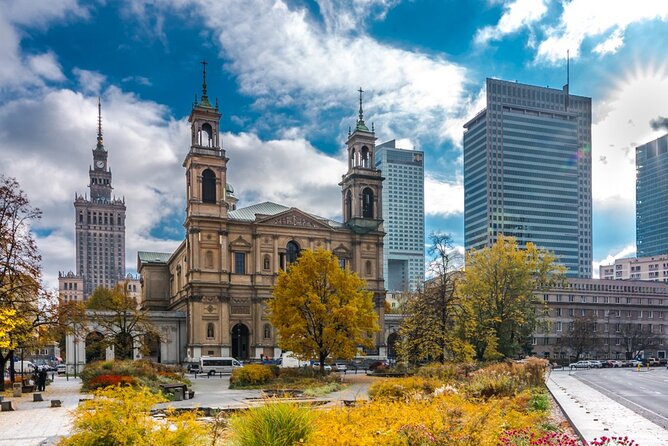
The five-hour tour finishes with a view from the Warsaw Palace of Culture and Science, Poland’s tallest building. This changes the mood after the ghetto visit and gives you a broad look at the city.
The viewpoint is useful not just for photographs. From above, you can better understand Warsaw’s mix of restored historic areas, modern districts, and large open spaces. It also gives you a physical sense of how much the city has changed.
The tour information does not specify that the viewing admission is included, so confirm any ticket details before you set out. The included items are the walking tour and private guide, while public transport is specifically excluded.
Łazienki Royal Park on the seven-hour route
The seven-hour option adds about two hours in Łazienki Royal Park. This is the gentler, greener close to a tour that has already covered war memorials and the former ghetto.
The park includes royal gardens, the monument to Frederic Chopin, and the Palace on the Isle. You will also see the Old Orangery and Amphitheatre. The stops are not all long, with about an hour listed for Łazienki itself and roughly 15 minutes at the Amphitheatre.
The park is a good addition if you want more than urban history. You can walk at an easier pace, admire the formal gardens, and see some of Warsaw’s royal side. It also creates a useful contrast with the rebuilt Old Town and the modern city center.
Still, seven hours on foot is a long stretch. One direct assessment of the longer route found it padded, with repeated information and a route that did not always feel planned. I would choose seven hours only if you want the park, prefer a slower day, or are keen to have one guide introduce nearly all of your first Warsaw visit.
Choosing three, five, or seven hours
The three-hour option suits a short stop or your first morning in town. It gives you the essential Old Town sights and a useful introduction to the city’s major historical markers. You can then use the rest of the day for museums, memorials, or independent wandering.
The five-hour option is the best balance for many people. It adds the Jewish Ghetto and Palace of Culture viewpoint without committing your entire day to a walking route. If you have only one full day in Warsaw, this version gives you the broadest useful introduction.
The seven-hour option works best for a small group that wants a full orientation and does not mind a long day. Łazienki Royal Park is a worthwhile addition, but the tour needs good pacing. Ask your guide to avoid repeating the same material and to include a proper break if your group needs one.
The private-guide advantage
The strongest part of this experience is the guide. Kasia has been praised for linking the city’s main sights with the ghetto’s location and for helping with a weekend public transport pass. Kate has been described as attentive and well informed during a tour with only two people. Margret has been especially valued for local suggestions, including places to eat and events to visit.
Those details matter. A good guide does more than recite dates. You can ask for help planning the rest of your stay, check which museums fit your interests, or learn how to use Warsaw’s buses and trams.
One useful practical tip came from the transport advice: a 48-hour weekend pass was available for 24 zloty, a little over $6 at the time of that experience. Prices can change, so treat that figure as a guide rather than a current fare. Still, it shows why asking your guide about local transport can save both time and money.
Price, walking demands, and practical planning
The listed price is $338.47 per group of up to 10 people. At the full group size, that is about $34 per person for the five-hour version or about $48 per person for seven hours. For two people, the per-person cost is much higher, but you are paying for a private guide rather than a seat on a fixed group outing.
The value depends on your plans. If you are new to Warsaw and want a clear foundation before visiting museums alone, the cost can make sense. One person used the tour to learn the city and then spent the next day exploring independently, with the main sights already familiar.
Expect substantial walking. The route moves from point to point on foot, with public transport available when needed. Wear comfortable shoes and tell the guide early if your group needs a slower pace. The tour is suitable for most people, but the seven-hour version calls for more stamina than the three-hour route.
The tour is usually booked about 18 days ahead, so it is wise to reserve early if you want a particular date. Free cancellation is available up to 24 hours before the local start time. Changes or cancellations inside that window are not accepted for a refund.
Who should book this Warsaw tour?
I would choose this tour for a first visit, a short stay, or a family or small group that wants the freedom to ask questions. It is also a strong fit if Warsaw’s wartime and communist-era story matters as much to you as the attractive Old Town.
Choose three hours if you want a compact orientation. Choose five hours if you want the best mix of landmarks and difficult history. Choose seven hours only if Łazienki Royal Park is a priority and you are comfortable spending most of the day walking.
I would not book the longest version blindly. Ask for a clear plan, confirm transport and admission costs, and make sure the guide will vary the material between districts. With that preparation, the private format can turn Warsaw’s scattered sights into a connected, understandable city.
FAQ
Where does the Warsaw walking tour begin?
The standard meeting point is Castle Square, Plac Zamkowy, by Sigismund’s Column in Warsaw’s Old Town.
Where does the tour finish?
The end point can depend on the route and your arrangements. One stated end point is Krakowskie Przedmieście 4/6, but the tour may finish elsewhere by decision.
How long is the tour?
You can choose a 3-, 5-, or 7-hour walking tour.
What is included in the price?
The price includes the walking tour and a private guide.
Is public transportation included?
No. Bus, tram, underground, or other public transport costs are not included. The longer route may use a short bus or tram ride.
Does the tour visit the Jewish Ghetto?
The five-hour and longer options visit Grzybowski Square, in the area of the former Jewish Ghetto, and cover Jewish heritage and World War II history.
Does the seven-hour tour include Łazienki Royal Park?
Yes. The seven-hour option uses its final two hours to visit Łazienki Royal Park, including the gardens, Chopin monument, Palace on the Isle, Old Orangery, and Amphitheatre.
Can I request a language other than English?
Yes, other languages may be possible if requested in advance and available.
Recently added in Warsaw
- Warsaw Wolf’s Lair with St. Lipka and Mamerki Private Guided★ 4.2 · 3 reviews
- Taste of Poland, food tour and guided walk with 12 tasting★ 5.0 · 3 reviews
- Discover Warsaw’s most Photogenic Spots with a Local★ 5.0 · 3 reviews
- Lodz Small Group Tour from Warsaw with Lunch★ 4.0 · 3 reviews
- Jewish heritage in Warsaw★ 4.5 · 3 reviews
- Warsaw Outdoor Paintball with Transfers (all year round)★ 5.0 · 3 reviews
- Electric Scooter Tour: Full Tour – 3-Hours of Magic!★ 5.0 · 3 reviews
- Skip-the-Line Polin Museum Warsaw Jewish History Tour★ 5.0 · 3 reviews
Walking Tours, compared.




Gdańsk City Sights & History Guided Walking Tour in English
Read our review →


Where else this one turns up