
Reviewed · WARSAW TOURS
In 10 days around Poland – by train, with hotels and local tours
Poland is especially rewarding by rail, and this trip covers an impressive stretch of the country without asking you to rent a car. You move from Warsaw’s rebuilt Old Town to Gdańsk’s waterfront, then south through Poznań and Wrocław before finishing in Kraków, with local guides filling in the stories at each stop.
I like the first-class train travel and the way drivers meet you at stations. I also like the mix of planned sightseeing and free afternoons, which gives you time to walk, shop, or simply sit with a coffee. The main consideration is the pace: you change cities several times, and the $3,900 price is a serious investment, especially since dinners are not included.
Key points to know before booking
- Six Polish destinations in 10 days: You see Warsaw, Gdańsk, Malbork, Poznań, Wrocław, and Kraków.
- First-class rail connections: Direct trains link the major cities, with drivers handling station transfers.
- Small-group setting: The maximum group size is 10 people, allowing for more personal attention.
- Strong local guiding: City walks include major sights, practical context, and time for questions.
- Three choices in Kraków: Spend your final morning at Auschwitz-Birkenau, Wieliczka Salt Mine, or Kazimierz.
- Centrally located hotels: The included 3-star or 4-star hotels put you within reach of city sights and public transport.
Why this route works so well by train
Poland is a large country, and this route covers a lot of ground. Going by train lets you avoid the bother of driving, parking, and navigating unfamiliar roads. The direct rail legs are the backbone of the trip: Warsaw to Gdańsk, Gdańsk to Poznań, Poznań to Wrocław, and Wrocław to Kraków.
Your tickets are first class, and the plan includes a driver to take you from each hotel to the station and from the next station to your hotel. That small detail matters. Railway stations can be busy, and arriving with someone expecting you is far easier than trying to find a taxi while carrying luggage.
The group limit of 10 also makes this different from a large coach tour. You are not spending days on a bus, and the local guides can keep the walking tours more focused. Tomasz, the company manager, handles the overall arrangements and is the person to contact if you need changes or help during the trip.
The tradeoff is frequent packing. You spend only one or two nights in most cities, so this suits you if you would rather see more of Poland than settle into one base. If you prefer slow mornings and several nights in each hotel, this schedule may feel brisk.
More train trips in Warsaw:
- Warsaw: Tour to Krakow and Auschwitz by Train with Pickup
★ 4.6 · 603 reviews - From Warsaw Auschwitz and Krakow one day tour by train with pick up and drop off
★ 4.5 · 267 reviews - From Warsaw: Auschwitz-Birkenau Guided Tour with Fast Train
★ 4.7 · 50 reviews
Warsaw: rebuilt streets and royal gardens
Your Polish journey begins with a transfer from Warsaw airport or train station to a centrally located hotel. The first day is intentionally light, giving you time to recover from the journey and get settled.
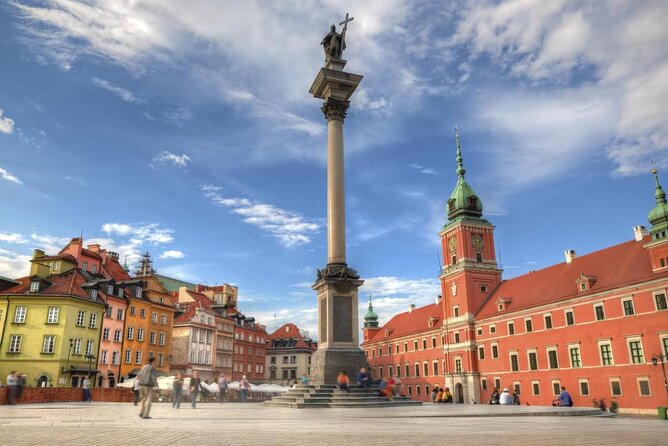
The second day brings a five-hour guided tour of Warsaw. You see the Royal Castle, the Royal Route, Old Market Square, the Barbican, Krakowskie Przedmieście, Łazienki Park, and the Palace on the Water. This is a useful introduction because Warsaw combines grand royal spaces with a historic center that was rebuilt after wartime destruction.
The Old Town is compact and easy to explore on foot. The Barbican and market square give you the postcard views, while the Royal Route connects the historic center with important churches, palaces, and public buildings. At Łazienki, the gardens and Palace on the Water provide a calmer change of pace after the city streets.
I appreciate that the afternoon is free. You can return to a sight that caught your attention, take public transport to another neighborhood, or simply rest before the next train journey. The city tour is substantial, but it does not try to fill every hour.
Gdańsk: the Baltic city and the birthplace of Solidarity
On day three, a driver takes you to Warsaw station for the direct train to Gdańsk. After roughly four hours of rail travel, another transfer takes you to your hotel in the center.
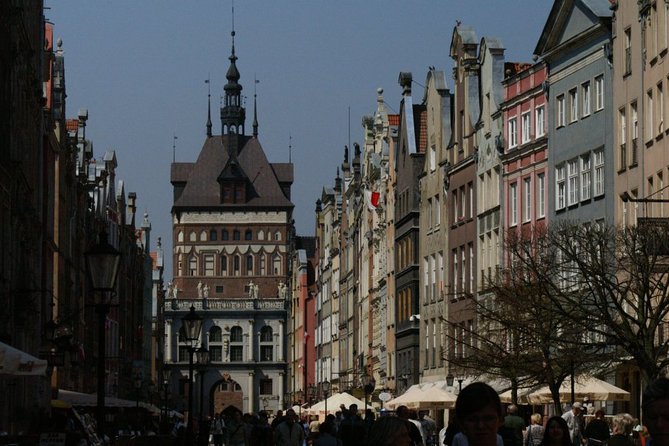
Gdańsk is one of the most distinctive stops on the route. Its historic streets have a strong northern European character, with ornate façades, waterfront views, and a long connection to trade and shipbuilding. The guided tour includes the Golden Gateway, Neptun’s Fountain, Artus Court, Uphagen House, Długa Street, Mariacka Street, and the wooden Crane on the Motława River.
You also visit the Solidarity Monument at the Gdańsk Shipyard. This gives the city tour more weight than a simple walk through attractive streets. Gdańsk is tied to the Solidarity movement, and the shipyard helps connect modern Polish political history with the city’s older mercantile past.
The following afternoon includes a visit to Oliwa for an organ music concert in the Oliwa Cathedral. It is a thoughtful change from the usual sightseeing routine. You are not only looking at buildings, you are hearing the space used as intended.
Gdańsk gets a full guided day, but the schedule allows time for private walks and gift shopping. That flexibility is useful here because the center rewards unhurried wandering. You might find that the city becomes a favorite simply because it feels different from Warsaw and Kraków.
Malbork Castle: a full half-day among brick walls
Malbork is one of the route’s major highlights. The excursion takes about five hours, including transport and a guided visit to the enormous medieval brick castle. The castle is described as the largest in Poland and one of the country’s key sights.
This is not a quick photo stop. Give the visit the time it deserves. The scale of the complex makes it easier to understand why Malbork has such a strong place in Polish history and architecture. A guided visit also helps you make sense of the different courtyards, rooms, and defensive structures.
Lunch is available at the castle restaurant, which keeps the day practical. Afterward, you return to Gdańsk for a quieter afternoon.
Malbork is a good example of why local transport and guiding add value to this package. You do not need to work out the route yourself, arrange separate tickets, or decide how much time the castle needs. The drawback is that this is another day with a scheduled departure and return, so your Gdańsk free time is limited to the afternoon.
A few more Warsaw half days to consider
- Warsaw: Chopin Concert in the Old Town
★ 4.8 · 2,287 reviews - Warsaw: Traditional Galar Cruise on The Vistula River
★ 4.6 · 1,640 reviews - Warsaw: Old Town Highlights Walking Tour in English
★ 4.7 · 1,516 reviews - Warsaw Concert: Chopin – Painted by Candlelights with Wine
★ 4.8 · 1,442 reviews
Poznań: a shorter stop with a compact historic center
After breakfast, a driver takes you to Gdańsk railway station for the direct train to Poznań. Once you arrive, you are transferred to your hotel and then taken on a guided afternoon tour.
Poznań is known as a center for Polish and international trade fairs, but the tour focuses on its older and more historic side. You visit the Cathedral, Renaissance Town Hall, and Baroque Church of St. Mary Magdalene. The guided portion lasts about three hours, making this a lighter sightseeing day than those in Warsaw or Gdańsk.
That shorter visit is both a strength and a limitation. You get a useful introduction without trying to force every museum and street into a single afternoon. At the same time, Poznań is one of the places where you may wish for another night, especially if you like exploring independently.
The trip does not pretend every city receives equal time. It gives more attention to the best-known historic centers and uses Poznań as a well-placed stop between the coast and Lower Silesia.
Wrocław: cathedral islands and the Market Square
The next morning, your driver takes you to Poznań station for the direct train to Wrocław. After the hotel transfer, you have time to rest before the following day’s four-hour guided tour.
Wrocław’s tour begins at Ostrów Tumski, or Cathedral Island, with its cathedral and older religious buildings. You then visit the University and Aula Leopoldina, an ornate Baroque hall. The final part of the walk takes you around the Market Square, known for restored townhouses and its Gothic City Hall.
This is a nicely balanced introduction. You see the city’s religious center, its university tradition, and its civic heart. The Market Square is the natural place to continue on your own afterward, with time for a private walk or a relaxed meal.
Wrocław also offers the chance to add a boat ride, an option specifically enjoyed as part of this wider Polish journey. The supplied program does not list that ride as included, so you should treat it as an optional personal arrangement rather than a guaranteed feature.
As with Poznań, one full day of sightseeing gives you the main framework but not every corner. You will need to accept that some discoveries are left for another visit.
Kraków: Poland’s grand finale
On day nine, you take a direct train to Kraków. A driver meets you at the station, transfers you to a central hotel, and helps you get settled before the half-day city tour.
Kraków is the cultural high point for many visitors, and the route gives it an important place at the end. The tour includes Rynek Główny, the Cloth Hall, St. Mary’s Basilica, the Royal Route, Wawel Hill, Wawel Cathedral, and the Royal Castle.
The Old Town is compact enough to explore on foot, and the central location of the hotel is valuable here. After the guided tour, you have time for a private walk. An optional regional dinner with live music is available for $45 per person, but dinners are otherwise not included.
That meal option may appeal if you want one organized evening at the end of the trip. Still, I would not assume every dinner is covered by the package. Budget separately for evening meals and any drinks, since those costs can add up across nine nights.
Choosing your final morning: Auschwitz, Wieliczka, or Kazimierz
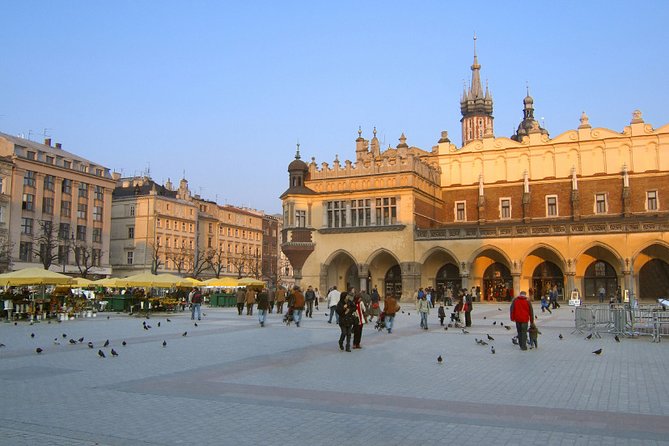
The final day gives you a choice of three local experiences in the Kraków region. This is one of the most useful parts of the design because the options suit different interests.
Auschwitz-Birkenau Museum is the most sobering choice. The site is connected to the Nazi German camp system, and a visit requires emotional as well as physical preparation. It is an important place, but you should choose it because you are ready to engage with difficult history, not simply because it is famous.
Wieliczka Salt Mine offers a very different experience. The excursion takes you below ground into a historic mine known as one of the area’s major attractions. If you want a memorable cultural visit that is less emotionally heavy than Auschwitz, this may be the better fit.
Kazimierz, Kraków’s Jewish district, gives you a closer look at one of the city’s most important historic neighborhoods. It is the most urban and flexible option, and it may suit you if you want more time in Kraków rather than another excursion outside the center.
The afternoon transfer takes you to the Kraków airport or train station. Because the program ends there, check your departure timing carefully before booking flights or trains.
Hotels, meals, and the real value of $3,900
The price is $3,900 per person. It includes accommodation in 3-star or 4-star hotels, nine breakfasts, local guides, drivers, air-conditioned vehicle transfers, and first-class train tickets.
That is a substantial amount, but the price is paying for coordination as much as for transport. You are not only buying train seats. You are getting station pickups, hotel transfers, multiple city tours, the Malbork excursion, and help arranging a six-city route.
The value is strongest if you want a guided framework and dislike managing logistics. The price is less attractive if you are already comfortable buying Polish train tickets, booking hotels, and arranging local guides yourself.
Hotel quality may vary between cities because the package uses a mix of 3-star and 4-star properties. The important practical point is location: the hotels are centrally placed, which can save both time and local transport costs. You should still ask for the exact hotel names before paying if room standards matter greatly to you.
Breakfast is included each morning, but dinners are not. Plan for nine evening meals, plus lunches on sightseeing days. The castle restaurant at Malbork is available, and the Kraków regional dinner with live music costs an additional $45 per person.
Who will enjoy this Polish rail journey
I would recommend this trip to you if you want to see several major Polish cities in one organized visit, but do not want to spend your holiday on a coach. It is particularly well suited to first-time visitors who value reliable transfers and local guides.
The maximum group size is 10, and the program includes private time in most cities. That combination gives you structure without dictating every hour. You can learn the basics with a guide, then use the free periods for your own walks.
You should have a moderate level of physical fitness. The schedule includes several walking tours, railway transfers, hotel changes, and full sightseeing days. The information does not promise special mobility arrangements, so ask before booking if you have concerns about stairs, long walks, or luggage handling.
The itinerary also suits you if recent events in the region have made you wonder about safety. The organized transfers and local support can make the country feel easier to navigate, though normal travel awareness still applies.
Practical details that deserve attention
The listed meeting point is Kraków Airport, and the listed end point is also Kraków Airport. That does not match the day one description of arrival in Warsaw, so confirm the actual starting location with GFP Travel before booking flights. The published start time is 12:00 am, which is another detail worth clarifying.
Confirmation is normally provided when you book. If you book within seven days of departure, confirmation may take up to 48 hours and depends on availability.
The experience is non-refundable and cannot be changed for any reason after booking. If the minimum number of participants is not reached and the company cancels, you will be offered another date or experience, or a full refund.
The mobile ticket and English-language operation are useful for an international audience. Public transport is available near the hotels, but the included driver transfers mean you do not need to master each city’s system immediately.
Should you book this tour?
Book it if you want Poland’s major highlights with the hard parts handled: first-class trains, station transfers, central hotels, and local guides. The strongest features are the rail-based route, the small group size, and the flexibility to choose Auschwitz, Wieliczka, or Kazimierz in Kraków.
Think twice if you want a slow trip, a fixed dinner plan, or complete control over hotels and daily timing. You will change cities often, pay separately for dinners, and need to verify the start point because the published meeting information is inconsistent.
For a first Polish visit, I find the structure appealing. You get Warsaw’s royal center, Gdańsk’s shipyard and waterfront, Malbork’s castle, the central cities of Poznań and Wrocław, and Kraków’s great squares and royal hill. At $3,900, it is best viewed as a full-service rail holiday rather than a bargain package.
FAQ
How long is the experience?
The trip lasts approximately 10 days, beginning with arrival and ending with departure from Kraków.
Which cities are included?
The route includes Warsaw, Gdańsk, Malbork, Poznań, Wrocław, and Kraków.
Are train tickets included?
Yes. First-class train tickets for the direct rail journeys are included.
Are hotels included?
Yes. Accommodation in 3-star or 4-star hotels is included, with centrally located properties planned in each city.
Is breakfast included?
Yes. The package includes nine breakfasts. Dinners are not included.
What can I choose to do on the final day?
You can choose a half-day visit to the Wieliczka Royal Salt Mine, the Auschwitz-Birkenau Nazi German Camp Museum, or Kraków’s Kazimierz Jewish district.
Is the tour suitable for a small group?
Yes. The maximum group size is 10 people, and the tour requires a moderate level of physical fitness.
Recently added in Warsaw
- Warsaw Wolf’s Lair with St. Lipka and Mamerki Private Guided★ 4.2 · 3 reviews
- Taste of Poland, food tour and guided walk with 12 tasting★ 5.0 · 3 reviews
- Discover Warsaw’s most Photogenic Spots with a Local★ 5.0 · 3 reviews
- Lodz Small Group Tour from Warsaw with Lunch★ 4.0 · 3 reviews
- Jewish heritage in Warsaw★ 4.5 · 3 reviews
- Warsaw Outdoor Paintball with Transfers (all year round)★ 5.0 · 3 reviews
- Electric Scooter Tour: Full Tour – 3-Hours of Magic!★ 5.0 · 3 reviews
- Skip-the-Line Polin Museum Warsaw Jewish History Tour★ 5.0 · 3 reviews
Warsaw Tours, compared.

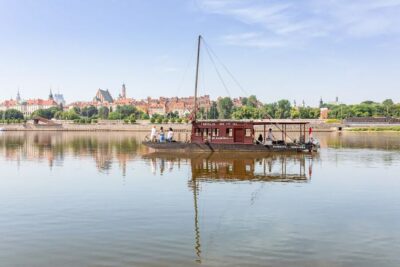
Traditional Galar Cruise on The Vistula River
Read our review →
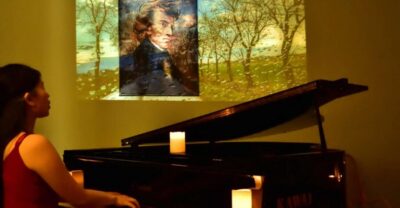
Warsaw Concert: Chopin – Painted by Candlelights with Wine
Read our review →

POLIN Museum of the History of Polish Jews Ticket
Read our review →
#1 Pub Crawl Warsaw with Optional Premium 1 Hour Open Bar
Read our review →
Where else this one turns up