
Reviewed · SCHINDLER'S FACTORY TOURS
Schindler’s Factory and Jewish Ghetto Walking Tour in Kraków
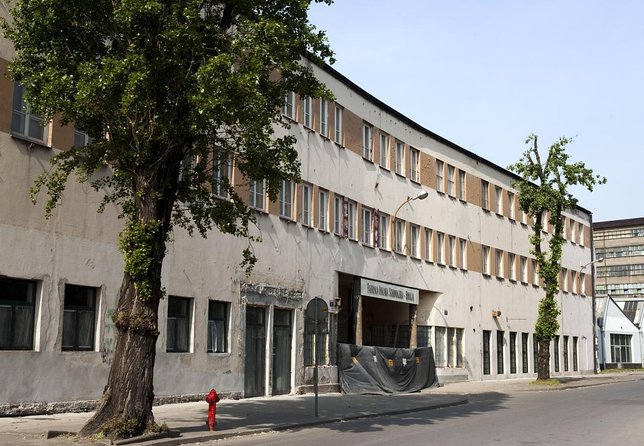
Oskar Schindler’s former enamel factory is not simply a museum about one brave industrialist. Its main exhibition, Kraków under Nazi Occupation 1939 to 1945, uses the factory building to tell the wider story of a city under German rule. You’ll learn about Schindler, the Jewish workers he protected, and the thousands who faced forced labor, deportation, and death.
I like that a guide takes you through the museum instead of leaving you to sort out a dense collection of photographs and objects alone. I also like the second half of the experience, when the story moves outdoors to the former ghetto, its wall fragments, Ghetto Heroes Square, and the pharmacy that offered aid inside the sealed district.
The main drawback is that the museum can feel crowded, with narrow passages and several tour groups moving through the same rooms. This is also not a tour of a preserved factory floor. The original building remains, but the machinery is gone, and the exhibition focuses more on Kraków during the occupation than on Schindler’s personal life.
Key points to know before you book
- The museum is about occupied Kraków first: Schindler’s story is an important thread, but the exhibition covers the wider experience of the city from 1939 to 1945.
- The guided format adds real value: Guides such as Phil, Magdalena, Joanna, Alicja, and Agnieszka have been praised for clear explanations, personal stories, and the use of historic photographs.
- The walking route completes the museum visit: You see a fragment of the ghetto wall, the former welfare and medical buildings on Józefińska Street, Ghetto Heroes Square, and Under the Eagle Pharmacy.
- Expect a serious, emotional experience: This is a Holocaust and wartime history tour, not a light sightseeing walk.
- The group can reach 25 people: Headphones may be provided, but crowded rooms can still make it hard to see every display.
- Plan for about three hours, with extra time possible: The listed schedule is approximate, and one group reported a total closer to four hours.
What the $58.81 price buys you
At $58.81 per person, this tour costs more than simply walking to the former ghetto sites on your own. The key question is how much help you want with the museum. Schindler’s Factory contains a large amount of information, and the exhibit’s reconstructed streets, photographs, documents, and personal objects reward context. A good guide helps you notice the important details rather than reading every panel at the same pace.
Your ticket to Schindler’s Factory Museum is included, which matters because entry is arranged in advance. The tour is also offered in English, and group size is limited to 25 people under museum rules. The guide’s role is most valuable inside the museum, where the route moves through several rooms and time periods.
The outdoor portion costs nothing to enter, but you are paying for interpretation. The preserved sites can be easy to miss or misunderstand without a guide. Historic photographs can show you how the streets and buildings looked when the ghetto existed, helping you connect present-day Kraków with a vanished wartime district.
The Under the Eagle Pharmacy Museum is not included in the tour price. You see the building and learn its story from outside, but this experience does not promise admission to the pharmacy’s interior exhibition. If you want to go inside, treat that as a separate visit.
More Walking Tours in Krakow
- Old Town Krakow & Wawel Castle Walking Tour
★ 5.0 · 1,508 reviews - Creepy Krakow: 2-Hour City Walking Tour
★ 4.7 · 1,131 reviews - Krakow: The Old Town Walking Tour
★ 4.8 · 794 reviews
Inside the former enamel factory
The tour begins at Lipowa 4, the address of Oskar Schindler’s former enamel factory in Kraków. The building is authentic, but it no longer operates as a factory and does not contain its original production equipment. That distinction is important if you expect metalwork, machinery, or a preserved industrial floor.
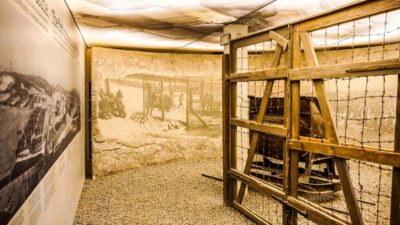
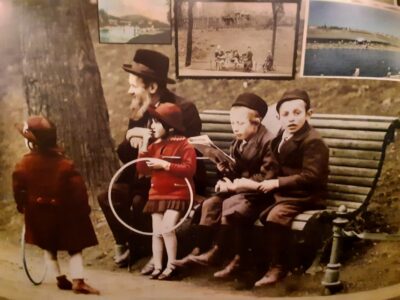
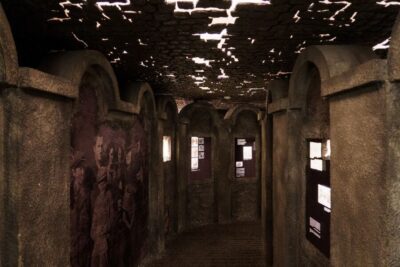
Instead, you enter the museum exhibition Kraków under Nazi Occupation 1939 to 1945. The display places Schindler’s actions within the larger story of German occupation. You see how daily life changed, how Jewish residents were isolated and forced into the ghetto, and how fear shaped even ordinary decisions.
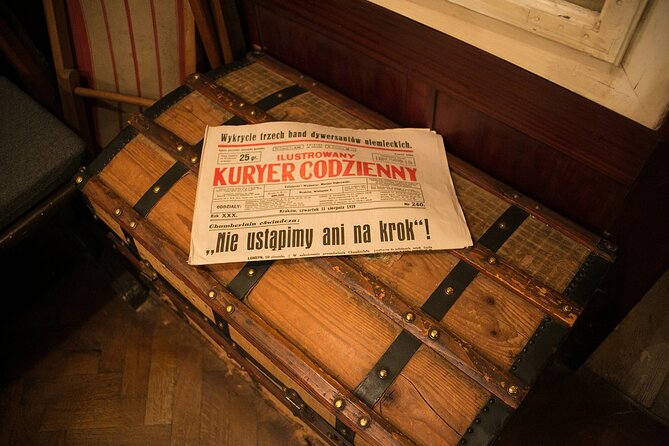
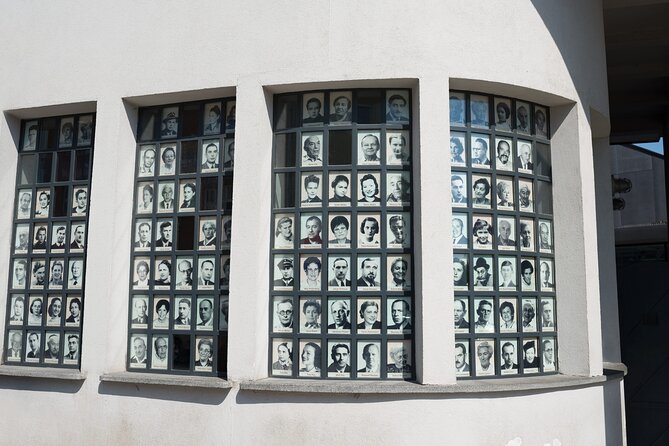
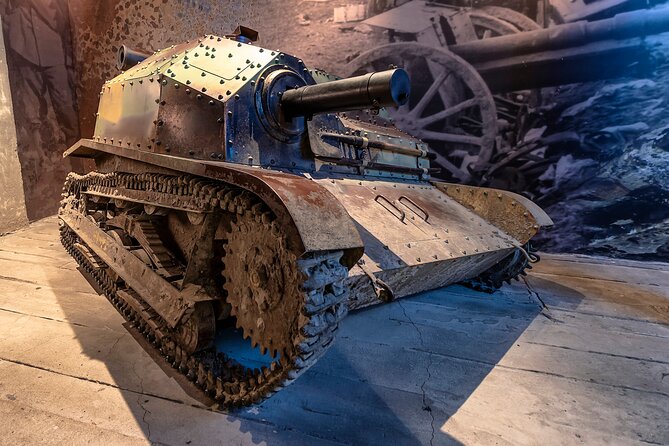
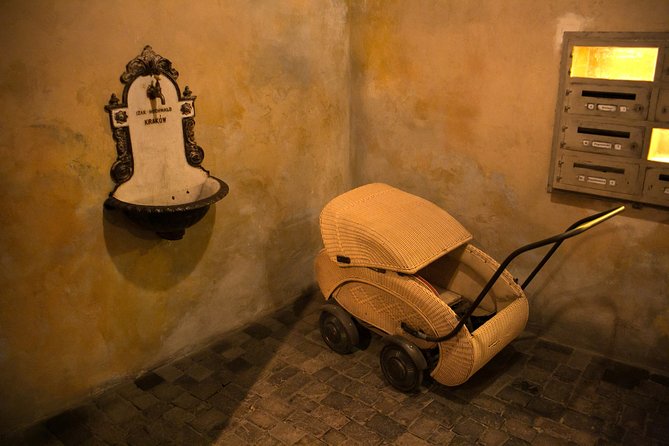
The exhibition uses reconstructed streets and rooms to create a sense of the period. Photographs and personal objects add human scale to events that can otherwise feel like a list of dates. Your guide points out the main elements and explains how they connect.
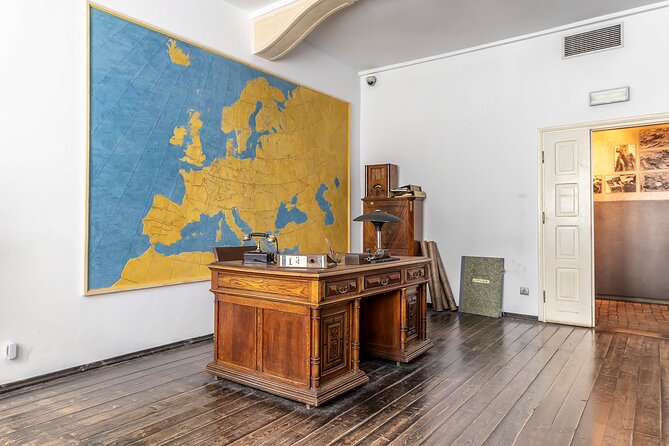
Schindler’s role is presented as a complicated human story. He used his factory, connections, money, and influence to employ Jewish workers and protect them from deportation. More than a thousand men and women survived because of his efforts, and the people he saved are often called Schindlerjuden.
You should not expect the entire museum to focus on Schindler. One visitor found the exhibition disappointing for that reason, expecting more about his early life, the factory, and the people he saved. That criticism is fair if your main goal is a biographical museum dedicated to Schindler.
I would frame it this way: you are visiting a museum about Kraków under Nazi occupation, located in Schindler’s former factory. Schindler is a powerful thread running through the exhibit, but not the whole subject.
The museum route takes about 90 minutes. Its narrow passageways and compact layout are designed to reflect the atmosphere of wartime Kraków, but they also create practical problems. A group of 25 can have trouble fitting around a display, especially when other groups are nearby.
Some guides provide headphones, which can make a big difference. Magdalena was praised for keeping the tour moving while sharing family stories and research. Phil was praised for speaking continuously and explaining the material with energy. Joanna and Alicja were also singled out for thoughtful, personal presentations.
Guide quality can vary from one departure to another, but the strongest part of this experience is clearly the human explanation. If you simply want to walk through the rooms at your own pace, a timed museum visit may suit you better. If you want help deciding what matters, the guided tour earns its cost.
From the museum to the former ghetto
After the museum, the tour shifts from indoor displays to the streets of Podgórze, the district where Kraków’s Jewish Ghetto was established during the occupation. This change in setting is one of the best reasons to choose the combined tour rather than visiting the museum alone.
The ghetto itself no longer exists as a sealed wartime district. Much of the present-day area has changed, and modern streets can make the past hard to picture. Your guide fills that gap with explanations and, in some cases, historic photographs held up at the locations where the original buildings once stood.
The walk takes about 70 minutes according to the scheduled stops, though the full experience may run longer. You will be outside in ordinary city streets, so comfortable footwear is important. The tour operates in all weather, and rain or cold can make the walking section less comfortable.
The remaining ghetto wall on Józefińska Street
The first outdoor stop is a surviving fragment of the Kraków Ghetto wall. It is a modest physical remnant, but it gives the abstract idea of confinement a clear shape. The wall marked separation, control, and the loss of freedom for the people forced inside.
The tour also pauses near Józefińska 41. This address once held an orphanage, welfare offices, and a hospital, all essential services in the ghetto. Those functions show how residents tried to maintain care and basic support under conditions created to isolate and destroy them.
There is not a long list of preserved buildings to inspect here. The value comes from the guide’s explanation and the connection between the surviving wall, the former institutions, and the broader district.
You may find this section less visually dramatic than the museum. That is also its strength. The tour asks you to picture a community through fragments rather than presenting a fully preserved historic quarter.
Other visits to Schindler's Factory:
- Krakow: Oskar Schindler’s Factory Entry Ticket & Guided Tour
★ 4.2 · 3,793 reviews - Krakow: Schindler’s Factory Tour with Entrance Ticket
★ 4.5 · 3,182 reviews - Krakow: Schindler’s Factory Skip-the-Line Ticket
★ 4.4 · 3,105 reviews - Krakow: Schindler’s Factory Tour with Entrance Ticket
★ 4.6 · 1,737 reviews
Ghetto Heroes Square and the Chair Memorial
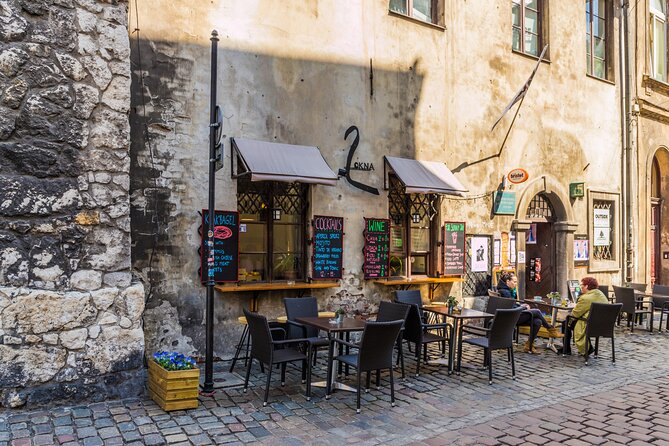
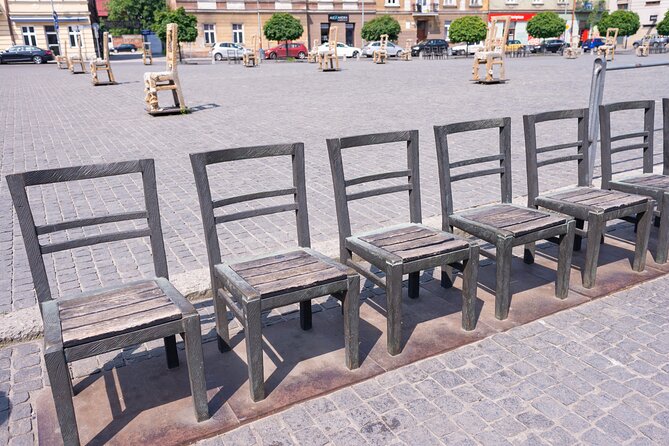
The route continues to Ghetto Heroes Square, now marked by the Chair Memorial. The chairs refer to the people and belongings removed from Jewish homes during deportations, and the open square gives the place a stark, uncluttered feeling.
Here, the guide explains how the square became a location for round-ups and deportations to concentration camps. The information can be difficult, but the stop helps connect the museum’s general account of occupation with a real public space where residents were gathered and transported.
I find this kind of stop more useful with a guide than alone. Without context, the chairs can seem like an unusual piece of public art. With the story, they become a reminder of forced removal, family separation, and the scale of loss.
The stop lasts about 20 minutes. Seating may be available nearby, which helps if you need a short rest after the museum and the first part of the walk.
Under the Eagle Pharmacy
The final stop is the Under the Eagle Pharmacy, at Plac Bohaterów Getta 18. During the occupation, pharmacist Tadeusz Pankiewicz and his staff risked their safety to help Jewish residents inside the ghetto.
The pharmacy offered medicine, shelter, and a measure of hope. Its story adds another form of resistance to the Schindler narrative. Schindler used a factory and his influence to protect workers, while Pankiewicz and his staff used a pharmacy and their daily access to people in danger.
The tour ends here, and admission to the pharmacy museum is not included. You can use the stop to decide if you want a separate visit inside. The location is also convenient for continuing through the district or returning by public transport.
Why the guide matters here
This tour works best when the guide treats the subject as human history rather than a string of facts. Alicja was praised for encouraging visitors to think about the people affected, not only the dates. That approach suits this experience, since the museum and ghetto sites can otherwise feel overwhelming.
Personal family stories can also make the material easier to grasp, as Magdalena demonstrated for one group. Historic photographs are especially useful outdoors, where the original ghetto buildings and boundaries are no longer easy to identify.
Headphones may be supplied for the museum portion. Still, you should arrive ready to stay close to the guide. One poor experience involved a guide speaking too quickly, a crowded museum, and a walking section where people became spread out along the streets.
Arrive at least 10 minutes early. Once the group has entered, late arrivals cannot be accommodated, and the ticket is not refundable. Museum tickets are personalized, so you must provide the full names of all participants when booking.
Timing, walking, and group size
The advertised duration is about three hours. The museum accounts for roughly 90 minutes, followed by about 30 minutes at the wall, 20 minutes at Ghetto Heroes Square, and 20 minutes at the pharmacy. The timetable can change because of museum or site scheduling, and one group found the full experience lasted about four hours.
The walking is manageable for most people, but it is not just a short transfer between attractions. You will spend time on city streets and should wear shoes suitable for walking. Check the forecast before you go because the tour runs in all weather.
The museum contains narrow passageways and an immersive layout intended to reflect wartime Kraków. That can make the experience feel intense, and it may be uncomfortable for anyone who dislikes tight spaces or crowded rooms.
The maximum group size is 25. That is not a tiny group, but it is smaller than many large city tours. Headphones can help you hear, though they cannot solve every problem when a display is surrounded by people.
Who should choose this Kraków tour?
I recommend this experience if you want the museum and the former ghetto sites explained as one connected story. It suits first-time visitors who do not want to research the occupation before arriving, families with older children who can handle difficult subject matter, and anyone interested in the human choices made under Nazi rule.
It is also a good choice if Schindler’s List sparked your interest but you want more than a film location visit. The tour explains the real people and places behind the story, while also making clear that the museum covers much more than Schindler himself.
You may prefer another option if you want a quiet, self-guided museum visit. The factory can be crowded, and the guide’s pace may not suit everyone. You should also choose a different activity if you expect original factory machinery or a museum devoted almost entirely to Schindler’s biography.
This is not a cheerful sightseeing break. The subject is deportation, forced labor, ghetto life, and mass murder. Give yourself time afterward rather than scheduling another demanding activity immediately.
Booking and cancellation details
The experience is offered in English, with all group tours conducted in one selected language. You receive confirmation at booking, and the meeting point is near public transportation.
You can cancel free of charge up to 24 hours before the start time for a full refund. Cancellations or changes made less than 24 hours before the tour are not accepted for a refund.
The final start time may not match your preferred request because museum scheduling can change. Bring the full names of everyone in your party, arrive early, and make sure your clothing and footwear suit the weather.
Should you book it?
Book this tour if you want context, personal stories, and a clear route through difficult places. The museum alone can feel dense, and the ghetto sites alone can feel fragmentary. Together, they form a stronger account of Kraków during the occupation.
I would not book it expecting a preserved factory tour or a complete Schindler biography. I would book it to understand how his actions fit into a much larger story, then walk through the places where Kraków’s Jewish community was confined and persecuted.
At $58.81, the price is reasonable for prearranged museum admission and several hours with a guide, especially if you value interpretation. The best guides, including Phil, Magdalena, Joanna, Alicja, and Agnieszka, have shown how much a thoughtful presentation can add. Just allow for crowds, narrow rooms, changing timing, and an emotional afternoon.
FAQ
How long does the Schindler’s Factory and Jewish Ghetto tour last?
The scheduled duration is approximately three hours. Times can change because of museum or site scheduling, and some departures may last closer to four hours.
What language is the tour offered in?
The tour is offered in English. Group tours are conducted in one language, so select your preferred language when booking.
Where does the tour begin?
The meeting point is Schindler’s former factory at Lipowa 4, 32-051 Kraków, Poland.
Where does the tour end?
The tour ends at Under the Eagle Pharmacy, Plac Bohaterów Getta 18, 33-332 Kraków, Poland.
Is admission to Schindler’s Factory Museum included?
Yes. Admission to Schindler’s Factory Museum is included in the tour price.
Is admission to Under the Eagle Pharmacy included?
No. The tour visits the pharmacy location, but admission to the museum inside is not included.
How large is the tour group?
Museum guidelines limit group tours to a maximum of 25 people.
What happens if I arrive late?
You should arrive at least 10 minutes before the start. Once the group has entered, late arrivals cannot be accommodated, and the tickets are non-refundable.
Can I cancel for a full refund?
Yes. You can cancel at least 24 hours before the experience begins for a full refund. Cancellations or changes made less than 24 hours before the start time are not accepted for a refund.
Other Jewish Quarter and Kazimierz walks
- Krakow: Jewish Quarter and Former Ghetto Tour
★ 4.9 · 1,441 reviews - Krakow: Bike Tour of Old Town, Jewish Quarter and the Ghetto
★ 4.9 · 1,155 reviews - Krakow: Kazimierz Jewish Quarter Walking Tour
★ 4.8 · 571 reviews - Krakow: Kazimierz, Schindler’s Factory & Ghetto Guided Tour
★ 4.8 · 460 reviews
Recently added in Krakow
- Auschwitz-Birkenau and Krakow Private Car Trip from Katowice★ 4.3 · 3 reviews
- Wawel Castle, Old Town with St. Mary’s Church Guided Tour★ 5.0 · 3 reviews
- Wawel Castle, Cathedral, Rynek Underground Tour with Lunch★ 5.0 · 3 reviews
- From Krakow: Chocholow Thermal Hot Springs (hotel pick up)★ 5.0 · 3 reviews
- Private tour to Zakopane and Thermal Baths from Krakow★ 5.0 · 3 reviews
- Legends of Cracow ROBOTIC SHOW★ 4.0 · 3 reviews
- From Krakow: Zakopane and Thermal Pools Guided Trip★ 5.0 · 3 reviews
- Guided Beer Tour in Krakow★ 4.5 · 3 reviews
Schindler's Factory Tours, compared.
Oskar Schindler’s Factory Entry Ticket & Guided Tour
Read our review →
Schindler’s Factory Tour with Entrance Ticket
Read our review →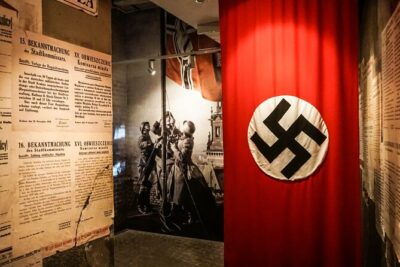
Schindler’s Factory in Krakow: Guided Tour & Skip the Line Ticket
Read our review →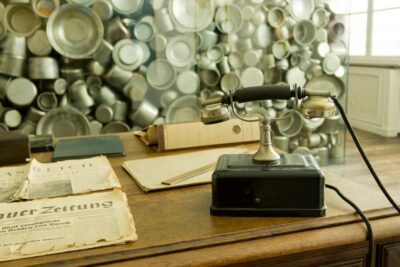
Schindler’s Factory Ticket with Guided Tour Option
Read our review →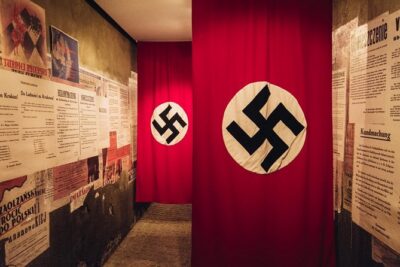
Krakow Schindler’s Factory Guided Tour with Admission Ticket
Read our review →
Krakow Schindler’s Factory Museum Guided Tour in English
Read our review →Where else this one turns up