
Reviewed · SCHINDLER'S FACTORY TOURS
Schindler’s Factory in Krakow: Guided Tour & Skip the Line Ticket
Oskar Schindler’s Factory Museum is less a shrine to one man than a carefully staged account of Krakow under Nazi occupation. You will see Schindler’s office and traces of the enamelware factory, but most of the visit follows the city’s wartime suffering, resistance, prisons, and postwar upheaval.
I like the timed entry, which helps you avoid the uncertainty of trying to find a same-day museum ticket. I also like the choice between entering independently and paying more for an English-speaking guide such as Natalia, Marta, Barbara, or Elizabeth. The main caution is simple: a 25-person group can feel crowded, and a rushed guide may leave you missing important details.
Key points to know before booking
- The museum is mainly about Krakow during World War II, not only Oskar Schindler.
- Schindler’s office and factory products are included, along with stories of some of the roughly 1,200 Jewish workers he employed.
- Timed admission helps with a difficult-to-secure museum ticket, especially during busy periods.
- A good guide adds essential context, but poor pacing or missing audio equipment can make the visit frustrating.
- Plan about 90 minutes, though some visits may run closer to two hours.
- Bring the full names and valid identification of every participant, since tickets are issued individually.
What the Schindler’s Factory Museum actually offers
The first thing to understand is the name. Oskar Schindler’s Enamel Factory sounds like a museum devoted to the German industrialist portrayed in Steven Spielberg’s Schindler’s List. In practice, Schindler is one part of a larger museum about Krakow from the years before the war through the Nazi and Soviet occupations.
That is not a flaw, but it can be a surprise. If you arrive expecting a room-by-room recreation of Schindler’s personal life, you may feel shortchanged. If you want to understand the setting in which his actions took place, the wider approach makes much more sense.
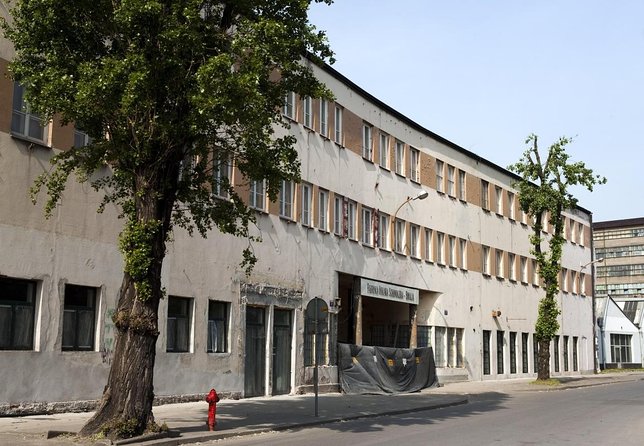
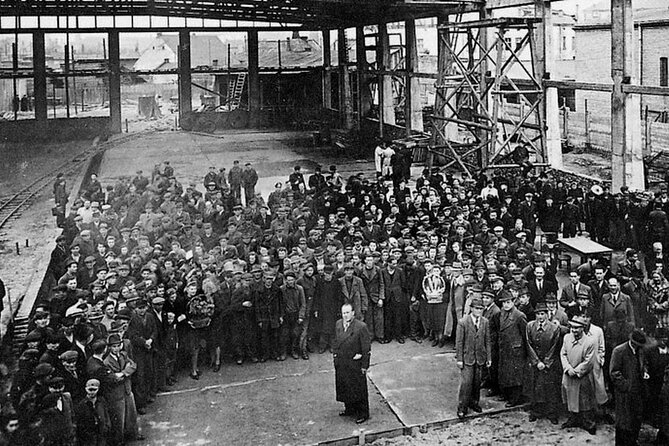
The museum is housed in the former factory at Lipowa 4 in central Krakow. The building matters because this is where Schindler employed Jewish workers during World War II. His factory produced pots, pans, tins, and other enamelware for the German army.
The displays explain how factory employment could protect Jewish workers from deportation to concentration camps. You also see examples of the products made there, visit Schindler’s office, and learn about the fates of people known as the Schindlerjuden, or Schindler’s Jews.
The museum does not present Schindler as a simple hero from a film. His story is tied to business, opportunism, changing loyalties, and the growing danger faced by his workforce. The factory setting gives that story weight, but the museum keeps returning to the people and city caught in the war.
Other visits to Schindler's Factory:
- Krakow: Oskar Schindler’s Factory Entry Ticket & Guided Tour
★ 4.2 · 3,793 reviews - Krakow: Schindler’s Factory Tour with Entrance Ticket
★ 4.5 · 3,182 reviews - Krakow: Schindler’s Factory Skip-the-Line Ticket
★ 4.4 · 3,105 reviews
Meeting at Lipowa 4 and getting inside
You make your own way to the museum. The meeting point is outside Oskar Schindler’s Enamel Factory, at Lipowa 4, 30-702 Krakow. The location is near public transportation, but you still need to allow time to find the correct entrance and the person handling your tour.
This is one place where careful preparation pays off. Guides are not always easy to spot, and some visitors have found the meeting point confusing when the representative did not have a clear flag, shirt, or sign. Look for the tour contact before the exact start time, and keep your phone available in case the operator sends directions.
The guided option begins with a short explanation of Schindler and the way Spielberg’s 1993 film brought his story to a worldwide audience. That introduction is useful because it separates the movie’s dramatic focus from the museum’s broader purpose.
If you choose the self-guided option, you can head inside with your timed ticket and follow the exhibition at your own pace. That may suit you if you like reading every panel, pausing at photographs, and moving slowly through emotionally difficult material.
The ticket is issued in the individual name supplied at booking. Bring a passport or identity card, since museum staff may ask for valid identification. It is a small detail, but forgetting it could turn a paid reservation into a stressful start.
The first rooms: Krakow before and during occupation
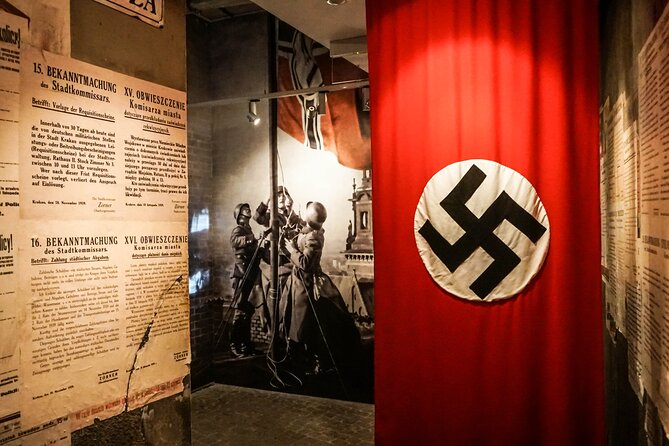
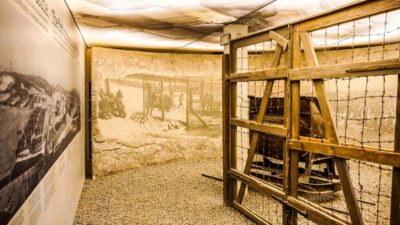
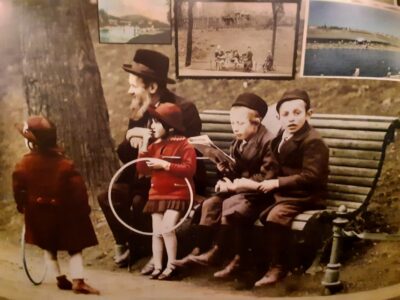
Inside, the museum builds its account through photographs, documents, objects, film, and radio recordings. The early rooms establish what Krakow was like before the war and then show how quickly daily life was reshaped by occupation.
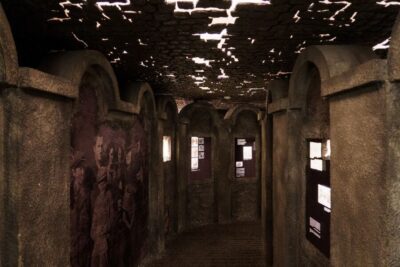
You move through recreated or strongly atmospheric spaces connected with cobbled streets, resistance activity, prisons, and official control. The exhibits use sound and visual material to show fear as part of ordinary life, not just as a backdrop to famous events.
This is where a guide can make a major difference. Names, dates, and political changes can blur together when you are reading alone. A strong guide explains what each room represents and points out how the exhibition moves from general city life to persecution and resistance.
Guides such as Natalia and Marta have been praised for presenting the material clearly and at a measured pace. Elizabeth has also been singled out for an engaging presentation, while Barbara is noted for adding useful context to the objects and rooms.
Still, the guide quality is not guaranteed. Some guides speak quickly, move ahead before the group catches up, or answer questions in a hurried way. Without headphones, you may miss much of the commentary if you are standing at the back.
For that reason, stay close to the guide and speak up early if you cannot hear. A group of 14 or so is far easier to follow than the full maximum of 25, particularly in narrow rooms.
Schindler’s office and the factory story

The Schindler section is the emotional center for many people. You see his office and learn how his Jewish employees made goods for the German war effort. Those products were practical, not glamorous, but factory work could mean the difference between remaining employed and being sent away.
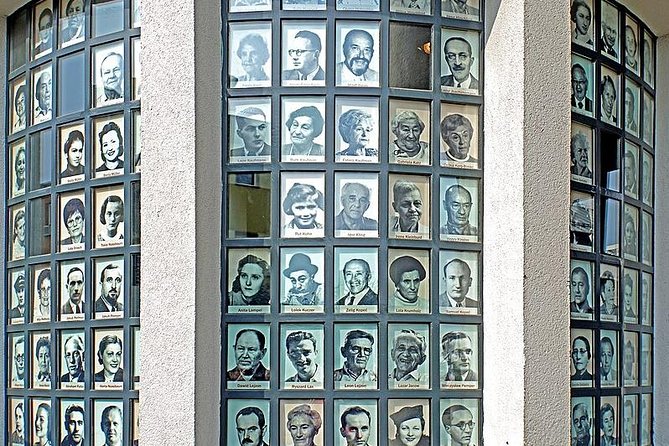
The museum also gives attention to the workers themselves. The approximately 1,200 people associated with Schindler’s protection were not a single anonymous group. Their lives and fates varied, and the exhibition helps move the focus away from Schindler alone.
You will see some of the enamelware produced at the site. These objects are valuable because they connect the large machinery of war to ordinary household items and factory labor. A pan or tin can look plain, yet here it carries the story of people trying to survive a system designed to destroy them.
The factory material is relatively limited compared with the full exhibition. This is the point most likely to disappoint someone booking specifically for a detailed Schindler biography. You are likely to spend more time learning about Krakow’s occupation than examining the factory’s manufacturing process.
I consider that a fair trade if you arrive prepared. The museum gives Schindler’s actions a setting, and that setting explains why factory employment mattered. But if your only interest is the man portrayed in the film, a self-guided visit may let you move quickly to the relevant rooms.
More skip the line tickets in Krakow:
- From Krakow: Wieliczka Salt Mine Tour & Skip the Line Ticket
★ 4.4 · 3,925 reviews - Auschwitz-Birkenau Skip-the-Line Guided Tour
★ 4.3 · 3,617 reviews - Auschwitz-Birkenau: Skip-the-Line Entry Ticket & Guided Tour
★ 4.4 · 3,052 reviews - Auschwitz-Birkenau Skip-the-Line Ticket and Guided Tour
★ 4.4 · 1,241 reviews
Why the Krakow occupation displays matter
The museum’s wider account shows how occupation reached into streets, homes, workplaces, and personal relationships. Photographs of Krakow, original recordings, resistance material, and prison references create a picture of a city living under pressure.
The use of sound is especially effective. Film and radio recordings offer more than dates on a wall. They suggest how propaganda, fear, and official announcements entered everyday life.
You should not expect a light sightseeing stop. The subject matter includes persecution, imprisonment, deportation, and death. Give yourself enough mental space to absorb it. Rushing through because another attraction is scheduled immediately afterward would undercut much of the museum’s value.
A guide can also help you understand the sequence. Several rooms represent stages in the city’s wartime experience, and the exhibition is easier to follow when someone explains the connection between them. A good guide turns separate photographs and objects into a clear account.
The downside is pace. Even a competent guide has to keep a group moving through a popular museum. One hour and 30 minutes is enough for an overview, but it is not enough to read every caption or study every photograph.
Some descriptions of the visit allow closer to two hours, and the exact timing can vary. If you want to absorb every display, plan additional time in Krakow and ask whether you can remain inside after the guided portion. The tour itself ends outside the building, with directions back toward the city center or your hotel.
Guided or self-guided: which option is better?
The guided option is best if you want a clear route and historical explanation without doing preparation beforehand. You can ask questions, learn why each room matters, and avoid spending the first 15 minutes trying to understand the exhibition’s structure.
A strong guide may also add personal or family context. One particularly effective style is to connect the museum’s facts with lived experience, making the material feel less distant and abstract.
The self-guided choice is better for a reader who wants control. You can pause at the photographs, read documents carefully, and spend more time in the factory rooms. You also avoid the risk of a guide who talks too fast or treats the exhibition as a race.
The important point is that the skip-the-line ticket and the guiding service are separate values. The timed ticket solves an access problem. The guide solves a context problem, but only if the person leading the group is clear, organized, and easy to hear.
Some groups receive audio equipment, while others do not. Without headphones, your position in the group matters. If you have hearing difficulties or simply want every explanation, ask at the start how the guide will make sure everyone can listen.
The maximum group size is 25. That is manageable in a normal walking tour, but less comfortable in compact museum rooms. A smaller group can make a noticeable difference, especially when you want to ask questions or view a display without being pushed along.
Price and value at $35.70
At $35.70 per person, this is not the cheapest way to enter the museum. The price includes admission, and the guided choice includes a professional guide. Food and drinks are not included, though you do not need either during a visit of roughly 90 minutes.
The value depends on your priority. If obtaining a timed museum ticket is difficult, paying extra can be sensible. You are buying certainty, a chosen start time, and less risk of arriving in Krakow only to find that entry is unavailable.
If you already understand Krakow’s wartime story and prefer to read independently, the guided supplement may be harder to justify. The museum itself contains substantial information, and a self-guided visit gives you more time with it.
I would pay for the guide if this is your first serious look at the occupation of Krakow, particularly if you have limited time in the city. I would choose the ticket-only approach if I had several hours, enjoyed museum reading, and wanted to avoid group pacing.
The strong guide experiences make the higher price worthwhile. The poor ones do not. This is one of those tours where the service you receive matters nearly as much as the building you enter.
Timing, meeting-point advice, and practical details
The experience is offered in English. Confirmation is provided at booking, and the activity is suitable for most people. It ends back at the meeting point, so you can continue around the area or follow directions toward central Krakow.
Arrive early. This is not just a polite suggestion. The timed admission means late arrival can create a real problem, and several complaints involve confusion over where to wait or when the guide had arrived.
At the meeting point:
- Have your booking confirmation ready.
- Know the full names entered for every participant.
- Carry a passport or identity card.
- Look for the guide before the scheduled start.
- Stay close once the tour enters the museum.
- Ask immediately if you cannot hear the commentary.
The building has lifts, but some people may find the pace or narrow passages difficult. The tour involves moving through several rooms, and you may not have unlimited time at each display.
The museum is popular, so the skip-the-line arrangement has practical value. It does not mean you will have the galleries to yourself. Expect other groups and a busy start, especially at popular times.
Who will appreciate this visit most?
I recommend it to you if you want more than a film connection. The visit works best for people interested in how occupation affected a city, how Jewish workers survived through employment, and how museums use photographs, sound, and objects to explain difficult events.
It is also a good choice for a short Krakow stay. You can reserve a time, enter without hunting for a separate ticket, and receive a guided outline of a subject that would otherwise take considerable preparation.
Families with older children and teenagers may find the exhibition useful, though the serious subject matter calls for some discussion. The museum is not a casual attraction, and younger visitors may need help understanding what they are seeing.
Film fans should come, but with realistic expectations. You will find Schindler’s office, factory objects, and information about his Jewish workforce. You will not spend the entire visit retracing scenes from Schindler’s List.
Independent museum-goers may prefer the flexible ticket. You can read at your own pace and avoid the uneven quality that sometimes affects group tours.
Should you book Schindler’s Factory tour?
Book it if you want reliable timed entry plus a guided introduction to Krakow’s wartime experience. The museum is worth your time, and a strong guide can make the many rooms easier to understand.
Choose the self-guided option if your main interest is Schindler himself or if you prefer to linger over exhibits. Either way, go in knowing that the museum is primarily about Krakow during World War II, with Schindler’s factory forming one important thread.
The best practical choice is to reserve a time, arrive early, carry identification, and stay close to the guide. If your group is large or the guide rushes, the experience may feel compressed. If the guide is clear and attentive, the visit can become one of the most meaningful history stops in Krakow.
FAQ
Where does the tour begin?
The tour begins outside Oskar Schindler’s Enamel Factory at Lipowa 4, 30-702 Krakow, Poland.
What does the ticket include?
The ticket includes museum admission. A professional guide is included if you select the guided option. Food and drinks are not included.
Is the tour offered in English?
Yes. The experience is offered in English.
How long does the visit last?
The stated duration is approximately 1 hour and 30 minutes. Some descriptions of the museum visit allow closer to two hours, depending on the pace and option selected.
Is the museum mainly about Oskar Schindler?
No. The museum focuses more broadly on Krakow during World War II, including the city’s suffering under Nazi and Soviet occupation. It also includes Schindler’s office, factory products, and information about his Jewish workforce.
Do I need identification?
Yes. Tickets are issued in individual names, so you should provide each participant’s full name when booking and bring a valid passport or identity card.
Can I cancel or change the booking?
No. This experience is non-refundable and cannot be changed after booking.
Recently added in Krakow
- Auschwitz-Birkenau and Krakow Private Car Trip from Katowice★ 4.3 · 3 reviews
- Wawel Castle, Old Town with St. Mary’s Church Guided Tour★ 5.0 · 3 reviews
- Private tour to Zakopane and Thermal Baths from Krakow★ 5.0 · 3 reviews
- Wawel Castle, Cathedral, Rynek Underground Tour with Lunch★ 5.0 · 3 reviews
- From Krakow: Chocholow Thermal Hot Springs (hotel pick up)★ 5.0 · 3 reviews
- Legends of Cracow ROBOTIC SHOW★ 4.0 · 3 reviews
- From Krakow: Zakopane and Thermal Pools Guided Trip★ 5.0 · 3 reviews
- Guided Beer Tour in Krakow★ 4.5 · 3 reviews
Schindler's Factory Tours, compared.
Oskar Schindler’s Factory Entry Ticket & Guided Tour
Read our review →
Schindler’s Factory Tour with Entrance Ticket
Read our review →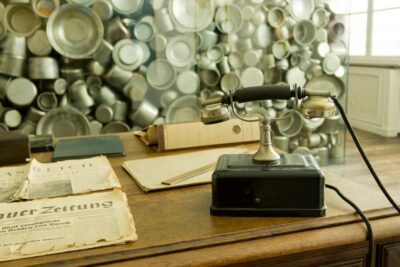
Schindler’s Factory Ticket with Guided Tour Option
Read our review →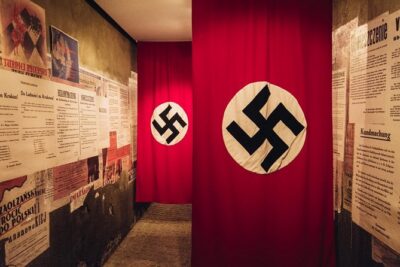
Krakow Schindler’s Factory Guided Tour with Admission Ticket
Read our review →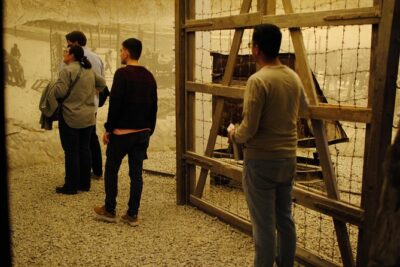
Krakow Schindler’s Factory Museum Guided Tour in English
Read our review →
Where else this one turns up