
Reviewed · SCHINDLER'S FACTORY TOURS
Krakow: Jewish Quarter Kazimierz & Schindler’s Factory & Ghetto Guided Tour
Krakow’s Jewish story makes the most sense when you follow it across the city, from Kazimierz’s synagogues and courtyards to the former ghetto and Schindler’s Factory. This five-hour walk links those places in the order that gives the history its greatest weight.
I like the way the tour combines street-level history with the museum’s carefully designed exhibits. I also like the skip-the-line museum entry and the chance to hear the city explained by guides such as Barbara, Helena, Phil, and Krzysztof, though your assigned guide will depend on the date.
The main caution is simple: this is a long, serious outing. Plan on roughly 10,000 steps, plenty of standing, a short break rather than a full meal, and a museum visit that can feel crowded or hurried when the group is large.
Key points at a glance
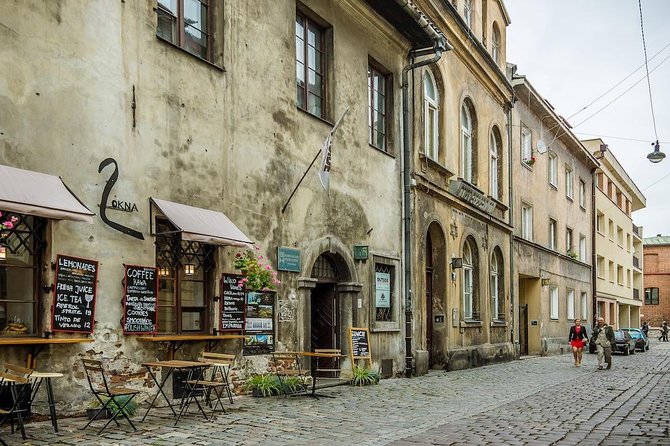
- Kazimierz begins the story: Walk through the former Jewish district, with its synagogues, prayer houses, streets, and courtyards.
- Schindler’s Factory is a war museum, not a factory tour: The exhibition focuses on Krakow under Nazi occupation and daily life during the war.
- The route ends in the former ghetto: See Ghetto Heroes Square, the Chair Memorial, the old ghetto wall, and Under the Eagle Pharmacy.
- Expect a full half-day on foot: The complete outing takes about five hours and may cover around 10,000 steps.
- The guide makes a major difference: The strongest part of the experience is the spoken context, photographs, stories, and explanations linking each site.
- Bring identification and arrive early: Museum entry requires the full names used at booking plus a passport or ID.
Why this route gives Krakow’s past a clear shape
You can visit Kazimierz, Schindler’s Factory, and Ghetto Heroes Square separately. You can also walk between them without help. What you miss on your own is the connection between the places.
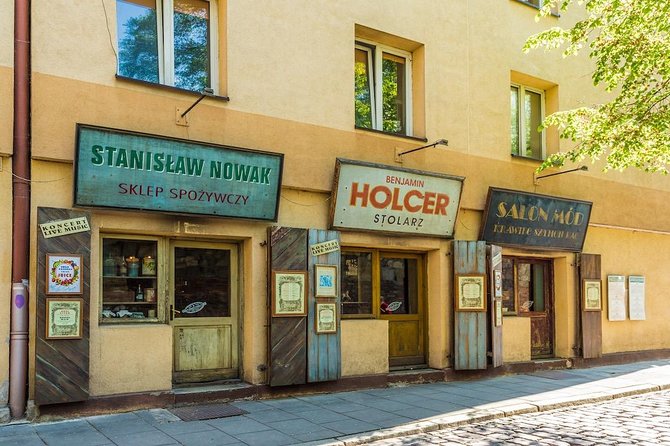
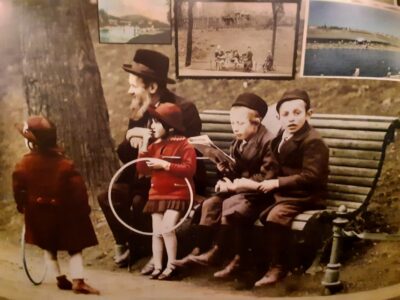
This route begins with Jewish life before the war, then moves into occupation and persecution, and ends in the former ghetto. That order matters. Kazimierz is not presented only as a fashionable district with cafés and restored buildings. You hear about the families, religious life, trade, study, and neighborhood customs that shaped the area before 1939.
The tour then shifts from ordinary life to Nazi rule. At the former factory, you see how the occupation changed Krakow and its residents. Finally, the walk reaches the ghetto, where the story becomes more immediate and painful.
I find this structure more useful than a single stop at Schindler’s Factory. The museum has plenty to absorb, but the streets before and after it help you understand the people and places behind the displays.
Other visits to Schindler's Factory:
- Krakow: Oskar Schindler’s Factory Entry Ticket & Guided Tour
★ 4.2 · 3,793 reviews - Krakow: Schindler’s Factory Tour with Entrance Ticket
★ 4.5 · 3,182 reviews - Krakow: Schindler’s Factory Skip-the-Line Ticket
★ 4.4 · 3,105 reviews
Kazimierz: two hours among synagogues and courtyards
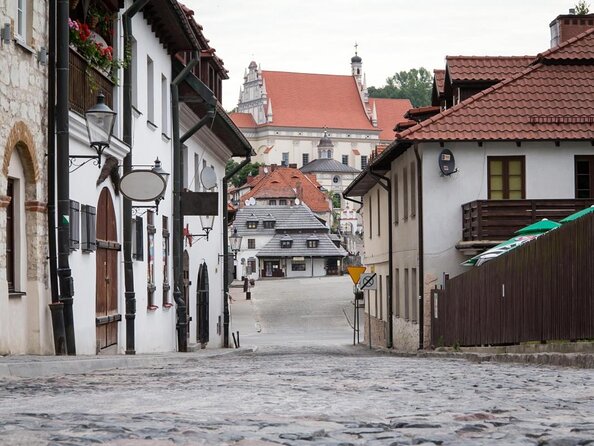
The meeting point is at Szeroka 24 in Kazimierz. This is a practical starting place, since Szeroka Street is one of the district’s central historic areas and puts you close to the former Jewish quarter’s main sights.
The first part lasts about two hours. Admission to the walking portion is included, and the focus is on the district rather than on entering every religious building. You walk narrow cobbled streets lined with old synagogues, prayer houses, townhouses, and small courtyards.
The guide’s role here is especially important. A building can look restored and attractive today while carrying a far more complicated story. You get explanations of how Jewish residents lived, worshiped, worked, and formed community life before the war.
This is also where good storytelling turns a sightseeing walk into something more personal. Guides have used old photographs and answered detailed questions about Jewish life in Krakow, helping you picture the district before its destruction and displacement.
The pace is usually manageable, but the walk involves standing outdoors and moving over uneven streets. On a hot day, shade and water matter. One guide, Barbara, was noted for making sure the group stayed comfortable in the shade, a useful reminder that weather can affect the experience.
If your booking offers an optional guided upgrade for Kazimierz, check exactly what you have selected. The full version of the tour is the best choice if you want the district explained rather than simply used as a route to the museum.
Walking to Schindler’s Factory
After Kazimierz, the route continues toward Oskar Schindler’s Enamel Factory. The walk helps connect the two sides of Krakow’s wartime story, though it also adds to the physical demand.
The complete outing has been described as roughly 10,000 steps. That estimate gives you a better idea of the day than the listed duration alone. You are not spending five hours inside museums. Much of the time is outdoors, with periods of standing while the guide speaks.
There is normally a short break in the middle, around 30 minutes according to the tour details shared by past participants. Do not assume this is a leisurely restaurant stop. Bring water and a packed snack or lunch, especially if you need regular food or are traveling with an older companion.
The route is easy to reach from Krakow’s Old Town on foot, and the starting and ending points are near public transportation. Still, I would not schedule a demanding attraction immediately afterward. The emotional weight of the subject, combined with the walking, can leave you ready for a quiet evening.
Schindler’s Factory: what you actually see inside
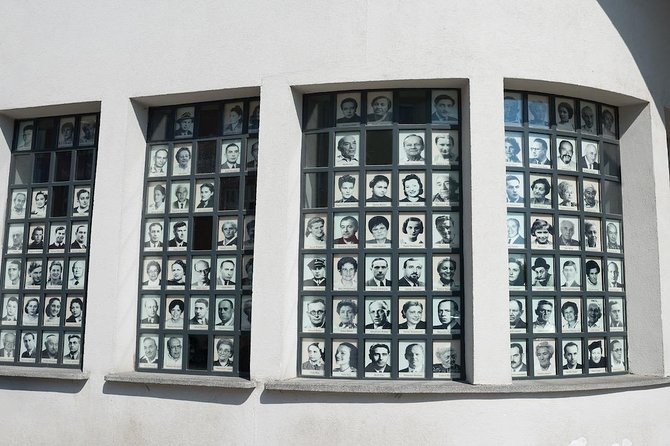
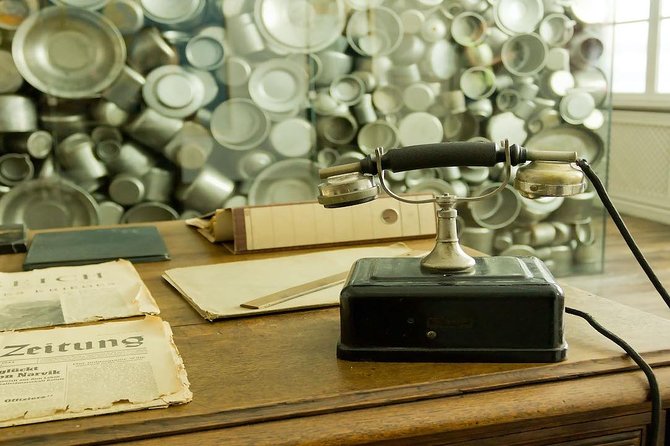
The museum occupies the building that once housed Schindler’s enamel factory, but this is not a display of original industrial machinery. You are visiting a museum with a permanent exhibition called Krakow under Nazi Occupation 1939 to 1945.
That distinction matters. If you expect vats, machines, and a detailed account of enamel production, you may be surprised. The museum instead tells the story of occupation, focusing on the daily experience of Jewish and non-Jewish residents in Krakow.
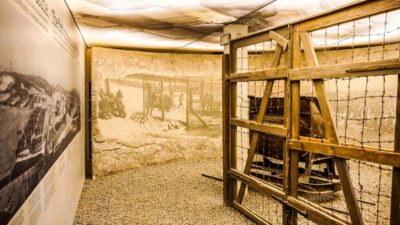
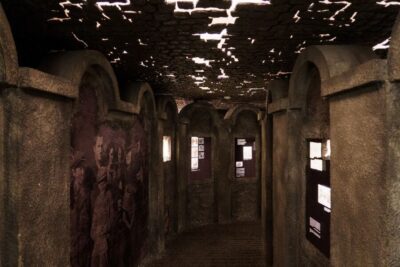
The galleries use original objects, photographs, reconstructions, and sound or visual design to create a tight wartime atmosphere. Narrow corridors and dim rooms can make you feel physically confined. This design is deliberate, but it also means the visit can feel intense.
A guide can help you read the museum beyond its labels. The strongest guides explain why the rooms are arranged as they are, point out details you might otherwise miss, and connect the objects to the streets you have just walked through. Phil, Barbara, Helena, Dominika, Joanne, Magdalena, and Krzysztof are among the guides praised for clear explanations, strong storytelling, and the ability to handle questions.
The museum portion lasts about 90 minutes. That is enough time to gain a firm grasp of the exhibition, but it may not allow for a slow look at every object. The museum can be busy, and this is the biggest weakness of the guided format.
One reported issue involved a museum group of more than 20 people. In tight rooms, not everyone could see what the guide was pointing out. Another person found the museum visit rushed and wished they had explored it alone. These are fair concerns. The skip-the-line entry saves time, but it does not guarantee a quiet museum or a small group inside.
The overall group limit is 25 people. The walking sections may feel smaller, while the museum section can be fuller. If you prefer to read every panel at your own speed, a self-guided museum visit may suit you better. If you want help understanding the exhibition and its design, the guide adds real value.
Other Jewish Quarter and Kazimierz walks:
- Krakow: Jewish Quarter and Former Ghetto Tour
★ 4.9 · 1,441 reviews - Krakow: Bike Tour of Old Town, Jewish Quarter and the Ghetto
★ 4.9 · 1,155 reviews - Krakow: Kazimierz Jewish Quarter Walking Tour
★ 4.8 · 571 reviews - Krakow: Kazimierz, Schindler’s Factory & Ghetto Guided Tour
★ 4.8 · 460 reviews
Ghetto Heroes Square and Under the Eagle Pharmacy
The final part takes you through Plac Bohaterów Getta, or Ghetto Heroes Square. This was a site of mass deportations from the Krakow Ghetto. Today, the square is marked by the Chair Memorial, a row of empty chairs that recalls the people forced from their homes and the belongings left behind.
The memorial is direct and difficult to misunderstand. It is not a grand monument that asks you to admire it from a distance. The empty chairs make absence the central image.
Nearby, you see sections of the original ghetto wall. These remnants are easy to overlook without a guide, yet they help you understand that the ghetto was a controlled, enclosed place rather than simply another neighborhood.
The tour ends at Under the Eagle Pharmacy, at Plac Bohaterów Getta 18. The pharmacy is linked to Tadeusz Pankiewicz, who risked his life to provide medicine, shelter, and support to people inside the ghetto.
This final stop gives the route a human focus. After the large political forces described at the museum, you hear about practical acts of courage and care. The subject remains somber, but the story is not reduced to dates and military events.
The official end point is different from the start, so you should be prepared to make your own way afterward. The location is near public transportation, and it is also possible to walk back toward the Old Town, though you may prefer a tram or taxi after five hours on your feet.
The guide is the heart of the experience
The physical sights are important, but the guide determines how much you take away. The best guides on this route do more than recite dates. They explain the growth of Krakow’s Jewish population, the changes brought by the German invasion, the creation of the ghetto, and the deportations that followed.
Krzysztof was praised for turning the subject into a series of memorable stories, even for someone with little interest in history. Helena was especially effective at tracing the story from the old Jewish district through the ghetto and onward to the extermination camps. Magdalena was described as well prepared, clear in English, and able to give the period a vivid human context.
You cannot request a particular guide based on the information provided, so treat those names as examples of the standard you may encounter rather than a promise. The tour is conducted in one language only, and English is the available option here.
The guide also helps with the practical side of a long walk. One guide adjusted the pace for an older member of a group, while another took care to find shade during hot weather. Those details matter more than polished speeches when you are outdoors for hours.
Price, timing, and comfort
At $83.27 per person, this is not the cheapest way to see Kazimierz or the ghetto. You could walk through much of the area without paying for admission. The price is easier to justify if you value the museum entry, a reserved time, a guide through the exhibition, and a connected explanation of the district and ghetto.
The most valuable part is not simply skipping a ticket queue. It is the interpretation. Without a guide, the museum and memorials can feel like separate stops. With a good guide, they form one historical route.
The tour is offered in English and takes about five hours. Wear comfortable shoes with good grip, dress for the forecast, and bring water. The outing runs in rain or shine, so do not rely on perfect weather.
You must provide the full names of everyone in your booking. Bring a passport or other accepted ID to Schindler’s Factory, since personalized tickets are used and entry can be refused without the required documents.
Arrive at least 10 minutes early at Szeroka 24. If the group leaves without you, late entry and refunds are not available. From January 1, 2026, the selected start time may shift because of the museum’s scheduling, so allow flexibility in your Krakow plans.
Free cancellation is available up to 24 hours before the start time. Changes or cancellations inside that window are not accepted.
Who should book this Krakow history tour?
I would choose this tour if you want a guided introduction to Krakow’s Jewish past and the Nazi occupation in one well-organized half-day. It suits first-time visitors who want context before exploring the city on their own.
It is also a good fit if you are interested in Schindler’s story but want more than a biographical account. The museum places his actions within the wider experience of Krakow’s residents, which gives the visit a broader purpose.
You should think twice if you dislike group touring, standing, or emotionally heavy subjects. The museum may feel crowded, and the full walk is long. If your priority is quiet reflection and close reading of every exhibit, book the museum separately if that option works with your schedule.
For most people, I would select the complete three-part tour rather than only one section. The Kazimierz walk gives you the prewar setting, the museum explains occupation, and the ghetto walk brings the story to its most painful locations. Leaving out one section weakens the connection between the others.
Should you book it?
Book this tour if you want Krakow’s Jewish quarter, Schindler’s Factory, and the former ghetto explained as one story. The value lies in the guide’s context, the reserved museum entry, and the route’s clear progression from community life to persecution and remembrance.
Skip it, or choose a private and slower arrangement, if you need complete control over timing or find crowded museums frustrating. For everyone else, bring water, food, proper shoes, and your ID. This is a serious five-hour lesson in Krakow’s past, and a strong guide can make it both understandable and unforgettable.
FAQ
How long does the tour last?
The experience takes approximately five hours, including the walking portions, the museum visit, and a short break.
Where does the tour begin?
The tour begins at Szeroka 24 in Krakow’s Kazimierz district.
Where does the tour end?
It ends at Under the Eagle Pharmacy, Plac Bohaterów Getta 18.
Is the tour offered in English?
Yes. This option is offered in English, and group tours operate in one language only.
Do I need to bring identification?
Yes. You must bring a passport or ID for entry to Schindler’s Factory. You also need to provide the full names of all participants when booking.
Is the museum entry included?
Yes. Admission to Schindler’s Factory is included, and the tour provides reserved entry rather than requiring you to wait in the regular ticket line.
What happens if I arrive late?
You should arrive 10 minutes before the start time. Once the group has left, latecomers cannot join and the tickets cannot be refunded.
Recently added in Krakow
- Auschwitz-Birkenau and Krakow Private Car Trip from Katowice★ 4.3 · 3 reviews
- Wawel Castle, Old Town with St. Mary’s Church Guided Tour★ 5.0 · 3 reviews
- From Krakow: Chocholow Thermal Hot Springs (hotel pick up)★ 5.0 · 3 reviews
- Private tour to Zakopane and Thermal Baths from Krakow★ 5.0 · 3 reviews
- Wawel Castle, Cathedral, Rynek Underground Tour with Lunch★ 5.0 · 3 reviews
- Legends of Cracow ROBOTIC SHOW★ 4.0 · 3 reviews
- From Krakow: Zakopane and Thermal Pools Guided Trip★ 5.0 · 3 reviews
- Guided Beer Tour in Krakow★ 4.5 · 3 reviews
Schindler's Factory Tours, compared.
Oskar Schindler’s Factory Entry Ticket & Guided Tour
Read our review →
Schindler’s Factory Tour with Entrance Ticket
Read our review →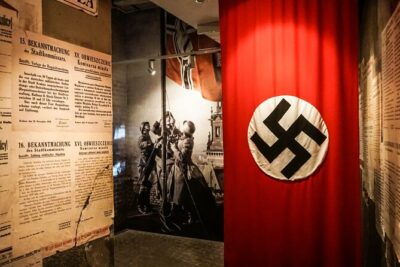
Schindler’s Factory in Krakow: Guided Tour & Skip the Line Ticket
Read our review →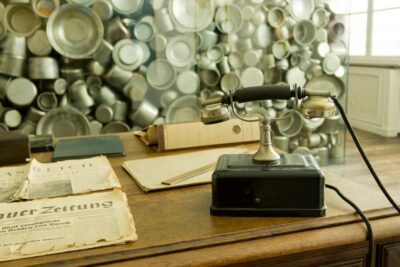
Schindler’s Factory Ticket with Guided Tour Option
Read our review →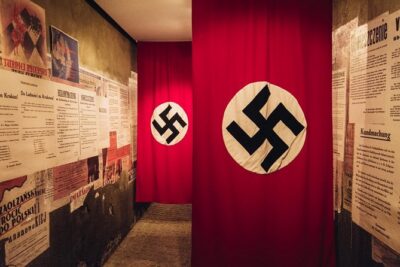
Krakow Schindler’s Factory Guided Tour with Admission Ticket
Read our review →
Krakow Schindler’s Factory Museum Guided Tour in English
Read our review →Where else this one turns up