
Reviewed · WARSAW TOURS
Warsaw: WWII Private Tour by Retro Minibus with Hotel Pickup
Warsaw’s wartime story is easiest to grasp when you move between the places where it happened. This three-hour private tour uses a retro communist-era Żuk minibus to connect the former Jewish Ghetto, ruined tenements, Soviet memorials, and sites tied to both the 1943 Ghetto Uprising and the 1944 Warsaw Uprising.
I like the use of archival photographs, which lets you compare a quiet modern street with the same place during the occupation. I also like the small private format, with up to eight people in a minibus and guides such as Konrad, Lucas, and Adam praised for clear storytelling and an easy way with people. The main consideration is comfort: the vintage vehicles may lack air conditioning and, in some cases, seat belts, and hotel transfers count toward the three-hour tour.
Key points to know before booking
- Wartime Warsaw in one focused route: Cover Nazi occupation, the Jewish Ghetto, both uprisings, Soviet repression, and the city’s postwar destruction.
- A preserved Ghetto Wall fragment: See one of the few remaining physical traces of the sealed Jewish district.
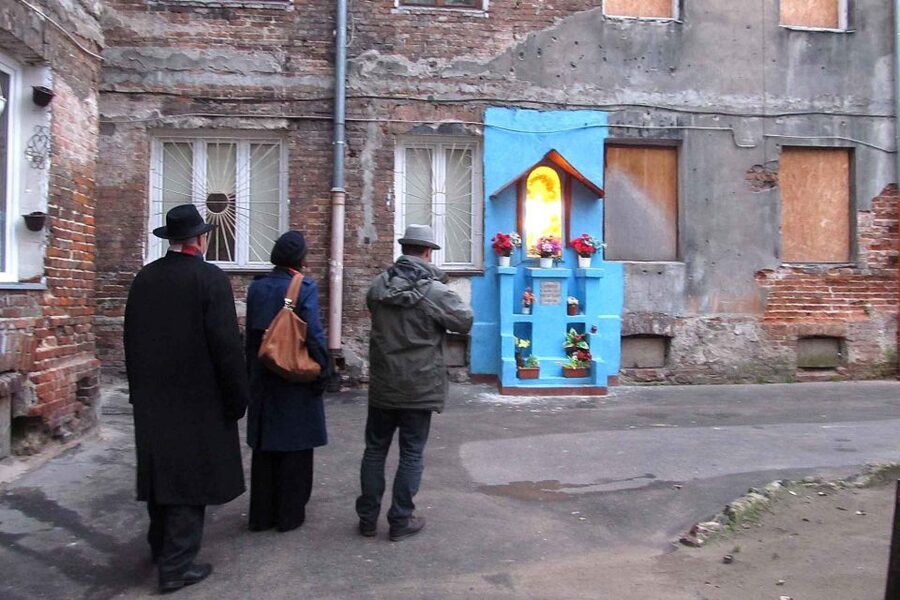
- Waliców Street and Muranów: Visit a deliberately unrestored ruined tenement and a district built over the rubble of the destroyed Ghetto.
- Archival photographs at the stops: Use old images to understand how today’s streets looked during the war.
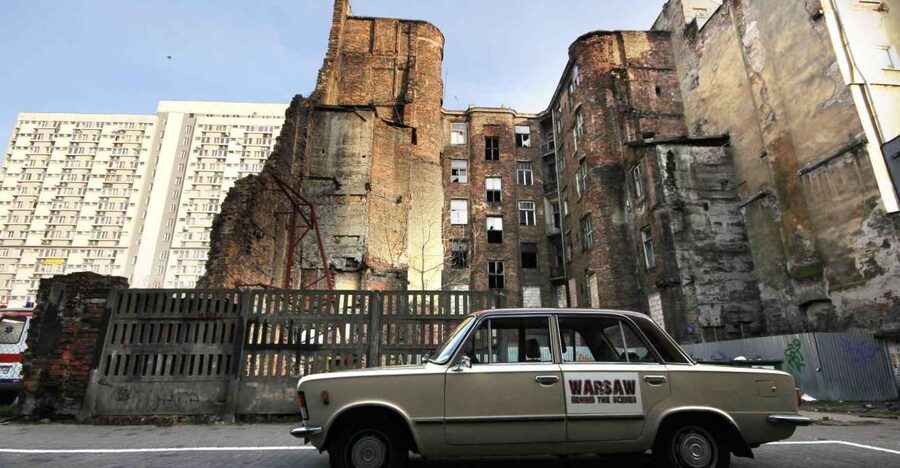
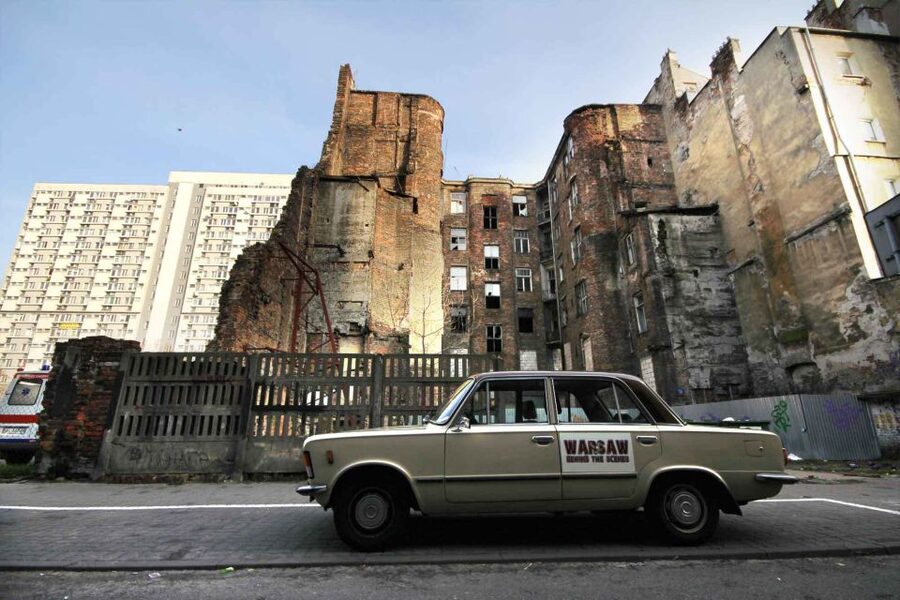
- A real retro Żuk minibus: Travel between sites in a vehicle from Poland’s communist era, with walking sections at each stop.
- A private group with hotel pickup: Pickup and drop-off are included within three kilometres of central Warsaw, but the ride to and from a distant hotel uses tour time.
Why this tour gives Warsaw’s war story a clear shape
Warsaw’s Second World War story is not a single chapter. It begins with the international crisis before 1939, moves through the German invasion and the Soviet occupation of eastern Poland, then follows daily life under Nazi rule, Jewish persecution, armed resistance, the 1944 uprising, and the destruction of the city.
That range is the main reason to choose this tour. A standard city sightseeing route may show you a monument or museum, but this experience links several difficult subjects together. You learn not only what happened, but how one event led to another.
Your English-speaking guide provides the historical thread while the minibus carries you between areas that are spread across Warsaw. The vehicle is mainly used for transfers, so this is not a ride where you sit inside for three hours. Expect short walks and outdoor stops. Comfortable shoes matter.
The private format is useful here. You can ask about details that interest you, pause over a photograph, or request clarification when the history becomes complicated. Each minibus carries up to eight people, and the operator has a fleet of five vehicles. That keeps the group small without making the tour dependent on one large coach.
A few more Warsaw half days to consider
- Warsaw: Chopin Concert in the Old Town
★ 4.8 · 2,287 reviews - Warsaw: Traditional Galar Cruise on The Vistula River
★ 4.6 · 1,640 reviews - Warsaw: Old Town Highlights Walking Tour in English
★ 4.7 · 1,516 reviews
Starting with the invasion and life under occupation
The tour begins by setting the political scene before 1939. That opening matters because Poland was caught between two hostile powers. Germany invaded from the west, while the Soviet Union occupied eastern Polish territories. The guide explains how those two occupations affected Polish citizens in different but equally brutal ways.
You will hear about daily life in Warsaw under German rule and the growth of one of Europe’s largest resistance movements. The goal is not to race through military dates. Instead, the tour connects public events with the people living through them: restrictions, fear, forced separation, resistance, and the steady destruction of normal life.
This introduction also gives the later stops more meaning. Once you understand the occupation, the Ghetto Wall is not just an old fragment of masonry. The ruined buildings are not simply atmospheric backdrops. They become evidence of deliberate persecution and destruction.
The use of archival photographs is especially helpful during this part of the route. Modern Warsaw was largely rebuilt, so it can be hard to picture the wartime city. An old photograph placed against the current street scene helps you see what has disappeared.
The former Jewish Ghetto and the Wall fragment
Before the war, around 300,000 Jewish people lived in Warsaw. In 1940, Nazi authorities created the Warsaw Ghetto and forced hundreds of thousands of people into severely overcrowded, unsanitary conditions.
A preserved fragment of the former Ghetto Wall is one of the tour’s most important stops. It is a modest physical remnant, but that is part of its power. So much of the original district was destroyed or rebuilt that small surviving pieces can carry great weight.
Your guide explains how the Ghetto was sealed and how its residents were cut off from the rest of the city. The stop works best if you take time to look closely and let the scale of the history register. This is not a grand monument designed to impress from a distance. It is a surviving piece of the barrier that controlled where people could live and move.
The subject matter is painful, and the tour does not treat it as a quick photo stop. That makes the experience more suitable for adults and older teenagers than for young children. The activity is not recommended for children under 15.
Waliców Street and the missing bridge over Chłodna
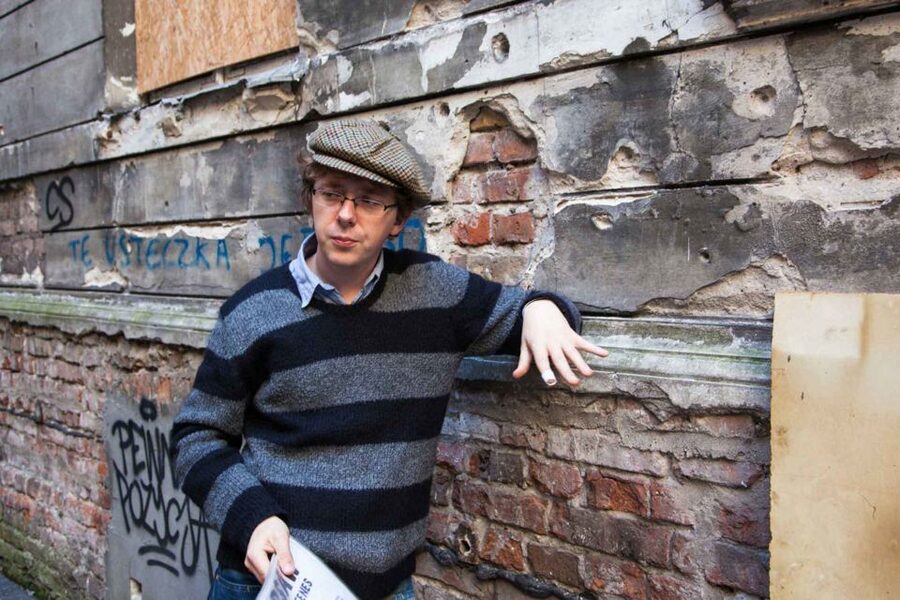
At Waliców Street, you see one of the last ruined tenement houses intentionally left unrestored. In a city rebuilt after near-total destruction, an unrepaired building offers a rare direct look at wartime damage.
The value of this stop is visual. Museums can explain destruction, but a damaged structure lets you confront it at street level. The building also helps show how much of Warsaw was lost, rather than allowing the rebuilt city to give the impression that the old streets survived intact.
The tour also covers the famous wooden bridge over Chłodna Street. The bridge once connected two sealed sections of the Ghetto while passing high above ordinary street traffic. It became one of the best-known images of the divided district.
The bridge itself is no longer there, so the archival photographs do important work. You can compare the picture of the elevated walkway with the modern street and imagine how the Ghetto was physically divided. This is a good example of why the tour is more than a list of surviving ruins. Some of the most important places are now marked only by images, explanation, and memory.
A different kind of day in Warsaw:
- Warsaw Concert: Chopin – Painted by Candlelights with Wine
★ 4.8 · 1,442 reviews - Warsaw: City Sightseeing Hop-On Hop-Off Bus Tour
★ 3.6 · 1,415 reviews - Warsaw: POLIN Museum of the History of Polish Jews Ticket
★ 4.7 · 1,142 reviews - #1 Pub Crawl Warsaw with Optional Premium 1 Hour Open Bar
★ 5.0 · 790 reviews
Muranów, built over the rubble
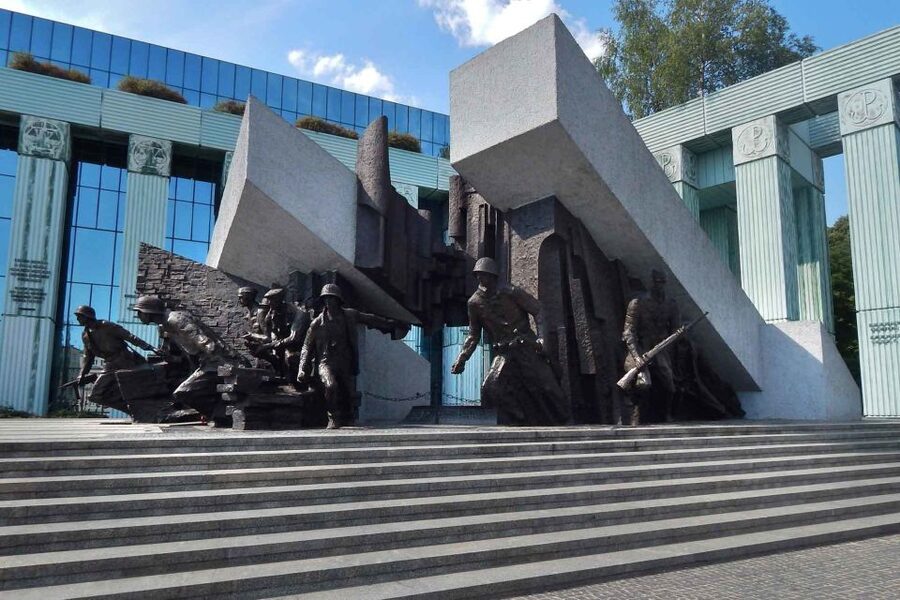
The route continues into Muranów, a district constructed on the rubble left by the destroyed Ghetto. That fact changes how you read the neighborhood. The streets may look ordinary, but the ground beneath them carries the remains of the wartime district.
Near the Monument to the Ghetto Heroes and the POLIN Museum of the History of Polish Jews, you learn about the first armed clashes of the 1943 Ghetto Uprising. The monument area now serves as a place of remembrance and dialogue, but its location is tied directly to the people who fought back under impossible conditions.
This part of the tour helps separate two stories that are sometimes blurred together: the destruction of the Jewish community and the armed uprising that followed. The guide explains the setting and the significance of the area rather than presenting the monument as an isolated landmark.
The POLIN Museum is not listed as an included interior visit, so do not book this tour expecting a museum admission or a long indoor museum session. The experience uses the area around the museum as part of the outdoor historical route. If you want the full museum exhibition as well, plan a separate visit.
Soviet repression and the Katyń memorial
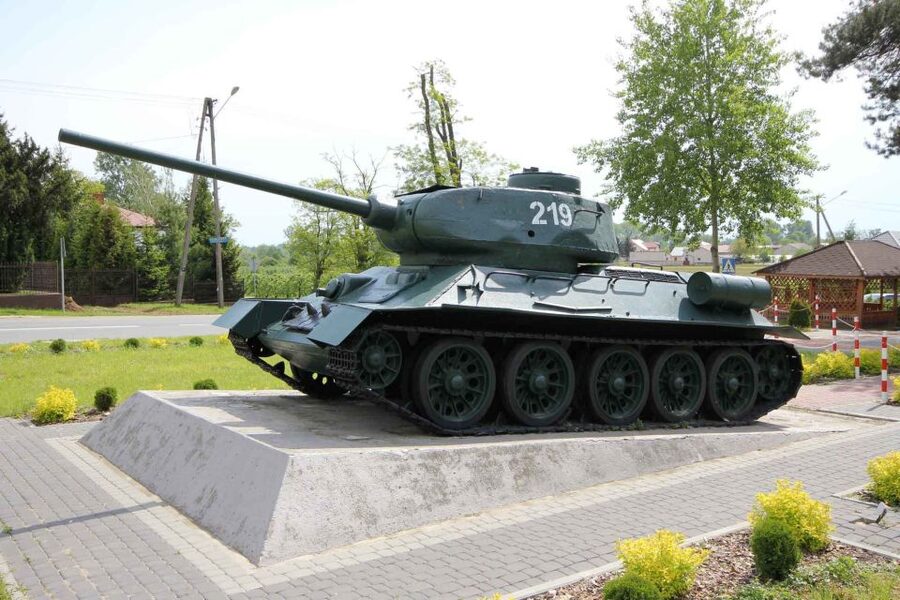
Warsaw’s wartime story did not end with Nazi Germany. The tour also addresses Soviet crimes against Polish citizens, including mass deportations to Siberia and the Katyń massacres.
At the Monument to the Fallen and Murdered in the East, the guide explains this lesser-known part of the history. The memorial shifts the focus from Nazi occupation to Soviet repression and reminds you that Poland’s suffering came from both sides during the war years.
This stop is valuable because it prevents a simplified story in which liberation in 1945 immediately brought freedom. The arrival of the Red Army ended German control, but it also began a new political era for Poland. The tour gives you the context needed to understand that transition.
For many people, this will be the part of the route they know least about. Listen closely here, since the names, places, and sequence of events can be difficult to absorb in a short tour. The guide’s role is important, and the strongest feedback about the experience centers on guides who can explain large events in a human way.
The 1944 Warsaw Uprising and the city’s destruction
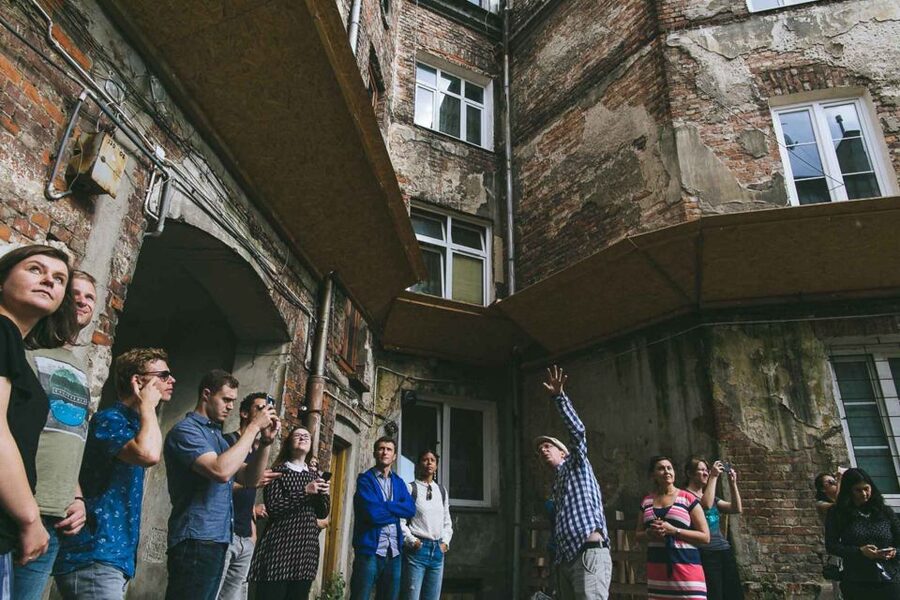
The final major chapter covers the Warsaw Uprising of 1944. This was the city’s last attempt to regain independence before the Soviet army arrived.
The guide explains why the uprising began, how it ended, and what followed. After the defeat, Nazi forces deliberately destroyed much of Warsaw. The Soviet army entered the ruins in January 1945, opening a new political period rather than restoring the prewar order.
This section brings the earlier subjects together. You have seen the Jewish Ghetto and learned about the 1943 uprising. You have considered Soviet repression. Now you see how the 1944 uprising became another turning point in the city’s destruction and political future.
Do not expect every location connected with the Warsaw Uprising to be visited in depth. The tour lasts three hours and covers several chapters of history. Its strength is the broad connection between places, not a detailed examination of one single battle or museum collection.
What the retro Żuk adds to the experience
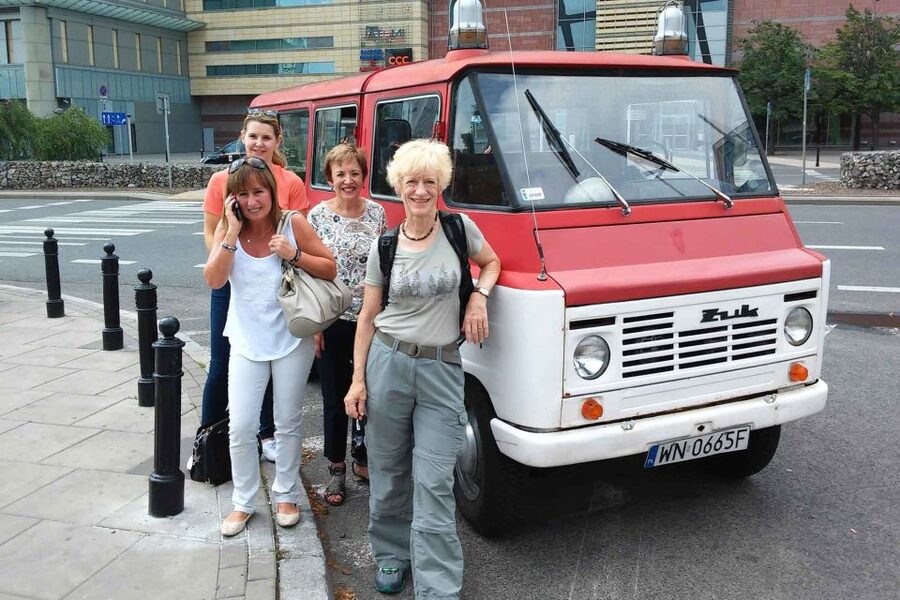
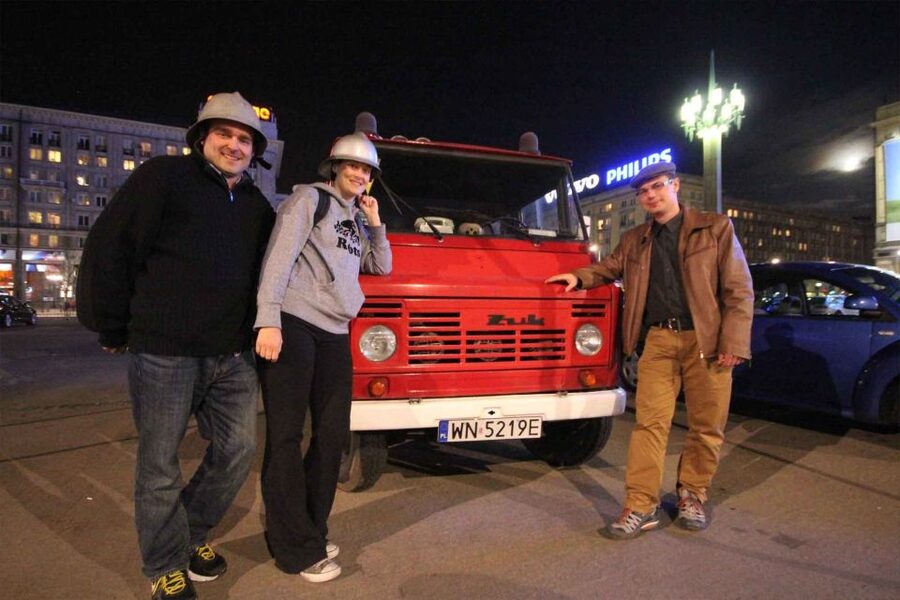
The classic Żuk minibus is more than a novelty, but it is also not a luxury vehicle. It adds a period feel and gives the tour a distinctly Polish character. You are riding in a vehicle associated with the communist era while learning how the country moved from wartime destruction into Soviet political control.
The minibus also makes the route practical. Warsaw’s wartime sites are spread across several districts, and private transport lets you cover more ground than you could comfortably manage on foot in three hours.
There are tradeoffs. The vehicles are vintage models, not modern touring vans. Some do not have air conditioning, and some lack seat belts, which is permitted for historic vehicles. Heating is available in winter, but summer passengers should dress for the weather and not expect a cool, sealed cabin.
Each vehicle holds up to eight people. That is a good size for conversation, though the exact feel depends on how full your minibus is. Since the vans are used mainly to move between stops, you will spend time walking outdoors in addition to riding.
Guides, storytelling, and the value of a private group
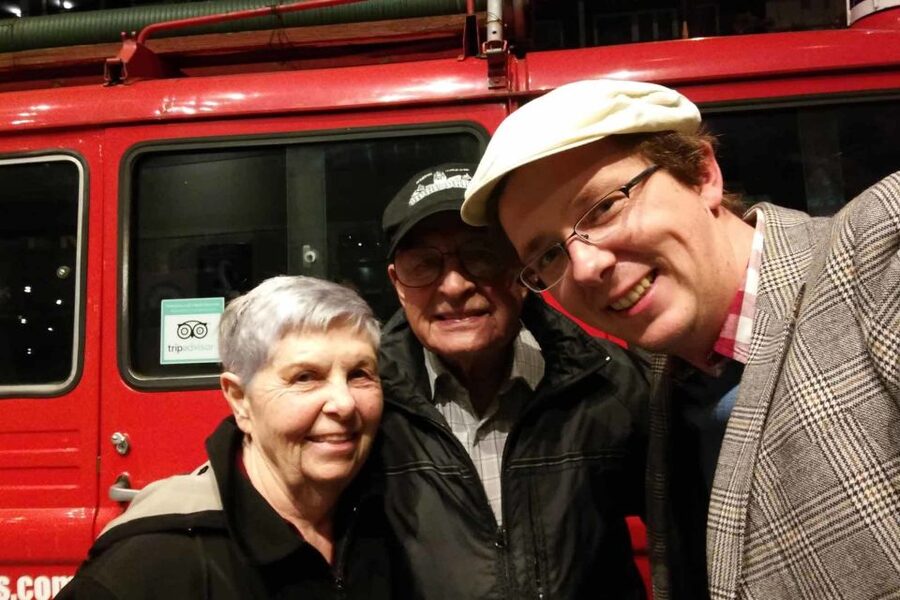
The guides are central to this experience. Konrad is described as funny, kind, and able to draw a quiet teenager into conversation about soccer. Lucas is praised for engaging historical storytelling, while Adam is associated with a detailed route covering many places.
Those details tell you what kind of guide can make this tour work. You need someone who can explain difficult history without turning the experience into a dry lecture. You also need someone who can adjust the tone, since the route includes grief, mass murder, resistance, and political repression.
The private setup gives the guide room to respond to your interests. If you want more context about Polish resistance, Jewish Warsaw, or the Soviet period, you can ask. The tour is conducted in English, and the reported overall rating is 5 out of 5 from seven ratings, with repeated praise for detail, storytelling, and the amount learned about Poland before and after the war.
That is a small number of ratings, so I would not treat it as proof that every guide will be identical. Still, the consistent pattern is useful: the experience depends heavily on the person leading it, and the available guide names suggest a team with a strong storytelling focus.
Is $165 per person good value?
At $165 per person, this is not a budget sightseeing ride. The price makes more sense if you are traveling with people who want a private experience and would otherwise need to arrange several separate visits across Warsaw.
The cost includes hotel pickup and drop-off within three kilometres of the city center, an English-speaking local guide, and transportation in the retro minibus. Food and drinks are not included, but a three-hour historical tour does not require a meal stop.
The private format is the main value factor. A large group tour might cost less, but it may give you less time to ask questions and less control over the pace. Here, you are paying for transport, a focused route, and a guide who can connect difficult subjects across several parts of the city.
Be careful with the pickup arrangement. If your hotel or apartment is farther from the center, you may be better off meeting in central Warsaw. Transfer time to and from the hotel counts within the three-hour duration, so a distant pickup can reduce time at the historical sites.
Free cancellation up to 24 hours before departure and reserve-now, pay-later booking make the price easier to manage when your plans are still changing. Check the available starting times before booking.
Practical advice for a smoother visit
Wear comfortable shoes and clothing suitable for the weather. The minibus moves you between locations, but the route includes walking at each stop.
Leave large luggage and oversized bags behind. They are not allowed on the tour. Small personal items are more practical, but the supplied information specifically warns against luggage and large bags.
Children must be at least 15 for this activity. Children over 150 centimeters can be booked online, while younger children under that height require advance contact with the operator because Polish law requires a booster seat. Since the activity is not suitable for children under 15, families should confirm eligibility before making plans.
The vintage minibus has heating for winter, but no air conditioning. In warm weather, choose light clothing and bring what you need for outdoor walking. In cold or wet weather, wear proper layers and shoes that can handle uneven streets.
Hotel pickup is available only within a three-kilometre radius of the city center. You should give the exact hotel or apartment location when booking so the operator can confirm the arrangement.
Who should book this Warsaw WWII tour?
I would choose this tour if you want historical context rather than a quick checklist of famous sights. It suits adults, older teenagers, history-minded visitors, and anyone who wants to understand how Nazi occupation, the Jewish Ghetto, the Warsaw Uprising, Soviet repression, and postwar destruction fit together.
It is also a good option for a short stay. In three hours, you cover several districts and receive a guided introduction to subjects that could otherwise take days to organize.
I would be more cautious if you require modern vehicle comfort, air conditioning, guaranteed seat belts, or a fully indoor experience. The route is emotionally heavy, includes outdoor walking, and uses a historic minibus with basic facilities.
At $165 per person, book it for the guide-led interpretation and private transport, not simply for a ride in an old van. If Konrad, Lucas, or Adam is available, their storytelling style may suit you, but the specific guide should be confirmed when you reserve.
Should you book it?
Book this tour if you want Warsaw’s wartime past explained through real places, old photographs, and a guide who can connect the major events. The Ghetto Wall, Waliców Street, Muranów, the Katyń memorial, and the Warsaw Uprising route create a strong three-hour introduction.
Skip it if you prefer museums, modern vehicles, or a lighter sightseeing outing. For the right audience, this is a serious, personal, and useful way to understand why today’s Warsaw looks rebuilt, remembered, and still marked by the events of 1939 to 1945.
FAQ
How long does the Warsaw WWII minibus tour last?
The tour lasts three hours, including hotel pickup and drop-off when those services are used.
Is hotel pickup included?
Yes. Pickup and drop-off are available for hotels and apartments located within three kilometres of Warsaw’s city center. Transfers count toward the total tour time.
What language is the tour conducted in?
The tour has a live English-speaking guide.
How many people can join the private minibus?
Each retro minibus accommodates up to eight passengers. A fleet of five minibuses is available.
Are children allowed on the tour?
The activity is not suitable for children under 15. Children over 150 centimeters can be booked online. For a child under 150 centimeters, contact the operator in advance to ask about a mandatory booster seat.
Does the tour include food, drinks, or museum admission?
Food and drinks are not included. The route visits the area around the POLIN Museum, but museum admission and an interior museum visit are not listed as included.
Recently added in Warsaw
- Warsaw Wolf’s Lair with St. Lipka and Mamerki Private Guided★ 4.2 · 3 reviews
- Taste of Poland, food tour and guided walk with 12 tasting★ 5.0 · 3 reviews
- Discover Warsaw’s most Photogenic Spots with a Local★ 5.0 · 3 reviews
- Lodz Small Group Tour from Warsaw with Lunch★ 4.0 · 3 reviews
- Jewish heritage in Warsaw★ 4.5 · 3 reviews
- Warsaw Outdoor Paintball with Transfers (all year round)★ 5.0 · 3 reviews
- Electric Scooter Tour: Full Tour – 3-Hours of Magic!★ 5.0 · 3 reviews
- Skip-the-Line Polin Museum Warsaw Jewish History Tour★ 5.0 · 3 reviews
Warsaw Tours, compared.

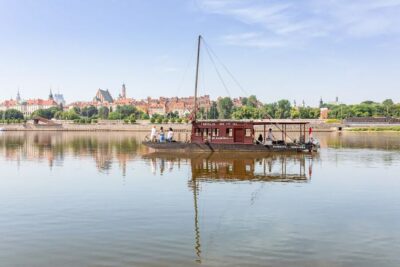
Traditional Galar Cruise on The Vistula River
Read our review →
Warsaw Concert: Chopin – Painted by Candlelights with Wine
Read our review →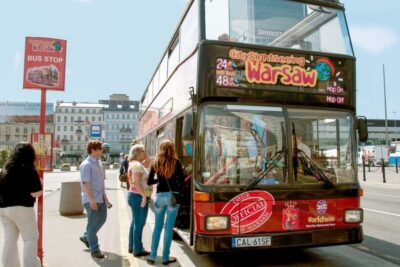

POLIN Museum of the History of Polish Jews Ticket
Read our review →
#1 Pub Crawl Warsaw with Optional Premium 1 Hour Open Bar
Read our review →