
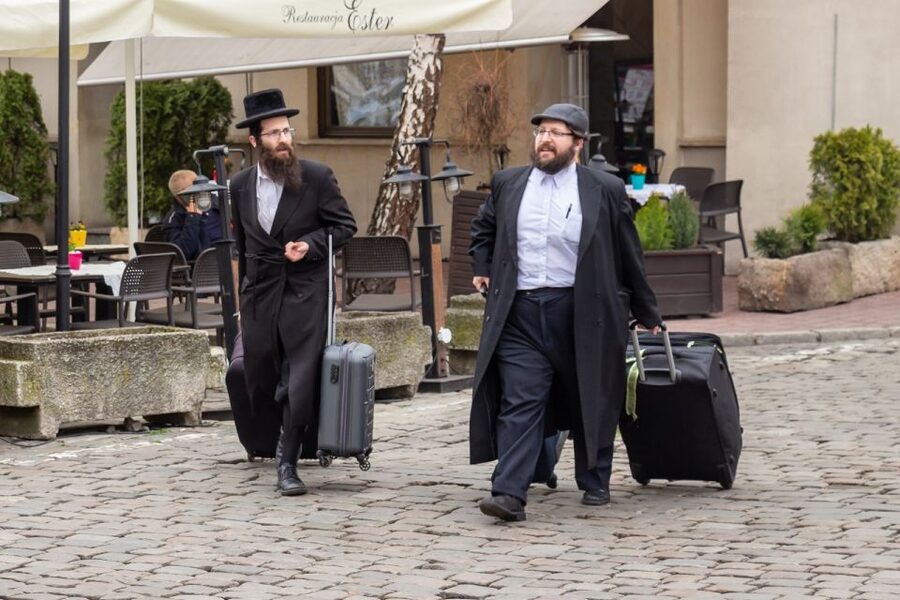
Reviewed · SCHINDLER'S FACTORY TOURS
Krakow: Kazimierz, Schindler’s Factory & Ghetto Guided Tour
Krakow’s past becomes clearest when you connect three places rather than see them one by one. This tour begins in Kazimierz, once the center of Jewish life, then moves to Schindler’s Factory and the former Ghetto, where streets, walls, and memorials give the story a physical setting.
I like the way the tour puts prewar Jewish life before the Nazi occupation. I also like having a guide inside the factory museum, where photographs, artifacts, and displays can be difficult to grasp without context. The main drawback is stamina: five hours on foot can feel long, especially in rain, heat, or cold.
Key points to know before booking
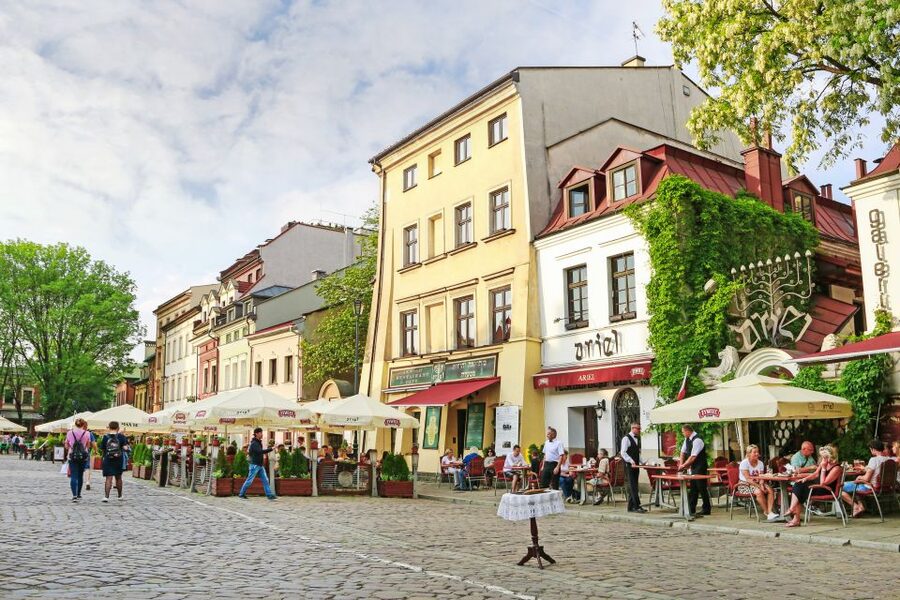
- Kazimierz comes first: Learn about rabbis, merchants, families, synagogues, and daily life before the war.
- Schindler’s Factory is a museum, not a working factory: You see the former administrative building and Schindler’s office, but no original machinery.
- The Ghetto section is emotionally heavy: Ghetto Heroes Square, the Chair Memorial, the remaining wall, and Under the Eagle Pharmacy tell a painful story.
- A guide adds real value: Guides including Helena, Phil, Barbara, Magda, and Alice have been praised for clear explanations and compassionate storytelling.
- Prepare for a long walk: Comfortable shoes, weather protection, and water matter. There is no hotel pickup or drop-off.
- The price is $81 per person: That is a fair rate if you want one connected history lesson with skip-the-line museum entry and a live guide.
Starting at the Old Synagogue in Kazimierz
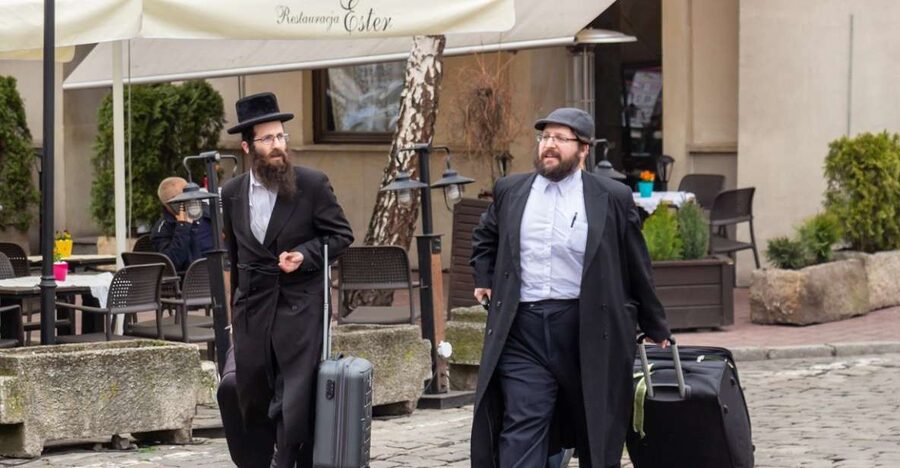
Meet your guide on the steps of the Old Synagogue. Look for the excursions.city sign, and arrive at least 10 minutes early. This is not a good tour to join casually at the last minute. Once the group leaves, late arrivals cannot join and the ticket cannot be refunded.
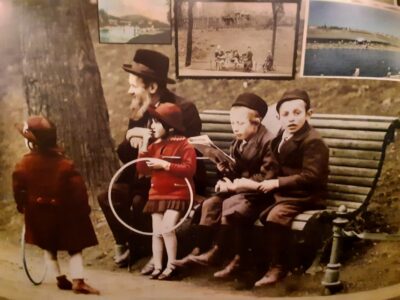
Kazimierz is the right place to begin because it shows what existed before the war. For centuries, this district was home to Krakow’s Jewish community, with synagogues, prayer houses, homes, businesses, and courtyards woven into ordinary city life.
The streets can look fairly quiet at first glance. That is exactly why a guide helps. Without local explanation, you may pass a synagogue or a plain townhouse without understanding who used it, how the neighborhood functioned, or what was lost.
Your guide brings attention to the people behind the buildings: religious leaders, shopkeepers, teachers, parents, and children. The focus is not only on persecution. You also learn about customs, community life, faith, and the routines that shaped the district before 1939.
I especially value this opening because it prevents the rest of the tour from becoming a string of wartime sites. You first see Kazimierz as a home, not simply as a place connected to tragedy. That gives the later stops greater meaning.
The walking route passes narrow cobbled streets, old synagogues, traditional townhouses, and quieter courtyards. Do not expect every stop to look perfectly preserved or dramatically marked. Much of the story depends on what your guide points out and explains.
Other visits to Schindler's Factory:
- Krakow: Oskar Schindler’s Factory Entry Ticket & Guided Tour
★ 4.2 · 3,793 reviews - Krakow: Schindler’s Factory Tour with Entrance Ticket
★ 4.5 · 3,182 reviews - Krakow: Schindler’s Factory Skip-the-Line Ticket
★ 4.4 · 3,105 reviews
Schindler’s Factory and the wartime museum
From Kazimierz, the tour continues to Schindler’s Enamel Factory Museum. Skip-the-line admission is included, which matters at a popular museum where waiting outside would eat into a five-hour schedule.
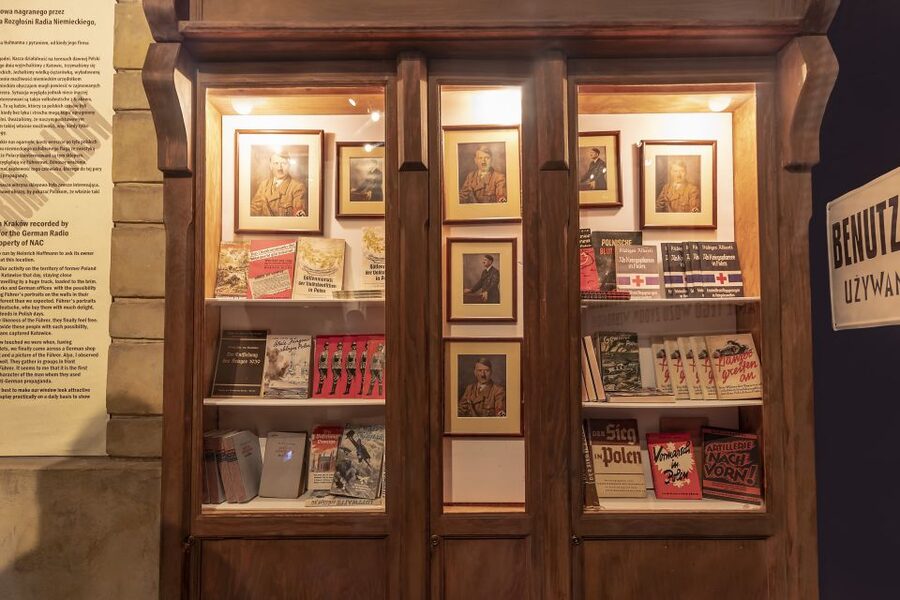
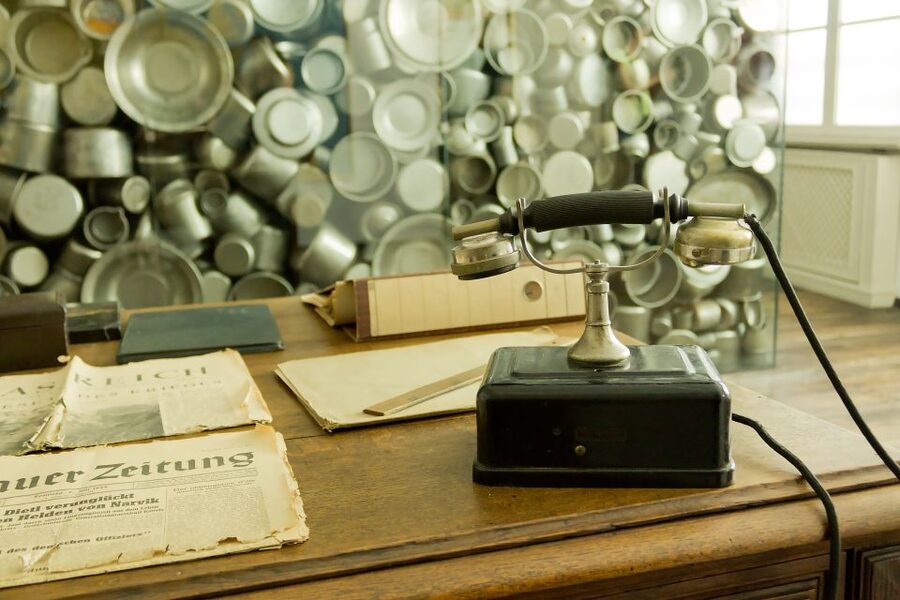
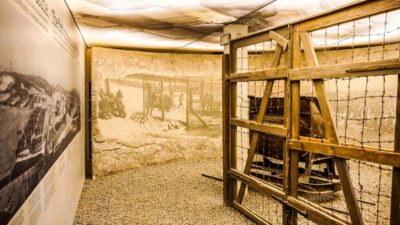
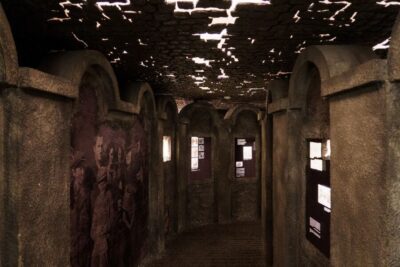
The museum’s main exhibition is called Krakow under Nazi Occupation 1939 to 1945. It presents the occupation through photographs, objects, recreated spaces, sound, and carefully controlled lighting. The corridors are narrow, and the design can feel enclosed and serious.
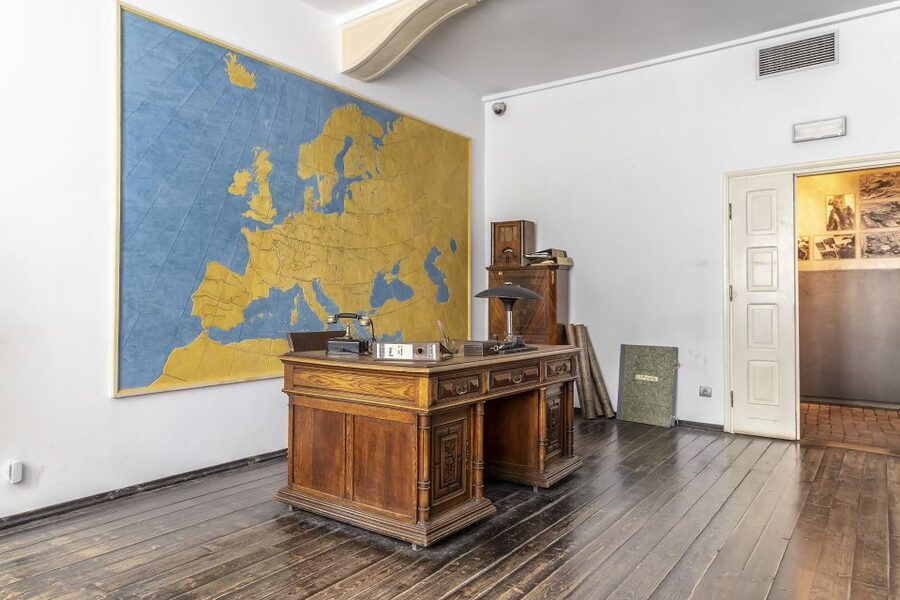
This is not a conventional factory tour. The building once housed Oskar Schindler’s factory, but the museum does not contain the original machinery. You see the former administrative building and Schindler’s office, along with a large exhibition about the city during the war.
That distinction is important. If you expect a preserved industrial site filled with working equipment, you may be disappointed. If you want a museum about Krakow under Nazi rule, the visit makes much more sense.
A guide is particularly useful here. Some displays use languages that may not be easy for every visitor to follow, and the museum covers a great deal in a compact space. Your guide can explain the setting, connect individual objects to the larger story, and help separate Schindler’s personal actions from the wider experience of Krakow’s Jewish and non-Jewish population.
You will learn how Schindler saved more than 1,000 Jewish workers. The tour also places his actions within the larger wartime picture, showing that the story is not only about one well-known figure. It includes the decisions, risks, compromises, and acts of courage made by many people.
The museum can be emotionally demanding. Its narrow passageways and dark design are intended to recreate the pressure and uncertainty of occupied Krakow. I would not schedule this tour immediately before a rushed evening commitment. Give yourself some quiet time afterward.
Walking through the former Krakow Ghetto
The final section takes you into the area of the former Krakow Ghetto. Here the history moves out of the museum and back onto city streets.
Remnants of the original ghetto wall remain. They are not a complete preserved district, but they are physical evidence of the boundaries imposed on residents. A guide helps you understand how the wall functioned and why even a small surviving section carries such weight.
The tour then reaches Ghetto Heroes Square. During the occupation, this was a place connected with mass deportations. Today, the square is marked by the Chair Memorial, a group of empty chairs that represent lives lost.
The memorial is simple and difficult to ignore. It does not rely on a long explanation or a large monument. The empty chairs suggest absence, separation, and the belongings left behind when people were forced from their homes.
Nearby is the former Under the Eagle Pharmacy. Pharmacist Tadeusz Pankiewicz risked his life to help people in the Ghetto, providing medicine, shelter, and a measure of hope. The pharmacy gives the tour a more personal focus after the scale of the square and the wall.
I like this part because it puts individual choices beside mass events. You hear about the suffering of Ghetto residents, but also about the people who offered help when doing so carried serious danger. The tour makes clear that courage during the occupation was not limited to famous names.
This section is also where the physical demands of the day become most noticeable. You have already walked through Kazimierz and the museum, and the Ghetto route adds more streets and outdoor stops. On hot days, shade can be limited. On wet days, cobbles and long stretches outside can make the pace tiring.
Wear shoes you can walk in for five hours. Bring water and dress for the forecast. A raincoat is more useful than an umbrella in a moving group, while sun protection matters in summer.
Why the guide matters so much
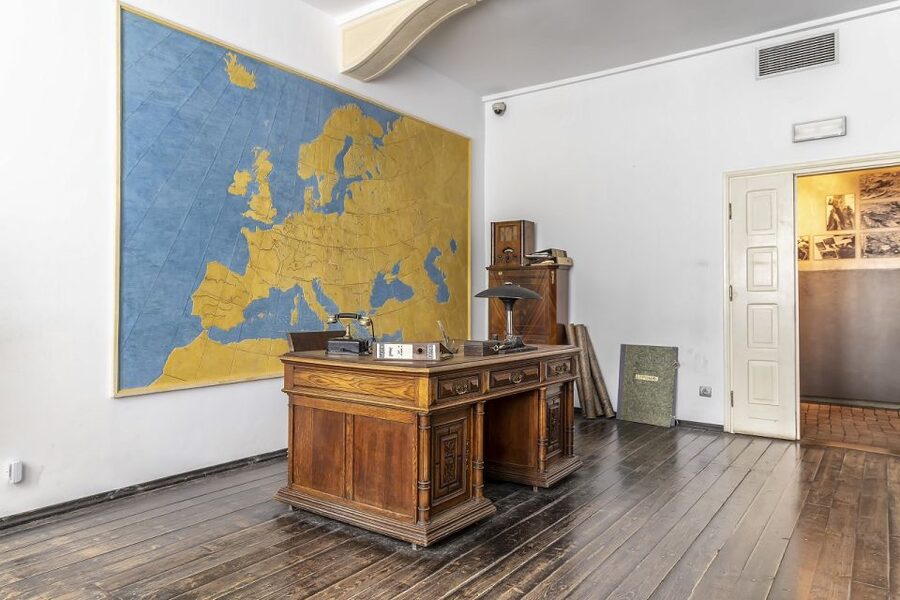
The strongest part of this experience is the human explanation between the sites. The places alone cannot fully explain how Jewish Krakow worked before the war, how occupation changed the city, or why certain memorials are located where they are.
Guides named in past bookings include Helena, Phil, Barbara, Phil, Magda, Alice, Eva, Anna, Dominika, and Christopher. The most useful qualities to look for are clear speaking, patience, and the ability to handle difficult material with care. Helena has been praised for compassionate storytelling and personal insight, while Phil and Barbara have been noted for keeping groups informed and comfortable during long walks.
That does not mean every guide will have the same style. One may tell more personal stories. Another may focus on dates, buildings, and political context. The tour is offered in English, French, Spanish, Italian, and German, but each group tour uses only one language. Choose carefully when booking.
A guide also helps with questions. The subjects here are complex, and a short explanation can easily leave out an important detail. Several guides have been praised for answering questions patiently and adding context beyond what appears on a museum label.
There is one practical limitation: the guide’s explanation continues while the group is moving. If you stop often for photographs, you may miss parts of the commentary. You can take pictures, but this is not a photo-first outing. I would keep your camera ready, listen first, and save most photography for brief pauses.
Other Jewish Quarter and Kazimierz walks:
- Krakow: Jewish Quarter and Former Ghetto Tour
★ 4.9 · 1,441 reviews - Krakow: Bike Tour of Old Town, Jewish Quarter and the Ghetto
★ 4.9 · 1,155 reviews - Krakow: Kazimierz Jewish Quarter Walking Tour
★ 4.8 · 571 reviews - Krakow: Bike Tour of the Old Town, Kazimierz, and the Ghetto
★ 4.9 · 350 reviews
Five hours, group rhythm, and physical effort
The advertised duration is five hours. That gives enough time to connect Kazimierz, the museum, and the Ghetto without turning each stop into a rushed photo call.
The day is usually experienced in three parts: Kazimierz, Schindler’s Factory, and the Ghetto. A pause may occur between sections, but you should not treat this as a leisurely sightseeing day. The schedule has a lot to cover.
Some people complete all three parts, while others may not continue through the entire program. If you book this tour, plan to stay for the full route so you get the intended sequence. The prewar neighborhood provides context, the museum supplies evidence and detail, and the Ghetto brings the story back to the streets.
The pace is generally steady rather than frantic. Still, five hours can be a lot for young children, anyone with limited mobility, or anyone who dislikes standing and walking for long periods. One family with a child found the guide considerate and accommodating, but the route remains a walking tour.
There is no hotel pickup or drop-off. You make your own way to the Old Synagogue and away from the final stop. If the tour ends late, especially in winter, plan your return route in advance. One guide helped arrange a taxi for participants after a dark, rainy finish, but you should not rely on that as a guaranteed service.
What $81 per person gets you
At $81, this is not the cheapest way to see Krakow’s Jewish Quarter. You are paying for a five-hour guided route, skip-the-line entry to Schindler’s Factory Museum, and a guide inside the museum as well as outdoors.
The value is strongest if you want the sites tied together. Paying separately for a museum ticket and exploring the streets on your own may cost less, but you would need to build the route, interpret the memorials, and follow the museum’s story without the same continuity.
The price is less attractive if you prefer short visits, independent wandering, or plenty of time for photographs. You may also find it tiring if you have already spent the morning walking around Krakow’s Old Town.
I would consider it good value for a first visit focused on wartime and Jewish Krakow. The guide is not an optional extra here. The tour’s purpose is to explain relationships between places, and that is where much of the cost earns its keep.
Free cancellation is available up to 24 hours before the start, and you can reserve now and pay later. Those terms help if your Krakow schedule is still moving, but check the exact conditions when you book.
Booking details that can affect your day
Select your preferred language when reserving. English, French, Spanish, Italian, and German are available, with each group conducted in one language only.
From January 1, 2026, museum times are approximate and may change because of Schindler’s Factory scheduling. You can request a preferred time, but it is not guaranteed.
The museum uses personalized tickets. You must provide the full names of all participants when reserving and bring a passport or identity card for entry. Without the required names and identification, admission may be refused.
This is a serious history tour, not a light introduction to Krakow. You will encounter deportation, confinement, loss, and moral choices under Nazi rule. I recommend it for adults and older children who can engage respectfully with difficult subjects.
Who should book this Krakow tour?
Book it if you want a guided explanation of Jewish life before the war, the Nazi occupation, Schindler’s role, and the Krakow Ghetto in one connected day. It is especially useful if you have limited time in Krakow and want the major sites placed in context.
It suits first-time visitors, history-minded travelers, and anyone who feels that a museum label never tells the whole story. It also works well for people who want to ask questions rather than simply follow a map.
Think twice if you dislike long walks, outdoor sightseeing in poor weather, or emotionally heavy museums. The route is not designed for a quick look at Schindler’s office followed by free time.
Should you book it?
I would book this tour if you want meaning as well as monuments. Kazimierz shows the community that existed, Schindler’s Factory explains the occupation, and the Ghetto route shows the human cost in the places where it happened.
The best reason to choose it is the guide-led connection between those three sections. The main caution is simple: five hours is a serious commitment, and the subject matter is painful. Bring good shoes, arrive early, and leave room in your day to think about what you have seen.
FAQ
Where does the tour meet?
Meet your guide on the steps of the Old Synagogue in Kazimierz. The guide will be holding an excursions.city sign.
How long does the tour last?
The tour lasts five hours. Check availability for the starting times offered on your chosen date.
What languages are available?
The tour is offered in English, French, Spanish, Italian, and German. Each group tour is conducted in one language, so select your preferred language when booking.
Is entry to Schindler’s Factory Museum included?
Yes. The tour includes skip-the-line admission and a guided visit inside Schindler’s Factory Museum.
Do I need identification for the museum?
From January 1, 2026, you must provide the full names of all participants when booking and bring a passport or identity card. Without these, entry may be denied.
Is hotel transportation included?
No. Hotel pickup and drop-off are not included. You are responsible for reaching the Old Synagogue meeting point and arranging your return after the tour.
Recently added in Krakow
- Auschwitz-Birkenau and Krakow Private Car Trip from Katowice★ 4.3 · 3 reviews
- Wawel Castle, Old Town with St. Mary’s Church Guided Tour★ 5.0 · 3 reviews
- Wawel Castle, Cathedral, Rynek Underground Tour with Lunch★ 5.0 · 3 reviews
- From Krakow: Chocholow Thermal Hot Springs (hotel pick up)★ 5.0 · 3 reviews
- Private tour to Zakopane and Thermal Baths from Krakow★ 5.0 · 3 reviews
- Legends of Cracow ROBOTIC SHOW★ 4.0 · 3 reviews
- From Krakow: Zakopane and Thermal Pools Guided Trip★ 5.0 · 3 reviews
- Guided Beer Tour in Krakow★ 4.5 · 3 reviews
Schindler's Factory Tours, compared.
Oskar Schindler’s Factory Entry Ticket & Guided Tour
Read our review →
Schindler’s Factory Tour with Entrance Ticket
Read our review →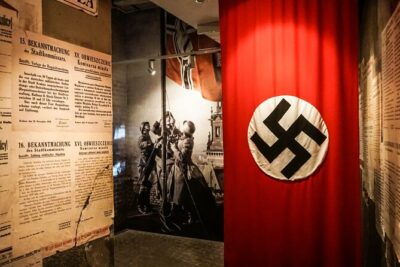
Schindler’s Factory in Krakow: Guided Tour & Skip the Line Ticket
Read our review →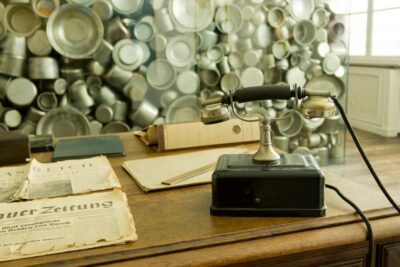
Schindler’s Factory Ticket with Guided Tour Option
Read our review →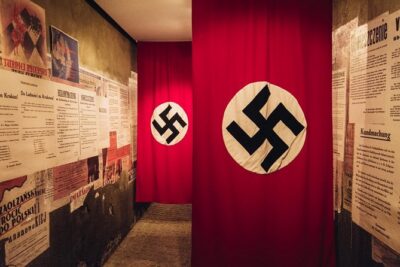
Krakow Schindler’s Factory Guided Tour with Admission Ticket
Read our review →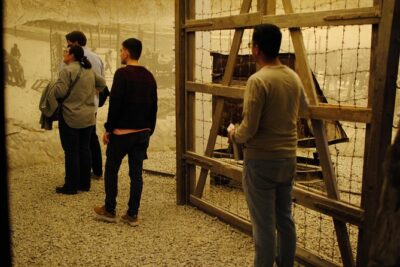
Krakow Schindler’s Factory Museum Guided Tour in English
Read our review →Where else this one turns up