
Reviewed · POLISH FOOD & VODKA TASTINGS
Warsaw: 4-Hour Polish Food Tour
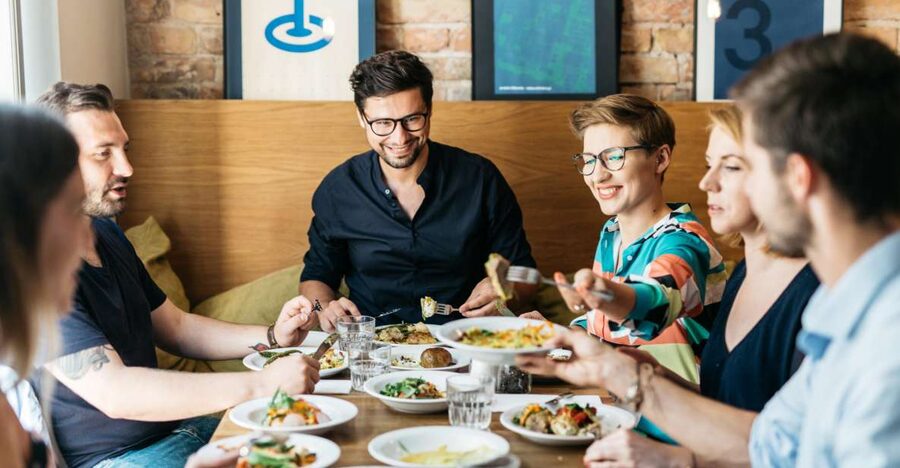
Warsaw’s Polish food story is much bigger than pierogi. This four-hour walk takes you through about 10 tastings at 4 to 6 carefully chosen places, building a full meal from starters and cheese to soup, main courses, dessert, and perhaps three Polish drinks. You’ll also hear why bread causes so many complaints and why some Poles still miss food from the 1970s.
I like the small group size of eight, which gives the guide room to explain customs and answer questions. I also like the way the food is paired with Warsaw life, from the meaning of a coffee invitation to the curious link between a traditional dessert and a bridge. The main drawback is clear: at $115 per person, this is not a cheap way to eat, and vegetarians may find much of the pork-based menu unsuitable.
Key points to know before you book
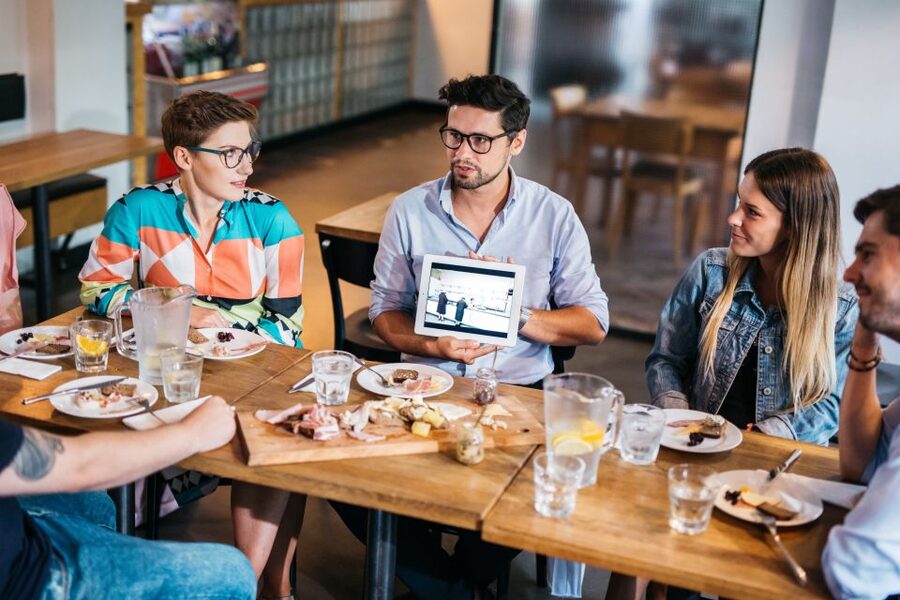
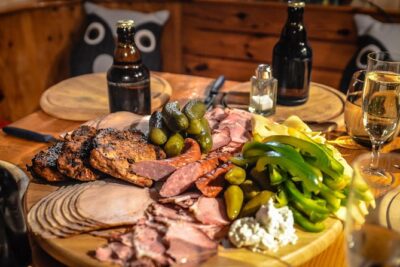
- Expect a full meal, not a few samples: Eat a light breakfast and skip lunch so you have room for the roughly 10 plates.
- The food goes beyond pierogi: You’ll learn about gołąbki, schabowy, Polish cheeses, soups, starters, desserts, and traditional dinner customs.
- A small group keeps it personal: The tour is limited to eight participants, with an English-speaking guide leading the walk.
- The walking helps between stops: You visit 4 to 6 establishments, so comfortable shoes matter.
- Drinks are an option: Three Polish drink pairings are included only when you select the pairing option, while water is supplied at most venues.
- Dietary planning matters: Polish cooking relies heavily on pork, but allergies can be reported so the menu can be adjusted. A non-alcoholic option is available.
Why this food tour is more than a pierogi stop
Pierogi are Poland’s best-known export, but they are only one part of the meal. In Warsaw, you’ll get a better sense of local cooking by trying several dishes in context, then hearing how food fits into family life, social habits, and the country’s past.
That is the real value of this experience. You are not simply handed a plate and told what it is. The guide explains what you are eating and why it matters. If you have Michal, Michas, Anna, or Michael leading your group, expect the tone to be friendly and conversational, with plenty of room for questions. Guides have been praised for explaining both food and Warsaw beyond the plate, so the walk can help you get your bearings early in a visit.
The tour is conducted in English and lasts four hours. That is long enough for a substantial introduction without turning into an all-day food marathon. Still, the amount of food is serious. Polish hospitality favors generous portions, and the stated plan is the equivalent of a full dinner with dessert.
I would schedule this early in your Warsaw stay. You’ll learn the names of dishes you will see later on menus, and the guide can point you toward places to try after the tour. Just do not treat this as a light midday snack.
More Food Tours in Warsaw
- Warsaw: Polish Vodka Museum Tour with Tasting
★ 4.6 · 788 reviews - Warsaw’s No 1 cooking class-Polish dumplings with liqueur tasting
★ 5.0 · 576 reviews - Half-Day Polish Food Walking Tour with Guide and Dinner
★ 4.5 · 381 reviews
Meeting at the palm tree in central Warsaw
The starting point is the Charles de Gaulle roundabout at 1:00 PM. Look for the large palm tree in the middle of the roundabout, then head to the green square beside it.
Your guide waits near the monument of a woman holding a wounded soldier on her lap, at the corner of Nowy Świat, Smolna, and Al. Jerozolimskie. This is a busy central meeting area, so allow a few minutes to identify the monument and square rather than waiting beside the palm tree itself.
There is no hotel pickup or drop-off. You make your own way to the meeting point and return to the city on foot as the food walk ends. Since the route includes several establishments and enough walking to help you work through the meal, wear comfortable shoes.
The exact restaurant and food sequence can vary. That is useful because the guide can work with the day’s arrangements, but you should not book this expecting a fixed menu with named restaurants in a guaranteed order.
The opening plates: cheese, starters, and Polish table habits
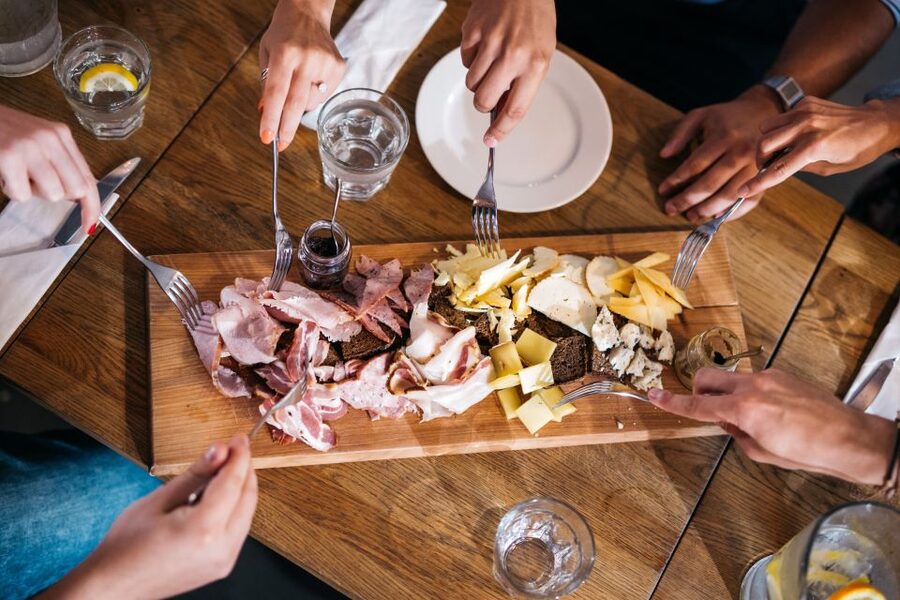
The first part of the experience introduces the flavors that appear before a traditional main course. You might begin with Polish cheeses, appetizers, or other starters, with the guide explaining how they fit into everyday meals rather than treating them as isolated samples.
The cheese tasting is especially useful for anyone who thinks Polish food begins and ends with dumplings. You get a chance to compare several local varieties and notice how much Polish eating depends on simple, filling ingredients served with care.
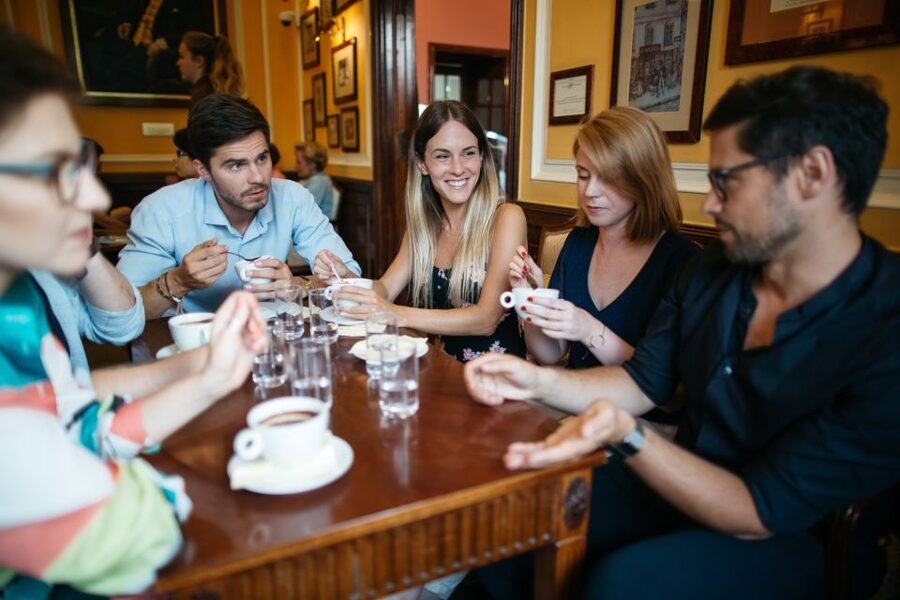
This is also where the social side of Polish dining comes into focus. You’ll hear why a Polish invitation for a cup of coffee may not mean one small cup and a quick visit. The phrase can signal a much more generous serving of food, and the tour uses that custom to explain the Polish habit of feeding people well.
The guide also tackles bread, a subject that may seem minor until you understand how seriously it is taken. Poles often complain about bread quality, and that complaint tells you something about expectations at the table. Bread is not just a side item. Its freshness and texture matter.
These early tastings set up the rest of the meal. You learn to look at Polish food as a collection of familiar household staples, not as a short list of tourist dishes.
Soup and the shape of a traditional Polish dinner
Soup is included among the roughly 10 tastings, and it helps show how a traditional Polish dinner is organized. The meal is not built around one oversized main plate alone. It may move through several stages, with soup and smaller dishes leading to the main course.
Your guide explains the role of these courses and the customs that surround them. This is a good moment to ask questions about portions, family meals, and the difference between food made for daily life and food presented for visitors.
The tour also places Polish cooking in a historical frame. You’ll learn why some Poles still long for food produced in the 1970s. That does not mean every dish from that era was better, but it points to the way memory shapes taste. Food can recall childhood, scarcity, routine, and a particular period of Polish life.
I find this sort of explanation more useful than a list of ingredients. You leave with a sense of why a dish matters, not just the ability to pronounce its name.
More Polish food and vodka tastings in Warsaw:
- Warsaw: Polish Food Tour
★ 4.1 · 216 reviews - Pierogi Class and Liquor Tasting with View on Warsaw
★ 5.0 · 71 reviews - Warsaw Vodka Night Private Tour by Retro Fiat
★ 5.0 · 27 reviews - Polish Vodka Tasting Warsaw
★ 4.8 · 25 reviews
Pierogi, gołąbki, and schabowy explained properly
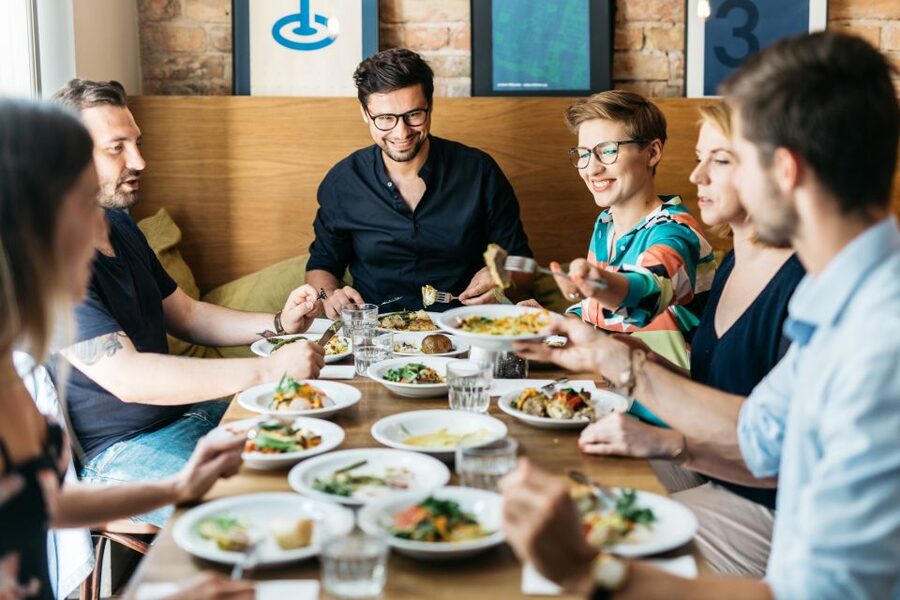
Of course, pierogi are part of the conversation. These cheese and potato dumplings are familiar in English-speaking restaurants, but tasting them in a broader Polish meal gives you better context. They are not the whole cuisine. They are one well-loved dish among many.
You’ll also learn about gołąbki, cabbage leaves filled with a savory mixture, and schabowy, a breaded pork cutlet often compared with schnitzel. These names are useful for any future menu-reading in Poland, especially if you want to order with more confidence.
Schabowy is also the clearest point where the tour may feel less distinctive to some people. One participant felt a schnitzel-style dish could be found in many countries and would have preferred something more uniquely Polish. That is a fair criticism. The dish still belongs to Polish home cooking, but it may not feel as surprising as a regional specialty or an unfamiliar preparation.
The pork-heavy menu is a larger consideration. Polish cuisine relies on pork, so vegetarians will find that many of the featured dishes do not suit them. You should provide allergy information ahead of time. The menu can be adjusted for allergies, but the available details do not promise a fully vegetarian route.
Four to six establishments and the value of variety
Rather than keeping you in one restaurant, the tour moves through 4 to 6 selected establishments. That format lets you compare different settings and styles of eating. You may sit down for some courses and encounter more casual or street-food-style servings at others.
The mix is one of the strongest parts of the experience. You get the feel of a meal, but also the rhythm of a food walk. The stops are spread out enough to give you a little time between plates, and the walking keeps the afternoon from becoming one long session at a table.
The route can include traditional and newer Polish food. That balance matters. If you only taste old-fashioned dishes, you may leave with a narrow picture of the country’s cooking. If everything is modern, you miss the home-style food that gives the cuisine its character.
The group limit of eight is a practical advantage here. Small groups are easier to move into cafés and restaurants, and you can hear the guide without a struggle. It also makes the experience better for questions. Previous guides such as Anna, Agata, Michal, and Michael have been described as patient, funny, personable, and willing to explain subjects beyond the food.
Do not expect an anonymous hop from one famous venue to another. The point is the combination of selected stops, guide commentary, and the chance to taste enough food to understand a Polish meal.
Three Polish drink pairings, with a non-alcoholic choice
You can choose an option that includes three Polish drink pairings. This adds another layer to the meal, since the guide can explain how drinks fit with the dishes rather than leaving you to order blindly.
Water is provided at most venues. Additional drinks are not included, so budget extra if you want anything beyond the included water or selected pairing option.
A non-alcoholic option is available, and minors are welcome. That makes the tour workable for families, although the food quantity and four-hour length may be a lot for very young children. The important point is that you do not have to choose an alcoholic version to take part.
If drink pairings matter to you, check that you have selected the correct booking option. The base price does not automatically include the three Polish drinks.
Dessert and the bridge connection
Dessert is not an afterthought here. It completes the full dinner structure and brings the tour back to Warsaw itself.
One of the advertised lessons is what a traditional Warsaw dessert has to do with a bridge. The exact dessert is best discovered on the walk, since the surprise is part of the story. What matters is that the guide links a sweet dish with a piece of the city, showing how food names and local landmarks can overlap.
This is a small detail, but it captures the strength of the tour. You are not just tasting something sugary at the final stop. You are given a story that helps you remember it and recognize the dish later.
By dessert, you should expect to be very full. The tour description is not being modest when it advises you to skip lunch. With starters, cheese, soup, main courses, drinks if selected, and dessert, this is closer to a long Polish dinner than a sampling session.
Is $115 a fair price for four hours?
At $115 per person, the cost is high compared with ordering a meal on your own in Warsaw. Poland can offer excellent food at modest restaurant prices, so a budget-minded eater may reasonably question the fee.
I think the value depends on what you want from the afternoon. The price covers about 10 tastings, food at 4 to 6 establishments, an English-speaking guide, water at most venues, and a written summary with restaurant recommendations. You are also paying for the explanations, the coordination, and the chance to try a full range of dishes without guessing from a menu.
The food alone does not make this a bargain. You could spend less by visiting one or two restaurants independently. The tour earns its price through variety and guidance, especially if you are new to Polish cuisine or have limited time in Warsaw.
The written summary is useful after the tour. You can use the recommended places and food tips for the rest of your stay, which helps turn four hours of eating into a longer guide to Warsaw’s food scene.
One past participant felt the price was on the high side, while another considered it worth the money because of the food and teaching. Both views make sense. If you mainly want to fill up cheaply, skip it. If you want a structured introduction with someone explaining what you are eating, the cost is easier to justify.
Who should book this Warsaw food walk?
I would recommend it to first-time visitors who want a practical introduction to Polish food. It is also a good fit if you are unsure how to read a Polish menu, want to try several dishes in one afternoon, or enjoy learning the customs behind a meal.
Families can make it work. A group that included two older parents and a teenager found the pace manageable, and the guide’s patience helped everyone take part. The four-hour length gives you enough time to eat and talk without making the outing last all day.
Food-focused visitors will appreciate the breadth. You can try dishes ranging from traditional staples to newer Polish cooking, with both sit-down and more casual stops possible. The tour also suits anyone who likes city context with their meal, since the guides discuss Warsaw and Polish life beyond the plate.
I would hesitate if you are vegetarian, highly selective about pork, or looking for a narrow specialist tour focused only on rare regional dishes. The menu is built around classic Polish food, and some of those classics are meat-heavy. I would also think twice if you dislike large meals or prefer to choose every restaurant yourself.
Booking is flexible, with free cancellation up to 24 hours before the start time and a reserve-now, pay-later option. That is helpful if your Warsaw schedule is still shifting.
Should you book the Polish Food Tour?
Book this tour if you want to understand Polish food in one generous afternoon rather than collect a single plate of pierogi. The strongest reasons are the small group, the large range of tastings, the guide’s clear explanations, and the practical restaurant advice you can use afterward.
I would make three preparations: eat only a light breakfast, report allergies before the tour, and confirm whether you want the three-drink pairing option. Wear comfortable shoes and arrive at the palm-tree roundabout early enough to find the monument.
The one fair warning is the price, plus the possibility that a dish such as schabowy may feel familiar rather than uniquely Polish. Even so, for a first visit to Warsaw, this is a useful and filling way to learn what belongs on a Polish table.
FAQ
How long does the Warsaw Polish food tour last?
The tour lasts four hours.
Where does the tour meet?
Meet at 1:00 PM at the Charles de Gaulle roundabout, the one with the large palm tree. The guide waits by the monument of a woman holding a wounded soldier on her lap, in the green square near the corner of Nowy Świat, Smolna, and Al. Jerozolimskie.
How many food tastings are included?
The tour includes approximately 10 tasting plates, covering starters, appetizers, soups, main courses, and dessert.
How many places will the tour visit?
You will visit 4 to 6 carefully selected establishments.
Are drinks included?
Water is provided at most venues. Three Polish drink pairings are included only with the option that includes pairings. Additional drinks are not included.
Is the tour suitable for vegetarians?
Polish cuisine is based on pork, so many dishes on the tour may not be suitable for vegetarians. You should advise the provider about allergies so the menu can be adjusted.
Can children join the tour?
Minors are welcome because a non-alcoholic option is available. The tour also offers a four-hour experience with a substantial amount of food and walking.
Recently added in Warsaw
- Warsaw Wolf’s Lair with St. Lipka and Mamerki Private Guided★ 4.2 · 3 reviews
- Taste of Poland, food tour and guided walk with 12 tasting★ 5.0 · 3 reviews
- Discover Warsaw’s most Photogenic Spots with a Local★ 5.0 · 3 reviews
- Lodz Small Group Tour from Warsaw with Lunch★ 4.0 · 3 reviews
- Jewish heritage in Warsaw★ 4.5 · 3 reviews
- Warsaw Outdoor Paintball with Transfers (all year round)★ 5.0 · 3 reviews
- Electric Scooter Tour: Full Tour – 3-Hours of Magic!★ 5.0 · 3 reviews
- Skip-the-Line Polin Museum Warsaw Jewish History Tour★ 5.0 · 3 reviews
Polish Food & Vodka Tastings, compared.
Zakopane: Cable Car, Chocholow Baths, Cheese & Vodka
Read our review →
Zakopane Cable Car, Vodka, Cheese & Hot Springs Tour
Read our review →

Half-Day Polish Food Walking Tour with Guide and Dinner
Read our review →
Pierogi Cooking Class with Market Shopping and Local Snacks
Read our review →
Krakow Pierogi Cooking Class with Market Visit & Home-Cooked Meal
Read our review →Where else this one turns up