
Reviewed · POLISH FOOD & VODKA TASTINGS
Pierogi Cooking Class with Market Shopping and Local Snacks
Krakow’s best food lesson may begin before you reach the kitchen. You’ll meet Olga near the Grunwald Monument, visit the city’s oldest marketplace, taste local cheese and sausage, then walk to her apartment to make pierogi from scratch. The small group, capped at six, keeps the class personal and practical.
I like the market stop, where Polish food becomes more than a restaurant menu, and I like the full hands-on method: dough, filling, folding, boiling, and eating. Olga also shares tips on Krakow restaurants, local products, and Polish food customs as you work.
The main consideration is the setting. This is a cooking class in a local apartment, not a formal culinary school. That makes it warm and personal, but you should be comfortable working in a private home and eating a substantial meal in a social setting.
Key points to know before booking
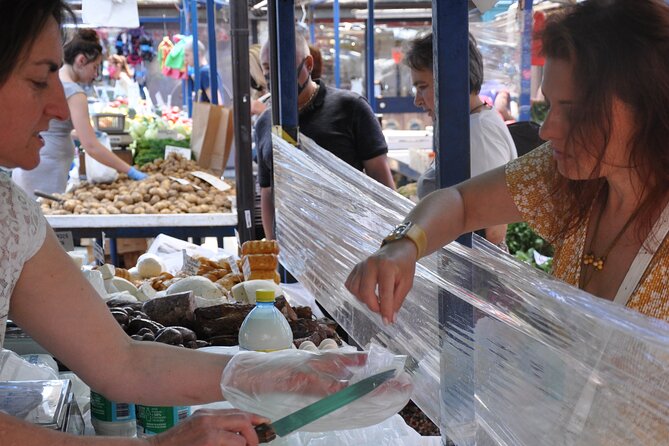
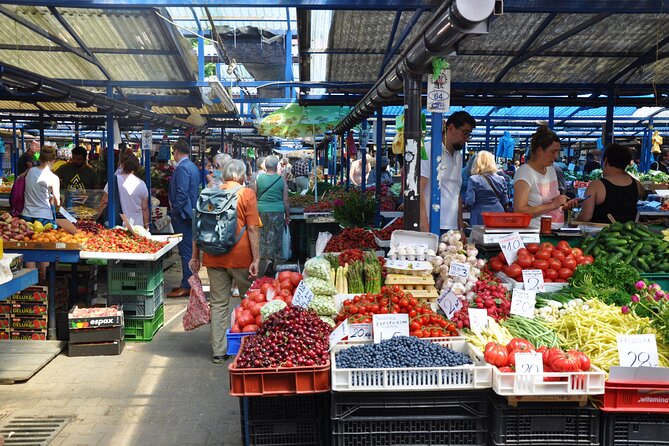
- Shop before you cook: The experience starts at Krakow’s oldest marketplace, where you may taste and buy fresh cheese, sausage, pickles, and other local foods.
- Make the entire dish: You prepare the dough, filling, shapes, and cooking, rather than simply watching a demonstration.
- Traditional vegetarian filling: The pierogi use cottage cheese, potatoes, and caramelized onions.
- Small group setting: No more than six people take part, giving you room to ask questions and practice.
- A meal with local character: Seasonal snacks, Polish specialties, sour cream, and regional alcohol accompany the dumplings.
- Sunday variation: On Sundays, the market visit is left out, so the experience begins without that part of the itinerary.
Why this pierogi class feels more personal than a restaurant meal
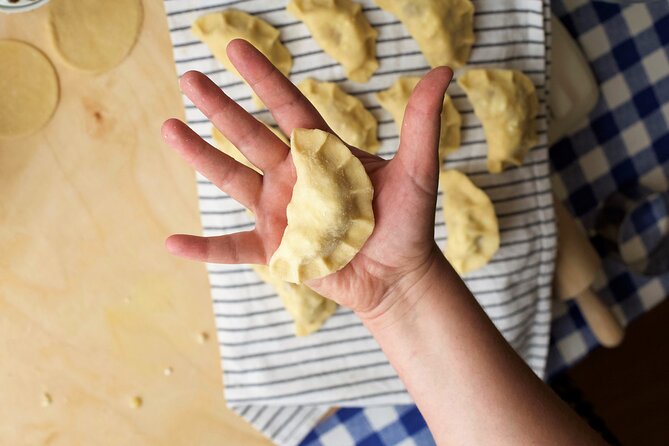
Pierogi are Poland’s familiar comfort food, but eating them in Krakow is not the same as learning how they are made. This experience puts you at the worktable, where the small details matter: how soft the dough should feel, how much filling belongs inside, and how to seal the edges so the dumpling survives boiling.
I like that the class does not treat pierogi as a quick tourist craft. Olga explains the method step by step and gives you time to repeat it. Folding looks easy when someone else does it. Your first few may be lumpy or poorly sealed, but the technique becomes much clearer after a little practice.
The filling is traditional and vegetarian, built from fresh cottage cheese, potatoes, and caramelized onions. That makes the class suitable for anyone who wants a classic Polish dish without a meat filling, though the snack course can include sausage and other foods. If you have dietary restrictions, ask before booking rather than assuming the menu can be changed.
The class also has a social side. You work alongside a maximum of five other people, then sit down together to eat what the group has prepared. Past groups have included couples, families, and people meeting one another for the first time. Children have taken part successfully, including a seven-year-old, but adults should expect a hands-on activity rather than a children’s entertainment program.
More Polish food and vodka tastings in Krakow:
- Krakow–Zakopane: Cable Car, Chocholow Baths, Cheese & Vodka
★ 5.0 · 10,720 reviews - Krakow: Zakopane Cable Car, Vodka, Cheese & Hot Springs Tour
★ 4.9 · 1,832 reviews - The Kraków Vodka Tour
★ 5.0 · 862 reviews
Meeting Olga at the Grunwald Monument
The meeting point is the Grunwald Monument at plac Jana Matejki, near Krakow’s central area. This gives the experience a clear starting landmark, and it is close to public transportation. You should still allow a little extra time to find the monument and identify the group before the start.
Olga is the host and instructor described throughout the experience. Her role goes beyond showing you a recipe. She introduces ingredients, talks about Polish food customs, and offers suggestions for restaurants and places to visit in Krakow. That advice can be especially useful if you schedule this early in your stay.
The group then walks to the marketplace. The walk is part of the experience, but this is not a long city tour. The focus remains food and local shopping, so wear comfortable shoes and treat the route as a short connection between the market and the apartment.
Shopping at Krakow’s oldest marketplace
The market is one of the strongest parts of the outing because it gives you a look at everyday Polish ingredients before they are prepared. Olga selects what is needed for the class, while explaining the differences between products and pointing out items you may want to buy later.
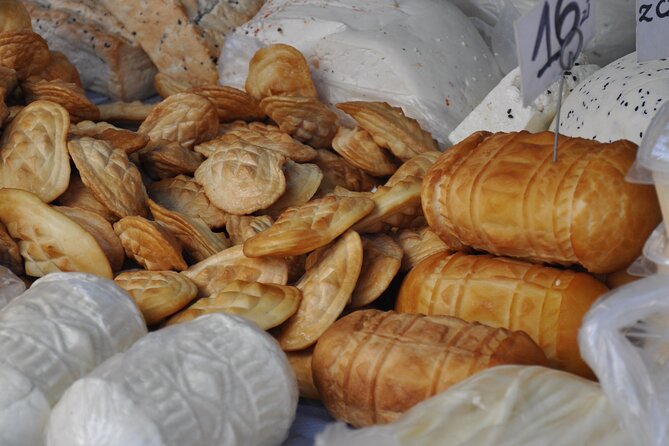
The shopping can include fresh cheese, sheep’s cheese, smoked cheese, Polish sausage, vegetables, mushrooms, sour cucumbers, and sour cabbage, depending on the season. Several foods are tasted along the way. This turns the market visit into a series of small introductions rather than a simple shopping errand.
One useful detail is the attention paid to cheese. Olga explains the quality and types of cheese used for the pierogi, so you learn what to seek out if you want to repeat the dish at home. You may also get ideas for Polish products to bring back or try during the rest of your trip.
The market section is best for curious eaters. You do not need to be an expert cook, but you should enjoy asking questions and trying unfamiliar foods. The selection changes with the season, so the snack experience is not fixed down to one identical plate every time.
There is an important Sunday exception: the experience operates without the food market visit on Sundays. The cooking and home-hosted portions remain the focus, but you will miss the ingredient shopping and tasting walk. If the market is a major reason for booking, choose another day.
The short walk to Olga’s apartment
After shopping, the group walks to Olga’s apartment. Reports from the experience describe the walk as less than ten minutes, though you should rely on the stated meeting details and allow normal city walking time.
The apartment is central to the character of the class. You are welcomed into a private home rather than a commercial teaching kitchen. Olga prepares Polish snacks for the group, and the kitchen becomes a relaxed place to talk, work, and share food.
This arrangement has clear advantages. The atmosphere is intimate, the group is small, and you get a sense of how the dish fits into home cooking. Olga also shares family traditions and stories about how pierogi are prepared and enjoyed in Poland.
The setting also calls for basic courtesy. You are entering someone’s home, so this is not the right choice if you prefer a polished studio with separate workstations and a strictly timed lesson. It is a better match for people who value conversation and a personal connection with the host.
More cooking classes in Krakow:
- Krakow Pierogi Cooking Class with Market Visit & Home-Cooked Meal
★ 5.0 · 212 reviews - Pierogi Cooking Class: Mastering the Art of Polish Dumplings
★ 5.0 · 129 reviews - Krakow: Pierogi Home Cooking Class
★ 5.0 · 23 reviews - Warsaw’s No 1 cooking class-Polish dumplings with liqueur tasting
★ 5.0 · 576 reviews
What you actually learn at the worktable
The instruction covers the full process. First comes the dough, including kneading and rolling it to the proper consistency. Then you prepare the potato and cottage cheese filling with caramelized onions.
The method is explained in enough detail for you to repeat it later. You learn how the potatoes should be cooked and handled for the filling, how much mixture to place in each round of dough, and how to avoid common problems when sealing the dumplings.
Pleating is taught as a simple series of movements. It may take a few attempts to get the shape right, and that is part of the fun. You can expect some uneven pierogi at first, but the class is built around practice rather than perfect presentation.
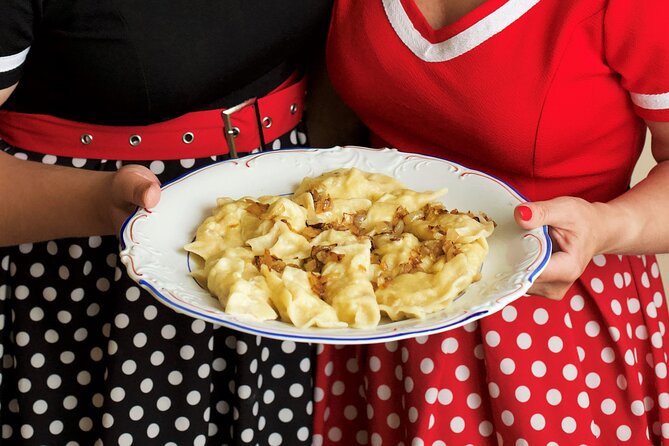
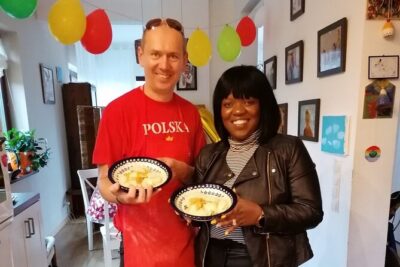
The group then boils the dumplings and serves them with toppings, including sour cream. The exact finishing details can vary, but the goal is clear: you eat the food you made while it is fresh.
Some groups have produced more than 100 pierogi together. That gives you a sense of the generous scale of the meal. You should not plan on a light snack or a quick bite before another major dinner reservation. One practical tip is to leave the evening open, because the market tasting, snacks, dumplings, and drinks add up to a full food-focused afternoon.
Polish snacks, pickles, cheese, and regional drinks
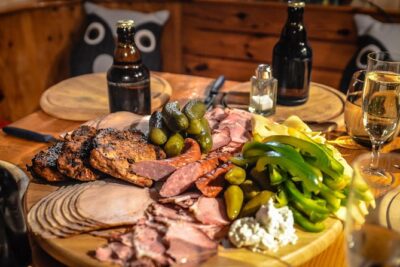
The starter depends on the season. It may include local fresh or smoked cheeses, Polish sausage, sour cucumbers, or sour cabbage. You may also try bread with lard and a pickle, a traditional combination that introduces a very different flavor from the sweet or savory pierogi filling.
These snacks add value because they broaden the lesson beyond one recipe. You get a quick look at the sour, smoky, salty, and fermented foods that shape Polish home eating.
The drink portion includes regional alcohol, such as homemade liquor or a selection of local spirits. Some groups have tasted bison-grass-infused vodka, including a homemade version served in an unusual fish-shaped vessel. The drink is part of the Polish food experience, but it is not compulsory information for the class itself, and anyone avoiding alcohol should plan accordingly.
Families should note that alcohol is included in the food-and-drink setting. Children can take part in the cooking, but the experience is not alcohol-free. The supplied details do not specify replacement drinks, so ask ahead if that matters to your group.
Cultural context you take away from the kitchen
The class works well because the food lesson carries local context with it. Olga talks about Polish culinary traditions and shares the story of how pierogi became part of Polish food culture.
You also get practical Krakow advice. Olga suggests places to visit, foods to try, and products to look for after the class. I find this kind of guidance more useful than a long list of standard sights because it connects directly to what you have just tasted.
A market visit followed by a home meal gives you two views of the city: the ingredients being sold and the way they are prepared. That combination helps you understand why cottage cheese, potatoes, onions, smoked foods, sour vegetables, and strong regional drinks appear together on a Polish table.
The cultural material is conversational rather than academic. If you want a formal lecture on Polish history, this is not that. If you want food, personal stories, and useful local suggestions folded into a practical activity, it is a good fit.
Price, group size, and overall value
At $83.48 per person, this costs more than ordering pierogi at a Krakow milk bar or restaurant. You are paying for about three hours of instruction, a market visit, ingredients, multiple snacks, drinks, a full serving of pierogi, and the host’s time.
The small group changes the value calculation. With a maximum of six people, you are not lost in a large demonstration. You can ask about dough, get help with folding, and take part in each stage. Several class sizes described in the supplied details were only four people, which would provide plenty of room in the apartment kitchen.
I consider the price reasonable for someone who wants both a meal and an activity. It is less compelling if you only want to taste pierogi or if you already have a packed food itinerary. The experience earns its price through personal teaching and the market connection, not through luxury surroundings.
The class is also a useful choice for families and couples. Children can help with shaping the dumplings, adults can learn a repeatable recipe, and everyone gets a shared meal at the end. Solo participants may also find the small group a comfortable way to meet people without committing to a large organized tour.
Confirmation is sent within 48 hours, subject to availability. The experience is booked, on average, 46 days ahead, so I would reserve early if your Krakow dates are fixed. The activity accepts mobile tickets, is offered in English, allows service animals, and ends back at the meeting point.
Who should book this Krakow food experience
I would recommend it to you if you enjoy learning by doing, eating traditional food, and spending time in a local home. It is especially well suited to first-time visitors who want early suggestions for Krakow restaurants and sights.
Families can do well here, since the cooking gives children a clear task and the group size keeps the lesson manageable. The traditional potato and cheese filling is also a comfortable introduction to Polish cuisine, though the market snacks may include meat and strong flavors.
Book it early in your trip if you want Olga’s recommendations to shape the rest of your visit. Book it later if you prefer to understand Krakow first and use the class as a relaxed food finale.
I would skip it if you dislike private-home settings, do not want a substantial meal, or expect a professional kitchen with individual equipment and restaurant-style service. Sundays are also less appealing if the market visit is your main goal.
Should you book the pierogi class?
Yes, if you want more than a plate of dumplings. The strongest parts are the small group, the market tasting, the patient instruction, and the chance to make the entire dish yourself. Olga’s home setting adds warmth and conversation, while the local snacks and regional alcohol turn the lesson into a complete Polish food experience.
Just remember what you are buying: a social, home-based class with plenty of food, not a quick market tour or a formal chef’s course. Leave room in your schedule, confirm any dietary or alcohol concerns in advance, and avoid Sunday if the market matters to you. For most food-loving visitors, this is a practical and memorable way to meet Krakow through what people actually eat.
FAQ
Where does the pierogi class begin?
It begins at the Grunwald Monument at plac Jana Matejki, 30-001 Krakow, Poland.
Where does the experience end?
The activity ends back at the meeting point.
How long does the experience last?
The class and related market activities last about three hours.
How many people can join the class?
The experience has a maximum of six participants.
Is the class offered in English?
Yes, the experience is offered in English.
Does the experience include a food market visit?
Yes, the usual itinerary begins with a visit to Krakow’s oldest marketplace to shop for ingredients and taste local products. On Sundays, the experience takes place without the market visit.
What kind of pierogi will I make?
You will make traditional pierogi filled with cottage cheese, potatoes, and caramelized onions.
What other food is included?
Seasonal local snacks may include fresh or smoked cheeses, Polish sausage, sour cucumbers, or sour cabbage. The experience also includes regional alcohol.
Is alcohol included?
Yes. The drink portion may include homemade liquor or a selection of regional alcohol, including bison-grass-infused vodka.
Can I cancel for a full refund?
Yes, if you cancel at least 24 hours before the experience start time. Cancellations made less than 24 hours in advance are not refunded, and changes within that period are not accepted.
More workshops and classes in Krakow
- Warsaw: Polish Dumplings Cooking Class
★ 4.8 · 151 reviews - Pierogi Class and Liquor Tasting with View on Warsaw
★ 5.0 · 71 reviews - Flavours of Polish Christmas: 4 course dinner + cooking class
★ 5.0 · 22 reviews - First class Warsaw Airport Transfer (WAW)
★ 5.0 · 10 reviews
More markets in Krakow
- Krakow Christmas Market Immersive Tour
★ 5.0 · 6 reviews
Recently added in Krakow
- Auschwitz-Birkenau and Krakow Private Car Trip from Katowice★ 4.3 · 3 reviews
- Wawel Castle, Old Town with St. Mary’s Church Guided Tour★ 5.0 · 3 reviews
- Private tour to Zakopane and Thermal Baths from Krakow★ 5.0 · 3 reviews
- Wawel Castle, Cathedral, Rynek Underground Tour with Lunch★ 5.0 · 3 reviews
- From Krakow: Chocholow Thermal Hot Springs (hotel pick up)★ 5.0 · 3 reviews
- Legends of Cracow ROBOTIC SHOW★ 4.0 · 3 reviews
- From Krakow: Zakopane and Thermal Pools Guided Trip★ 5.0 · 3 reviews
- Guided Beer Tour in Krakow★ 4.5 · 3 reviews
Polish Food & Vodka Tastings, compared.
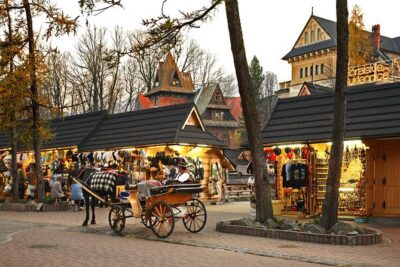
Zakopane: Cable Car, Chocholow Baths, Cheese & Vodka
Read our review →
Zakopane Cable Car, Vodka, Cheese & Hot Springs Tour
Read our review →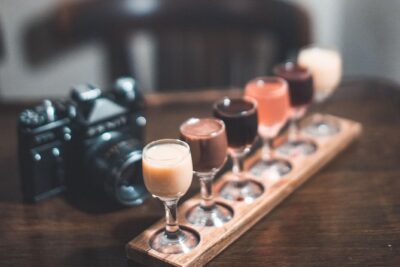

Half-Day Polish Food Walking Tour with Guide and Dinner
Read our review →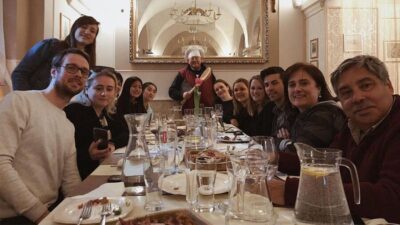
Krakow Pierogi Cooking Class with Market Visit & Home-Cooked Meal
Read our review →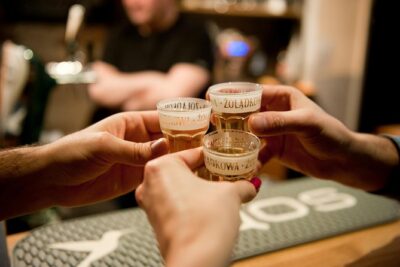
Food Tour of 10 Tastings with Pierogi, Vodka & More
Read our review →Where else this one turns up