
Reviewed · SCHINDLER'S FACTORY TOURS
Schindler’s Factory Museum
The most striking part of this visit is that it is not simply a museum about Oskar Schindler. It tells the story of Krakow under Nazi occupation, from the city’s prewar life through the war and its aftermath, using the former factory site as the setting. Schindler’s role matters, but it is only one thread in a much larger and darker story.
I like the small group size, capped at 15 people, and the help with getting inside a museum where queues can become confusing. I also like the local Spanish-speaking guide format. Guides such as Lucy and Damian have been singled out for clear explanations, personal stories, and strong knowledge of Polish wartime history.
The main drawback is that you may expect a focused biography of Schindler and instead receive a broader history of Krakow. The museum can also feel crowded, and there is a great deal of text to read, so this 90-minute tour may leave you wanting extra time.
Key points to know before booking
- The museum is about Krakow as much as Schindler: Expect the Nazi occupation, Jewish and non-Jewish life, and postwar Poland, not just the factory owner.
- A Spanish-speaking local guide leads the visit: The guide adds context and keeps the exhibition from becoming a silent march past display panels.
- The meeting point is Lipowa 4F: You must make your own way there, since hotel pickup and transportation are not included.
- The group is limited to 15 people: That is a useful size for hearing the guide in crowded rooms.
- Book ahead if your schedule is tight: Same-day admission may be limited, and queues can be disorderly.
- Allow more than 90 minutes if possible: The tour lasts about an hour and a half, but the exhibition contains enough material for a longer visit.
What this Schindler’s Factory Museum tour really covers
The museum is often treated as a place devoted to Oskar Schindler, the German industrialist who saved more than 1,000 Jewish workers during the Holocaust. That is part of the visit, but the exhibition puts Schindler inside the wider story of occupied Krakow.
You begin with the city before and during the Second World War. The focus is on how ordinary life changed under Nazi rule: work, movement, fear, discrimination, forced displacement, and the destruction of the Jewish community. The exhibition also considers the experience of non-Jewish Polish citizens, rather than presenting the period through only one viewpoint.
That wider scope is valuable. If you already know the film Schindler’s List, you may find less new material about Schindler himself than expected. In return, you get a clearer picture of the city in which his actions took place and the people affected by the occupation.
The story continues beyond the war, including the long period of Soviet communism that followed. That makes the museum a useful introduction to modern Polish history, although it can also make the visit feel less tightly focused than the name suggests.
More Museum Tours in Krakow
- Auschwitz-Birkenau Museum and Memorial Guided Tour from Krakow
★ 4.5 · 1,510 reviews - Krakow: Rynek Underground Museum Guided Tour
★ 4.6 · 1,122 reviews - Krakow Schindler’s Factory Museum Guided Tour in English
★ 4.5 · 650 reviews
Entering the factory at Lipowa 4F
The meeting point is at Lipowa 4F, 30-702 Krakow. You do not receive hotel pickup, and transportation to the museum is your responsibility. The site is near public transportation, and some people walk from the Old Town in roughly 30 minutes, though your route and pace will determine the exact time.
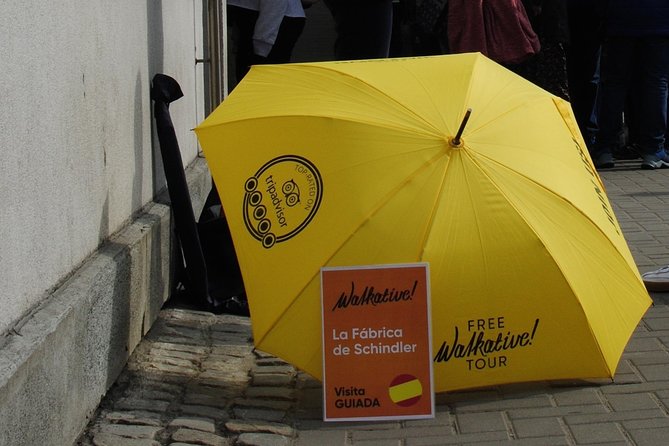
At the meeting point, look for the guide with the yellow umbrella. This is the practical detail most likely to save you time. The museum entrance area can be confusing, with separate lines and unclear instructions for ticket holders, groups, and people hoping to buy admission on the spot.
Prebooking is sensible, especially during the busier months or later in the day. A same-day visit can work when the museum opens and tickets are still available, but that is not a safe plan if your Krakow schedule is fixed. You do not want to spend 45 minutes in a queue for an experience that lasts only part of the day.
The tour ends back at the meeting point. Since there is no transportation included, plan your next stop from the museum rather than expecting a ride back to your hotel.
The first rooms: Krakow before the war
The opening sections help establish what Krakow was like before the Nazi invasion. This matters because the museum is not only about dates and military events. It shows a functioning city and a community whose daily life was then dismantled.
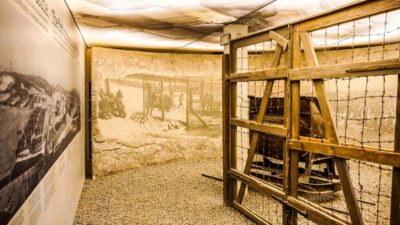
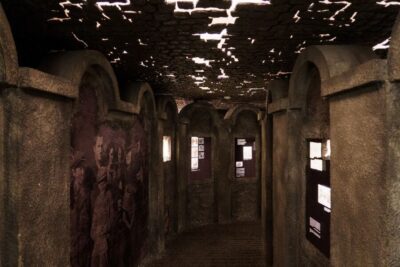
You can expect photographs, documents, posters, personal objects, and other pieces that trace the movement from normal civic life to occupation. The presentation follows a timeline, which helps you understand how one restriction led to another.
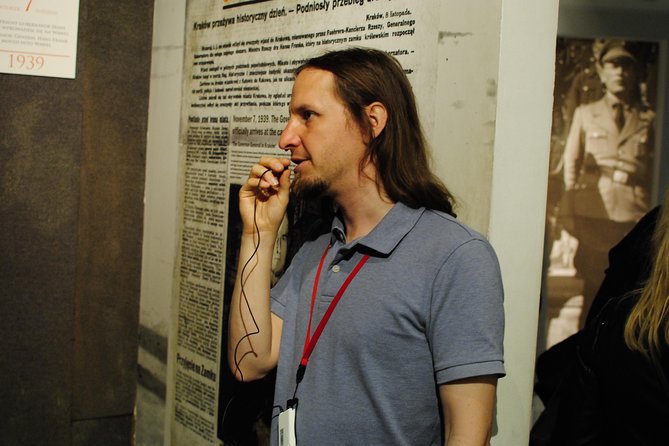
The museum relies heavily on written information. I find that useful when I want detail, but it can slow the pace. If you try to read every panel, 90 minutes may not be enough. A guide helps you decide what deserves your attention and explains the points that are easy to miss in a crowded room.
The exhibition can feel narrow and busy as groups move through it. That is one reason a small guided group has real value. You can listen to the main explanation without having to stop at every panel or fight for space in front of every display.
Occupation, persecution, and daily life
The strongest section is the account of how occupation changed life for Krakow’s residents. The story includes the Jewish population, but it also shows how Nazi rule affected Polish society more broadly.
You encounter the machinery of persecution through photographs, notices, objects, and accounts of people living under rules they could not control. The important point is not only what happened in major historical events. It is how the occupation entered homes, workplaces, streets, and families.
A good guide makes this section easier to understand. Lucy and Damian are among the guides associated with especially strong explanations of Poland before the war, during the occupation, and after 1945. The best part of this format is the spoken context: a guide can explain connections between displays and answer questions without forcing you to decode every panel alone.
The material is emotionally difficult. This is not a light attraction to fit between lunch and shopping. The museum presents suffering directly, and some displays may be upsetting. The recommendation for admission is youth aged 14 and older, which gives you a useful guide when deciding if the visit suits your family.
Other visits to Schindler's Factory:
- Krakow: Oskar Schindler’s Factory Entry Ticket & Guided Tour
★ 4.2 · 3,793 reviews - Krakow: Schindler’s Factory Tour with Entrance Ticket
★ 4.5 · 3,182 reviews - Krakow: Schindler’s Factory Skip-the-Line Ticket
★ 4.4 · 3,105 reviews - Krakow: Schindler’s Factory Tour with Entrance Ticket
★ 4.6 · 1,737 reviews
Schindler’s role and the limits of the film connection
If you are visiting because of Schindler’s List, keep your expectations in check. The museum is connected to the film through its subject and location, but this is not a movie set tour or a long biography of Schindler.
The exhibition explains his factory and the people he employed, including the way his position helped him protect more than 1,000 Jews. Yet Schindler himself receives less attention than many people expect. Some of his story comes toward the end of the guided visit, which can feel abrupt if you arrived expecting him to be the central figure from the first room.
I see this as both a strength and a weakness. The strength is that the museum avoids turning the entire occupation into the story of one German businessman. The weakness is that anyone seeking a detailed account of Schindler’s motives, career, and postwar life may feel shortchanged.
The building also requires a little clarification. The museum occupies the former administrative area of Schindler’s enamel factory, while the main factory building still exists but is used for another purpose. You are visiting a genuine historical site, but not every part of the original factory complex is part of this museum tour.
Why the guided format can be worth $36
The price is $36, including museum admission, VAT, and a professional local guide in Spanish. For a 90-minute visit, that is not the cheapest way to enter the museum. You are paying for more than the ticket, though: you are paying for a fixed time, queue assistance, and interpretation in your chosen language.
The value depends on how you normally visit museums. If you enjoy reading every panel at your own speed and already know the background, a self-guided admission may suit you better. Some people find the museum’s information clear enough to manage without a guide.
I would consider the tour better value if you want structure, need Spanish-language interpretation, or have limited time in Krakow. A guide can turn a large amount of material into a readable story and point out how the exhibition connects Krakow’s wartime experience with Schindler’s factory.
The maximum group size of 15 is another point in its favor. It is not a private tour, but it is small enough for the guide to remain audible and for questions to be possible. In busy conditions, that difference matters.
Crowds, queues, and how to plan the visit
Crowding is the biggest practical concern. The museum can become packed, with groups moving through rooms that already contain a lot of text and visual material. You may have to wait for space at popular displays, and the flow can feel tight.
Book in advance. This is particularly important if you plan to visit later in the day, during summer, or on a date when your schedule leaves no room for delay. The museum sometimes has tickets available at opening time, but availability can change.
Arriving early may give you a calmer start. It also gives you a better chance of seeing the introductory displays without standing behind several groups. Even with a reserved place, follow the meeting instructions and look for the yellow umbrella rather than assuming every queue is for your tour.
The reported ticketing process can be confusing for people who arrive without reservations. Lines for advance ticket holders, group visitors, and people seeking same-day admission may not be obvious. Booking through the tour removes some of that uncertainty, but it cannot guarantee an empty museum.
How long you should allow
The advertised duration is about one hour and 30 minutes. That is enough for a guided overview, but not necessarily enough to read every sign or examine every object at leisure.
If the museum matters to you, keep extra time in reserve after the formal tour. Some people spend around two hours inside, and it is easy to spend longer when you stop for the photographs, personal belongings, and written accounts.
The ticket does not allow you to leave and return, so do not rush out for lunch or another appointment expecting to come back in on the same admission. Plan your visit as one continuous block.
This is also why a tight schedule can work against you. The tour itself is short enough to fit into a morning or afternoon, but the walk or tram ride, meeting process, museum entry, and time spent lingering can turn it into a larger commitment.
Who will get the most from this visit
I would recommend this tour to you if you want a clear introduction to Krakow during the Second World War, especially if you prefer listening to a guide rather than reading a museum on your own.
It is also a good fit if you have seen Schindler’s List and want to understand the real city and historical setting behind the story. Just expect the museum to broaden the subject beyond Schindler.
You may prefer a self-guided visit if you already have strong knowledge of Nazi-occupied Europe and want to move slowly through the displays. The museum contains many written explanations, and some of its presentation may feel familiar if you have visited several war or Jewish museums elsewhere in Europe.
Families should consider the subject matter and the recommended age of 14. The exhibition is serious and sometimes distressing, and younger children may not be ready for its content or its reading-heavy format.
Practical details that affect your day
Confirmation is provided at booking. The activity is near public transportation, and most people can participate, but you still need to reach Lipowa 4F independently.
Admission, VAT, and the Spanish-speaking guide are included. Hotel pickup, local transportation, and any other personal costs are not included.
The tour has free cancellation up to 24 hours before the start time. Cancel at least 24 hours ahead for a full refund. Within 24 hours, refunds are not available and changes are not accepted.
These rules are worth noting because museum tickets can be limited. If your Krakow plans are uncertain, the cancellation window gives you some flexibility, but you need to act before the 24-hour cutoff.
Should you book this Schindler’s Factory tour?
Book it if you want a guided, Spanish-language visit that places Schindler’s actions inside the full story of occupied Krakow. The strongest reasons are the local guide, the group limit of 15, the included admission, and the help avoiding the museum’s confusing queues.
Do not book it expecting a Schindler biography or a film-themed attraction. You will spend more time learning about Krakow’s Jewish and non-Jewish population, Nazi rule, and postwar Poland than following Schindler alone.
At $36, the tour is most worthwhile when interpretation and convenience matter to you. Arrive prepared for a crowded, text-heavy museum, allow more than 90 minutes if possible, and meet the guide at Lipowa 4F with the yellow umbrella. For a first visit to Krakow’s wartime history, it is a serious and useful choice.
FAQ
Where does the Schindler’s Factory Museum tour begin?
The tour begins at Lipowa 4F, 30-702 Krakow, Poland. Look for the guide with the yellow umbrella.
Where does the tour end?
The activity ends back at the meeting point at Lipowa 4F.
How long does the tour last?
The guided experience lasts approximately one hour and 30 minutes.
What language is the guide?
The included professional local guide speaks Spanish.
What is included in the $36 price?
The price includes entrance to Schindler’s Factory Museum, VAT, and the professional Spanish-speaking guide.
Is transportation or hotel pickup included?
No. Hotel pickup and transportation to the attraction are not included. The museum is near public transportation.
Can I cancel for a full refund?
Yes. You can cancel at least 24 hours before the experience start time for a full refund. Cancellations or changes made within 24 hours are not accepted, and the amount paid is not refunded.
Recently added in Krakow
- Auschwitz-Birkenau and Krakow Private Car Trip from Katowice★ 4.3 · 3 reviews
- Wawel Castle, Old Town with St. Mary’s Church Guided Tour★ 5.0 · 3 reviews
- Wawel Castle, Cathedral, Rynek Underground Tour with Lunch★ 5.0 · 3 reviews
- From Krakow: Chocholow Thermal Hot Springs (hotel pick up)★ 5.0 · 3 reviews
- Private tour to Zakopane and Thermal Baths from Krakow★ 5.0 · 3 reviews
- Legends of Cracow ROBOTIC SHOW★ 4.0 · 3 reviews
- From Krakow: Zakopane and Thermal Pools Guided Trip★ 5.0 · 3 reviews
- Guided Beer Tour in Krakow★ 4.5 · 3 reviews
Schindler's Factory Tours, compared.
Oskar Schindler’s Factory Entry Ticket & Guided Tour
Read our review →
Schindler’s Factory Tour with Entrance Ticket
Read our review →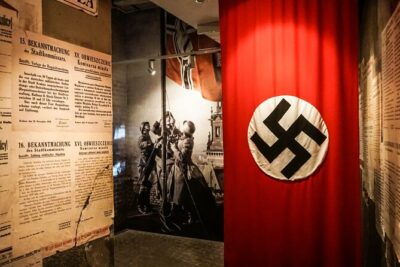
Schindler’s Factory in Krakow: Guided Tour & Skip the Line Ticket
Read our review →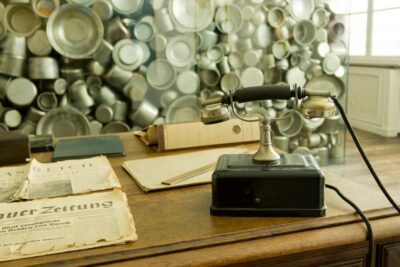
Schindler’s Factory Ticket with Guided Tour Option
Read our review →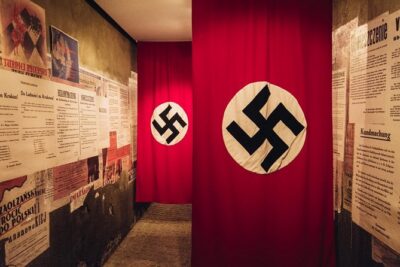
Krakow Schindler’s Factory Guided Tour with Admission Ticket
Read our review →
Krakow Schindler’s Factory Museum Guided Tour in English
Read our review →Where else this one turns up