
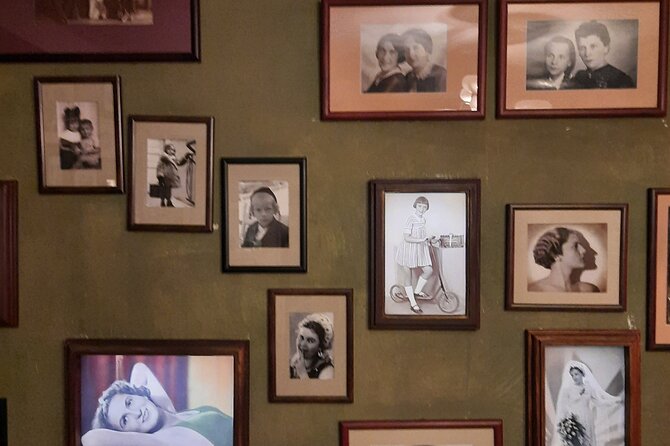
Reviewed · SCHINDLER'S FACTORY TOURS
Schindler’s Factory Guided Tour In a Small Group
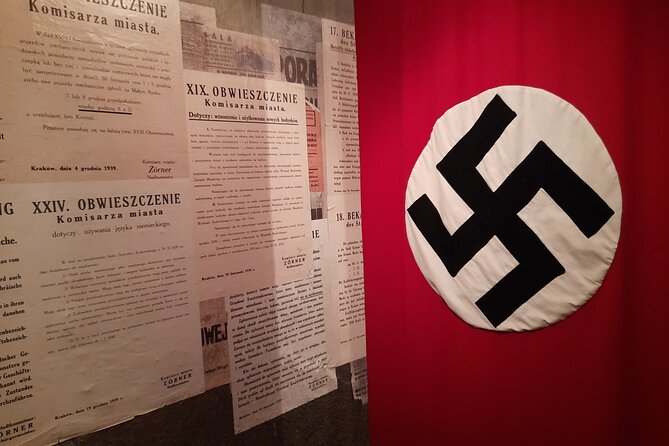
The most important thing to know is that this is not a walk through a working factory. It is a guided visit to the exhibition Krakow under Nazi Occupation 1939-1945, housed in Oskar Schindler’s former enamel factory. Schindler’s story is part of the visit, but the larger subject is life under German rule, the Krakow Ghetto, and the Holocaust.
I like the way a guide gives shape to a museum that can otherwise feel dense and crowded. I also like the small-group format, especially when the group is closer to five people than the maximum of 20. The main drawback is the tight 90-minute schedule, which can leave you wanting more time with the displays.
Key points to know
- The museum is broader than Schindler’s personal story: Expect a chronological account of Krakow during World War II, with Schindler woven into it.
- Guided context adds real value: Guides including Ewa, Joanna, and Magda have been praised for clear English, strong historical detail, and personal connections to people Schindler saved.
- The $40.99 price includes admission: You pay for the museum entry, guide service, and taxes, but tips are not included.
- Small groups vary in size: The tour can hold up to 20 people, though some departures have had only five.
- Arrive ready for a serious subject: The tour deals directly with Nazi persecution, the Ghetto, and the Holocaust.
- Book ahead: The experience is often reserved about 40 days in advance, and the museum can develop long entry lines.
What You Actually See at Schindler’s Factory
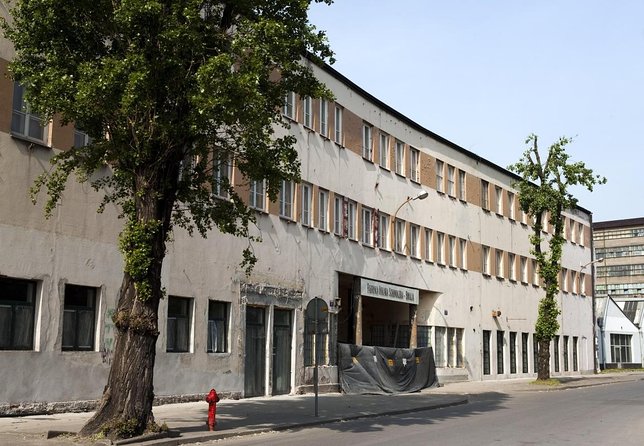
Schindler’s Factory Museum is at Lipowa 4 in Krakow’s Podgórze district. The name can create a misleading picture. You are not touring an untouched industrial plant or following the exact path shown in the film Schindler’s List. You are visiting a carefully arranged historical exhibition inside the former factory complex.
The exhibition covers Krakow from the German invasion in 1939 through the occupation and the destruction of the city’s Jewish community. Schindler’s enamelware business and his efforts to protect around 1,200 Jewish people appear within that story, but they are not the only focus.
That distinction matters. If you want a short biography devoted only to Oskar Schindler, this may feel broader than expected. If you want to understand the setting in which his actions took place, the wider approach is a strength.
I find this useful because Schindler’s actions can easily become simplified into a heroic film narrative. The museum places him in the machinery of occupation, forced labor, bureaucracy, fear, and daily survival. You gain a better sense of how unusual his choices were without losing sight of the many people who had no protection at all.
Other visits to Schindler's Factory:
- Krakow: Oskar Schindler’s Factory Entry Ticket & Guided Tour
★ 4.2 · 3,793 reviews - Krakow: Schindler’s Factory Tour with Entrance Ticket
★ 4.5 · 3,182 reviews - Krakow: Schindler’s Factory Skip-the-Line Ticket
★ 4.4 · 3,105 reviews
The 90-Minute Route Through Wartime Krakow
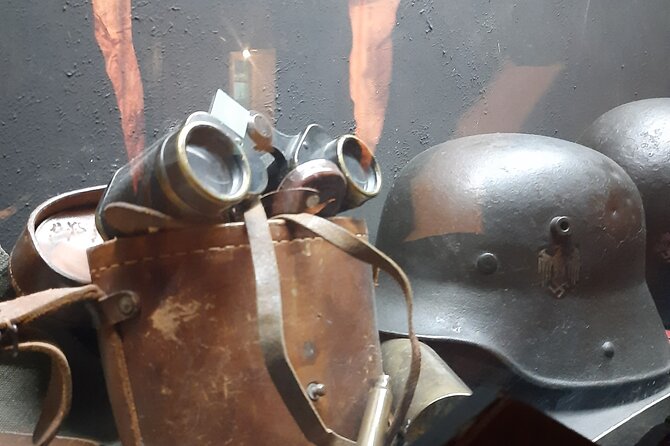
The only scheduled stop is the museum itself, and the visit lasts about one hour and 30 minutes. That sounds generous until you consider the amount of material on display.
A guide normally leads you through the exhibition in sequence, explaining how the occupation changed Krakow and how restrictions on Jewish people became harsher. The tour then connects those changes to the Ghetto, deportation, and the Holocaust.
You should expect a history lesson rather than an entertainment-focused attraction. The tone is serious and, at its best, measured. Several guides have been singled out for explaining the brutality of the period without turning the visit into a rushed list of atrocities.
The guided route is especially helpful at the beginning. You can quickly understand the basic timeline, then place individual objects, photographs, documents, and reconstructed settings within it. Without that framework, it would be easy to spend too long on one display and miss the larger progression.
The tradeoff is pace. One and a half hours is enough for an introduction and a guided route, but not enough for close reading of every panel. Some departures feel rushed, especially when the group spreads out or pauses at different points.
My advice is to stay physically close to the guide. One person specifically found it hard to hear when the group became spread out, and a hearing device did not always work well. If you want to examine every exhibit in detail, plan to return independently if your admission arrangement allows it, or accept that this tour gives you the main story rather than every detail.
Schindler’s Story, Placed in Its Proper Setting
Oskar Schindler is the emotional hook for many people, especially those who have seen Schindler’s List. The museum does explain how he used his factory and influence to help save around 1,200 Jewish people. It also gives you a more grounded picture than the film alone can provide.
The guide’s job is to separate documented history from the polished memory created by cinema. One highly praised guide, Ewa, has personal connections to people Schindler saved and their families. That kind of connection can add a human layer to the visit, though the exact guide on your departure is not guaranteed.
Joanna has also received praise for leading a strong tour, while Magda has been singled out for explaining the exhibition as a time-progressive journey through World War II. These names matter because the quality of the experience depends heavily on the person holding the group together.
At its best, the tour shows that Schindler was not the whole story. The people he helped had their own lives, work, families, fears, and decisions. The factory was one place within a far larger system that stripped people of rights and freedom.
That is why I would not judge the experience only by the amount of time spent discussing Schindler himself. The museum’s real value is the way it places his actions alongside the occupation of Krakow. You leave with a clearer understanding of both the man and the world around him.
Why the Guided Format Helps
You can probably absorb some of the museum on your own, but I think the guide earns the extra cost when the group is small and the commentary is strong.
The displays cover a difficult and complicated period. A good guide tells you what deserves your attention, explains the sequence of events, and fills in details that may not be available in English on every panel. One visitor noted that some boards were translated, but not all. That makes spoken English commentary particularly useful.
A strong guide also controls the rhythm. Ewa has been praised for pointing out the important places while allowing time to look around. That is exactly the balance you want in a museum like this. You need enough explanation to understand the material, but you also need quiet moments to take it in.
The best departures appear to benefit from guides who speak clear English and wait for the group to gather before talking. That small habit makes a big difference in a museum with several rooms and visual distractions.
Still, the guided format is not automatically better. One poor departure was described as a flat monologue that sounded read from a script. Another felt too rushed and difficult to hear. The lesson is simple: the guide matters as much as the building.
A few more Krakow half days to consider
- From Krakow: Auschwitz-Birkenau Guided Tour & Hotel Pickup
★ 4.5 · 33,358 reviews - From Krakow: Auschwitz-Birkenau Guided Tour & Hotel Pickup
★ 4.5 · 29,340 reviews - Krakow: Auschwitz Guided Tour with Optional Hotel Pickup
★ 4.5 · 15,280 reviews - Krakow–Zakopane: Cable Car, Chocholow Baths, Cheese & Vodka
★ 5.0 · 10,720 reviews
Small Group Means More Than a Marketing Label
The tour accepts a maximum of 20 people. That is small compared with a large city tour, but 20 is still enough to make a museum visit feel crowded.
When the group is closer to five, the format becomes much more appealing. You can hear more easily, ask questions without interrupting a large crowd, and stay with the guide as the route moves through the exhibition.
The group size can affect how much you see. A large group takes longer to gather, and people at the back may miss parts of the explanation. If you book this experience mainly for the guide’s commentary, the small-group option is worth treating as a real benefit, not just a label.
The available information does not promise a fixed group size below 20. I would therefore plan for anything up to that limit. If you prefer a quiet museum visit with plenty of time at each display, independent admission may suit you better. If you want a clear route and historical explanation, the guided group is the safer choice.
Timing, Crowds, and the Value of Reserved Admission
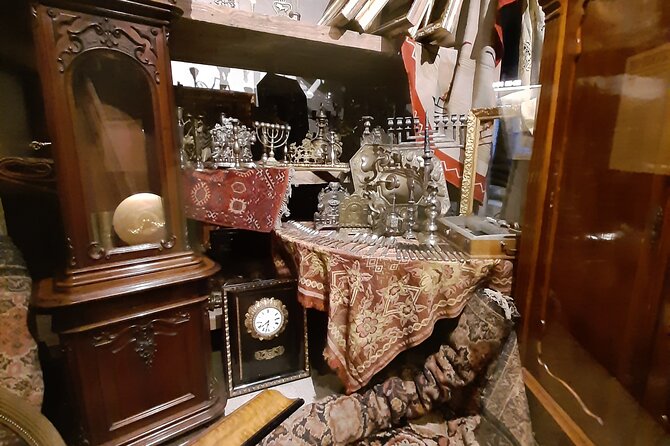
The tour costs $40.99 per person and includes museum admission, taxes, and the guide. Tips are not included.
That is not a bargain-basement museum ticket. You are paying for more than entry, though. You are paying for help with a popular attraction, a set time slot, and a structured explanation of a difficult subject.
Crowds are an important part of the value calculation. The museum can be busy enough for an entry queue to stretch up the road. A morning departure at 9:30 has allowed some people to finish before the worst crowds arrived, while a 10:00 start has also worked well when the museum was still relatively calm.
The booking is designed to secure your admission in advance, and the experience is promoted with a skip-the-line benefit. I would still arrive at the stated meeting point, Oskar Schindler’s Enamel Factory at Lipowa 4, with time to spare. Reserved entry does not remove the need to find the correct meeting arrangement.
The tour begins and ends at the same location. The museum is near public transportation, so you do not need a separate transfer as part of this activity. The short duration also makes it easy to pair with other Krakow plans, though I would avoid scheduling another fixed appointment immediately afterward.
The Emotional Weight of the Ghetto and Occupation Displays
The most affecting part of the visit is not necessarily the factory connection. It is the account of how ordinary life in Krakow was dismantled under Nazi rule.
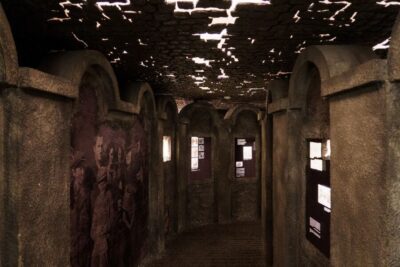
The exhibition follows the progression from occupation to discrimination, confinement, forced labor, and mass murder. The guide explains the conditions in the Ghetto and the human cost of policies that were imposed step by step.
That gradual progression is important. The tour does not treat the Holocaust as an isolated final chapter. It helps you see how control was established and how daily choices became matters of survival.
You should give yourself some quiet time after the tour. The subject is heavy, and the guide’s measured delivery can make the material more powerful rather than less. This is not a place for quick photo stops and a cheerful dash to the next attraction.
I would especially recommend the tour before a visit to Auschwitz or other World War II sites in the region. It provides background on the occupation and on Krakow’s Jewish population, which can help you understand later sites with greater care. Several people wished they had visited Schindler’s Factory earlier in their Krakow itinerary for exactly this reason.
Who Will Get the Most From This Experience
I think this tour suits you best if you:
- Have seen Schindler’s List and want historical context beyond the film.
- Want to understand Krakow’s wartime experience, not only Schindler’s biography.
- Prefer a guide to explain complex museum material.
- Have limited time and want a planned 90-minute visit.
- Are willing to engage with serious material about persecution and the Holocaust.
- Value reserved admission during a busy period.
It may be less suitable if you want a quiet, self-paced museum visit. The tour can feel rushed, especially if you want to read every panel or study each exhibit closely.
It is also not ideal if your main goal is to walk through the original production spaces and see a preserved factory floor. The museum is located in Schindler’s former factory, but the experience is primarily an exhibition about Krakow under occupation.
The tour is accessible to most people, and service animals are allowed. It is near public transportation. The supplied information does not give details about every internal feature of the museum, so you should contact the provider directly if you need specific accessibility arrangements.
A Few Practical Points Before You Go
Your booking confirmation is issued at the time of reservation. The meeting point is Oskar Schindler’s Enamel Factory, Lipowa 4, 30-702 Krakow, Poland. The activity ends back at that meeting point.
The experience requires a minimum number of participants. If the provider cancels because that minimum is not reached, you are offered another date or experience, or a full refund.
You can cancel for a full refund up to 24 hours before the start time. Changes or cancellations made less than 24 hours before the local start time are not accepted for a refund.
Guide quality can vary. The strongest departures have featured guides such as Ewa, Joanna, and Magda, with clear English and strong command of the material. At least one scheduled departure had a serious failure when the guide did not arrive, so keep your booking details and the provider’s contact information handy on the day.
That problem appears to be an exception, but it is worth acknowledging because a missed guide can waste a valuable morning in Krakow. The company is Explore Cracow, and the booking confirmation should give you the information needed to contact them.
Should You Book the Schindler’s Factory Guided Tour?
I would book it if you want a focused introduction to Krakow during World War II and prefer a guide to lead you through a crowded, text-heavy museum. The best part is the wider story: Schindler’s rescue effort is placed within the occupation, the Ghetto, and the Holocaust.
At $40.99, the tour costs more than simply seeking museum admission on your own, but reserved entry and a good guide can justify the difference. Choose an early time slot if possible, stay close to the guide, and think of the 90 minutes as a structured overview rather than enough time to read everything.
Skip it if you expect a factory tour devoted mainly to Schindler. In that case, the museum’s broader focus may surprise you. For most people interested in Krakow’s wartime history, though, this is a serious and worthwhile stop, especially early in a visit to the city.
FAQ
Where does the tour start?
The tour starts at Oskar Schindler’s Enamel Factory, Lipowa 4, 30-702 Krakow, Poland.
Where does the tour end?
The activity ends back at the meeting point.
How long does the tour last?
The tour lasts approximately one hour and 30 minutes.
How much does the tour cost?
The listed price is $40.99 per person.
What does the price include?
The price includes admission, all fees, and taxes, along with the guided tour.
Are tips included?
No. Tips are not included in the listed price.
How many people can join the tour?
The maximum group size is 20 people. Some departures may be smaller.
Is the museum visit only about Oskar Schindler?
No. The exhibition covers Krakow under Nazi occupation from 1939 to 1945, including the Ghetto and Holocaust. Schindler’s actions are part of the wider story.
Is the tour near public transportation?
Yes. The meeting point is near public transportation.
Can I cancel for a refund?
Yes. You can cancel at least 24 hours before the local start time for a full refund. Cancellations or changes made less than 24 hours before the start time are not accepted for a refund.
Recently added in Krakow
- Auschwitz-Birkenau and Krakow Private Car Trip from Katowice★ 4.3 · 3 reviews
- Wawel Castle, Old Town with St. Mary’s Church Guided Tour★ 5.0 · 3 reviews
- Wawel Castle, Cathedral, Rynek Underground Tour with Lunch★ 5.0 · 3 reviews
- From Krakow: Chocholow Thermal Hot Springs (hotel pick up)★ 5.0 · 3 reviews
- Private tour to Zakopane and Thermal Baths from Krakow★ 5.0 · 3 reviews
- Legends of Cracow ROBOTIC SHOW★ 4.0 · 3 reviews
- From Krakow: Zakopane and Thermal Pools Guided Trip★ 5.0 · 3 reviews
- Guided Beer Tour in Krakow★ 4.5 · 3 reviews
Schindler's Factory Tours, compared.
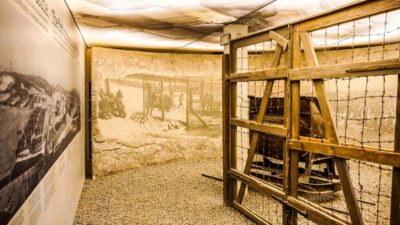
Oskar Schindler’s Factory Entry Ticket & Guided Tour
Read our review →
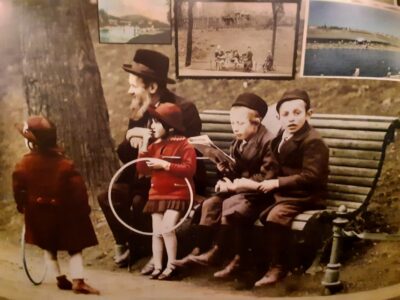
Schindler’s Factory Tour with Entrance Ticket
Read our review →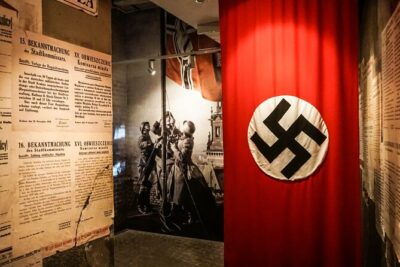
Schindler’s Factory in Krakow: Guided Tour & Skip the Line Ticket
Read our review →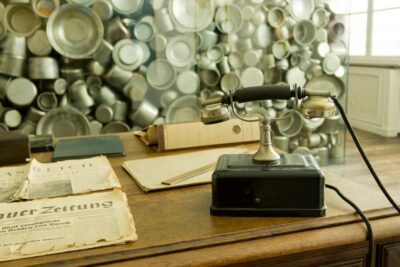
Schindler’s Factory Ticket with Guided Tour Option
Read our review →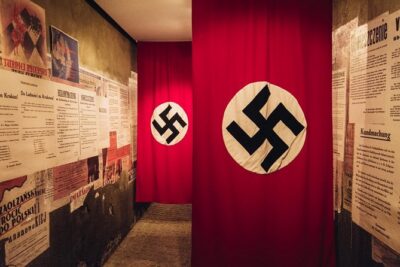
Krakow Schindler’s Factory Guided Tour with Admission Ticket
Read our review →
Krakow Schindler’s Factory Museum Guided Tour in English
Read our review →Where else this one turns up