
Reviewed · SCHINDLER'S FACTORY TOURS
Krakow: Schindler’s Factory Guided Tour
Krakow’s Schindler’s Factory is more than a film tie-in. Inside the former administration building, you follow the wartime lives of ordinary people, Jewish families, Polish citizens, and those caught in the machinery of Nazi rule. The most striking object is Oskar Schindler’s original desk, still kept in his office.
I like the way a guide connects the museum’s displays to daily life in occupied Krakow, rather than treating the place as a simple memorial to one famous man. I also like the practical skip-the-line entry and the supplied headsets, which make it easier to follow a guide in a busy museum.
The main drawback is pace. Some groups have found the tour crowded or rushed, with too little time to read every display or explore the rooms after the guide moves on. If you want a quiet, unhurried museum visit, a direct museum ticket may suit you better.
Key points to know before booking
- The factory is a wartime museum, not just an Oskar Schindler exhibit: Much of the tour explains life in Krakow from 1939 to 1945.
- Schindler’s office and desk are major highlights: You visit the building once used by the administration of his enamel factory and see his authentic desk.
- The guide makes a real difference: Barb has been praised for her energy, personal touch, and command of modern history.
- Headsets help in busy conditions: You can hear the guide even when several groups are moving through the museum.
- The two-hour promise may feel tight: Some groups have finished in about 90 minutes and had no chance to re-enter independently.
- Bring a physical photo ID: Every participant needs a passport or photo ID, and large bags are not allowed inside.
What this Krakow tour is really about
The name Oskar Schindler draws many people here because of the film Schindler’s List. That connection matters, but it is only one part of the visit. The museum’s wider subject is Krakow under German occupation between 1939 and 1945, with attention to how war changed work, family life, movement, housing, and personal safety.
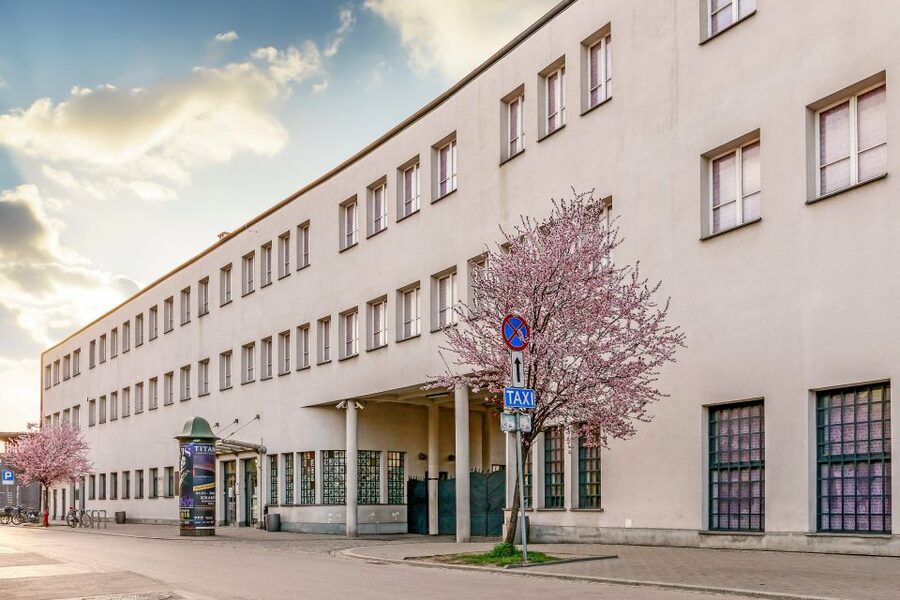
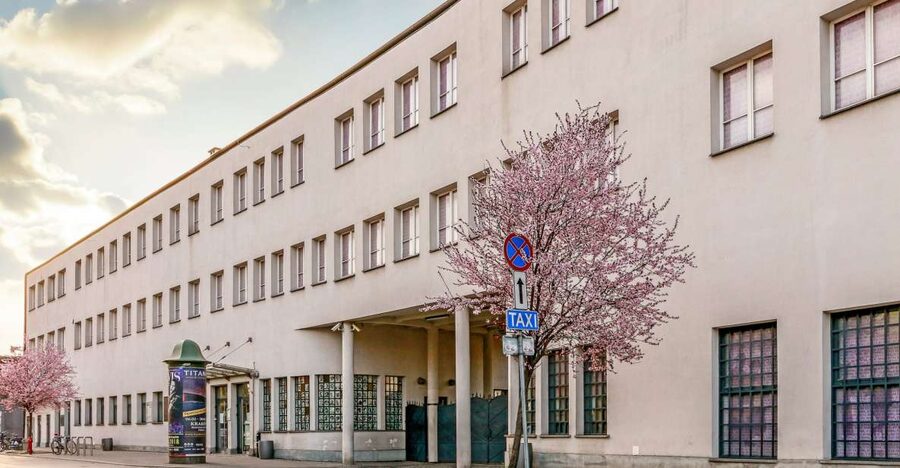
You begin at the former enamel factory complex, also known as Deutsche Emailwarenfabrik. The original factory was established in 1937. After Germany invaded Poland on September 1, 1939, Schindler arrived in Krakow around September 6, when German forces entered the city. He soon took control of the factory and employed more than 1,000 Jewish people from the Krakow ghetto.
That background gives the building a special weight. You are not simply looking at a museum housed in an old industrial site. You are entering a place tied directly to Schindler’s work and to the people he employed. The central story is how more than 1,200 Jewish people in Krakow were saved through his efforts.
Still, the museum does not present Schindler as the only subject. The strongest part of the tour is the link between the large events of Nazi rule and the private lives of people who had to cope with them. You learn about a system of persecution, but you also encounter the personal dramas of victims and residents trying to survive each day.
Other visits to Schindler's Factory:
- Krakow: Oskar Schindler’s Factory Entry Ticket & Guided Tour
★ 4.2 · 3,793 reviews - Krakow: Schindler’s Factory Tour with Entrance Ticket
★ 4.5 · 3,182 reviews - Krakow: Schindler’s Factory Skip-the-Line Ticket
★ 4.4 · 3,105 reviews
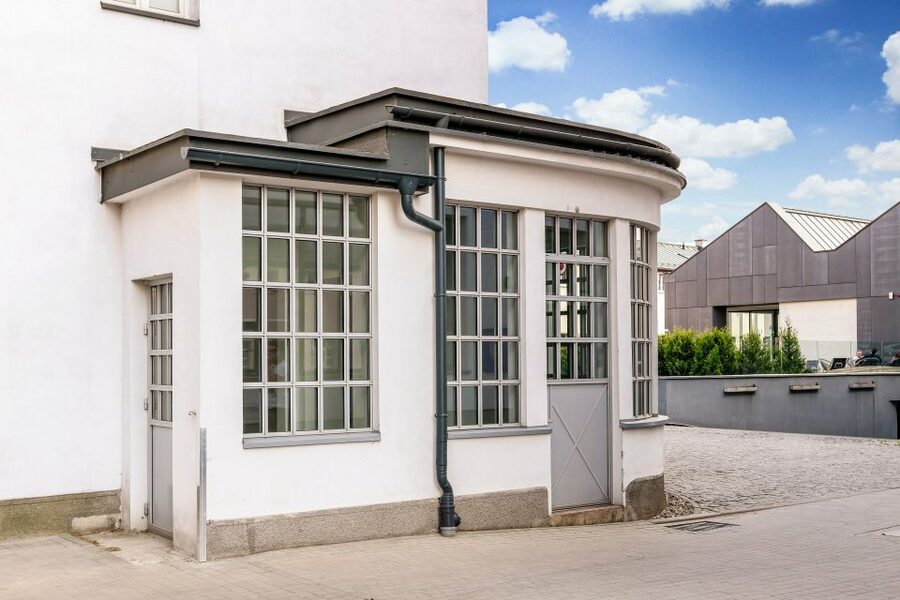
Entering the former enamel factory administration building
The meeting point is directly in front of the museum entrance. Look for a greeter holding a GetYourGuide banner. This is useful because the entrance area can be busy, and you do not want to spend the start of a short tour trying to identify the right group.
The guided visit lasts two hours. English and Spanish tours are available, and the activity is wheelchair accessible. You receive a professional guide and a skip-the-line entrance ticket, so you avoid the normal ticket queue. That convenience matters most if your Krakow schedule is tight or if the museum is busy.
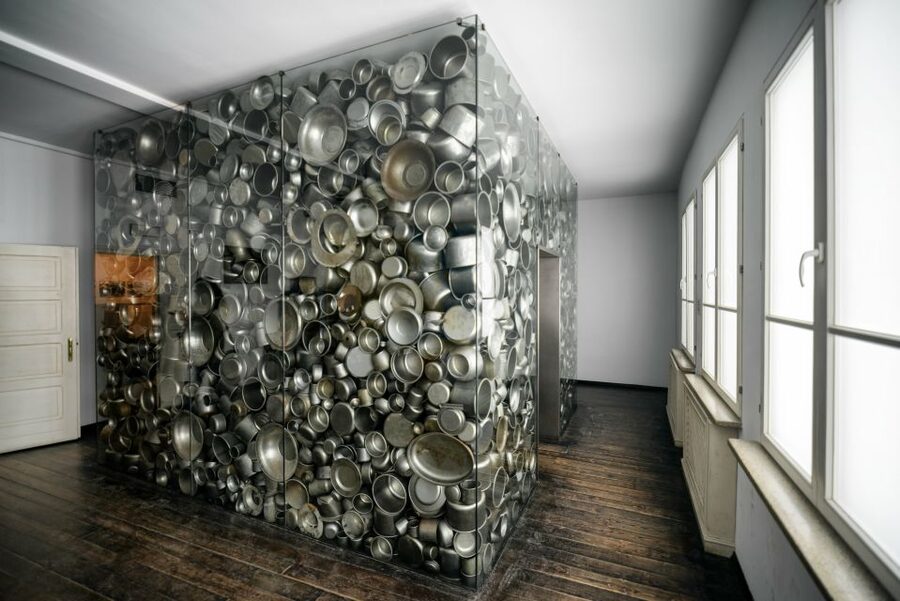
The building itself is part of the experience. The factory’s wartime connection gives the displays more force than they would have in an unrelated modern gallery. As you move through the rooms, the setting keeps returning you to the fact that this was a place of work during the occupation.
Do not expect a factory tour in the usual sense. The emphasis is on wartime Krakow, the ghetto, occupation, and the people affected by Nazi policy. One clear criticism is that the tour may not spend as much time on the factory’s industrial operation as you expect from the name. If you want machinery, production methods, or a detailed account of the factory business, you may find the focus too broad.
Following daily life in Krakow from 1939 to 1945
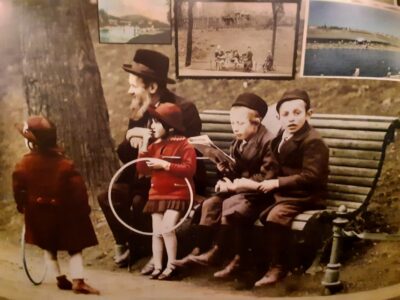
The museum’s value lies in showing how the war reached into ordinary routines. The guide explains how the occupation affected citizens of Krakow and how personal stories fit into the wider Nazi system.
This approach works well for you if dates and military events alone do not explain what you want to understand. A good guide can show why rationing, forced work, restricted movement, fear, and the division of communities mattered at street level. The tour is designed to connect the public story with individual lives.
Several guides have been praised for bringing feeling and clarity to a painful subject. Barb, in particular, has been described as energetic and deeply informed, while another guide connected the material with his own family’s Second World War experience. That personal connection can make the visit feel less like a string of labels and more like a serious conversation about people.
The subject is somber, and the tour does not soften the cruelty of the period. You should allow yourself time afterward if you need a break before moving on to another Krakow sight. This is not a light museum stop to squeeze between lunch and shopping.
A guide’s personal viewpoint can also shape the experience. One visitor found that a guide spoke too broadly about German and Austrian suffering after the war and failed to give enough weight to the trauma caused by postwar occupation. That is a useful reminder: guides bring their own interpretation. The core material remains important, but you should listen critically when the discussion moves beyond the museum’s central subject.
Schindler’s office and the desk that anchors the story
One of the most specific highlights is Schindler’s office, where his authentic desk is still displayed. It is a modest object, but it gives the story a physical center. You are no longer dealing only with a famous name from a film or a chapter in a book. You can see the office associated with the man whose decisions affected the lives of more than 1,200 Jewish people.
The desk also helps keep the story grounded. Schindler was not operating from a mythical setting. His work took place in a real factory, in a real occupied city, among workers whose survival depended on a mixture of protection, employment, and changing wartime conditions.
Do not assume that every minute of the tour will focus on this office. The museum’s wider display deals with Krakow and the occupation, so Schindler’s room is one important stop within a larger account. That balance is a strength if you want context. It may disappoint you if you expect a full museum devoted only to Schindler.
A few more Krakow half days to consider
- From Krakow: Auschwitz-Birkenau Guided Tour & Hotel Pickup
★ 4.5 · 33,358 reviews - From Krakow: Auschwitz-Birkenau Guided Tour & Hotel Pickup
★ 4.5 · 29,340 reviews - Krakow: Auschwitz Guided Tour with Optional Hotel Pickup
★ 4.5 · 15,280 reviews - Krakow–Zakopane: Cable Car, Chocholow Baths, Cheese & Vodka
★ 5.0 · 10,720 reviews
Why the guide matters more than the ticket
A guided tour is particularly helpful here because the subject involves many people, dates, institutions, and overlapping stories. Without context, a display can be moving but hard to place. A guide gives you the connecting thread.
The best reported qualities are clear delivery, passion, and a strong grasp of modern history. One guide, Barb, was praised for making the full two hours interesting and for using headsets effectively. Another guide was credited with bringing unusual energy and care to the subject. Those details matter because a museum tour can quickly become tiring when the guide speaks too softly or simply reads wall text.
The headset is a small but valuable feature. It lets you stand at a display or move with the group while still hearing the explanation. In a crowded museum, that can mean the difference between following the story and missing half of it.
There is a tradeoff. A guide may stop to speak in front of an exhibit, then lead you onward before you have read everything. Some people have found the groups too large, with too many other parties in nearby rooms. If you are a careful reader, you may feel that the spoken explanation takes time away from the objects and panels themselves.
Ask yourself what kind of museum visit you prefer. If you want the main story explained clearly and efficiently, the guide is worth paying for. If you like to examine every document at your own pace, the fixed group rhythm may frustrate you.
A closer look at timing, crowds, and the two-hour format
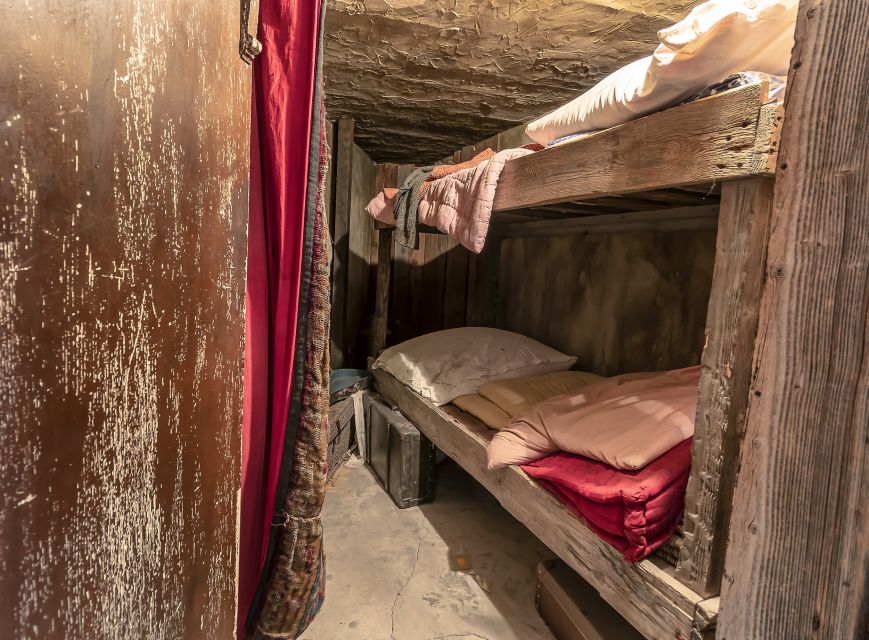
Two hours is a reasonable amount of time for an introduction to the museum, but it is not a guarantee of leisurely viewing. The stated duration gives you a useful planning window, yet some groups have finished after roughly an hour and a half.
That matters because the museum contains rooms and displays that may deserve more time than a short guided route allows. A family connection to wartime forced labor, for example, could make one particular exhibit especially important to you. If the guide moves on quickly, you may not have enough time to read the related material.
You also cannot count on staying inside for the remaining time after the guided portion. A group that asked to return to the museum after the tour was told that external bookings did not allow it. For that reason, I would treat the guided route as your main and possibly only visit during that entry.
The safest plan is to arrive ready to listen, not expecting a long independent session afterward. Keep your schedule flexible enough that you are not racing to your next appointment. A crowded room can slow movement, while a large group can make it harder to pause.
Is the $42 price fair?
At $42 per person, this is not the cheapest way to see a Krakow museum. You are paying for more than admission: a professional guide, an English or Spanish tour, and skip-the-line entry.
I think the price is reasonable if you value context and have only one visit planned. A strong guide can save you from piecing together a complicated story on your own, and the queue benefit may be useful during a busy period. The headsets also add practical value.
The calculation changes if you want to spend a long time reading. Since the tour may be rushed and re-entry is not guaranteed, you could prefer to book directly with the factory if an independent visit is your priority. The guided option is strongest for someone who wants a structured explanation, not for someone who intends to study every exhibit.
Food and drinks are not included, though that is hardly a concern inside a two-hour museum visit. The larger issue is the non-refundable policy. Check your date and language carefully before paying, since you cannot rely on getting your money back if your plans change.
Important rules at the museum entrance
Bring a physical passport or photo ID with a picture for every person in your group. This is not optional. Without the required ID, you may be refused entry.
Leave large luggage and large bags elsewhere. Pets are not allowed, and the museum does not provide an animal shelter. Smoking, alcohol, drugs, weapons, and sharp objects are prohibited.
Photography with flash and video recording are not permitted inside. You should also expect the museum to require a quiet, respectful approach because of the subject matter and the memorial nature of many displays.
The tour is not suitable for children under 14. That age limit fits the serious content and helps you decide if this is right for your family. Wheelchair access is available, but the supplied information does not describe every route detail, so it is sensible to confirm any specific access needs before booking.
Who should book this experience?
I would choose this tour if you are visiting Krakow for the first time and want a guided account of the occupation rather than a quick look at Schindler memorabilia. It also suits anyone who has seen Schindler’s List and wants to place its story in the real setting of Krakow.
It is a good fit for adults and older teenagers who can handle difficult wartime material. The best match is someone who prefers a clear narrative, appreciates a guide’s interpretation, and does not mind moving with a group.
I would think twice if you need complete control over your pace. You may prefer a direct booking if you want to read every panel, revisit a particular room, or focus narrowly on the factory itself. The guided ticket gives you convenience and context, but not unlimited time.
Should you book the Schindler’s Factory guided tour?
Book it if your priority is understanding how Nazi occupation shaped Krakow and how Schindler’s factory became tied to the survival of more than 1,200 Jewish people. The former administration building, Schindler’s office, and original desk give the story a firm physical link, while a good guide adds the human detail that a self-guided visit may lack.
Go in with realistic expectations. This is a serious two-hour overview, not a slow, private examination of every exhibit and not a factory-production tour. Bring your photo ID, leave your large bag behind, and accept that the group may move faster than you would alone.
For most visitors who want a focused introduction, the $42 cost is defensible. If you are a careful museum reader or have a strong family connection to the period, book directly with the museum if possible and protect extra time for the displays.
FAQ
How long does the Schindler’s Factory guided tour last?
The tour is scheduled to last two hours. Some groups have finished in about 90 minutes, so you should not assume you will receive a full two hours of independent museum time afterward.
What languages are available?
The tour is available in English and Spanish.
Where is the meeting point?
Meet in front of the entrance to the Oskar Schindler’s Enamel Factory museum. A greeter will be holding a GetYourGuide banner.
Is skip-the-line entry included?
Yes. The experience includes a skip-the-line entrance ticket and a professional guide.
Do I need to bring identification?
Yes. Every participant must bring a physical passport or photo ID. Without it, you may not be allowed to enter the museum.
Can I bring luggage or a large bag?
No. Large luggage and large bags are not permitted inside the museum.
Are children allowed on the tour?
The experience is not suitable for children under 14.
Can I take photographs or record video?
Flash photography and video recording are not permitted inside the museum. Pets, smoking, weapons, sharp objects, alcohol, and drugs are also prohibited.
Recently added in Krakow
- Auschwitz-Birkenau and Krakow Private Car Trip from Katowice★ 4.3 · 3 reviews
- Wawel Castle, Old Town with St. Mary’s Church Guided Tour★ 5.0 · 3 reviews
- Wawel Castle, Cathedral, Rynek Underground Tour with Lunch★ 5.0 · 3 reviews
- From Krakow: Chocholow Thermal Hot Springs (hotel pick up)★ 5.0 · 3 reviews
- Private tour to Zakopane and Thermal Baths from Krakow★ 5.0 · 3 reviews
- Legends of Cracow ROBOTIC SHOW★ 4.0 · 3 reviews
- From Krakow: Zakopane and Thermal Pools Guided Trip★ 5.0 · 3 reviews
- Guided Beer Tour in Krakow★ 4.5 · 3 reviews
Schindler's Factory Tours, compared.
Oskar Schindler’s Factory Entry Ticket & Guided Tour
Read our review →
Schindler’s Factory Tour with Entrance Ticket
Read our review →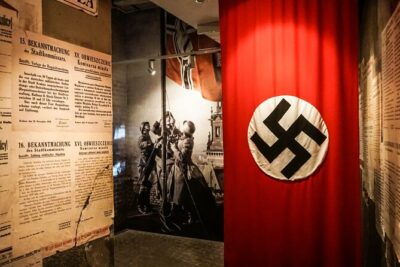
Schindler’s Factory in Krakow: Guided Tour & Skip the Line Ticket
Read our review →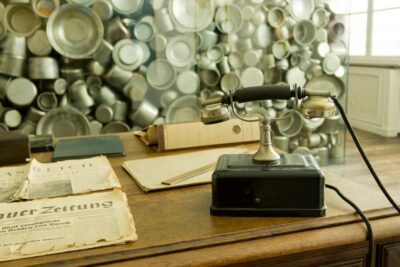
Schindler’s Factory Ticket with Guided Tour Option
Read our review →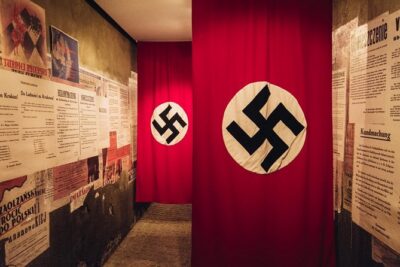
Krakow Schindler’s Factory Guided Tour with Admission Ticket
Read our review →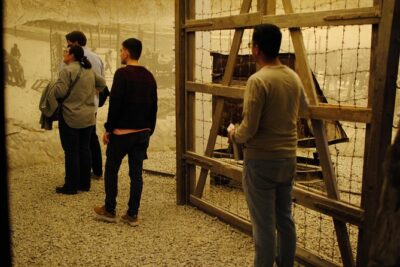
Krakow Schindler’s Factory Museum Guided Tour in English
Read our review →Where else this one turns up