
Reviewed · SCHINDLER'S FACTORY TOURS
Krakow: Schindler’s Factory Guided Tour with Entry Ticket
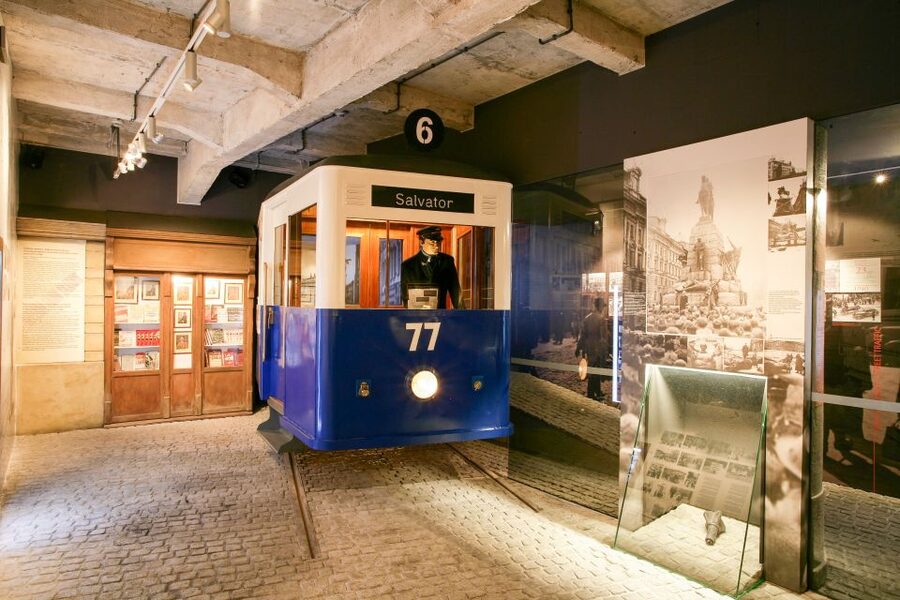
The most moving part of this visit is that the museum is not simply about the man made famous by Steven Spielberg. It uses Oskar Schindler’s former factory to tell the wider story of Krakow under Nazi occupation, including the lives of Polish and Jewish residents before, during, and after the war. You follow the path from the first weeks of occupation to the Krakow Ghetto, Płaszów Concentration Camp, and the arrival of the Soviet Army in 1945.
I like two things right away: the English-speaking guide gives essential context, and the ticket lets you skip the entry line. Guides such as Kamil, Ewa, Michael, Eva, Kate, and Joanna have been praised for clear English, strong subject knowledge, and a serious sense of purpose. The main drawback is the pace. The museum is narrow and full of material, so a guided visit can feel rushed when you want to stop and read every photograph or document.
Key points to know before you go
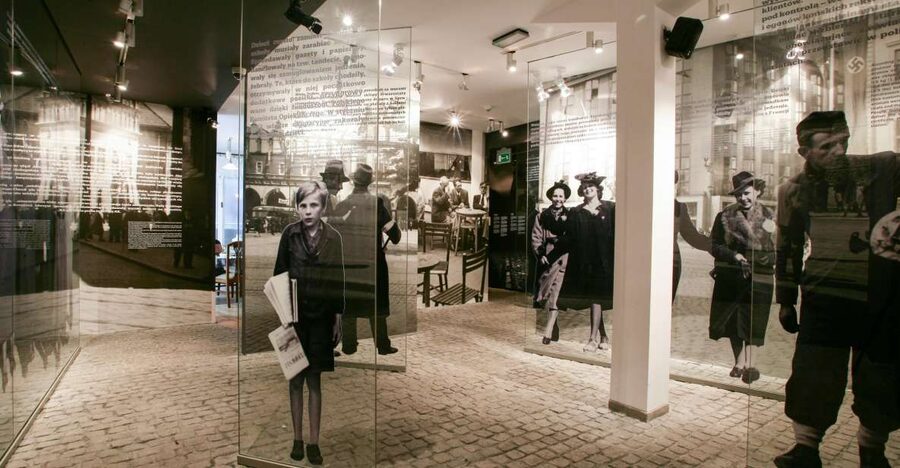
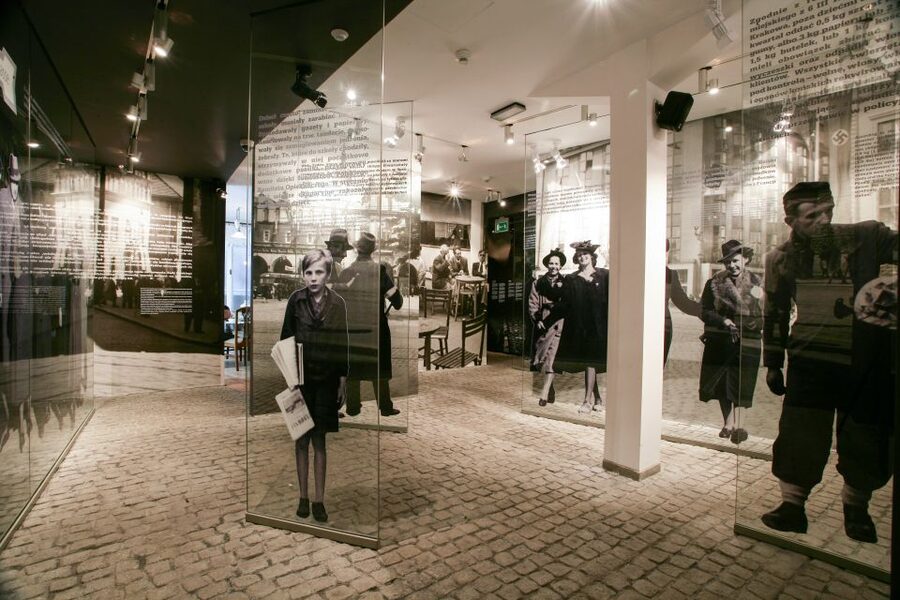
- The factory is a setting, not a film set: You will not walk through recreated scenes from Schindler’s List. The museum presents wartime Krakow through photographs, documents, sound, film, and personal accounts.
- The focus is broader than Schindler: Much of the visit explains Jewish life in Krakow, Nazi rule, the ghetto, and Płaszów before reaching Schindler’s rescue story.
- A guide makes the exhibition easier to follow: The displays contain enough material for several hours, while the tour lasts about 100 minutes.
- Expect an emotional museum visit: Personal photographs, testimonies, and wartime objects make this a serious experience rather than a light sightseeing stop.
- Book ahead if your schedule matters: Entry can sell out, and advance tickets also help you avoid the ticket line.
- Allow extra time if possible: The guided portion ends back at the factory, but you can stay to watch films and inspect documents at your own pace.
Why Schindler’s Factory tells more than one story
The name draws people in because of Schindler’s List, but the museum’s purpose is larger. Oskar Schindler was a German industrialist and factory owner who employed Jewish workers during the occupation and eventually helped save about 1,200 of them.
The permanent exhibition, Kraków Under Nazi Occupation 1939-1945, places his actions inside the much wider experience of the city. You learn what Krakow was like in the month before the war, how German occupation changed daily life, and how Jewish residents were forced into the ghetto.
That wider focus is important. If you arrive expecting a museum devoted only to Schindler’s personal life, you may be surprised that the early sections spend more time on Krakow and its people than on the factory owner himself. I consider this a strength, since it prevents one famous figure from taking over the story of thousands of others.
The exhibition also helps explain the difference between a Hollywood film and a historical museum. Spielberg brought Schindler’s story to a worldwide audience, but this visit gives you the local setting and the broader wartime record behind the film.
Other visits to Schindler's Factory:
- Krakow: Oskar Schindler’s Factory Entry Ticket & Guided Tour
★ 4.2 · 3,793 reviews - Krakow: Schindler’s Factory Tour with Entrance Ticket
★ 4.5 · 3,182 reviews - Krakow: Schindler’s Factory Skip-the-Line Ticket
★ 4.4 · 3,105 reviews
Meeting at ul. Lipowa 4
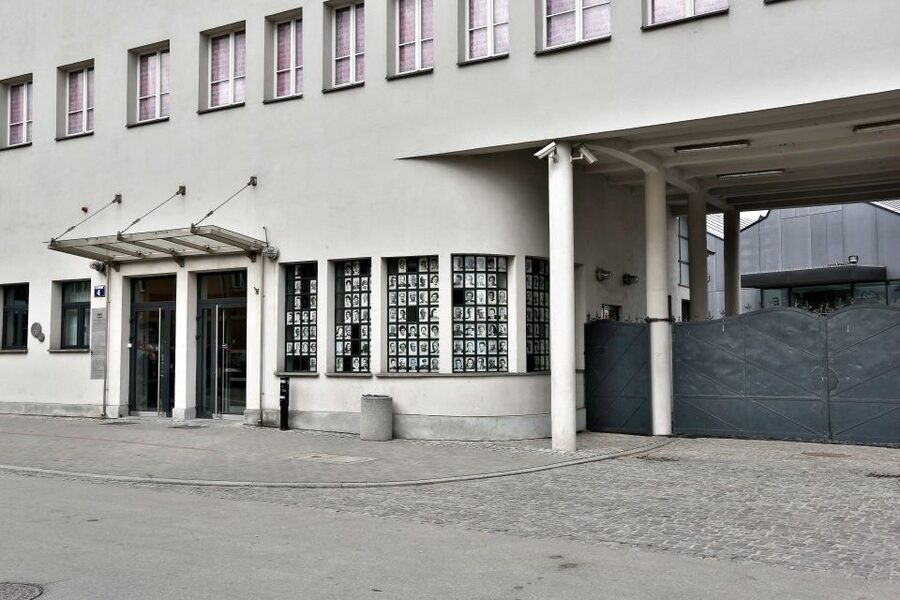
The meeting point is directly in front of the Schindler’s Factory Museum at ul. Lipowa 4. The tour begins and ends at the same location, so you do not need to arrange a separate transfer or follow a complicated route between sights.
Bring your passport or identity card. The ticket includes museum entry and, if you select the guided option, a professional English-speaking guide. Food and drinks are not included, and the visit is not suitable for wheelchair users.
The skip-the-line arrangement is useful here. The museum is popular, and advance tickets can sell out. If this is a priority stop in Krakow, I would not leave admission until the last minute.
The first galleries: Krakow before and after September 1939
The tour begins with the city before the war and the events that took place in the month leading up to the German invasion. This section gives you a starting point that many visitors miss when they go straight to the Holocaust story.
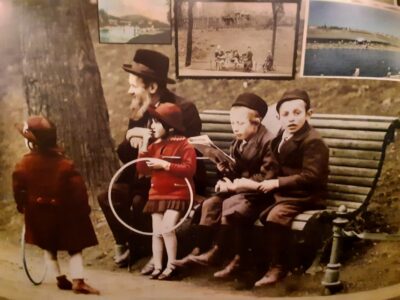
You see Krakow as a living city with Polish and Jewish residents, established communities, work, family life, and cooperation. The point is not just to list dates. It is to show what occupation destroyed and how quickly ordinary routines were replaced by restrictions and fear.
The early galleries then move into the first months of Nazi rule. Your guide explains how German authority reshaped public life and affected Krakow’s inhabitants. Photographs and documents help turn broad wartime terms into local events.
This is where the guide matters most. The displays contain a great deal of text, and it is easy to lose the sequence of events when moving from one room to another. A good guide builds a clear thread through the material and points out details you might otherwise pass.
Several guides have been singled out for their clear English and personal engagement with the subject. Kamil was praised for adding lesser-known facts to the basic account. Michael was described as bringing a local and personal connection to the story, while Ewa and Eva were noted for combining warmth with careful explanation.
Guide quality can vary from one departure to the next, of course, but the experience is designed around live explanation rather than a silent walk through cases.
Krakow’s Jewish community, the ghetto, and Płaszów
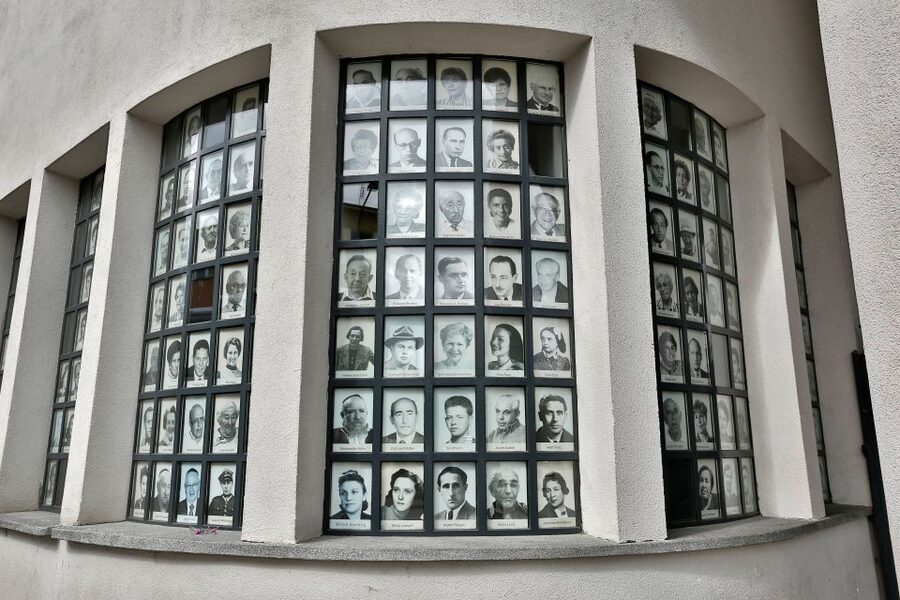
The middle portion deals with the Jews of Krakow before, during, and after the war. You encounter photographs, personal records, and accounts that show people as individuals rather than as an anonymous group.
The material about the Krakow Ghetto is especially important. The museum explains how Jewish residents were concentrated into a confined area and how the occupation changed their homes, work, movement, and safety.
The section on Płaszów Concentration Camp follows. This is not a simple story with one dramatic turning point. The guide helps connect the ghetto’s destruction, forced labor, deportation, and the camp system to the later story of Schindler’s workers.
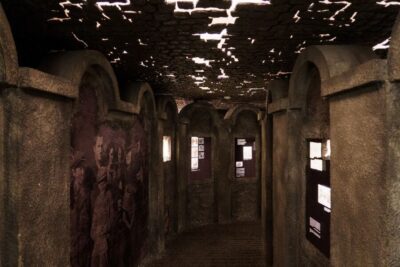
The exhibition uses sound and film as well as photographs and written documents. That makes the visit more absorbing, but it can also make the rooms noisy. The former factory is narrow in places, and if your group is large, you may need to stand close to the guide to hear every sentence.
Some tour groups have found the first rooms especially crowded. If hearing is difficult for you, stay near the guide and ask for a repeat when needed. A headset may help, although the supplied equipment has been criticized for poor mono sound. The practical issue is simple: do not assume you will be able to stand at the back and catch everything.
A few more Krakow half days to consider
- From Krakow: Auschwitz-Birkenau Guided Tour & Hotel Pickup
★ 4.5 · 33,358 reviews - From Krakow: Auschwitz-Birkenau Guided Tour & Hotel Pickup
★ 4.5 · 29,340 reviews - Krakow: Auschwitz Guided Tour with Optional Hotel Pickup
★ 4.5 · 15,280 reviews - Krakow–Zakopane: Cable Car, Chocholow Baths, Cheese & Vodka
★ 5.0 · 10,720 reviews
Oskar Schindler and the people he saved
Only after the wider story is established does the tour concentrate on Schindler. You enter rooms dedicated to his factory, his choices, and the Jewish workers whose lives were saved.
The central fact is powerful but needs context. Schindler did not begin as a flawless hero. The exhibition presents his actions within the pressures and compromises of the occupation, allowing you to consider how his conduct changed and what he risked.
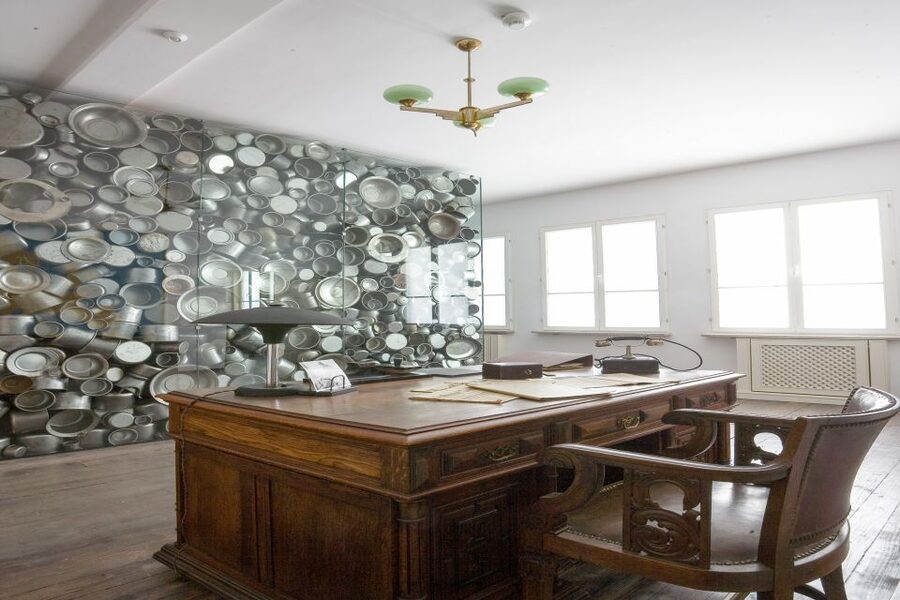
This is also where the museum differs from the movie. You should not expect sets or a guided recreation of famous scenes. Instead, you encounter memories, documents, photographs, and material connected with Schindler and the workers.
One useful feature of the guided approach is that it can keep the focus on both sides of the story. A guide can explain Schindler’s role without ignoring the people he employed, the dangers they faced, or the wider system surrounding the factory.
The final section about the ghetto and the rescued Jews can feel compressed. The tour must keep moving, and the museum has more to show than fits comfortably into 100 minutes. I would treat the guided visit as your framework, not your complete reading time.
What the 100-minute schedule feels like
The advertised duration is 100 minutes, while the guided explanation is sometimes described as about 90 minutes. In practical terms, plan for roughly an hour and a half to one hour and forty minutes with the guide.
That is enough time to understand the main sequence of events and ask some questions. It is not enough time to read every label, study every image, and watch every film.
This creates the main choice you need to make. If you have limited time, the guide is excellent value because you receive a structured account without having to decode the exhibition alone. If you have several hours available, you may prefer to spend part of the visit with the guide and then remain inside to explore independently.
The museum itself is compact in some areas, with tight passages and rooms that can fill quickly. A guide who manages the group well makes a difference. Ewa, Michael, and other named guides have been praised for keeping groups together and waiting when people fall behind, but you should still expect some standing and close quarters.
Families with older children and teenagers can benefit from the live explanation. The subject is difficult, but the visit connects dates and political events to personal stories. It is less suitable for anyone seeking a quick, cheerful attraction.
Is $25 a fair price?
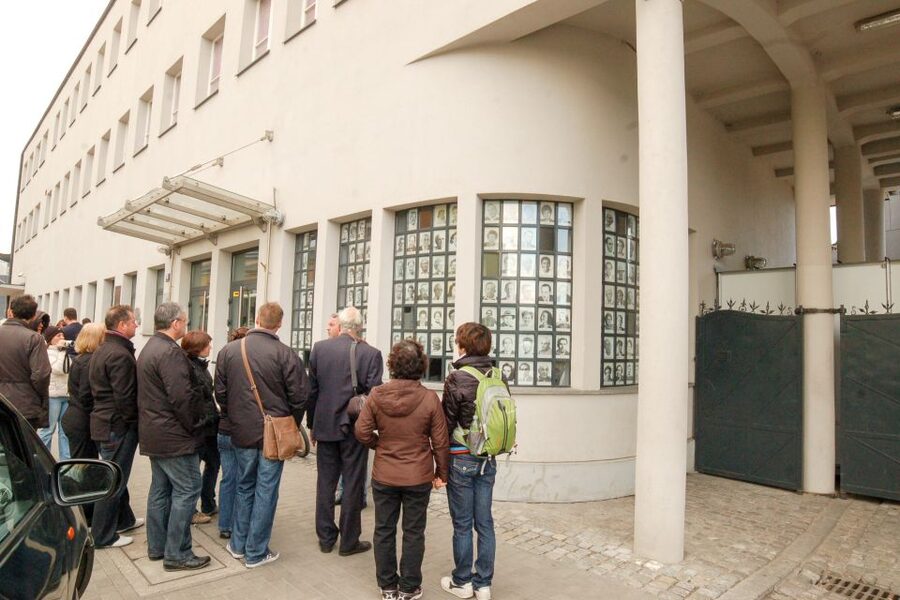
At $25 per person, the cost is reasonable if you value a clear explanation and guaranteed entry. The ticket covers admission and the professional guide, with no separate museum ticket to arrange.
The best value comes from the time saved. The exhibition is dense, and reading everything on your own could take several hours. A guide identifies the main items and explains how the rooms connect, which is useful if Schindler’s List introduced you to the subject but you want a fuller account of Krakow during the war.
The price is less compelling if you only want to see the building associated with the film. This is not a short photo stop or a display of movie props. You are paying for a serious museum visit focused on occupation, persecution, resistance, survival, and Schindler’s place within that story.
If you are also visiting Auschwitz-Birkenau, this tour works well as a local introduction. It explains what happened in Krakow before you confront the larger camp complex. It does not replace Auschwitz, and it should not be treated as a substitute, but it can give the later visit useful context.
Who should take this tour?
I would choose this tour if you:
- Have seen Schindler’s List and want the historical setting behind it
- Want to understand Krakow’s wartime experience, not only Schindler’s biography
- Have limited time and prefer an expert-led route through a dense exhibition
- Want an English-language explanation with the museum ticket included
- Plan to visit Auschwitz-Birkenau and would like local background first
- Prefer photographs, documents, personal accounts, and film to a simple collection of objects
You may want a self-guided visit instead if you read slowly, need long pauses, or want to examine every document. The museum has enough material to occupy hours, but the group must keep moving during the tour.
People with mobility limitations should note that the experience is listed as unsuitable for wheelchair users. The narrow rooms and crowded passages may also be uncomfortable if you need generous personal space.
Practical advice for a better visit
Book ahead, especially if the museum is a must-see during a short Krakow stay. The tour includes skip-the-line entry, and tickets may sell out before the day of the visit.
Arrive at the entrance on ul. Lipowa 4 with your passport or identity card. Keep your booking details easy to access, and plan to remain with the guide rather than treating the first 100 minutes as free exploration.
Stand near the guide in the early galleries. Sound can be an issue in the narrow rooms, especially when several groups are moving through the museum. If you use an audio device, check it before the explanation gets under way.
Do not schedule another major activity immediately afterward. The tour is not physically long, but the amount of information is high, and the final sections deserve quiet thought. If your schedule allows, stay after the guided portion to watch films and read the documents the group could not cover.
The activity offers free cancellation up to 24 hours before the start and a reserve-now, pay-later option. Those terms are useful if your Krakow plans are still shifting, but the key practical point is still to secure your place early.
Should you book the Schindler’s Factory tour?
Book it if you want a serious, well-organized introduction to Krakow during World War II. The guide adds real value, particularly in the early galleries, where the exhibition covers a great deal of political and social detail.
Go in with the right expectation. This is not mainly a film-set visit, and it is not only a portrait of Schindler. It is a museum about a city under occupation, its Jewish community, the ghetto and Płaszów, and the people caught inside those events.
At $25, I think the guided ticket is a sound choice for first-time visitors and anyone on a tight schedule. If you have more time, stay afterward for the films and documents. That extra hour or two may be what turns a brisk historical tour into a fuller understanding of what happened here.
FAQ
Where does the tour meet?
Meet in front of the entrance to Schindler’s Factory Museum at ul. Lipowa 4 in Krakow.
How long does the tour last?
The scheduled duration is 100 minutes. The guided portion may take about 90 minutes, with time available afterward to continue exploring the museum.
What language is the tour conducted in?
The live guided tour is conducted in English.
Is museum admission included?
Yes. The experience includes the entrance ticket to Schindler’s Factory Museum and a professional guide when the guided option is selected.
Can I visit the exhibition after the guided tour?
Yes. You can stay afterward to watch films and explore documents connected with Schindler and the people involved in the story.
Is this a recreation of the Schindler’s List movie set?
No. The museum is located in Oskar Schindler’s former enamel factory, but the visit presents historical photographs, documents, memories, film, and exhibition material rather than movie sets.
What should I bring?
Bring a passport or identity card.
Is the tour suitable for wheelchair users?
No. The activity is listed as unsuitable for wheelchair users.
Recently added in Krakow
- Auschwitz-Birkenau and Krakow Private Car Trip from Katowice★ 4.3 · 3 reviews
- Wawel Castle, Old Town with St. Mary’s Church Guided Tour★ 5.0 · 3 reviews
- Private tour to Zakopane and Thermal Baths from Krakow★ 5.0 · 3 reviews
- Wawel Castle, Cathedral, Rynek Underground Tour with Lunch★ 5.0 · 3 reviews
- From Krakow: Chocholow Thermal Hot Springs (hotel pick up)★ 5.0 · 3 reviews
- Legends of Cracow ROBOTIC SHOW★ 4.0 · 3 reviews
- From Krakow: Zakopane and Thermal Pools Guided Trip★ 5.0 · 3 reviews
- Guided Beer Tour in Krakow★ 4.5 · 3 reviews
Schindler's Factory Tours, compared.
Oskar Schindler’s Factory Entry Ticket & Guided Tour
Read our review →
Schindler’s Factory Tour with Entrance Ticket
Read our review →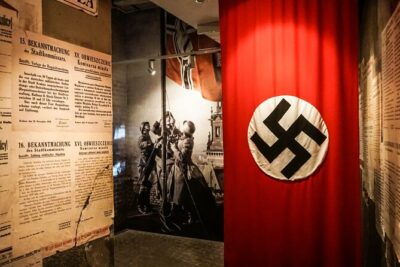
Schindler’s Factory in Krakow: Guided Tour & Skip the Line Ticket
Read our review →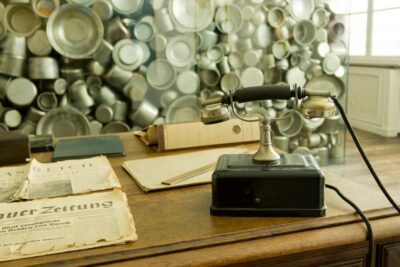
Schindler’s Factory Ticket with Guided Tour Option
Read our review →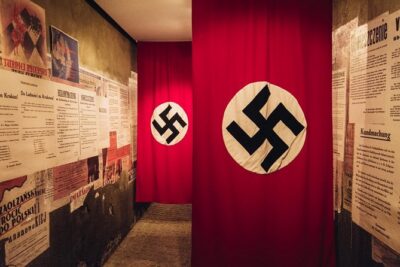
Krakow Schindler’s Factory Guided Tour with Admission Ticket
Read our review →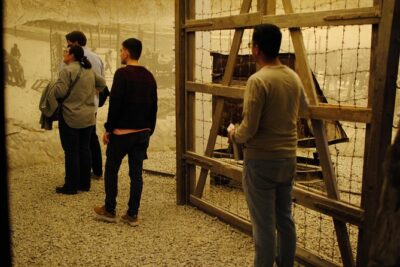
Krakow Schindler’s Factory Museum Guided Tour in English
Read our review →Where else this one turns up