
Reviewed · SCHINDLER'S FACTORY TOURS
Krakow Schindler’s Factory & Ghetto & Plaszow Camp Guided Tour
The most powerful part of this Krakow tour is the way it links a museum, a surviving ghetto wall, and the former Płaszów camp into one continuous story. You move from daily life under Nazi occupation to forced removal and mass murder, then to the remains of a camp that is far less neatly presented than a traditional museum.
I like the included ticket to Schindler’s Factory and the guide’s role in connecting the sites. I also like the small-group format, described as capped at 15 people in the tour highlights, though the booking information also gives a maximum of 25. The main drawback is the pace: five hours of walking, standing, and public transport can be tiring, and one person could not complete the full program after starting at noon.
Key points before you book
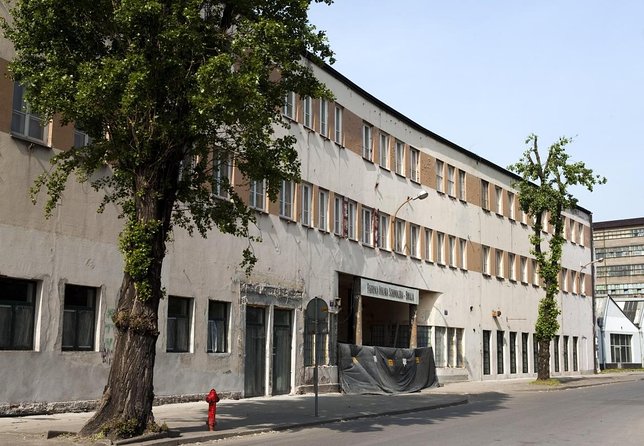
- Schindler’s Factory is not a biography of Oskar Schindler: The main exhibition focuses on Krakow under Nazi occupation from 1939 to 1945.
- The ghetto wall is an original fragment: This short section of wall is one of Krakow’s clearest physical reminders of the Jewish ghetto.
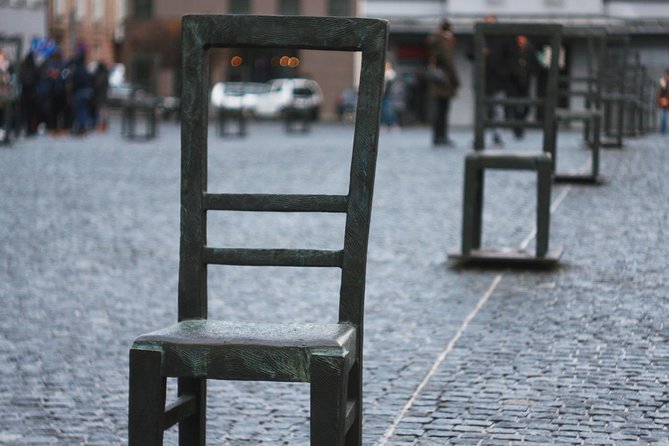
- Ghetto Heroes Square uses empty chairs as a memorial: The chairs represent the belongings left behind after the ghetto was liquidated.
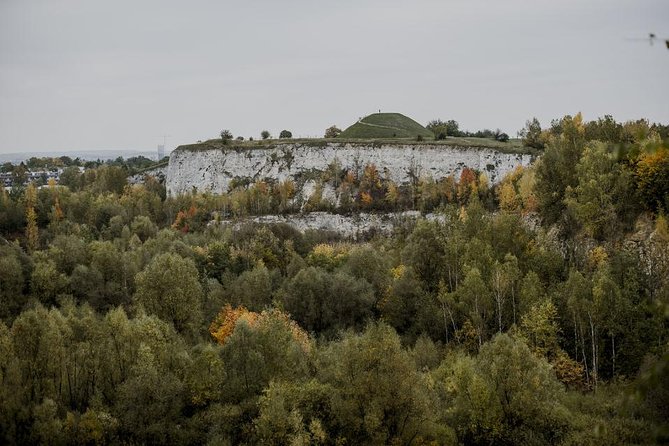
- Płaszów is an open historical site: You visit the former forced labor and concentration camp area rather than a conventional museum.
- Plan for five hours and plenty of walking: The route includes a 90-minute museum visit, two brief memorial stops, and about 90 minutes at Płaszów.
- Budget 4 PLN for the tram: The public transport ticket is not included in the tour price.
Why this tour matters in Krakow
Krakow’s wartime story is easy to split into separate attractions. You can visit Schindler’s Factory, walk through Podgórze, or go to Płaszów on your own. The trouble is that the meaning of each place can get blurred when you do not know how the pieces fit together.
This tour gives you that framework. You begin at the former enamel factory, where the museum explains the occupation and the changing fortunes of Krakow’s residents. You then visit the former ghetto area, including an original wall fragment and Ghetto Heroes Square. Finally, you reach Płaszów, where the story moves from the ghetto to forced labor, deportation, and the camp system.
I find that order useful. The museum gives you the background first. The outdoor stops then make the history more physical and personal. You are not simply looking at a collection of objects. You are following a route through places where decisions were made, people were confined, and families were torn apart.
This is a serious history tour, not a light sightseeing outing. The subject is painful, and the best way to approach it is with time, attention, and respect.
Other visits to Schindler's Factory:
- Krakow: Oskar Schindler’s Factory Entry Ticket & Guided Tour
★ 4.2 · 3,793 reviews - Krakow: Schindler’s Factory Tour with Entrance Ticket
★ 4.5 · 3,182 reviews - Krakow: Schindler’s Factory Skip-the-Line Ticket
★ 4.4 · 3,105 reviews
Inside Schindler’s Factory on Lipowa Street
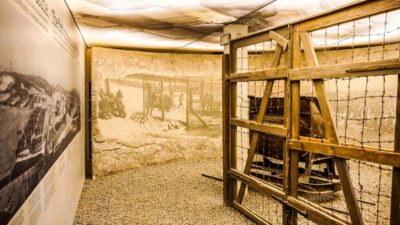
The tour begins at 4 Lipowa Street, home to Oskar Schindler’s Enamel Factory. Your included admission covers the main exhibition, titled Krakow under Nazi Occupation 1939 to 1945. This is the centerpiece of the experience and lasts about 90 minutes.
The important point is that the museum is not primarily a biography of Schindler. If you expect a room-by-room explanation of the film or a full life story of the German industrialist, you may find the focus different from what you imagined.
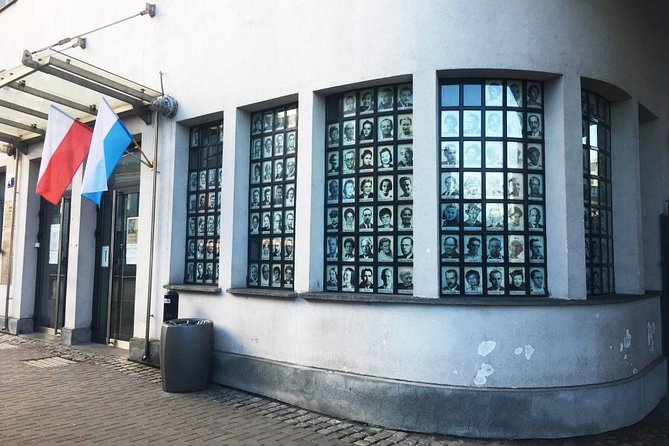
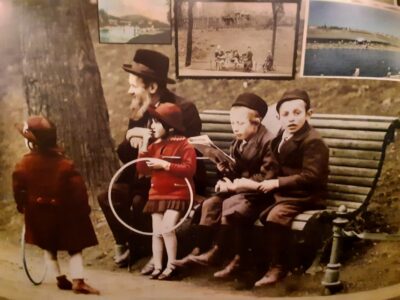
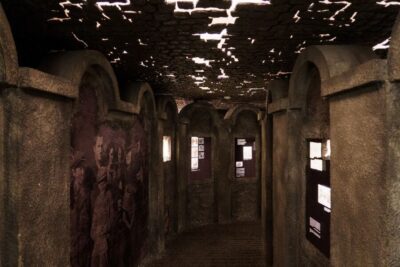
Instead, the exhibition examines occupied Krakow. It presents the city under German rule and looks at how occupation affected Jewish and non-Jewish residents. The guide helps place the displays in context, which is particularly useful when the museum introduces names, dates, institutions, and events that can otherwise feel disconnected.
I like this wider focus because it keeps the story from becoming only about one man. Schindler is part of the history, but the museum’s subject is the city and the people forced to live under Nazi control.
You should allow the full 90 minutes here. This is not a quick stop where you glance at a few objects and move on. The guide-led format also means you can ask questions and keep track of the larger story as the exhibition changes tone.
The included entrance ticket adds real value. Schindler’s Factory is one of Krakow’s most popular museums, and joining with admission arranged is simpler than arriving independently and dealing with the ticket line. The tour description says the guide helps save waiting time, though you should still arrive at the specified start point on time.
The original ghetto wall fragment
After the museum, the tour moves to a 12-meter fragment of the original Krakow ghetto wall. The stop lasts about 15 minutes, so do not expect a long museum-style presentation. Its impact comes from the fact that the wall is original.
A commemorative plaque explains that Jewish residents lived, suffered, and died there, and that this was where many began their final journey to the death camps. I would treat this as a quiet pause rather than a place to rush through for a photograph.
The wall helps you understand the physical reality of the ghetto. Maps and dates can tell you where the ghetto was, but a remaining section of wall shows how confinement was built into the city itself. The stop is short, yet it gives the next part of the tour a strong sense of place.
Admission is listed as not included, but this is an outdoor memorial stop rather than a separate ticketed attraction. The practical issue is simply keeping with the group and listening carefully, since the visit is brief.
Ghetto Heroes Square and the empty chairs
Ghetto Heroes Square, in Krakow’s Podgórze district, was inside the ghetto between 1941 and 1943. It served as a place where Jewish residents were gathered before transport to concentration camps.
Today, several dozen cast-iron chairs sit separately across the square. They represent furniture, property, and personal belongings left scattered after the ghetto was liquidated. The memorial is simple, but its meaning is direct. The chairs make absence visible.
You spend about 15 minutes here. That may sound short, but the square does not require a long visit to understand its purpose. The guide’s explanation matters because the memorial’s design is not self-explanatory to everyone.
I like this stop because it moves the history beyond buildings and dates. The ghetto was not an abstract zone on a map. It was a place where people lived, waited, lost homes, and were forced onto transports. The chairs point to the ordinary objects left behind, which can make the scale of the destruction easier to grasp.
As with the wall, admission is not included, though the stop is an outdoor public place. Wear comfortable shoes and be ready to move on when the group does.
A few more Krakow half days to consider
- From Krakow: Auschwitz-Birkenau Guided Tour & Hotel Pickup
★ 4.5 · 33,358 reviews - From Krakow: Auschwitz-Birkenau Guided Tour & Hotel Pickup
★ 4.5 · 29,340 reviews - Krakow: Auschwitz Guided Tour with Optional Hotel Pickup
★ 4.5 · 15,280 reviews - Krakow–Zakopane: Cable Car, Chocholow Baths, Cheese & Vodka
★ 5.0 · 10,720 reviews
Reaching Płaszów by tram
The tour ends at Płaszów, in the southern suburbs of Krakow. A tram ticket costs 4 PLN and is not included, so keep small cash or another suitable way to pay for local transport.
This detail is easy to overlook when comparing tours. The ticket is inexpensive, but the transfer takes time and adds another stage to a long outing. The end point is Henryka Kamieńskiego 57, rather than the original meeting point on Lipowa Street, so do not plan to return automatically to the factory after the tour.
The tour description gives Płaszów about 90 minutes. That is enough for a guided introduction to the site, but it is not an all-day study visit. The guide is especially useful here because the former camp does not present itself like a standard museum with a clear sequence of rooms and exhibits.
What you see at the former Płaszów camp
Płaszów began under Nazi occupation as a forced labor camp. It opened in 1940 and was expanded in 1941, later becoming a concentration camp. From October 28, 1942, deportations of Jewish residents from the Krakow ghetto began.
The camp supplied labor to military factories and a quarry. That connection helps explain why the site existed and how forced labor fitted into the wider machinery of occupation. You are looking at a place shaped by imprisonment, work, punishment, and deportation.
Płaszów is different from Schindler’s Factory in both mood and presentation. The museum has displays and a planned visitor route. Płaszów is a former camp site, and much of the visit takes place outdoors. You need to pay close attention to the guide because the physical remains alone cannot tell the full story.
I consider this the most important reason to book the guided option. Without context, an open site can be difficult to read. With a guide, the terrain becomes connected to the people who were imprisoned there and to the events that followed the liquidation of the ghetto.
Do not expect a polished attraction designed for quick sightseeing. The value is historical rather than visual. You are there to understand what happened, not to collect another impressive view.
Walking, timing, and group size
The full experience lasts about five hours. The advertised schedule gives 90 minutes at Schindler’s Factory, 15 minutes at the wall, 15 minutes at Ghetto Heroes Square, and 90 minutes at Płaszów. The remaining time covers walking, meeting the guide, and the tram transfer.
That schedule can feel full. One person who began at noon was unable to complete all three sections, and the practical lesson is clear: start earlier if you have a choice. A late start can push the final portion too close to evening plans, and fatigue is likely to build by the time you reach Płaszów.
The route is described as suitable for most people and near public transportation. Still, this is not a low-effort museum visit. You will walk between sites, stand during explanations, ride a tram, and spend substantial time outside.
The group is presented as small, with a cap of 15 in the highlights. Elsewhere, the maximum is listed as 25. I would confirm the expected group size when booking if a very small group is important to you. Either size is more manageable than a large coach group, but the difference affects how easily you can hear the guide and ask questions.
The tour has used more than one guide across the day, according to the booking information. Individual guide names are not provided, so you should not book expecting a particular named guide.
Is $76.35 a fair price?
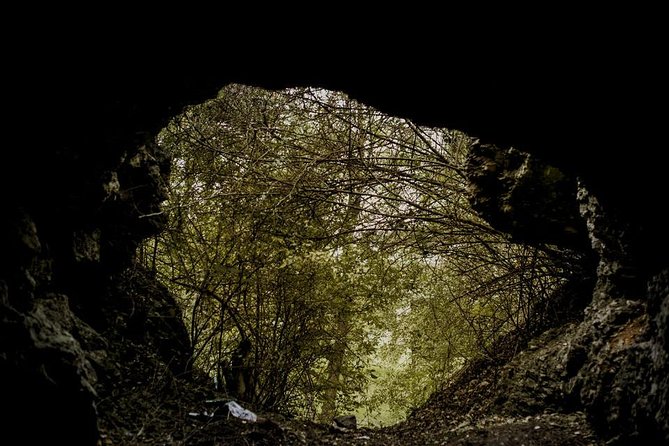
At $76.35 per person, this is not the cheapest way to walk through Krakow’s wartime sites. The price makes more sense when you count what it removes from your planning: the Schindler’s Factory admission, the route between several locations, and the need to interpret the sites without help.
The museum ticket is included. The tram fare is not, and it costs 4 PLN. The outdoor memorial stops do not include a separate admission charge.
I see the strongest value in the guide rather than the transport. You can reach the ghetto wall, Ghetto Heroes Square, and Płaszów independently for less money. But you would need to research the connections, arrange your own museum entry, and build the historical links yourself.
If you already have strong background knowledge and prefer setting your own pace, the price may feel high. If you want a structured route and clear explanations, it is easier to justify. The five-hour duration also means you are paying for a substantial part of your day, so reserve it when you can give the subject your full attention.
Who will get the most from this experience
I would choose this tour if you want more than Schindler’s Factory alone. The museum is worthwhile, but the ghetto stops and Płaszów show what happened beyond the factory walls.
It also suits you if you have visited Auschwitz and want to understand the Krakow chapter of the story. The connection between the film, the factory, the ghetto, and Płaszów can help place familiar events in a broader setting.
You may want a different plan if you need frequent breaks, dislike outdoor walking, or have only a narrow window before another activity. The tour is emotionally demanding as well as physically long.
Families with older children and teenagers may find the subject valuable, but the material is serious. Parents should decide if the content fits their children before booking.
Booking and cancellation details
Confirmation is provided at the time of booking. The experience requires a minimum number of participants. If that minimum is not reached and the tour is canceled, you are offered another date or experience, or a full refund.
You can cancel for a full refund up to 24 hours before the start time. Cancellations or changes made less than 24 hours before the start time are not accepted for a refund. The cut-off uses local Krakow time.
Should you book this Krakow history tour?
Book it if you want a guided, five-hour account of Krakow’s wartime history that goes beyond the popular factory museum. The strongest features are the included Schindler’s Factory ticket, the original ghetto wall, the stark chair memorial at Ghetto Heroes Square, and the guide’s explanation of Płaszów.
Think twice if you want a relaxed half-day or dislike fixed schedules. Start early, wear comfortable shoes, allow for the 4 PLN tram fare, and keep the rest of your day open.
For most history-focused visitors, I would book it, especially if you want the three locations understood as one story rather than as isolated stops. Just go in prepared for difficult subject matter, a long walk, and an open camp site where the guide’s words matter as much as what you can see.
FAQ
How long does the Krakow Schindler’s Factory and Płaszów tour last?
The tour lasts approximately five hours.
What locations does the tour visit?
It visits Schindler’s Enamel Factory, a fragment of the former ghetto wall, Ghetto Heroes Square, and the former Płaszów concentration camp.
Is admission to Schindler’s Factory included?
Yes. The entrance ticket to Schindler’s Factory Museum is included.
Is this a biography of Oskar Schindler?
No. The museum’s main exhibition focuses on Krakow under Nazi occupation from 1939 to 1945 rather than presenting only Schindler’s life.
Is transportation included?
The tour uses public transportation, but the tram ticket is not included. The listed tram fare is 4 PLN.
Where does the tour begin and end?
It begins at Lipowa 4, 32-051 Krakow, Poland, and ends at Henryka Kamieńskiego 57, 30-644 Krakow, Poland.
How large is the tour group?
The experience is described as a small-group tour capped at 15 people in the highlights. The additional booking information lists a maximum of 25 people, so confirm the expected group size if this matters to you.
Can I cancel the tour for a refund?
Yes. You can cancel at least 24 hours before the start time for a full refund. Cancellations made less than 24 hours before the start time are not refunded.
Recently added in Krakow
- Auschwitz-Birkenau and Krakow Private Car Trip from Katowice★ 4.3 · 3 reviews
- Wawel Castle, Old Town with St. Mary’s Church Guided Tour★ 5.0 · 3 reviews
- Wawel Castle, Cathedral, Rynek Underground Tour with Lunch★ 5.0 · 3 reviews
- From Krakow: Chocholow Thermal Hot Springs (hotel pick up)★ 5.0 · 3 reviews
- Private tour to Zakopane and Thermal Baths from Krakow★ 5.0 · 3 reviews
- Legends of Cracow ROBOTIC SHOW★ 4.0 · 3 reviews
- Guided Beer Tour in Krakow★ 4.5 · 3 reviews
- From Krakow: Zakopane and Thermal Pools Guided Trip★ 5.0 · 3 reviews
Schindler's Factory Tours, compared.
Oskar Schindler’s Factory Entry Ticket & Guided Tour
Read our review →
Schindler’s Factory Tour with Entrance Ticket
Read our review →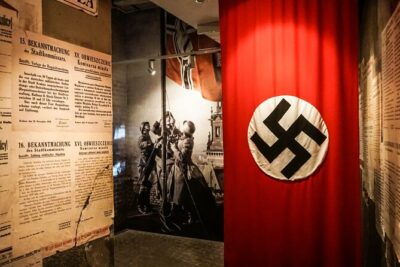
Schindler’s Factory in Krakow: Guided Tour & Skip the Line Ticket
Read our review →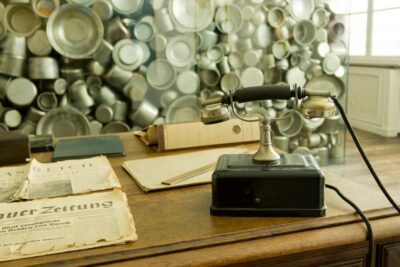
Schindler’s Factory Ticket with Guided Tour Option
Read our review →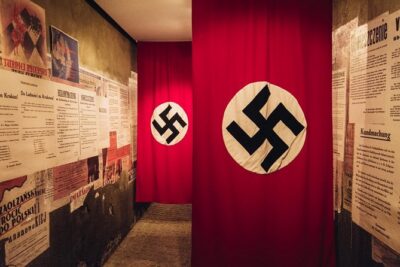
Krakow Schindler’s Factory Guided Tour with Admission Ticket
Read our review →
Krakow Schindler’s Factory Museum Guided Tour in English
Read our review →Where else this one turns up