
Reviewed · SCHINDLER'S FACTORY TOURS
Krakow: Schindler’s Factory & Ghetto Guided Tour
Krakow’s Schindler’s Factory tour does more than tell the story behind a famous film. It connects the museum’s wartime displays with the real streets of Podgórze, where forced Jewish families once lived. I especially like the chronological museum layout, which helps you follow how Nazi occupation tightened step by step, and the walk to Heroes’ Square, where 68 empty chairs make an arresting memorial. The main consideration is emotional weight: this is serious history, not a light sightseeing stop.
I also like that the $58 price includes museum admission, a three-hour guided walk, and a professional guide. Guides such as Hannah, Helen, and Helena have been singled out for clear explanations, personal stories, and a strong sense of the subject. The exact museum start time can shift, though, so you should keep a little flexibility in your day.
Key points at a glance
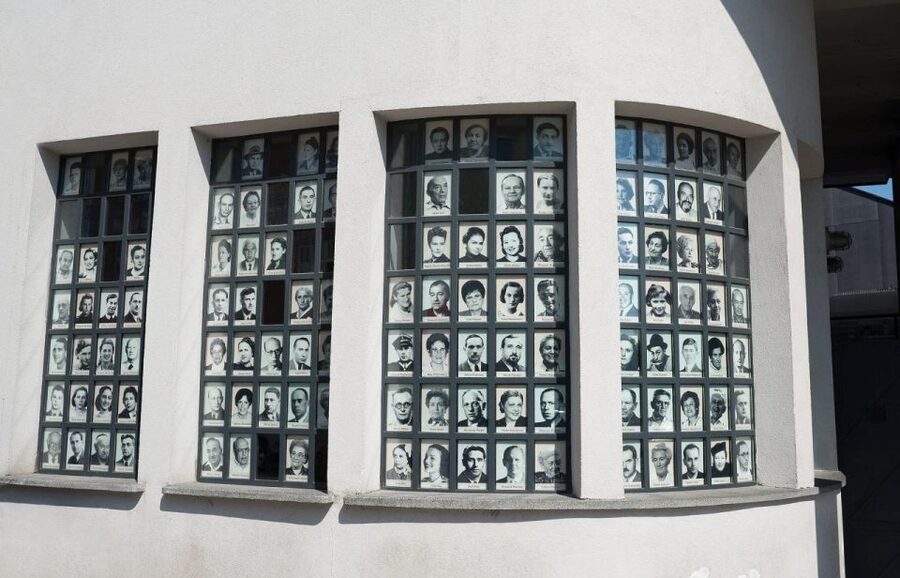
- The museum follows a clear timeline: Krakow Under Nazi Occupation places the city’s wartime events in an order that is easier to understand than a collection of disconnected exhibits.
- Podgórze adds physical context: You see surviving sections of the ghetto wall, former residential streets, and the Pod Orłem Pharmacy.
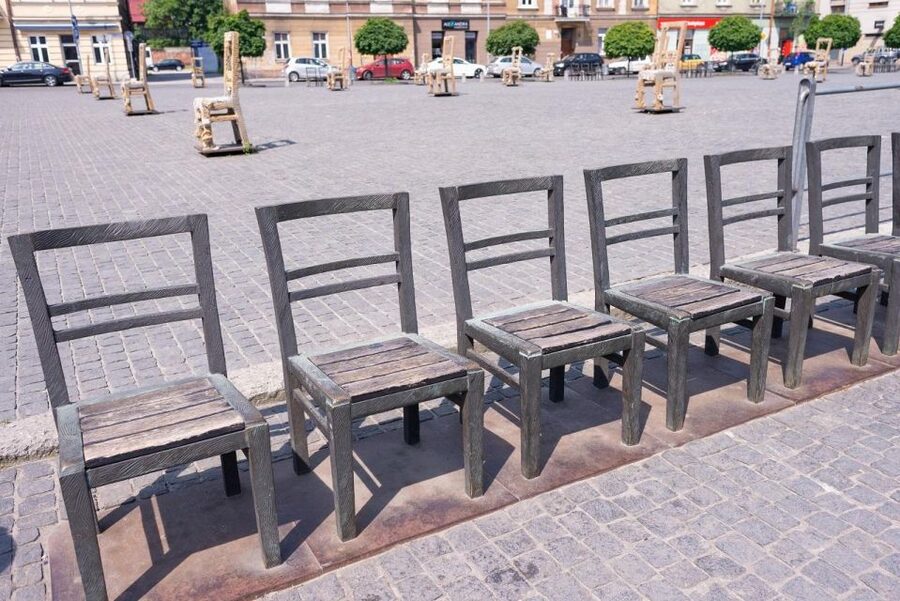
- The Empty Chair Monument has 68 chairs: This memorable memorial at Heroes’ Square gives the outdoor walk a quiet, visual focus.
- A guide makes the difference: Hannah, Helen, and Helena have been praised for passionate delivery, personal anecdotes, and strong historical explanations.
- The three-hour format is focused: You get both the museum and the neighborhood without committing to a full-day tour.
- Museum entry is included: At $58, the cost is easiest to justify if you want interpretation rather than a self-guided museum visit.
Why this tour works better than a museum visit alone
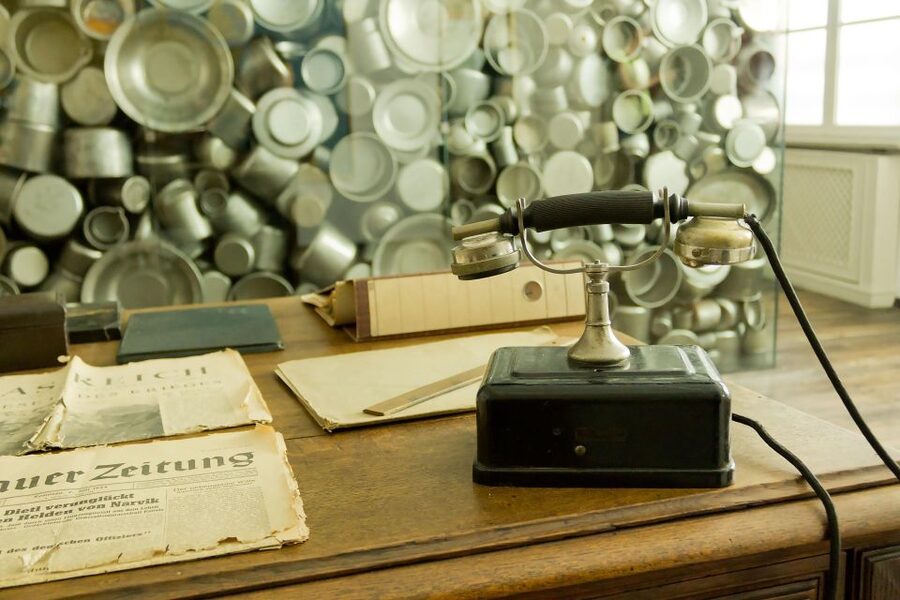
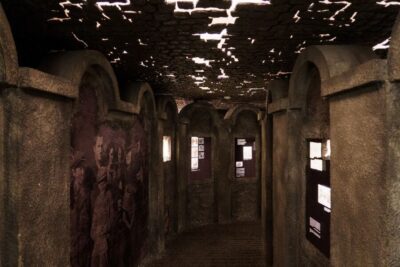
Schindler’s Factory is not simply a shrine to Oskar Schindler or a display about the film. The main exhibition, Krakow Under Nazi Occupation, uses the factory setting to explain life in Krakow during the German occupation and the persecution of the city’s Jewish population.
I like the decision to pair the indoor exhibition with a walk through Podgórze. Inside, you get the broad sequence of events. Outside, you see the district where those events took place. That change of setting matters. A museum can explain displacement in text and photographs, but walking past the former ghetto area gives the subject a more immediate scale.
The guide also helps prevent a common mistake: reducing this story to one heroic industrialist. Oskar Schindler is central, but the exhibition deals with a much wider wartime reality. You learn about daily life under Nazi rule and the conditions faced by thousands of displaced Jews. The tour’s value lies in that larger frame.
Other visits to Schindler's Factory:
- Krakow: Oskar Schindler’s Factory Entry Ticket & Guided Tour
★ 4.2 · 3,793 reviews - Krakow: Schindler’s Factory Tour with Entrance Ticket
★ 4.5 · 3,182 reviews - Krakow: Schindler’s Factory Skip-the-Line Ticket
★ 4.4 · 3,105 reviews
Inside Schindler’s Factory and its wartime timeline
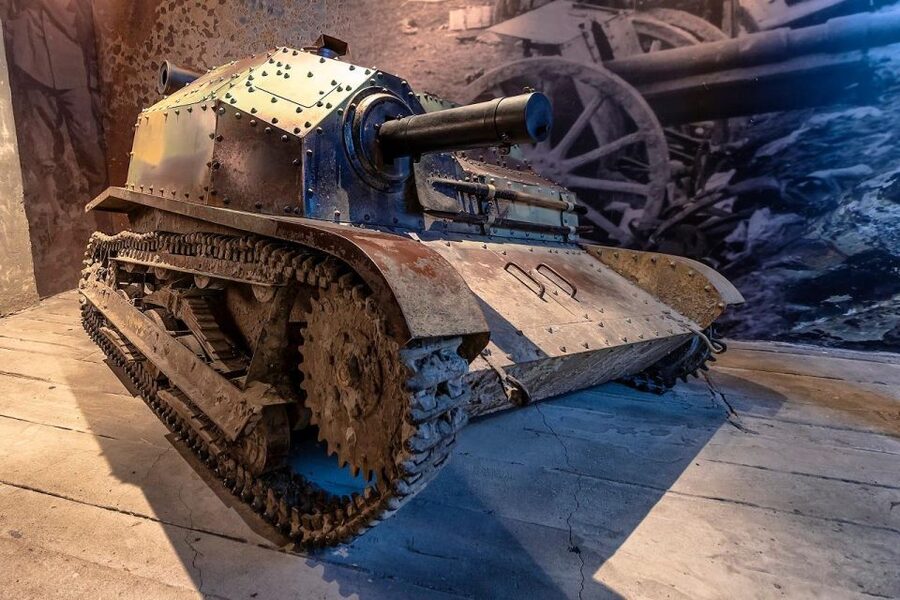
You meet your guide in front of the main entrance to Schindler’s Factory Museum, looking for the excursions.city sign. The museum ticket is included, and the tour uses the skip-the-ticket-line arrangement, so you are not left to sort out admission on your own.
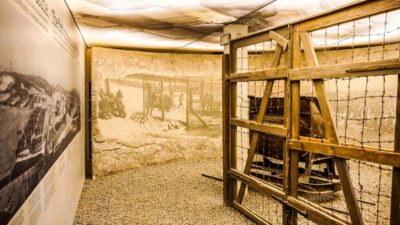
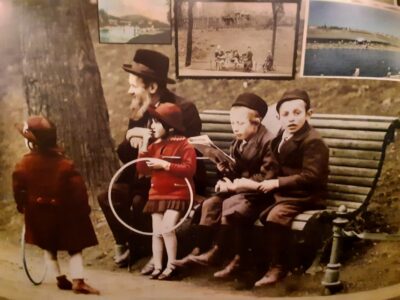
The museum portion focuses on Krakow Under Nazi Occupation. Its chronological approach is one of the strongest features of the visit. Instead of jumping randomly between dates, the exhibition helps you see the chain of events that led to the atrocities of the war.
That order is especially useful if your knowledge of Krakow’s wartime story is limited. You can follow the progression from occupation to increasingly harsh controls, displacement, and persecution. The guide fills in the human details that labels alone may not provide.
Several guides have been praised for making the material feel alive without turning it into a performance. Hannah has been noted for her strong command of the subject and the use of a headphone system that makes commentary easier to hear. Helen has been described as bringing personal anecdotes into the explanation, while Helena has been praised for her engaging and passionate style.
Guide quality matters here. Museum displays about Nazi occupation contain difficult material, and a good guide needs to explain it plainly and carefully. You should expect a serious tone, plenty of historical context, and time spent making connections between the displays and the neighborhood outside.
The museum is also a better fit for you if you enjoy interpretation. If you only want to see rooms connected with Schindler’s life, a quick self-guided visit might cost less. At the same time, you would miss the chronological explanation and the transition into Podgórze.
Walking through Podgórze’s former ghetto streets
After the museum, the tour continues on foot through Podgórze. This is where the visit changes from a museum lesson into a place-based history walk.
You see sections of the remaining ghetto wall, a physical reminder of the boundaries imposed on the Jewish population. The wall is not just an old structure to photograph. Its value comes from understanding what it represented: confinement, forced movement, and the loss of normal daily life.
The walk also points out dwellings where thousands of displaced Jews once lived. These buildings can look ordinary now, which is part of the difficulty of reading the past in a modern city. Your guide helps connect the streets and houses to the people who were forced into this area.
I find this part important because it keeps the story from becoming abstract. The museum presents documents and objects. Podgórze shows you the setting in which ordinary families faced extraordinary restrictions. You are not simply moving between famous sights. You are following the geography of the occupation.
The tour is described as a walking experience, with no hotel pickup or drop-off and no food or drinks included. Plan to arrive at the museum entrance ready to walk for the full three hours. Comfortable shoes make sense, and you should avoid scheduling anything immediately afterward if you prefer time to reflect.
Pod Orłem Pharmacy and the human side of the story
The historic Pod Orłem Pharmacy is one of the key stops in Podgórze. It helps shift attention away from military events and toward the people who lived under occupation.
A pharmacy might seem like a small detail beside a museum about war and genocide. That is exactly why the stop matters. Places connected with medicine, homes, shops, and daily work can make the period easier to grasp as lived experience rather than a distant sequence of dates.
Your guide provides the context for the pharmacy and its place in the district’s wartime story. The outdoor portion is not just a list of addresses. It is meant to show how the ghetto operated as part of a real neighborhood, with people trying to manage ordinary needs under brutal conditions.
This stop will appeal to you if you prefer history that stays close to individual lives. It may be less satisfying if you are looking for a fast tour focused only on architecture or film locations. The subject calls for attention, and the guide’s explanations are central to getting the most from it.
A few more Krakow half days to consider
- From Krakow: Auschwitz-Birkenau Guided Tour & Hotel Pickup
★ 4.5 · 33,358 reviews - From Krakow: Auschwitz-Birkenau Guided Tour & Hotel Pickup
★ 4.5 · 29,340 reviews - Krakow: Auschwitz Guided Tour with Optional Hotel Pickup
★ 4.5 · 15,280 reviews - Krakow–Zakopane: Cable Car, Chocholow Baths, Cheese & Vodka
★ 5.0 · 10,720 reviews
The Empty Chair Monument at Heroes’ Square
The tour’s most striking visual stop is the Empty Chair Monument at Heroes’ Square. Its 68 chairs represent the Jewish people who were forced from the square and the wider ghetto area.
The design is simple, spare, and hard to forget. A row of empty chairs says more than a crowded display could. It suggests absence, removal, and the sudden emptiness left behind when families were driven from their homes.
Your guide explains the meaning of the memorial and places it within the story of Podgórze. I like this stop because it gives the walking tour a clear emotional center without relying on theatrical presentation. The chairs do the work, while the guide supplies the facts and context.
It is also a useful place to pause. The itinerary covers a great deal in three hours, but the monument gives you a moment to slow down and take in what you have seen. The tour does not treat the memorial as a quick photo stop. Its meaning comes from the connection between the square, the former ghetto, and the people who were removed.
The guide and audio system matter
The strongest part of this experience is likely to be the guide. The museum’s subject is complex, and the neighborhood contains details that you could easily pass without understanding.
A headphone system has been used to relay commentary, which is helpful when the group is moving through city streets or standing in front of a busy attraction. You can hear the explanation without clustering tightly around the guide. That is a small practical feature, but it makes a difference.
The available guide languages are English, German, Italian, French, and Spanish. You select the language when booking, but the specific guide depends on the scheduled departure. Guides named Hannah, Helen, and Helena have each been associated with clear, engaging presentations.
I would book this tour for the guide’s interpretation rather than assume every departure will feel identical. The format is fixed, but the voice, examples, and pacing can vary. That is normal for a guided historical visit.
Is $58 good value?
At $58 per person, this is not the cheapest way to visit Schindler’s Factory. The price includes the museum ticket, a three-hour walking tour, and a professional guide, so you are paying for both access and explanation.
I think the value is solid if you want to understand how the museum connects to Krakow’s wartime geography. A museum ticket alone gives you the exhibition, but not the guided walk through the ghetto area, the remaining wall, Pod Orłem Pharmacy, or Heroes’ Square.
The price is less attractive if you prefer to read everything at your own pace and skip guided commentary. You would also need to arrange your own visit to the outdoor sites. For a first visit to Krakow, though, the combined format saves you from piecing together several important locations yourself.
The three-hour length helps keep the cost in perspective. This is a focused half-day activity, not an all-day commitment. You can fit it into a wider Krakow schedule while still giving the subject proper time.
Practical details before you reserve
The meeting point is directly in front of the main entrance to Schindler’s Factory Museum. Look for the excursions.city sign. Hotel pickup and drop-off are not included, so you need to make your own way to the museum.
The advertised duration is three hours, with starting times shown according to availability. From January 1, 2026, museum scheduling may affect the precise start time. You can choose a preferred time, but the exact time is not guaranteed.
Museum tickets are personalized. From that date, you must provide the full names of every participant when booking and bring a passport or ID for entry. Without the required identification, entry may be refused.
You can cancel up to 24 hours before the activity for a full refund. The reserve-now-and-pay-later option also helps if your Krakow plans are still shifting. I would still check the final time carefully before booking other timed attractions.
The tour is conducted in English, German, Italian, French, or Spanish. Food and drinks are not included, so plan those separately. Since the activity combines indoor museum time with an outdoor walk, dress for the weather and wear shoes suited to walking.
Who should choose this Krakow tour?
I would recommend it to you if you want a guided introduction to Krakow’s World War II history and prefer seeing places in context. It works particularly well for first-time visitors who want the museum and Podgórze covered in one organized outing.
It also suits you if you value a clear timeline. The museum’s chronological structure, followed by the walk through the former ghetto, gives the visit a logical shape. You are not left trying to connect separate sights on your own.
The tour may not suit you if you want a relaxed sightseeing walk with light commentary. The subject is painful, and the Empty Chair Monument, ghetto wall, and former dwellings all carry serious meaning. You should choose it when you have the attention and emotional space for difficult history.
Families and younger visitors may also need to judge the subject for themselves. The supplied information does not give a minimum age or a detailed content advisory, so check those points before booking if they matter to your group.
Should you book it?
Book this tour if you want more than a museum ticket. The combination of Schindler’s Factory, the former ghetto streets, Pod Orłem Pharmacy, and the 68 empty chairs at Heroes’ Square gives you a fuller understanding of Krakow under Nazi occupation.
I would especially choose it for the guide-led explanation. Hannah, Helen, and Helena have been praised for clear delivery, personal anecdotes, and passion, while the headphone system can make the commentary easier to follow.
Skip it if you prefer complete independence or if $58 feels high for a guided history visit. For most visitors who want a focused, well-connected three-hour experience, the museum entry and neighborhood walk make the price reasonable. Just allow for a possible time change, bring your ID from January 1, 2026 onward, and arrive at the museum entrance ready for a solemn but worthwhile afternoon.
FAQ
Where does the Schindler’s Factory and Ghetto Guided Tour meet?
Your guide meets you in front of the main entrance to Schindler’s Factory Museum. Look for the sign marked excursions.city.
How long does the tour last?
The tour lasts three hours.
What does the price include?
The $58 price includes admission to Schindler’s Factory Museum, the walking tour, and a professional tour guide.
Is hotel pickup included?
No. Hotel pickup and drop-off are not included.
Which languages are available?
The tour is available in German, Italian, French, Spanish, and English.
What places do you visit outside the museum?
The walking portion includes Podgórze, sections of the former ghetto wall, dwellings where displaced Jews lived, the historic Pod Orłem Pharmacy, and the Empty Chair Monument at Heroes’ Square.
Do I need identification for the museum?
From January 1, 2026, you must provide the full names of all participants when reserving and bring a passport or ID for museum entry.
Can I cancel the tour?
Yes. You can cancel up to 24 hours in advance for a full refund. The reserve-now-and-pay-later option lets you book without paying immediately.
Recently added in Krakow
- Auschwitz-Birkenau and Krakow Private Car Trip from Katowice★ 4.3 · 3 reviews
- Wawel Castle, Old Town with St. Mary’s Church Guided Tour★ 5.0 · 3 reviews
- Private tour to Zakopane and Thermal Baths from Krakow★ 5.0 · 3 reviews
- Wawel Castle, Cathedral, Rynek Underground Tour with Lunch★ 5.0 · 3 reviews
- From Krakow: Chocholow Thermal Hot Springs (hotel pick up)★ 5.0 · 3 reviews
- Legends of Cracow ROBOTIC SHOW★ 4.0 · 3 reviews
- From Krakow: Zakopane and Thermal Pools Guided Trip★ 5.0 · 3 reviews
- Guided Beer Tour in Krakow★ 4.5 · 3 reviews
Schindler's Factory Tours, compared.
Oskar Schindler’s Factory Entry Ticket & Guided Tour
Read our review →
Schindler’s Factory Tour with Entrance Ticket
Read our review →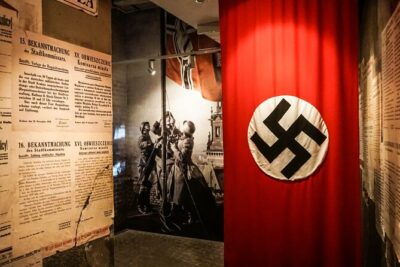
Schindler’s Factory in Krakow: Guided Tour & Skip the Line Ticket
Read our review →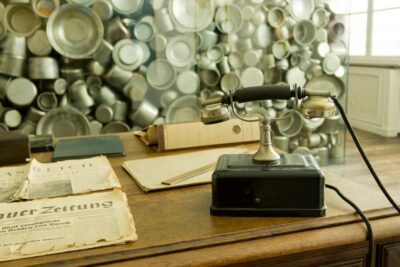
Schindler’s Factory Ticket with Guided Tour Option
Read our review →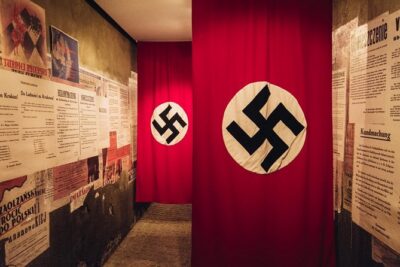
Krakow Schindler’s Factory Guided Tour with Admission Ticket
Read our review →
Krakow Schindler’s Factory Museum Guided Tour in English
Read our review →Where else this one turns up