
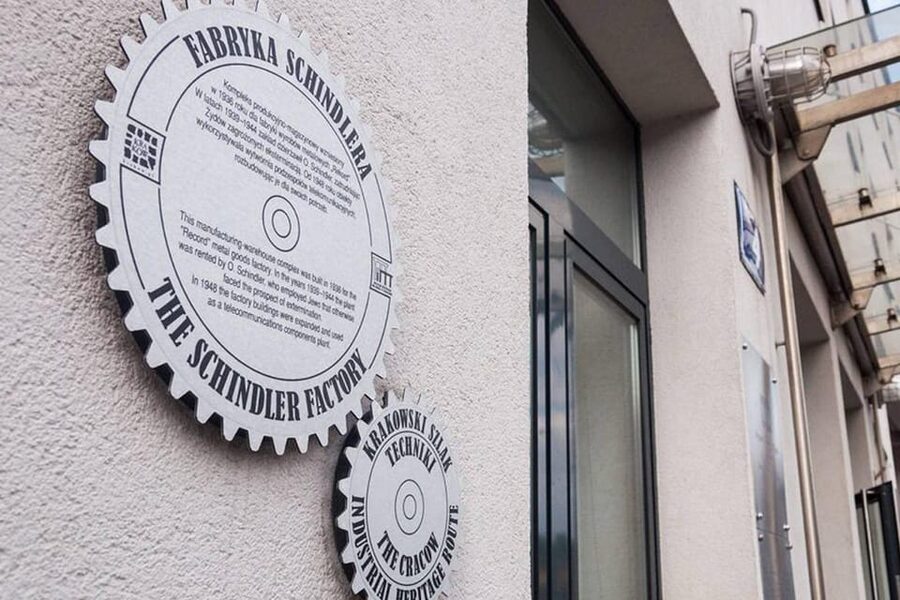
Reviewed · SCHINDLER'S FACTORY TOURS
Krakow: Oskar Schindler’s Factory Guided Tour&Pickup Options
Oskar Schindler’s former enamel factory now tells a story much larger than the man made famous by film. In 90 minutes, you follow Kraków under Nazi Occupation 1939 to 1945, seeing how war changed daily life, destroyed the city’s Jewish community, and placed ordinary people in impossible situations.
I like two things right away: skip-the-line entry saves precious time, and the guide gives the museum a human voice. Guides such as Anna have been praised for personal explanations, a strong use of the timeline, and an emotional account of the invasion. The main catch is that this is not really a factory tour, and Schindler himself is only one part of a much larger exhibition.
Key points to know before you go
- The 90-minute route focuses on Nazi-occupied Kraków, not on factory machinery or industrial production.
- A licensed guide leads the visit, with tours offered in English, French, German, Spanish, and Italian.
- Skip-the-line admission is included, which matters at one of Kraków’s most popular museums.
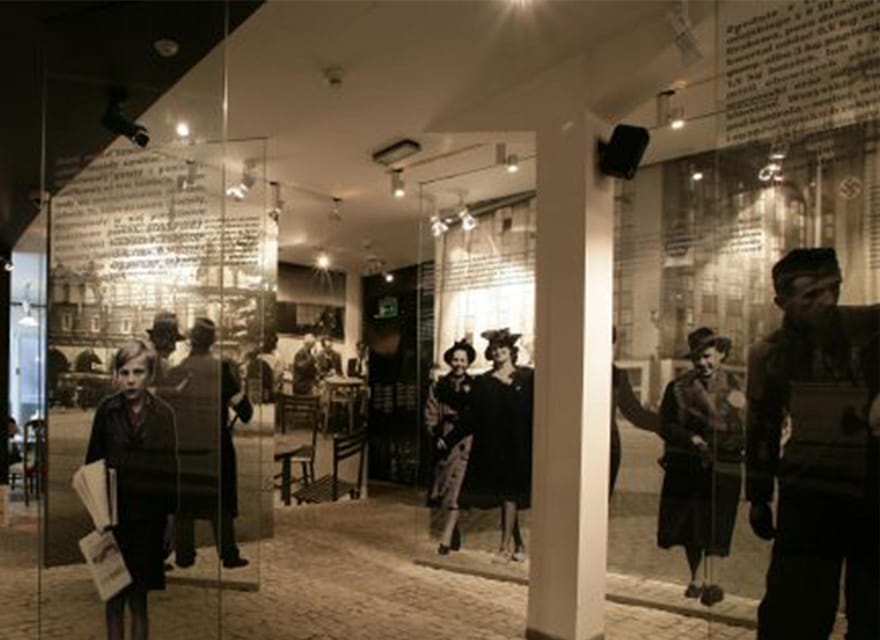
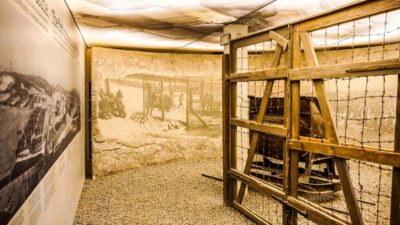
- The exhibition uses real objects, photographs, reconstructions, and dim rooms to show the pressure of wartime life.
- Bring a passport or ID card for every participant, including children, because personalized museum tickets may require identification.
- The $55 price is strongest for visitors who want context and explanation, not simply a quick museum entry.
What you actually see inside Schindler’s Factory
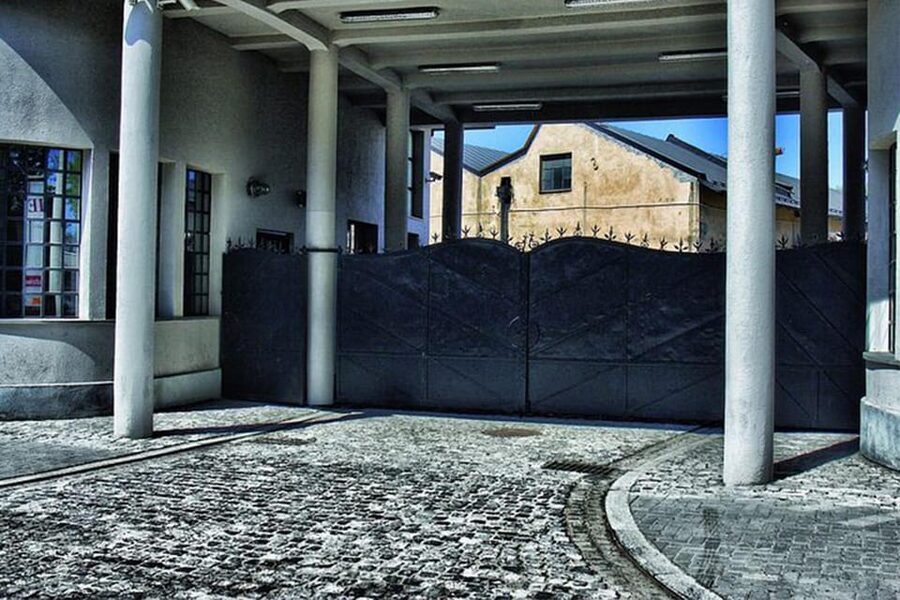
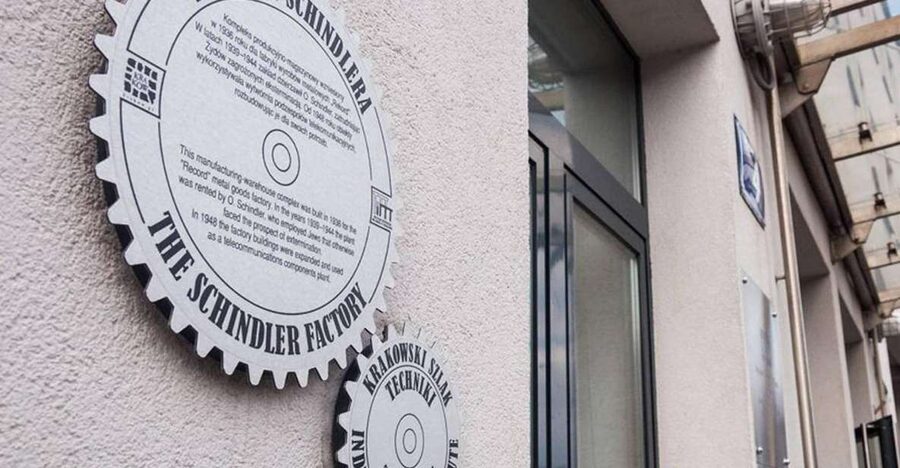
The museum occupies Oskar Schindler’s former enamel factory in Kraków. The setting gives the visit an immediate sense of place, but the galleries do not simply trace the production of enamelware or present Schindler as the sole subject.
Instead, the main exhibition, Kraków under Nazi Occupation 1939 to 1945, uses the building as a doorway into the city’s wartime story. You learn how the German invasion altered public life, work, family life, religion, movement, and personal safety.
That distinction matters when you decide how to spend your time. If you arrive expecting rooms filled with factory equipment and a long biography of Schindler, you may find the focus different from what you imagined. If you want to understand the city around him, the exhibition gives you much more.
The route brings together historical photographs, authentic artifacts, and reconstructed spaces. These are not presented as isolated objects. They are arranged to show how quickly familiar places and routines could become threatening under Nazi rule.
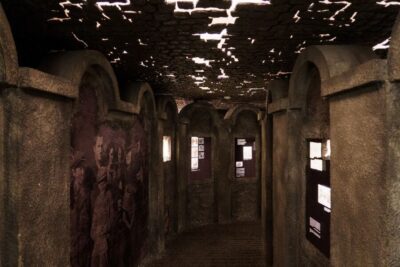
Some rooms are narrow and dim. That design choice can feel heavy, but it serves a purpose. The museum wants you to sense the fear, uncertainty, and limited choices that shaped daily life. You are not simply reading dates on a wall. You are moving through a carefully made account of a city under pressure.
Other visits to Schindler's Factory:
- Krakow: Oskar Schindler’s Factory Entry Ticket & Guided Tour
★ 4.2 · 3,793 reviews - Krakow: Schindler’s Factory Tour with Entrance Ticket
★ 4.5 · 3,182 reviews - Krakow: Schindler’s Factory Skip-the-Line Ticket
★ 4.4 · 3,105 reviews
The wider story behind Schindler
Oskar Schindler’s story remains central, but it works best here when placed against the larger events of the occupation. His factory became a place of refuge for more than a thousand Jewish workers, and the guide explains how that protection fit into a much wider pattern of persecution.
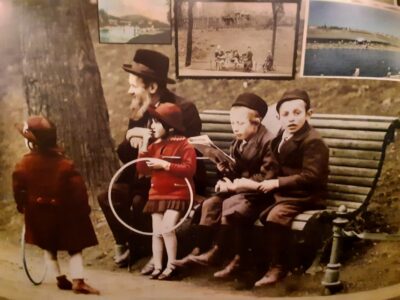
You hear about deportations and the destruction of Kraków’s Jewish community. You also learn about the lives of Jewish and non-Jewish residents, which prevents the visit from becoming a simple story of one heroic industrialist.
That broader approach is one of the strongest parts of the experience. A guide can show you where Schindler’s actions mattered while also explaining that many other people faced danger, made moral choices, or tried to help. One particularly effective tour approach, praised in the feedback for guide Anna, gives proper weight to Schindler without reducing the entire wartime story to his biography.
The result is more sobering than cinematic. You will not get a neat hero story with all the answers. You will see how the occupation created fear and confusion, then consider what individual courage meant within that system.
Why the guide makes a difference
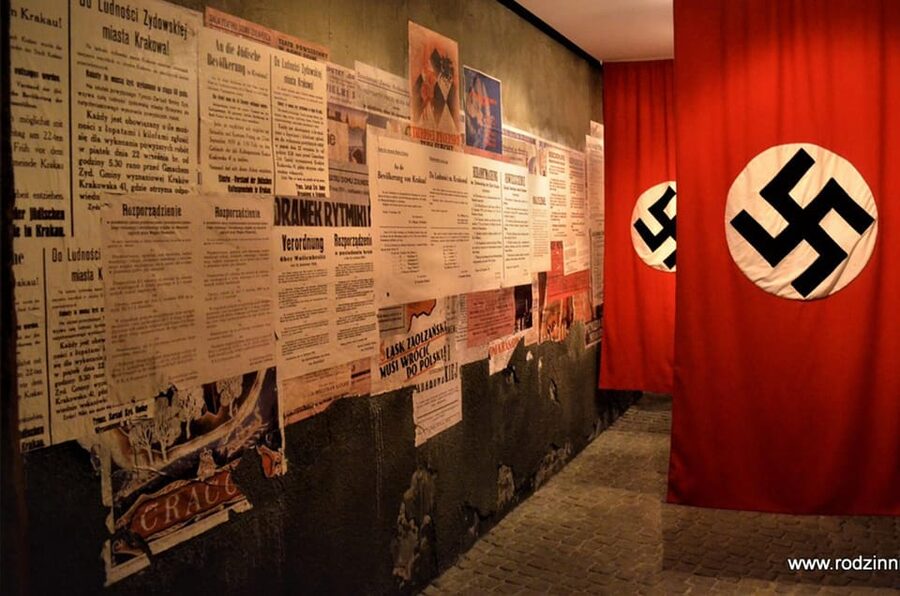
You can visit a museum alone and read the displays at your own speed. Here, your guide helps connect the photographs, objects, and rooms into a clear sequence.
The timeline is especially useful. It helps you follow the rapid changes from invasion to occupation, persecution, deportation, and the destruction of the Jewish community. Without that structure, the amount of information in the galleries could feel scattered.
The best guides also keep the focus on people rather than only on military events. Feedback about Anna highlights her personal explanation of the Polish experience and her ability to bring the invasion into emotional focus. That is the kind of guiding this museum needs. The subject is difficult, and a flat recital of dates would miss much of its force.
Guides are available in English, French, German, Spanish, and Italian. If you are booking for a group, headsets are provided when 15 or more people take part. That is a small but useful detail in galleries where several groups may be moving through at the same time.
A guide can also correct your expectations before you get too far into the visit. Schindler’s Factory is the popular name, but the museum’s main story is the occupied city. Knowing that from the start helps you appreciate the exhibition on its own terms.
The emotional design of the galleries
The exhibition’s physical design is not neutral. Narrow passageways, low light, and reconstructed settings create an atmosphere of unease.
I find this approach effective when it supports the evidence rather than replacing it. Here, the atmosphere works alongside photographs and objects to show how ordinary spaces could become places of control and fear. You may find some sections emotionally demanding, especially when the story turns to deportation and the destruction of Kraków’s Jewish community.
This is not a light museum stop to squeeze between lunch and shopping. The visit asks you to pay attention. You should allow a little quiet time afterward if the subject affects you strongly.
The emotional tone also explains why a guide is useful. A good explanation gives shape to the material and keeps the atmosphere from becoming mere theatrical decoration. The strongest moments come when the setting, the object, and the historical explanation meet.
A few more Krakow half days to consider
- From Krakow: Auschwitz-Birkenau Guided Tour & Hotel Pickup
★ 4.5 · 33,358 reviews - From Krakow: Auschwitz-Birkenau Guided Tour & Hotel Pickup
★ 4.5 · 29,340 reviews - Krakow: Auschwitz Guided Tour with Optional Hotel Pickup
★ 4.5 · 15,280 reviews - Krakow–Zakopane: Cable Car, Chocholow Baths, Cheese & Vodka
★ 5.0 · 10,720 reviews
A realistic 90-minute itinerary
The tour lasts about 90 minutes. That is long enough for a guided introduction to the principal exhibition, but not long enough for an unhurried study of every display.
You meet directly in front of the Museum Oskar Schindler’s Factory entrance. After the group gathers, the guide handles the skip-the-line admission and begins the route through the museum.
The early part of the visit establishes Kraków before and during the invasion. You receive the basic timeline and see how the city’s familiar patterns changed under German rule. This opening is important because it gives you the setting for everything that follows.
The middle portion turns toward daily life under occupation. Photographs, objects, and reconstructed interiors show how Jewish and non-Jewish residents experienced the war in different but connected ways. The details help you understand that occupation was not only a matter of armies and government orders. It reached into work, movement, family life, and personal security.
Later, Schindler’s role comes into clearer view. You learn how his factory employed more than a thousand Jewish workers and became a refuge for them. His actions are presented within the larger story of persecution and deportation, rather than separated from it.
The final part leaves you with the memory of wartime Kraków and the endurance of its people. The exact route and timing may shift because the museum controls scheduling, so do not treat the selected booking time as a firm promise of the precise start minute. From January 1, 2026, preferred times are approximate and may change according to museum scheduling.
The $55 question: is the price fair?
At $55 per person, this is not the cheapest way to enter a Kraków museum. The value depends on what you want from the visit.
If you only need admission and prefer to read everything alone, the price may feel high. You are paying for more than the ticket, though. The fee includes a licensed guide, skip-the-line entry, and a 90-minute explanation in your chosen language.
Skip-the-line access has real value at a very popular museum. Losing time in a ticket queue can disrupt a short Kraków visit, especially if you have planned other sights in the Old Town or Kazimierz. The guide also helps you sort the museum’s large subject into a readable story.
The price is easier to justify if this is your first visit to Kraków and you have limited background on the occupation. It is also useful if you want a clear introduction to the city’s Jewish and non-Jewish wartime experience without spending several hours studying every display alone.
I would be more cautious if your main goal is a detailed study of Schindler’s personal life or the factory’s industrial history. One piece of feedback makes this concern plain: the visitor expected a stronger focus on the factory and Schindler, but found that the tour discussed him only briefly. That is not necessarily a flaw in the museum, but it is an important booking warning.
Food, drinks, and a return transfer are not included. You arrange your own way back after the visit, so plan the museum as one stop in your day rather than as a full transport package.
Who should book this tour?
This tour suits you if you want historical context delivered by a real guide. It is especially useful for first-time visitors, families with older children, and anyone who finds wartime history easier to understand when someone explains the sequence and meaning of the displays.
It also suits people who dislike wasting time in queues. You meet at the entrance, use the included skip-the-line admission, and spend your limited sightseeing time inside the exhibition.
The visit may be less suitable for very young children. The material concerns occupation, persecution, deportation, and the destruction of a community, while the dark rooms and tense reconstructions add emotional weight. The tour information does not set a minimum age, so families need to judge the subject for themselves.
You should also think about pace. Ninety minutes gives the guide a clear window, but you will not have unlimited time to stop at every photograph. If you like reading every caption, a self-guided visit may give you more control. If you want the main story explained efficiently, the guided format is the better fit.
The museum is wheelchair accessible. Still, because this is a historic building with deliberately narrow exhibition spaces, you may want to confirm any specific access needs when booking.
Practical details that can save trouble
Bring a passport or ID card for every person in your booking, including children. Personalized museum tickets require the full names of all participants, and entry may be denied if you arrive without the required identification.
The meeting point is directly in front of the museum entrance, not at a hotel or a separate city-center office. Check the exact instructions on your reservation and arrive with enough time to find the entrance and locate your guide.
The tour can be booked in English, French, German, Spanish, or Italian. If 15 or more people are in the group, headsets are supplied, which helps you follow the guide while moving through the galleries.
You can cancel up to 24 hours in advance for a full refund, and the reserve now, pay later option keeps your plans flexible. These terms are useful if your Kraków schedule is still changing.
From January 1, 2026, do not assume that the time you select is exact. The museum may adjust it, so keep some space around the appointment rather than scheduling another fixed activity immediately afterward.
My call: book it if you want the city’s story
I recommend this tour if you want to understand how Nazi occupation changed Kraków, not simply see the building linked with Oskar Schindler. The guide, timeline, photographs, objects, and carefully designed rooms work together to make a difficult subject clear and personal.
I would skip it if your only interest is Schindler’s factory operations or a long, film-centered biography. You may leave wishing the man and the factory had received more attention.
For most visitors, the strongest reason to book is the combination of a serious exhibition and a guide who can connect its parts. At $55, it is a considered purchase, but skip-the-line entry and 90 minutes of explanation make the cost reasonable for a short Kraków stay. Bring your ID, expect an emotional visit, and leave room in your day to think about what you have seen.
FAQ
Where does the Schindler’s Factory tour meet?
The meeting point is directly in front of the Museum Oskar Schindler’s Factory entrance.
How long does the guided visit last?
The guided tour lasts 90 minutes, or 1.5 hours.
Is skip-the-line admission included?
Yes. The tour includes skip-the-line admission to Schindler’s Factory.
Which languages are available?
Live guided tours are offered in English, French, German, Spanish, and Italian.
Do I need to bring identification?
Yes. Bring a passport or ID card for every participant, including children. From January 1, 2026, full names are required for personalized museum tickets, and entry may be refused without identification.
Is transportation back included after the tour?
No. A return transfer, food, and drinks are not included.
Recently added in Krakow
- Auschwitz-Birkenau and Krakow Private Car Trip from Katowice★ 4.3 · 3 reviews
- Wawel Castle, Old Town with St. Mary’s Church Guided Tour★ 5.0 · 3 reviews
- Wawel Castle, Cathedral, Rynek Underground Tour with Lunch★ 5.0 · 3 reviews
- From Krakow: Chocholow Thermal Hot Springs (hotel pick up)★ 5.0 · 3 reviews
- Private tour to Zakopane and Thermal Baths from Krakow★ 5.0 · 3 reviews
- Legends of Cracow ROBOTIC SHOW★ 4.0 · 3 reviews
- From Krakow: Zakopane and Thermal Pools Guided Trip★ 5.0 · 3 reviews
- Guided Beer Tour in Krakow★ 4.5 · 3 reviews
Schindler's Factory Tours, compared.
Oskar Schindler’s Factory Entry Ticket & Guided Tour
Read our review →
Schindler’s Factory Tour with Entrance Ticket
Read our review →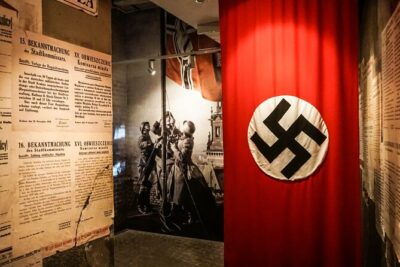
Schindler’s Factory in Krakow: Guided Tour & Skip the Line Ticket
Read our review →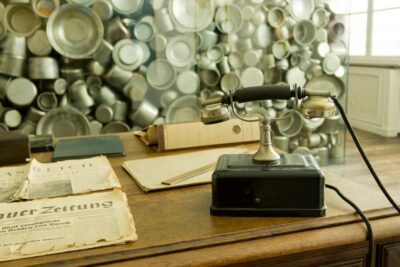
Schindler’s Factory Ticket with Guided Tour Option
Read our review →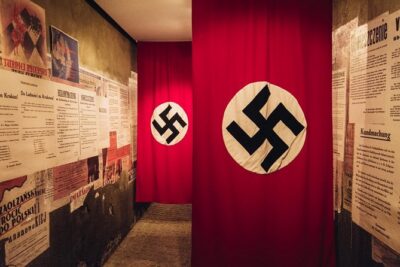
Krakow Schindler’s Factory Guided Tour with Admission Ticket
Read our review →
Krakow Schindler’s Factory Museum Guided Tour in English
Read our review →Where else this one turns up