
Reviewed · AUSCHWITZ-BIRKENAU MEMORIAL TOURS
Krakow: Last Minute Auschwitz-Birkenau Guided Tour
Auschwitz-Birkenau is not a sightseeing stop in the usual sense. It is a place for careful attention, difficult questions, and quiet reflection. This nine-hour tour from Krakow gives you a structured way to visit both Auschwitz I and Auschwitz II-Birkenau, with a licensed guide to explain what you are seeing.
I like two things here: transport and entry are handled together, and the tour is available when you book close to your travel date. The guide service is another strong point. Guides such as Per, Martin, Konrad, Anna, and Paul have been praised for clear explanations and respectful handling of a very serious subject.
The main drawback is the last-minute ticket process. You still need to queue at the museum ticket office, and the pickup time may shift, sometimes by an hour or more. The day can also feel rushed, especially if you want time for photographs or a quiet pause at each site.
Key points to know before booking
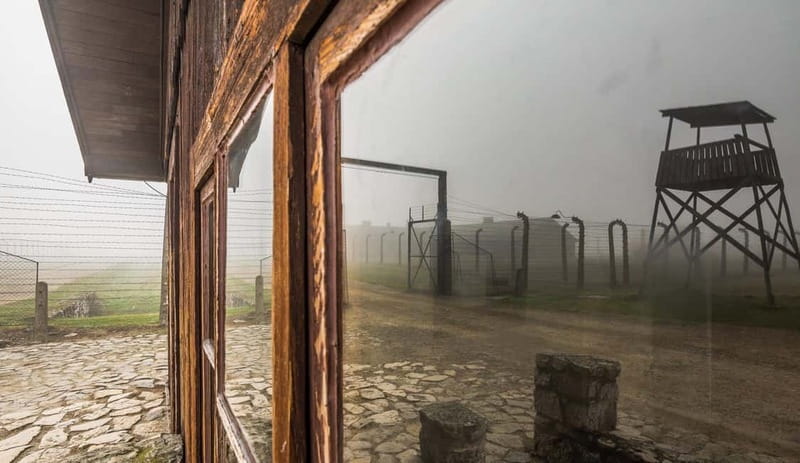
- Auschwitz I and Birkenau are both included: You visit the preserved camp buildings at Auschwitz I, then continue to Auschwitz II-Birkenau, the larger extermination site.
- Last-minute access has a cost in time: Your entrance is covered, but you must wait at the ticket office to collect it.
- The journey takes most of a day: Allow about nine hours, including roughly 1 hour and 15 minutes to 1.5 hours each way by van or coach.
- The licensed museum guide leads the serious part: Your transport escort may not speak your chosen language, but the museum tour itself is offered in English, French, German, Italian, or Spanish.
- Pack light and bring food: Bags larger than 20 by 30 centimeters are not allowed, and lunch is not included.
- Pickup uses fixed Krakow stops: You meet at a designated Kiss & Ride point, with locations including Wielopole 2, Pawia 18a, Starowiślna 65, and Floriana Straszewskiego 14.
Why this Auschwitz tour matters
Auschwitz-Birkenau was established by Nazi Germany in 1940 and later became the largest concentration and extermination camp complex operated by the Nazi regime. Millions of people died there, especially Jews, along with Polish political prisoners, Roma, Soviet prisoners of war, and others persecuted by the Nazi state.
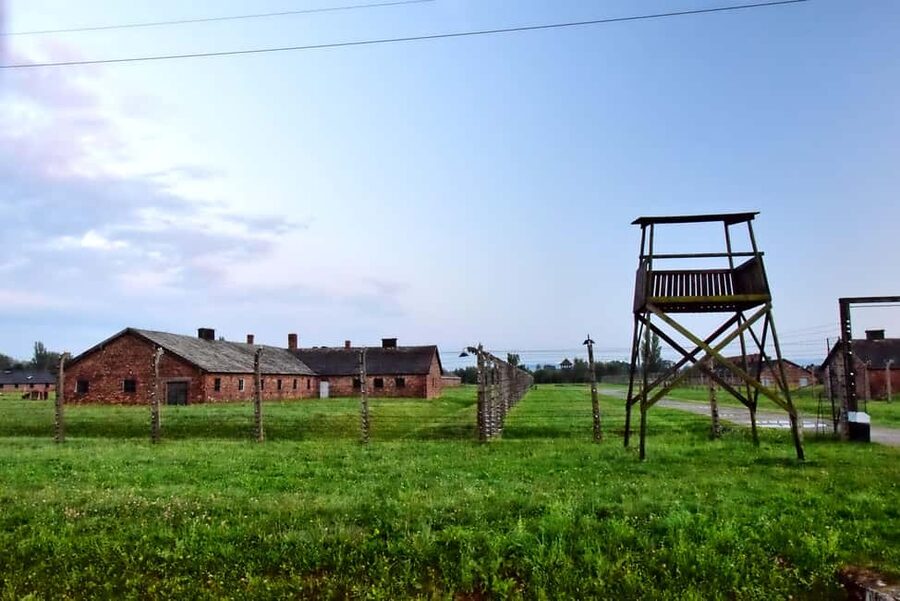
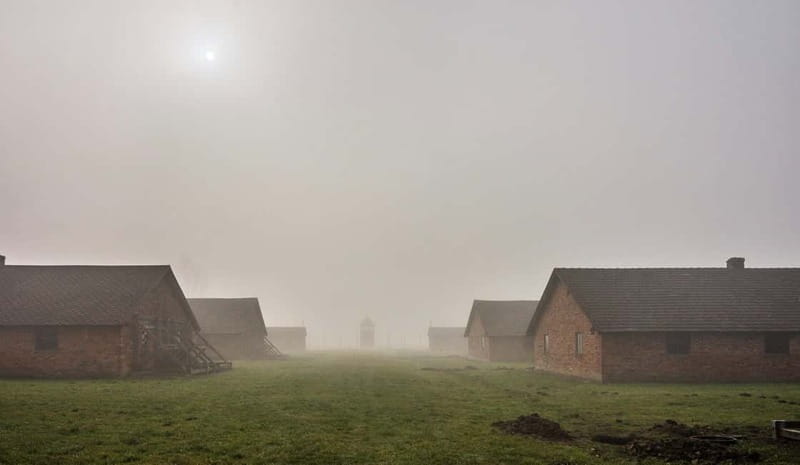
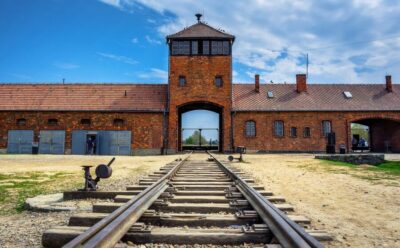
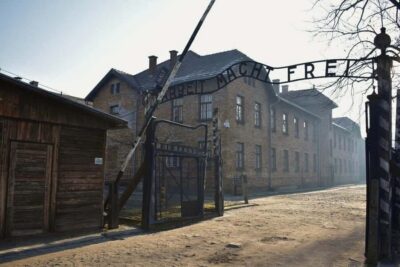
You do not need a long lecture to understand that the physical remains carry enormous weight. The gate at Auschwitz I, the barracks, the railway platform at Birkenau, and the remains of the killing facilities make the history painfully concrete.
A guided visit helps you read the site correctly. Without context, a barrack can look like an old brick building and a railway platform like a simple piece of transport infrastructure. The guide explains what happened in these places, how the camp system worked, and how individual victims fit into the wider story.
I also appreciate the introductory film shown during the journey when available. It uses historical images and facts connected with the camp, giving you some background before you arrive. The film is not guaranteed in every case, however. One scheduled showing was canceled, so you should treat it as a useful extra rather than the heart of the experience.
Other guided visits to the Auschwitz-Birkenau Memorial:
- From Krakow: Auschwitz-Birkenau Guided Tour & Hotel Pickup
★ 4.5 · 33,358 reviews - From Krakow: Auschwitz-Birkenau Guided Tour & Hotel Pickup
★ 4.5 · 29,340 reviews - Krakow: Auschwitz Guided Tour with Optional Hotel Pickup
★ 4.5 · 15,280 reviews
Meeting in Krakow and the early start
Pickup is from one of five central Krakow locations:
- Wielopole 2
- Pawia 18a
- Starowiślna 65
- Floriana Straszewskiego 14
- Kraków, as listed for the designated meeting arrangement
These are fixed Kiss & Ride bus stops rather than a promise of pickup at every hotel door. If you are staying near the pedestrian market square, you may need to walk to the assigned point. That is worth checking before booking, especially if you have luggage or limited mobility.
The exact meeting time is confirmed the day before. Do not rely only on the original time shown when you reserve. The operator may move departure earlier to manage the museum entrance process, and one group received a one-hour change more than a day ahead.
That flexibility is part of the bargain with a last-minute tour. You gain a better chance of obtaining a place close to your travel date, but the schedule is less fixed than on a standard pre-booked visit.
The drive from Krakow takes about 1 hour and 15 minutes to 1.5 hours, depending on the day and traffic. The vehicle is described as a clean, comfortable van or coach. It is a long ride, but the introductory video, when offered, gives the journey a clear purpose rather than treating it as empty transfer time.
Auschwitz I: entering through the Arbeit macht frei gate
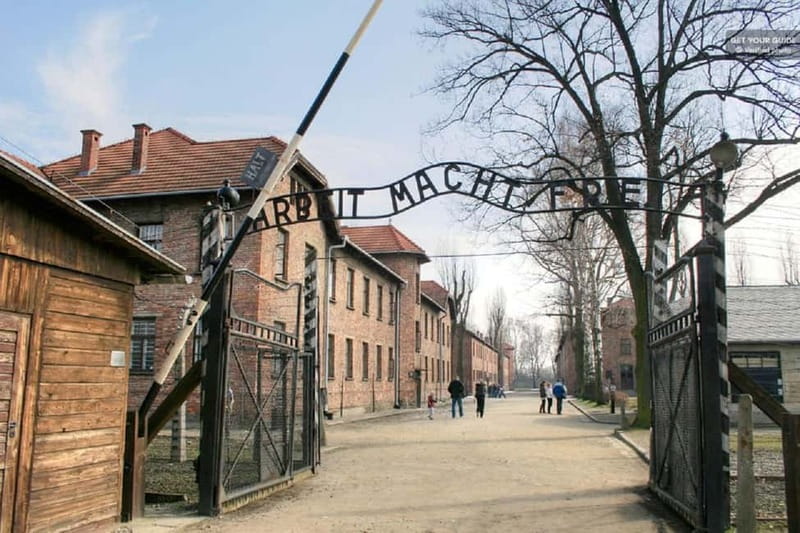
The first museum section is Auschwitz I, the older camp area. You enter through the gate marked Arbeit macht frei, then walk among preserved buildings with the museum guide.
This section is compact compared with Birkenau, but it contains some of the most confronting displays. The original camp buildings help you understand the system of imprisonment, forced labor, punishment, and mass murder. You may see former barracks, camp structures, and the gas chamber area included in the museum route.
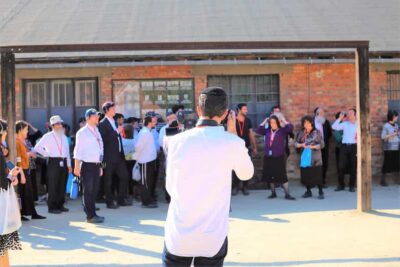
The value of the guide is especially clear here. A good guide keeps the group moving while explaining the purpose of each building and the conditions imposed on prisoners. Guides named in the tour feedback, including Konrad, Paul, Anna, and Martin, were praised for clear explanations, helpful answers, and respectful pacing.
The scheduled guided visit at Auschwitz I lasts about two hours. That sounds generous, but the museum controls the pace and route. Crowds and other groups can affect how long you remain at particular displays. You should not expect unlimited time to stop, study every panel, or take photographs.
Photography is a sensitive matter here, and the guide will direct you. One practical complaint was that the schedule allowed too little time for pictures. I would treat photographs as secondary. The purpose of this visit is to listen and remember, not to collect a complete visual record.
The short transfer to Birkenau
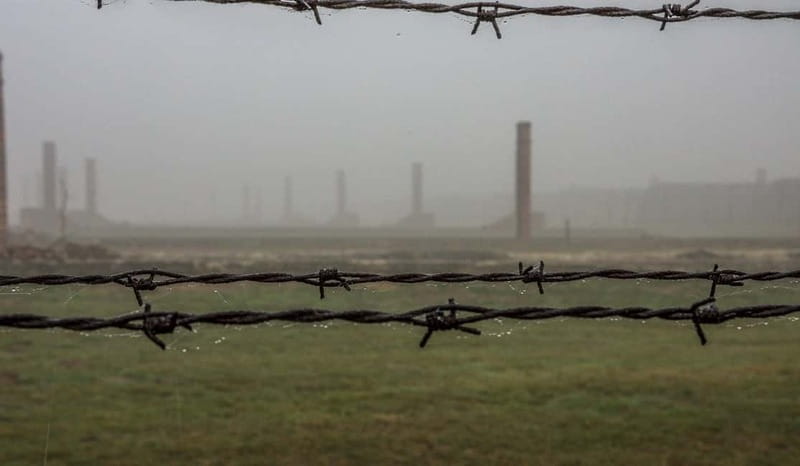
After Auschwitz I, you transfer by bus or coach for roughly 10 minutes to Auschwitz II-Birkenau. This is a separate site, so do not assume you can simply walk from one section to the other.
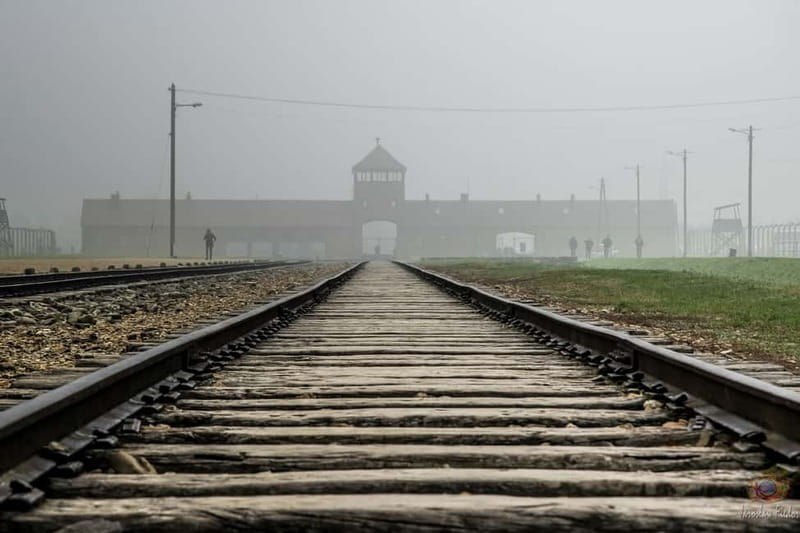
Birkenau is much larger and more open. Its scale changes your understanding of the camp system. The railway line and platform show how deportees arrived, while the rows of barracks and remains of camp buildings reveal the size of the operation.
The guided visit here lasts about 1.5 hours. You see the railway platform and other major elements of the site, then learn about Birkenau’s role in the Nazi Final Solution, the planned extermination of Europe’s Jews.
The tour information refers to the gas chambers and other camp remains, but the exact route and timing are controlled by the memorial’s visitor service. One useful caution is that you may not have time to see every ruin, including the remains of the two demolished gas chambers. If those particular remains matter to you, ask the guide early what is possible within the official route.
Birkenau also demands more walking over open ground. Weather can affect the experience, and the broad site offers fewer places to pause indoors. Wear sensible shoes and bring water. The memorial does not provide lunch as part of this booking.
A few more Krakow half days to consider
- Krakow–Zakopane: Cable Car, Chocholow Baths, Cheese & Vodka
★ 5.0 · 10,720 reviews - Krakow: Auschwitz-Birkenau Guided Tour with Pickup & Lunch
★ 4.5 · 9,800 reviews - From Krakow: Wieliczka Salt Mine Tour
★ 4.6 · 9,393 reviews - Krakow: Auschwitz-Birkenau Guided Tour Pickup/Lunch Options
★ 4.5 · 9,057 reviews
What the guide adds to a difficult visit
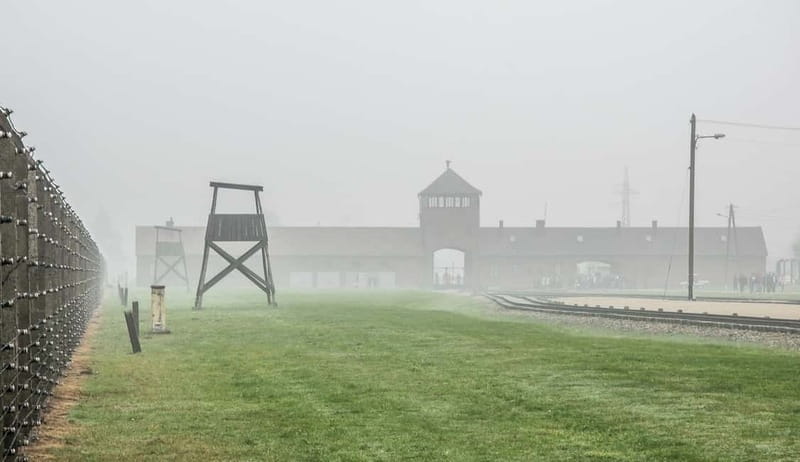
A self-guided visit can give you freedom, but Auschwitz-Birkenau is easier to understand when someone explains the sequence of events and points out what you might otherwise miss. The guide also helps maintain a respectful rhythm, making sure the group stays together before moving on.
The strongest guide reports describe people who explained living and dying conditions, answered questions, and added personal stories connected with victims and perpetrators. Martin was also praised for giving practical advice about which parts to focus on when time was limited. That can be useful on a crowded day.
For tours in French, German, Italian, or Spanish, the chosen language applies to the museum guide. The excursion leader who accompanies you during transport may not speak that language. If you need continuous translation from the Krakow pickup point onward, check this detail carefully before booking.
The total group size is not specified, so you should not reserve this expecting a private tour. The format is shared transport followed by the official museum-guided visit.
The last-minute ticket queue
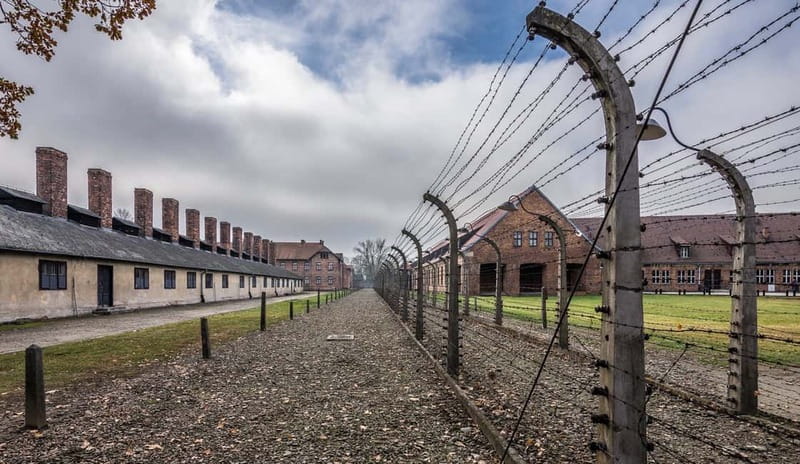
This is the detail that most affects the day. Your entrance ticket is covered, but last-minute participants must line up at the ticket office to collect it.
That queue can make the tour longer than nine hours. It may also explain why departure is moved earlier and why the schedule cannot be guaranteed down to the minute. I would avoid planning another fixed activity in Krakow immediately after your return.
The ticket procedure is less convenient than having a preassigned entry in hand, but it offers a practical advantage: you can try to visit Auschwitz even when your Krakow plans came together late. At $80 per person, the price reflects the transport, ticket handling, and licensed guide, not just a ride to the museum.
For a full-day outing, that is a reasonable package if you value simplicity. The price is less attractive if you already have transport and can arrange a museum entry independently. The last-minute option is most useful when availability matters more than a perfectly controlled timetable.
Food, bags, and what to carry
Lunch is not included. Bring a packed meal and drinks, since the official program leaves limited time for finding food during the day. One group found that a packed lunch helped keep the schedule manageable.
Pack light. Large bags and backpacks are not allowed inside the museum, with a maximum permitted size of 20 by 30 centimeters. A small bag is the safe choice, and you should not arrive carrying a full daypack.
Bring your passport or ID card. A student card is also listed as something to bring, presumably if it applies to your booking. The museum requires the full name and contact details of every participant, and names cannot be changed after booking, so enter those details carefully.
Comfortable clothing and shoes make sense for a long day with walking and time outdoors. The tour is not suitable for wheelchair users according to the booking information.
How the day feels in practice
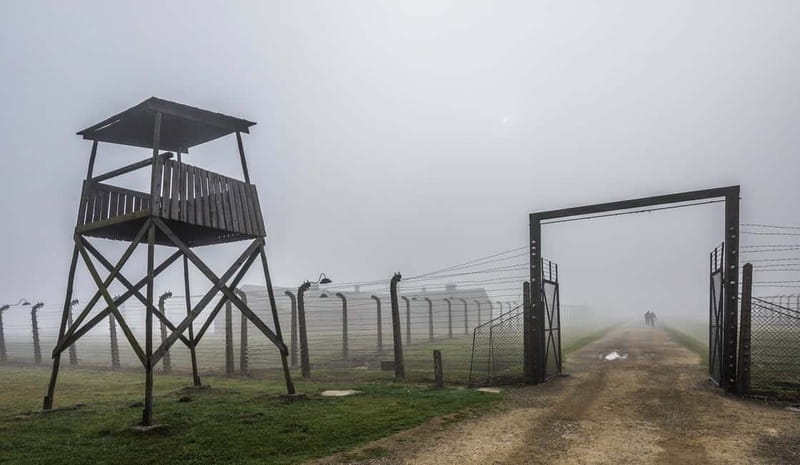
The morning begins with a central Krakow meeting point, followed by a long transfer west toward Oświęcim. You then complete the ticket collection, enter Auschwitz I for about two hours, transfer to Birkenau, spend about 1.5 hours there, and return to Krakow by van or coach.
The structure is efficient, but not leisurely. You have enough time to see the main areas with an official guide, yet you may feel there is more to read, photograph, or contemplate than the schedule allows.
That tension is unavoidable at a site receiving many groups. The official visitor service sets the walking pace and duration, not the transport company. If you want a slow, solitary visit, a last-minute group tour is not the ideal format.
Still, the organization matters. Pickup instructions are sent the day before, transport is arranged both ways, and the guide keeps the visit focused. Several parts of the day depend on museum operations, but the company’s communication appears to be a strong feature, especially when flights or pickup times change.
Who should book this tour
I would choose this tour if you are staying in Krakow and have limited time, especially if you are booking only a few days before your visit. It suits you if you want the major sites covered without arranging a separate bus, museum ticket, and guide.
It is also a good fit for first-time visitors who want historical explanation rather than simply walking around the grounds. The licensed guide helps you understand the connection between Auschwitz I and Birkenau, which is important because the two sites look and feel quite different.
You may want another option if you need wheelchair access, dislike early or changing departures, or want long periods for private reflection. It may also disappoint you if your main goal is extensive photography or seeing every remaining structure.
Free cancellation up to 24 hours before departure and reserve-now, pay-later booking provide useful flexibility. They do not remove the need to monitor messages the day before, since your precise pickup time can change.
Should you book the $80 Auschwitz-Birkenau tour?
Book it if you want a practical, guided day from Krakow and value the chance to secure a last-minute place. The strongest reasons are the round-trip transport, official entry, museum guide, and coverage of both Auschwitz I and Birkenau.
Go in with realistic expectations. You will queue for the ticket, carry your own lunch, follow a museum-controlled pace, and possibly spend nine hours or more away from Krakow. You may not see every ruin or have as much time for photographs as you hoped.
For many people, that trade-off is fair. The tour gives you a serious introduction to one of Europe’s most important memorial sites without making you solve every transport and booking problem yourself. Book it when access and structure matter most, then arrive prepared to listen, walk, and give the place the attention it requires.
FAQ
How long does the Auschwitz-Birkenau tour take?
The scheduled duration is nine hours. The journey from Krakow takes roughly 1 hour and 15 minutes to 1.5 hours each way, with about two hours at Auschwitz I and 1.5 hours at Auschwitz II-Birkenau. The ticket queue can make the day longer.
Is transportation from Krakow included?
Yes. Pickup and drop-off are included from designated Kiss & Ride meeting points in Krakow. The listed locations include Wielopole 2, Pawia 18a, Starowiślna 65, and Floriana Straszewskiego 14.
Is the Auschwitz-Birkenau entrance ticket included?
Yes. The entrance is covered, but last-minute bookings require you to stand in line at the museum ticket office to collect the ticket.
Which languages are available?
The museum-guided tour is available in English, French, German, Italian, and Spanish. The excursion leader during transport may not speak the language you selected.
Can I bring a large backpack?
No. Large bags and backpacks are not permitted inside the museum. The maximum allowed size is 20 by 30 centimeters.
Is lunch included?
No. Lunch is not included, so bring food and drinks with you. The schedule may not leave much time to find a meal during the visit.
Recently added in Krakow
- Auschwitz-Birkenau and Krakow Private Car Trip from Katowice★ 4.3 · 3 reviews
- Wawel Castle, Old Town with St. Mary’s Church Guided Tour★ 5.0 · 3 reviews
- Private tour to Zakopane and Thermal Baths from Krakow★ 5.0 · 3 reviews
- Wawel Castle, Cathedral, Rynek Underground Tour with Lunch★ 5.0 · 3 reviews
- From Krakow: Chocholow Thermal Hot Springs (hotel pick up)★ 5.0 · 3 reviews
- Legends of Cracow ROBOTIC SHOW★ 4.0 · 3 reviews
- From Krakow: Zakopane and Thermal Pools Guided Trip★ 5.0 · 3 reviews
- Guided Beer Tour in Krakow★ 4.5 · 3 reviews
Auschwitz-Birkenau Memorial Tours, compared.
Auschwitz-Birkenau Guided Tour & Hotel Pickup
Read our review →Auschwitz Guided Tour with Optional Hotel Pickup
Read our review →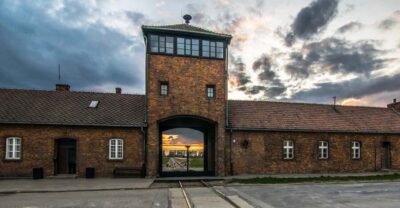
Auschwitz-Birkenau Guided Tour with Pickup & Lunch
Read our review →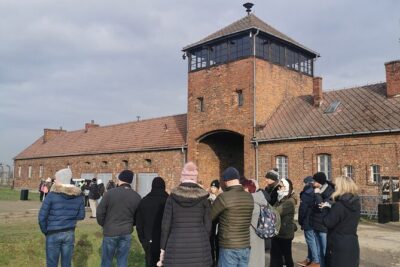
Krakow to Auschwitz Birkenau Guided Tour with Transfer and Ticket
Read our review →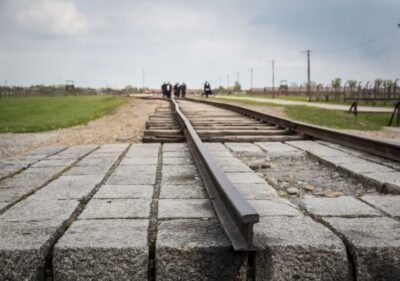
Auschwitz Birkenau Small Group Tour with Pickup
Read our review →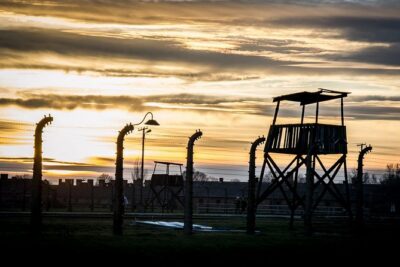
Auschwitz Birkenau Guided Tour with Ticket Hotel Pickup Small Van
Read our review →Where else this one turns up