Reviewed · KRAKOW TOURS
Krakow: Former Concentration Camp Plaszow Guided Tour
Plaszow is not a polished museum with rooms full of objects. It is a broad public space with memorials, information boards, ruins, and painful gaps where camp buildings once stood. That makes a guide especially important. I like that this tour explains the ground beneath your feet, including the camp’s change from forced-labor camp to concentration camp, and I like that it connects Plaszow with Oskar Schindler and the filming of Schindler’s List. The main drawback is the open setting: you need weather-ready clothes, and the site can feel less structured than a conventional museum.
I also value the human touch reported by guests who had guide Olga. She brought the camp’s story to life, helped with the correct bus back to the Old Town, and even shared family connections to the site. Just remember that the meeting point is in the city, tram tickets are not included, and the two-hour visit covers a large and emotionally heavy subject at a brisk pace.
Key points to know before you go
- Plaszow began as a forced-labor camp in 1940 and became a concentration camp in 1941.
- The tour explains the 1942 deportations from the Krakow ghetto and the Nazi system that made them possible.
- Memorials, ruins, information boards, and open ground replace a formal museum setting at much of the former camp.
- Liban Quarry, about a hundred meters away, contains a replica camp set built for Schindler’s List.
- Oskar Schindler’s life is part of the tour, giving useful context for the film and its Krakow locations.
- The English-language walk lasts two hours, begins at Apteka Pod Orlem, and ends back at the meeting point.
Why Plaszow feels different from a museum visit
Plaszow asks you to pay attention to absence. The former camp is now a large public area dotted with memorials, signs, and traces of former structures. There is no single entrance hall that lays out the entire story for you, so the guide provides the thread that ties the scattered pieces together.
That setting can be unsettling in a quiet way. Ordinary open ground does not look like the place described by the camp’s history, and that contrast is part of what makes the visit powerful. You may find yourself looking at a patch of land, a ruin, or a memorial while trying to picture the forced labor and violence that took place there.
I would not choose this tour for a light afternoon outing. The subject is the Holocaust, the destruction of Krakow’s Jewish community, and the machinery of Nazi rule. But if you want to understand Krakow beyond its handsome Old Town, Plaszow gives you a serious and necessary part of the city’s story.
A few more Krakow half days to consider
- From Krakow: Auschwitz-Birkenau Guided Tour & Hotel Pickup
★ 4.5 · 33,358 reviews - From Krakow: Auschwitz-Birkenau Guided Tour & Hotel Pickup
★ 4.5 · 29,340 reviews - Krakow: Auschwitz Guided Tour with Optional Hotel Pickup
★ 4.5 · 15,280 reviews
The camp’s change from forced labor to concentration camp
The guide begins with the camp’s early purpose. Plaszow opened in 1940 as a forced-labor camp, then was converted into a concentration camp in 1941. That change matters because it shows how Nazi control developed over time rather than appearing all at once in a single form.
You learn how the camp fitted into the wider persecution of Jews in Krakow. Deportations from the Krakow ghetto began in 1942, and the tour explains how people were moved into the camp system. This context helps you understand why the site cannot be viewed as an isolated prison or work camp. It was part of a much larger process of removal, exploitation, and murder.
The walk also covers the labor carried out at the quarry and in military factories. These details give the history a practical shape. People held at Plaszow were forced to work, and the camp’s location was tied to that labor. Instead of hearing only dates and names, you begin to see how Nazi rule reached into work, transport, housing, and daily survival.
Memorials, ruins, and the open camp grounds
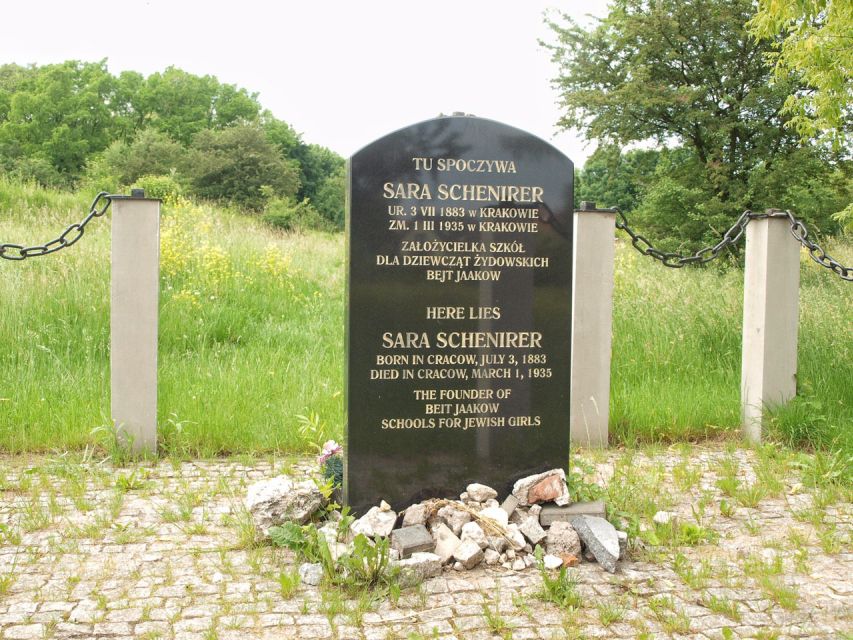
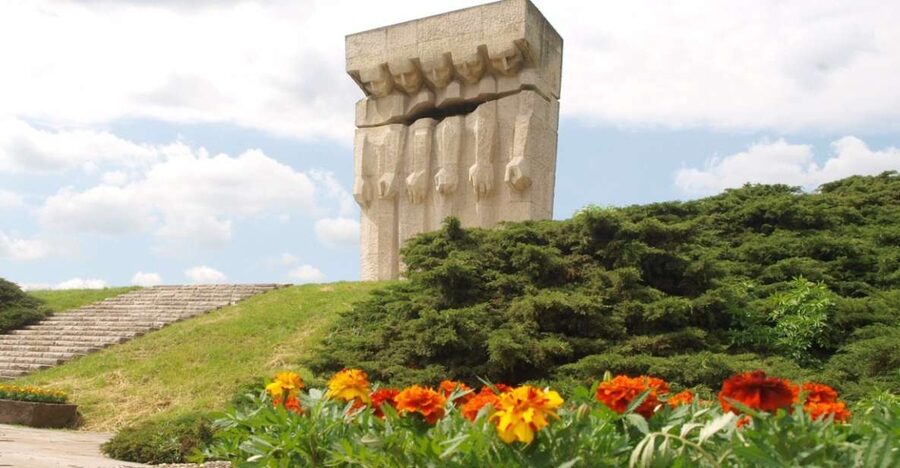
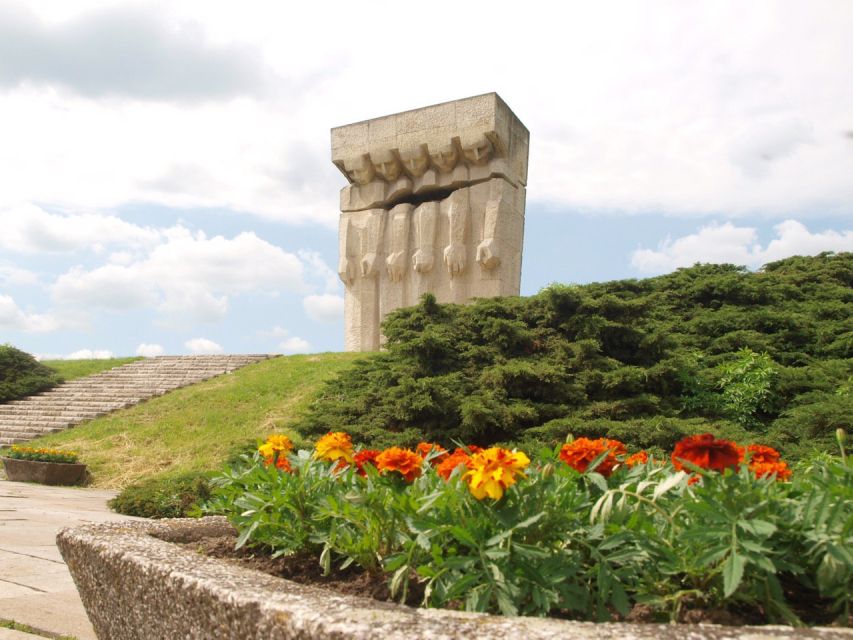
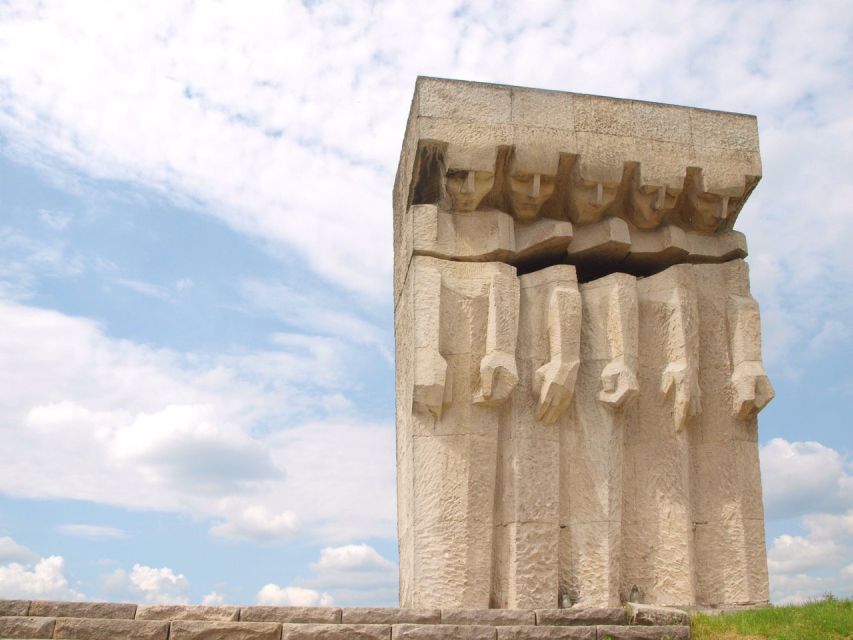
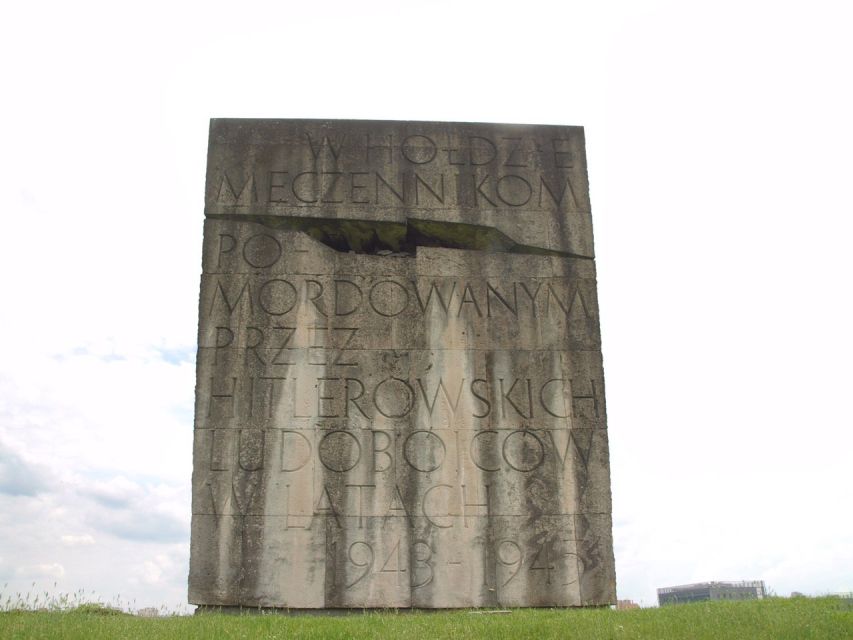
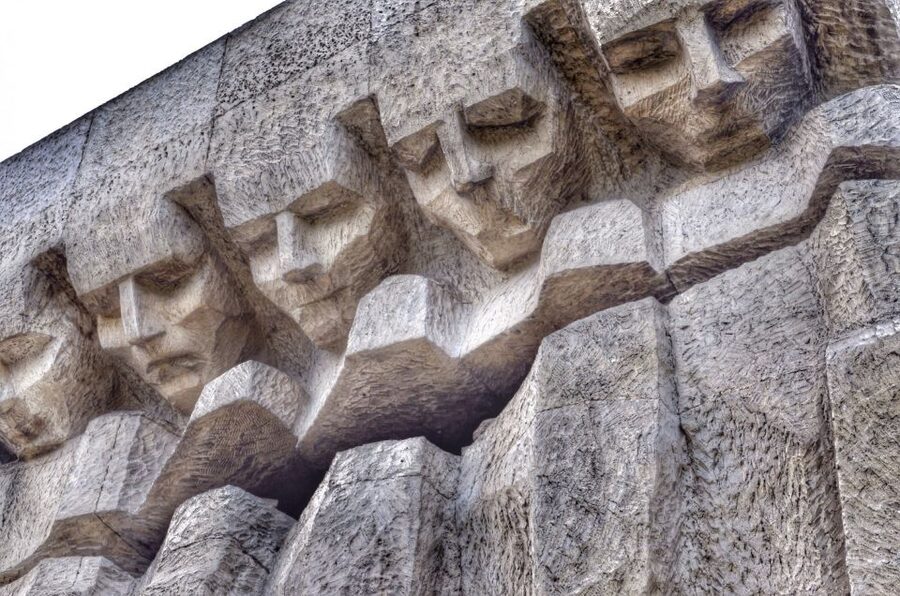
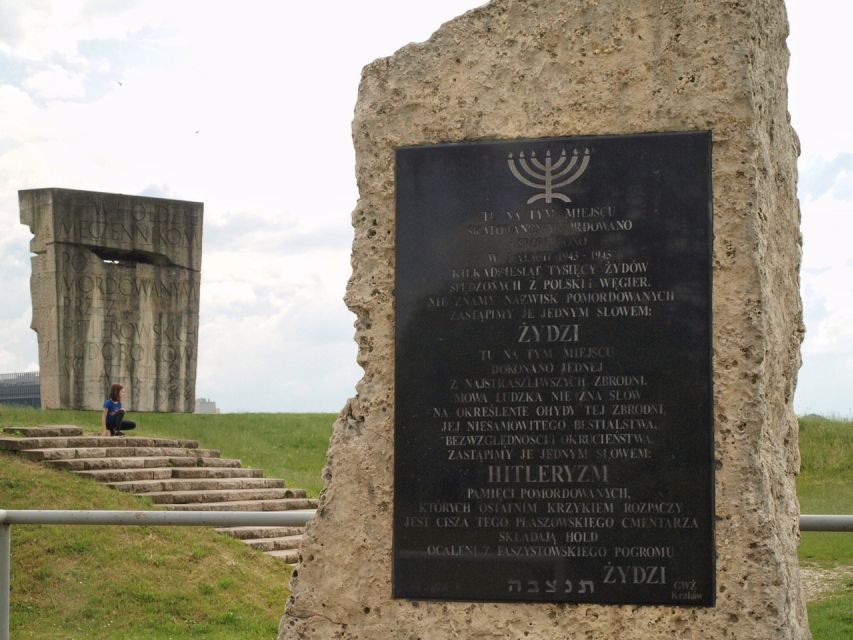
Several memorials mark the site and honor its victims. The guide helps you read these places with care, explaining what they represent and how they fit into the camp’s wider story.
Information boards provide some written background, but I would not rely on signs alone. Plaszow is spread out, and the remaining physical evidence does not always explain itself. A guide can point out the different parts of the camp and explain what once occupied spaces that now appear open or changed.
This is also where the tour’s main limitation becomes clear. You are not moving through preserved barracks or a fully built museum exhibition. The site is now a public space, and its current appearance can make it hard to grasp the scale of what happened. Wear clothing suited to the weather, and expect to spend the full two hours outside.
The memorial stops are not photo opportunities in the usual sightseeing sense. You can take time to pay your respects, but the tone calls for restraint. The value here comes from listening, remembering, and making sense of the place, not from collecting dramatic images.
The Krakow ghetto and the human cost of Nazi rule
Plaszow’s story is closely tied to what happened in the Krakow ghetto. Beginning in 1942, Jews from the ghetto were deported, and the guide explains how that process led people into the camp system.
For me, this is one of the most useful parts of the tour because it connects local events. The ghetto, Plaszow, Schindler’s factory, and the quarry are not separate stories sprinkled around Krakow. They belong to the same period of Nazi occupation and persecution.
You also hear what life was like inside the camp. The tour does not reduce the subject to a list of buildings. It addresses the forced work, the strict control, and the conditions created by Nazi policy. The guide’s role is crucial here, since the physical site alone cannot tell you how camp life operated.
The material is difficult, but the English-speaking format makes it accessible if you want a clear account without having to decode dense museum text. This is best approached with patience. Give yourself a little quiet time afterward rather than scheduling a rushed activity immediately after the walk.
A different kind of day in Krakow:
- Krakow–Zakopane: Cable Car, Chocholow Baths, Cheese & Vodka
★ 5.0 · 10,720 reviews - Krakow: Auschwitz-Birkenau Guided Tour with Pickup & Lunch
★ 4.5 · 9,800 reviews - From Krakow: Wieliczka Salt Mine Tour
★ 4.6 · 9,393 reviews - Krakow: Auschwitz-Birkenau Guided Tour Pickup/Lunch Options
★ 4.5 · 9,057 reviews
Oskar Schindler beyond the movie
Oskar Schindler is a major part of the tour, but the focus is not simply on the film. You hear about the man behind the story and how his life connected with Krakow during the Nazi period.
Schindler’s List brought Plaszow to a worldwide audience, yet a film can only show one version of events. The guide helps separate the movie’s dramatic storytelling from the actual site and historical setting. That is valuable if the film is your main reason for coming, since you can place its characters and scenes within the real geography of Krakow.
The tour also points out where the movie was filmed. You visit the replica of the camp built under Steven Spielberg’s direction in Liban Quarry, about a hundred meters from the former camp. This is a striking detail: the film set is not the original camp, and knowing the difference prevents confusion.
Liban Quarry adds another layer to the visit. You are seeing a film reconstruction near the actual historic site, not preserved camp buildings. For film fans, that link is a strong reason to book. For anyone seeking only original remains, it is important to keep expectations in check.
Liban Quarry and the film replica
The short move to Liban Quarry shows how the movie recreated the appearance of Plaszow. The replica was built for Schindler’s List, and the guide explains its role in the production.
This stop works best when you already understand that it is a set. It is not a surviving section of the concentration camp. Instead, it helps you see how Spielberg represented the site for the screen, while the earlier part of the tour keeps your attention on the actual history.
The quarry also reinforces the connection between forced labor and the local setting. The original tour discusses labor at the quarry and in military factories, so the stop is more than a film footnote. It links the physical setting, the camp economy, and the way modern cinema later portrayed the period.
Do not expect a long film-studio visit. The full tour lasts two hours, and the quarry is only about a hundred meters from the former camp. Think of it as a focused part of a historical walk rather than a separate attraction.
The guide can make or break this visit
At a place like Plaszow, the guide is not just someone who keeps the group moving. The guide supplies the explanation that the open site cannot provide on its own.
The tour is offered in English with a live guide. One guide named Olga received especially warm praise for her clear explanations, enthusiasm, and kindness. She even walked with guests to the nearest bus stop and helped them catch the correct bus back toward the Old Town. Another especially personal account described a guide sharing stories connected to their own family, which made the past feel close and real.
Those details point to the kind of service that matters here: clear facts, a respectful tone, and the ability to respond to the people in front of you. Guide assignments can vary, so I would not assume Olga will lead every departure. Still, the strong guide feedback is one of the best reasons to choose a guided walk rather than visit the site alone.
A small group can make the subject easier to discuss, though the supplied details do not promise a particular group size. If you have questions about the film, the camp’s layout, or the ghetto deportations, ask them during the walk. The guide is your best source for connecting the separate parts of the visit.
Meeting point, transport, and timing
You meet at the entrance of Apteka Pod Orlem. Look for the guide holding an excursions.city sign. The activity ends back at the same meeting point, which gives you a clear start and finish in a busy city day.
Tram tickets are not included. Plan for that small extra cost if you are using public transport to reach the meeting point or continue elsewhere afterward. The tour information does not provide a specific tram route, so check the current Krakow transport details before setting out.
The walk lasts two hours. That is enough time for a guided introduction to the camp, its memorials, labor sites, Oskar Schindler, and the nearby film replica. It is not enough time for an unhurried study of every sign or a long personal visit at each memorial.
Wear weather-appropriate clothing. The former camp is an open site, and conditions can change. Comfortable shoes also make sense for a walk between the different areas, although the tour details do not specify the exact surface or accessibility conditions.
Is $23 a fair price?
At $23 per person, the main thing you are paying for is interpretation. The former camp itself is not presented as a ticketed museum with a large indoor collection, so a self-guided visit may appear cheaper. The risk is that you will see open ground and memorials without fully understanding how the spaces connect.
For this price, a licensed English-speaking guide provides two hours of historical context and helps you locate the important parts of the camp. You also get the Oskar Schindler and film connection, including the replica at Liban Quarry.
I consider that good value if World War II history, Jewish Krakow, or Schindler’s List is important to your visit. It is less appealing if you want a short, visually dramatic attraction or a polished indoor museum. The tour’s value comes from making a difficult site understandable, not from the number of objects on display.
The high rating of 4.8 from 10 reviews supports the idea that the guide quality is a major part of the price. Since ten reviews are not a huge sample, I would treat that score as encouraging rather than conclusive. The repeated praise for the guide’s care and ability to explain the site is more useful than the number alone.
Who should book this Plaszow walk?
I would recommend it to you if you want:
- A serious look at Krakow during the Nazi occupation
- Context for the Krakow ghetto deportations
- A guided visit to the former Plaszow camp rather than a solo walk
- More information about Oskar Schindler and Schindler’s List
- A respectful way to visit memorials and understand the camp’s remains
Film fans will get extra value from the Liban Quarry replica. History-minded visitors will appreciate the discussion of forced labor, military factories, the quarry, and the camp’s development from 1940 onward.
I would hesitate only if you are not prepared for a solemn subject or if you expect a conventional museum with preserved interiors and a large collection. Plaszow is quieter, more scattered, and harder to read without help.
Should you book the former Plaszow camp tour?
Yes, I would book it if you want to understand the history behind one of Krakow’s most important World War II sites. The open setting makes a guide especially useful, and the tour combines the actual camp grounds, memorials, labor history, the Krakow ghetto, Oskar Schindler, and the nearby film replica in two focused hours.
Go with modest expectations about what you will see physically. You will find memorials, signs, ruins, and open ground rather than a fully preserved camp museum. But with a strong guide, those fragments become a clearer story, and that is where the $23 fee earns its keep.
The tour suits an adult audience ready for difficult material. Wear suitable clothing, allow time for public transport, and keep the rest of your day flexible enough to process what you have seen. If your guide is Olga, expect the kind of personal attention that includes help finding the right bus afterward.
FAQ
How long does the Plaszow guided tour last?
The tour lasts two hours.
What language is the tour offered in?
The tour is offered in English with a live guide.
Where does the tour begin?
Meet at the entrance of Apteka Pod Orlem. Look for the guide holding an excursions.city sign.
Where does the tour end?
The activity ends back at the meeting point.
Are tram tickets included?
No. Tram tickets are not included in the tour price.
What should I bring?
Bring weather-appropriate clothing, since much of the visit takes place outdoors at the former camp site.
Can I cancel the tour for a refund?
You can cancel up to 24 hours in advance for a full refund. The booking option also allows you to reserve now and pay later.
Recently added in Krakow
- Auschwitz-Birkenau and Krakow Private Car Trip from Katowice★ 4.3 · 3 reviews
- Wawel Castle, Old Town with St. Mary’s Church Guided Tour★ 5.0 · 3 reviews
- From Krakow: Chocholow Thermal Hot Springs (hotel pick up)★ 5.0 · 3 reviews
- Private tour to Zakopane and Thermal Baths from Krakow★ 5.0 · 3 reviews
- Wawel Castle, Cathedral, Rynek Underground Tour with Lunch★ 5.0 · 3 reviews
- Legends of Cracow ROBOTIC SHOW★ 4.0 · 3 reviews
- From Krakow: Zakopane and Thermal Pools Guided Trip★ 5.0 · 3 reviews
- Guided Beer Tour in Krakow★ 4.5 · 3 reviews
Krakow Tours, compared.
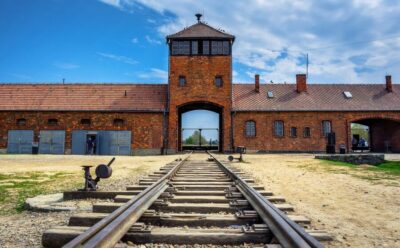
Auschwitz-Birkenau Guided Tour & Hotel Pickup
Read our review →Auschwitz Guided Tour with Optional Hotel Pickup
Read our review →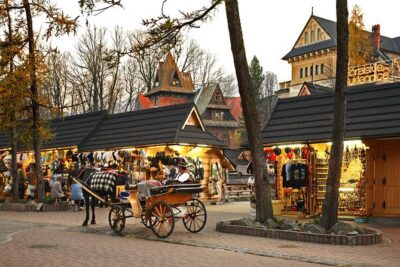
Zakopane: Cable Car, Chocholow Baths, Cheese & Vodka
Read our review →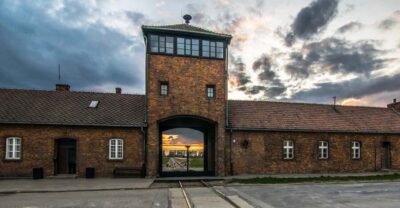
Auschwitz-Birkenau Guided Tour with Pickup & Lunch
Read our review →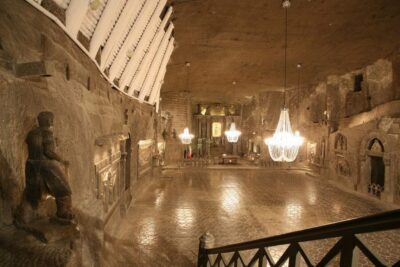
Krakow to Auschwitz Birkenau Guided Tour with Transfer and Ticket
Read our review →
Wieliczka Salt Mine Guided Tour with Transport
Read our review →