
Reviewed · OLD TOWN TOURS
Gdansk Old Town: German Influence Walking Tour
Gdansk’s Old Town tells a complicated story, and this tour focuses on one of its most important threads: the city’s long connection with German trade, politics, and culture. You’ll walk from the High Gate along the Royal Route, hear about the Teutonic Order and Prussian rule, and finish at the immense St. Mary’s Church.
I like the private format, since your guide can shape the pace and explain the past in German or Polish. I also like the choice between a focused 2-hour walk and a fuller 3-hour version with Artus Court, a key stop for understanding Gdansk’s merchant power.
The main consideration is the price, $108 per person. That can be good value for a private guide, but only if you want a history-centered walk rather than a quick introduction to the city. The 2-hour option also does not include Artus Court tickets.
Key points to know before booking
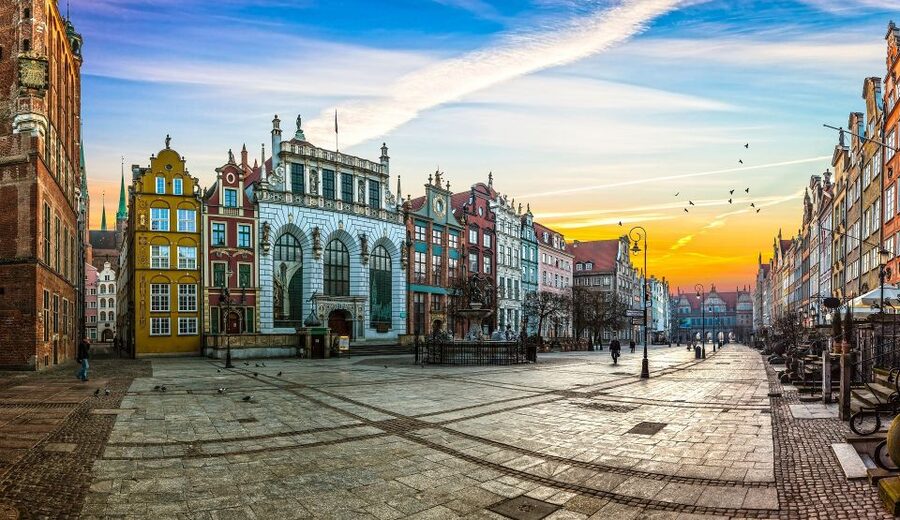
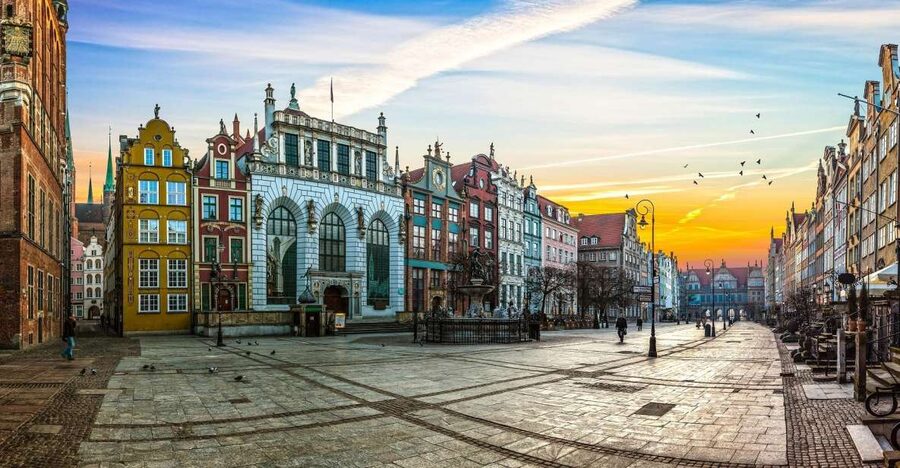
- Follow the Royal Route: Walk from the High Gate to Long Market, passing Neptune’s Fountain, Artus Court, and other major Old Town sights.
- See inside St. Mary’s Church: Admission is included, though church access may be limited during Mass or concerts.
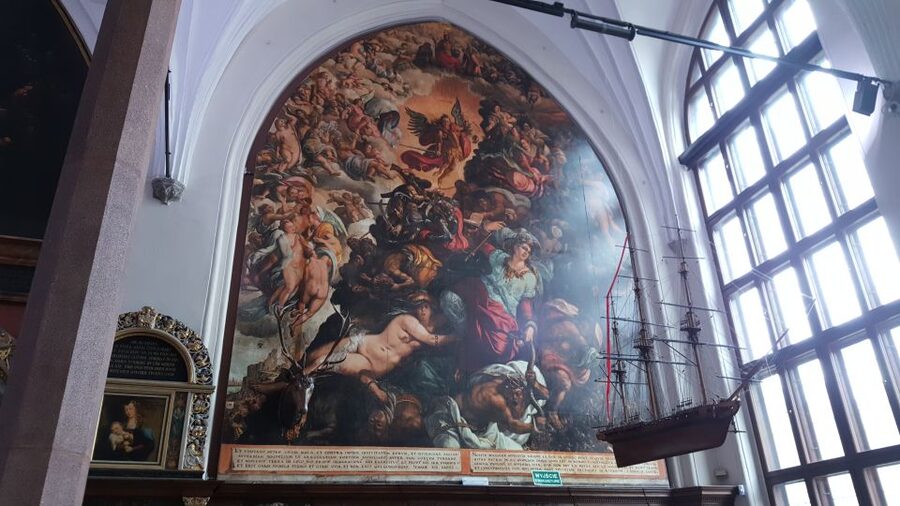
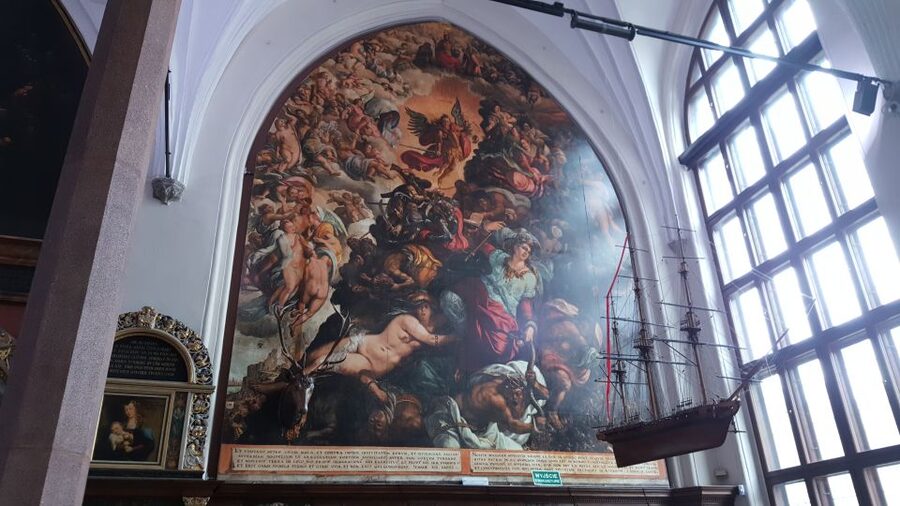
- Choose the 3-hour version for Artus Court: This option includes admission to the former merchants’ meeting place and its striking Last Judgment painting.
- Trace 1,000 years of connections: Learn how Gdansk moved through Teutonic, Prussian, and German political periods.
- Book a private German or Polish tour: A licensed guide can adjust the route and pace to your interests.
- Meet near the railway station: The standard meeting point is under the High Gate, about eight minutes from Gdansk Main Railway Station.
Why Gdansk’s German connection needs a careful guide
Gdansk is Polish today, but its past cannot be explained through a single national story. Over the centuries, the city was linked to German merchants, the Hanseatic League, the Teutonic Order, Prussia, and the German Reich. Polish and German influences mixed in trade, religion, architecture, and daily life.
That makes this more than a tour of attractive facades. You’ll hear how Gdansk, once known as Danzig in German contexts, became a meeting point for people, goods, and ideas around the Baltic Sea. The guide’s job is to explain those changes without flattening them into a simple tale of one country replacing another.
The tour covers more than 1,000 years of Polish-German relations. You’ll learn that Gdansk was part of the Teutonic Order for 146 years and later connected to Prussia and the German Reich for 126 years. Those dates matter because they help explain why the city’s identity can feel layered rather than straightforward.
The private setup is especially useful here. You can stop to ask how political control affected merchants, churches, or architecture, instead of simply moving from one photo stop to the next. The guides are described as friendly and competent, which is important on a subject that calls for both clear facts and a measured tone.
More Old Town Tours in Gdansk
- Gdańsk: Sightseeing EcoCruise around the Old Town of Gdansk
★ 4.6 · 719 reviews - Gdańsk: Old Town Private Walking Tour with Legends and Facts
★ 4.9 · 245 reviews - Gdansk Old Town 2-Hour Walking Tour
★ 4.5 · 94 reviews
Starting beneath the High Gate
The tour begins in front of the tourist information sign under the High Gate, or Brama Wyżynna, at Wały Jagiellońskie 2A. This is a practical meeting spot, about eight minutes on foot from Gdansk Main Railway Station.
The High Gate gives the walk a fitting start. It marks the entrance toward the historic center and places you near the beginning of the Royal Route. If you are arriving by train, you do not need a taxi for the standard meeting point.
Pickup is available from accommodations in the Old Town if you provide the full address when booking. If your lodging is more than 1.5 kilometers from the meeting point, or if no address is provided, you should plan to meet beneath the High Gate instead. The tour returns to this same meeting point at the end.
I would arrive a few minutes early. The meeting point is precise, but the Old Town has several gates, squares, and signs that can look similar when you are in a hurry.
Walking the Royal Route from the Golden Gate
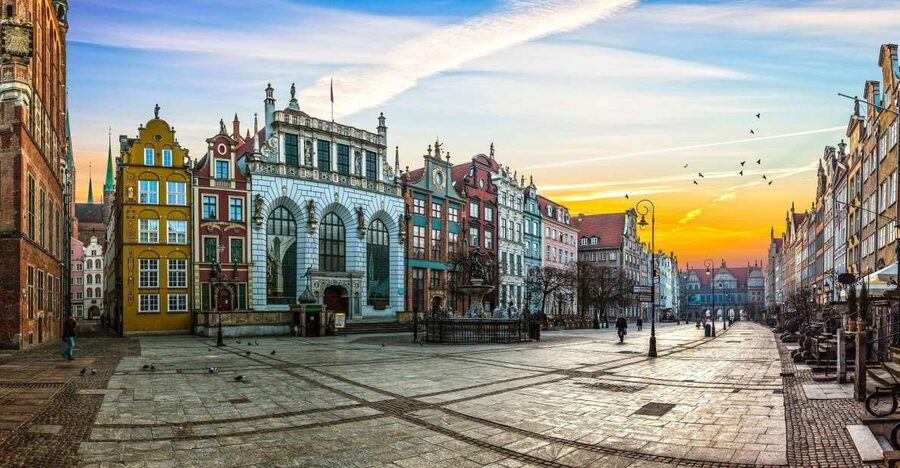
The German story takes shape as you follow the Royal Route from the Golden Gate toward Long Market. This route passes through some of the city’s best-known streets, but the guide gives you a reason to look beyond the colorful fronts and decorative details.
The focus is on German merchants who came to Gdansk during its prosperous trading years. They were drawn by amber and other valuable goods, and their activity helped connect the city with wider Baltic and European markets.
You’ll hear how commerce shaped the city’s public life. Wealthy merchants needed meeting spaces, impressive homes, religious institutions, and civic buildings. The result is a center where trade and display are closely linked.
This is a good section for visitors who want context rather than a simple list of buildings. The guide can explain why particular sites mattered and how Gdansk’s position near the Motlawa River helped make it an important port.
The walk is on foot for two or three hours, so comfortable shoes are sensible. The tour is wheelchair accessible, though the route includes city streets and historic buildings where access can sometimes be affected by events or operating conditions.
Artus Court and the power of merchants
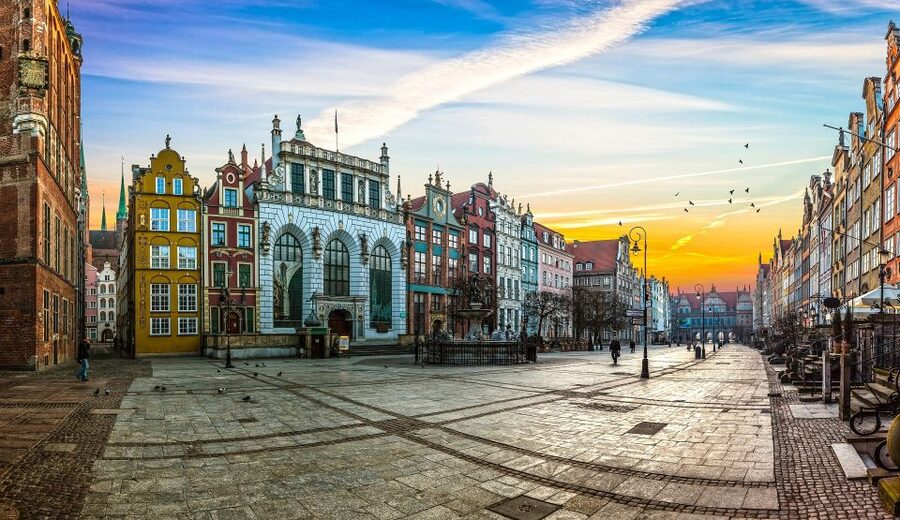
Artus Court is the key reason to choose the 3-hour option. Admission is included with that version, while the 2-hour tour does not include the ticket.
The building served as an exclusive meeting place for merchants and became a symbol of Gdansk’s power during the 16th and 17th centuries. It helps you understand that trade was not a side activity here. Merchant wealth shaped the city’s status, institutions, and public image.
Inside, your guide points out German influences and explains the building’s place in Hanseatic history. The Last Judgment painting by Anton Möller is one of the notable works discussed. Its subject is serious, and its presence offers a useful reminder that merchant culture in Gdansk was tied to religious ideas, civic pride, and moral judgment.
I would choose this stop if you are interested in the Hanseatic League, commercial history, or the way wealthy trading cities presented themselves. It adds substance to the walk and gives you an indoor attraction with more than decorative value.
The drawback is simple: the 3-hour tour costs more in time and likely makes the experience feel denser. If you have just arrived in Gdansk and want a broad first look, two hours may be enough. If you want the strongest connection between German influence and Gdansk’s rise as a port, Artus Court earns the extra hour.
More Walking Tours in Gdansk
- Gdańsk City Sights & History Guided Walking Tour in English
★ 4.8 · 876 reviews - Main Town Gdańsk Walking Tour
★ 5.0 · 644 reviews - Discover Gdansk Walking Tour
★ 5.0 · 495 reviews - Gdańsk Old Town Private Walking Tour with Legends and Facts
★ 5.0 · 65 reviews
Neptune’s Fountain and the view toward the Motlawa
Neptune’s Fountain is one of the Old Town’s familiar landmarks, but this tour uses it as part of the larger story. It sits in the area around Long Market, where civic pride, merchant wealth, and royal ceremony came together.
Rather than treating the fountain as a quick photo stop, you’ll connect it to the city’s public spaces and trading success. The exact amount of time spent here depends on the guide and the pace you choose, since this is a private tour.
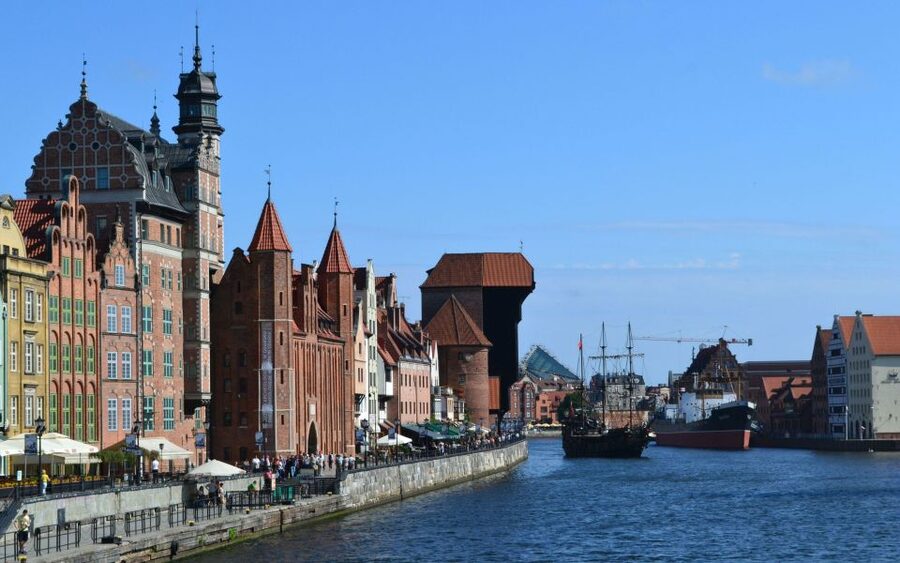
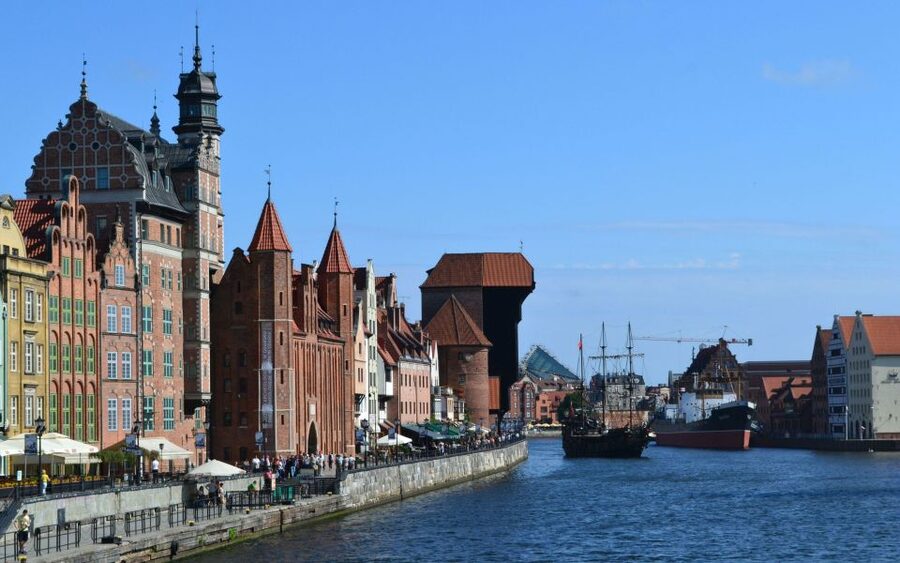
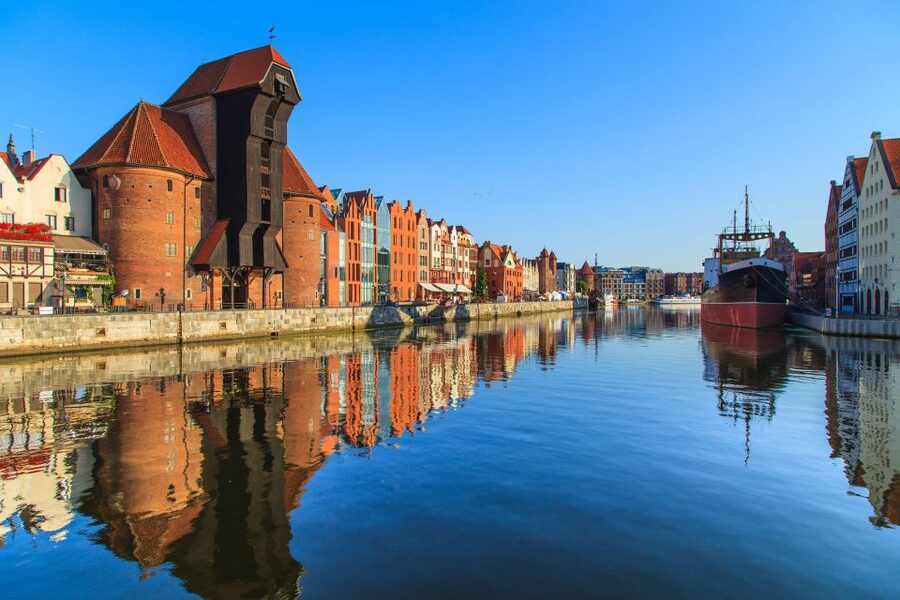
The route also brings you toward the Motlawa River. The river was one of the most important ports connected to the Hanseatic League, so this is where the commercial story gains a clear physical setting.
You can look at the waterfront and understand why Gdansk became a natural meeting place for merchants. The river was not merely scenic. It was the working route that helped bring goods, money, and foreign visitors into the city.
This part of the walk should appeal to you if you like seeing how geography shaped history. The guide links the river, trade, and German merchant activity in a way that a standard architecture walk might not.
German figures in Gdansk’s cultural story
The tour includes several German personalities connected with Gdansk. These names add a human scale to the larger political story.
You’ll hear about Johann Bernoulli, the astronomer, and Barthel Ranisch, who is credited with building the Royal Chapel. You’ll also meet Günter Grass, the Nobel Prize-winning author who set his famous Danzig Trilogy, including The Tin Drum, in Gdansk.
These figures show that German influence was not limited to rulers or merchants. It also appeared in science, literature, and architecture. That broader view is one of the tour’s strengths.
The mention of Günter Grass may be especially useful if you have read The Tin Drum or want to connect Gdansk’s streets with modern literature. The tour does not present the city only as a medieval or early modern trading center. It also points toward the cultural memory attached to Danzig.
The guide may also discuss Martin Opitz, a German Baroque poet buried in St. Mary’s Church. These details are easy to miss if you explore alone, since the people connected to a building are often less visible than the building itself.
Entering St. Mary’s Church
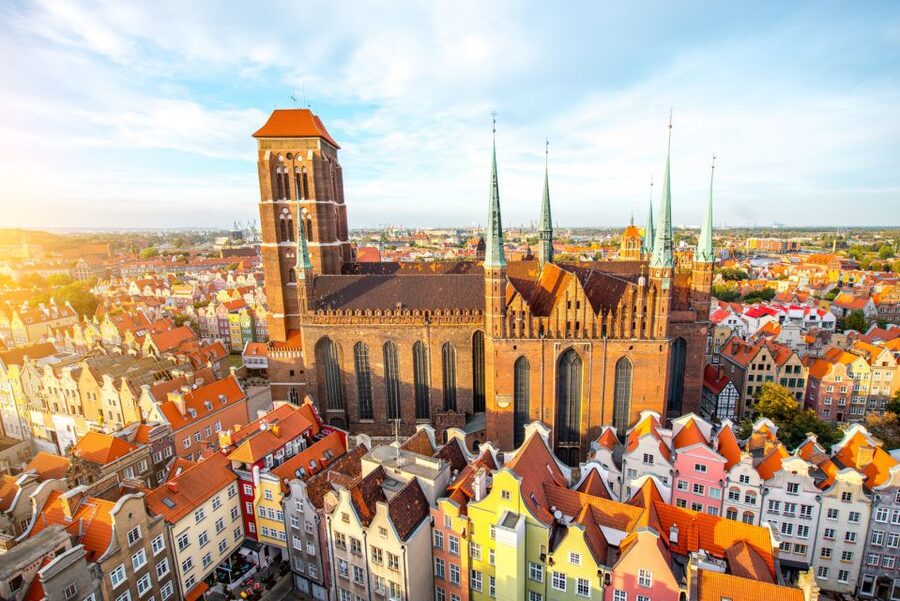
The final major stop is St. Mary’s Church, one of the most important sights in the Old Town. Free admission is included in both tour options.
Inside, the scale of the church gives the walking tour a strong finish. Your guide explains its place in the German-Polish story and points to the burial of Martin Opitz, the German Baroque poet.
Church access comes with one important limitation. Guided information inside may be restricted during Mass, scheduled concerts, or other special events. If that happens, the guide may explain the church from outside rather than lead the full discussion indoors.
That is worth keeping in mind if entering the church is your main reason for booking. Admission is included, but the timing of religious services and concerts can affect how much of the guided visit takes place inside.
The church tower is not included. If you want tower access, you would need to arrange that separately, and the tour details do not promise a tower visit. The church itself remains part of the planned route.
Two hours or three hours?
The two options serve different kinds of visits.
The 2-hour tour gives you the essential German trail through the Old Town. You’ll follow the Royal Route, hear about the Teutonic Order, Prussia, German merchants, and notable German figures, then visit St. Mary’s Church. It is the better choice if your schedule is tight or you want room for other Gdansk sights afterward.
The 3-hour tour includes everything in the shorter route plus Artus Court admission. That extra hour lets the guide spend more time on merchant life, Hanseatic trade, and the building’s interior details, including Anton Möller’s Last Judgment.
I would choose two hours for a first orientation, especially if you are unsure how much historical detail you want. I would choose three hours if Gdansk’s trading past is central to your visit, or if you want a more complete private tour instead of returning later to Artus Court on your own.
Starting times vary, so check availability before you build the rest of your day around it. The tour ends back at the High Gate meeting point, which makes it easy to continue exploring the Old Town afterward.
Is $108 per person fair value?
At $108 per person, this is not a budget walk. The value depends mainly on the number of people in your private group and on how much you care about a tailored history lesson.
You are paying for a private experience with a licensed guide who speaks German or Polish, rather than joining a large public group. That means you can ask questions, set a comfortable pace, and spend more time on the parts that interest you, such as Hanseatic trade, German literature, or church architecture.
The 3-hour price is easier to justify if you would otherwise pay separately to visit Artus Court. Its admission is included in that option. The 2-hour version may suit you better if you prefer a shorter introduction and do not need the interior of Artus Court.
For a solo visitor, the cost may feel high. For a couple, family, or small private party that values language choice and personal attention, the price can make more sense. The strongest value comes from the guide’s ability to connect many scattered details into one clear story.
The free cancellation policy, available up to 24 hours before the tour, and the reserve-now-pay-later option add flexibility. They do not change the cost, but they make the booking easier to fit into a changing itinerary.
Who should book this Gdansk walking tour?
I would recommend it most strongly to you if you:
- Want a private tour in German or Polish.
- Have a serious interest in Polish-German relations.
- Want to understand Gdansk as a former Hanseatic port.
- Prefer historical explanation over a quick sightseeing circuit.
- Are traveling with family or friends and want a guide who can adjust the pace.
- Plan to visit Artus Court and want its merchant story explained on site.
It may be less suitable if you want a broad tour of every major Gdansk attraction, since the focus stays firmly on German influence. It is also not the best pick if your main goal is climbing a church tower, since St. Mary’s tower tickets are not included.
The subject can be sensitive, so a calm and capable guide matters. The available feedback praises the guides as friendly and competent, which matches what this topic requires: clear explanations without turning a complicated past into a political argument.
Practical details before you go
The tour is private and wheelchair accessible. It lasts two or three hours, depending on the option, and is offered in German or Polish.
Pickup is available from Old Town accommodations. Give the full address when booking so the guide can decide if pickup applies and adjust the route if needed.
If your hotel lies more than 1.5 kilometers from the High Gate, meet at the tourist information sign beneath Brama Wyżynna. The same point is used at the end of the walk.
Check your email the day before. Important tour information may be sent then, and it is worth confirming the meeting details before setting out.
Inside churches, special events can limit guided access. Plan for the possibility that some information will be given outside St. Mary’s Church. Also remember that Artus Court admission belongs only to the 3-hour version, while St. Mary’s Church admission is included.
Should you book it?
Book this tour if you want Gdansk’s German past explained by a private German or Polish-speaking guide, with time for questions and a route through the city’s major historic sights.
Choose the 2-hour option for a focused walk through the Old Town and St. Mary’s Church. Pay for the 3-hour option if Artus Court and Hanseatic trade are important to you. At $108 per person, it makes the most sense for a private party that values personal attention and historical detail. If you prefer a low-cost overview, you may find the price hard to defend.
FAQ
Where does the Gdansk German Influence Walking Tour begin?
The tour begins in front of the tourist information sign under the High Gate, Brama Wyżynna, at Wały Jagiellońskie 2A in Gdansk.
How far is the meeting point from Gdansk Main Railway Station?
The meeting point is about eight minutes from Gdansk Main Railway Station.
Where does the tour end?
The activity ends back at the meeting point under the High Gate.
How long does the tour last?
You can choose between a 2-hour tour and a 3-hour tour. Starting times vary, so check availability when booking.
Which languages are available?
The tour is available in German and Polish.
Is the tour private?
Yes. The activity is offered as a private group tour.
Is St. Mary’s Church admission included?
Yes. Free admission to St. Mary’s Church is included.
Are Artus Court tickets included?
Artus Court tickets are included only with the 3-hour tour. They are not included with the 2-hour option.
Is access to St. Mary’s Church Tower included?
No. Tickets to St. Mary’s Church Tower are not included.
Can I be picked up at my accommodation?
Pickup is available from accommodations in the Old Town. If your accommodation is more than 1.5 kilometers from the meeting point, you will meet the guide under the High Gate instead.
Recently added in Gdansk
- Szymbark: Kashubian Switzerland 5-Hour Private Tour★ 3.7 · 3 reviews
- Segway Tour Gdańsk: Shipyard Tour – 1,5-Hour of Magic!★ 5.0 · 3 reviews
- Stutthof Concentration Camp and Museum of WWII: Private Tour★ 4.7 · 3 reviews
- Sopot Sunset Cruise with Welcome Drink★ 3.5 · 3 reviews
- Gdansk: Basic Bike Tour★ 4.3 · 3 reviews
- Gdansk: Bubble Football with Hotel Transfers★ 5.0 · 3 reviews
- Artus Court and Gdansk Old Town Private Tour with Tickets★ 4.7 · 3 reviews
- Gdansk: Oliwa Zoo with Tickets and Roundtrip Transportation★ 5.0 · 3 reviews
Old Town Tours, compared.




Bike Tour of Old Town, Jewish Quarter and the Ghetto
Read our review →

Sightseeing EcoCruise around the Old Town of Gdansk
Read our review →
Where else this one turns up