
Reviewed · AUSCHWITZ-BIRKENAU MEMORIAL TOURS
From Krakow: Auschwitz-Birkenau Guided Tour Guaranteed Time
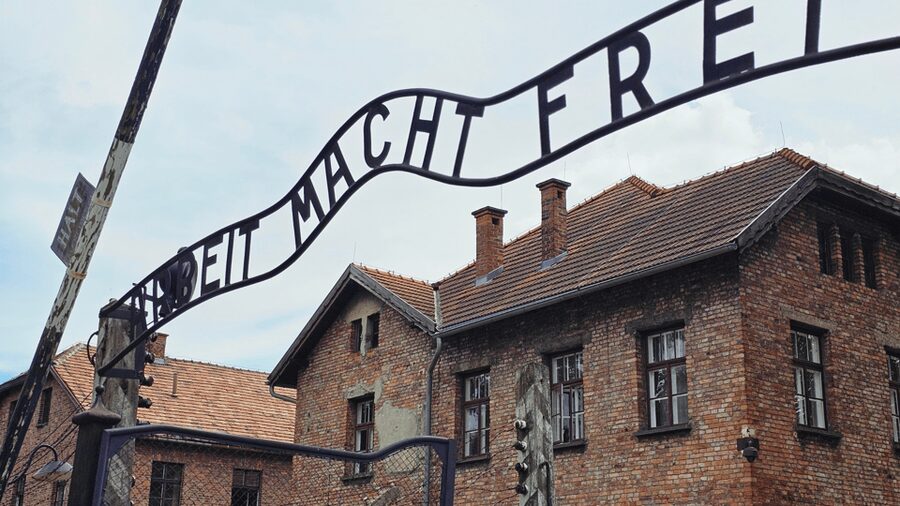
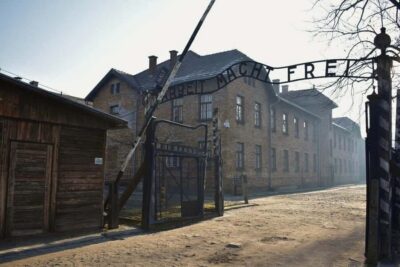
Auschwitz-Birkenau is not a sightseeing stop in the usual sense. It is a place of evidence, grief, and hard facts, where original barracks, barbed wire, prisoner belongings, and the Arbeit Macht Frei gate make the Nazi Holocaust painfully real. This seven to seven-and-a-half-hour trip gives you a structured way to face it.
I like two things here: transport from Krakow is arranged for you, and a licensed guide gives the visit shape and context. I also like the early departures offered on some days, since they can get you into the museum before the longest queues and back in Krakow by mid-afternoon.
The main drawback is time. About three hours are spent inside two enormous sites, so you will not see every building or exhibition. The day is also emotionally heavy, and Birkenau involves a fair amount of walking.
Key points before you book
- Two camps in one visit: Spend about two hours at Auschwitz I and one hour at Auschwitz II-Birkenau.
- A licensed guide leads the visit: English and Dutch tours are available, with headsets supplied at Auschwitz I.
- Pickup is arranged in central Krakow: Choose from meeting points including Starowiślna 65, Wielopole 2, Pawia 18a, and Józefa Dietla 91.
- The timing may change: The museum sets the exact entry schedule, so your confirmed pickup time may arrive by email one or two days before departure.
- The group can be limited in size: Small-group options are available, with group sizes listed at 15 or 30 people depending on the booking.
- Bring your ID and lunch: Your booking name must match your passport or identity card, and no food is provided.
Why this visit matters
Auschwitz and Birkenau were the largest Nazi concentration and extermination camp complex. A visit here is not about checking off a famous attraction. It is about seeing the physical remains of a system that imprisoned, exploited, and murdered vast numbers of people.
The value of a guide becomes clear quickly. Without context, you might see brick buildings, fences, railway tracks, and piles of personal objects. With a good guide, those details are connected to the lives of the people who were brought here, the conditions they endured, and the machinery of mass murder.
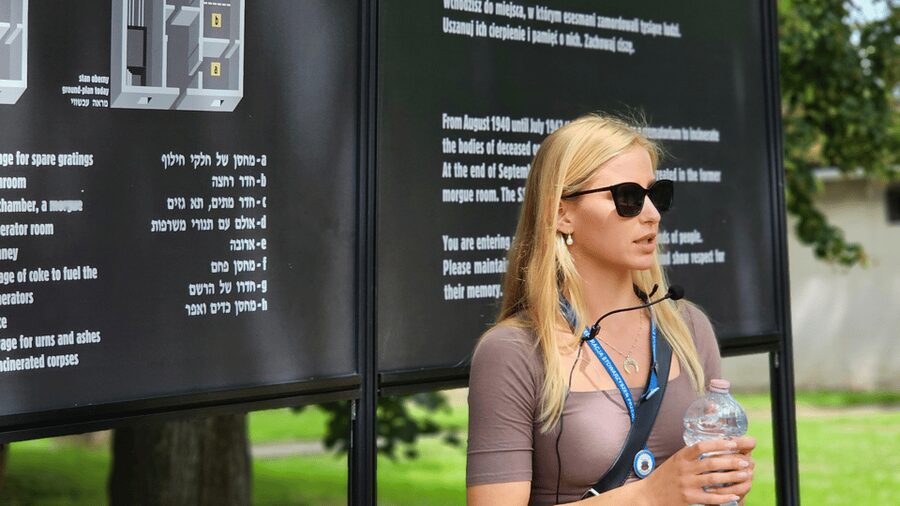
The guides on this service include people such as Michael, Michal, Anna, Simon, and Tom, depending on the day. The strongest descriptions of the guiding style point to calm delivery, careful pacing, and respect for the subject. That matters. This is not a place for theatrical storytelling or rushed commentary.
You should also prepare yourself emotionally. The experience is intentionally sobering. Many people leave feeling changed, but that is not a promise of entertainment or comfort. Go because you want to understand and remember.
Other guided visits to the Auschwitz-Birkenau Memorial:
- From Krakow: Auschwitz-Birkenau Guided Tour & Hotel Pickup
★ 4.5 · 33,358 reviews - From Krakow: Auschwitz-Birkenau Guided Tour & Hotel Pickup
★ 4.5 · 29,340 reviews - Krakow: Auschwitz Guided Tour with Optional Hotel Pickup
★ 4.5 · 15,280 reviews
Starting from Krakow
You can choose from five central pickup or meeting locations:
- Starowiślna 65
- Wielopole 2
- Pawia 18a
- Józefa Dietla 91
- A selected hotel pickup, if your chosen option includes it
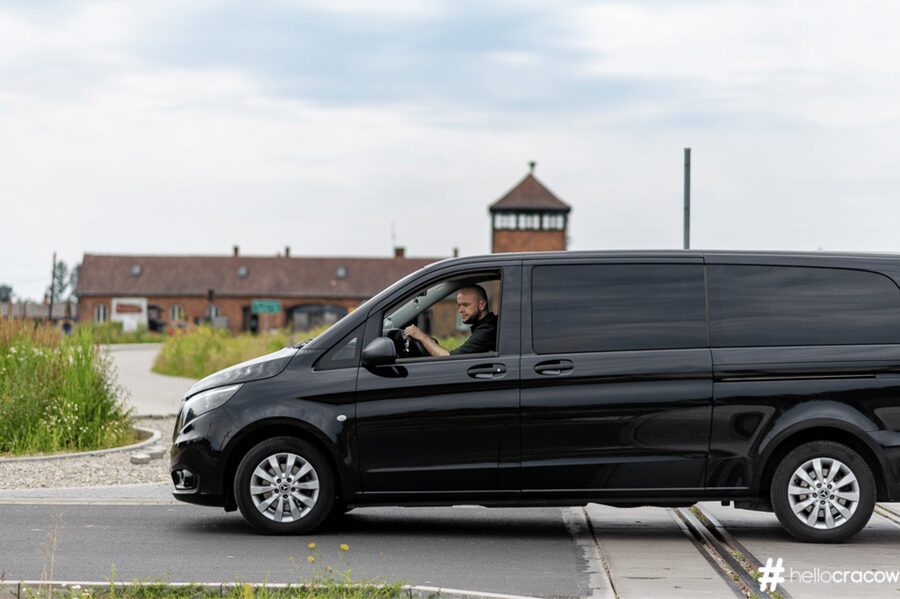
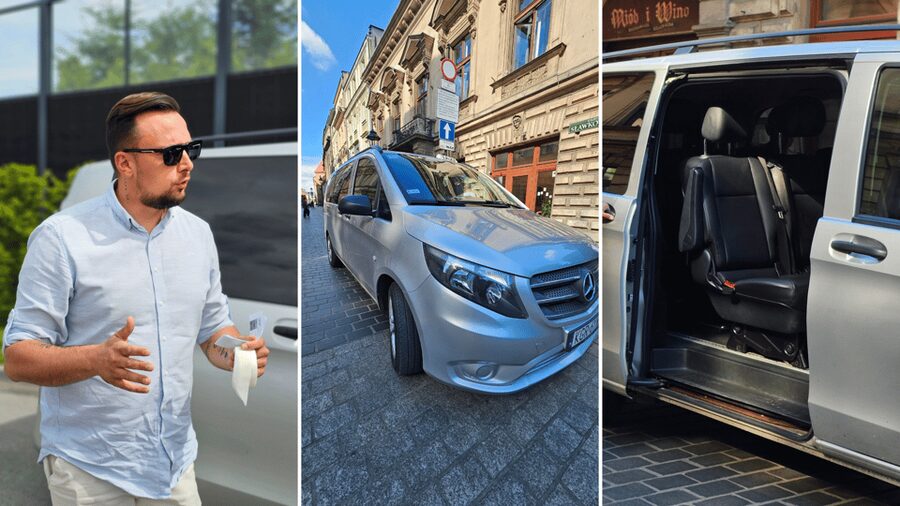
The vehicle is air-conditioned, and the drive to the museum takes about one and a half hours. You may be collected earlier than the time first shown during booking. This is not necessarily a mistake. Auschwitz-Birkenau assigns visiting slots, and the operator has limited control over the museum schedule.
Expect confirmation by email one or two days before the tour. The local team may also contact you by WhatsApp, which is useful for confirming the pickup point and time. Keep your phone available, especially if your original booking time looks unusually late or early.
Some departures begin very early. I see that as a plus if you want to reduce waiting and return to Krakow with part of the afternoon free. The trade-off is obvious: you will need to get up early, and the day remains long.
The ride itself is practical rather than scenic in any major tourist sense. Its main job is to remove the stress of arranging a bus, buying museum admission, and finding your way between the two camp sites.
Auschwitz I and the Arbeit Macht Frei gate
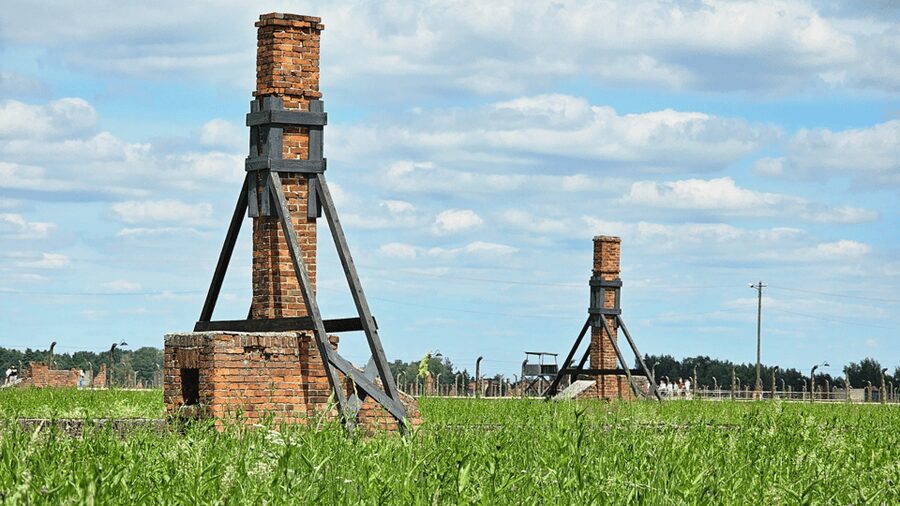
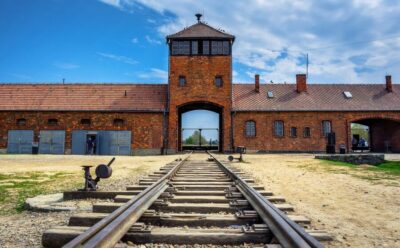
The first section lasts about two hours. You enter through the famous Arbeit Macht Frei gate and begin walking through the original Auschwitz I camp.
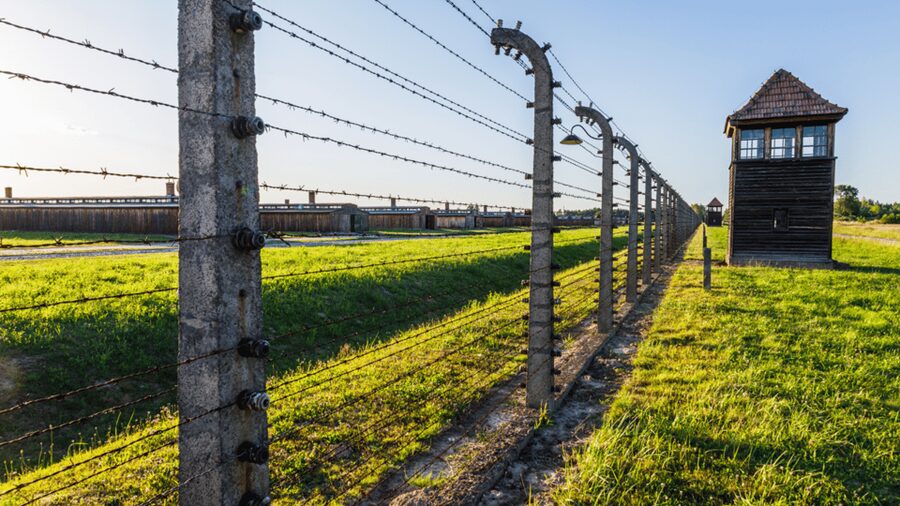
This is the more structured and museum-focused part of the visit. You will see original barracks, fortified walls, watchtowers, barbed wire, and preserved camp buildings. Some barracks contain exhibitions that explain the experiences of prisoners and show personal belongings taken from them.
Those belongings are among the hardest parts of the visit. Shoes, luggage, and other personal items are not abstract symbols. They belonged to people who arrived with ordinary hopes and family lives. Seeing them gathered in such large numbers makes the scale of the crime difficult to ignore.
The guide explains how prisoners were held, the conditions they faced, and how the camp operated. You may also see preserved gas chambers and crematoria areas. The presentation is factual, but the setting carries its own weight. You do not need dramatic narration to understand what happened here.
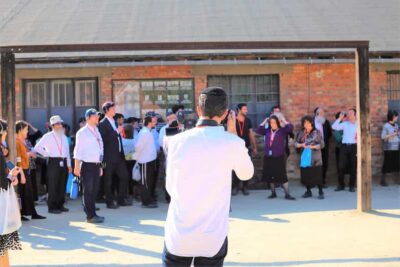
A headset is provided at Auschwitz I, allowing you to hear the live guide while walking with the group. This is particularly helpful when the site is busy or when the guide is speaking from a short distance away. Group sizes are listed at 15 or 30 people, depending on the option you select.
The pace is set partly by the memorial’s visitor service. You cannot expect to stop wherever you wish for as long as you like. The guide must keep the group moving through a fixed schedule, and that can feel brisk when you want more time with a particular exhibit.
The short transfer to Birkenau
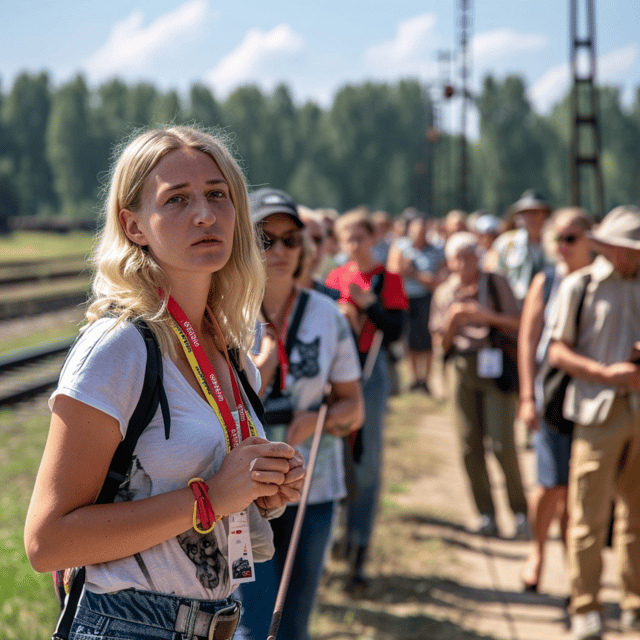
After Auschwitz I, there is a short break of about 10 to 15 minutes. This is a useful chance to use facilities, gather yourself, and have a quick snack.
Then you take a roughly three-minute drive to Auschwitz II-Birkenau. The transfer is short, but the second site feels very different. Birkenau is far larger and more open, with long distances between key areas.
The visit here lasts about one hour. You will learn about prisoner transport, the living conditions inside the camp, and the scale of the site. The guide also explains the liberation of Auschwitz in 1945 and closes with the need to remember what happened and prevent similar crimes.
Birkenau requires more walking than many first-time visitors expect. Comfortable shoes are essential, and weather-appropriate clothing matters because much of the site is exposed. Mud, cold, heat, or rain can make the walk more tiring.
There is no headset at Birkenau according to the supplied tour details. If you walk slowly or fall behind, you may have difficulty hearing every explanation. Stay close to the guide and group. This is one of the few practical weaknesses of the format, since the site is wide and the group may spread out.
You will not see every part of Birkenau in this short visit. That is not a flaw unique to this service. The site is simply too large for a one-hour guided walk. If you want a slower, more study-focused visit, choose a longer option if one is available rather than expecting this half-day format to cover everything.
A few more Krakow half days to consider
- Krakow–Zakopane: Cable Car, Chocholow Baths, Cheese & Vodka
★ 5.0 · 10,720 reviews - Krakow: Auschwitz-Birkenau Guided Tour with Pickup & Lunch
★ 4.5 · 9,800 reviews - From Krakow: Wieliczka Salt Mine Tour
★ 4.6 · 9,393 reviews - Krakow: Auschwitz-Birkenau Guided Tour Pickup/Lunch Options
★ 4.5 · 9,057 reviews
Transport, group size, and the value of $53
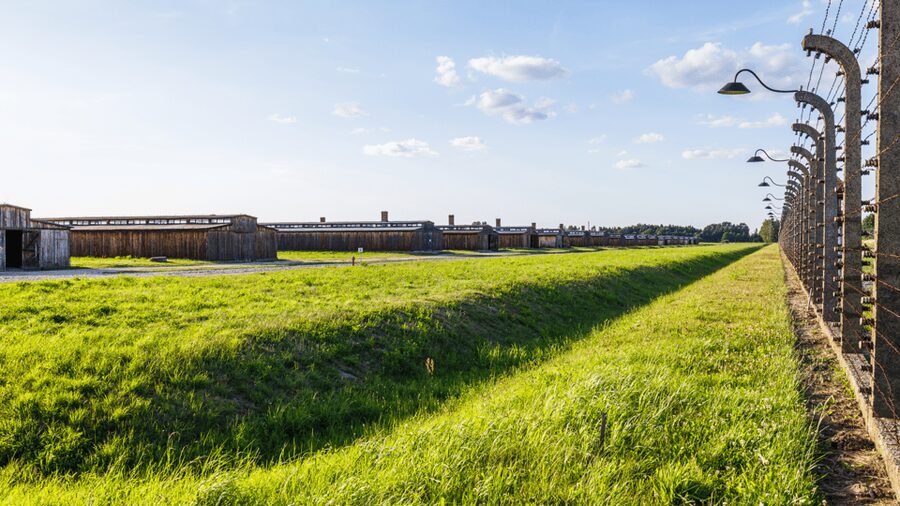
At $53 per person, the package offers solid practical value. The cost includes round-trip transport from Krakow, admission to both sites, a licensed local guide, and a headset at Auschwitz I. You are paying for coordination as much as for the vehicle.
Arranging the visit independently could mean working out transport to a museum outside Krakow, securing timed admission, and managing the transfer between Auschwitz I and Birkenau. This tour puts those pieces together in one booking.
The small-group option is worth considering if the price difference is reasonable for your date. A group of 15 should be easier to hear and manage than one of 30, especially at Birkenau where there is no headset. Still, even the larger size is not unusual for a major memorial site.
Vehicle comfort may vary. The transport is air-conditioned, but one account describes the bus as somewhat cramped. Another notes a slight delay. These are minor concerns compared with the value of having a driver who knows the route and gets you back to Krakow safely.
The most consistent strengths are organization and communication. Pickup instructions are repeated, names may be called when the vehicle arrives, and stickers can be used to identify your group. Drivers such as Norbert and Michal have been praised for clear instructions, friendly help, and safe driving.
What to bring and what to leave behind
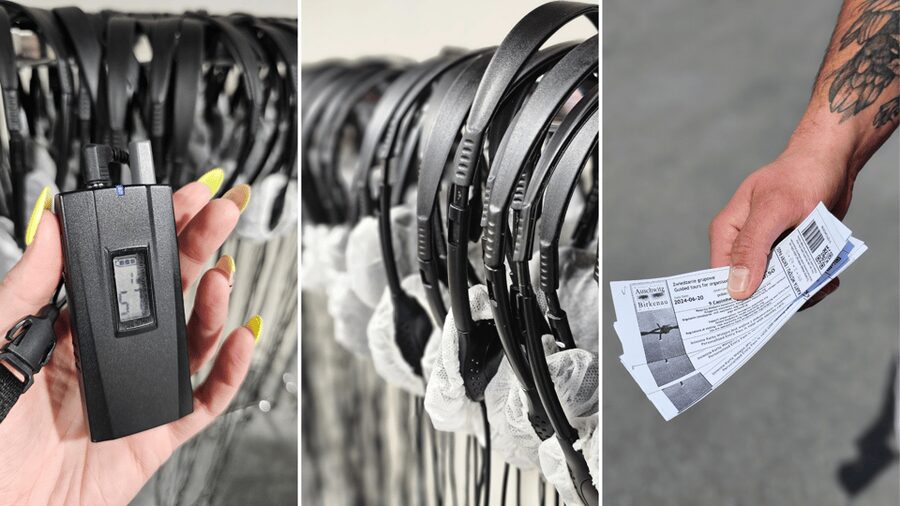
Bring your passport or identity card. Auschwitz-Birkenau requires full names and contact details at booking, and the name on your reservation must match your identification document exactly. If it does not, entry may be refused.
Wear comfortable shoes. You will walk through both sites, and Birkenau covers a broad area with uneven outdoor surfaces. Bring a packed lunch as well. Food is not included, and the break between the two camp visits is short.
Dress for the weather. This is not an indoor museum day, particularly at Birkenau. A coat, rain layer, hat, or sun protection may make the difference between a manageable visit and a miserable one.
Pets, smoking, short skirts, sleeveless shirts, luggage, and large bags are not allowed. Pack lightly, and avoid bringing anything that could slow you down at security. You should expect a security check before entering.
The experience is not suitable for people with mobility impairments according to the booking information. If walking long distances or moving over outdoor ground is difficult for you, check directly before reserving.
How the guide shapes the experience
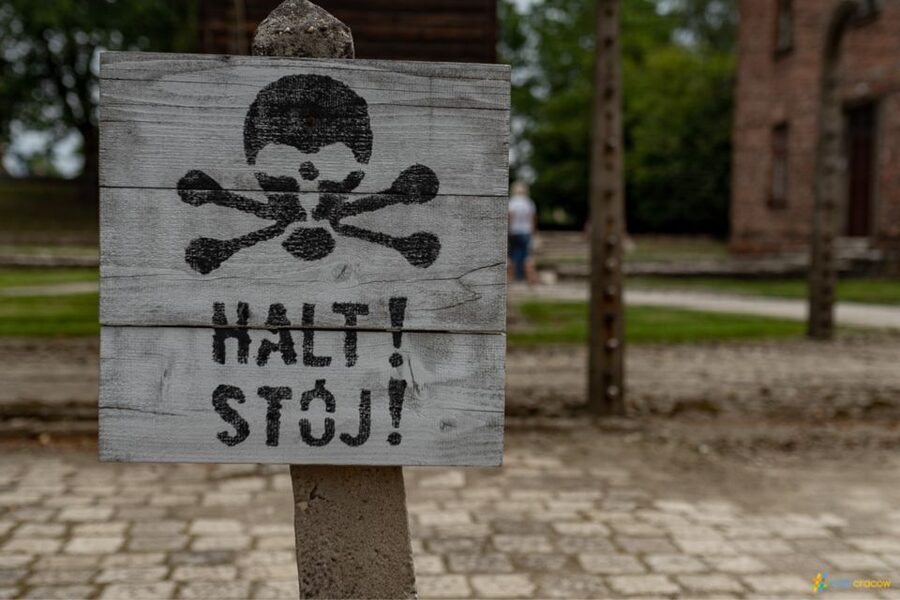
A guide is especially useful here because the sites are full of details that are easy to miss. The guide explains what you are seeing, but also helps you understand why the buildings, objects, and spaces matter.
The best guiding style for Auschwitz is controlled and respectful. Guides described in the supplied information include Michael, Michal, Anna, Simon, and Tom. The praise focuses on clear English, detailed explanations, empathy, and a calm manner.
You should not expect a personal lecture tailored to every question. The group must follow the museum’s timetable, and one guide may be brisker than another. Some guides speak quickly, though the Auschwitz I headset helps solve that problem.
At Birkenau, ask your guide where to stand if you want to hear clearly. Keep the group within sight, especially when crossing the large open area. A little attention here will improve the second half of the visit.
The coach ride may also include background information and instructions. That can be useful because it lets you arrive with a basic framework instead of trying to understand everything on the spot.
Who should choose this tour
This trip suits you if you are staying in Krakow and want a direct, organized visit to both camps in one day. It is especially useful if you prefer not to arrange regional transport or timed museum entry yourself.
It works well for first-time visitors who want the main sites and a licensed explanation within a manageable schedule. The seven-hour day includes a great deal of travel, but the early start can return you to Krakow in the afternoon.
It may not suit you if you want to read every exhibition, spend long periods in quiet reflection, or study the camp in detail. The one-hour Birkenau section is necessarily selective. A longer or multi-day format would be better for that purpose.
Families and younger visitors should think carefully about the emotional weight of the material. The tour is educational, but the subject is severe. Adults should decide what level of explanation is suitable for anyone accompanying them.
The tour is also a poor match for anyone who needs a highly flexible pace. Museum staff control much of the timing, and the guide cannot simply extend a stop because one person wants more time.
Booking details worth knowing
You can cancel up to 24 hours before departure for a full refund, and a reserve-now, pay-later option is available. These policies are helpful if your Krakow plans are still shifting.
The exact start time is not always final at the moment of booking. Check your email one or two days before departure, then confirm the pickup details. Do not rely only on the initial time shown during the reservation process.
Choose your meeting point carefully and arrive ready to board. If hotel pickup is offered for your selected option, confirm that detail rather than assuming every booking includes it.
The listed languages are English and Dutch. If language matters to you, select the correct departure option during booking.
Should you book it?
I would book this tour if you want the main Auschwitz and Birkenau experience without wrestling with transport and admission on your own. The strongest reasons are the licensed guide, clear communication, included entry, and practical round-trip transfer for $53.
Go in knowing what the tour cannot do. You will cover the key areas, not every corner. The schedule may change, the vehicle may feel tight, and Birkenau’s lack of a headset makes it important to stay close to the guide.
Choose an early departure if available, bring your ID and lunch, wear sturdy shoes, and keep your expectations serious. For a first visit from Krakow, this is a well-organized and fairly priced introduction to two places that deserve your full attention.
FAQ
How long does the Auschwitz-Birkenau tour from Krakow last?
The full experience takes about seven to seven and a half hours, including transport from Krakow and the return journey.
How long is the drive from Krakow to Auschwitz?
The coach journey takes about one and a half hours each way.
How much time is spent inside Auschwitz I?
The guided visit at Auschwitz I lasts approximately two hours.
How much time is spent at Birkenau?
The guided visit at Auschwitz II-Birkenau lasts about one hour. The site is very large, so the tour does not cover every area.
Is transportation included?
Yes. Round-trip transport from Krakow by air-conditioned vehicle is included. Hotel pickup and drop-off are included only if you select an option that offers it.
Do I need to bring identification?
Yes. Bring your passport or identity card. The name on your booking must match the name on your identification document.
Is food included?
No. Bring a packed lunch because food is not included in the tour.
Recently added in Krakow
- Auschwitz-Birkenau and Krakow Private Car Trip from Katowice★ 4.3 · 3 reviews
- Wawel Castle, Old Town with St. Mary’s Church Guided Tour★ 5.0 · 3 reviews
- Private tour to Zakopane and Thermal Baths from Krakow★ 5.0 · 3 reviews
- Wawel Castle, Cathedral, Rynek Underground Tour with Lunch★ 5.0 · 3 reviews
- From Krakow: Chocholow Thermal Hot Springs (hotel pick up)★ 5.0 · 3 reviews
- Legends of Cracow ROBOTIC SHOW★ 4.0 · 3 reviews
- From Krakow: Zakopane and Thermal Pools Guided Trip★ 5.0 · 3 reviews
- Guided Beer Tour in Krakow★ 4.5 · 3 reviews
Auschwitz-Birkenau Memorial Tours, compared.
Auschwitz-Birkenau Guided Tour & Hotel Pickup
Read our review →Auschwitz Guided Tour with Optional Hotel Pickup
Read our review →
Auschwitz-Birkenau Guided Tour with Pickup & Lunch
Read our review →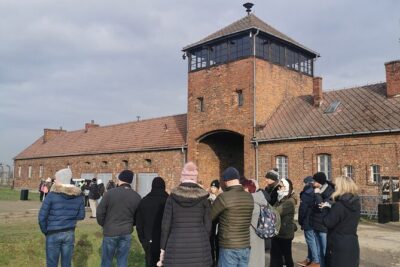
Krakow to Auschwitz Birkenau Guided Tour with Transfer and Ticket
Read our review →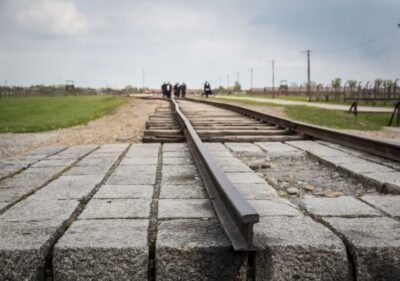
Auschwitz Birkenau Small Group Tour with Pickup
Read our review →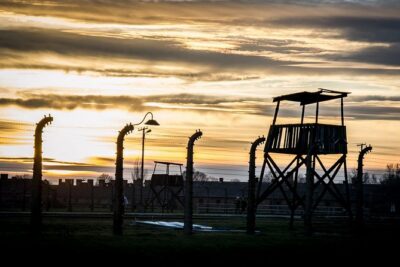
Auschwitz Birkenau Guided Tour with Ticket Hotel Pickup Small Van
Read our review →Where else this one turns up