
Reviewed · MUSEUMS
From Gdansk: Stutthof Concentration Camp Museum Day Tour
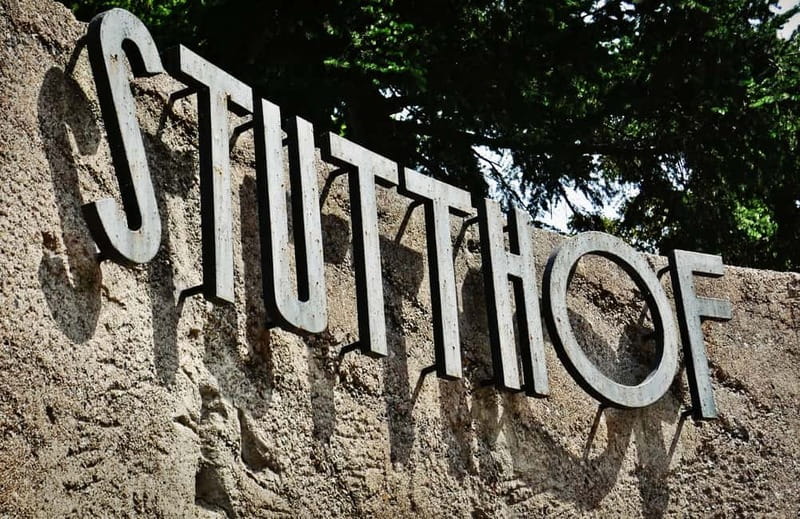
Stutthof is not a light sightseeing stop. It is a place of murder, forced labor, and remembrance, where the gas chamber, crematorium, barracks, and guard tower make the Nazi camp system painfully concrete. The site lies about 25 miles, or 40 kilometers, outside Gdansk, in a quiet wooded area near Sztutowo.
I like two things here: hotel pickup keeps the trip simple, and a private group gives you a better chance to ask questions than a large bus tour. I also like the choice of eight guide languages, including English, German, Polish, French, Spanish, Italian, Portuguese, and Russian.
The main drawback is the short four-hour schedule. Stutthof deserves a serious visit, and the drive plus museum time can make the day feel compressed. This tour is also not suitable for children under 12, and language choice matters greatly when discussing such difficult material.
Key points to know before booking
- Stutthof was built in 1939: It was the first concentration camp created by the Nazis in occupied Poland.
- The memorial is about 40 kilometers from Gdansk: Hotel pickup and return save you the trouble of arranging transport.
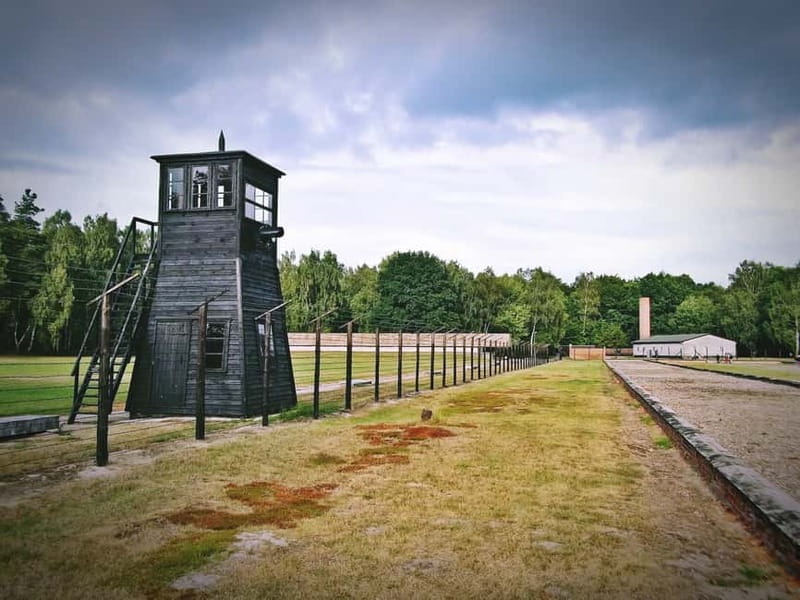
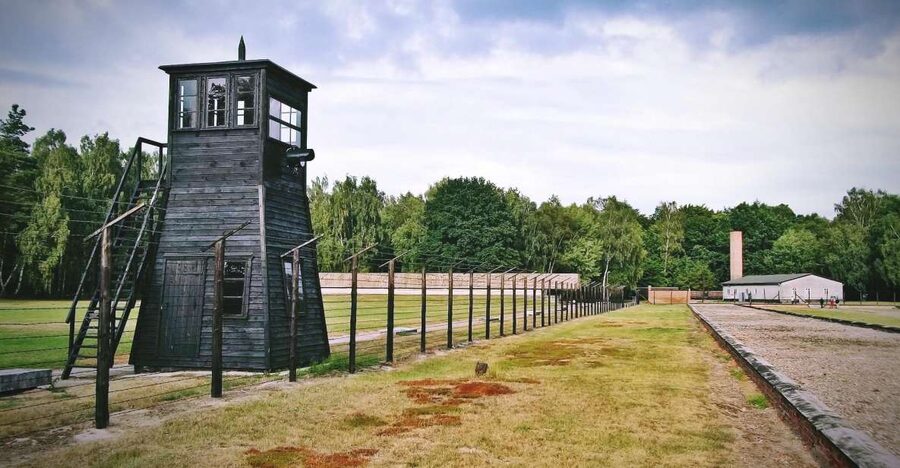
- You see the camp’s central remains: The visit includes the gas chamber, crematorium, prisoner barracks, and guard tower.
- The tour is private: You travel with your own group rather than joining a large public departure.
- Guide language is selected at booking: Available languages are English, German, Polish, French, Spanish, Italian, Portuguese, and Russian.
- The listed price is $68 per person: That includes transport, guide service, and entrance to Stutthof Museum, but not personal spending.
Why Stutthof matters near Gdansk
Stutthof was established by the Nazis in 1939, soon after the invasion and occupation of Poland. It was placed in a secluded, wet, wooded area west of the town now called Sztutowo, which was known as Stutthof in German.
That setting is part of what makes the visit so stark. The camp was not placed in the middle of a major city where daily life could not ignore it. It was set away from view, in an isolated area that helped support the machinery of imprisonment and murder.
As many as 110,000 people were deported to Stutthof. About 85,000 died as victims of genocide. Those numbers are difficult to grasp on their own, so the preserved buildings and camp remains matter. They give physical scale to events that can otherwise seem distant or abstract.
This is a memorial visit, not an entertainment stop. You should expect a quiet, serious atmosphere and material that may be upsetting. The tour is best for adults and children over 12 who are ready for an honest look at Nazi persecution during World War II.
More Museum Tours in Gdansk:
- Gdansk: Private Communism Tour with Solidarity Center Museum
★ 5.0 · 28 reviews - Museum of the Second World War Gdansk Private Tour & Tickets
★ 5.0 · 24 reviews - Gdansk Private WWII Tour with Museum of the Second World War
★ 4.9 · 22 reviews
Leaving Gdansk for Sztutowo
The tour includes pickup and drop-off at your hotel. Your guide waits in the lobby with a sign bearing your name, a small but useful detail when you are staying in a busy hotel or arriving at the pickup point at an early hour.
The drive covers roughly 40 kilometers. That is close enough for a half-day visit from Gdansk, but far enough that independent visitors need to think about transport. With this package, you do not have to arrange a taxi, rental car, or separate museum entrance.
The activity is listed as four hours, despite being described in the general overview as a full-day excursion. Treat the four-hour figure as the important planning number. Check the available starting times before booking, then allow room around the tour in case the drive or museum visit takes longer than expected.
The vehicle type is not specified, so you should not assume a particular car or minibus. What is clear is that transport is provided and that the group is private. That makes the experience more personal, but the exact feel will depend on the size of your booking and the guide assigned.
Entering the former camp
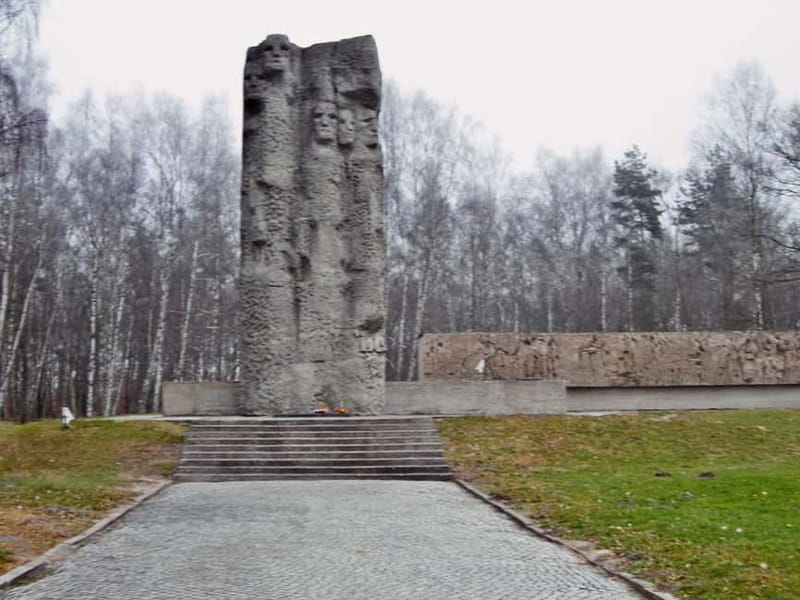
The Stutthof Museum preserves parts of the former concentration camp and explains how it operated. Your guide introduces the site and the lives of people deported there during the Nazi occupation.
A guide is especially useful here because the buildings alone cannot explain what happened. Dates, deportations, camp routines, prisoner treatment, and the final period of the camp all require context. The strongest reports about the guiding describe clear, friendly, detailed explanations. Anna is specifically named as a guide who told the story well and handled the pickup and return smoothly.
That said, the quality of the visit depends partly on having the right language. One group of 25 people, including 20 school students, chose an English guide because a Norwegian-language guide cost an additional 6,000 Norwegian kroner. The guide was praised for doing a good job, but some members of the group did not understand English well enough to get the full meaning of the visit.
This is an important lesson for your booking. Choose a language that everyone in your party can follow comfortably. A discount or lower-cost language option is not much of a saving if you miss the explanation of a place this serious.
The barracks and daily prisoner life
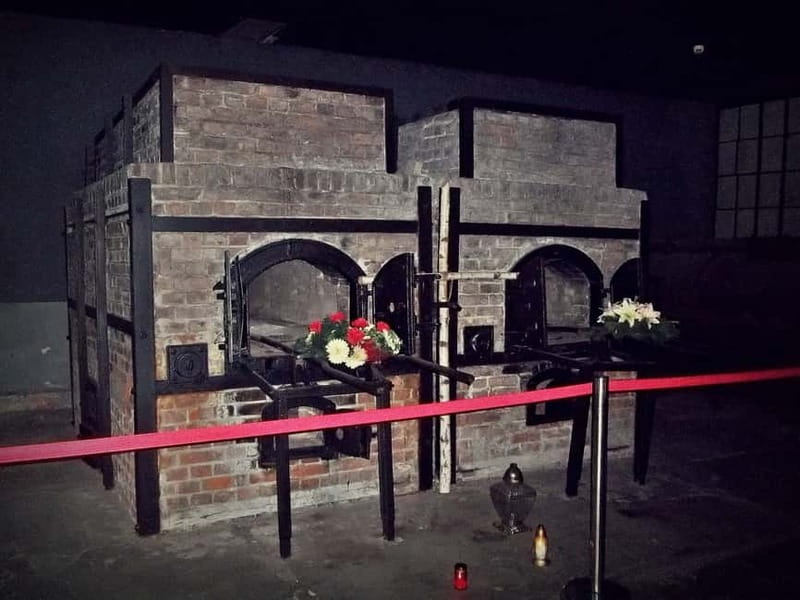
The prisoner barracks are among the most important parts of the visit. They help you picture the camp as a system of confinement, not just a collection of isolated buildings.
The tour information does not promise a specific barracks route or a particular exhibition inside each structure, so the exact order may vary. Still, you should expect the guide to connect the buildings with the people who were held there and the wider story of Nazi occupation in Poland.
I find this kind of interpretation more valuable than simply walking past preserved walls. The barracks show the physical conditions of imprisonment, while the guide supplies the human and political context. You can also ask questions during a private tour, which is one clear advantage over a large group where the guide must keep moving.
Do not expect the barracks to offer a comfortable or easy visit. The point is not to make the site visually impressive. The plainness of the buildings is part of the message. Ordinary structures were used to carry out an extraordinary crime.
A few more Gdansk half days to consider
- Gdansk: City Cruise on Historical Polish Boat
★ 4.8 · 2,913 reviews - Gdańsk: Sunset Cruise on a Historic Polish Boat
★ 4.9 · 977 reviews - Gdańsk City Sights & History Guided Walking Tour in English
★ 4.8 · 876 reviews - Gdansk: Firearm Shooting Experience with Instructor
★ 4.8 · 866 reviews
The gas chamber and crematorium
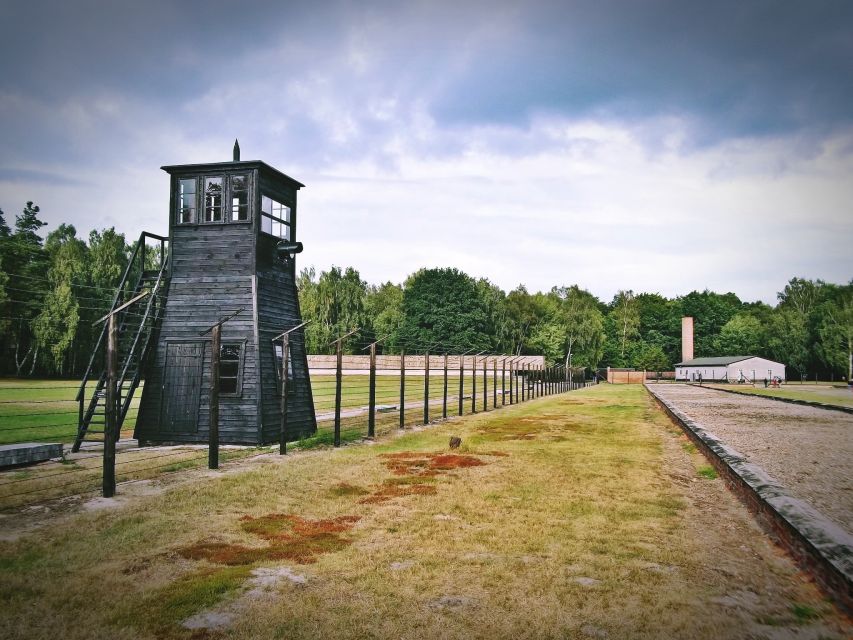
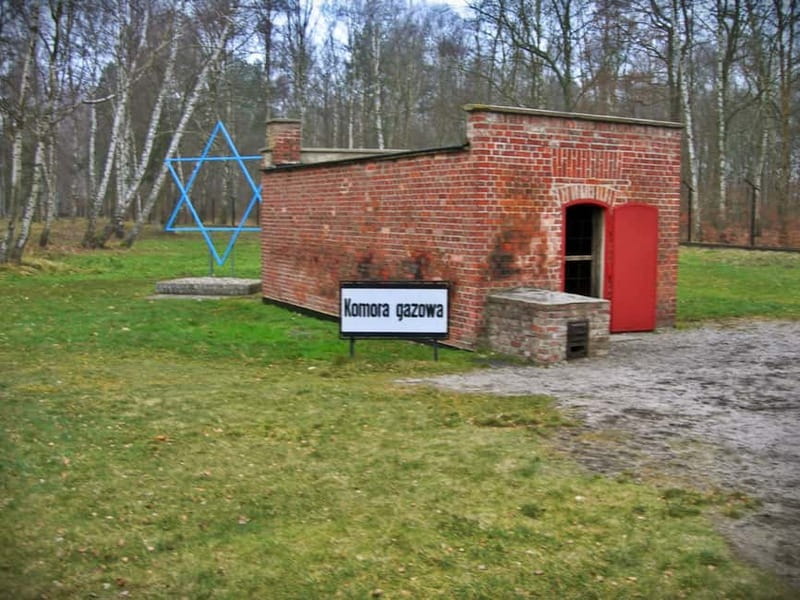
The gas chamber and crematorium are the most difficult stops on the grounds. They are direct reminders of the camp’s killing process and of the attempt to reduce human beings to numbers and remains.
Your guide explains their role within the camp. The supplied information does not provide a detailed room-by-room description, so you should avoid expecting a scripted presentation with a fixed length. The focus is on seeing the structures and understanding what took place there.
These stops can be emotionally heavy. I recommend giving yourself time to listen rather than rushing through with a camera. Photography rules and museum instructions should be followed carefully, and the guide’s directions matter.
The visit is not designed to shock for its own sake. It places the killing process alongside the barracks and other camp buildings, helping you understand how imprisonment, forced labor, illness, starvation, and mass murder were connected.
The guard tower and the camp’s setting
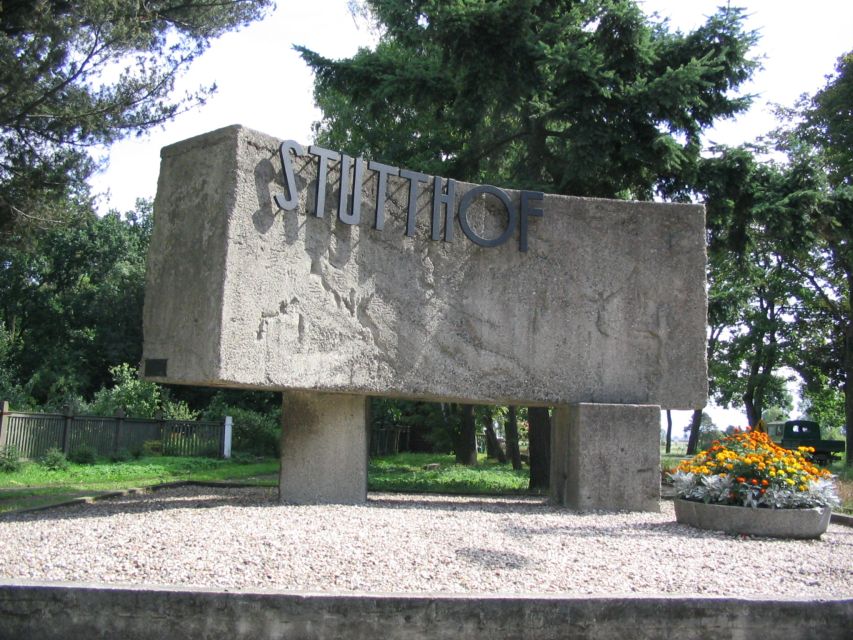
The guard tower is another visible reminder of the camp’s control system. From a practical point of view, it helps you understand how prisoners were watched and contained. From a human point of view, it represents the constant presence of armed authority over people who had almost no control over their own lives.
The wooded setting near Sztutowo can feel surprisingly quiet. That contrast may be one of the hardest parts of the visit. The surroundings are not dramatic in the way many people expect from a major memorial, yet the quiet does not make the place less important. It shows how a site of mass suffering can now exist in an ordinary rural setting.
Your guide can connect the visible remains to the history of the camp, including its liberation by the Soviet Army in 1945. Stutthof was the last concentration camp in Poland to be freed, according to the tour information. That final chapter is an important part of the visit because it shows that the story did not end with the camp’s construction or the years of imprisonment.
How the four-hour schedule works
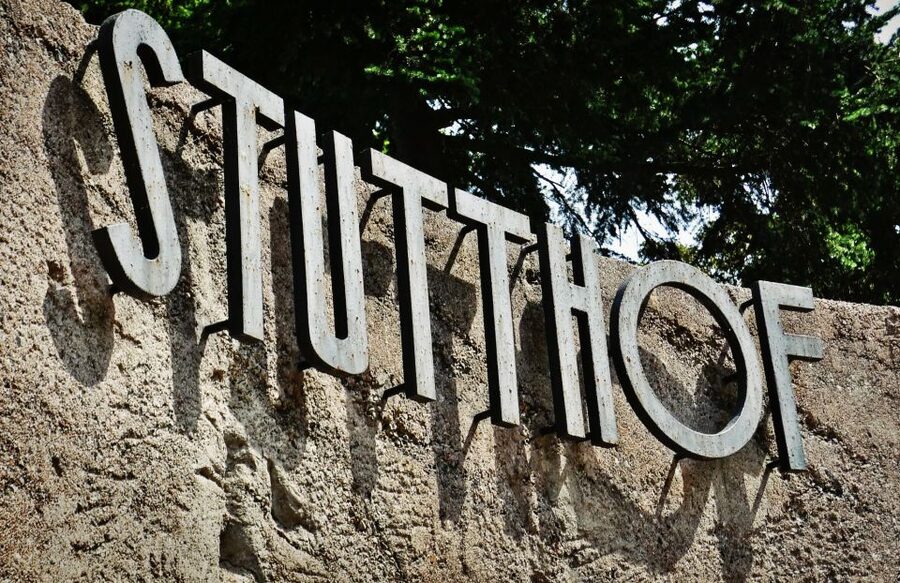
A four-hour tour has one major strength: it fits neatly into a Gdansk stay. You can visit a major memorial outside the city without giving up an entire day of sightseeing.
The tradeoff is time. The drive takes a portion of the schedule, leaving less time at the museum than you might want. The exact balance between transport, introduction, exhibits, and the camp grounds is not specified, so you should ask your guide if you want to spend extra time at a particular section.
I would not book this tour immediately before an important evening reservation unless the starting time is confirmed. The official duration is four hours, but a memorial visit should not be treated like a timed amusement attraction. You may want a quiet period afterward rather than a packed schedule.
The private format helps. If your group needs a little longer at the crematorium, wants a question clarified, or needs a slower pace, you have more flexibility than on a large public coach excursion. The tour remains guided, so you are not left to piece together the meaning of the site on your own.
Is $68 per person a fair price?
At $68 per person, the cost includes hotel pickup and drop-off, a multilingual driver and guide, and admission to Stutthof Museum. That is a fair package if you value convenience and want a private group rather than arranging each part separately.
The price is less attractive if you already have simple access to a car and prefer to explore at your own pace. In that case, the main value comes from the guide and the interpretation, not just the transport.
The language issue deserves special attention. A separate Norwegian guide was quoted at 6,000 kroner for one large school group, which that group considered too expensive. The available standard languages are broad, but Norwegian is not listed. If your group needs a language outside the eight provided options, confirm the added cost before you commit.
Personal expenses are not included. The supplied details do not specify food, drinks, or other optional costs, so bring what you need for the short outing rather than assuming refreshments are part of the price.
Who will get the most from this visit?
This is a strong choice for you if you are staying in Gdansk and want a guided visit to a major World War II memorial outside the city. It also suits families with older teenagers, university groups, and adults who prefer careful historical explanation over independent reading.
The private format is useful for mixed-age groups, provided everyone is at least 12 and ready for the subject. It also works well when several people in your party speak the same non-English language, since you can choose from eight options at booking.
I would be more cautious if you are looking for a light half-day outing or something suitable for young children. Stutthof is not a casual day trip. Even the practical parts of the tour, such as the wooded setting and the preserved buildings, carry a serious emotional weight.
The small number of published ratings should also temper expectations. The overall score is 4.9 from four ratings, and the comments praise friendly guides, clear explanations, and reliable pickup. That is encouraging, but it is not enough evidence to promise that every guide will be identical. Confirm your language and pickup details carefully.
Simple booking advice for a respectful visit
Select your guide language before paying. Do not assume the driver can provide a full tour in every language listed unless you have chosen it during booking.
Wear practical clothing and shoes suitable for walking around a museum site and former camp grounds. The supplied details do not describe the surface conditions, so comfort is the sensible choice.
Arrive in your hotel lobby at the agreed time. The guide will look for you with a sign showing your name, but a busy lobby can still create confusion if you are not ready.
Keep your schedule open around the four-hour duration. The official cancellation policy allows a full refund when you cancel at least 24 hours in advance, and you can reserve now and pay later. Those terms are useful if your Gdansk plans are still shifting.
Should you book the Stutthof tour?
Book it if you want a serious, guided visit and value door-to-door transport from Gdansk. The private group format, entrance fee, and multilingual guide make $68 reasonable for a short trip outside the city.
Skip it if your group includes children under 12, cannot follow one of the listed languages, or wants an unhurried full-day memorial visit. The four-hour schedule is convenient but tight.
For the right audience, this tour offers a direct way to face an important part of Poland’s World War II past. Go with the right frame of mind, choose your language carefully, and leave enough quiet time afterward to process what you have seen.
FAQ
How long is the Stutthof tour from Gdansk?
The listed duration is four hours. This includes the trip from Gdansk to the museum, the guided visit, and the return to your hotel.
How far is Stutthof from Gdansk?
Stutthof is about 25 miles, or 40 kilometers, from Gdansk.
Is hotel pickup included?
Yes. Pickup and drop-off at your hotel are included. The guide waits in the hotel lobby with a sign showing your name.
What does the $68 price include?
The price includes the multilingual driver and guide, entrance to Stutthof Museum, and hotel pickup and drop-off. Personal expenses are not included.
Which languages are available?
You can choose Spanish, English, German, Polish, Russian, French, Italian, or Portuguese while booking.
Is this a private tour?
Yes. The activity is arranged for a private group.
Can children join the tour?
Children under 12 are not permitted on this activity.
Can I cancel or pay later?
You can cancel up to 24 hours in advance for a full refund. The reserve now and pay later option lets you secure a place without paying immediately.
Recently added in Gdansk
- Szymbark: Kashubian Switzerland 5-Hour Private Tour★ 3.7 · 3 reviews
- Segway Tour Gdańsk: Shipyard Tour – 1,5-Hour of Magic!★ 5.0 · 3 reviews
- Stutthof Concentration Camp and Museum of WWII: Private Tour★ 4.7 · 3 reviews
- Sopot Sunset Cruise with Welcome Drink★ 3.5 · 3 reviews
- Gdansk: Basic Bike Tour★ 4.3 · 3 reviews
- Gdansk: Bubble Football with Hotel Transfers★ 5.0 · 3 reviews
- Artus Court and Gdansk Old Town Private Tour with Tickets★ 4.7 · 3 reviews
- Gdansk: Oliwa Zoo with Tickets and Roundtrip Transportation★ 5.0 · 3 reviews
Museums, compared.

Auschwitz-Birkenau Museum and Memorial Guided Tour from Krakow
Read our review →POLIN Museum of the History of Polish Jews Ticket
Read our review →


Krakow Schindler’s Factory Museum Guided Tour in English
Read our review →
Auschwitz Birkenau Museum Guided Tour with Pickup
Read our review →
Where else this one turns up