
Reviewed · MUSEUMS
Gdansk: Private Communism Tour with Solidarity Center Museum
Gdansk’s modern history changed inside a shipyard, not a palace. This private tour follows the workers, documents, strikes, and political risks that helped bring down Communist rule in Poland, ending with the place where the 1980 agreement was signed.
I like the skip-the-line entry at the European Solidarity Centre, and I like having a guide who can connect museum displays to the streets and shipyard outside. Małgorzata, one of the available guides, is especially strong in French, while tours are also offered in English, German, Polish, and Russian. The main consideration is the price: at $184 per person, this makes the most sense if you value private guiding and want a focused history tour rather than a quick city walk.
Key points to know before booking
- The European Solidarity Centre anchors the tour: See the original Tables of 21 Postulates, strike documents, photographs, and material from the 1989 political changes.
- Sala BHP connects you to the key date: Visit the room where the Gdańsk Agreement was signed on August 31, 1980.
- Solidarity Square adds a solemn outdoor stop: Hear the story behind the Monument to the Fallen Shipyard Workers of 1970.
- The shipyard gives the story a physical setting: See where roughly 17,000 ship builders began their civil resistance.
- The four-hour option includes the most complete route: It adds Sala BHP, the shipyard, and a traditional Polish vodka shot.
- Pickup is limited to central Gdansk: Hotel collection applies only within 1.5 kilometers of the meeting point in the Old Town area.
Why Gdansk is the right place to study Communist Poland
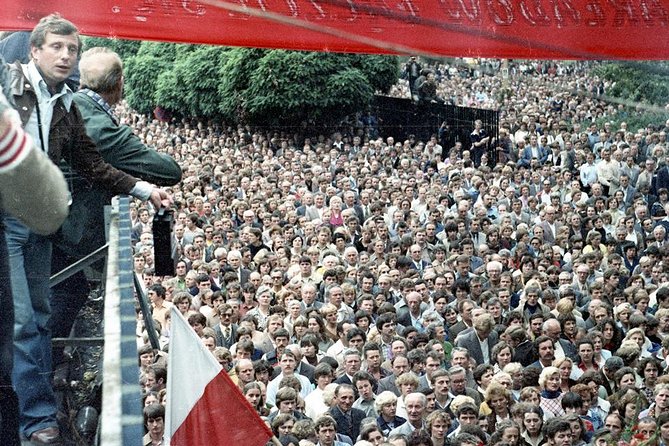
The story here is not just about a political party or a change of government. It is about workers using strikes, written demands, and public pressure to challenge a system that seemed firmly fixed.
On August 31, 1980, representatives of the striking workers and the Communist authorities signed an agreement in Gdansk. The deal allowed the creation of the independent Solidarity trade union. That may sound like a narrow labor dispute, but its effect reached far beyond the shipyard gates.
Solidarity became a broad civic movement. It helped create space for political opposition, public debate, and democratic change. The events in Gdansk then formed part of the chain of changes that brought down Communist governments across Eastern Europe.
I find this setting especially useful because you are not being asked to learn the story from dates alone. You move between a museum, a memorial square, an agreement room, and the shipyard itself. Each location gives a different piece of the picture.
A private guide matters here. The names, factions, dates, and political shifts can blur together, especially if you do not already know much about Poland after World War II. A good guide can explain why a worker strike became a national movement and why the Gdansk Agreement mattered outside Poland.
More Museum Tours in Gdansk:
- Museum of the Second World War Gdansk Private Tour & Tickets
★ 5.0 · 24 reviews - Gdansk Private WWII Tour with Museum of the Second World War
★ 4.9 · 22 reviews - Gdansk Private Communism Tour with Solidarity Center Museum
★ 5.0 · 14 reviews
Inside the European Solidarity Centre
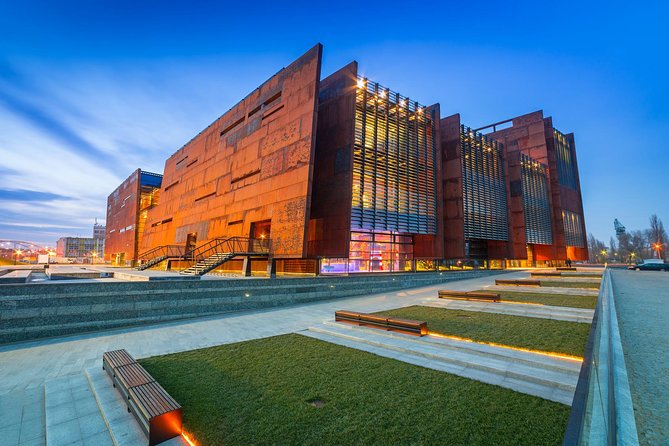
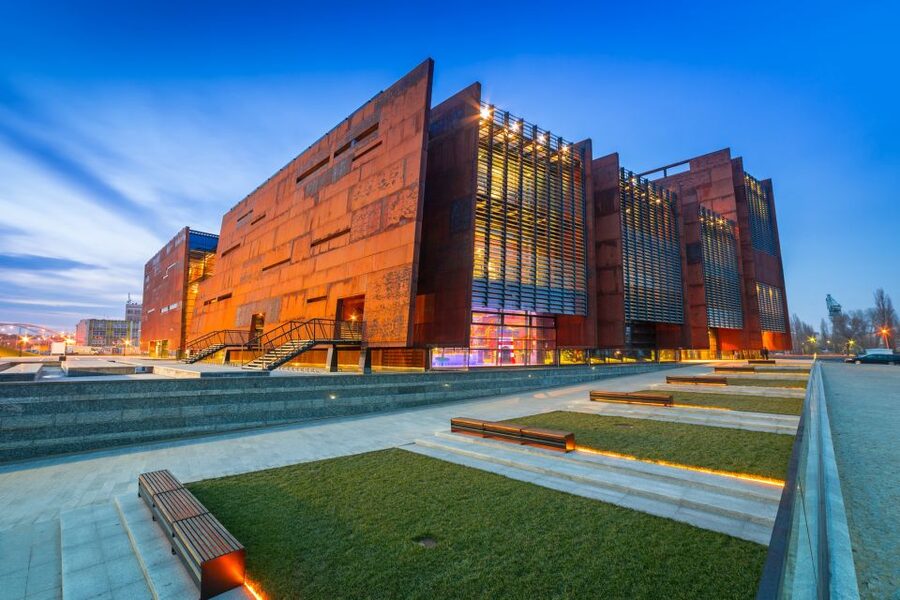
The European Solidarity Centre is the main museum stop, and skip-the-line admission saves you from spending part of a short tour waiting at the entrance. You need that time inside because the displays cover several connected stages of the story.
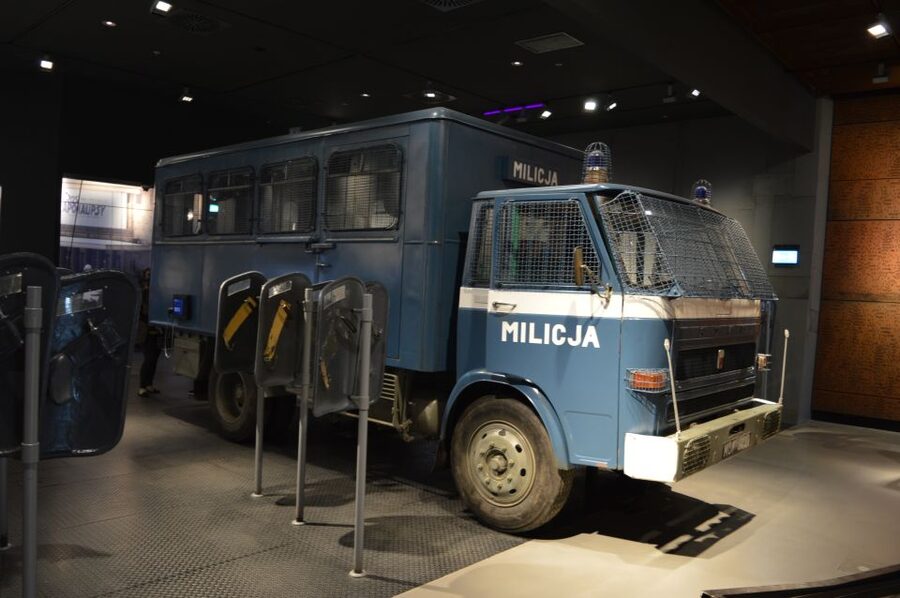
The most important object is the original set of the Tables of 21 Postulates. These were the written demands made by the workers striking at the Lenin Shipyard, now called Gdansk Shipyard, in 1980.
The postulates help you see how practical the movement’s demands were. They were not simply abstract calls for freedom. They addressed worker rights and the conditions needed for organized civic action. In the museum, the tables give the strikes a direct human scale.
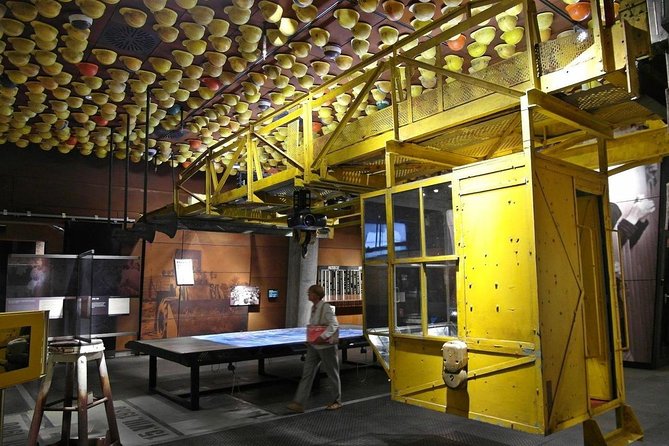
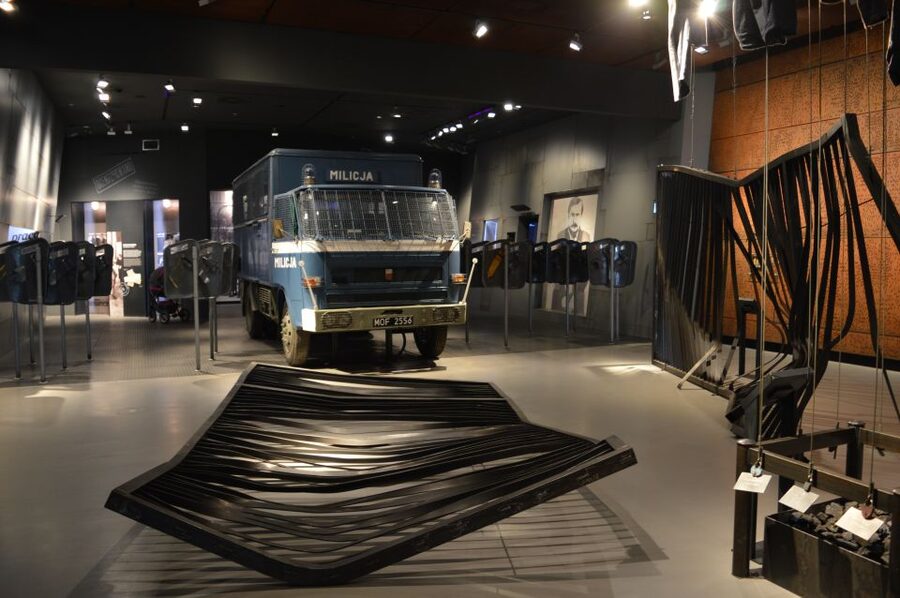
You will also see documents and photographs covering the strikes, the fight for legal recognition, the 1989 round table talks, and Poland’s first pluralistic election since 1947. The sequence helps you follow the movement from workplace protest to national political change.
Lech Walesa and Anna Walentynowicz are among the central figures. The guide’s role is important here because the museum presents a large amount of material in a modern format, and you may otherwise move past key details without seeing how the people and events fit together.
I would give the museum your full attention. If you are tempted to treat it as a quick indoor stop before the outdoor portion, you will miss much of the tour’s substance. The exhibits are emotionally serious, and some of the photographs and documents show the pressure faced by workers who challenged the authorities.
The museum visit can work for first-time learners and for people who already know the broad outline of Solidarity. A first-time visitor gets the needed background. Someone familiar with the subject can focus on original material and ask a private guide more specific questions.
Solidarity Square and the 1970 shipyard tragedy
Outside, the tour moves to Solidarity Square and the Monument to the Fallen Shipyard Workers of 1970. This stop shifts the mood from museum displays to public memory.
The monument recalls shipyard workers who were killed during protests in 1970. Their deaths form an important part of the story because the 1980 strike did not appear out of nowhere. Earlier worker protests, government violence, and unresolved anger helped shape the next generation of resistance.
The monument is also useful for understanding the relationship between place and memory. You are looking at a public memorial near the shipyard, where workers had gathered and where the Communist authorities had once tried to control public dissent.
Your guide can explain the tragic events behind the monument and link them to the later strikes. That connection is one of the strongest reasons to take this tour with a specialist rather than simply walk past the memorial on your own.
Allow time to listen here. The square is not merely a photo stop, and the monument’s meaning depends on the events behind it. The information is serious, but the outdoor setting breaks up the museum visit and gives you a chance to see how the Solidarity story is remembered in Gdansk today.
Sala BHP and the Gdańsk Agreement
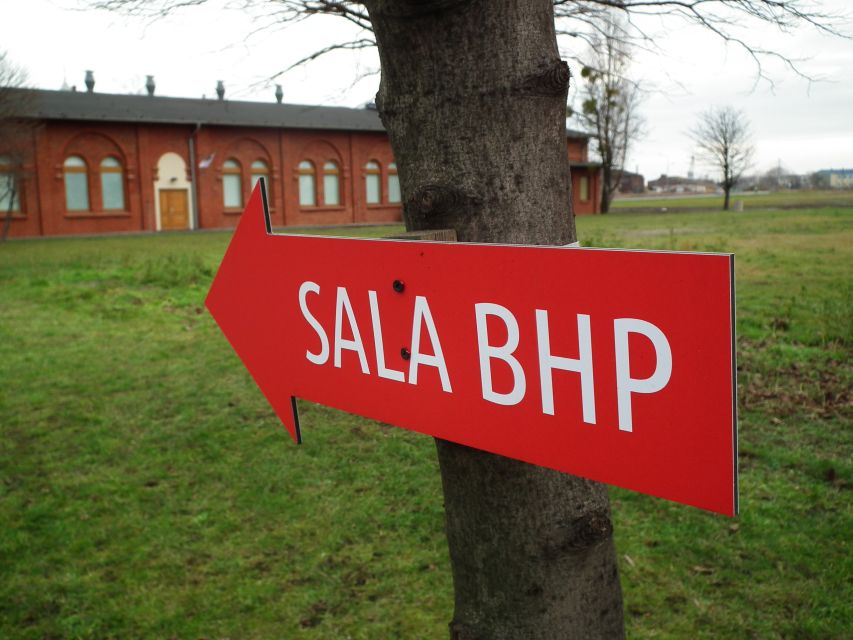
The four-hour route includes Sala BHP, the historic Center of Worker Protection of the Gdansk Shipyard. This is where the Gdańsk Agreement was signed on August 31, 1980.
For me, this is the most meaningful stop on the longer option. The European Solidarity Centre explains the movement in a broad, organized way. Sala BHP brings you to the room tied to the agreement itself.
The date is worth keeping in mind: August 31, 1980. The agreement recognized the right to form an independent trade union, creating the formal opening through which Solidarity could operate.
The room’s value is not based on spectacle. You are there because a major political change was negotiated and signed in that setting. A guide can help you picture the negotiations and explain why the document mattered under Communist rule.
The tour description calls Sala BHP a visit to the site where the agreement was signed. As with any historic site, the experience is strongest when you pay attention to the guide’s explanation rather than expecting a long list of displays.
If your interest is mainly in photographs and museum objects, the shorter option may be enough. If you want to understand the physical places where the change happened, the four-hour version earns its extra time.
A few more Gdansk half days to consider
- Gdansk: City Cruise on Historical Polish Boat
★ 4.8 · 2,913 reviews - Gdańsk: Sunset Cruise on a Historic Polish Boat
★ 4.9 · 977 reviews - Gdańsk City Sights & History Guided Walking Tour in English
★ 4.8 · 876 reviews - Gdansk: Firearm Shooting Experience with Instructor
★ 4.8 · 866 reviews
Gdansk Shipyard, where the strikes began
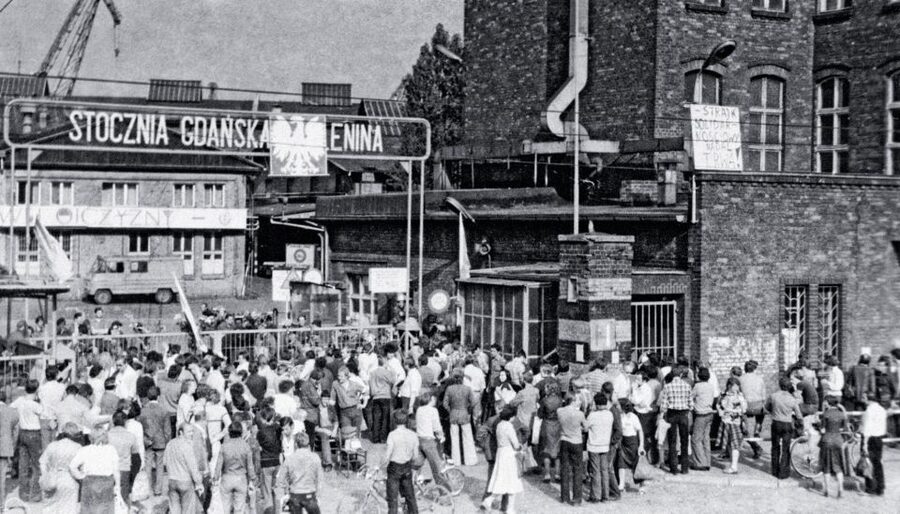
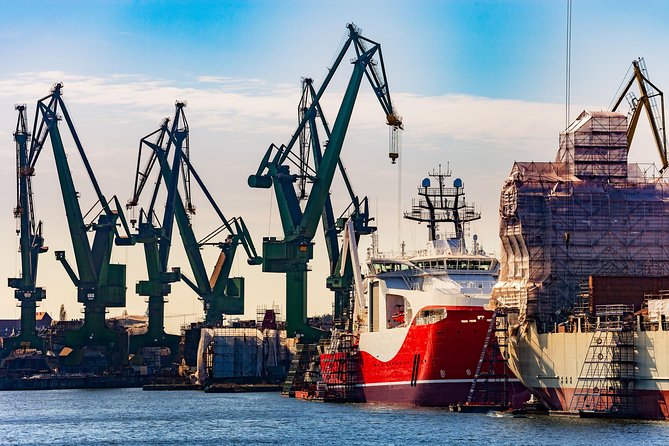
The final major stop is Gdansk Shipyard, or Stocznia Gdansk. This is where about 17,000 ship builders began civil resistance against the Communist regime in 1980.
The shipyard is more than a backdrop. It explains why Solidarity began among industrial workers and why a labor dispute could become a national movement. The guide can show you how the setting relates to the strikes, the workers, and the wider political story.
One useful detail is that the shipyard area keeps changing. Małgorzata is praised for knowing its history and its various corners, which is valuable in a district that may not always be easy to read at a glance.
Do not expect the same polished, step-by-step experience as inside the European Solidarity Centre. The shipyard is an active historic area rather than one single exhibition hall. That makes it more direct and less tidy, but it also means your guide’s local knowledge matters more.
The shipyard stop gives you a sense of scale. Seventeen thousand workers is a large number, and the site helps you understand that the movement was rooted in a major industrial community rather than a small circle of political figures.
What the private format adds
The private format is the main reason this tour costs more than a standard group visit. You are not following a fixed script for a large crowd. You can ask about Lech Walesa, Anna Walentynowicz, the 1970 protests, the 1989 talks, or daily life in the Polish People’s Republic, commonly known as PRL.
A private guide can also adjust the amount of time spent on the museum, square, agreement room, and shipyard within the available schedule. The listed languages are English, German, Polish, and Russian. French is also important to confirm if needed, since Małgorzata has guided in French with strong command of the language.
The format has a practical benefit for groups. An 18-person German-speaking group received a guide who explained the social background through personal stories in an entertaining and clear way. That suggests the tour can work for a larger private party, but you should confirm the exact arrangement when booking if your group is sizeable.
The phrase five-star private guide appears in the tour description, but the real thing to look for is the match between your interests and the guide. This is a history-focused outing. You will get more from it if you ask questions and stay engaged with the explanations.
Car pickup and the four-hour schedule
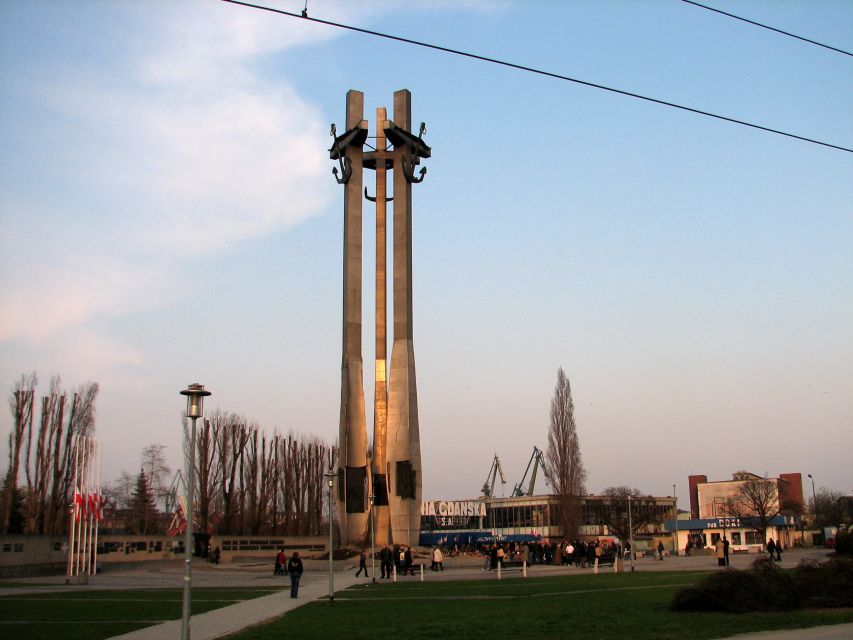
Hotel pickup and drop-off are included only in the central Gdansk Old Town area, within 1.5 kilometers of the meeting point. The meeting point is under the Monument to the Fallen Shipyard Workers of 1970 at Plac Solidarności.
If you provide your accommodation address at booking and it falls inside that area, the guide will arrange pickup. If not, you should plan to meet at the monument. The tour includes car transport, which is useful because the museum, square, Sala BHP, and shipyard are not simply one compact indoor attraction.
The full experience lasts four hours. The description also refers to a two-hour tour option, so check the available choice and starting time carefully when booking. The longer option is the one that includes Sala BHP, Gdansk Shipyard entry, and the Polish vodka shot.
There is one scheduling catch: Gdansk Shipyard is closed on Saturdays and Sundays. If you want the complete four-hour route, a weekday is the safer choice. Check your email the day before for final tour information, especially if you are relying on pickup.
The tour is listed as wheelchair accessible. Since the route includes both museum and shipyard areas, it is still sensible to confirm the exact path and access arrangements for your needs before you go.
Is $184 per person good value?
At $184 per person, this is not a budget sightseeing tour. You are paying for a private guide, car transport, museum entry, a four-hour route, and access to historic places beyond the main museum.
The value depends on how you normally travel. If you only want to see the European Solidarity Centre, buying an entry ticket and exploring at your own pace will cost less. You will also lose the guide’s explanations and the connection between the museum, monument, agreement room, and shipyard.
I think the price is easier to justify for a couple, family, or private group that wants a serious history lesson without arranging several separate visits. Skip-the-line entry also keeps the schedule moving, which matters during a short stay in Gdansk.
The included vodka shot is a small extra, not a reason to book the tour. It adds a bit of PRL-era flavor at the end, but the real value is the guide and the access to Sala BHP and the shipyard.
Free cancellation up to 24 hours before the tour and the option to reserve now and pay later make the booking less rigid. Those policies are useful if your Gdansk plans are still shifting, though they do not change the basic question of whether you want a private history tour.
Who should take this Gdansk tour?
I would recommend it to you if you want to understand how Poland moved from Communist rule toward democracy and prefer a guide to help arrange the details.
It is a good fit for:
- First-time visitors who want the Solidarity story explained clearly
- People interested in modern Polish and Eastern European history
- Families or private groups who prefer their own guide
- Visitors who want to see both the European Solidarity Centre and the shipyard
- German, English, Polish, Russian, or French speakers who need a suitable guide
- Anyone with limited time who values car transport and skip-the-line entry
You may want a different plan if your main goal is a relaxed city walk, medieval architecture, or low-cost sightseeing. This tour spends its time on Communist Poland, worker resistance, and the birth of modern democracy. It is focused rather than broad.
The subject can also be emotionally heavy. The 1970 deaths, state pressure, strikes, and political conflict are not light sightseeing material. That seriousness is part of the tour’s value, but you should know the tone before booking.
Final call: book it for the full Solidarity story
Book this tour if you want the facts tied to real places. The European Solidarity Centre gives you the documents and timeline. Solidarity Square explains the cost of earlier protests. Sala BHP connects you to the agreement of August 31, 1980. The shipyard shows where the resistance began.
Choose the four-hour option, preferably on a weekday, if you want the fullest experience. Confirm pickup eligibility if your accommodation is outside the Old Town’s 1.5-kilometer area, and check the language and guide arrangement if French is important to you.
Skip it if $184 per person feels too high for a private history outing or if you would rather explore the museum alone. For anyone drawn to the people and places behind Poland’s peaceful revolution, though, this is a well-focused way to spend four hours in Gdansk.
FAQ
How long does the tour last?
The featured experience lasts four hours. A shorter two-hour option is also described, so check the available choice and starting time when booking.
What is included in the four-hour option?
The four-hour option includes a private Communist-themed tour, a licensed history guide, skip-the-line entry to the European Solidarity Centre, Sala BHP and Gdansk Shipyard entry, car transport, hotel pickup and drop-off where applicable, and a traditional Polish vodka shot.
Where does the tour meet?
The meeting point is under the Monument to the Fallen Shipyard Workers of 1970 at Plac Solidarności in Gdansk.
Is hotel pickup available?
Yes, but only for accommodations in the Gdansk Old Town area within 1.5 kilometers of the meeting point. If your accommodation is outside that area, the itinerary may be changed, or you may need to meet at the listed meeting point.
What languages are available?
The tour is available in English, German, Polish, and Russian. Małgorzata has also guided in French, so confirm French availability when booking if you need it.
What will I see at the European Solidarity Centre?
You will see the original Tables of 21 Postulates, documents and photographs about the Solidarity strikes, material about the 1989 round table talks, and information about Poland’s first pluralistic election since 1947.
Where was the Gdańsk Agreement signed?
The Gdańsk Agreement was signed at Sala BHP on August 31, 1980. The four-hour tour includes a visit to this historic site.
Can I visit Gdansk Shipyard on a weekend?
No. Gdansk Shipyard is closed on Saturdays and Sundays, so choose a weekday if you want the full route with shipyard entry.
Can I cancel the booking?
You can cancel up to 24 hours in advance for a full refund. The activity also offers a reserve-now-and-pay-later option.
Recently added in Gdansk
- Szymbark: Kashubian Switzerland 5-Hour Private Tour★ 3.7 · 3 reviews
- Segway Tour Gdańsk: Shipyard Tour – 1,5-Hour of Magic!★ 5.0 · 3 reviews
- Stutthof Concentration Camp and Museum of WWII: Private Tour★ 4.7 · 3 reviews
- Sopot Sunset Cruise with Welcome Drink★ 3.5 · 3 reviews
- Gdansk: Basic Bike Tour★ 4.3 · 3 reviews
- Gdansk: Bubble Football with Hotel Transfers★ 5.0 · 3 reviews
- Artus Court and Gdansk Old Town Private Tour with Tickets★ 4.7 · 3 reviews
- Gdansk: Oliwa Zoo with Tickets and Roundtrip Transportation★ 5.0 · 3 reviews
Museums, compared.

Auschwitz-Birkenau Museum and Memorial Guided Tour from Krakow
Read our review →POLIN Museum of the History of Polish Jews Ticket
Read our review →


Krakow Schindler’s Factory Museum Guided Tour in English
Read our review →
Auschwitz Birkenau Museum Guided Tour with Pickup
Read our review →
Where else this one turns up