
Reviewed · AUSCHWITZ-BIRKENAU MEMORIAL TOURS
Auschwitz Birkenau Tour with Pickup and Lunch
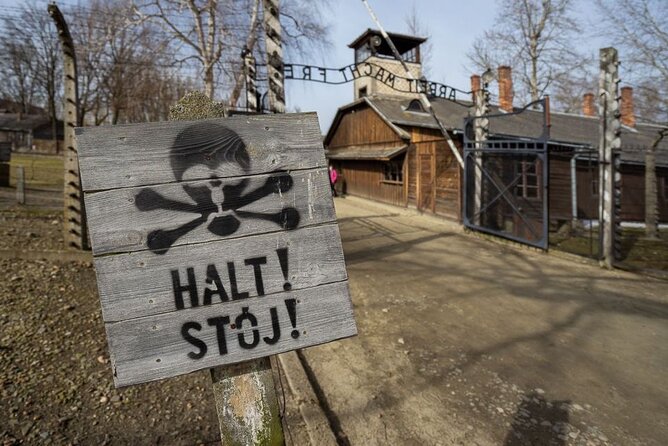
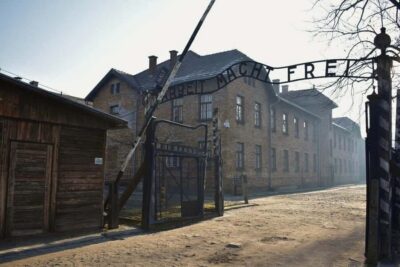
Walking through the gate at Auschwitz I, beneath the infamous Arbeit Macht Frei sign, is a stark way to begin this visit. You then move through brick barracks, Block 11, and the preserved gas chamber and crematorium before reaching Birkenau, a site many times larger and difficult to take in at a glance. The museum guide and headsets help make the history clear.
I like the practical setup: round-trip minivan transport from Krakow and a packed lunch mean you do not need to arrange the long journey yourself. I also like that the visit covers both Auschwitz I and Birkenau rather than stopping at the more compact first camp. The main caution is timing and mobility. Pickup times can shift, the walking pace can be brisk, and the short lunch break may feel rushed.
Key points to know before booking
- Two camps in one visit: See Auschwitz I, including Block 11 and the preserved gas chamber, then continue to the much larger Birkenau site.
- Transport from Krakow: An air-conditioned minivan takes you there and back, with hotel pickup available when that option is selected.
- Museum guide, not just a driver: The formal English tour at the camp is led by an Auschwitz Museum guide. Names reported for excellent tours include Magdalena, Marcin, and Evalina.
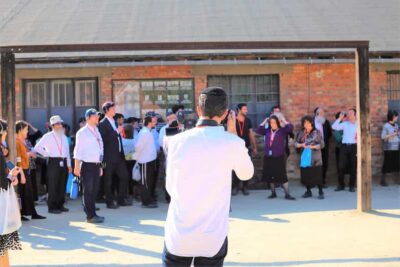
- Headsets are supplied: They help you hear the guide, but you should stay close because the signal may fade if you fall behind.
- Lunch is simple: Expect two sandwiches, an apple, dark chocolate wafer, half a liter of still water, a tissue, and a paper bag.
- Allow most of a day: The advertised duration is about four to seven hours, with the museum visit itself listed at four hours.
Why this visit matters more than a standard day trip
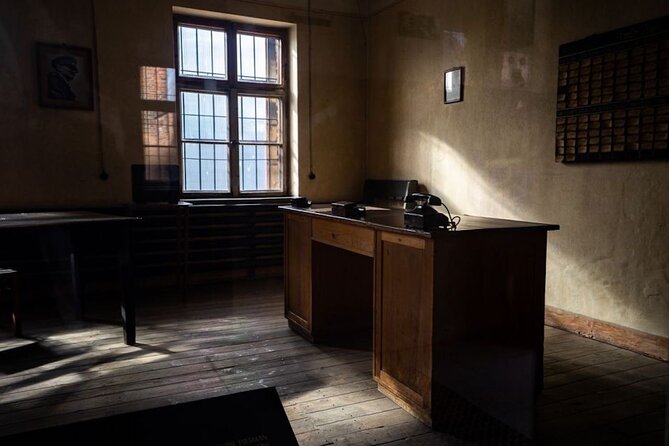
Auschwitz is not a light sightseeing stop. It is a place of imprisonment, forced labor, and mass murder, and the setting makes the subject painfully concrete. You are not simply looking at objects in a gallery. You walk through barracks, along camp roads, and across the open ground of Birkenau, where the scale of the Nazi genocide becomes harder to avoid.
The visit begins at Auschwitz I, the older and more compact section. Its orderly brick buildings can look almost deceptively calm from a distance. That feeling changes as you pass through the gate and enter the former camp.
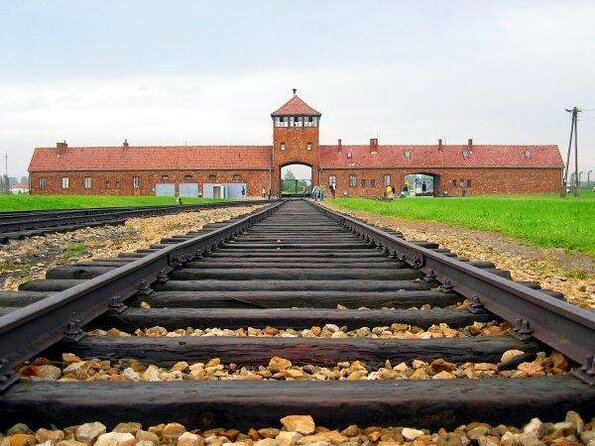
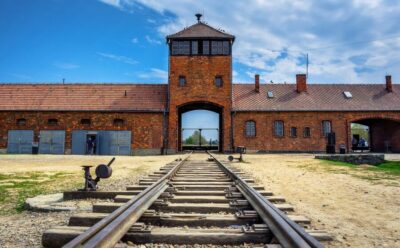
Birkenau is different in scale and mood. It is about 25 times larger than Auschwitz I, with a long railway entrance and broad open spaces. More than 1.1 million people were murdered there. The physical size matters because it shows that this was not a single building or isolated prison, but a vast system built for deportation, imprisonment, and extermination.
I would treat this as an important historical visit rather than an attraction to tick off. The guided format helps you understand what you are seeing and why it matters. It also gives the place the seriousness it deserves.
Other guided visits to the Auschwitz-Birkenau Memorial:
- From Krakow: Auschwitz-Birkenau Guided Tour & Hotel Pickup
★ 4.5 · 33,358 reviews - From Krakow: Auschwitz-Birkenau Guided Tour & Hotel Pickup
★ 4.5 · 29,340 reviews - Krakow: Auschwitz Guided Tour with Optional Hotel Pickup
★ 4.5 · 15,280 reviews
Auschwitz I, the gate and the brick barracks
At Auschwitz I, your guide leads you through the main entrance beneath the Arbeit Macht Frei sign. From there, the route passes among 22 brick barracks that once held prisoners. The buildings now contain museum displays and preserved evidence connected with the camp and its victims.
This section is fairly concentrated, so the guide can explain several parts of the camp in a short distance. That makes the first site easier to follow than Birkenau, but it also means the group often keeps moving. You may have limited time to pause at each display, particularly if the guide is working within a fixed museum schedule.
The headsets are useful here. Several people have had excellent English-speaking guides, including Magdalena, Marcin, and Evalina, who were praised for clear explanations, compassion, and the proper tone for such a difficult subject. Your guide may be someone else, but the important point is that the formal tour guide works for the Auschwitz Museum, not for the transport company.
That distinction helps explain the structure of the day. The minivan company handles pickup, transport, and practical arrangements. At Auschwitz, a museum guide takes over. The person accompanying you from Krakow may be a tour leader who distributes tickets and helps with logistics, but should not be expected to give the main historical talk.
Block 11 and the preserved gas chamber
Block 11 is often described as a prison within the prison. It contained punishment rooms, including dark and standing cells, and was used for severe forms of detention. The first attempts to kill people with Zyklon B took place in this block.
This stop is especially difficult because the building makes the machinery of repression feel personal and confined. Rather than giving you a broad view of the camp, it shows how punishment and terror operated inside it.
At the end of the Auschwitz I route, you see the only preserved crematorium and gas chamber at the site. This is one of the most sobering parts of the visit, and the guide’s delivery matters. The strongest tours described by participants used a calm, respectful tone instead of rushing through the facts or turning the subject into spectacle.
You will likely want time to absorb what you have seen. The schedule may not allow much private wandering, so listen closely and stay with the group. If you stop too far behind, the headset signal can weaken, and you may miss part of the explanation.
Birkenau, where scale changes everything
After Auschwitz I, the minivan takes you to Auschwitz II Birkenau. The short transfer gives you a chance to sit down, but do not assume it is a full break. The second camp is much larger, and the walking continues.
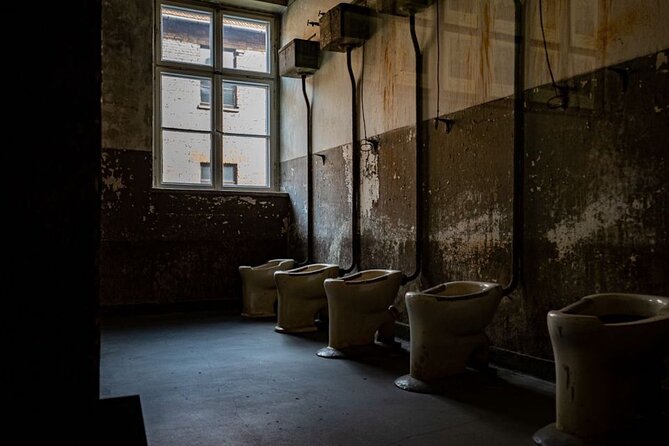
Birkenau’s size is its most striking feature. The long entrance, open tracks, rows of former barracks, and wide distances between key points give you a clearer sense of how many people were processed through the camp. At Auschwitz I, you focus on rooms and buildings. At Birkenau, the scale of the grounds becomes part of the evidence.
The visit ends at the memorial, where you can pay respect to the victims of the Nazi genocide. This final stop gives the day a quiet closing point. It is not a place for casual photographs or hurried conversation, and you should be prepared for an emotionally heavy finish.
The open layout also brings practical concerns. Rain, cold, heat, and uneven walking conditions can make Birkenau tiring. The exact accessibility of every part of the route is not guaranteed by the supplied information, and one mobility scooter user found the pace and distance disappointing despite advance notice. If you use a mobility aid, contact the operator before booking and provide precise details about the scooter, your walking ability, and the assistance you need.
More lunch stops in Krakow:
- Krakow: Auschwitz-Birkenau Guided Tour with Pickup & Lunch
★ 4.5 · 9,800 reviews - Krakow: Auschwitz-Birkenau Guided Tour Pickup/Lunch Options
★ 4.5 · 9,057 reviews - Krakow: Auschwitz Guided Tour with Pickup and Optional Lunch
★ 4.4 · 2,649 reviews - Krakow: Auschwitz-Birkenau & Wieliczka Salt Mine with Lunch
★ 4.1 · 214 reviews
The museum guides are the strongest part
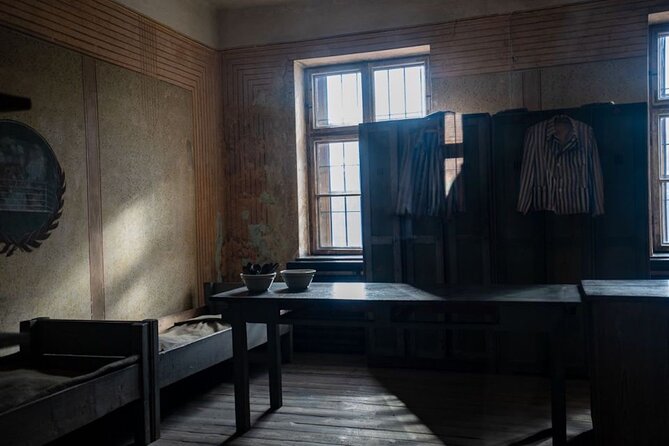
The best part of this experience is the formal guided visit. Several guides received especially strong praise for clear English, thoughtful delivery, and a serious approach to the subject.
Magdalena was described as warm, well informed, and excellent in English. Marcin was praised for his prompt communication and his care in discussing the lives lost at the camp. Evalina was singled out for treating Auschwitz I and II with dignity and a suitable tone. These individual guides may not be available on every departure, but their names show the level of quality you can encounter.
The audio headsets are meant to make the explanations easier to hear in a group. They work best when you remain near the guide. A visitor who walked more slowly found that the signal disappeared when the gap grew too wide, and another person using a mobility scooter found that the guide sometimes began speaking before everyone had assembled.
I would tell you to make your needs known at the start. If you need a slower pace, a moment to sit, or a position close to the guide, say so early. You should not expect the guide to stop at every point for long private reflection, but clear communication can make the experience more manageable.
Group size is capped at 30 people, with some departures joining a larger museum group on arrival. One well-run visit had about 20 people for the formal tour, which is still large enough to require headsets but small enough to remain manageable.
Minivan transport and changing pickup times
The package includes transport by air-conditioned minivan, hotel drop-off, and either hotel pickup or a designated meeting point, depending on the option selected. Pickup details and the precise time are sent the day before.
That late confirmation is important. Several departures had their times moved, sometimes by an hour and sometimes from morning to early afternoon. One person could not take the tour after a change from 9 a.m. to 1 p.m. Another was collected well after the scheduled time and reached Auschwitz later than expected.
The operator explains that museum availability controls the final departure time. That may be true, but it does not make the change harmless if you have dinner plans, another booking, or a train to catch. Keep your Krakow schedule flexible on the day of this tour, and do not place another fixed activity too close to the return.
Check the pickup wording carefully. Hotel pickup is offered when chosen, but some central hotels cannot accommodate a minibus, so you may be asked to walk a short distance to a nearby stopping point. One such walk was about 300 meters. Other bookings involved a meeting point rather than direct hotel collection, and some people reported confusion about an extra pickup charge.
Before confirming, make sure you know:
- The exact pickup or meeting point
- The final pickup time sent the day before
- Whether hotel service is included in your chosen option
- The expected return window
- Whether your accommodation allows a minivan to stop nearby
These checks take little time and can prevent the most common source of frustration.
Lunch is useful, but keep expectations modest
The supplied lunch box contains two sandwiches, an apple, a dark chocolate wafer, still mineral water, a tissue, and a paper bag. Meat, vegetarian, and vegan versions are available.
I like the idea because the trip can occupy most of your day, and you do not need to search for food between the two camps. The food is meant to be practical, not a proper restaurant meal. Some people found it tasty and just right, while others found the bread stale or the amount too small for a six or seven-hour outing.
The timing is the bigger issue. The lunch may be handed out at different points, and one departure did not receive it until much later than expected. At Auschwitz, food and drinks are not allowed inside the museum areas. A reported break of about 10 minutes between the two camp sections was enough for a quick sandwich, but not always enough for eating, using the toilet, and getting back to the group without stress.
I would bring a small extra snack only if the operator and museum rules allow it, and I would drink water before entering the museum sections. Do not count on being able to eat on the minivan, since some drivers prohibit food and drink aboard.
Price, duration, and who gets good value
At about $71.08 per person, this is a reasonable bundled price if you value convenience. You are paying for transport from Krakow, the museum admission, a professional museum guide, headsets, hotel drop-off, and a basic lunch. Arranging every part separately may save money, but it would also put more responsibility on you for transport, timing, and access.
The value is strongest for a first visit when you want both camps in one day and do not want to manage the journey yourself. It is less attractive if you already have reliable transport, prefer a slow independent visit, or expect a substantial meal.
The advertised duration ranges from four to seven hours, while the full day can feel longer once pickup delays are included. The museum portion is listed at four hours, followed by the road journey back to Krakow. Leave a generous buffer after the tour.
This experience suits you best if you:
- Want a guided introduction to Auschwitz I and Birkenau
- Prefer door-to-door or arranged transport from Krakow
- Are comfortable walking for several hours
- Can accept a possible time change the day before
- Want a simple lunch included
- Value historical context more than free time
You may want a different arrangement if you need guaranteed accessibility, a slow pace, a full meal, or firm control over your schedule.
How to prepare for a respectful and manageable visit
Wear shoes suitable for extended walking and check the weather before leaving. Birkenau is exposed, and the day can feel much harder in heavy rain or uncomfortable temperatures.
Stay close enough to hear the headset clearly. If you are walking with a slower companion, tell the tour leader and guide before the first section begins. Keep your group together, since the guide may continue speaking while people are still gathering.
Plan emotionally as well as physically. The subject is distressing, and the combination of preserved rooms, personal evidence, and the Birkenau grounds can be overwhelming. Give yourself a quiet evening afterward rather than scheduling a crowded night out immediately.
The tour has a public score of 3.8 out of 5 from 70 ratings, which reflects the real split in the experience. The museum guides are often excellent, while transport timing, pickup communication, lunch, and accessibility are less consistent. That is a fair picture of the product: the historical visit can be powerful, but the surrounding logistics need your attention.
Should you book this Auschwitz tour?
I would book it if you want a straightforward way to see both Auschwitz sites from Krakow and you are willing to keep your day flexible. The museum guides, headsets, transport, and included lunch make the package practical, and the strongest departures have been handled with care and respect.
I would not book without checking the pickup terms if you have mobility needs or a fixed evening plan. Confirm the meeting point, ask how much walking is expected, and treat the lunch as a basic snack rather than a meal.
For most first-time visitors to Krakow, this is a useful and serious way to reach Auschwitz. Choose it for the guided historical context and convenience, not for perfect timing or comfort.
FAQ
How long does the Auschwitz Birkenau tour take?
The advertised duration is approximately four to seven hours. The museum visit itself is listed at four hours, with additional time needed for transport between Krakow and Auschwitz.
Is transport from Krakow included?
Transport by air-conditioned minivan, hotel drop-off, and pickup from a hotel or designated meeting point are included when the relevant pickup option is selected. Some hotels may require a short walk to a place where the minivan can stop.
What does the lunch box contain?
The lunch includes two sandwiches, an apple, a dark chocolate wafer, 0.5 liters of still mineral water, a tissue, and a paper bag. Meat, vegetarian, and vegan choices are available.
Is an English-speaking guide provided?
The activity is offered in English and includes a professional guide and headsets. The formal guide at Auschwitz works for the Auschwitz Museum. Guides named in strong experiences include Magdalena, Marcin, and Evalina, but the guide can vary.
Does the tour visit both Auschwitz I and Birkenau?
Yes. The visit begins at Auschwitz I and continues by minivan to Auschwitz II Birkenau, the much larger section of the former camp complex.
Can the pickup time change?
Yes. The precise pickup time is sent the day before, and the departure can be changed because of museum scheduling. Keep your plans flexible and check the final message carefully.
Recently added in Krakow
- Auschwitz-Birkenau and Krakow Private Car Trip from Katowice★ 4.3 · 3 reviews
- Wawel Castle, Old Town with St. Mary’s Church Guided Tour★ 5.0 · 3 reviews
- Wawel Castle, Cathedral, Rynek Underground Tour with Lunch★ 5.0 · 3 reviews
- From Krakow: Chocholow Thermal Hot Springs (hotel pick up)★ 5.0 · 3 reviews
- Private tour to Zakopane and Thermal Baths from Krakow★ 5.0 · 3 reviews
- Legends of Cracow ROBOTIC SHOW★ 4.0 · 3 reviews
- Guided Beer Tour in Krakow★ 4.5 · 3 reviews
- From Krakow: Zakopane and Thermal Pools Guided Trip★ 5.0 · 3 reviews
Auschwitz-Birkenau Memorial Tours, compared.
Auschwitz-Birkenau Guided Tour & Hotel Pickup
Read our review →Auschwitz Guided Tour with Optional Hotel Pickup
Read our review →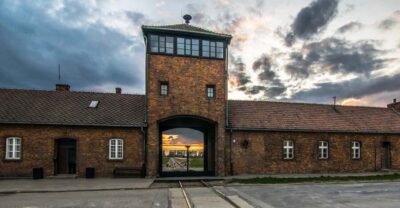
Auschwitz-Birkenau Guided Tour with Pickup & Lunch
Read our review →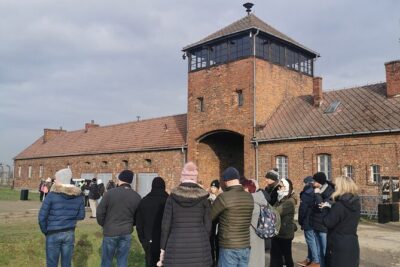
Krakow to Auschwitz Birkenau Guided Tour with Transfer and Ticket
Read our review →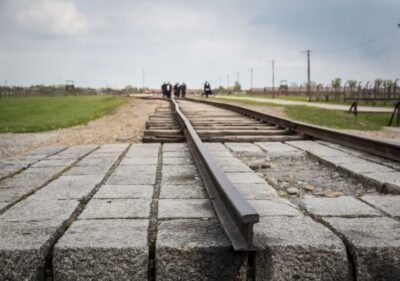
Auschwitz Birkenau Small Group Tour with Pickup
Read our review →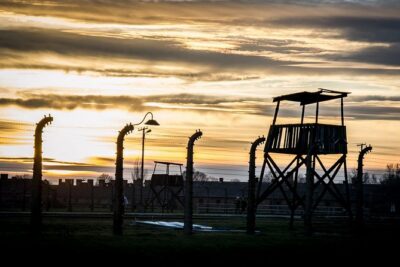
Auschwitz Birkenau Guided Tour with Ticket Hotel Pickup Small Van
Read our review →Where else this one turns up