
Reviewed · AUSCHWITZ-BIRKENAU MEMORIAL TOURS
Auschwitz-Birkenau Memorial Entrance Ticket and Guided Tour
Auschwitz-Birkenau is not a normal sightseeing stop. It is a place of mourning, evidence, and hard historical truth. This day trip takes you from Krakow to the former camps at Auschwitz I and Birkenau, where original buildings, fences, watchtowers, railway tracks, and personal items help explain how the Nazi camp system operated.
I like two things here: transport from Krakow is included, and a professional museum guide leads the visit rather than leaving you to make sense of the site alone. The main drawback is that departure times can change to match museum guide availability, and the outing can last anywhere from four to eight hours.
Key points at a glance
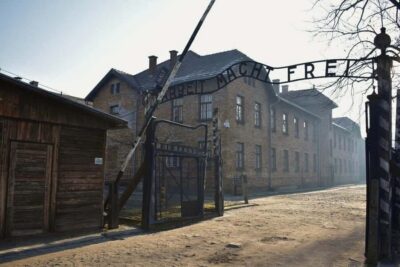
- Auschwitz I begins at the Arbeit Macht Frei gate, followed by original camp buildings and prison blocks.
- Birkenau shows the scale of the killing center, with its broad grounds, railway line, barracks, fences, and watchtowers.
- A museum guide leads the camp visit, with guide Bart receiving especially strong praise for his detailed and passionate approach.
- Krakow pickup and drop-off are included, along with an air-conditioned vehicle and entrance fees.
- Plan for cold, exposed conditions, especially in January and at Birkenau, and bring an ID or passport for security.
- The group can include up to 30 people, so this is a shared excursion rather than a private tour.
Why Auschwitz-Birkenau needs a full day from Krakow
Auschwitz-Birkenau lies outside Krakow, so this experience removes the main transport problem. You are collected in central Krakow, driven to the memorial complex, guided through the two main sites, and returned to the city center.
The total outing is listed as roughly four to eight hours. That wide range matters. Museum entry times, guide availability, traffic, and the transfer between Auschwitz I and Birkenau can affect your day. I would not schedule a tight dinner reservation, train, or second major attraction immediately afterward.
The visit covers a painful part of European history. Auschwitz began in 1940 in former Polish army barracks, first serving as a prison camp for Polish political prisoners and other detainees. The complex later became the largest concentration and extermination center associated with the Holocaust. More than one million people were murdered there, most of them Jews, alongside Polish, Roma, Soviet, Italian, French, and other prisoners.
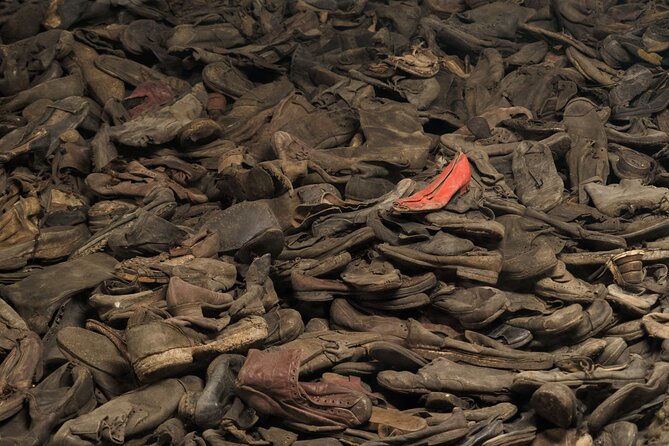
The numbers are difficult to grasp from a page. The power of the memorial comes from physical evidence: the buildings, the fences, the railway tracks, the cramped barracks, and the personal belongings preserved in museum displays. A guide helps connect those objects to individual lives rather than reducing the site to statistics.
Other guided visits to the Auschwitz-Birkenau Memorial:
- From Krakow: Auschwitz-Birkenau Guided Tour & Hotel Pickup
★ 4.5 · 33,358 reviews - From Krakow: Auschwitz-Birkenau Guided Tour & Hotel Pickup
★ 4.5 · 29,340 reviews - Krakow: Auschwitz Guided Tour with Optional Hotel Pickup
★ 4.5 · 15,280 reviews
Auschwitz I: entering through the camp gate
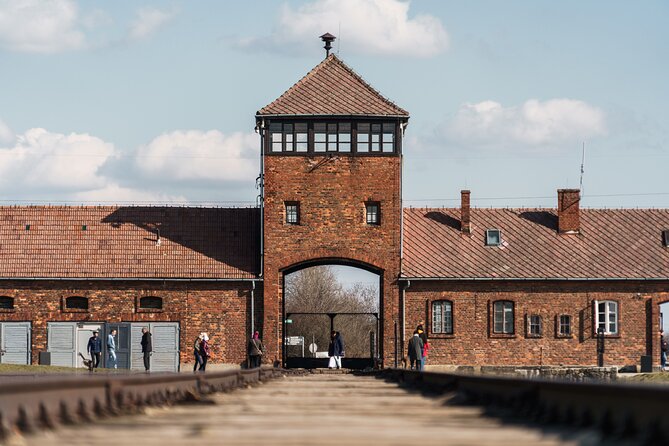
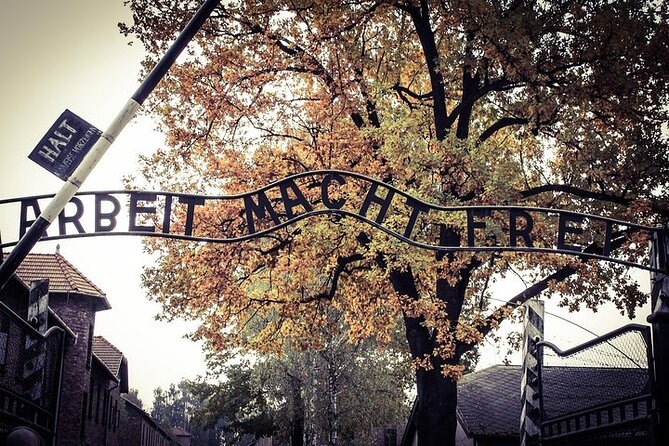
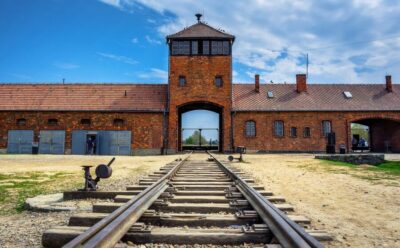
The visit begins at Auschwitz I, the older section of the complex. You enter through the gate marked Arbeit Macht Frei, the notorious slogan that falsely promised freedom through labor.
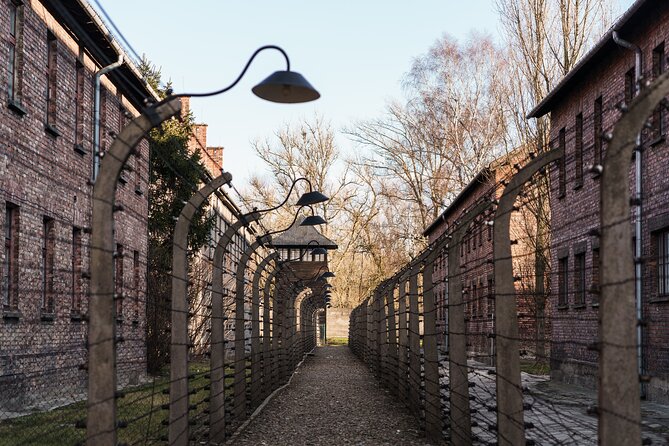
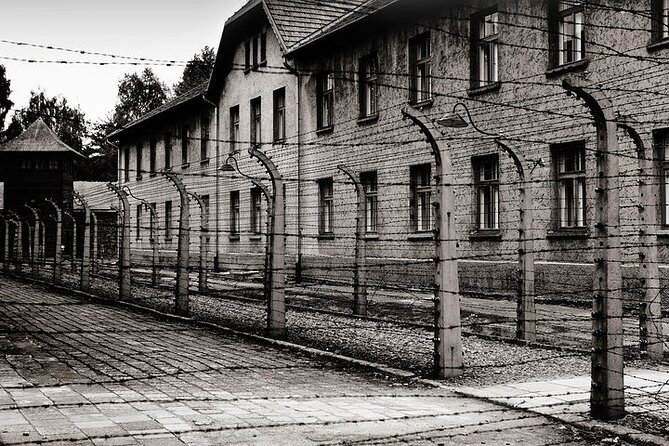
The entrance itself is stark. Beyond it, orderly rows of brick buildings and original roads create a disturbing contrast with the brutality carried out inside. This is one reason a guided visit helps. The site can look almost tidy at first glance, and without context, its layout may hide what happened there.
The tour moves through preserved blocks and exhibitions. These displays explain how prisoners were registered, confined, worked, punished, and stripped of their identities. You can expect the guide to discuss the camp system, the nationalities imprisoned there, and the machinery of persecution that turned people into numbers.
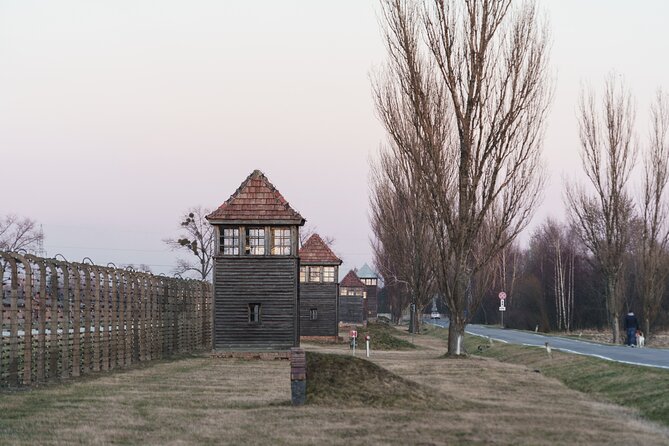
The original structures make the visit especially direct. You are not looking only at photographs of a vanished place. You are walking along the same roads, beside the same fences, and past the same watchtowers that formed the prison complex.
Auschwitz I is also where the museum experience feels most concentrated. The blocks bring the story close to human scale. Instead of seeing only the vast size of Birkenau, you see rooms and corridors linked to the daily reality of imprisonment.
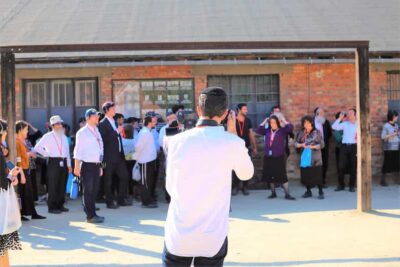
The tone is serious, and rightly so. This is not a place for casual chatter or fast photo stops. I recommend listening carefully, staying with the group, and allowing time between sections to process what you have seen.
Birkenau: the scale of Auschwitz II
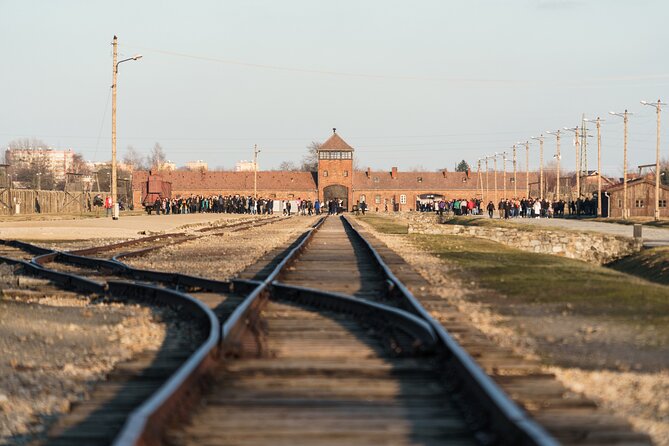
A short transfer takes you to Brzezinka, the Polish name for Birkenau. This is Auschwitz II, the largest section of the complex and the part many people recognize from photographs of the railway entrance.
Birkenau was built from 1941 onward, partly on the site of a displaced and largely demolished village. It was initially planned to hold Soviet prisoners of war, then became a concentration camp for people from many countries and a major center for the extermination of Jews.
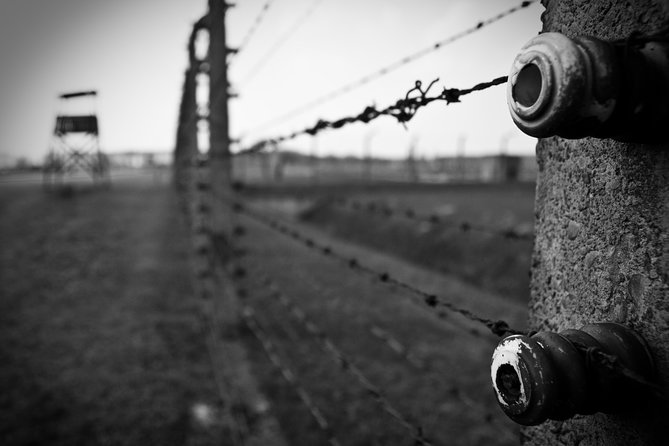
The size changes the emotional effect. At Auschwitz I, the buildings draw you inward. At Birkenau, the open ground, long fences, watchtowers, railway line, and rows of barracks show the industrial scale of the camp system.
The design was meant to hold about 125,000 prisoners at one time. Conditions were deliberately deadly. Cold, hunger, disease, exhaustion, forced labor, and systematic violence left prisoners with little chance of survival.
You will see the remains and surviving elements of the camp, including the railway route used to bring prisoners into Birkenau. The barracks and facilities help explain how people were packed into a place designed to treat them as replaceable labor and, in many cases, to murder them.
Birkenau is more exposed than Auschwitz I. There is less shelter, and the walking areas can feel long even on a mild day. In winter, the cold can be severe. A January visit calls for a warm coat, hat, gloves, and sturdy shoes. Bring water, but do not expect food and drinks to be included in the tour price.
The museum guide makes the difference
The guided element is the strongest reason to choose this experience instead of arranging transport alone. Auschwitz-Birkenau is a large memorial with layers of history, and the significance of each block or structure is not always obvious without explanation.
You will be met by a professional guide at the museum. The guide leads the visit through Auschwitz I and Birkenau, explaining the camp’s development, the prisoner groups held there, and the crimes committed on the site.
The guide’s role is not to soften the subject. Several comments praise guides who presented the horrors plainly, with care and passion. Bart is named in particular as an excellent guide whose knowledge and detailed explanations made a strong impression. Guide quality can vary from one departure to another, but the structure of a museum-led visit gives you a better chance of receiving clear historical context.
A good guide also helps with the practical side of the memorial. The grounds are large, the two sections are different, and the day can feel confusing if you are trying to follow signs while keeping track of transport and entry arrangements.
This is still a shared tour, not a private conversation. The maximum group size is 30 people. That is manageable, but you should expect to move at the guide’s pace and remain with the group.
A few more Krakow half days to consider
- Krakow–Zakopane: Cable Car, Chocholow Baths, Cheese & Vodka
★ 5.0 · 10,720 reviews - Krakow: Auschwitz-Birkenau Guided Tour with Pickup & Lunch
★ 4.5 · 9,800 reviews - From Krakow: Wieliczka Salt Mine Tour
★ 4.6 · 9,393 reviews - Krakow: Auschwitz-Birkenau Guided Tour Pickup/Lunch Options
★ 4.5 · 9,057 reviews
Transport from Krakow and the timing of the day
The experience includes pickup and drop-off in Krakow city center. Transport is by air-conditioned vehicle, which is useful after several hours outside and in the museum buildings.
Some departures have included a film about the camp’s liberation during the drive. This can provide background before arrival, though the exact presentation may depend on the departure and operator arrangements. It is worth viewing the ride as part of the preparation for the memorial, not simply as a transfer.
Hotel pickup has been described as punctual on some departures, but you should read your meeting instructions carefully. The departure time may change because the museum assigns guide slots according to availability. That change does not qualify for a refund, so keep your day flexible.
Bring your passport or another accepted form of ID. Security checks it before entry, and forgetting identification could create a serious problem at the gate.
The outing may take four hours at the shorter end or close to eight hours at the longer end. That is not a small difference. A short schedule could leave you with part of the day free, while a longer one may occupy nearly all daylight hours. I would treat this as your main activity for the day.
Is the $36 price good value?
At about $36, the tour is fairly priced if you value convenience. The cost includes transport from Krakow, professional guiding at the museum, entrance fees, taxes, and return transport to the city center.
You are not paying just for a bus ride. You are paying to avoid arranging separate transport, finding the correct entrance, handling museum admission, and navigating the transfer between Auschwitz I and Birkenau.
The value depends on what you need. If you are comfortable organizing transport and securing your own timed admission, an independent visit might offer more control. If you prefer a fixed plan and historical explanation, $36 is reasonable.
Food and drinks are not included. A packed lunch may be offered on some departures, but do not assume it is part of the standard price. Bring something suitable if you know you will need food during a long day.
Be careful when comparing this tour with packages that include additional Krakow museums. Some combined offers have included places such as Schindler’s Factory, the Pharmacy Under the Eagle, or the former Gestapo prison. Those attractions are separate from the core Auschwitz-Birkenau visit, and museum passes or extra tickets may require separate collection and careful checking. For this experience, focus on what is clearly included: Auschwitz transport, admission, and the guided camp visit.
What can go wrong, and how to reduce the risk
Most of the practical problems reported around this type of outing involve communication and ticket handling, not the memorial itself. There have been cases in which a child and parent were not placed in the same guided group because enough tickets were not available. That is a major failure, especially for a sensitive visit involving a family.
There have also been complaints about missing tickets for additional museums in combination packages. If your booking includes extras, check every ticket and receipt before leaving Krakow. Do not assume an Auschwitz voucher automatically covers other museums.
For the core tour, carry your booking confirmation, passport or ID, and the contact information for the local operator. Arrive at the pickup point with time to spare. If the departure time changes, make sure you have the updated instructions in writing.
The experience is non-refundable and cannot be changed after booking. That makes flexible planning especially important. Do not book it on a day when a small delay would ruin an onward journey.
Who should book this Auschwitz tour?
I would choose this experience if you are staying in Krakow and want the memorial visit handled in one organized day. It suits first-time visitors who want a guide to explain the exhibitions and the camp layout.
It is also a good fit if you do not want to manage regional transport or museum entry on your own. The included vehicle and guide simplify a difficult day.
Families can take part, but the subject matter is severe. Parents should decide carefully how much historical detail their children can handle. The age and suitability of each participant are not specified beyond the statement that most people can participate.
This is not the right choice if you want a relaxed sightseeing excursion. The subject is emotionally demanding, the walking can be tiring, and Birkenau offers little protection from cold or poor weather.
Practical advice for a respectful visit
Wear warm layers and sensible shoes. Even a visit in late January can involve substantial time outdoors, and Birkenau is particularly exposed.
Keep your schedule open. The four to eight hour duration is a real planning issue, not a minor estimate. Museum guide availability may alter the departure time.
Bring your identification. Security checks a passport or ID before entry.
Take food or arrange a packed lunch if needed. Meals and drinks are not included, and the day can be long.
Listen to the guide and follow the memorial’s rules. This is a place of remembrance, not a conventional attraction. A quiet, attentive approach will make the visit more meaningful for you and less disruptive to others.
Should you book it?
Yes, if you want a straightforward way to visit both Auschwitz I and Birkenau from Krakow, with transport, admission, and a museum guide included for $36. The best parts are the clear two-site itinerary, the original camp structures, and the guide-led explanation of a place that is difficult to understand alone.
Book with care. Keep your schedule flexible, confirm the pickup details, bring your passport or ID, and check that every promised ticket is present. If you want a private or highly flexible visit, arrange the journey independently. For most people seeking a practical, guided introduction to Auschwitz-Birkenau, this tour offers solid value, provided you approach the day with the seriousness it demands.
FAQ
How long does the Auschwitz-Birkenau tour take?
The full experience lasts approximately four to eight hours. The exact length can vary with museum entry times, guide availability, transport, and the time needed to visit both Auschwitz I and Birkenau.
Does the tour include transport from Krakow?
Yes. Pickup and drop-off in Krakow city center are included, with transport provided in an air-conditioned vehicle.
Are entrance fees included?
Yes. Entrance fees and taxes are included for the Auschwitz-Birkenau visit.
Do I need to bring a passport or ID?
Yes. Security asks to see identification before you enter the museum site, so bring your passport or another accepted ID.
Is food included?
No. Food and drinks are not included. A packed lunch may be offered on some departures, but you should plan accordingly.
How large can the group be?
The tour can have a maximum of 30 participants. It is a shared guided experience, not a private tour.
Recently added in Krakow
- Auschwitz-Birkenau and Krakow Private Car Trip from Katowice★ 4.3 · 3 reviews
- Wawel Castle, Old Town with St. Mary’s Church Guided Tour★ 5.0 · 3 reviews
- Private tour to Zakopane and Thermal Baths from Krakow★ 5.0 · 3 reviews
- Wawel Castle, Cathedral, Rynek Underground Tour with Lunch★ 5.0 · 3 reviews
- From Krakow: Chocholow Thermal Hot Springs (hotel pick up)★ 5.0 · 3 reviews
- Legends of Cracow ROBOTIC SHOW★ 4.0 · 3 reviews
- From Krakow: Zakopane and Thermal Pools Guided Trip★ 5.0 · 3 reviews
- Guided Beer Tour in Krakow★ 4.5 · 3 reviews
Auschwitz-Birkenau Memorial Tours, compared.
Auschwitz-Birkenau Guided Tour & Hotel Pickup
Read our review →Auschwitz Guided Tour with Optional Hotel Pickup
Read our review →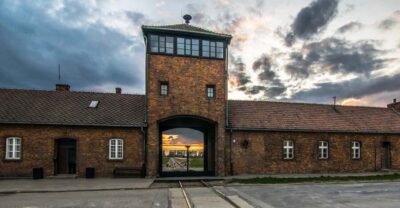
Auschwitz-Birkenau Guided Tour with Pickup & Lunch
Read our review →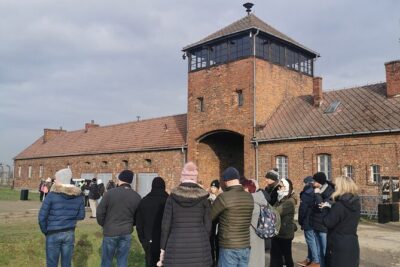
Krakow to Auschwitz Birkenau Guided Tour with Transfer and Ticket
Read our review →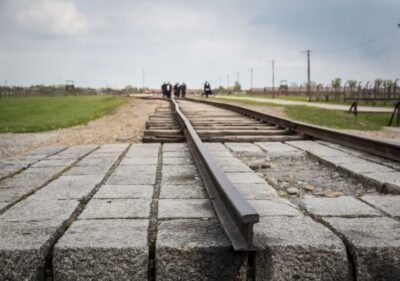
Auschwitz Birkenau Small Group Tour with Pickup
Read our review →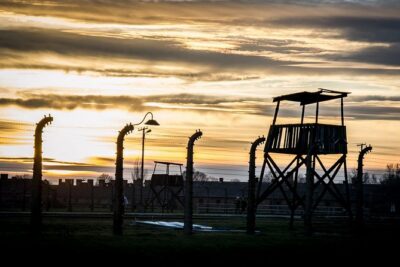
Auschwitz Birkenau Guided Tour with Ticket Hotel Pickup Small Van
Read our review →Where else this one turns up