
Reviewed · AUSCHWITZ-BIRKENAU MEMORIAL TOURS
Auschwitz-Birkenau Guided Shared Tour from Krakow
Auschwitz-Birkenau is not a casual day trip. It is a serious visit to the site of the largest Nazi concentration and extermination camp, where about 1.5 million people from 28 countries were killed. This tour makes the journey from Krakow straightforward, with hotel pickup and return and a museum guide leading you through both camp sites.
I like two things here. First, the shared minivan keeps the trip smaller and simpler than a large coach outing. Second, the tour includes an official English-speaking guide, headphones, and admission, so you are not left trying to make sense of the grounds alone. Guides such as Magda, Anna, and Barbara have been praised for a calm, respectful approach.
The main drawback is pace. Some visitors found the guide moved quickly, especially inside crowded buildings, and one account raised concerns about keeping up with the group. If you need extra time, have mobility limits, or want to read every display, this may feel rushed.
Key points at a glance
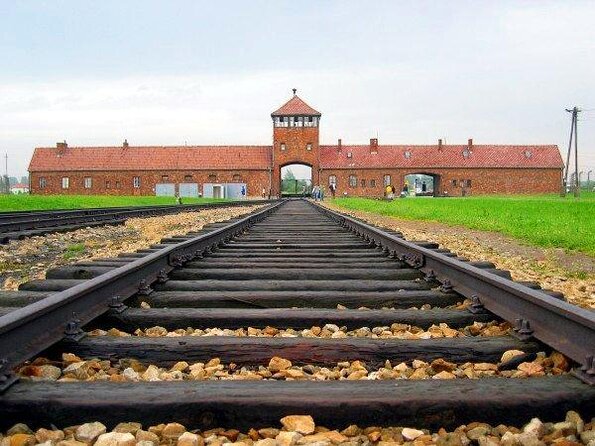
- Auschwitz I and Birkenau are both included: You see the original camp buildings, memorial areas, railway ramp, barracks, fences, and remains linked to the killing process.
- Pickup begins early: Collection from Krakow hotels, apartments, or hostels takes place roughly between 6:10 and 7:30 a.m., with the exact time confirmed shortly before departure.
- The drive takes about 75 minutes each way: An air-conditioned minivan makes the long road journey easier, though the shared vehicle may carry up to 14 people.
- An official museum guide leads the visit: The guide supplies context and explanation that would be difficult to gain from walking through the site alone.
- Pack very lightly: Bags larger than 30 by 20 by 10 centimeters are not allowed inside the museum.
- The price is strong for a full-day service: At $36.28 per person, the fee covers transport, pickup, admission, headphones, and the guided visit.
Why this visit matters
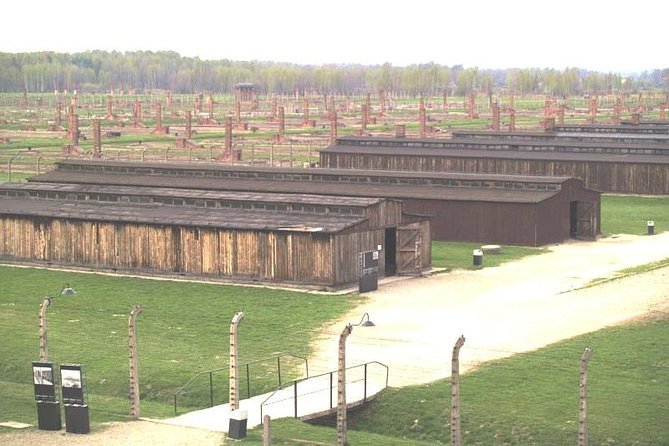
Auschwitz-Birkenau can be hard to grasp from photographs or a textbook. The scale becomes clear only when you see the long lines of barracks, miles of wire fencing, watchtowers, the railway ramp, and the open space of Birkenau itself.
The Auschwitz camp complex was created by the Nazis in 1940 outside Oswiecim, a Polish town known in German as Auschwitz. It became a symbol of terror, genocide, and the Holocaust. About 1.5 million people from 28 countries were killed there, including nearly one million Jews.
The grounds include prisoner blocks, gas chambers and crematoria remains, mass graves, the Death Wall, and the structures used to control and imprison people. A state museum was created at the site in 1947, and the former camp was added to the UNESCO World Heritage list in 1979.
You should expect an emotional visit rather than a sightseeing stop. The setting is quiet and stark, but the information is direct. The guide’s job is not simply to point out buildings. It is to explain how the camp operated and to help you understand the human cost behind each part of the site.
Other guided visits to the Auschwitz-Birkenau Memorial:
- From Krakow: Auschwitz-Birkenau Guided Tour & Hotel Pickup
★ 4.5 · 33,358 reviews - From Krakow: Auschwitz-Birkenau Guided Tour & Hotel Pickup
★ 4.5 · 29,340 reviews - Krakow: Auschwitz Guided Tour with Optional Hotel Pickup
★ 4.5 · 15,280 reviews
Leaving Krakow before the crowds
Pickup takes place directly at your hotel, apartment, hostel, or another agreed location in Krakow. The listed collection window is approximately 6:10 to 7:30 a.m., although your exact time is sent one or two days before the trip.
This early start is useful. Auschwitz-Birkenau is about an hour and 15 minutes from Krakow by road, so the journey itself takes a good part of the morning. An early collection also helps you reach the museum before the day becomes even busier.
You need to provide the full name of every person booking, exactly as shown on an ID card or passport. Bring that identification with you, since the entry tickets are registered. This is an easy detail to miss, and it can cause trouble at the entrance if the names do not match.
The transport is shared, with a maximum of 14 people in a car according to the pickup information. Another condition lists a maximum of 25 people for the activity as a whole, so the exact group arrangement may vary. In either case, this is not a private tour. You share the ride and the guide’s time with other people.
The air-conditioned minivan is a useful comfort on a seven-hour outing. Several accounts describe the vehicles as clean and comfortable, and drivers including Igor, Konrad, Michał, Andrew, and Slawek received praise for being punctual, friendly, and helpful. One account did raise a serious concern about fast driving in bad weather, so driving standards may depend on the individual behind the wheel.
Auschwitz I, the original camp
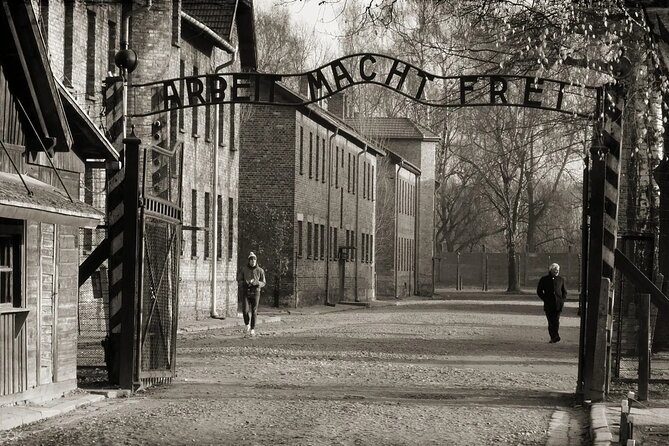
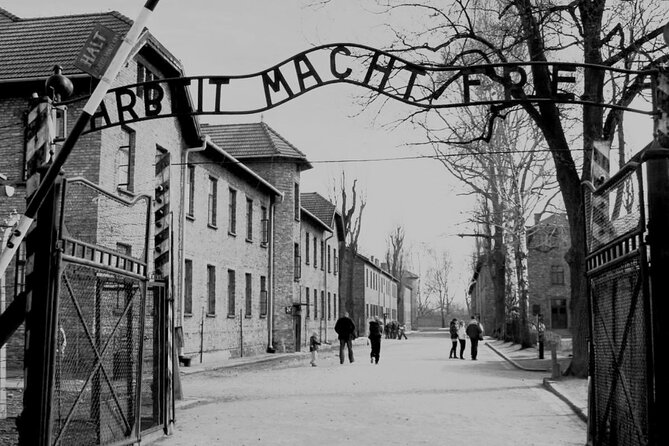
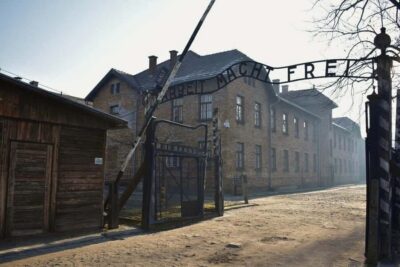
The first camp site, commonly called Auschwitz I, has a more enclosed feel. Its brick buildings and ordered rows of blocks can make the place seem almost administrative at first glance. That appearance is part of what makes the visit so disturbing. The machinery of persecution was organized, planned, and run through ordinary-looking structures.
Inside the museum blocks, you may see documentary material and objects connected to the prisoners who were brought here. The Death Wall and remains of the camp facilities help show how imprisonment, forced labor, punishment, and murder were carried out.
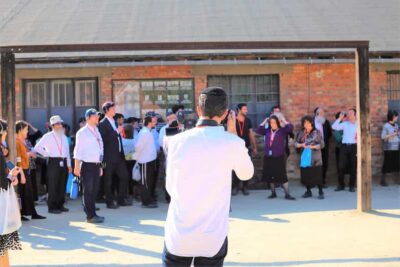
Your museum guide leads the group through the site and explains what happened in each area. Headphones are supplied so you can hear the commentary more clearly, a useful feature when several groups are moving around the same buildings.
The official timing lists about two hours for the Auschwitz-Birkenau museum visit, followed by about one hour at Birkenau. In practice, the visit can feel full and fast. One important criticism is that a guide may begin explaining the next section before you have finished looking at the current display. Crowds inside smaller rooms can also block your view.
I would treat the guide’s words as the main part of this tour, while accepting that you may not read every information panel. If you prefer a slow museum visit with time to stop at each display, a private or longer-format option may suit you better.
Birkenau and the scale of the crime
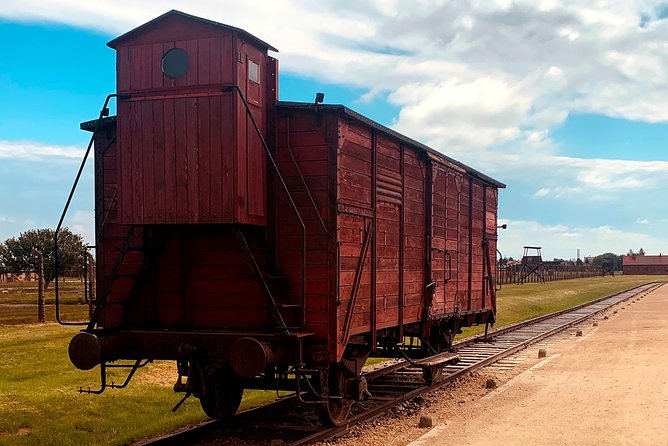
Birkenau, also known as Auschwitz II, changes the emotional weight of the day. The site is much more open and spread out, with the railway ramp and long rows of barracks showing the scale of the camp system.
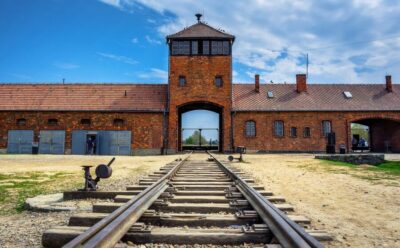
The railway connection is especially important. It helps you understand how people were transported into the camp and separated on arrival. The size of Birkenau is difficult to take in from one point, which is why the guided explanation matters.
You will also see barbed-wire fencing, watchtowers, prisoner barracks, memorial areas, and remains connected with the gas chambers and crematoria. The site includes mass graves and spaces set aside for remembrance. The memorial at Birkenau is a quiet place, but the meaning is heavy.
The supplied schedule allows about one hour for this section. That is enough for a guided introduction, but it is not a leisurely exploration of every corner. Wear shoes suitable for walking on uneven outdoor surfaces, and be ready for weather exposure. The information provided does not promise shelter or breaks at every point, so dress for the conditions on the day.
One advantage of visiting both sections is that you see two different sides of the camp system. Auschwitz I provides more enclosed museum spaces and original camp blocks. Birkenau gives you the scale, distance, and industrial organization of the killing site.
A few more Krakow half days to consider
- Krakow–Zakopane: Cable Car, Chocholow Baths, Cheese & Vodka
★ 5.0 · 10,720 reviews - Krakow: Auschwitz-Birkenau Guided Tour with Pickup & Lunch
★ 4.5 · 9,800 reviews - From Krakow: Wieliczka Salt Mine Tour
★ 4.6 · 9,393 reviews - Krakow: Auschwitz-Birkenau Guided Tour Pickup/Lunch Options
★ 4.5 · 9,057 reviews
What the English-speaking guide adds
A guided visit is particularly valuable here. Without context, you might see fences, buildings, and ruins but miss how each part fitted into the camp system. The museum guide supplies the historical framework and explains the meaning of the remaining structures.
The strongest accounts describe guides who were clear, compassionate, and serious. Magda was praised for being respectful and caring. Anna was described as explaining the subject with compassion, while Barbara was singled out for making the visit feel educational and purposeful. Another guide was praised for giving clear instructions about proper behavior in such an emotional place.
The guide is provided by the museum, rather than being the driver. That distinction matters. Your driver handles the Krakow transfer and practical coordination, while the local museum guide leads the actual visit.
Sound quality can vary. Headphones are included, but one account found the guide difficult to hear and too rushed. Child and infant tickets do not include museum headsets, so check this point carefully if you are booking for young children.
Respectful behavior is essential. This is a memorial and museum site, not a normal attraction. The guides set the tone, and you should expect a quiet, serious atmosphere throughout the visit.
The $36.28 price and what it covers
At $36.28 per person, this is a good-value package if you want the practical details handled for you. The price includes round-trip shared transport from Krakow, hotel pickup and drop-off, admission, an English-speaking museum guide, headphones, and an air-conditioned vehicle.
You are paying for more than entry. A taxi or separate transfer would still leave you needing to arrange museum admission and a guided time slot. Here, those parts are combined into one booking, which is useful in a place where tickets are registered and access is organized.
The value is strongest for first-time visitors who want a clear plan and do not want to manage the road journey alone. It is also useful if you are staying in central Krakow and prefer door-to-door transport.
Food and drinks are not included. You might want to bring a packed lunch, though food cannot be taken inside the museum. One practical suggestion is to eat on the minivan between locations, since the schedule may leave little time for a proper meal. One driver even helped arrange lunch, but that should not be treated as a guaranteed part of the service.
Pace, group size, and mobility
The shared format keeps the cost down, but it also limits flexibility. You cannot decide to spend another 20 minutes in a particular block while the rest of the group moves on.
This matters most at Auschwitz I, where the indoor spaces can be crowded and the guide may need to keep the group moving. Several positive accounts describe an orderly and well-run visit, but one detailed account found the pace difficult and said people with disabilities struggled to keep up.
The site is not presented as a specially adapted tour. If you have mobility concerns, contact the operator before booking and ask about the walking pace, rest opportunities, and vehicle arrangements. The provided information says most people can participate, but it does not promise full accessibility.
The overall activity can include up to 25 people, while the transport details describe vehicles carrying no more than 14 people. Ask for clarification if group size is important to you. A smaller vehicle does not always mean a small museum group.
Timing, bags, and booking details
Keep your luggage very small. The museum allows bags no larger than 30 by 20 by 10 centimeters. Large backpacks or handbags may need to stay in the vehicle, so pack only what you need for the visit.
You need to submit the full names of all participants at booking. Bring an ID card, passport, or credit card, since the tickets are registered. Confirmation is normally issued at booking, but reservations made within two days of departure may take up to 48 hours to confirm, subject to availability.
The museum closes on January 1, the first day of Easter, April 16, and December 25. The listed operating periods include daily early-morning pickup windows, with some seasonal changes. Your final collection time is confirmed shortly before departure.
Free cancellation is available up to 24 hours before the start time for a full refund. Cancellations or changes made less than 24 hours before departure are not accepted for a refund.
Who should book this tour
I would choose this tour if you want the simplest way to reach Auschwitz-Birkenau from Krakow. The included pickup, museum admission, shared minivan, and official guide remove several chores from a difficult day.
It suits first-time visitors, solo travelers who prefer organized transport, couples, and families with older children who can manage a serious, fast-paced museum visit. The guide adds real value, especially if you want historical explanation rather than a self-guided walk.
I would think twice if you need a slow pace, have limited mobility, or want long periods to read every panel. The shared schedule is efficient, but efficiency can feel hurried at a place that deserves time and reflection.
Should you book the Auschwitz-Birkenau shared tour?
Yes, if you want strong practical value and a respectful introduction to both Auschwitz I and Birkenau. At $36.28, the combination of transport, admission, headphones, and museum guiding is hard to fault.
Book with realistic expectations. This is a moving seven-hour day, not a relaxed outing. Confirm your pickup time, bring matching identification, pack light, take water and food for the road, and tell the operator in advance about mobility needs. If you accept the shared pace, this tour gives you a well-organized way to visit a place that should be approached with care.
FAQ
How long does the Auschwitz-Birkenau tour from Krakow last?
The experience lasts approximately seven hours, including the drive from Krakow, the guided visits, and the return journey.
Is hotel pickup and drop-off included?
Yes. Pickup and return are offered from hotels, apartments, hostels, or another agreed place in Krakow.
What time does pickup take place?
Pickup is generally scheduled between 6:10 and 7:30 a.m. The exact time is sent one or two days before the trip. Seasonal operating hours can change.
Is an English-speaking guide included?
Yes. An English-speaking museum guide leads the Auschwitz-Birkenau visit, and headphones are provided so you can hear the commentary.
How large can my bag be?
Bags brought into the museum must not exceed 30 by 20 by 10 centimeters. Larger backpacks or handbags may need to remain in the vehicle.
Can I cancel for a full refund?
You can cancel up to 24 hours before the experience start time for a full refund. Cancellations or changes made less than 24 hours before departure are not accepted for a refund.
Recently added in Krakow
- Auschwitz-Birkenau and Krakow Private Car Trip from Katowice★ 4.3 · 3 reviews
- Wawel Castle, Old Town with St. Mary’s Church Guided Tour★ 5.0 · 3 reviews
- Wawel Castle, Cathedral, Rynek Underground Tour with Lunch★ 5.0 · 3 reviews
- From Krakow: Chocholow Thermal Hot Springs (hotel pick up)★ 5.0 · 3 reviews
- Private tour to Zakopane and Thermal Baths from Krakow★ 5.0 · 3 reviews
- Legends of Cracow ROBOTIC SHOW★ 4.0 · 3 reviews
- Guided Beer Tour in Krakow★ 4.5 · 3 reviews
- From Krakow: Zakopane and Thermal Pools Guided Trip★ 5.0 · 3 reviews
Auschwitz-Birkenau Memorial Tours, compared.
Auschwitz-Birkenau Guided Tour & Hotel Pickup
Read our review →Auschwitz Guided Tour with Optional Hotel Pickup
Read our review →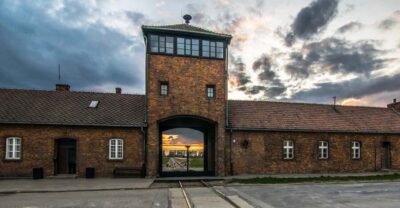
Auschwitz-Birkenau Guided Tour with Pickup & Lunch
Read our review →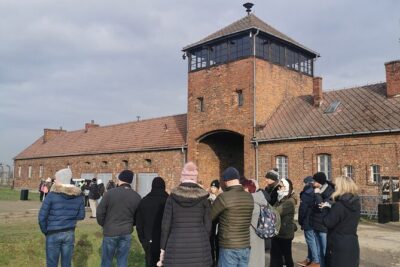
Krakow to Auschwitz Birkenau Guided Tour with Transfer and Ticket
Read our review →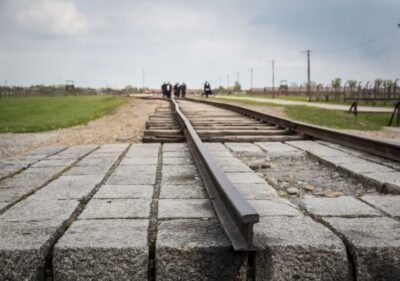
Auschwitz Birkenau Small Group Tour with Pickup
Read our review →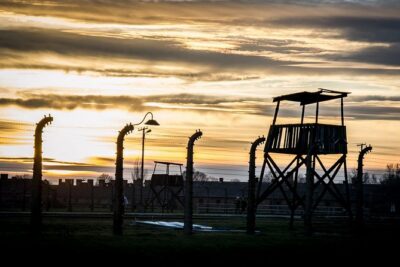
Auschwitz Birkenau Guided Tour with Ticket Hotel Pickup Small Van
Read our review →Where else this one turns up