Reviewed · KRAKOW TOURS
Krakow Jewish District Tour in a Small Group
Krakow’s Jewish story comes into focus on foot, from the old community center of Szeroka Street to the former ghetto across the river. This two-hour tour links Kazimierz’s synagogues, cemetery, courtyards, and film locations with the harder wartime history of Ghetto Heroes Square and the remaining walls.
I like the small group of up to 10, which gives your guide room to answer questions and point out details you could miss alone. I also like the clear route: Kazimierz first, the ghetto second. The main tradeoff is pace. Two hours covers a lot, so this is more of a guided introduction than a slow visit inside every building.
Key points to know
- Szeroka Street sets the scene: Begin where Jewish community life once centered, then follow the story through Kazimierz.
- Several major synagogues appear on the route: You see the Old, Remuh, Popper, Tempel, Izaak, and High Synagogues from close range.
- Remuh Synagogue has an extra cost: Entry to the synagogue and old Jewish cemetery is not included.
- The route includes Schindler’s List locations: Mrs. Dresner’s courtyard and stairs are among the film-related sites in Kazimierz.
- The ghetto section is direct and sobering: Visit Ghetto Heroes Square, surviving ghetto walls, and Eagle Pharmacy.
- Chris may be your guide: One especially attentive tour was led by Chris, though the guide can vary by departure.
Why Kazimierz is best understood on foot
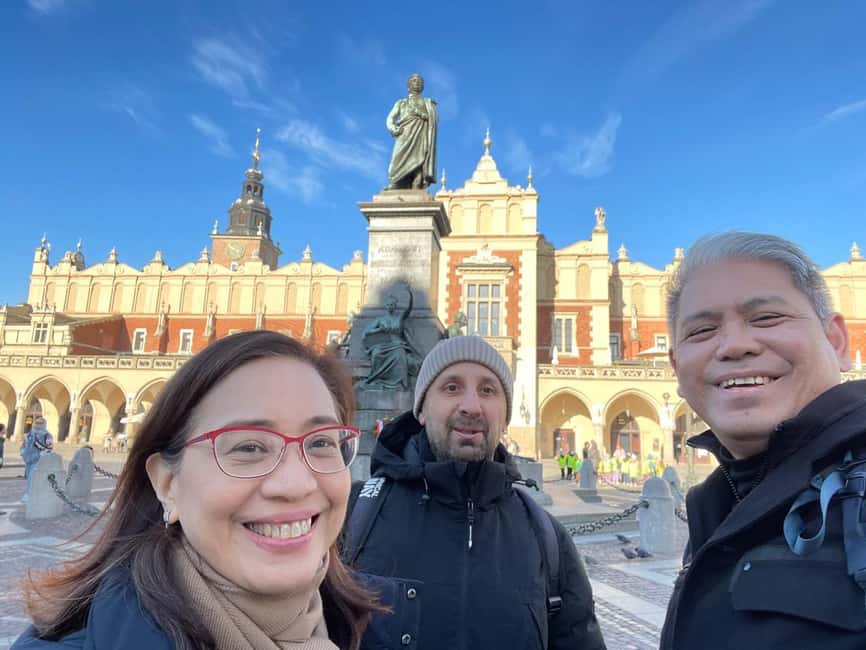
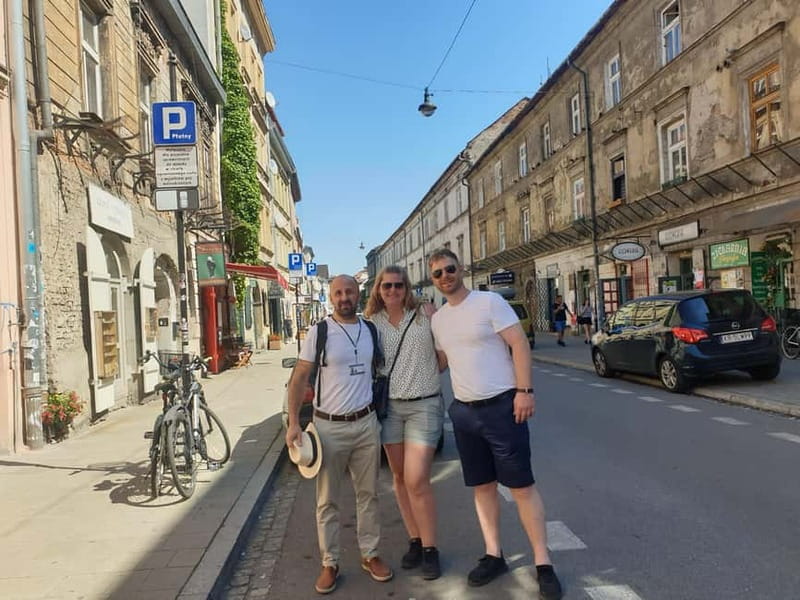
Kazimierz is not simply a district with old religious buildings. It was the center of Jewish life in Krakow for centuries, and the tour begins at Szeroka 6, right in the area where that story is easiest to picture.
The opening walk along Szeroka Street takes about 20 minutes. Your guide can connect the buildings around you with the former social life of the community, giving the street more meaning than a quick photo stop would. This is a useful start because the later synagogue visits make more sense once you understand how the quarter functioned.
You will walk from stop to stop rather than ride between sights. Wear comfortable shoes, and keep the weather in mind. The route is wheelchair accessible, but this remains a city walking tour with several stops close together.
The small-group format matters here. With no more than 10 people, you should be able to hear explanations in the street and ask about details that catch your eye. On one departure, only two people joined the tour, allowing guide Chris to give very close attention. That smaller turnout is not guaranteed, but the group limit keeps the experience more personal than a large coach outing.
A few more Krakow half days to consider
- From Krakow: Auschwitz-Birkenau Guided Tour & Hotel Pickup
★ 4.5 · 33,358 reviews - From Krakow: Auschwitz-Birkenau Guided Tour & Hotel Pickup
★ 4.5 · 29,340 reviews - Krakow: Auschwitz Guided Tour with Optional Hotel Pickup
★ 4.5 · 15,280 reviews
Szeroka Street and the first synagogues
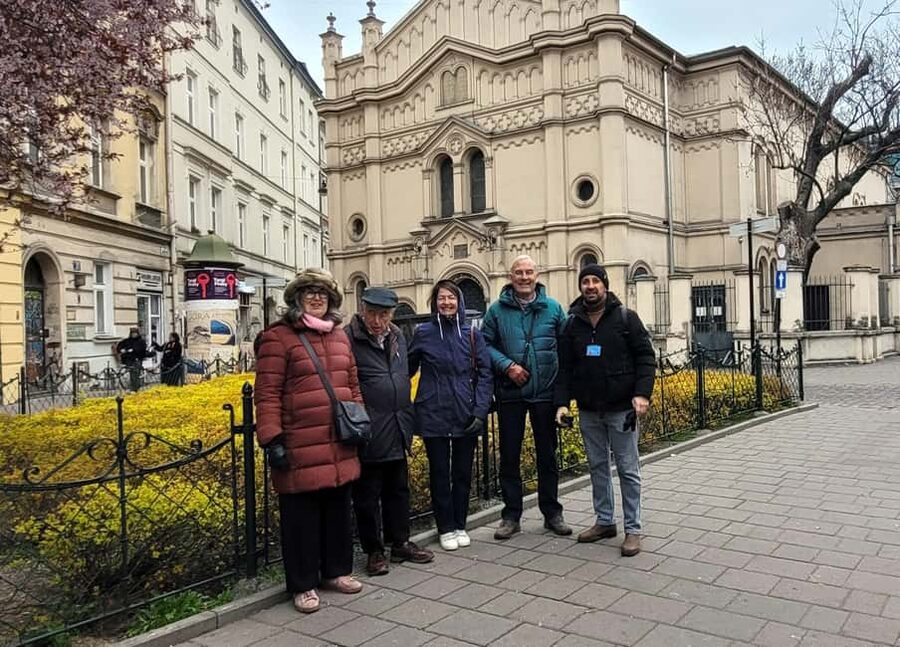
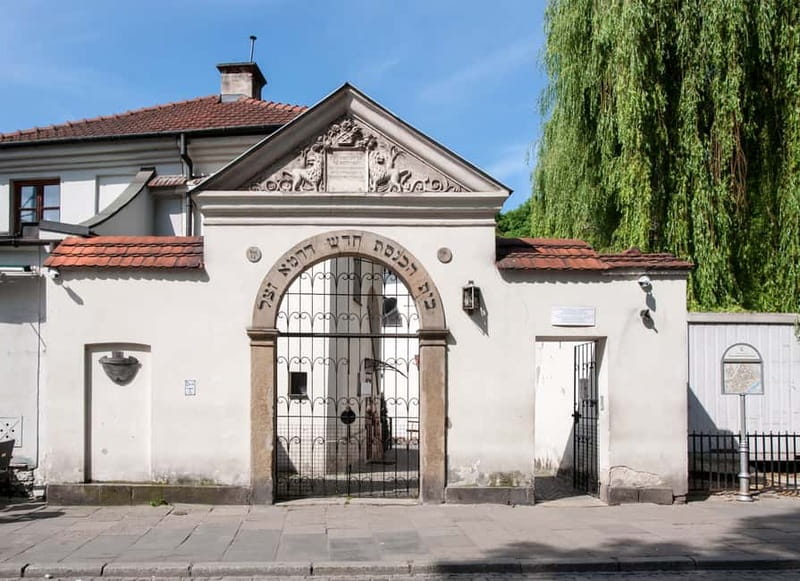
The Remuh Synagogue is one of the first major stops. It is paired with the old Jewish cemetery, and entrance to both is the one clearly stated admission cost not covered by the $59 tour price. Plan for that extra charge if you want to go inside rather than only see the site from the route.
The cemetery adds an important layer to the visit. It is not just another historic stop. Along with the synagogue, it helps you see how worship and community memory were tied together in Kazimierz. Your guide’s role is especially useful here because the meaning of the site is easy to miss if you are only looking at architecture.
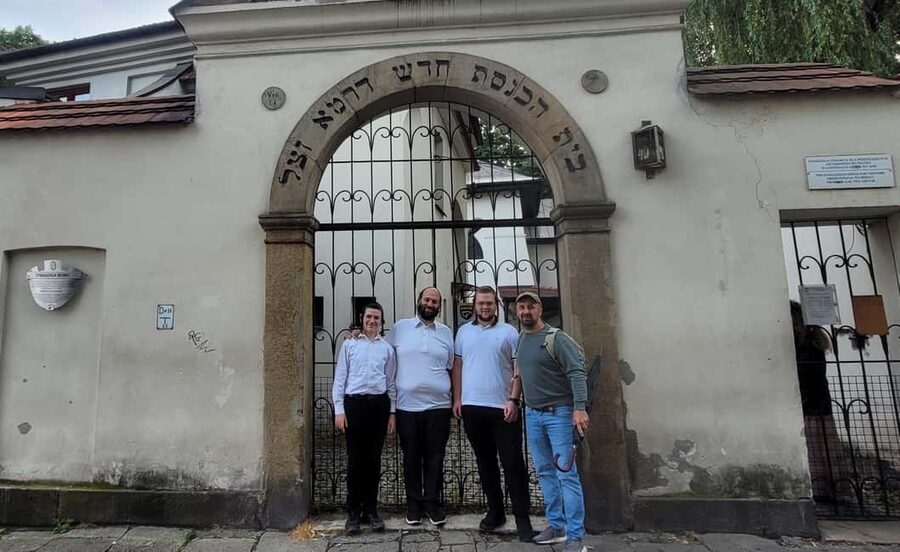
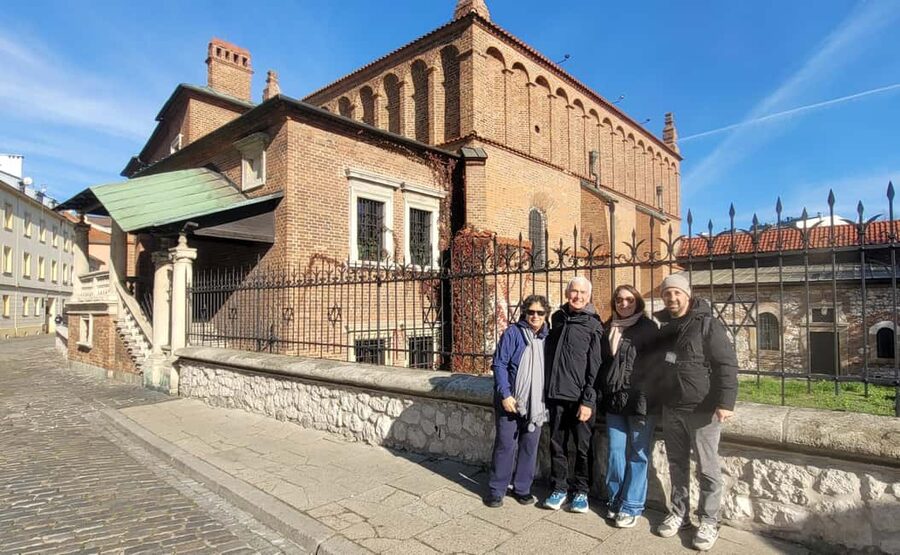
Next comes the Old Synagogue, with about 10 minutes set aside for a guided visit. Its name can sound modest, but it is one of the key places on the route for understanding Jewish Krakow. The tour does not treat Kazimierz as a collection of disconnected landmarks. Instead, the synagogue is part of a sequence that shows how religious, social, and family life occupied the same compact district.
The Popper Synagogue follows as a sightseeing stop. The planned time is short, so expect an explanation and a look rather than a long interior visit. This pattern repeats through much of the tour: you gather a series of landmarks, while the guide supplies the links between them.
From Tempel Synagogue to Plac Nowy
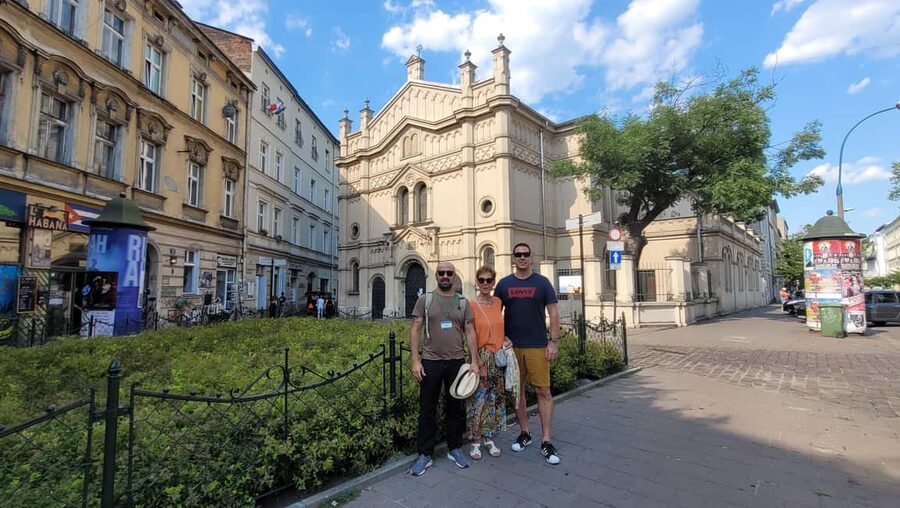
Tempel Synagogue receives about 10 minutes of guided attention. It represents the Reformed Jewish tradition and gives you a chance to compare different strands of Jewish religious life in Krakow. Seeing several synagogues in one walk is valuable because each stop gains meaning through contrast.
The route also points out the greater Mikveh building, once associated with ritual bathing, and the Helena Rubinstein family house. These are the sort of locations you might pass without noticing if you explored Kazimierz alone. They broaden the tour beyond the best-known synagogues.
The Krakow Jewish Community Center is included among the district sights as well. The route also passes Mrs. Dresner’s courtyard and stairs, a location connected with Steven Spielberg’s 1993 film Schindler’s List. Film fans will recognize the appeal, but the stop works best when treated as a doorway into the real history behind the movie, not as a film-only attraction.
Plac Nowy was a trade center for Jews in Krakow and remains a useful point for understanding how the quarter worked as a place of daily exchange. The scheduled stop is about 10 minutes. You will not have time to linger over every corner, but the guide can explain why this square mattered to the neighborhood.
This part of the walk is where the tour feels most layered. You see religious buildings, family connections, community institutions, a former ritual bath, and a trading square. The route gives you a framework for returning later if you want to explore Kazimierz at a slower pace.
Izaak, High, and the Old Synagogue circuit
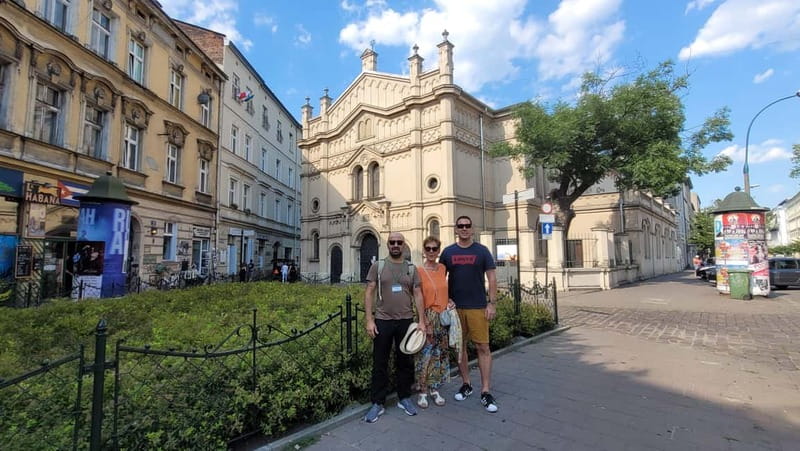
Izaak Synagogue receives about five minutes of guided attention, followed by the High Synagogue as a sightseeing stop. The short timing is worth noting. You should expect a compact explanation and exterior viewing for some locations, not a full architectural study of every synagogue.
That brisk pace is both the strength and weakness of the tour. In two hours, you reach a long list of places that would take much longer to research and find independently. The cost is that you will not spend equal time at each one.
The Old Synagogue, Remuh Synagogue, Popper Synagogue, Tempel Synagogue, Izaak Synagogue, and High Synagogue form the core of the Kazimierz section. The tour also includes the old cemetery, Mikveh building, Community Center, Rubinstein family house, Plac Nowy, and the film location.
I would treat this section as orientation. If one synagogue or site captures your interest, write it down and return later with more time. The guide’s explanations help you decide what deserves a second visit.
A different kind of day in Krakow:
- Krakow–Zakopane: Cable Car, Chocholow Baths, Cheese & Vodka
★ 5.0 · 10,720 reviews - Krakow: Auschwitz-Birkenau Guided Tour with Pickup & Lunch
★ 4.5 · 9,800 reviews - From Krakow: Wieliczka Salt Mine Tour
★ 4.6 · 9,393 reviews - Krakow: Auschwitz-Birkenau Guided Tour Pickup/Lunch Options
★ 4.5 · 9,057 reviews
Crossing into the former Jewish Ghetto
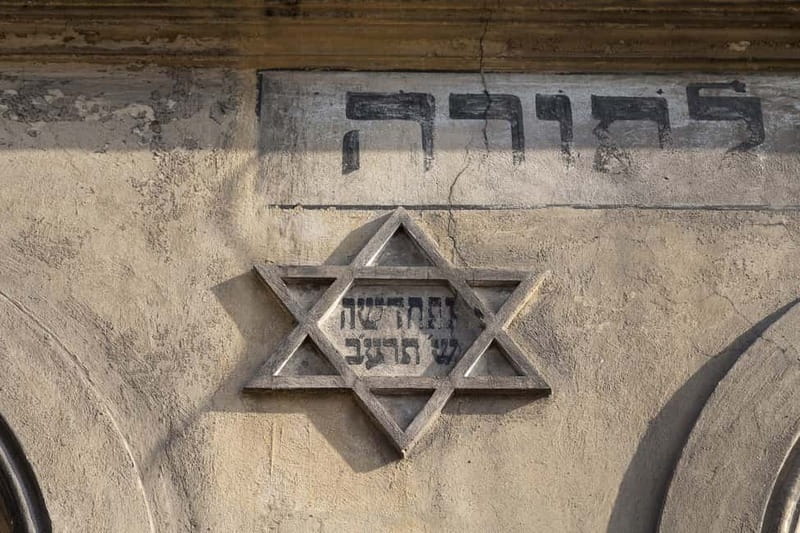
The second half shifts from the old Jewish quarter to the site of Krakow’s Jewish Ghetto, established by the Nazis during World War II. This is not simply another historic neighborhood. The change in subject and setting gives the tour a clear emotional and geographic turn.
The ghetto portion receives about 20 minutes of guided time. Your guide leads you through key locations rather than leaving you to decode the streets on your own. That context matters, especially because traces of the former ghetto can be less immediately obvious than the synagogues of Kazimierz.
The remaining ghetto walls are among the most direct physical reminders on the route. They help show how confinement was imposed through the built environment. A short explanation beside the wall can communicate more than a distant view or an isolated photograph.
The tour also includes the site of the former Jewish Ghetto itself. You will need to listen closely during this part, since the scheduled time is limited and the subject carries substantial historical weight. The guide’s local perspective is useful for placing individual sites within Krakow’s wider wartime story.
Ghetto Heroes Square and Eagle Pharmacy
Ghetto Heroes Square is the final major stop, with about 10 minutes for sightseeing. Its name points to the people caught in the ghetto’s history, and the square gives the wartime section a strong closing point.
The Eagle Pharmacy is another important location. It was owned by the ghetto’s only non-Jewish resident, a detail that makes the building more than a simple address on a walking route. The pharmacy is tied to the daily reality of the ghetto and to the people who witnessed what happened there.
This is the point where the tour’s structure pays off. You have first seen the institutions and streets of prewar Jewish Krakow. You then move to the place where that community was forcibly confined during the war. The connection is stark, and a guide helps prevent the visit from becoming a disconnected list of monuments.
The route does not appear to include entry to every building or museum. That is important for expectations. You are booking a guided outdoor walk with selected synagogue and site visits, not a full museum program.
What the $59 price really covers
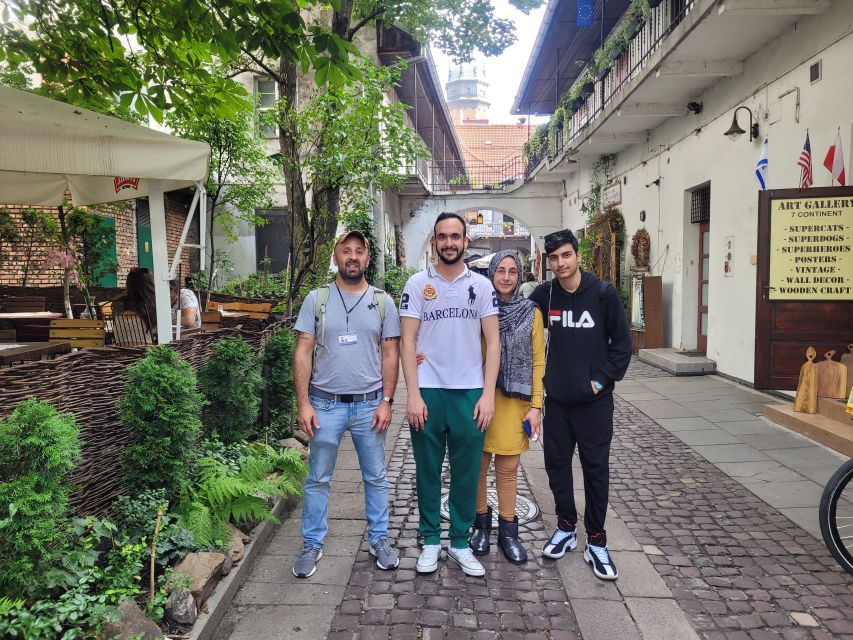
At $59 per person, the tour sits in the midrange for a short guided city experience. The price includes the licensed tour guide, English-language service, and the small-group format. It does not include entry to Remuh Synagogue and the Jewish cemetery.
I see the value in the guide rather than in the number of stops alone. Kazimierz has enough synagogues, courtyards, plaques, and wartime references to make self-guided wandering possible, but the connections are not always clear. A local licensed guide can organize those details into a two-hour story.
The value is strongest if this is your first serious look at Krakow’s Jewish history. You receive a useful map of the district, learn which sites deserve more time, and reach the former ghetto without having to plan the route yourself.
The value is weaker if you want long interior visits, extended photography time, or a quiet historical study of one synagogue. The schedule moves quickly, and the additional Remuh admission should be included in your budget.
You can cancel up to 24 hours before the tour for a full refund, and the reserve-now, pay-later option lets you hold a place without paying at once. Those terms are useful when your Krakow plans are still shifting. Starting times vary, so check availability before arranging other activities around it.
Who should choose this Krakow walk
I would recommend this tour to a first-time Krakow visitor who wants a clear introduction to Kazimierz and the former ghetto in one outing. It also suits anyone who prefers a small group and wants to ask questions without competing with dozens of other people.
It is a good match for history-focused visitors, film fans interested in Schindler’s List, and people who want to understand more than Krakow’s main market square. The route includes both religious heritage and World War II sites, so you get two connected parts of the city’s past.
Families with older children may appreciate the straightforward walking format, though the ghetto section is serious and requires attention. The tour is wheelchair accessible, which makes it a practical choice for visitors seeking an accessible option.
I would look elsewhere if your main aim is a long synagogue interior tour or a museum visit. The route covers many locations in a short time, and some stops are exterior sightseeing rather than extended visits.
Practical advice before you go
Meet at Szeroka 6, the starting point in Kazimierz. The tour is conducted in English, and the group can include up to 10 participants.
Allow the full two hours, even though several stops are brief. The listed schedule includes roughly 20 minutes on Szeroka Street, short visits at the synagogues and square, and a final ghetto section. In practice, the guide needs to keep the group moving to connect all these places.
Wear shoes suited to city streets. Bring water and dress for the weather, since this is a walking tour. If entering Remuh Synagogue and the old cemetery matters to you, carry money for the separate entrance fee.
Ask questions early if you have a particular interest, such as Jewish religious traditions, the film locations, the ghetto walls, or Krakow families connected with the district. A small group gives you a better chance to shape the conversation.
The rating is 4.8 from nine reviews, and the strongest praise centers on clear historical explanation and personal attention. One particularly small departure had only two people with Chris as guide, which allowed for detailed attention. I would not count on having a two-person tour, but the 10-person limit is still a meaningful advantage.
Should you book this tour?
Book it if you want a compact, well-organized introduction to Jewish Krakow, especially if you are new to Kazimierz. The combination of Szeroka Street, six synagogues, the old cemetery, Plac Nowy, Schindler’s List locations, the ghetto walls, Heroes Square, and Eagle Pharmacy gives you a lot in two hours.
Skip it if you prefer to linger at each site or want entrance-led visits throughout. For most visitors, I think the $59 price is justified by the licensed guide, the small group, and the careful link between Kazimierz and the former ghetto. Add the Remuh admission, expect a brisk pace, and you will have a useful first chapter in understanding Krakow’s Jewish past.
FAQ
Where does the Krakow Jewish District Tour begin?
The tour begins at Szeroka 6 in Krakow’s Kazimierz district.
How long does the tour last?
The walking tour lasts two hours. Starting times vary, so check availability when booking.
What language is the tour conducted in?
The tour is conducted in English by a live licensed guide.
How large is the group?
The small group is limited to 10 participants. Some departures may be smaller.
Is the Remuh Synagogue entrance included?
No. The entrance fee to Remuh Synagogue and the old Jewish cemetery is not included in the tour price.
Which synagogues are included in the route?
The route includes the Remuh, Old, Popper, Tempel, Izaak, and High Synagogues.
Does the tour visit the former Jewish Ghetto?
Yes. The route includes the former ghetto site, surviving ghetto walls, Ghetto Heroes Square, and Eagle Pharmacy.
Recently added in Krakow
- Auschwitz-Birkenau and Krakow Private Car Trip from Katowice★ 4.3 · 3 reviews
- Wawel Castle, Old Town with St. Mary’s Church Guided Tour★ 5.0 · 3 reviews
- Wawel Castle, Cathedral, Rynek Underground Tour with Lunch★ 5.0 · 3 reviews
- From Krakow: Chocholow Thermal Hot Springs (hotel pick up)★ 5.0 · 3 reviews
- Private tour to Zakopane and Thermal Baths from Krakow★ 5.0 · 3 reviews
- Legends of Cracow ROBOTIC SHOW★ 4.0 · 3 reviews
- From Krakow: Zakopane and Thermal Pools Guided Trip★ 5.0 · 3 reviews
- Guided Beer Tour in Krakow★ 4.5 · 3 reviews
Krakow Tours, compared.
Auschwitz-Birkenau Guided Tour & Hotel Pickup
Read our review →Auschwitz Guided Tour with Optional Hotel Pickup
Read our review →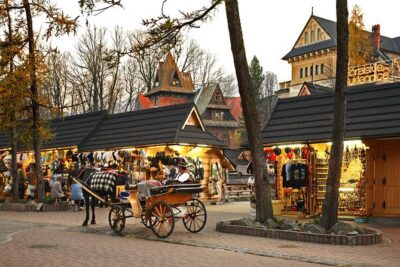
Zakopane: Cable Car, Chocholow Baths, Cheese & Vodka
Read our review →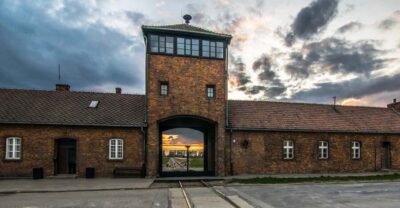
Auschwitz-Birkenau Guided Tour with Pickup & Lunch
Read our review →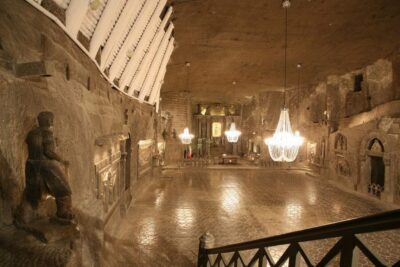
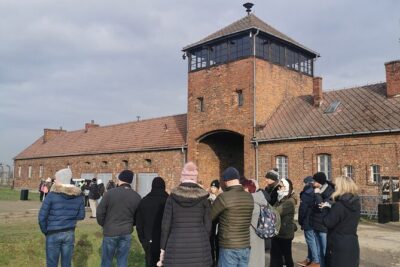
Krakow to Auschwitz Birkenau Guided Tour with Transfer and Ticket
Read our review →
Wieliczka Salt Mine Guided Tour with Transport
Read our review →