Reviewed · KRAKOW TOURS
From Krakow: Zalipie and Painted Village Guided Tour
Zalipie is the sort of Polish village that makes you stop checking your phone. Its homes, fences, wells, stoves, and church decorations carry cheerful flowers and bold folk designs. I like the hotel pickup and drop-off, which removes a tedious rural transport puzzle, and I like the chance to see handmade work in the village rather than only buying mass-produced souvenirs in Krakow.
I also like the small-group format, limited to 15 people, and the chance to meet local painters at several stops. The main caution is simple: the museum admission information is contradictory. The details say both that entry is included and that it costs extra, and two bookings found that they had to pay separately. Confirm this before departure, and carry cash because the village gift shops may not accept cards.
Key points to know before you book
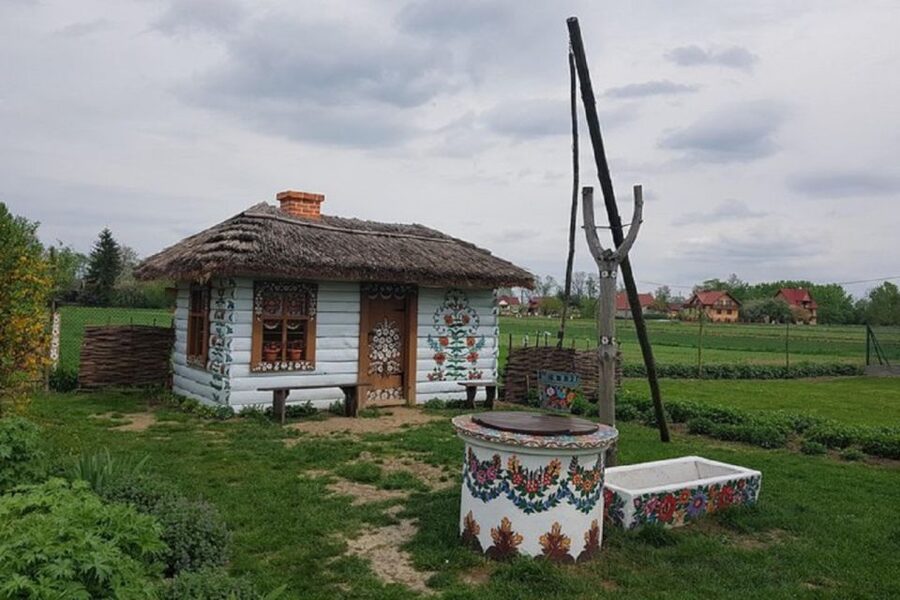
- Zalipie’s painted homes are the main event: Expect flower designs on walls, stoves, fences, and household features rather than one single landmark.
- Felicja Curyłowa’s former home adds context: The small museum shows how the village’s best-known folk artist lived and worked.
- Your guide makes a big difference: Guides including Ziggy, Volchek, and Wojtek have made the day pleasant for past groups, but the quality of interpretation may vary.
- Bring lunch or ask about a food stop: Food and drinks are not included, and finding a meal in Zalipie is not guaranteed.
- Carry Polish cash: Small shops may have no card machine, especially in this rural setting.
- Spring and warmer months are the safest bet: December visits can be charming, but closures, roadwork, and cold weather may limit what you see.
Why Zalipie is worth the long ride from Krakow
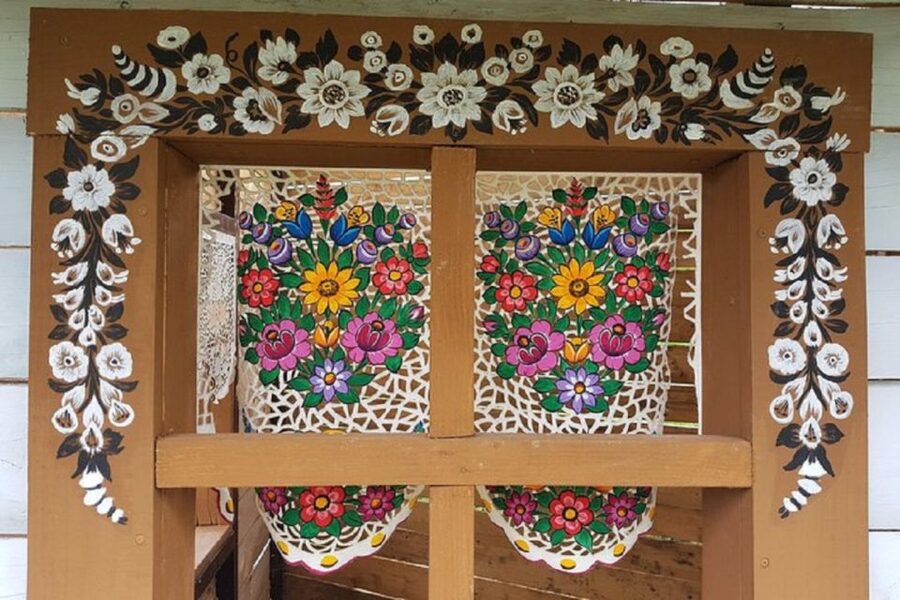
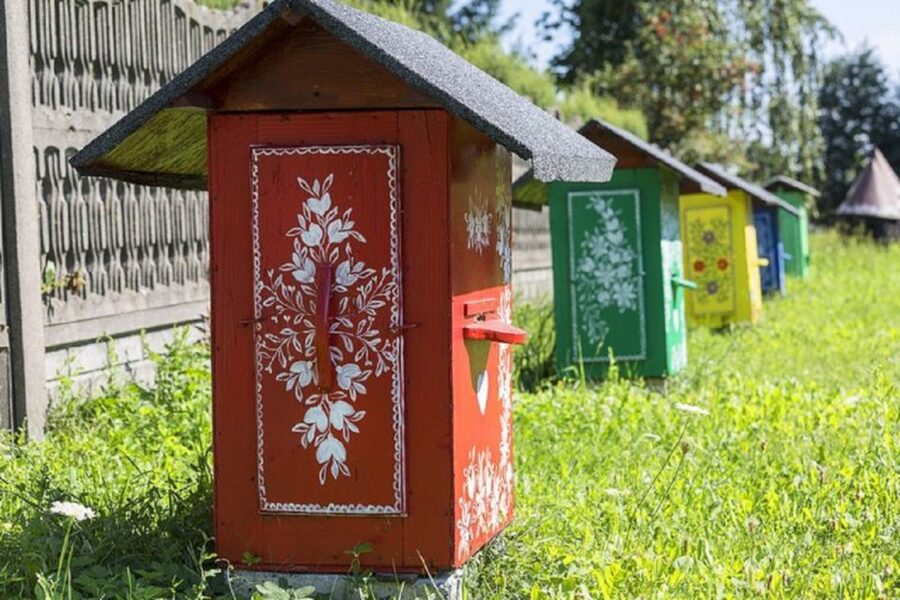
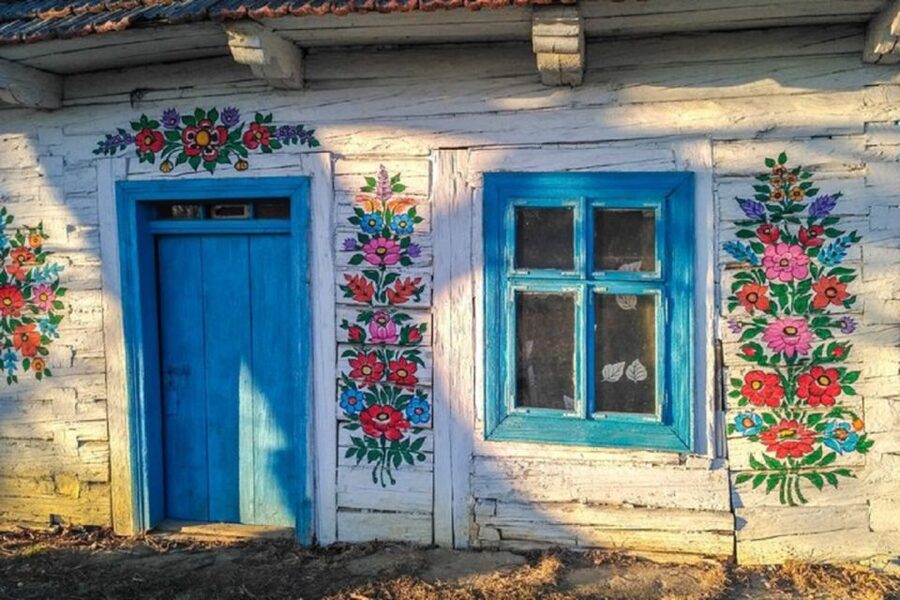
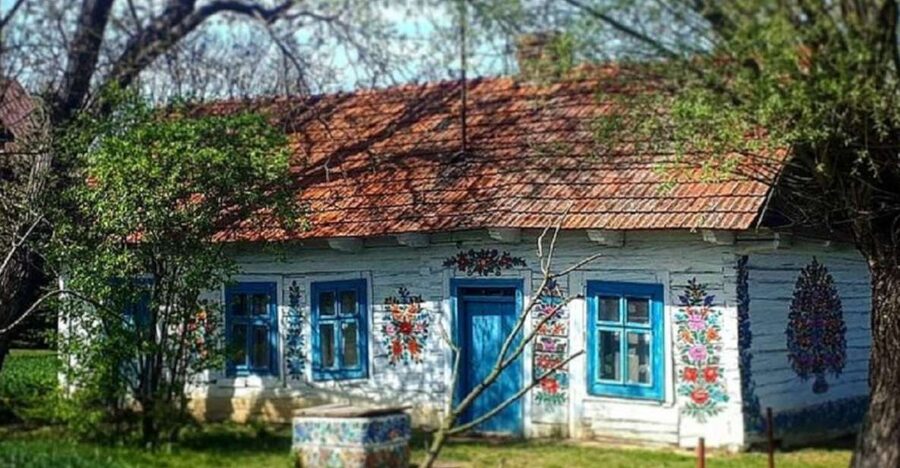
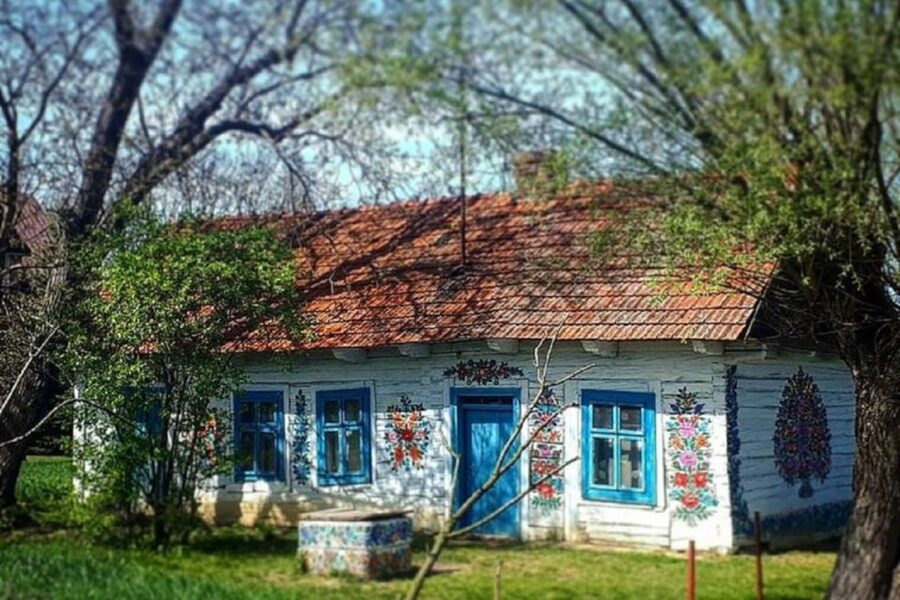
Zalipie is a small village in southeastern Poland known for its painted folk decorations. The art is not confined to a museum wall. You may see flowers painted on house exteriors, ovens, fences, wells, and other parts of daily life. Crepe-paper flowers and paper-cut designs add a handmade touch that photographs well without feeling like a theme park.
That difference matters. In Krakow, you can admire Polish folk craft in shops and museums. In Zalipie, you see how decoration became part of village life. The attraction is spread through the community, so the day works best if you enjoy looking closely at ordinary buildings and hearing how a local tradition grew.
The tour description calls Zalipie one of Poland’s most beautiful and most photographed villages. Those labels are subjective, but the painted homes do give the place a clear identity. You are not going for grand architecture or a packed schedule of major sights. You are going for color, craft, small-scale encounters, and a rural setting far removed from Krakow’s old town.
A few more Krakow half days to consider
- From Krakow: Auschwitz-Birkenau Guided Tour & Hotel Pickup
★ 4.5 · 33,358 reviews - From Krakow: Auschwitz-Birkenau Guided Tour & Hotel Pickup
★ 4.5 · 29,340 reviews - Krakow: Auschwitz Guided Tour with Optional Hotel Pickup
★ 4.5 · 15,280 reviews
The eight-hour outing from your Krakow hotel
The day begins with pickup at your Krakow hotel. That is a real benefit because Zalipie is not a simple hop from the city center, and arranging rural connections on your own would take extra planning. You ride in an air-conditioned vehicle with a driver who also acts as your tour leader.
The total duration is about eight hours, including transport time and the village visit. That makes this a full day rather than a quick side trip. I would set aside the day without adding another Krakow attraction afterward. Road conditions can affect the schedule, and one winter booking was affected by road construction.
The group is limited to 15 people. That is small enough to make questions practical, though it is not the same as a private tour. If you want personal attention at every house, a private arrangement may suit you better. If you want a simpler day with transport and a guide already organized, this format is more convenient.
English is the stated tour language. Guides have included Ziggy, Volchek, and Wojtek. The personal style may vary, so it is worth asking questions as you go. One past outing had a driver who had not visited Zalipie for a year and relied on a map rather than a settled route. That is a useful warning: the guide’s current familiarity with the village can shape the day.
Walking among flower-painted homes
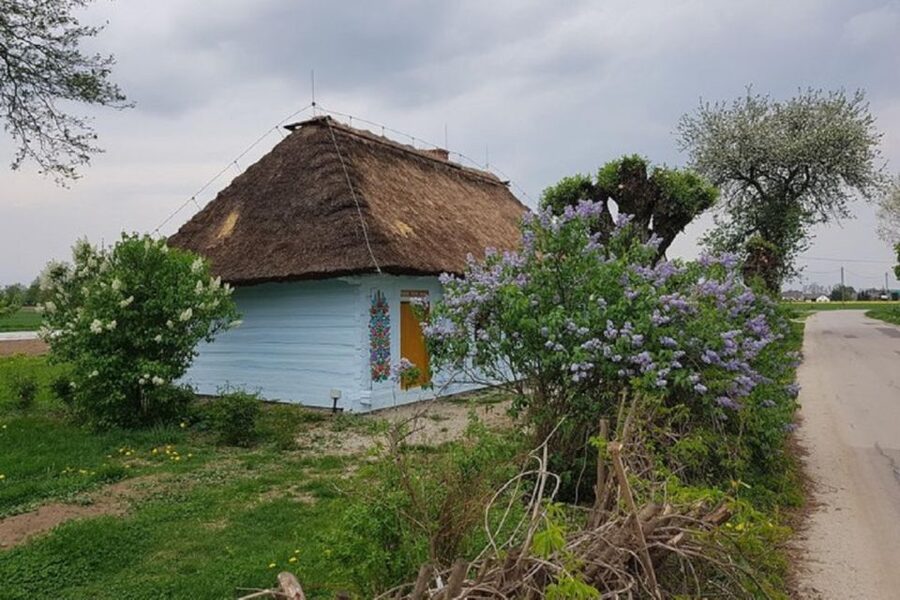
The village visit is not just a photo stop at one colorful house. You move through an area where the decoration appears across homes and local buildings. Look for painted flowers, cheerful wall patterns, crepe-paper flowers, and paper-cut designs.
Some of the most interesting details are domestic. Painted stoves show that this tradition was once tied to the home, not only to public display. The designs turn everyday structures into works of folk art. You may also have the chance to visit personal homes and meet local painters, an opportunity that gives the art a human face.
Your guide should explain how the style began and why it continued. This is where the tour either earns its keep or falls short. A good explanation helps you see more than pretty walls. It connects the designs with local customs, household life, and the people who kept the practice going.
One previous outing included little explanation about the original painter or the individual houses. If you book, ask directly about the history of the art, Felicja Curyłowa, and the homes you are seeing. You should not need to stand silently with a camera while the guide points at a map.
The village is especially appealing to photographers, families, and anyone interested in Polish folk art. The colors, flowers, birds, and bees create plenty to notice. Still, the setting is rural and spread out. This is not a tightly packed sightseeing circuit with a new major sight every ten minutes.
Felicja Curyłowa’s home museum
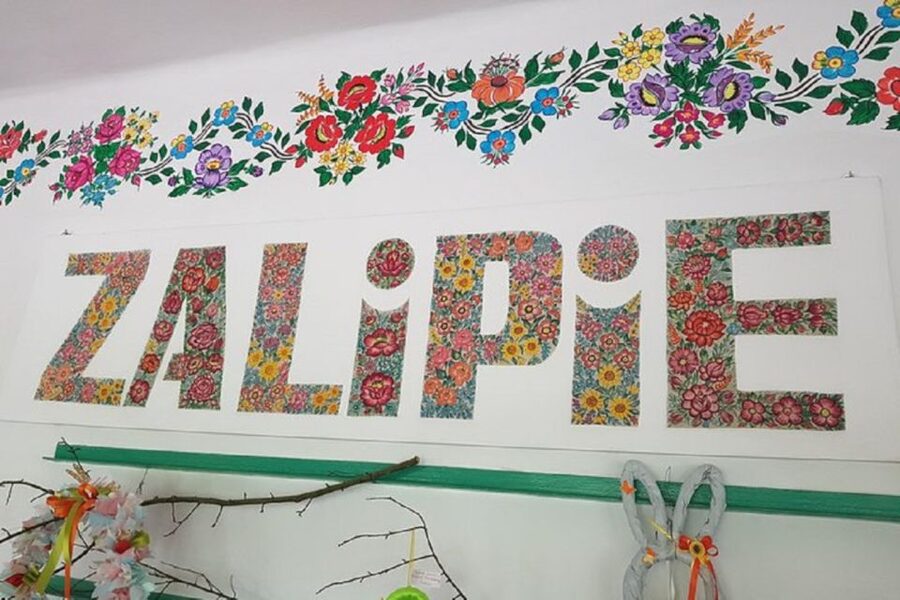
The Homestead of Felicja Curyłowa is the most important cultural stop. Curyłowa was the best-known practitioner of the folk-art tradition associated with Zalipie, and the museum occupies her former home. Seeing the art in a lived-in setting gives the village’s decoration more meaning.
The museum is small, so do not expect a huge collection or a long indoor program. Its value comes from the connection between the person, the home, and the wider village custom. It helps answer a basic question: how did painted flowers move from personal household decoration into a local tradition recognized across Poland?
There is an important practical problem here. The activity details say museum entry is included, while another section says admission is not included and requires an extra fee. Two bookings also found that admission had to be paid separately. Treat the ticket as an extra unless Tourvan.pl confirms otherwise in writing before you go.
The museum tour may also be conducted only in Polish. That creates a real issue for English speakers if the guide does not accompany you inside or explain the displays afterward. Ask your guide to join the visit or provide a clear English explanation. If that is not possible, you will still see the rooms and decorations, but you may miss much of the story.
A different kind of day in Krakow:
- Krakow–Zakopane: Cable Car, Chocholow Baths, Cheese & Vodka
★ 5.0 · 10,720 reviews - Krakow: Auschwitz-Birkenau Guided Tour with Pickup & Lunch
★ 4.5 · 9,800 reviews - From Krakow: Wieliczka Salt Mine Tour
★ 4.6 · 9,393 reviews - Krakow: Auschwitz-Birkenau Guided Tour Pickup/Lunch Options
★ 4.5 · 9,057 reviews
The painted church and local encounters
The village church is another highlight. The supplied details do not specify its formal name or opening arrangements, so you should not assume you will receive a long interior visit. Still, the painted church adds an important public and religious setting to a tradition otherwise seen mainly on homes.
You may also meet local painters at several stops. This is one of the strongest parts of the day because you can connect the designs with people who still practice the craft. A handmade souvenir bought directly in the village carries more meaning than a generic item from a city shop, and your purchase can support local makers.
Keep your expectations flexible. A December visit found many things closed, and winter conditions limited what could be seen. The guide still made that outing pleasant, but spring or another milder season is a better choice if your priority is open museums, local encounters, and time outside.
Food, souvenirs, and the cash you should pack
Food and drinks are not included. An eight-hour trip is a long stretch without a proper meal, so I would bring a packed lunch, snacks, and water from Krakow. Do not rely on finding a convenient restaurant once you reach the village.
A previous group had to ask for a food stop, and the driver was unsure where to go. That does not mean every departure will have the same problem, but it does mean you should raise the question at pickup. If a stop is planned in Zalipie, buying food locally may also keep more money in the village.
The souvenir shop is small and focused on handmade items. You may find distinctive local pieces rather than the standard Krakow magnets and T-shirts. Carry cash in Polish złoty because the gift shops may not have card machines. This is one of the most useful tips for the day. A charming souvenir is less charming if you cannot pay for it.
Personal expenses are not included, so budget separately for museum admission if required, food, and crafts. The tour price is $132 per person. That is not cheap for a day centered on a small village, but it includes hotel transport, an air-conditioned vehicle, and an English-speaking driver-guide. For you, the value depends mainly on how much you would pay for convenience and rural access.
Is $132 a fair price?
I would judge the price by comparing it with the effort of going alone. Hotel pickup saves you from reaching a distant departure point. Transport is arranged, the driver knows the destination, and you can spend the day looking rather than managing connections.
The price is less convincing if the guide provides little history, the route is uncertain, or you must pay extra for a museum ticket that you expected to be included. Since the museum admission wording is inconsistent, this is not a minor detail. Confirm the final price and inclusions before booking.
The small group helps. Fifteen people is more manageable than a large coach, particularly when entering a small home museum or talking with a local artist. It does not guarantee a private conversation, but it gives the guide a better chance to answer questions.
I would recommend the tour most strongly to visitors who have already seen Krakow’s main sights and want a different side of Lesser Poland. It also suits photographers, folk-art fans, and anyone who prefers a rural cultural outing to another city museum. It is less suitable if you need a highly polished, tightly timed tour with guaranteed meals and constant English commentary.
Weather, timing, and physical limits
The tour lasts eight hours, and you should expect time in the vehicle plus walking around the village. The provided information does not give a detailed distance or walking route, so ask the operator about the day’s walking requirements if that matters to you.
The tour is not suitable for wheelchair users. The village setting, private homes, and small museum spaces may make access difficult. Guests should bring a passport or ID card.
Season matters. A spring visit should give you the best chance of pleasant outdoor conditions and open stops. The village’s flowers are painted, not dependent on summer blooms, but good weather makes it easier to move between homes and take photographs.
Winter can still work if you want a quiet day and do not mind closures. One December outing was affected by road construction and closed places, yet the driver kept the mood pleasant. That is a reminder to choose the season based on your priorities, not only the advertised photographs.
What kind of guide experience should you expect?
The driver is also your guide, so the person behind the wheel shapes the day. Ziggy was praised for making a pleasant outing, Volchek handled a difficult winter day well, and Wojtek was described as gracious and accommodating. Those names suggest the company can provide warm, helpful staff.
At the same time, a good driver is not automatically a strong local interpreter. One outing lacked clear information about the original painter and the houses because the guide had not been to Zalipie recently. You can improve the experience by asking questions early:
- How will the village route work today?
- Will you come into the Curyłowa museum?
- Is museum admission included?
- Where can we eat or buy lunch?
- Can we meet a local painter?
Those questions are practical, not demanding. They help you find out how much structure the day has before you are already deep in the countryside.
Should you book the Zalipie tour?
Book it if you want an easy Krakow day trip built around Polish folk art, colorful homes, local craft, and a slower rural setting. The hotel pickup, air-conditioned transport, and small group are strong reasons to pay for the organized option. The painted homes, church, Curyłowa homestead, and local encounters give you more than a quick photo stop.
I would book in spring or another mild season, bring lunch and cash, and confirm the museum fee in advance. I would also ask for a guide who knows the current village route and can explain the museum in English.
Skip it if your main goal is a guaranteed meal, a fully scripted commentary, or a packed day of major monuments. The tour can be excellent when the guide is prepared, but the experience has some moving parts. For the right visitor, that rural, human scale is exactly the appeal.
FAQ
How long is the tour from Krakow to Zalipie?
The tour lasts about eight hours, including transportation from Krakow and the return to your hotel.
Does the tour include hotel pickup and drop-off?
Yes. Pickup and drop-off at your Krakow hotel are included.
What language is the tour conducted in?
The tour is conducted in English with a live English-speaking guide.
How large is the group?
The tour is described as a small-group activity limited to 15 participants.
Is the museum admission included?
The information is inconsistent. One section says the entrance ticket is included, while another says museum entry costs extra. Confirm this with Tourvan.pl before departure.
Is food included?
No. Food and drinks are not included. Bring lunch, snacks, and water, or ask the guide about a possible food stop.
Should I bring cash?
Yes. Cash is strongly recommended because the small gift shops may not have card machines. You may also need cash if museum admission is charged separately.
What should I bring?
Bring a passport or ID card. You should also bring money for personal expenses and consider packing food and drinks for the long day.
Is the tour suitable for wheelchair users?
No. The tour is listed as unsuitable for wheelchair users.
Recently added in Krakow
- Auschwitz-Birkenau and Krakow Private Car Trip from Katowice★ 4.3 · 3 reviews
- Wawel Castle, Old Town with St. Mary’s Church Guided Tour★ 5.0 · 3 reviews
- Wawel Castle, Cathedral, Rynek Underground Tour with Lunch★ 5.0 · 3 reviews
- From Krakow: Chocholow Thermal Hot Springs (hotel pick up)★ 5.0 · 3 reviews
- Private tour to Zakopane and Thermal Baths from Krakow★ 5.0 · 3 reviews
- Legends of Cracow ROBOTIC SHOW★ 4.0 · 3 reviews
- Guided Beer Tour in Krakow★ 4.5 · 3 reviews
- From Krakow: Zakopane and Thermal Pools Guided Trip★ 5.0 · 3 reviews
Krakow Tours, compared.
Auschwitz-Birkenau Guided Tour & Hotel Pickup
Read our review →Auschwitz Guided Tour with Optional Hotel Pickup
Read our review →
Zakopane: Cable Car, Chocholow Baths, Cheese & Vodka
Read our review →
Auschwitz-Birkenau Guided Tour with Pickup & Lunch
Read our review →
Krakow to Auschwitz Birkenau Guided Tour with Transfer and Ticket
Read our review →
Wieliczka Salt Mine Guided Tour with Transport
Read our review →