Reviewed · KRAKOW TOURS
Kraków Holocaust Tour
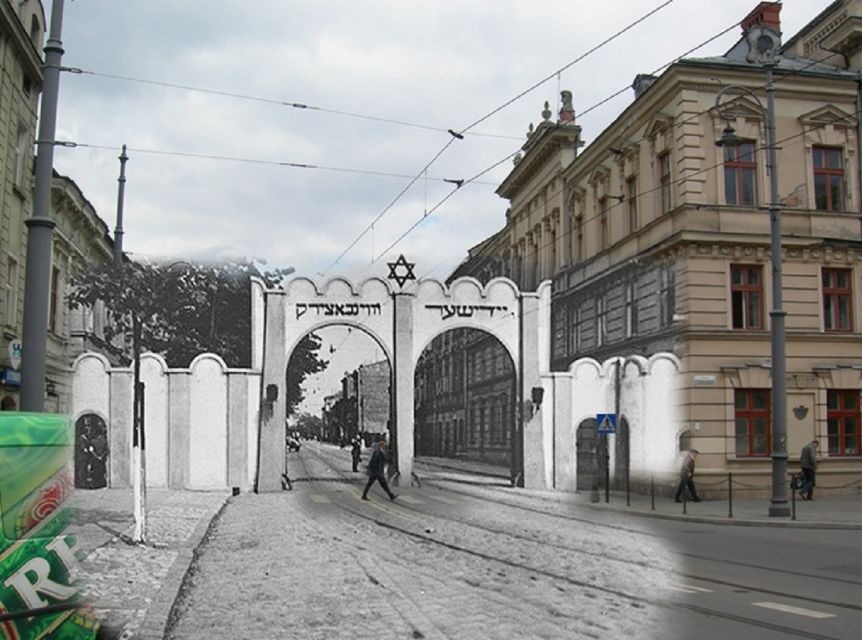
Krakow’s former Jewish ghetto still has much of its wartime shape, so this two-hour walking tour puts you in front of actual walls, streets, and buildings tied to Nazi occupation. The focus is not just on dates. You’ll learn how the ghetto was organized and what daily life was like inside it.
I like two things here: the tour covers the whole former ghetto, not just a few famous stops, and it ends at Pharmacy Under the Eagle, one of Krakow’s key museums on this subject. The main consideration is that this is a serious, emotionally heavy walk, and the experience is offered in Spanish only.
Key points
- The entire Krakow ghetto: Follow the former boundaries, old gates, walls, and important buildings rather than seeing only one small section.
- A Spanish-speaking history guide: The guide has graduate training in Geography and History and explains how Nazi ghettos operated.
- Ghetto Heroes Square: See the famous chairs memorial and learn why this open space became such a powerful symbol.
- Buildings with wartime roles: Pass former hospitals, factories, police agencies, labor organizations, a prison, orphanages, a synagogue, and other important sites.
- Pharmacy Under the Eagle: Finish at the well-known museum connected with life and aid inside the ghetto.
- Good value at $16: For two hours of guided historical context, the price is low, though food, drinks, and any unspecified museum admission are not included.
Why Krakow’s ghetto is best understood on foot
The former Krakow ghetto is in the Podgórze district, across the Vistula from the old town. Much of the area still looks close to how it did during the war. Old houses remain, along with buildings that once served official, medical, industrial, religious, and social functions.
That physical setting matters. A classroom explanation can tell you that the Nazis sealed Jewish residents into a restricted district. Walking the former streets lets you see the scale of that system and how many ordinary buildings were drawn into it.
I value tours like this when they explain both the large policy and the small daily reality. Here, you are not only told why ghettos were created. You also examine how authorities controlled movement, work, housing, policing, health care, and community organization.
The tour is presented as the only Krakow walk covering the old ghetto in full. That makes it a good choice if you want more than the standard memorial stop. The route is intended to give you a connected picture of the district rather than a handful of isolated points.
A few more Krakow half days to consider
- From Krakow: Auschwitz-Birkenau Guided Tour & Hotel Pickup
★ 4.5 · 33,358 reviews - From Krakow: Auschwitz-Birkenau Guided Tour & Hotel Pickup
★ 4.5 · 29,340 reviews - Krakow: Auschwitz Guided Tour with Optional Hotel Pickup
★ 4.5 · 15,280 reviews
Understanding how the Nazi ghetto system worked
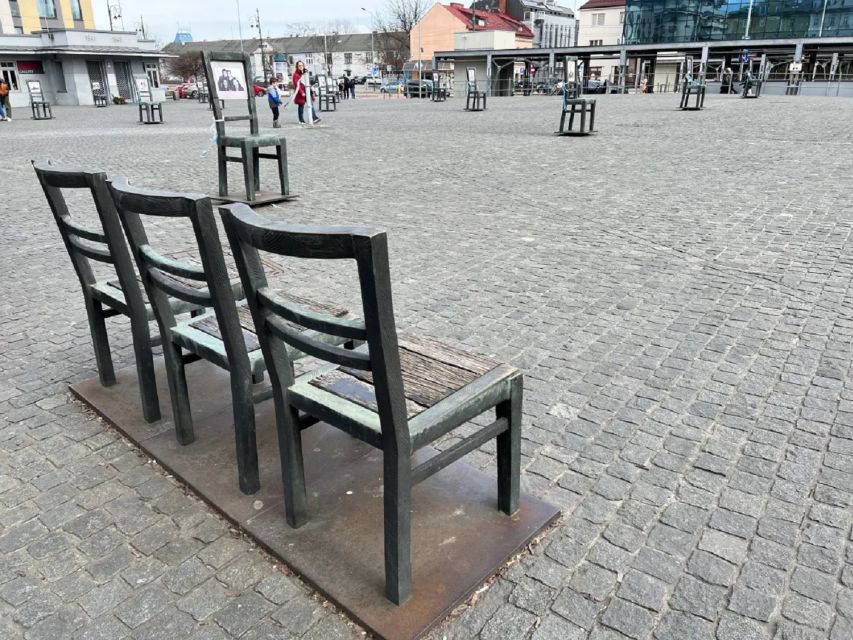
One of the tour’s central questions is how ghettos functioned under Nazi occupation. The guide explains their purpose and compares the Krakow ghetto with other ghettos in Poland.
That comparison helps you place Krakow in a wider setting without losing sight of the local story. You can expect attention to the way the district was organized, the institutions that operated there, and the stages of persecution that shaped life between 1941 and 1943.
The ghetto was not simply a neighborhood with a wall around it. It was a controlled system. The tour looks at the authorities and organizations that helped manage it, including the Judenrat, police agencies, labor organizations, hospitals, and prison facilities.
For me, this is where the tour earns its low price. The physical remains are important, but they need explanation. A preserved building only becomes meaningful when you understand what happened there and how it fit into the machinery of occupation.
The two surviving fragments of the ghetto wall
The remaining wall fragments are among the clearest physical reminders of the former district. You’ll see the two sections included in the route and hear how they relate to the wider boundary.
A wall can look simple at first. The guide’s job is to connect it with the ghetto’s purpose, the restriction of movement, and the separation imposed on Jewish residents. These fragments help turn an abstract boundary into something you can see and touch.
Do not expect a large, intact fortification surrounding the full district. The ghetto has changed, and only parts of the wall survive. Still, the fragments are valuable because they sit within an area where many older buildings remain.
This is also a place to slow down. The walk is only two hours, but the subject rewards attention more than speed. Comfortable shoes are listed as essential, and that is sensible for a route built around streets and multiple stops.
Ghetto Heroes Square and the famous chairs
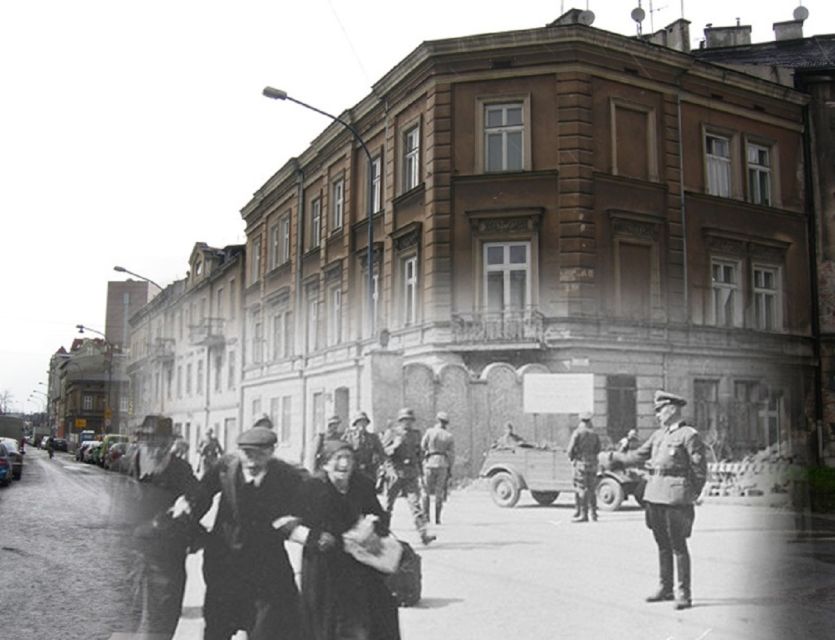
Ghetto Heroes Square, often called the Square of Chairs, is one of the tour’s most memorable stops. The chairs form a stark memorial and give the square a strong visual identity.
The guide uses this space to explain the ghetto’s history and the events connected with its destruction. The chairs are not a decorative detail. They make absence visible, suggesting the homes, belongings, and people taken away from the district.
This stop also helps you understand the area as a real neighborhood rather than a collection of museum exhibits. The square is part of the living city, yet it carries the memory of the former ghetto in a direct and public way.
I like that the tour includes both this well-known memorial and less familiar sites. You get the major symbol, but you also spend time looking at the structures that supported daily life and administration.
A different kind of day in Krakow:
- Krakow–Zakopane: Cable Car, Chocholow Baths, Cheese & Vodka
★ 5.0 · 10,720 reviews - Krakow: Auschwitz-Birkenau Guided Tour with Pickup & Lunch
★ 4.5 · 9,800 reviews - From Krakow: Wieliczka Salt Mine Tour
★ 4.6 · 9,393 reviews - Krakow: Auschwitz-Birkenau Guided Tour Pickup/Lunch Options
★ 4.5 · 9,057 reviews
Hospitals, factories, orphanages, and working life
The route includes former hospitals, factories, orphanages, labor organizations, and other buildings connected with the ghetto. Each type of site adds a different piece to the story.
Hospitals point to the constant pressure on health and care. Factories and labor organizations show how work was tied to survival and control. Orphanages reveal the particular vulnerability of children and families. These stops prevent the history from becoming only a story of officials and deportations.
You will also see the location of the old gates and important buildings used for meetings, resistance, and police work. The range of stops is one of the walk’s strongest features. It shows that the ghetto operated through many linked institutions.
Some buildings may look ordinary from the outside. That is part of the challenge, and part of the value, of a history walk in a preserved district. You need the guide to point out what happened there. This is not a tour where every site comes with a large sign explaining its role.
The tour also identifies a synagogue and the former prison. These locations broaden the picture further, showing religious life and punishment within the same restricted district.
Daily life inside the Krakow ghetto
The promise to explain daily life is important. A tour about the Holocaust can become so focused on Nazi policy that the people living under that policy disappear from view. This walk aims to keep ordinary experience in the center.
You’ll consider how residents dealt with housing, work, policing, medical care, community institutions, and limited movement. The guide also discusses the Judenrat and other organizations that operated within the ghetto.
That does not make the subject lighter. It makes it more human and more understandable. The ghetto was a place where people still had to find food, care for children, seek medical help, work, worship, and make difficult choices while facing persecution.
The information provided does not promise personal stories, documents, or survivor testimony, so you should not book this expecting a storytelling performance built around individual biographies. The emphasis is on the district, its institutions, and the way the ghetto system worked.
That structure will suit you if you want historical explanation and a close look at the setting. If you prefer a museum-only experience with extensive indoor displays, this walk may feel more exposed and less object-based.
Pharmacy Under the Eagle as the final stop
The walk finishes at Pharmacy Under the Eagle, one of Krakow’s most important museums connected with the ghetto. The pharmacy is associated with the operation of the district and with aid provided during a terrible period.
Ending here gives the tour a useful final focus. After walking past walls, streets, factories, police sites, hospitals, and memorials, you reach a place where the story becomes more concentrated and personal.
The supplied information says the tour visits the pharmacy, but it does not clearly state if museum admission is included in the $16 price. Check that point before booking so you know if an additional ticket is needed.
Because the visit comes at the end, allow yourself time to take in the museum rather than treating it as a quick final photo stop. The walk provides the setting, while the pharmacy can help bring several themes together.
Guide quality and language
The live guide speaks Spanish and has graduate training in Geography and History. That combination should appeal to Spanish-speaking visitors who want more than a basic introduction.
The strongest praise attached to this experience concerns the guide’s historical knowledge and ability to keep the explanation engaging. The overall rating is 4.9 from five reviews, with repeated approval for the guide’s information and approachable delivery.
No guide name is provided, so you cannot request a named guide based on the available details. You can expect a Spanish-language tour, not an English or multilingual presentation.
A good guide matters especially here because the district does not explain itself. The walk includes many former functions and locations, and the guide must help you connect them. The positive rating suggests that the presentation is not dry, though the subject itself remains difficult.
What $16 gets you
At $16 per person, this is an inexpensive guided history walk. You receive two hours with a history and geography graduate guide, a route through the full former ghetto, explanations of how ghettos operated, and a visit to Pharmacy Under the Eagle.
I consider that strong value if you already plan to visit the district. Walking around alone costs little, but you would miss much of the meaning behind the old buildings and boundary fragments. The price pays for the connections between the sites.
Food and drinks are not included, though that is hardly a concern for a two-hour walk. The main cost question is the pharmacy. Since separate admission is not specified, check whether the museum ticket is part of the booking or paid on site.
You can cancel up to 24 hours before the start for a full refund, and you can reserve now and pay later. Those terms make it easier to fit the tour around a changing Krakow schedule.
Practical advice before you go
Wear comfortable shoes. The route covers the district extensively, and you will get more from it if you are not distracted by sore feet.
The meeting guide carries a gray umbrella, which is the key identification detail provided for finding the group. The tour is wheelchair accessible, though the exact route conditions and museum access details are not described, so wheelchair users may want to confirm the practical arrangements in advance.
Check the starting time when you book. The experience lasts two hours, but the available start times vary.
You should also prepare emotionally. The former ghetto has a somber character, and the subject includes Nazi persecution and the Holocaust. This is not a casual sightseeing walk, even though it takes place among ordinary city streets.
Who should book this Krakow Holocaust tour
I would choose this tour if you want a focused introduction to the Krakow ghetto and prefer learning outdoors, at the actual sites. It is particularly useful for Spanish-speaking visitors who want a guide with formal training in history and geography.
It also suits people who have already seen Krakow’s major old-town sights and want to understand another part of the city. The full-district route gives you more context than a quick visit to Ghetto Heroes Square alone.
Families should consider the age and temperament of everyone in the group. The history is serious, and the route does not soften the subject. The two-hour length is manageable, but the emotional weight is not minor.
You might skip it if you want an English-language tour, a short memorial visit, or a relaxed sightseeing outing. You may also want to confirm the pharmacy admission details before booking.
Should you book it?
Book this Krakow Holocaust Tour if you want a serious, Spanish-language walk through the former ghetto with attention to both the Nazi system and daily life inside it. The preserved streets, wall fragments, institutional buildings, and Ghetto Heroes Square give the tour a strong sense of place.
At $16, the value is hard to dispute for two hours of guided interpretation. Just bring comfortable shoes, prepare for a difficult subject, and confirm whether Pharmacy Under the Eagle requires a separate ticket.
FAQ
How long does the Krakow Holocaust Tour last?
The tour lasts two hours.
What language is the tour in?
The live tour guide speaks Spanish.
What does the tour include?
It includes a graduate guide in Geography and History, a walk through the entire former Krakow ghetto, explanations of how ghettos operated, and a visit to Pharmacy Under the Eagle.
Is the tour wheelchair accessible?
Yes, the activity is listed as wheelchair accessible.
What should I bring?
Bring comfortable shoes. The meeting guide carries a gray umbrella.
Can I cancel the booking?
Yes. You can cancel up to 24 hours in advance for a full refund, and you can reserve now and pay later.
Recently added in Krakow
- Auschwitz-Birkenau and Krakow Private Car Trip from Katowice★ 4.3 · 3 reviews
- Wawel Castle, Old Town with St. Mary’s Church Guided Tour★ 5.0 · 3 reviews
- Wawel Castle, Cathedral, Rynek Underground Tour with Lunch★ 5.0 · 3 reviews
- From Krakow: Chocholow Thermal Hot Springs (hotel pick up)★ 5.0 · 3 reviews
- Private tour to Zakopane and Thermal Baths from Krakow★ 5.0 · 3 reviews
- Legends of Cracow ROBOTIC SHOW★ 4.0 · 3 reviews
- From Krakow: Zakopane and Thermal Pools Guided Trip★ 5.0 · 3 reviews
- Guided Beer Tour in Krakow★ 4.5 · 3 reviews
Krakow Tours, compared.
Auschwitz-Birkenau Guided Tour & Hotel Pickup
Read our review →Auschwitz Guided Tour with Optional Hotel Pickup
Read our review →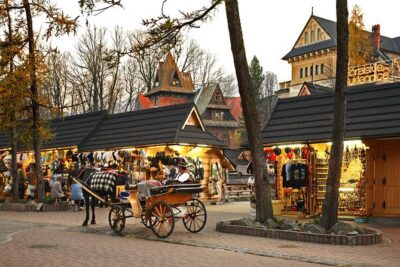
Zakopane: Cable Car, Chocholow Baths, Cheese & Vodka
Read our review →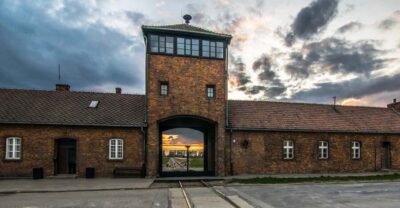
Auschwitz-Birkenau Guided Tour with Pickup & Lunch
Read our review →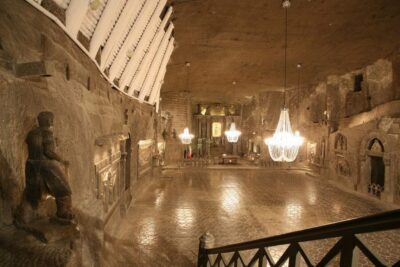
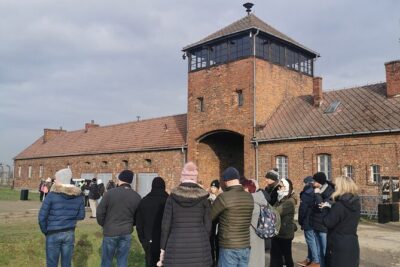
Krakow to Auschwitz Birkenau Guided Tour with Transfer and Ticket
Read our review →
Wieliczka Salt Mine Guided Tour with Transport
Read our review →