Reviewed · KRAKOW TOURS
WOMAI Cracow – Into the darkness experience
Turning off your sight for an hour changes ordinary tasks into real puzzles. At WOMAI Krakow, a blind guide leads you through total darkness, helping you use touch, sound, and smell to handle familiar situations from a new point of view.
I like the direct contact with a blind guide, and I like that the visit ends with time for questions and a look at how Braille works. The main drawback is clear: severe claustrophobia, major mobility limits, or hearing problems can make this a poor fit.
Key points
- Total darkness for about one hour: You rely on senses other than sight while handling everyday tasks.
- A blind guide leads the way: The guide offers personal insight rather than a standard museum talk.
- An active experience: You do more than listen, with touch, sound, and other senses guiding you.
- Braille at the end: The closing section gives you a practical introduction to reading by touch.
- English-language visit: The experience is offered in English with a mobile ticket.
- Good value at $17.33: It costs less than many major Krakow attractions and offers something difficult to find elsewhere.
Why WOMAI Krakow begins by taking away your sight
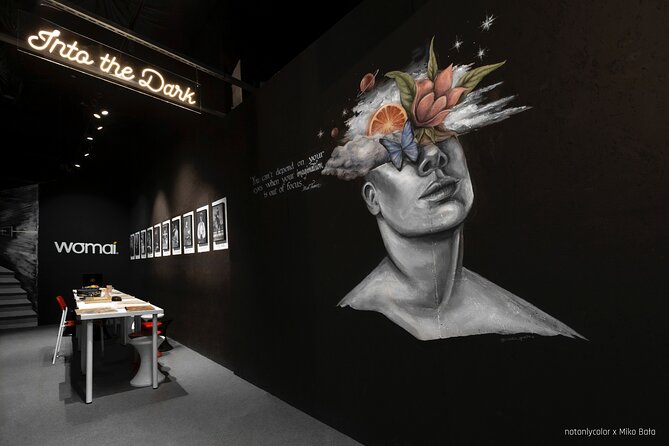
Most Krakow sightseeing asks you to look closely: at church altars, painted panels, old streets, or river views. WOMAI asks you to do the opposite. For roughly an hour, you enter total darkness and lose the sense you normally trust most.
The point is not a scare trick or a haunted-house routine. You are asked to cope with ordinary situations while sight is unavailable. That shift matters. A simple action can suddenly require careful listening, reaching, feeling, and communication.
Your guide is blind, so the experience also has a human center. You are not simply placed in a dark room and left to guess what is happening. The guide takes you through the activity and gives you a chance to understand how people with little or no sight deal with daily life.
This makes WOMAI different from a typical museum visit. You are not collecting facts from display boards. You are being asked to notice how much you depend on vision, and how quickly your other senses begin to work harder when sight disappears.
A few more Krakow half days to consider
- From Krakow: Auschwitz-Birkenau Guided Tour & Hotel Pickup
★ 4.5 · 33,358 reviews - From Krakow: Auschwitz-Birkenau Guided Tour & Hotel Pickup
★ 4.5 · 29,340 reviews - Krakow: Auschwitz Guided Tour with Optional Hotel Pickup
★ 4.5 · 15,280 reviews
The first minutes in total darkness
The opening can feel strange even if you think you are comfortable in the dark. Once you cannot see the people or objects around you, your usual sense of distance vanishes. You may know that someone is nearby, but you cannot confirm it with a glance.
That uncertainty is part of the lesson. One particularly useful aspect of the visit is the way it shows how easily sighted people take visual information for granted. In normal conditions, you can find a chair, locate a doorway, or read a label without much thought. In darkness, each action needs patience.
The guide helps you get used to the setting and leads the group through the experience. You might find that sound becomes more important than expected. Footsteps, voices, and small noises help you work out where you are, while touch tells you what is directly in front of you.
Do not expect a quiet, passive hour. You will need to pay attention and respond. At times, you may feel alone because you cannot feel the person or object you expect to be nearby. That sensation can be uncomfortable, but it also makes the experience more memorable than a talk about visual impairment.
Everyday tasks become useful challenges
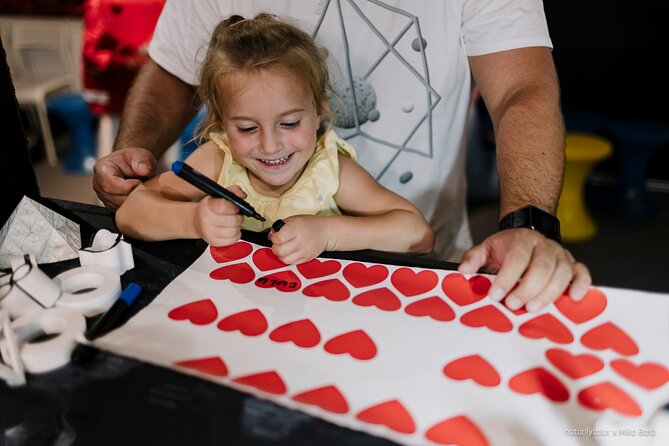
The heart of the visit involves everyday tasks carried out in complete darkness. The available information does not list each task, so you should not arrive expecting a fixed set of named activities. The clear promise is that you will navigate familiar situations with your sight removed.
This is where the visit earns its place in a Krakow schedule. The activity turns an idea into something physical. Instead of simply hearing that blind and partially sighted people use other senses, you briefly have to do the same.
You may need to reach out carefully, listen for direction, identify something by touch, or communicate with the people around you. The details matter less than the change in your habits. You stop looking for answers and start testing the world with your hands and ears.
I like this practical approach because it avoids treating blindness as an abstract topic. The experience gives you a modest taste of the concentration and adjustment that everyday life can require. It does not pretend that one hour can reproduce someone else’s entire life, but it can correct some lazy assumptions about how people manage without sight.
The darkness also changes group behavior. People who normally move quickly may slow down and speak more clearly. You become more aware of personal space and of how much reassurance a simple voice can provide. At other moments, the lack of contact can leave you feeling briefly isolated.
That emotional range is useful, but it may not suit everyone. If you dislike confined dark spaces, you should take the warning about severe claustrophobia seriously. This is not a good place to test your limits without thinking about them first.
A blind guide gives the visit its strongest voice
The guide is central to the value of WOMAI. A blind guide leads you through the dark and helps frame what you are doing. The guide’s personal perspective gives the visit a level of immediacy that a recorded presentation could not match.
You are also given a chance to ask questions. That open conversation is important because blindness is often surrounded by guesswork. Asking direct questions can help you understand how people adapt, communicate, and handle daily routines.
The experience is offered in English, which makes it practical for international visitors in Krakow. The guide’s role is not only to direct you physically, but also to help you connect the activity with real life.
Keep your questions respectful and specific. The best use of the closing conversation is to ask about the situations you found difficult, how people with limited sight manage them, and what you noticed about your own reactions. The format encourages curiosity without turning the guide into a display.
This personal exchange is one reason the experience receives such strong approval. The combination of a friendly guide, clear information, and a hands-on format gives WOMAI more substance than a novelty attraction.
A different kind of day in Krakow:
- Krakow–Zakopane: Cable Car, Chocholow Baths, Cheese & Vodka
★ 5.0 · 10,720 reviews - Krakow: Auschwitz-Birkenau Guided Tour with Pickup & Lunch
★ 4.5 · 9,800 reviews - From Krakow: Wieliczka Salt Mine Tour
★ 4.6 · 9,393 reviews - Krakow: Auschwitz-Birkenau Guided Tour Pickup/Lunch Options
★ 4.5 · 9,057 reviews
The Braille session adds a lasting takeaway
After the darkness, you have an opportunity to learn how Braille works. This is a small but effective ending. You leave with something concrete to think about rather than simply a memory of being unable to see.
Braille uses raised patterns that can be read by touch. Learning the basic idea helps you notice how written information can be made accessible in a way that does not depend on vision. Even a short introduction can make public signs and accessible materials more meaningful when you encounter them later.
The timing works well. After spending an hour relying on touch, you are ready to think about touch as a reading tool. The Braille section links the activity to a practical system used by blind and partially sighted people.
I would not book this expecting a full Braille lesson. The information provided describes an opportunity to learn how Braille works, not an extended class or certification. Think of it as a useful final chapter that gives context to what you have just experienced.
What the $17.33 price really buys you
At $17.33 per person, WOMAI is reasonably priced for a one-hour activity in central Krakow. You are paying for a guided, structured experience, not simply entry into a dark room.
Value depends on what you want from a city visit. If your goal is to see as many famous buildings as possible, this may feel less essential than Krakow Castle or the Old Town. If you want an unusual activity that gives you something to discuss afterward, the cost is easier to justify.
The experience also fills a useful gap in a busy itinerary. One visitor used it while waiting for an airport transfer, and the one-hour length makes that kind of planning possible. Still, allow enough time to reach the venue and deal with any delay. Do not schedule it so tightly that a late finish threatens your transport.
The mobile ticket keeps the booking simple, and the experience is available in English. Confirmation is normally sent when you book. If you reserve within three hours of the start time, confirmation depends on availability and may arrive as soon as possible, so last-minute plans carry some risk.
The activity is booked, on average, 18 days ahead. That does not guarantee that every date sells out, but it is a good reason to reserve early if your Krakow dates are fixed.
Who will get the most from this experience
WOMAI suits you if you enjoy active museum visits, unusual cultural activities, or experiences that challenge your normal habits. It can work especially well for couples, friends, and families with older children, provided everyone can follow the safety instructions and manage the physical demands.
It also fits visitors who want a more thoughtful activity. The focus is not on Krakow’s buildings or Polish history. Instead, it gives you a short, direct way to consider accessibility and the daily experience of people with visual impairments.
You should have a moderate level of physical fitness. The experience is not recommended for people with significant mobility disabilities, and hearing problems may make the guide’s instructions and the activity harder to follow.
The hearing point deserves attention. In total darkness, spoken directions become especially important. If you have difficulty hearing, you may miss information that would normally be reinforced by visual cues.
Severe claustrophobia is another serious consideration. The darkness is not just a brief effect. You spend a substantial part of the visit without visual contact with your surroundings, so you need to feel reasonably able to handle that condition.
Practical planning for your Krakow day

The visit is near public transportation, which makes it easy to add to a day around Krakow. Since the activity lasts about an hour, it can fit between larger sights, but avoid placing it immediately before a critical departure.
Wear what lets you move comfortably. The physical fitness requirement is moderate, not extreme, but you should expect to navigate rather than sit through a presentation. The supplied details do not specify clothing rules or storage arrangements, so check the booking information if you need to know what you may carry inside.
Keep your phone available for the mobile ticket, but do not expect it to help once the experience starts. The whole point is to set aside visual tools and follow the guide through your other senses.
Arrive with an open mind. You may feel awkward, dependent, or briefly frustrated. Those reactions are not signs that the activity has gone wrong. They are part of understanding how much work ordinary tasks can take when visual information is missing.
At the same time, do not treat the discomfort as the only goal. The best part is the balance between the dark activity, the guide’s personal perspective, your questions, and the Braille introduction at the end.
Booking and cancellation details worth knowing
You receive free cancellation if you cancel at least 24 hours before the local start time. Cancel within 24 hours, or request changes during that period, and you should not expect a refund.
The experience requires a minimum number of participants. If WOMAI cancels because that minimum is not reached, you will be offered another date or experience, or a full refund. This protects you from losing your payment, though it can still affect a tightly planned day.
Because the activity is often reserved well ahead, I would book once your schedule is settled. The 24-hour cancellation window gives you some flexibility, but the last-minute confirmation rule means a booking made within three hours of departure is less certain.
Should you book WOMAI Into the Darkness?
Book it if you want a short, unusual Krakow activity that asks you to participate rather than simply look. The blind guide, everyday tasks, question period, and Braille introduction make it more meaningful than a simple sensory trick.
Skip it if you have severe claustrophobia, significant mobility limits, or hearing problems. You should also choose another activity if your main interest is Krakow’s architecture, art, or history.
For most visitors who are comfortable with the conditions, $17.33 is a fair price for a memorable hour and a useful change of pace. I would place it on a flexible day, reserve ahead, and leave with enough time afterward to talk about what you noticed.
FAQ
How long does the WOMAI Into the Darkness experience last?
The experience lasts approximately one hour.
What language is the experience offered in?
The experience is offered in English.
Is the experience suitable for people with hearing problems?
It is not recommended for people with hearing problems.
Is the experience suitable for people with mobility disabilities?
It is not recommended for people with significant mobility disabilities, and participants should have a moderate level of physical fitness.
Is the experience suitable for people with claustrophobia?
It is not recommended for people with severe claustrophobia because you spend the activity in total darkness.
What is the cancellation policy?
You can cancel at least 24 hours before the local start time for a full refund. Cancellations and changes made within 24 hours are not refunded or accepted.
Recently added in Krakow
- Auschwitz-Birkenau and Krakow Private Car Trip from Katowice★ 4.3 · 3 reviews
- Wawel Castle, Old Town with St. Mary’s Church Guided Tour★ 5.0 · 3 reviews
- Wawel Castle, Cathedral, Rynek Underground Tour with Lunch★ 5.0 · 3 reviews
- From Krakow: Chocholow Thermal Hot Springs (hotel pick up)★ 5.0 · 3 reviews
- Private tour to Zakopane and Thermal Baths from Krakow★ 5.0 · 3 reviews
- Legends of Cracow ROBOTIC SHOW★ 4.0 · 3 reviews
- From Krakow: Zakopane and Thermal Pools Guided Trip★ 5.0 · 3 reviews
- Guided Beer Tour in Krakow★ 4.5 · 3 reviews
Krakow Tours, compared.

Auschwitz-Birkenau Guided Tour & Hotel Pickup
Read our review →Auschwitz Guided Tour with Optional Hotel Pickup
Read our review →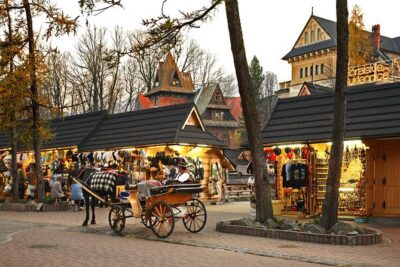
Zakopane: Cable Car, Chocholow Baths, Cheese & Vodka
Read our review →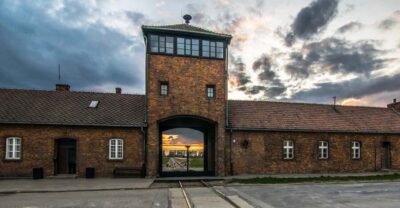
Auschwitz-Birkenau Guided Tour with Pickup & Lunch
Read our review →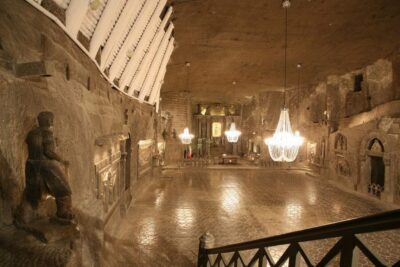
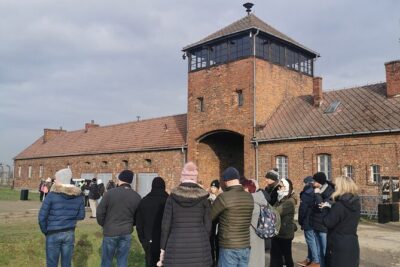
Krakow to Auschwitz Birkenau Guided Tour with Transfer and Ticket
Read our review →
Wieliczka Salt Mine Guided Tour with Transport
Read our review →