
Reviewed · AUSCHWITZ-BIRKENAU MEMORIAL TOURS
From Krakow: Auschwitz-Birkenau & Schindler’s Factory Tour
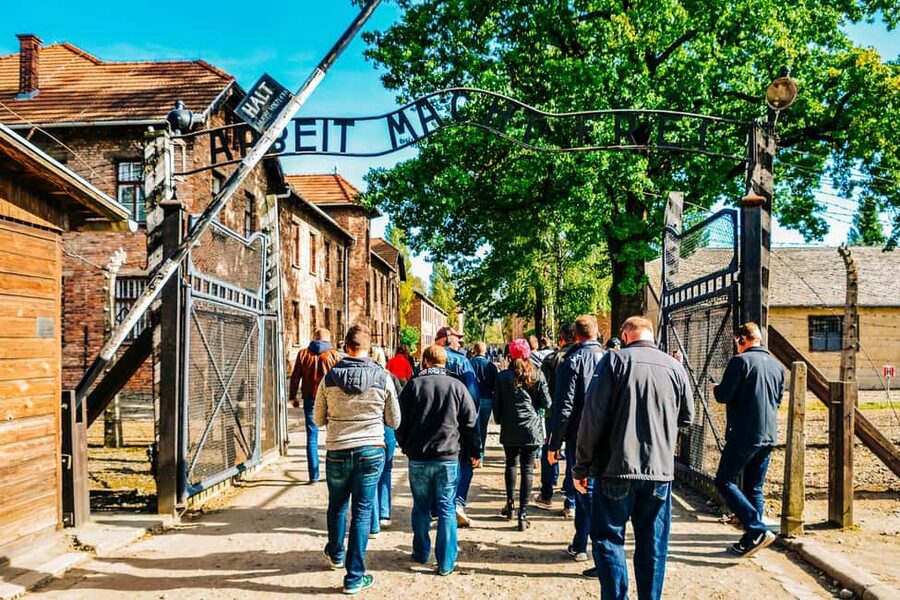
Auschwitz-Birkenau is the heart of this day, and it is not a sightseeing stop you simply check off a list. The 3.5-hour guided visit moves through Auschwitz I and the vast Birkenau site, where the scale of the Nazi killing system becomes painfully clear. I especially like the official guided route and the headsets, which help you follow the explanation even when groups gather in crowded rooms. The included documentary on the drive can also prepare you for what you are about to see.
I also like the reliable transport from Krakow and the chance to pair the camps with Oskar Schindler’s Factory Museum. Drivers such as Jaro, Jacob, Michael, and Krzysztof have been praised for being punctual, kind, and helpful, while guides including Marta and Alexander have brought a calm, serious tone to Auschwitz. The main drawback is the pace: the day can feel long, the break may be short, and the Schindler museum can be too crowded for easy reading.
The day in four useful points
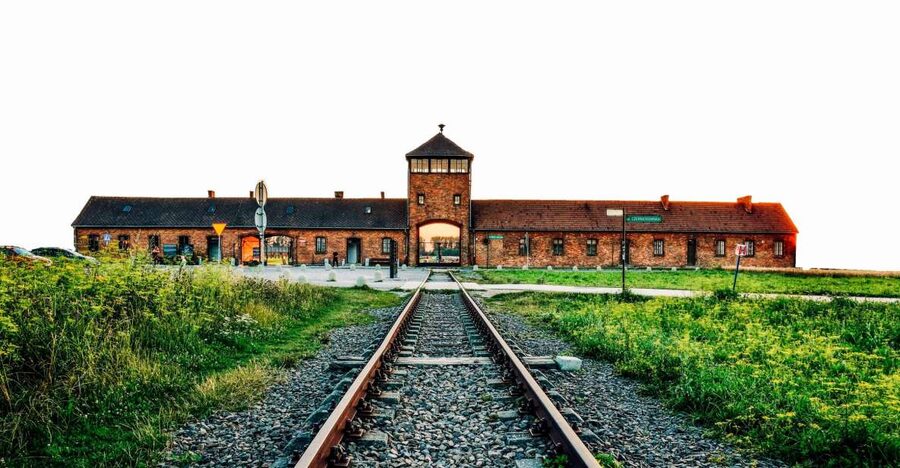
- Auschwitz and Birkenau take about 3.5 hours: You visit both major camp sites with an official guide, rather than trying to arrange entry and transport alone.
- The pickup may be very early: An advertised 8:00 start can mean a pickup around 5:30 in some cases, depending on your hotel and the museum entry time.
- Schindler’s Factory is mainly about wartime Krakow: It is an excellent museum, but it contains less about Schindler himself than its name may lead you to expect.
- Transport is a strong part of the package: Round-trip service from Krakow removes the need to manage trains, buses, tickets, and local connections.
- The final stop is Schindler’s Factory: After the museum, you arrange your own return, usually by taxi for a few euros.
- The price is fair for the amount included: At $58 per person, you get transport, both guided visits, entry tickets, a host, headsets at Auschwitz, and insurance.
Why this is a serious day out
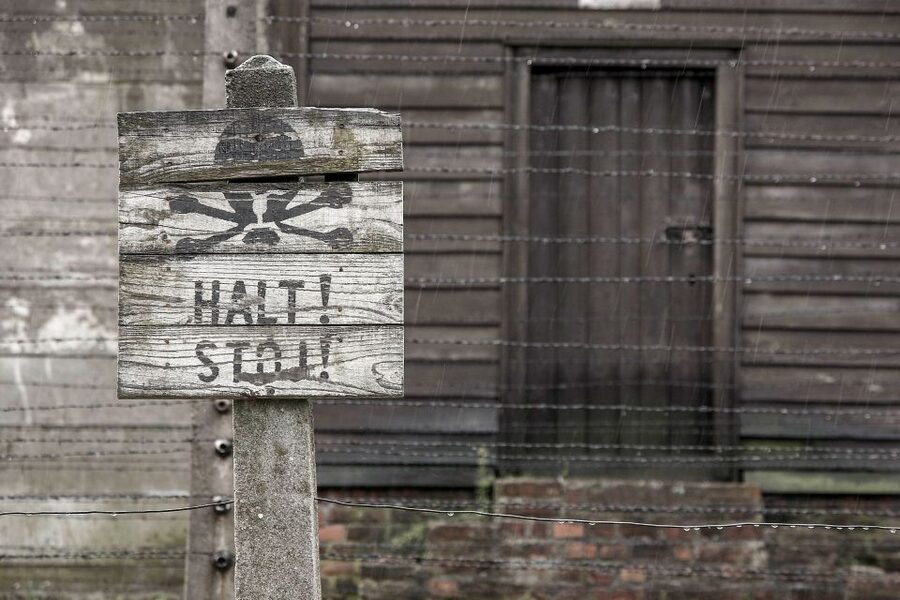
This is not a light Krakow excursion with a few historical sights added for variety. Auschwitz-Birkenau requires attention, patience, and emotional stamina. The site preserves the remains of Nazi concentration and extermination camps where an estimated 1 to 1.5 million people were murdered by the time of liberation in 1945, most of them Jews.
Birkenau was built by prisoners from Auschwitz and had become an extermination camp by October 1941. As the Nazis retreated, they tried to destroy the camp and its records. Their efforts were only partly successful, allowing the Polish government to preserve the site as a memorial.
A guided visit matters here. You are not just looking at barracks and railway tracks. Your guide explains the function of each area, the difference between Auschwitz I, Birkenau, and the wider camp complex, and the human cost behind the buildings. Several guides have been praised for speaking calmly and respectfully, which is exactly the right approach for this place.
You should expect disturbing photographs, personal belongings, prison conditions, and accounts of mass murder. The experience may stay with you long after you return to Krakow. That is not a reason to avoid it, but you should not schedule a carefree evening immediately afterward if you know you need time to process difficult places.
Other guided visits to the Auschwitz-Birkenau Memorial:
- From Krakow: Auschwitz-Birkenau Guided Tour & Hotel Pickup
★ 4.5 · 33,358 reviews - From Krakow: Auschwitz-Birkenau Guided Tour & Hotel Pickup
★ 4.5 · 29,340 reviews - Krakow: Auschwitz Guided Tour with Optional Hotel Pickup
★ 4.5 · 15,280 reviews
Getting from Krakow to the camps
The standard meeting point is the tourist bus stop at the entrance of the Radisson Blu Hotel Krakow. Look for a KrakowDirect van, minibus, or coach. Hotel or apartment pickup is available with some options, but you must be ready at the entrance or reception 15 minutes before the confirmed time.
The drive takes about 75 minutes each way. Exact timing depends on traffic and the museum’s assigned entry slot. The pickup can shift by up to an hour, and the operator says it will notify you by email or WhatsApp if a change is needed.
This is one place where you should read the final message carefully. An 8:00 start does not necessarily mean you leave your hotel at 8:00. One of the earliest museum slots may require a pickup around 5:30. That is a rough wake-up call, but an early departure can also get you to the camps before the day feels even more crowded.
The vehicle is described as modern, though comfort depends on the vehicle used. A taller passenger found a minibus cramped, so do not assume every departure uses a spacious coach. The documentary is listed as part of the drive, but one passenger reported that it was not playing and that Wi-Fi was unavailable. Bring a book and download anything you want before leaving.
Auschwitz I: buildings, evidence, and a guided route
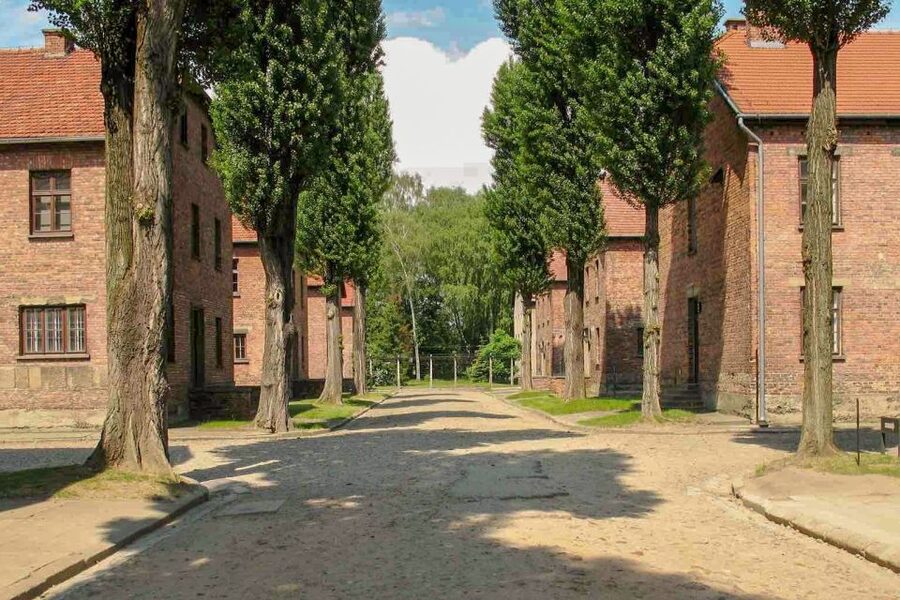
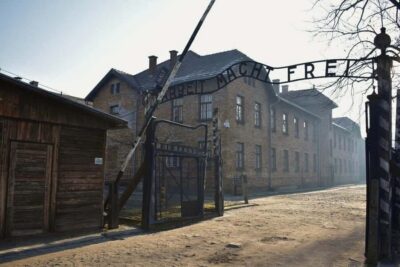
Auschwitz I is the smaller and more developed of the two main sites. Its brick buildings and museum rooms create a more enclosed experience than Birkenau. You follow an official route, and access is controlled, so this is not a place where you freely wander into every building.
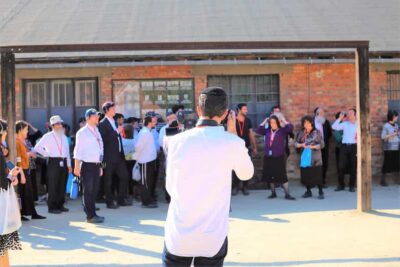
The guide leads you through exhibitions and preserved camp spaces, explaining how the site operated and how prisoners were treated. The headsets are useful because the grounds can be crowded and the guide may need to speak to a group spread along a path.
The quality of the guide matters greatly. Strong guides have been described as clear, serious, passionate, and well informed. A few visitors have found an accent or quiet voice difficult to follow, so take a position close to the guide when possible and check that your headset is working before the group moves on.
You will have time to look, but do not expect unlimited personal exploration. The museum sets the route and pace, and the guide must keep the group on schedule for Birkenau. If you want long periods alone at each display, a private or independently arranged visit may suit you better.
Birkenau: scale that no photograph can reproduce
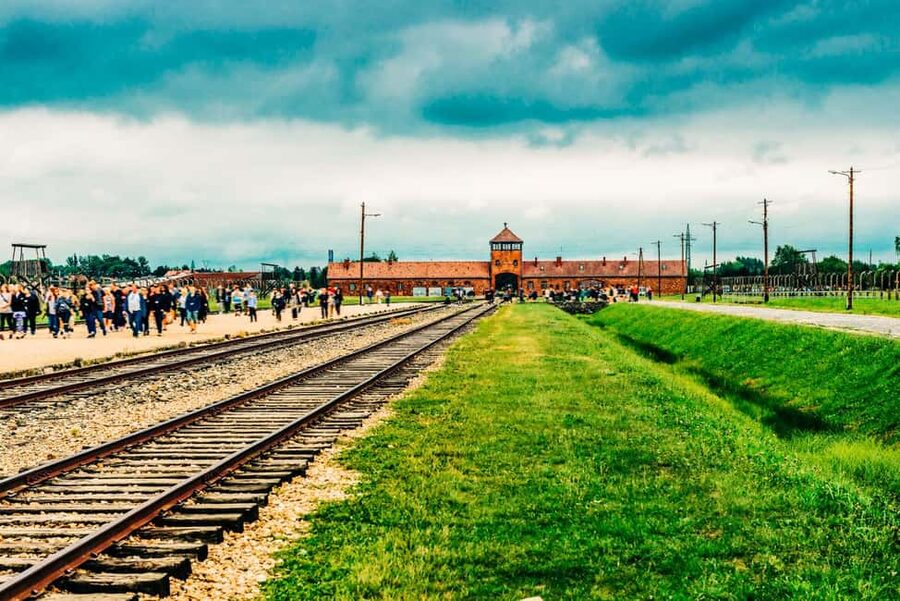
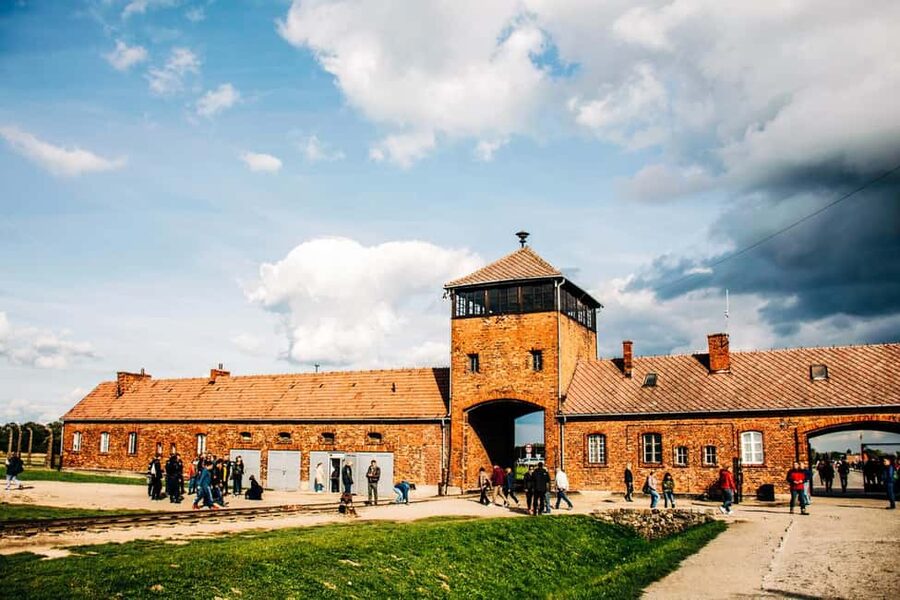
The short transfer from Auschwitz I takes you to Birkenau, the enormous camp site marked by its entrance gate, railway platform, fences, barracks, and open ground. This is where the size of the operation becomes difficult to grasp. The wide site and repeated rows of structures show how industrial and organized the system was.
Wind and weather matter here. In winter, Birkenau can be bitterly cold, especially on the exposed parts of the site. In summer, the open ground offers little relief from heat. Wear sturdy, comfortable shoes and dress for a long outdoor walk. The tour information asks you to bring comfortable footwear, and that advice is practical rather than decorative.
The visit does not include every part of the Auschwitz complex. One person wished that Auschwitz III and a wooden bunker had been included, while another wanted access to the main tower at Birkenau. Those omissions reflect the official route and the time available, not necessarily poor planning. Still, you should book this excursion knowing that you will see the principal memorial sites, not every remaining section.
Many people find they want more time at Auschwitz and Birkenau. The scheduled 3.5 hours must cover both camps, group movement, security, and the guide’s explanation. If this is your main reason for visiting Krakow, choose an Auschwitz-only trip or a longer format. If you want a broad, organized day that adds another major museum, this combined option makes sense.
Other visits to Schindler's Factory:
- Krakow: Oskar Schindler’s Factory Entry Ticket & Guided Tour
★ 4.2 · 3,793 reviews - Krakow: Schindler’s Factory Tour with Entrance Ticket
★ 4.5 · 3,182 reviews - Krakow: Schindler’s Factory Skip-the-Line Ticket
★ 4.4 · 3,105 reviews - Krakow: Schindler’s Factory Tour with Entrance Ticket
★ 4.6 · 1,737 reviews
The break in Podgórze
Between the two main visits, the group usually stops in the Podgórze area for about 50 minutes. This is intended as a chance for coffee, tea, lunch, or free time, but the actual length depends on traffic and how long the first tour takes.
Treat this as a useful pause, not a full restaurant meal. Several people found the break too short for a proper lunch, and one described it as enough time only for quick bites. Carry a small snack and water if you need regular food, but remember that large bags are not allowed at the memorial sites.
The break has another purpose: it gives you a little breathing room before entering the second museum. After Auschwitz-Birkenau, you may appreciate a quiet drink more than a long meal. Keep an eye on the return time, because the driver cannot hold the whole group for late diners.
Schindler’s Factory: a museum about Krakow under occupation
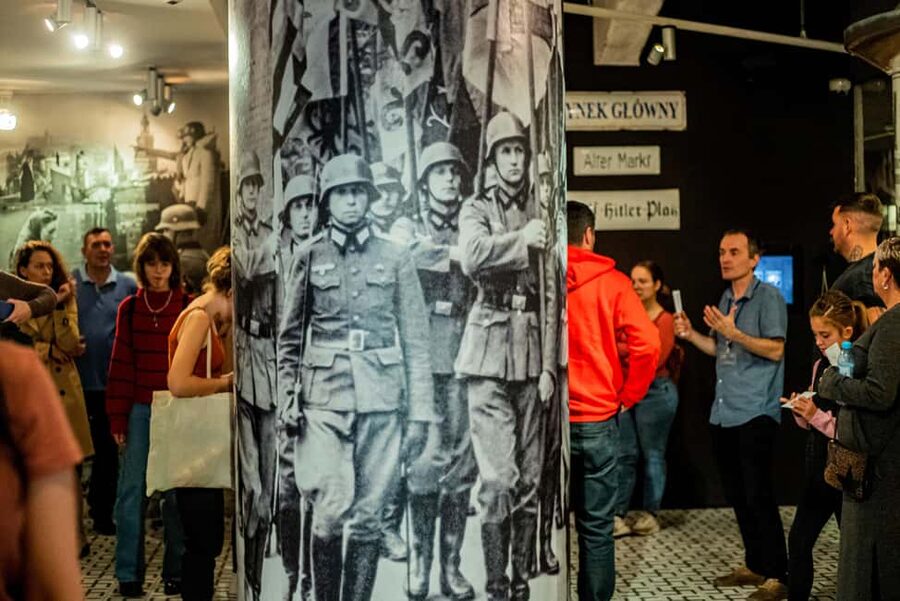
The final guided stop is Oskar Schindler’s Factory Museum, housed in the former enamel factory. Schindler saved more than 1,000 Jewish people during the Holocaust, and Steven Spielberg’s 1993 film brought the site and his story to international attention.
The museum itself is best understood as a portrait of Krakow during World War II. Its interactive exhibition covers the occupation, daily life, persecution, and the city’s wartime experience. That makes it valuable, but it also creates a clear expectation issue: much of the museum is about Krakow, not Schindler’s personal life or the factory’s surviving physical remains.
If you book this excursion mainly to see a museum devoted to Schindler, you may feel shortchanged. The name suggests a narrower focus than the exhibition provides. If you want to understand the city’s wartime experience and see where the factory story is presented, it is a worthwhile addition.
Crowding is the bigger concern. A group of more than 20 can make it hard to stand by interpretation panels while the guide speaks. One person found the museum rushed and wished they had visited independently. Others found the guide excellent, with strong English and useful explanations.
The quality of this portion can also depend on the group arrangement. The Auschwitz guide and the factory guide are different people. Some departures have had a late or disorganized handover at the museum, while others ran smoothly. The factory visit is 1.5 hours, which is enough for a guided overview but not always enough for leisurely reading.
Group size and guide quality
A small group option is available, and it is worth considering if the price difference is modest. Small groups are easier to hear, easier to move through the museum, and less likely to block other people from displays.
The strongest praise for this experience has gone to the drivers and the Auschwitz guides. Drivers have been singled out for punctuality, polite service, local knowledge, and helpful city advice. Jacob, for example, helped with onward directions and even dropped a passenger near the requested city-center location. That sort of practical help is useful after a long day.
At Auschwitz, guides such as Marta and Alexander have been described as calm, clear, and passionate about the subject. Good guiding is especially important here because the site can feel confusing without context. You are following a regulated route, listening through a headset, and trying to absorb difficult information. A guide who explains without rushing makes a real difference.
The factory guide may be excellent too, but the setting is less forgiving. A large group, late arrival, or poor position in the room can limit what you hear and see. Stand close to the guide and ask where the group will pause before the explanation begins.
Is $58 good value?
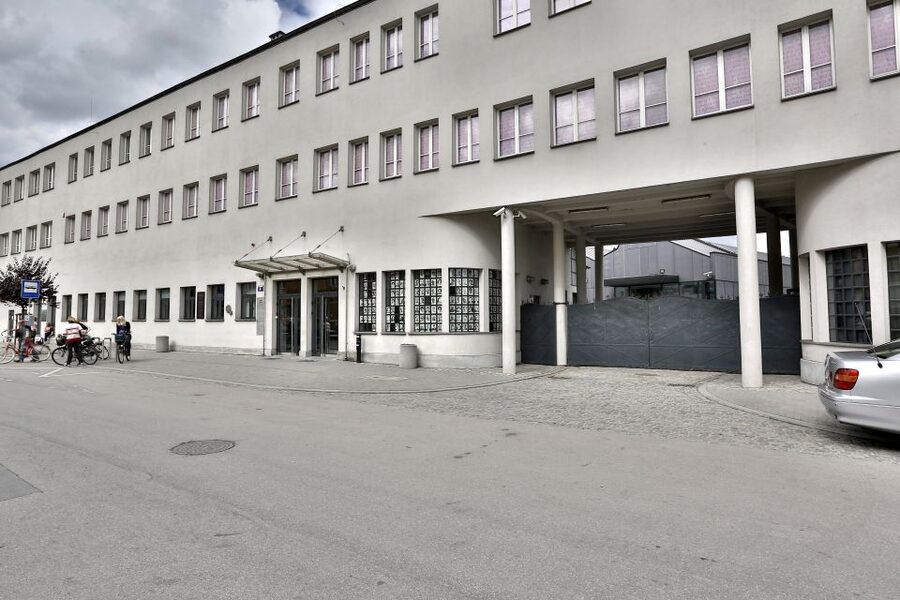
At $58 per person, this is a strong price for a full day that includes transport from Krakow, entry tickets, skip-the-line access, a 3.5-hour Auschwitz-Birkenau tour, a 1.5-hour factory tour, an English-speaking host, headsets at Auschwitz, and insurance.
The value is strongest if you want convenience. Organizing both museums yourself means managing separate reservations, transport to Auschwitz, local transfers, entry rules, and timing. Auschwitz tickets are tied to the name and identification details supplied at booking, so mistakes can cause real trouble. This package handles the main pieces in one booking.
The price is less attractive if you want maximum freedom. You pay for a tightly managed schedule, and the break and personal time are limited. You also finish at Schindler’s Factory rather than being driven back to your hotel. A taxi back to central Krakow costs only a few euros according to the tour information, but it is still one more task at the end of a tiring day.
For most first-time visitors who want both sites on one day, the cost is reasonable. Choose the small group option if you care about hearing every word and reading displays. Choose an Auschwitz-only visit if the memorial is your priority and you want more time there.
What to bring and what to leave behind
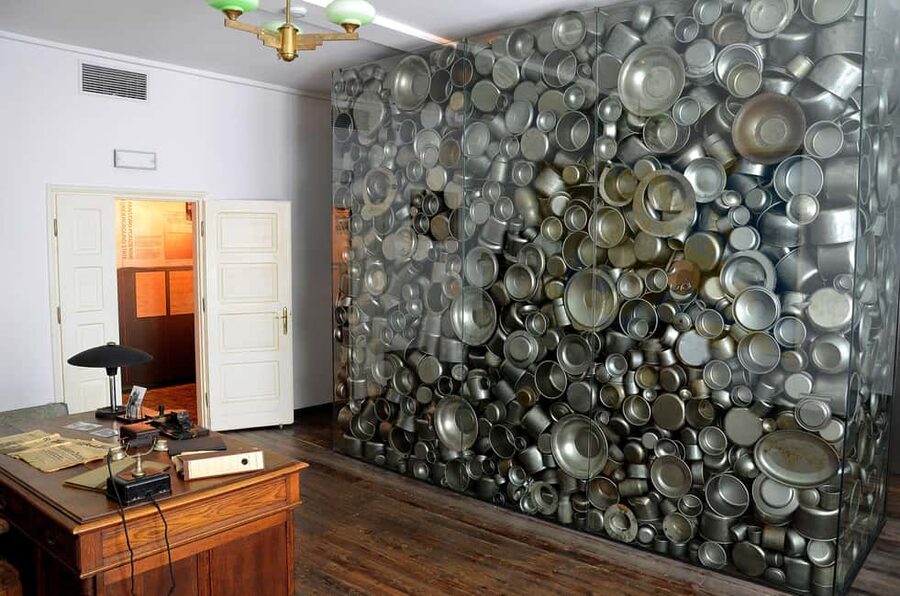
Bring your passport or ID card. Auschwitz requires the full name and contact details of every participant, and the name on your booking must match the identification document used at entry.
Wear comfortable shoes. You will walk at both camp sites, and Birkenau is exposed to rain, cold, wind, or strong sun. Bring a camera if you wish to take photographs, but use it with care and respect.
Large bags, luggage, alcohol, and drugs are not allowed. Pack light. A small personal bag is more practical than arriving with a suitcase you cannot take inside.
The experience is wheelchair accessible, but the exact ease of movement can vary with the group route and the historic site. If you need specific assistance, confirm the details before booking.
Who should book this combined tour?
Book it if you want a well-organized introduction to two major wartime sites and prefer a driver, guide, and tickets arranged in advance. It works especially well for a short Krakow visit when you cannot spare separate days.
It also suits people who would rather not make their first visit to Auschwitz alone. The official route and guided explanation give the day structure and context, while the host helps with transfers and timing.
Think twice if you dislike early mornings, crowded museums, or fixed schedules. You should also consider an Auschwitz-only option if you need more quiet time at the memorial. For Schindler’s Factory, independent entry on another day may be better if you want to read every panel and move at your own pace.
Should you book it?
I would book this tour for the transport, the official Auschwitz guide, and the chance to see both Auschwitz-Birkenau and wartime Krakow in one demanding day. The drivers have often been a real strength, and the best camp guides make a difficult visit clearer and more respectful.
I would not book it expecting a private, unhurried museum experience. The start may be much earlier than 8:00, the lunch break is brief, and Schindler’s Factory can feel crowded or rushed. Confirm your pickup message, bring your ID, pack light, and consider the small group option.
At $58, this is good value for convenience and coverage. It is the right choice for an efficient first visit, not for someone seeking long stretches of solitude or a museum focused only on Schindler.
FAQ
How long does the tour take?
The activity lasts 510 minutes, or about 8.5 hours. The schedule includes travel from Krakow, a 3.5-hour guided visit at Auschwitz-Birkenau, a break, and a 1.5-hour guided visit at Schindler’s Factory.
Where is the meeting point?
The meeting point is at the entrance of the Radisson Blu Hotel Krakow, at the tourist bus stop. Look for a KrakowDirect van, minibus, or coach.
Is hotel pickup available?
Hotel or apartment pickup is available with selected booking options. You should wait at the entrance or reception 15 minutes before the confirmed pickup time. The exact time depends on your address and may change by up to one hour.
What languages are available?
The live tour guide service is in English, and the activity information lists English as the available language.
Do I need to bring identification?
Yes. Bring your passport or ID card. The full name supplied at booking must match the name on the identification document used to enter Auschwitz.
Is food included?
No. Food and drinks are not included. A break of about 50 minutes is usually arranged in Podgórze, but its length can vary with traffic and the timing of the first visit.
Where does the tour finish?
The tour finishes at Oskar Schindler’s Factory. You can order a taxi from there to return to your Krakow hotel, with the tour information noting that the ride to central Krakow may cost a few euros.
Recently added in Krakow
- Auschwitz-Birkenau and Krakow Private Car Trip from Katowice★ 4.3 · 3 reviews
- Wawel Castle, Old Town with St. Mary’s Church Guided Tour★ 5.0 · 3 reviews
- From Krakow: Chocholow Thermal Hot Springs (hotel pick up)★ 5.0 · 3 reviews
- Private tour to Zakopane and Thermal Baths from Krakow★ 5.0 · 3 reviews
- Wawel Castle, Cathedral, Rynek Underground Tour with Lunch★ 5.0 · 3 reviews
- Legends of Cracow ROBOTIC SHOW★ 4.0 · 3 reviews
- From Krakow: Zakopane and Thermal Pools Guided Trip★ 5.0 · 3 reviews
- Guided Beer Tour in Krakow★ 4.5 · 3 reviews
Auschwitz-Birkenau Memorial Tours, compared.
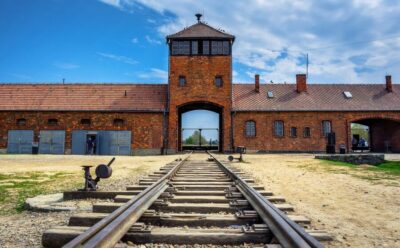
Auschwitz-Birkenau Guided Tour & Hotel Pickup
Read our review →Auschwitz Guided Tour with Optional Hotel Pickup
Read our review →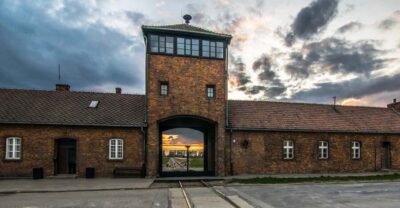
Auschwitz-Birkenau Guided Tour with Pickup & Lunch
Read our review →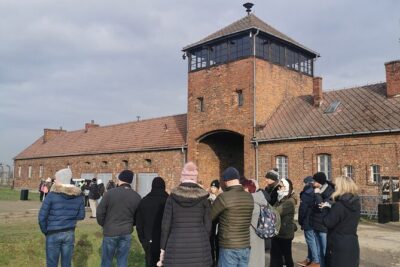
Krakow to Auschwitz Birkenau Guided Tour with Transfer and Ticket
Read our review →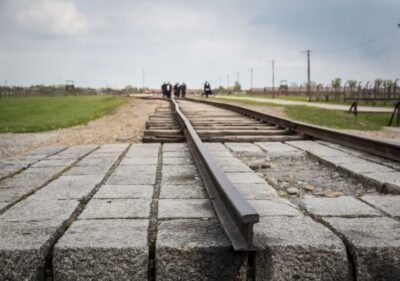
Auschwitz Birkenau Small Group Tour with Pickup
Read our review →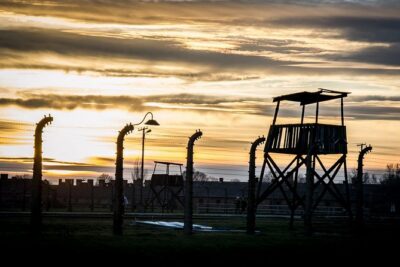
Auschwitz Birkenau Guided Tour with Ticket Hotel Pickup Small Van
Read our review →Where else this one turns up