
Reviewed · AUSCHWITZ-BIRKENAU MEMORIAL TOURS
Krakow to Auschwitz-Birkenau Live Guided Tour & Hotel Pick-up
A visit to Auschwitz-Birkenau is not a sightseeing outing. It is a serious encounter with the machinery of Nazi persecution, made easier by having transport, admission, and a licensed guide arranged in advance. I like the two-part visit, which covers both Auschwitz I and the much larger Birkenau, and I like the calm support provided by drivers such as Michael, Peter, Bogdan, Patryk, and Łukasz.
I also appreciate the included museum admission and the headset system, which lets you hear the guide among a group of up to 30 people. The main caution is pace: this involves long walks, uneven ground, stairs, and limited time to stop. If you need frequent rests or want to read every display, a group tour may feel rushed.
Key points to know before booking
- Both camps are included: Visit Auschwitz I and Birkenau, with about two hours at the first camp and 90 minutes at the second.
- Transport takes about 2.5 hours total: The drive from Krakow is roughly 1 hour and 15 minutes each way.
- A licensed museum guide leads the camp visits: The English-speaking guide uses a headset, and the museum limits groups to 30 people.
- Pickup arrangements can change: Your final departure time is confirmed the day before and may shift by 30 to 60 minutes.
- Bring official ID and a small snack: Your passport or ID is required, and larger bags cannot enter the museum area.
- Expect a physically demanding day: You will walk across uneven ground and may encounter stairs, long distances, and cold weather.
Why this Krakow day trip matters
Auschwitz-Birkenau is about 65 kilometers from Krakow, in and around the town of Oswiecim. Visiting independently is possible, but this tour removes several chores that can make the day harder: arranging transport, securing admission, finding the right entrance, and keeping track of the two separate camp sites.
The value here is not entertainment. You are paying for a practical framework around a difficult historical visit. The transport gets you there, admission is already covered, and a museum-licensed guide gives context to places that can otherwise feel confusing or overwhelming.
I find the full-day format useful because you are not reduced to a quick photo stop. The schedule allows time at both camp sites, a short break between them, and some breathing room on the return journey. Still, the museum controls the exact visiting schedule, so the advertised seven hours should be treated as an estimate rather than a promise.
The quoted price is about $30.17 per person, which is strong value if your priority is a guided visit with transport and entry included. Check the booking option carefully, since hotel pickup and central meeting-point pickup are priced differently.
Other guided visits to the Auschwitz-Birkenau Memorial:
- From Krakow: Auschwitz-Birkenau Guided Tour & Hotel Pickup
★ 4.5 · 33,358 reviews - From Krakow: Auschwitz-Birkenau Guided Tour & Hotel Pickup
★ 4.5 · 29,340 reviews - Krakow: Auschwitz Guided Tour with Optional Hotel Pickup
★ 4.5 · 15,280 reviews
Leaving Krakow for Oswiecim
The standard meeting point is at Floriana Straszewskiego 17 in central Krakow. Depending on the option you choose, you may instead be collected from your hotel. Do not assume that a hotel address automatically means door-to-door service at the same price. Select the correct pickup option when booking.
The departure time shown at booking is tentative. Auschwitz Museum scheduling and traffic can affect the morning, and the final time is normally confirmed by email or WhatsApp 12 to 24 hours before departure. The possible departure window runs from 5:00 AM to 2:00 PM, although changes are usually limited to roughly 30 to 60 minutes.
That last-minute adjustment matters. Keep the morning flexible, check your messages the day before, and do not schedule a tight Krakow activity immediately afterward. One poor experience involved a time change that was not communicated, while many others received prompt notice and found the pickup smooth. The sensible approach is to treat the confirmed message as your real schedule.
The drive takes about 1 hour and 15 minutes. Drivers hold the required EU passenger-transport certifications, and the driver or English-speaking group leader can explain the day’s arrangements. Several guides, including Michael, Peter, Bogdan, and Łukasz, were singled out for being friendly, clear, and helpful with practical details such as security and identification.
Some vehicles have shown a documentary during the drive. That can be a useful way to prepare emotionally and historically, though it is not described as a guaranteed feature for every departure.
When you arrive in Oswiecim, you normally have a short break for coffee or a look at outdoor exhibits before meeting the local museum guide. Bring a small snack rather than counting on a proper meal. The supplied information says there is no regular lunch break and no grocery shop, snack bar, or restaurant available on site. One account mentions cafés and toilets at both camps, so facilities may vary, but food should not be your gamble.
Auschwitz I and the gate marked Arbeit Macht Frei
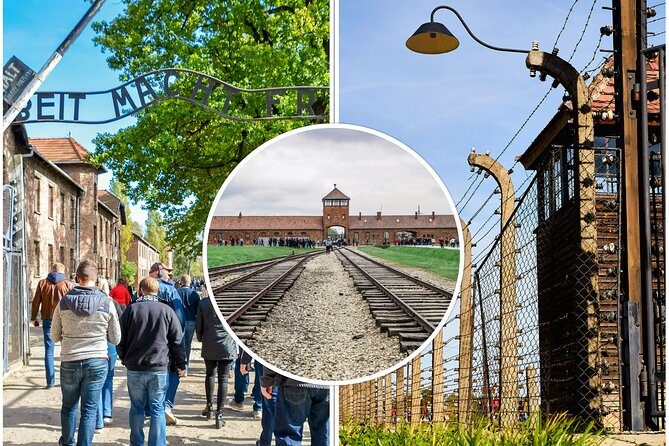
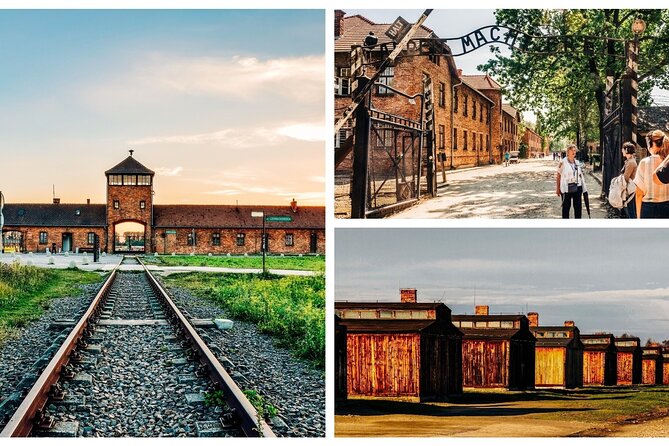
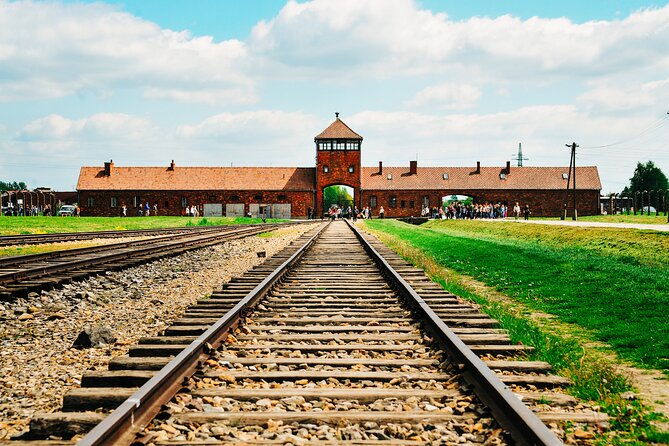
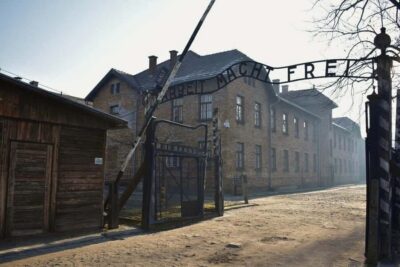
The first camp is Auschwitz I, entered through the infamous gate bearing the words Arbeit Macht Frei, translated as Work Makes You Free. The tour explains that this camp was first established for Polish citizens arrested after Germany annexed Poland in 1939.
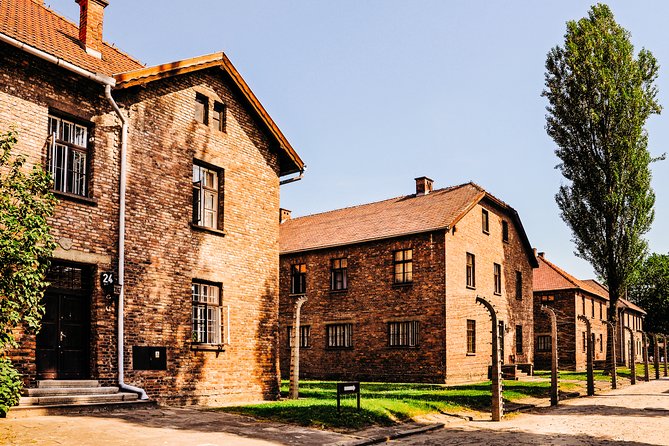
This section usually takes about two hours. You walk through original barracks and along the fortified perimeter, seeing barbed wire, camp buildings, gas chambers, and crematoria. The power of the visit comes from the physical setting. This is not only a museum display behind glass. You are moving through the actual camp structure, where the walls, pathways, and remaining buildings show the scale and order of the system.
The guide’s role is important here. Dates and names alone do not explain a place like this. You need someone to connect the buildings with the policies, arrests, forced labor, selections, and mass murder carried out there. Guides such as Anna and Michael were praised for combining detailed information with a respectful manner, which is exactly what this setting calls for.
You wear a headset so the guide can speak while the group moves. This is a helpful feature, especially with a maximum group size of 30. It is not a private tour, though, and you may sometimes be behind other people or close to another group. One person found the group large enough that some words were missed.
The headset also depends on good equipment and positioning. A reported microphone problem caused by a guide’s clothing made parts of the commentary difficult to hear. If the sound is poor, tell the guide promptly and move closer when possible. You should not have to guess at the explanation during such an important visit.
The biggest drawback at Auschwitz I is the pace. Museum rules and timed entry slots shape the route, and the guide must keep the group together. Several people found the schedule comfortable, while others felt they were moved too quickly to read information panels or pause quietly.
I suggest making peace with an imperfect visit. You will not absorb every display in two hours. Listen closely to the guide, note the rooms or subjects you want to revisit, and accept that the purpose of this tour is an organized introduction to both camps, not unlimited independent study.
The short transfer to Birkenau
After Auschwitz I, you get a break of up to 15 minutes. This is the moment to use the toilet, drink water, eat something small, and adjust your clothing. Birkenau is only about three minutes away by vehicle, in the village of Brzezinka.
That brief pause can feel short after the first camp. You are processing difficult material, and the second site is physically larger. Use the time well rather than assuming there will be a long lunch stop later.
A few more Krakow half days to consider
- Krakow–Zakopane: Cable Car, Chocholow Baths, Cheese & Vodka
★ 5.0 · 10,720 reviews - Krakow: Auschwitz-Birkenau Guided Tour with Pickup & Lunch
★ 4.5 · 9,800 reviews - From Krakow: Wieliczka Salt Mine Tour
★ 4.6 · 9,393 reviews - Krakow: Auschwitz-Birkenau Guided Tour Pickup/Lunch Options
★ 4.5 · 9,057 reviews
Birkenau and the scale of the killing center
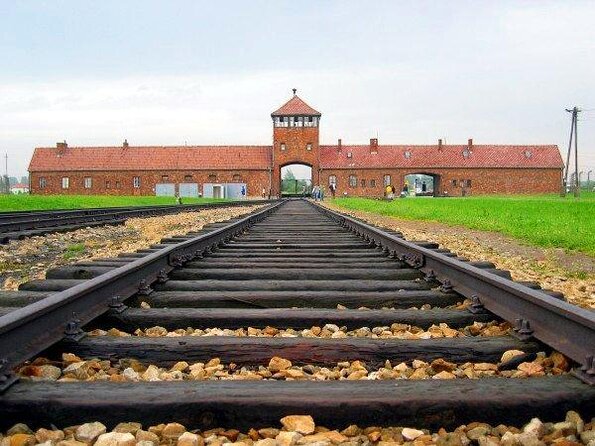
Birkenau, also called Auschwitz II, is the larger camp. The tour explains that it was built in 1941 under orders from SS commander Heinrich Himmler and could hold around 90,000 prisoners. Its purpose and scale become clear as you move through the broad open grounds and along the remains of the camp’s structures.
The guide discusses brutal living conditions, the selection process, and medical experiments carried out by Nazi doctors, including Josef Mengele. This part of the visit helps you understand how Birkenau functioned not simply as a prison camp, but as a central site in the Nazi program to murder Europe’s Jews.
The Birkenau tour usually lasts about 90 minutes. That sounds generous until you account for the distances involved. You will walk outdoors, often over uneven ground, and the group must remain together while following the museum-approved route.
This is where fitness becomes a real booking question. A 75-year-old visitor found the ground, stairs, and pace difficult, though still considered the visit worthwhile. Another person using a wheelchair and walking aids was not given enough time to regroup. These are important warnings, not minor complaints.
If you have limited mobility, contact the operator before booking and explain exactly what support you need. The general statement that most people can participate does not mean the route is easy for everyone. Wear supportive shoes, dress for the weather, and tell the guide early if you need a pause. The tour is not designed around slow, flexible wandering.
Birkenau can also be cold and exposed. One useful bit of advice is simple: wrap up warmly. Even in a season that feels mild in Krakow, you may spend substantial time outside with little shelter.
Photography is generally allowed, with a few clearly marked exceptions. Take pictures only where permitted, and remember that this is a memorial site. The required behavior is quiet and respectful, not casual sightseeing.
The people who make the day work
The local museum guide is the main source of historical explanation, while the driver or group leader handles the transport and practical side. That division generally works well.
Drivers named in feedback include Jay, Michael, Patryk, Peter, Bogdan, and Łukasz. Their praised qualities were not flashy commentary but useful care: explaining the schedule, helping with security, redirecting people who fell behind, and making the long transfer feel orderly.
Patryk was especially appreciated for getting everyone back to the coach, while Łukasz helped a couple reunite with their group after security. These details matter because the entrance process and group movements can be confusing, especially on a busy day.
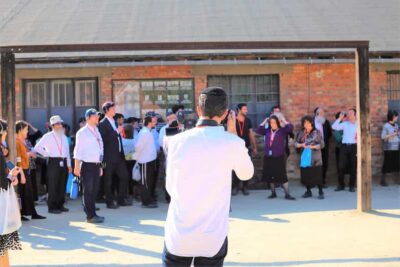
The group limit is 30 people, set by museum regulations. That is smaller than a large coach full of people, but it is still a group tour. You will not always be able to ask a long personal question or stop exactly where you wish.
The strongest guides combine facts with restraint. Anna was praised for her astounding command of the subject and respectful approach. Michael was repeatedly described as clear, caring, and well prepared. Still, guide quality and pace can vary, and no group tour guarantees the same individual guide.
How the return to Krakow works
After Birkenau, you have a short chance to rest before the return drive. The journey back takes about 1 hour and 15 minutes, and the activity ends at the central meeting point unless your selected option confirms another drop-off arrangement.
Pay attention to the wording of your transport option. Some people were taken back to a central location rather than directly to their hotel, even after paying for hotel service. This may happen because the vehicle cannot safely or efficiently reach every hotel in a group itinerary.
After several hours of walking, a 20-minute walk from a central drop-off can feel much longer than it sounds. If direct hotel return matters to you, confirm the exact arrangement before departure rather than relying on a general promise of hotel pickup.
Do not book an important dinner reservation too close to the stated end time. Traffic, museum controls, group movement, and pickup changes can all stretch the day.
What to bring and how to prepare
You must carry your passport or national ID. Auschwitz-Birkenau requires personal details to be confirmed at entry, and you may be refused admission without the required identification.
Museum rules limit your carry-on to 30 by 20 by 10 centimeters. Larger luggage can be left in the vehicle, but it is easier to arrive with a small bag rather than depend on storage.
Wear shoes suitable for long walking and uneven surfaces. Bring water and a snack, since a regular lunch is not built into the schedule. Dress in layers and bring a warm outer layer, particularly when the forecast is cool.
Prepare yourself before you go. The site can be traumatic, and the recommended minimum age is 13. This is not a place to rush through casually, and it may be wise to leave some quiet time afterward rather than planning a packed evening.
Free cancellation is available if you cancel at least 24 hours before the start time. Changes or cancellations inside that window are not accepted for a refund.
Who should book this Auschwitz tour?
I would choose this tour if you want a straightforward way to visit both camps from Krakow without organizing transport and museum entry yourself. It suits adults and older teenagers interested in World War II history, memorials, and the Holocaust, especially if you value an English-speaking guide.
It is also a good fit if you want the reassurance of a driver or group leader throughout the day. The communication before departure is often useful, and the transport removes the need to work out the route to Oswiecim on your own.
I would think twice if you need a slow pace, frequent rests, a guaranteed private experience, or plenty of time to read every panel. The group may move briskly, and the route includes uneven ground and stairs. Families with children under 13 should also choose another activity.
Should you book it?
Book it if your aim is a well-priced, organized first visit to Auschwitz-Birkenau, and you understand that the day will be solemn, physically demanding, and controlled by museum timing. The included admission, return transport, headset, and licensed guide make about $30.17 a reasonable price for the basic option.
Before paying, confirm three things: your exact pickup method, the final time sent the day before, and the drop-off point in Krakow. Bring ID, food, good shoes, and warm clothes. Most important, arrive ready to listen and show respect. This tour cannot make Auschwitz easy, but it can make the practical side of reaching and understanding the memorial much simpler.
FAQ
How long does the Auschwitz-Birkenau tour from Krakow take?
The experience lasts about seven hours. The drive takes roughly 1 hour and 15 minutes each way, with about two hours at Auschwitz I and 90 minutes at Birkenau, plus breaks and transfers.
Is admission to Auschwitz-Birkenau included?
Yes. Admission to both Auschwitz I and Birkenau is included in the tour price.
Where does the tour start?
The standard meeting point is Floriana Straszewskiego 17, 31-101 Kraków. Hotel pickup is available with the correct product option.
Is hotel pickup included at the same price?
Hotel pickup and central meeting-point pickup have different prices. Select the correct option when booking.
When will the exact pickup time be confirmed?
The final pickup time is normally confirmed one day before departure, by email or WhatsApp. The time can change because of museum scheduling and traffic.
Is the tour offered in English?
Yes. An English-speaking group leader assists with the trip, and a licensed local museum guide leads the camp visits in English.
Do I need to bring my passport or ID?
Yes. You must bring your passport or ID because Auschwitz-Birkenau requires personal details to be confirmed at the entrance.
Is lunch included?
No. There is no regular lunch break between the two camp visits. Bring a snack and water, since on-site food availability is not guaranteed.
Is the tour suitable for people with limited mobility?
The tour involves substantial walking, uneven ground, stairs, and a fixed group pace. Most people can participate, but anyone using a wheelchair, walking aids, or needing frequent rests should confirm suitability with the operator before booking.
Recently added in Krakow
- Auschwitz-Birkenau and Krakow Private Car Trip from Katowice★ 4.3 · 3 reviews
- Wawel Castle, Old Town with St. Mary’s Church Guided Tour★ 5.0 · 3 reviews
- Wawel Castle, Cathedral, Rynek Underground Tour with Lunch★ 5.0 · 3 reviews
- From Krakow: Chocholow Thermal Hot Springs (hotel pick up)★ 5.0 · 3 reviews
- Private tour to Zakopane and Thermal Baths from Krakow★ 5.0 · 3 reviews
- Legends of Cracow ROBOTIC SHOW★ 4.0 · 3 reviews
- From Krakow: Zakopane and Thermal Pools Guided Trip★ 5.0 · 3 reviews
- Guided Beer Tour in Krakow★ 4.5 · 3 reviews
Auschwitz-Birkenau Memorial Tours, compared.
Auschwitz-Birkenau Guided Tour & Hotel Pickup
Read our review →Auschwitz Guided Tour with Optional Hotel Pickup
Read our review →
Auschwitz-Birkenau Guided Tour with Pickup & Lunch
Read our review →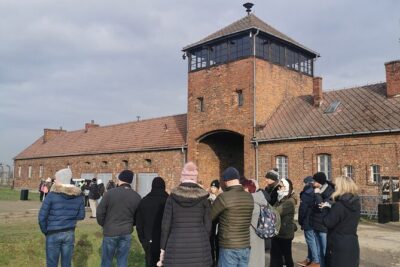
Krakow to Auschwitz Birkenau Guided Tour with Transfer and Ticket
Read our review →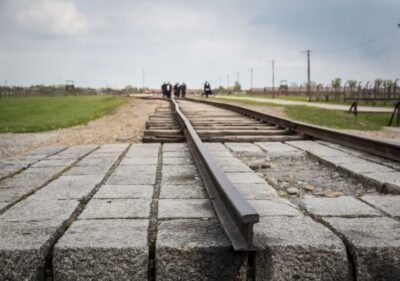
Auschwitz Birkenau Small Group Tour with Pickup
Read our review →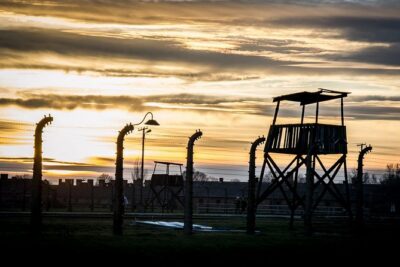
Auschwitz Birkenau Guided Tour with Ticket Hotel Pickup Small Van
Read our review →Where else this one turns up