
Reviewed · SCHINDLER'S FACTORY TOURS
Schindler’s Factory Museum Guided Tour – Krakow
Krakow’s Schindler’s Factory Museum does more than tell the story of one famous industrialist. It places you inside occupied Krakow, where ordinary objects, newspapers, photographs, and personal papers show how war changed daily life. The 90-minute guided visit moves from the city’s streets to the ghetto and then to Płaszów, giving the museum a strong sense of place.
I like two things here. First, the guide supplies the links between the displays, which matters in a museum packed with names, dates, and painful detail. Second, the preserved Schindler office and survivor ark give the visit a memorable physical center. The main drawback is pace: $50 is fair if you want interpretation, but 90 minutes can feel quick for the full exhibition.
Key points to know before you go
- The museum tells Krakow’s wartime story: Schindler is important, but the exhibition focuses on the city and its people from 1939 to 1945.
- The route uses strong visual settings: A tram, a ghetto apartment, photographs, documents, and period objects help turn history into something you can follow.
- The guide adds essential context: You receive live commentary in English, French, German, Italian, or Spanish rather than simply walking through alone.
- Schindler’s office is preserved: The factory owner’s former office includes a symbolic ark made from thousands of pots.
- The tour is a group visit: That makes the price easier to justify, but it also means you cannot control the pace at every display.
- Plan carefully from January 1, 2026: The selected start time may change, and every participant must provide a full name and bring a passport or ID.
Why the museum is about more than Oskar Schindler
The name draws people in, thanks in part to the famous 1993 film. But you should not expect a biography museum devoted entirely to Schindler’s life. The exhibition uses his factory and his actions as one part of a much larger account of Krakow under German occupation.
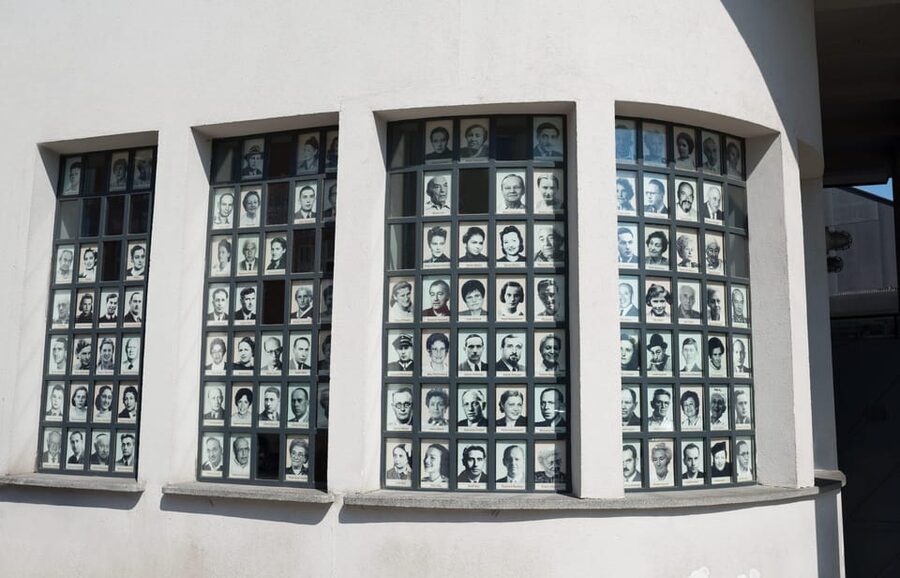
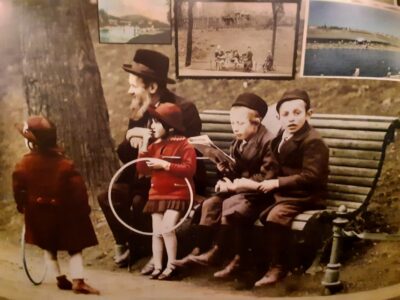
That wider focus is one of the museum’s strengths. You learn about the city’s Jewish and non-Jewish inhabitants, the pressure of occupation, and the way public events reached into homes and workplaces. The story is told through everyday things, not only military facts and political decisions.
I find that approach more useful than a simple hero story. Schindler’s effort to save more than a thousand Krakow Jews matters greatly, but the museum also asks you to consider the people who were not protected, the systems that trapped them, and the city they were forced to live in.
The result is serious and often upsetting. This is not a light sightseeing stop to squeeze in between cafés. Give yourself a little quiet time afterward, especially if you are visiting with children or anyone who may find wartime persecution difficult.
More Museum Tours in Krakow
- Auschwitz-Birkenau Museum and Memorial Guided Tour from Krakow
★ 4.5 · 1,510 reviews - Krakow: Rynek Underground Museum Guided Tour
★ 4.6 · 1,122 reviews - Krakow Schindler’s Factory Museum Guided Tour in English
★ 4.5 · 650 reviews
Entering the former enamel factory
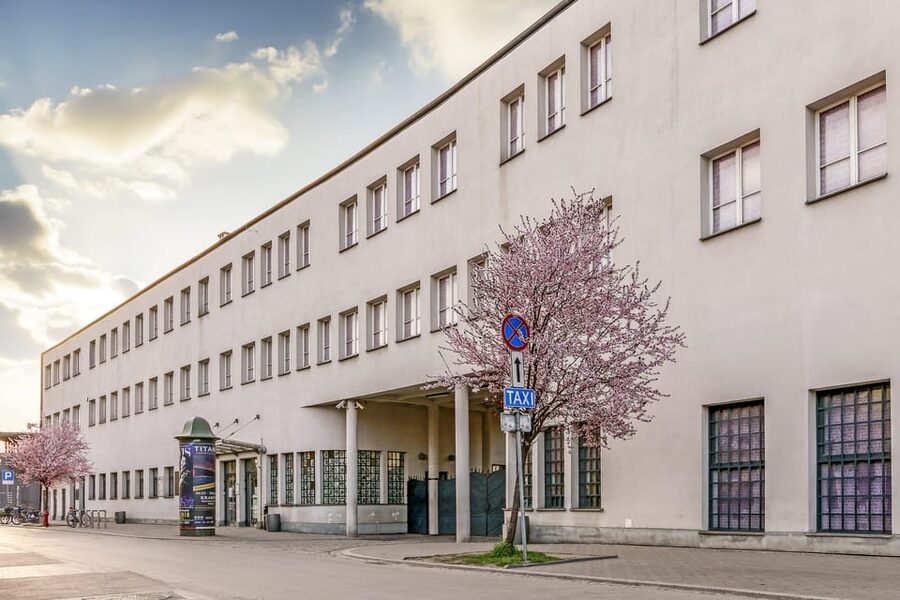
Your meeting point is in front of the entrance to Oskar Schindler’s Enamel Factory. Look for the person holding an excursions.city sign. The entrance arrangement is simple, but arrive with enough time to locate the guide and settle into the group before the visit begins.
Your ticket is included, and the tour offers skip-the-ticket-line access. That is useful at a popular museum, since time spent waiting outside is time you could spend with the exhibition. It does not mean the visit is private. This is a group tour, so the guide must keep a shared pace.
The building itself gives the subject extra weight. You are not entering a neutral gallery designed only for display. You are visiting the former administrative setting of the factory connected with Schindler and the wartime city around it.
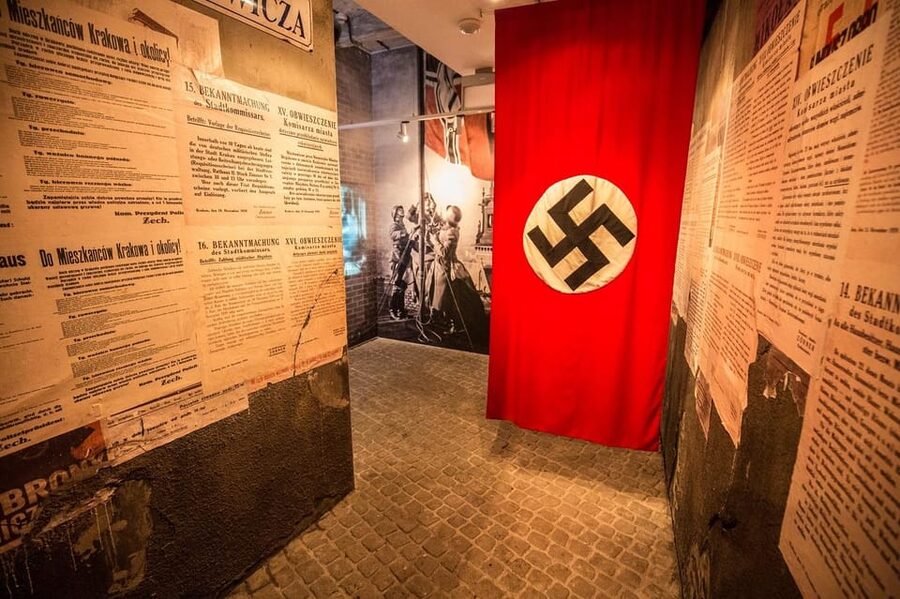
The museum’s permanent exhibition is built to make you feel the period through its surroundings and objects. Instead of asking you to read a long text panel at every turn, it places photographs, official papers, newspapers, and ordinary belongings into a carefully staged account.
A guided walk through Krakow from 1939 to 1945
The route presents Krakow as a city under occupation. Your guide explains how the war affected the people who lived there, helping you connect the local story to the wider events of the period.
The live commentary is especially valuable because the exhibition contains several layers at once. There is the history of the city, the fate of Jewish residents, the operation of the ghetto, the camp at Płaszów, and Schindler’s place within those events. Without guidance, it would be easy to focus on the film connection and miss the broader story.
The guide languages are English, French, German, Italian, and Spanish. If you are comfortable in one of these languages, the tour should give you a clearer path through the displays than an unguided visit. The live format also lets the guide point out connections that may not be obvious when you walk alone.
Still, do not expect unlimited time at each object. The visit lasts 90 minutes, and the exhibition covers a lot. A group cannot stop for every photograph or document. If you like to read every label slowly, plan to return independently if possible, or accept that the guide-led tour is an introduction rather than a complete study session.
Photographs, newspapers, and the texture of ordinary life
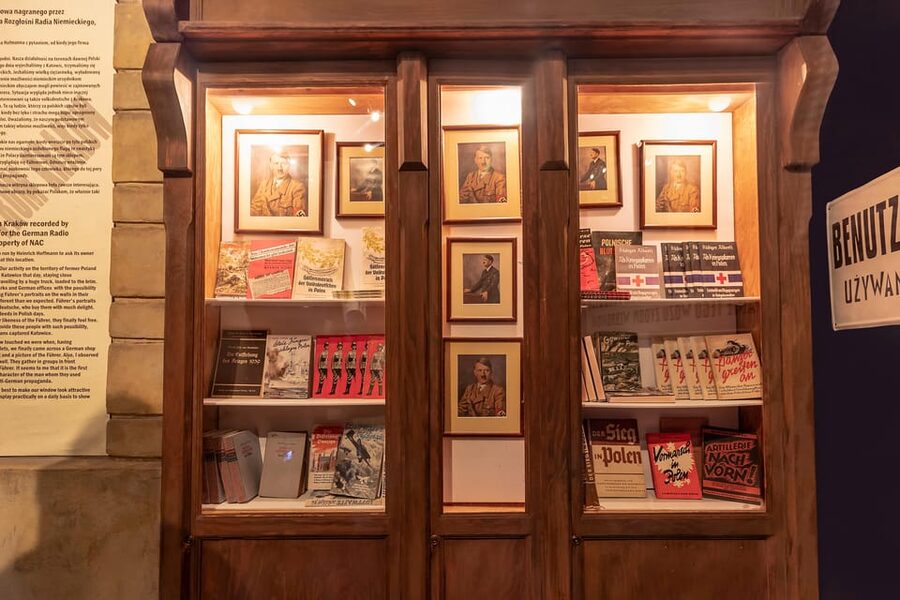
One of the most affecting parts of the exhibition is its use of everyday material. Ordinary objects, personal documents, official records, newspapers, and photographs show how war enters normal routines.
This approach helps you understand that occupation was not only a series of major battles. It also involved rules, restrictions, fear, separation, and decisions made day after day. A personal paper can say as much about a person’s situation as a large historical panel.
The exhibition also includes the setting of a photographer and a tailor, along with an authentic photo-artist. These details place the story in working spaces and familiar trades. They remind you that Krakow was a lived-in city, not simply a backdrop for famous events.
I like this focus because it gives the museum a human scale. You are not asked to think only in terms of armies and leaders. You are encouraged to notice how a city’s residents worked, moved, communicated, and tried to endure under extreme conditions.
At the same time, the displays can feel dense. The emotional force is high, and the amount of material is substantial. A good guide keeps the route readable, but you should not expect to remember every name and date after one visit.
Other visits to Schindler's Factory:
- Krakow: Oskar Schindler’s Factory Entry Ticket & Guided Tour
★ 4.2 · 3,793 reviews - Krakow: Schindler’s Factory Tour with Entrance Ticket
★ 4.5 · 3,182 reviews - Krakow: Schindler’s Factory Skip-the-Line Ticket
★ 4.4 · 3,105 reviews - Krakow: Schindler’s Factory Tour with Entrance Ticket
★ 4.6 · 1,737 reviews
The tram, the ghetto, and Płaszów
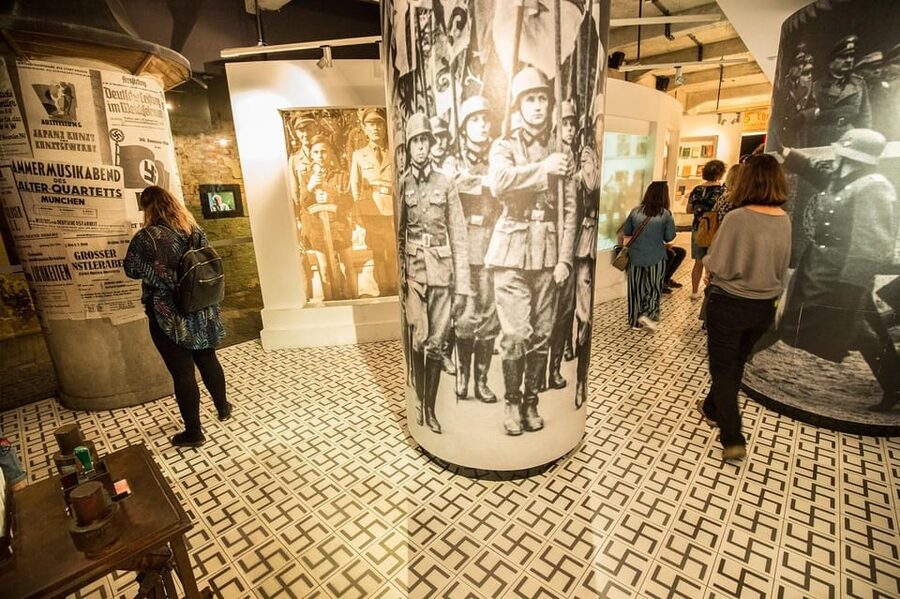
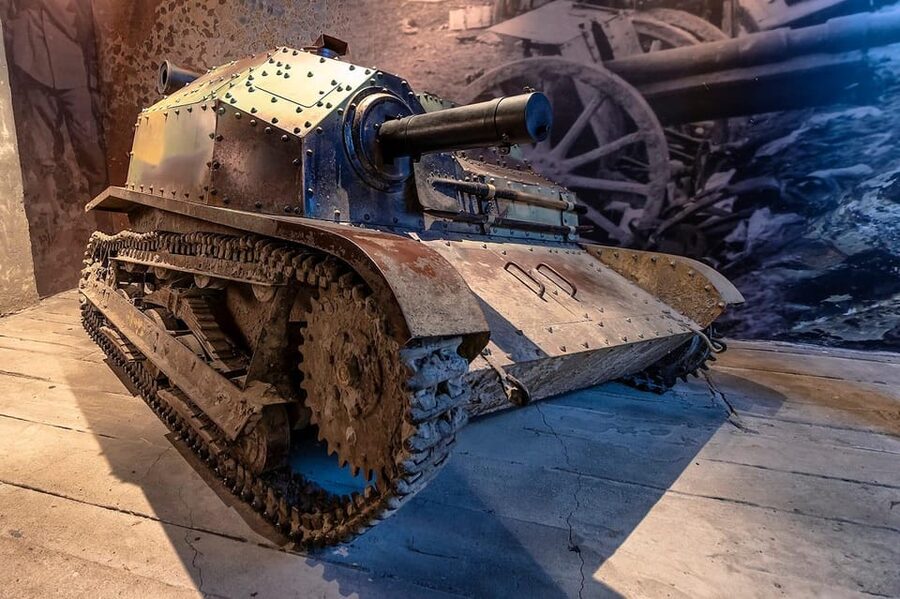
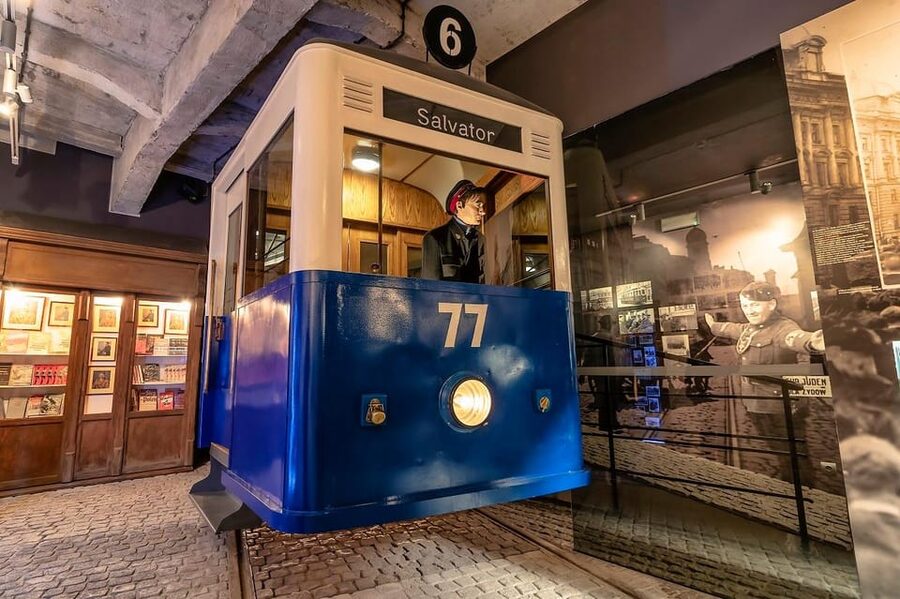
The museum uses several unusual settings to carry you through the story. You get on a tram, where film of the city’s life appears through the windows. It is a clever device because it gives the impression of moving through Krakow while the city’s wartime condition unfolds around you.
This section helps break up the reading and object displays. The tram creates a change of rhythm, but it is not a sightseeing ride through present-day Krakow. It is part of the exhibition’s presentation, designed to place you inside the city’s wartime experience.
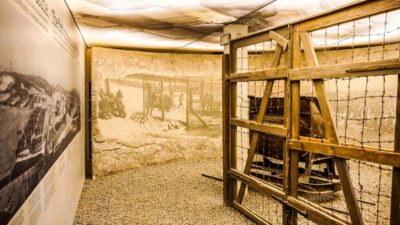
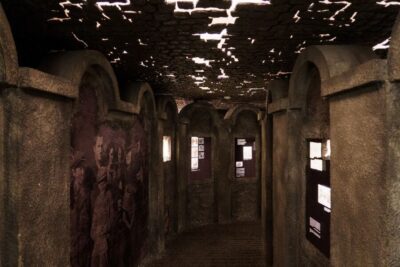
The route then leads into a tight labyrinth representing the ghetto. Within it, a Jewish apartment shows the human cost of the ghetto system at a personal level. The confined design is important. It makes the space feel restricted rather than open and comfortable, helping you grasp the loss of normal movement and privacy.
From there, the story moves toward Płaszów and the camp connected with Krakow’s Jewish population. This is one of the most difficult stages of the visit. The museum does not treat the camp as an isolated subject. It shows how the people you have encountered in the city and ghetto were drawn into the camp system.
The progression is effective, but it also explains the time pressure. You are moving through several settings, each with its own evidence and emotional weight. A private visit might let you pause longer, while this group format gives you a guided framework in a fixed period.
Schindler’s office and the ark of survivors
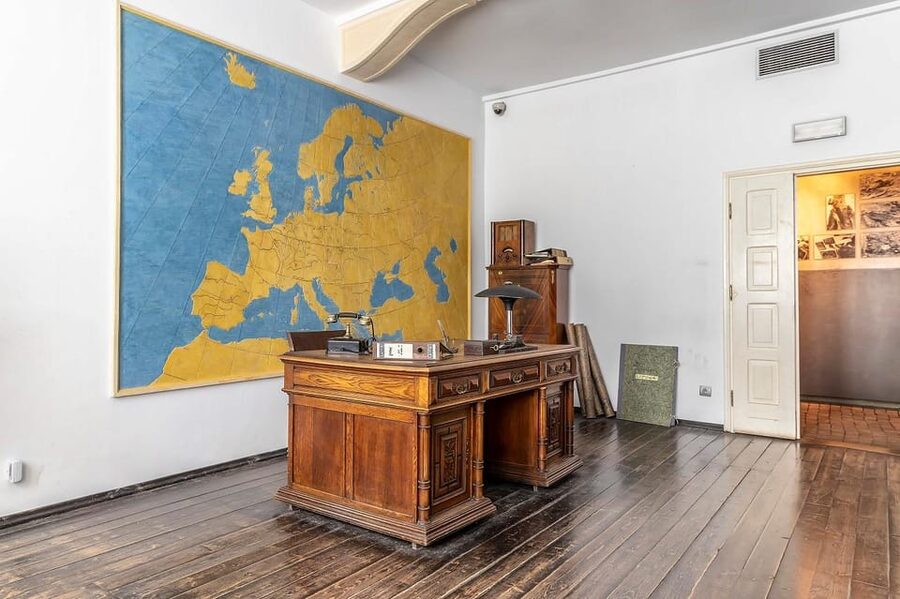
Schindler’s role appears most directly in his preserved office. This room is a key stop because it connects the physical factory to the story of the people he helped.
The office contains a symbolic ark made from thousands of pots resembling those produced by his employees during the war. It is a striking image. The pots point back to factory work, while the ark suggests survival and protection. The object brings together the industrial setting and the human story without needing a long explanation.
You should keep your expectations measured. The visit is not designed as a personal tour of every stage of Schindler’s life, and the museum does not treat him as the only subject. His heroic act is remembered, but it is placed within Krakow’s complicated wartime experience.
That balance is important. If you are visiting because of the film, you will find the connection here. If you want a fuller account of the city between 1939 and 1945, the exhibition offers more than film locations and familiar names.
Is $50 a fair price for 90 minutes?
At $50 per person, this is not the cheapest way to see a Krakow museum. The value depends on how much help you want with the material.
The price includes the professional guide and museum entrance. You are paying for interpretation, a planned route, and skip-the-ticket-line access. For a museum with a serious subject and many layers, that can be worthwhile. The best part of the fee is not simply getting through the door. It is having someone explain how the city, ghetto, camp, factory, and Schindler connect.
The price is less appealing if you prefer to read at your own speed or if you already know the history well. A 90-minute group tour cannot cover every item in detail. One useful way to see it is as a guided first visit that gives you the structure to understand the museum, rather than a final word on every display.
The reported overall score of 4.5 from 15 ratings fits that balance. The strongest praise centers on the guides and the amount of information about Krakow from 1939 to 1945. One recurring reservation is that the tour can move too fast for the full content of the museum. That is a fair criticism, and you should factor it into your decision.
Who should book this museum visit?
I would choose this tour if you want a clear introduction to Krakow’s wartime story and prefer listening to a guide instead of building your own route through a difficult museum.
It suits:
- First-time visitors to Schindler’s Factory Museum
- People interested in Krakow during World War II
- Film fans who also want more than the Schindler story
- Visitors who value historical context over a quick photo stop
- Anyone who wants a multilingual guided visit
- People who need wheelchair-accessible activity information
It may be less suitable if you want a quiet, unhurried museum visit. The group format and fixed 90-minute duration limit how long you can stay with each artifact.
The tour is also a good choice if you are visiting Krakow for a short stay. You receive the museum entry and guided structure in one booking, without using part of your day to work out the exhibition on your own.
For bookings from January 1, 2026, take the identification rules seriously. The museum uses personalized tickets, so you must provide the full names of everyone in your party and bring a passport or ID. The chosen time is only a preferred time because the museum schedule may change.
Practical details that affect your day
The meeting point is directly in front of the museum entrance. Find the person with the excursions.city sign, and remember that the experience is provided by MyRide.
You can cancel up to 24 hours before the activity for a full refund. The reserve-now, pay-later option also lets you hold a place without paying at the time of booking, which is useful when your Krakow schedule is still shifting.
The tour lasts 90 minutes. Starting times depend on availability, and from 2026 the exact start time may not be guaranteed because of museum scheduling. Check the final time carefully before setting up other plans.
The activity is wheelchair accessible. Live guidance is available in English, French, German, Italian, and Spanish. Since this is a group visit, keep your party together and allow the guide to set the pace through the exhibition.
Should you book Schindler’s Factory guided tour?
Book it if you want the museum’s difficult material explained in a connected way. The strongest reasons are the guide commentary, the route through occupied Krakow, the ghetto apartment, the tram presentation, and the preserved office with its symbolic pot ark.
Skip it, or choose an unguided visit instead, if you need to stop at every document and read every panel. The $50 cost is easiest to justify when you value context and a well-organized introduction.
My practical choice would be to book the guided visit for a first look, especially on a short Krakow trip. Go in knowing that Schindler is part of the story, not the whole story, and that the 90-minute schedule gives you a strong framework rather than unlimited time.
FAQ
How long does the Schindler’s Factory Museum tour last?
The guided tour lasts 90 minutes.
What is included in the price?
The price includes a professional guide and an entrance ticket to the museum.
How much does the tour cost?
The listed price is $50 per person.
Where is the meeting point?
Meet in front of the entrance to Oskar Schindler’s Enamel Factory. Look for the person holding an excursions.city sign.
Is this a private or group tour?
This is a group tour.
Which languages are available?
Live tour guidance is available in English, French, German, Italian, and Spanish.
Is the museum tour wheelchair accessible?
Yes, the activity is wheelchair accessible.
Do I need identification for entry?
For visits from January 1, 2026, you must provide the full names of all participants when booking and bring a passport or ID. Without these documents, entry may be denied.
Recently added in Krakow
- Auschwitz-Birkenau and Krakow Private Car Trip from Katowice★ 4.3 · 3 reviews
- Wawel Castle, Old Town with St. Mary’s Church Guided Tour★ 5.0 · 3 reviews
- Private tour to Zakopane and Thermal Baths from Krakow★ 5.0 · 3 reviews
- Wawel Castle, Cathedral, Rynek Underground Tour with Lunch★ 5.0 · 3 reviews
- From Krakow: Chocholow Thermal Hot Springs (hotel pick up)★ 5.0 · 3 reviews
- Legends of Cracow ROBOTIC SHOW★ 4.0 · 3 reviews
- From Krakow: Zakopane and Thermal Pools Guided Trip★ 5.0 · 3 reviews
- Guided Beer Tour in Krakow★ 4.5 · 3 reviews
Schindler's Factory Tours, compared.
Oskar Schindler’s Factory Entry Ticket & Guided Tour
Read our review →
Schindler’s Factory Tour with Entrance Ticket
Read our review →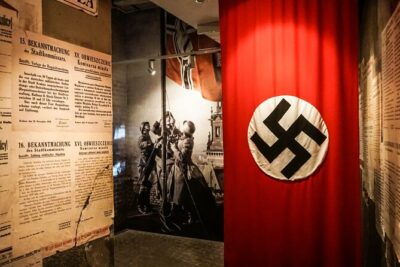
Schindler’s Factory in Krakow: Guided Tour & Skip the Line Ticket
Read our review →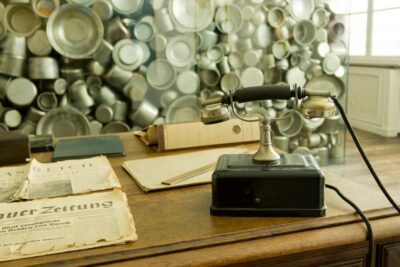
Schindler’s Factory Ticket with Guided Tour Option
Read our review →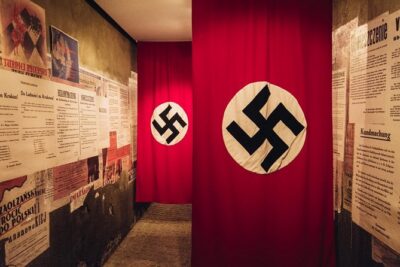
Krakow Schindler’s Factory Guided Tour with Admission Ticket
Read our review →
Krakow Schindler’s Factory Museum Guided Tour in English
Read our review →Where else this one turns up