
Reviewed · OLD TOWN TOURS
Wrocław: Old Town and Ostrów Tumski Walking Tour in English
Wrocław’s story is the real star here. In two and a half hours, you move from the ornate Market Square to Ostrów Tumski, the oldest part of the city, while a local guide explains how wars, shifting borders, religion, communism, and modern freedom shaped this Polish city. I especially like the clear route from Old Town to cathedral island and the way guides add practical tips about food, cafés, and places to visit later. The tour also teaches you how to pronounce Wrocław, which saves you from repeatedly guessing at the name.
I like that the guides bring personality to a complicated subject. Łukasz is known for humor and local pride, while Justyna, Matt, Daniel, Michał, and others have been praised for making the past easy to follow. The main drawback is the length and group format: 150 minutes can stretch closer to three hours, and a large group may make it harder to hear.
Key points at a glance
- A city story spread across 1,000 years: Learn how Wrocław passed through different political and cultural worlds.
- From Fredro Statue to cathedral island: The route links the Market Square, Old Town, bridges, and Ostrów Tumski.
- Local guides make the difference: Guides such as Łukasz, Justyna, Matt, and Daniel mix facts, humor, and personal recommendations.
- Useful for your first day: You get a clear orientation and suggestions for restaurants, pubs, cafés, and later sightseeing.
- A true walking tour: Transportation is not included, so comfortable shoes and weather-ready clothing matter.
- Good value at $19: The price covers the reservation and guide payment, rather than requiring a separate tip afterward.
Why Wrocław makes such a good walking-tour subject
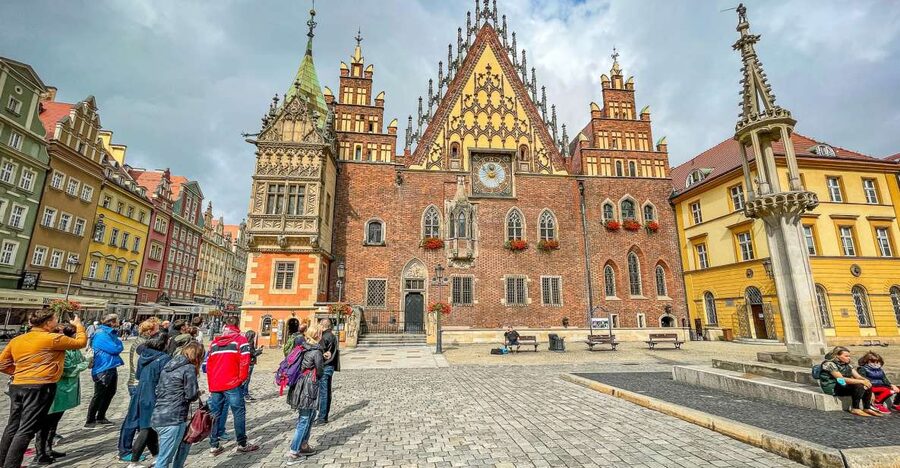
Wrocław can look simple at first glance: a handsome square, colorful merchant houses, Gothic churches, and a river crossed by many bridges. The city becomes far more interesting when you learn how often its identity changed.
Professor Norman Davies called Wrocław a microcosm because so much of European history has touched this place. The city has belonged to different countries, experienced religious conflict, grown wealthy through trade, suffered under Nazism and the Second World War, and later lived behind the Iron Curtain before Poland’s return to freedom.
That sounds like a lot to fit into one outing. The guide’s job is to turn those changes into a story you can follow while walking. Instead of treating each building as an isolated photo stop, the tour connects architecture to power, trade, faith, war, and daily life.
I find that especially useful in Wrocław because the city’s appearance can hide its disrupted past. The rebuilt Old Town is beautiful, but it does not tell the whole story on its own. A good guide helps you read what you see.
More Old Town Tours in Wroclaw
- Wroclaw: Private Old Town Guided Walking Tour (2 hours)
★ 4.8 · 275 reviews - Old Town Wrocław Walking Tour
★ 5.0 · 249 reviews - Wroclaw Old Town Guided Walking Tour
★ 5.0 · 100 reviews
Meeting at the Fredro Statue in the Market Square
The tour begins in front of the Fredro Statue in the Market Square, or Rynek. This is a sensible starting point because you are already in the heart of Wrocław’s Old Town, surrounded by the city’s grandest buildings and busiest public spaces.
The opening usually sets up the city’s name, history, and pronunciation. Wrocław is not an easy word for English speakers, so learning to say it properly is a small but useful part of getting comfortable in the city.
From here, you should expect an introduction to the Market Square and its surrounding architecture. The Old Town is not presented as a collection of pretty façades alone. Your guide explains how the square reflects Wrocław’s past as an important trading city and how the buildings changed over time.
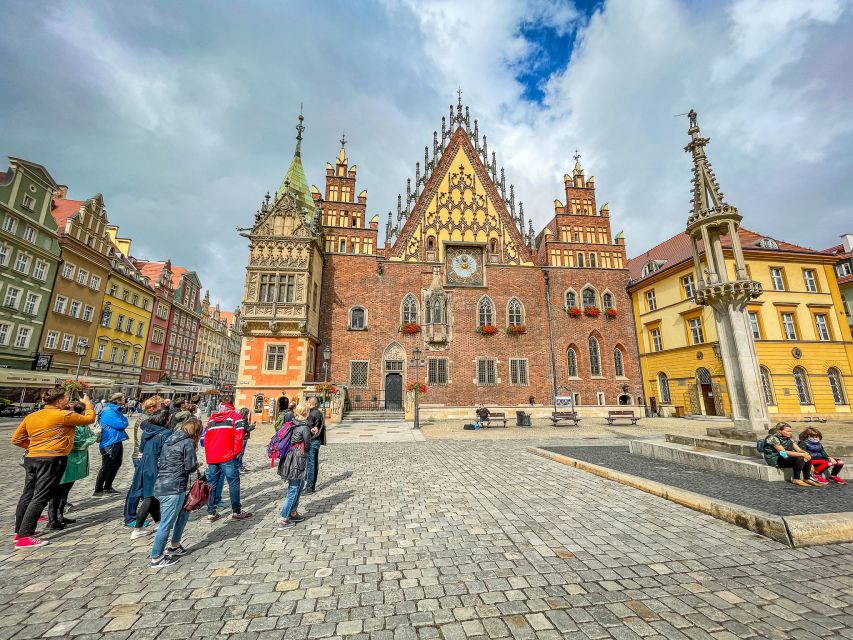
The Gothic Town Hall is one of the major early sights. Its detailed exterior gives the guide plenty to discuss, from civic power to the wealth that helped shape the city. You will want time for photographs, but the value comes from understanding why this building matters rather than simply recording its appearance.
The square also gives you a quick sense of Wrocław’s modern character. It is a place where the old city and present-day life sit close together. That contrast helps explain why the tour moves between architecture, politics, local customs, and current recommendations instead of focusing only on dates.
Following the Old Town beyond postcard views
The route covers the key parts of the Old Town at a comfortable walking pace for most people. Several people with older family members found the pace manageable, while another participant noted that the tour covers a good distance. That combination is worth taking seriously: this is not a quick lap around the square.
The cobblestones are beautiful but can be hard on your feet. Wear shoes with good support, especially if you are also exploring Wrocław independently before or after the tour. Since the walk runs in all weather, bring clothing suited to the forecast.
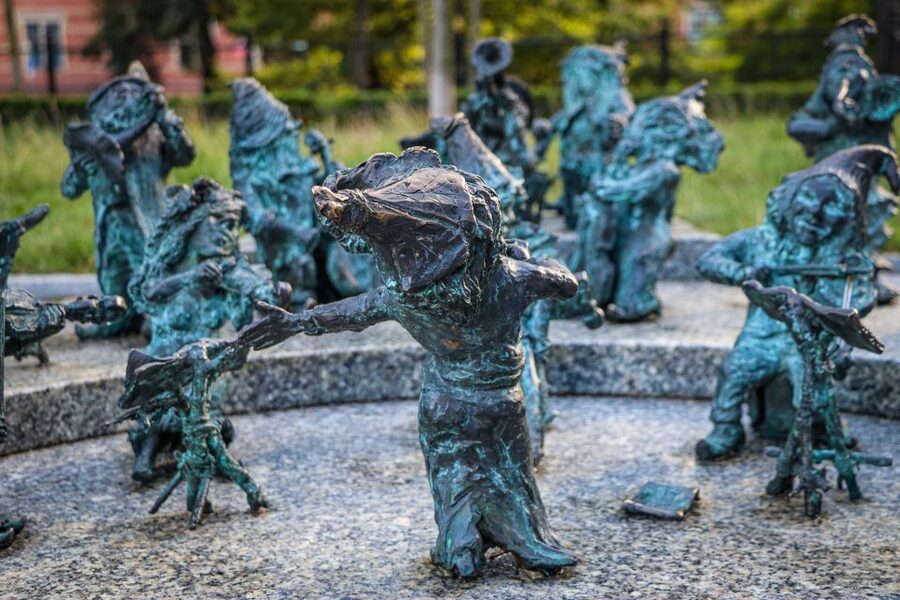
One reason I like this type of tour is that a local guide can add details that do not appear in a standard architectural description. Guides have brought up stories about the city’s culture, local food, public life, and unusual details such as Wrocław’s famous small dwarf figures.
You may also hear about less obvious pieces of the city’s character. One guide pointed out bygone prisoners’ graffiti, guitarists’ flashmobs, and Nobel laureate Olga Tokarczuk as part of a wider picture of Wrocław. These details keep the tour from becoming a parade of façades.
Some guides also offer a short break at the Market Hall. One account described about 15 minutes there for using the facilities or shopping. It is a practical pause, especially on a long walk, though it is not presented as a food tasting or included meal.
Crossing Wrocław’s bridges to Ostrów Tumski
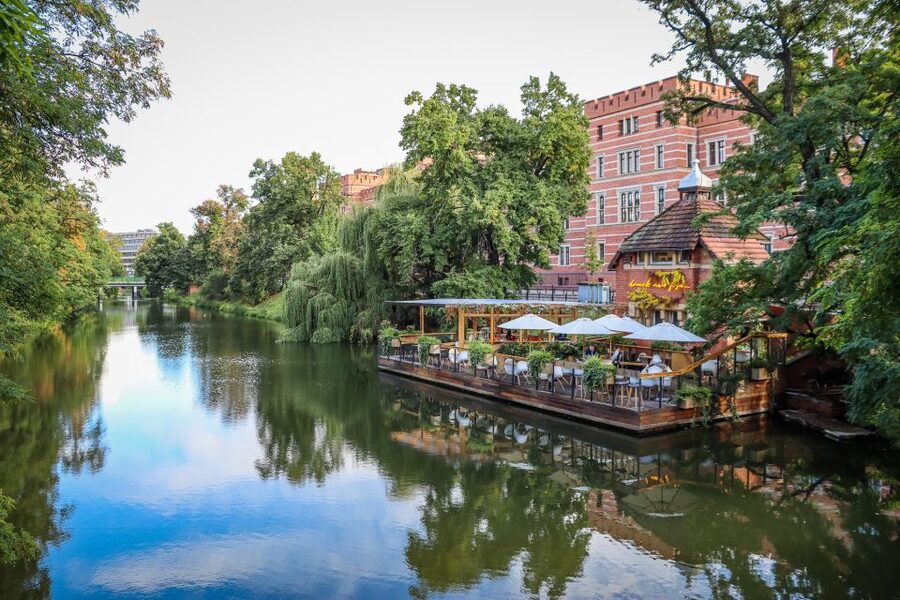
The walk gradually heads toward the river and the bridges leading to Ostrów Tumski. The name means Cathedral Island, though today the area is connected to the rest of the city. Counting or discussing the bridges gives you a playful way to notice Wrocław’s relationship with the water.
This part of the route changes the feel of the tour. The Market Square is civic and commercial, while Ostrów Tumski is quieter and more religious in character. The transition helps you understand why Wrocław is often associated with both trade and church history.
The bridges also give you a fresh view of the city. You are not taking a boat ride or using transport, so the walk itself becomes the way to experience the river connections. The route is straightforward, but you should still allow time for stopping and listening.
The guides often use this section to explain how the oldest part of Wrocław developed. That makes Ostrów Tumski more than another attractive quarter. It becomes a place where the city’s earliest layers are discussed in relation to the later Old Town.
More Walking Tours in Wroclaw
- Group city tour (walking tour) through Wroclaw in German
★ 4.9 · 89 reviews - Wroclaw: Guided City Walk
★ 4.9 · 87 reviews - Wrocław: Long City Walk and River Cruise
★ 4.8 · 68 reviews - Wroclaw: Old Town Highlights Private Walking Tour
★ 4.8 · 65 reviews
Exploring the cathedrals of Ostrów Tumski
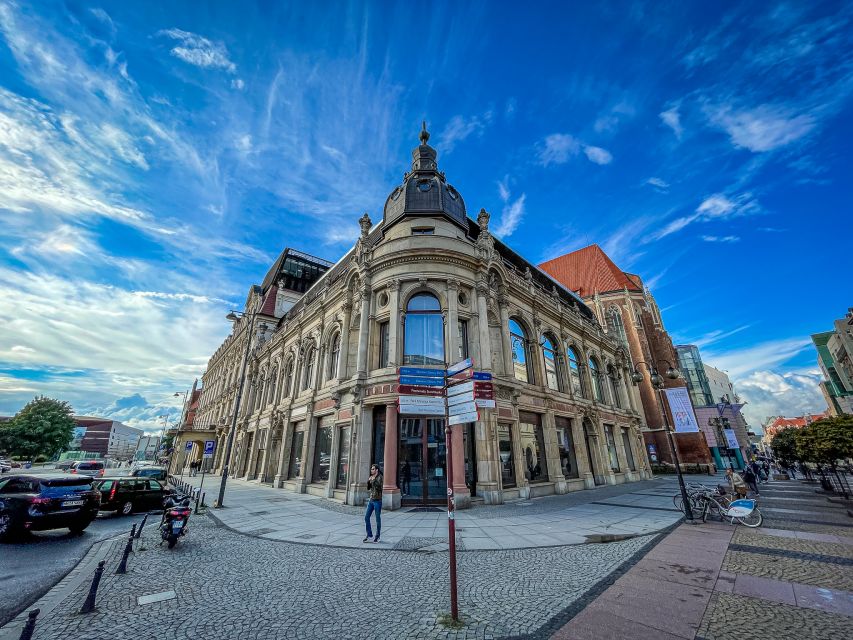
Ostrów Tumski is the final major part of the route and one of the most rewarding stops. Its cathedrals and religious buildings give the tour a different visual and historical focus from the Town Hall and merchant houses.
Your guide explains why the island is considered the oldest part of the city and points out the main cathedral sights. The value here is context. You are not simply asked to admire Gothic towers. You learn how faith, political authority, and the growth of the city were connected.
The island also provides a natural ending point. By the time you arrive, you have seen the commercial center, followed the city’s bridges, and reached the religious heart of old Wrocław. The route has a clear beginning and finish rather than leaving you somewhere unrelated to the main story.
The tour does not include entry into paid attractions or transport, so think of this as an outdoor orientation. If a cathedral or museum catches your interest, you can return later and explore it at your own pace.
The guides are the heart of the experience
The strongest reason to book this walk is the quality of the individual guide. The names change, but the best guides share a similar approach: they speak clear English, explain difficult political changes in simple terms, and leave room for questions.
Łukasz has been praised for combining strong local knowledge with humor and a personal connection to the city where he was born. Justyna is known for an easy pace, warmth, and useful advice about food, drinks, and additional sights. Matt has been described as friendly, funny, and ready with restaurant and café suggestions.
Daniel received praise for keeping the walk well paced while covering history, architecture, and local people. Michał has been especially good at explaining Wrocław’s multinational and multicultural past. Other guides, including Adam, Simon, Peter, Zuzanna, and Michael, have also been noted for clear delivery and enthusiasm.
That range matters because a walking tour depends heavily on presentation. A guide can know the facts and still make the experience dull. Here, the repeated strengths are humor, approachability, clear English, and pride in Wrocław.
There is one practical concern: sound. One person found it difficult to hear the guide at times and wished for receiver-style earphones. A large group can also feel crowded. Stay near the guide when possible, and do not hesitate to ask for repetition if street noise gets in the way.
How much history can 150 minutes hold?
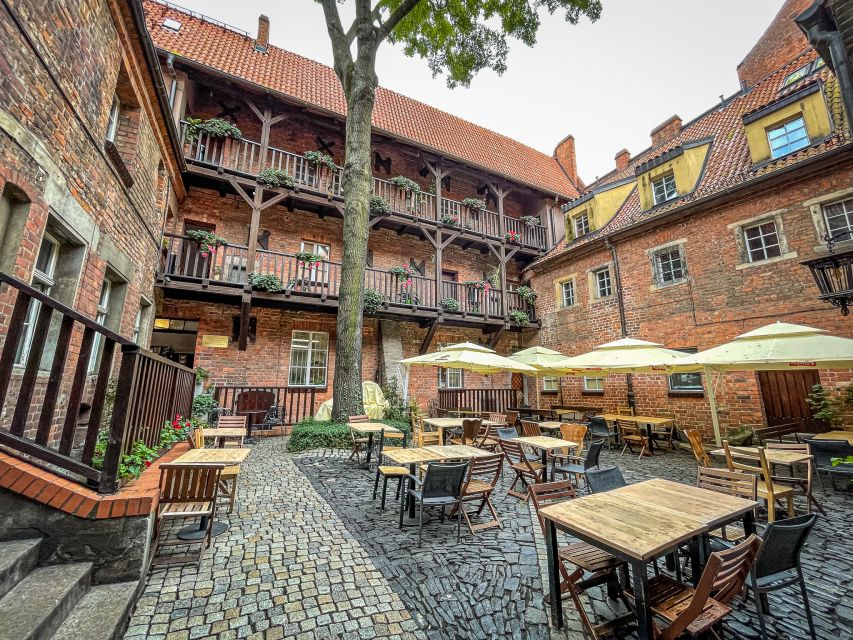
The advertised duration is 150 minutes, but you should not treat that as a hard finish time. One person found the walk closer to three hours, while others described the pace as comfortable and the length as enough for a strong overview.
That extra time may come from questions, pauses, photographs, or a short break. It is good news if you want a fuller introduction, but it matters if you have a train, restaurant booking, or museum visit immediately afterward.
The subject itself is broad. Wrocław’s story includes medieval growth, trade, religious struggle, the Nazi period, wartime destruction, communism, and the move into modern freedom. A single walk cannot explain every period in detail.
What it can do is give you a usable framework. Afterward, you should know which parts of the city deserve another look and why the modern population and culture cannot be understood without knowing about the city’s changing borders and past.
What $19 means in practical value
At $19 per person, this is a reasonable price for a two-and-a-half-hour introduction led in English. The cost is not just for seeing the main sights. You are paying for someone to connect them, answer questions, explain the city’s difficult name, and help you decide what to do next.
The payment arrangement needs a close look. This is connected to a general pay-as-you-wish format, but the listed amount covers the reservation fee and the guide’s payment. In other words, you should not assume that the $19 is merely a booking charge followed by an expected tip.
That makes the price easier to assess. You get a fixed booking cost and a planned English-language walk rather than leaving the guide’s payment entirely uncertain. For a first visit, the restaurant advice and city orientation can add value beyond the formal route.
The tour offers free cancellation up to 24 hours before the start and a reserve-now, pay-later option. Those policies are useful if your schedule is still moving, though you should check the available starting time before committing.
Who will enjoy this walk most?
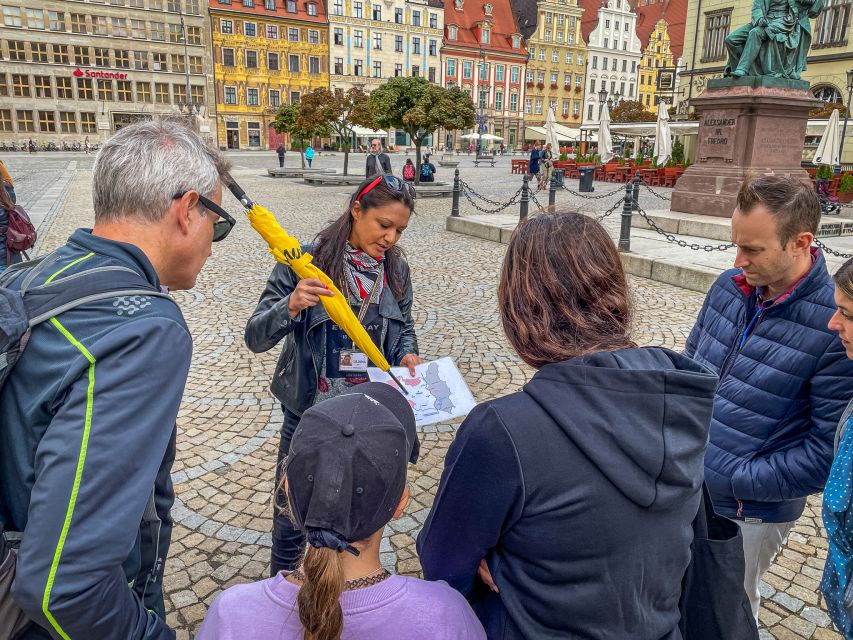
I would choose this tour for a first visit to Wrocław, especially if you want the city’s major areas explained before exploring alone. It suits anyone who likes architecture but also wants politics, religion, war, and everyday culture included in the story.
It is also a good fit for families with older relatives or teenagers, provided everyone is ready for a long walk over cobblestones. The pace has worked well for older people, and the humor helps keep a complicated subject from becoming a classroom lecture.
Food-minded visitors should pay attention to the recommendations. Guides may point you toward restaurants, pubs, cafés, traditional food, vegetarian choices, and affordable places. These suggestions are not part of the ticket, but they can make the rest of your stay easier.
You may want a different option if you need a very short tour, private attention, or a tightly controlled schedule. Large groups can make hearing difficult, and the walk may run longer than 150 minutes.
What to bring and how to prepare
Wear weather-appropriate clothing and comfortable shoes. That sounds basic, but it is important here because the route is entirely on foot and includes cobbled streets and bridges.
Arrive at the Fredro Statue in the Market Square with enough time to find the meeting point. Transportation is not included, so you are responsible for getting to the square and arranging your return from Ostrów Tumski.
Keep a little flexibility after the advertised finish. If you are planning lunch, a museum, or a train, allow extra time. The tour’s informal questions and recommendations are part of its appeal, but they can extend the walk.
For the best result, take notes on places you want to revisit. Ostrów Tumski, the Market Square, and the Town Hall are easy to recognize later, and the guide’s food suggestions can help you turn a general introduction into a more personal visit.
Should you book the Wrocław walking tour?
I would book it if you want an affordable, story-led introduction to Wrocław and are happy to walk for 150 minutes or longer. The route gives you the city’s essential first look, from the Gothic Town Hall and Market Square to the bridges and cathedrals of Ostrów Tumski.
Choose it with realistic expectations. This is a general walking tour, not a private experience, and a large group may affect how easily you hear. Still, the combination of local guides, strong English, humor, practical food advice, and a clear Old Town to cathedral-island route gives you a lot for $19.
Go early in your stay, wear good shoes, and leave your schedule open afterward. That way, you can use the tour not just to see Wrocław, but to decide where you want to return.
FAQ
How long does the Wrocław walking tour last?
The advertised duration is 150 minutes, or two and a half hours. You should allow extra time because the walk may run closer to three hours.
What language is the tour conducted in?
The tour is conducted in English by a live English-speaking guide.
Where does the tour meet?
Meet the Walkative guide in front of the Fredro Statue in Wrocław’s Market Square.
What places does the tour cover?
The route covers Wrocław’s Old Town, the Market Square and Town Hall area, bridges leading toward Ostrów Tumski, and the cathedrals of Ostrów Tumski.
Is transportation included?
No. This is a walking tour, and transportation is not included.
Is the tour wheelchair accessible?
Yes, the activity is listed as wheelchair accessible.
What should I bring?
Bring weather-appropriate clothing and comfortable walking shoes for the cobbled streets.
How much does the tour cost?
The listed price is $19 per person. This amount covers the reservation fee and the guide’s payment within the general pay-as-you-wish tour format.
Can I cancel for a full refund?
Yes. You can cancel up to 24 hours in advance for a full refund.
Can I reserve now and pay later?
Yes. The activity offers a reserve-now, pay-later option, so you do not need to pay at the time of booking.
Recently added in Wroclaw
- CITY QUEST WROCLAW: unlock the mysteries of this city!★ 5.0 · 3 reviews
- Wroclaw: Old City Walk and Cruise with Small Gondola★ 4.7 · 3 reviews
- Private Transfer from Wroclaw (WRO) Airport to Wroclaw city centre★ 5.0 · 3 reviews
- Wroclaw : Walking Custom Tour with a Local Guide★ 4.8 · 3 reviews
- Wrocław: Ostrów Tumski and Old Town Highlights Private Tour★ 5.0 · 3 reviews
- Wroclaw Jewish Quarter Private Guided Tour★ 5.0 · 3 reviews
- Electric Scooter Tour: Full Tour (Old Town + Ostrów Tumski)★ 5.0 · 3 reviews
- Segway Tour Wroclaw: Ostrów Tumski Tour – 1,5-Hours of Magic!★ 5.0 · 3 reviews
Old Town Tours, compared.
Bike Tour of Old Town, Jewish Quarter and the Ghetto
Read our review →
Sightseeing EcoCruise around the Old Town of Gdansk
Read our review →
Where else this one turns up