
Reviewed · WALKING TOURS
World War II in Krakow Walking Tour in English
Kraków’s wartime story is written into ordinary streets, prison walls, and quiet corners near the Old Town. This 150-minute walking tour follows those traces, from Gestapo headquarters to Nazi prison cells where victims left marks on the walls.
I like the focus on individual courage, not just military dates and famous commanders. I also like the chance to see places that are easy to miss, including the Katyń wooden cross and bomb shelters in Park Krakowski. The main thing to consider is the serious subject matter, along with the fact that the tour is conducted on foot for two and a half hours.
Key points
- Nazi prison cells: See St. Michael’s prison and inscriptions left on the walls by people held there.
- Gestapo headquarters: Learn how occupation authorities used local buildings and systems to control Kraków.
- Stories of resistance: Hear about ordinary people who challenged the Nazi regime through individual and organised actions.
- Katyń wooden cross: Visit a memorial connected with one of Poland’s most painful wartime subjects.
- Park Krakowski shelters: See wartime defensive structures away from the main tourist route.
- English-language guidance: Guides such as Tomasz combine clear explanation, local knowledge, and occasional good humour.
Kraków’s wartime scars beside Wawel Hill
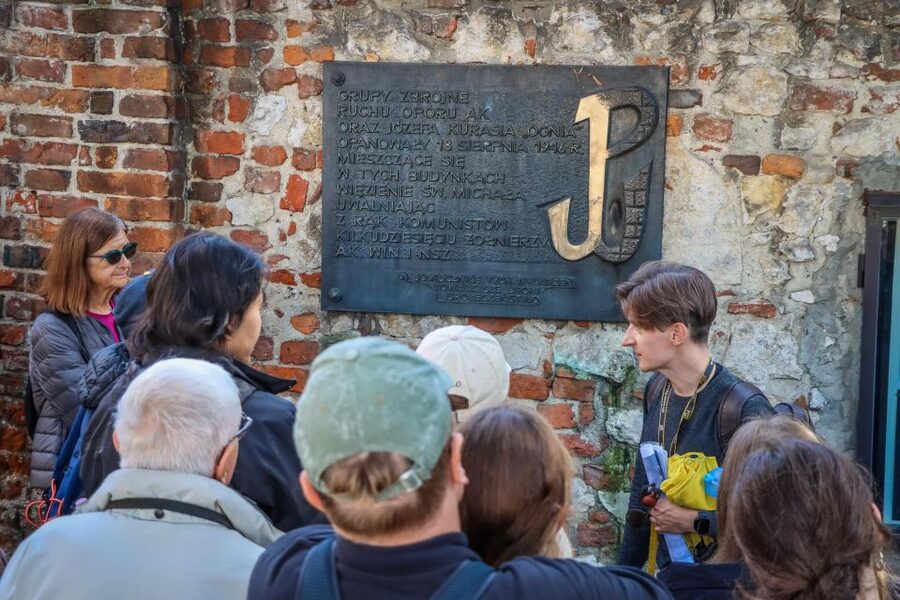
The tour begins at Triangle Square beside Wawel Hill, at the end of Grodzka Street. This is a useful meeting place because it sits near one of Kraków’s best-known landmarks, yet the tour quickly shifts your attention from royal Kraków to the city under German occupation.
You should arrive about 10 minutes early. The meeting point is central, but the description of the location is fairly specific, so do not wait until the last minute to work out where Triangle Square is.
The opening part of the walk sets up the main idea: World War II did not happen somewhere far away from daily life. It changed the streets, institutions, families, and choices of people living in Kraków. That makes this more than a sequence of wartime stops. You are being asked to look again at a familiar city and notice how occupation changed its meaning.
The tone is serious, but it is not presented as a dry lecture. The route deals with fear, sacrifice, treason, and moral choices. You will hear about people who resisted, but also about the hard decisions forced on ordinary residents when even a small action could bring grave consequences.
More Walking Tours in Krakow
- Old Town Krakow & Wawel Castle Walking Tour
★ 5.0 · 1,508 reviews - Creepy Krakow: 2-Hour City Walking Tour
★ 4.7 · 1,131 reviews - Krakow: The Old Town Walking Tour
★ 4.8 · 794 reviews
The Katyń wooden cross and the cost of remembrance
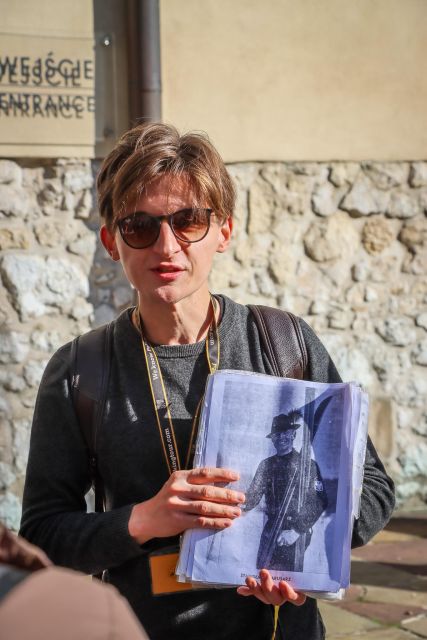
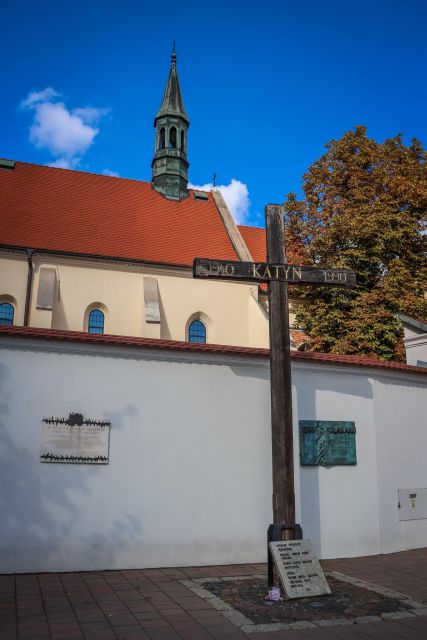
One stop is the Katyń wooden cross. The tour uses it to connect Kraków with the wider suffering caused by the war and with the way Poland remembers those who were killed.
The supplied information does not give a long description of the cross itself, so you should not expect a full museum visit or a large memorial complex here. Its value is in the story your guide builds around it. A guide can explain why a simple religious symbol carries such weight in Polish public memory and how wartime remembrance remains part of the city today.
This is also a good example of why a walking tour can add something that a guidebook may not. A small object in the street can be easy to pass without thought. With context, it becomes part of a larger account of occupation, loss, and the choices people made after the war.
St. Michael’s prison and the marks left by victims
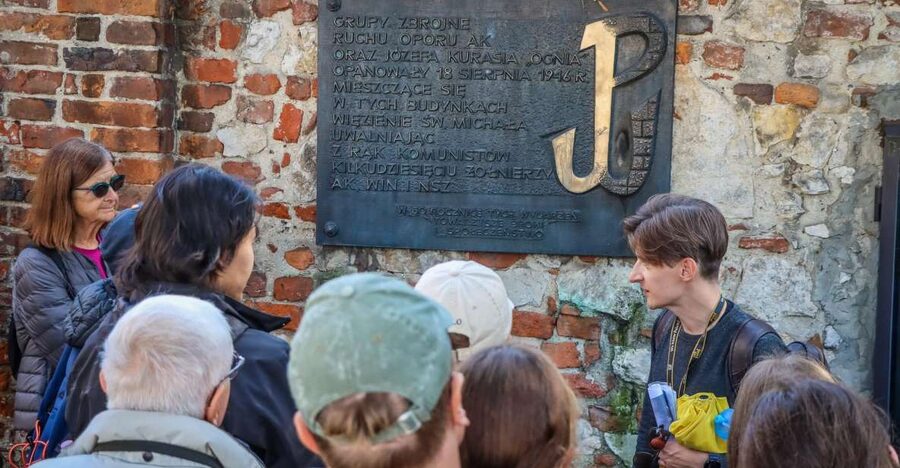
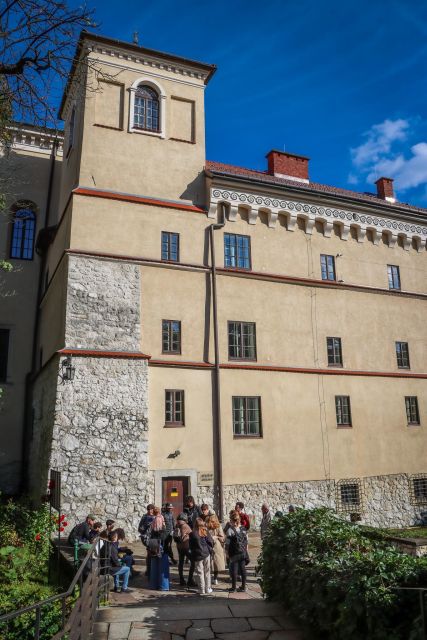
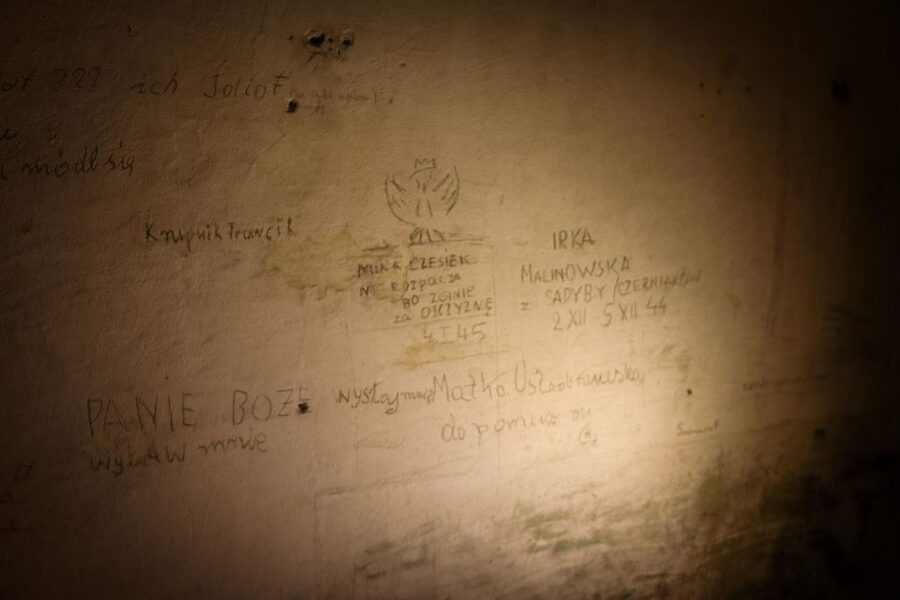
The prison stop is likely to be the most direct and difficult part of the walk. You will visit Nazi prison cells at St. Michael’s prison and see inscriptions left on the walls by people held there.
Those marks give the tour a human scale. Names, notes, or other inscriptions are not abstract evidence of repression. They are traces left by individuals who knew they had been imprisoned by a violent regime and may not have known what would happen next.
The stop also helps explain the machinery of occupation. The tour is not limited to a list of brutal officers. It looks at the tools used to control and punish people, including detention and interrogation. That practical focus can make the system easier to understand, even when the subject is painful.
You should be ready for a site that may feel stark rather than polished. This is not a light sightseeing stop, and it may not suit you if you want a relaxed introduction to Kraków. For anyone willing to give the subject proper attention, the prison cells provide one of the tour’s strongest reasons to book.
Gestapo headquarters and the machinery of occupation
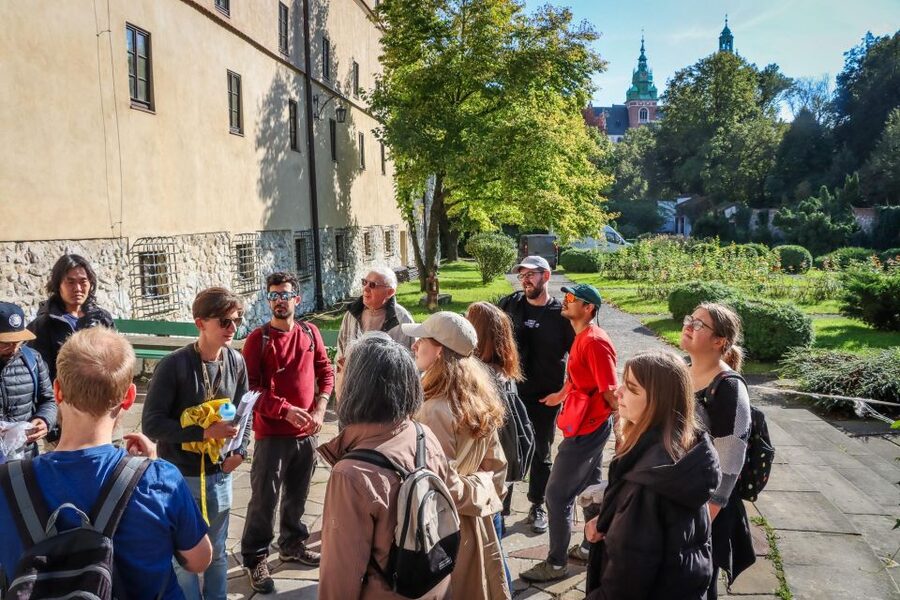
The former Gestapo headquarters gives the tour a clear place to discuss how German authority operated in Kraków. Here, the guide explains the officers, systems, and methods used to repress the population.
The useful point is that occupation was not only a matter of soldiers appearing in the streets. It involved offices, orders, arrests, surveillance, fear, and the pressure placed on people to cooperate or remain silent. Seeing the setting while hearing those stories can make the structure of repression easier to picture.
The route also looks at the people who opposed the Nazi regime. Some acted alone, while others joined organised resistance efforts. The focus is not just on dramatic victories. You will hear about risks, secrecy, and the personal cost of choosing to act.
This part depends heavily on the guide’s storytelling. Tomasz, also called Big Tomasz, has been praised for his insight, local knowledge, warmth, and occasional good humour. That mix matters here. Good humour does not make the subject less serious, but it can help a long walking tour feel human rather than relentlessly grim.
A different kind of day in Krakow:
- From Krakow: Auschwitz-Birkenau Guided Tour & Hotel Pickup
★ 4.5 · 33,358 reviews - From Krakow: Auschwitz-Birkenau Guided Tour & Hotel Pickup
★ 4.5 · 29,340 reviews - Krakow: Auschwitz Guided Tour with Optional Hotel Pickup
★ 4.5 · 15,280 reviews - Krakow–Zakopane: Cable Car, Chocholow Baths, Cheese & Vodka
★ 5.0 · 10,720 reviews
Resistance stories and difficult choices
The most thought-provoking section asks what you would have done in the same situation. That question can sound simple, but the tour uses it to examine the pressure placed on people living under occupation.
You will hear about silent heroes, people who faced the Nazi regime without becoming famous names. The tour also covers spectacular resistance actions by individuals and organised groups. The contrast is useful: resistance was not one single kind of act, and courage did not always look dramatic from the outside.
I like this approach because it moves beyond the clean version of wartime history, where everyone seems to know the right answer. Under occupation, choices could affect not only the person acting but also relatives, friends, and neighbours. A decision to help, hide information, resist, or stay quiet could bring severe consequences.
The tour does not present Kraków as only a place of victimhood. It shows fear and betrayal alongside courage and sacrifice. That balance gives you a clearer sense of how complex life became when ordinary rules stopped protecting ordinary people.
Park Krakowski bomb shelters
The route includes bomb shelters in Park Krakowski. This stop shifts the story from police repression and prisons to the physical danger of air raids and wartime survival.
A park can seem like an everyday city space, which makes wartime remains there especially useful. The shelters show how the conflict affected public places and daily routines. They also broaden the tour beyond the Gestapo and resistance, reminding you that occupation was lived through anxiety, disruption, and the threat of violence.
The information provided does not specify how much time you spend inside the shelters or whether every section is open. Treat this as an outdoor wartime stop rather than a full shelter museum visit. The route is wheelchair accessible, but conditions at individual historic sites can still vary, so you may want to confirm details if you need a particular level of access.
What the guide adds to the experience
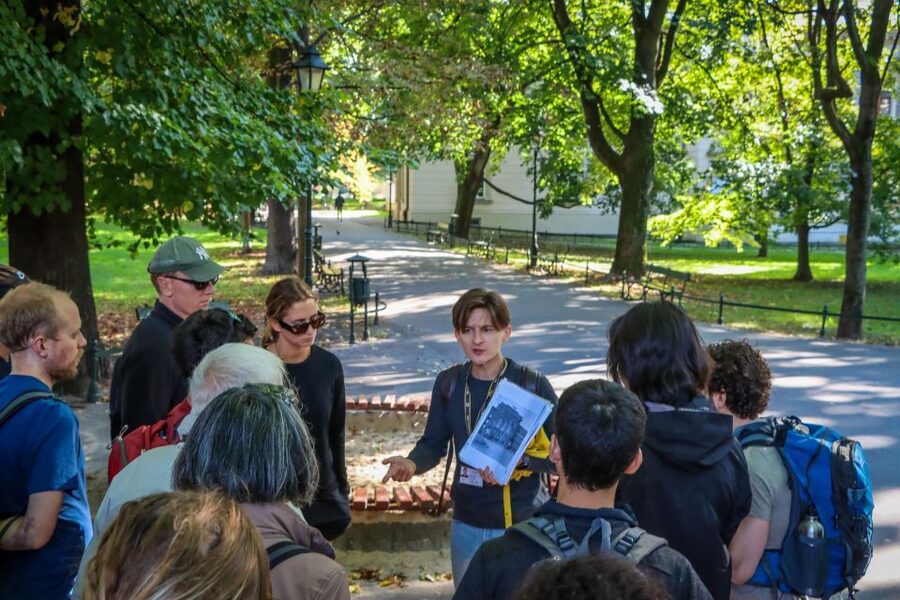
This tour rises or falls with the person leading it. The subject contains plenty of facts, but dates and names alone will not help you understand what Kraków felt like during the occupation.
Tomasz has received especially strong praise for being warm, engaging, passionate, and willing to add local knowledge and a little humour. One booking party had to leave early for a train, yet still found the tour worthwhile. That suggests the guide can make the time useful even if your schedule becomes tight, although you should not plan to leave early if you want the full route.
The tour is conducted in English. You can expect a live guide rather than an audio device or a self-guided walk. The included service is an expert local guide and a carefully constructed narrative, with no hotel pickup and no snacks.
The advertised cost is $26 per person. That is fair value if you want context at several separate sites and prefer a guide who connects them into one story. You are paying for interpretation, not entry to a major museum or transport between attractions. Since this is a general pay-as-you-wish tour, the amount covers the reservation fee and the guide’s payment, rather than functioning like a standard fixed-price private tour.
How long the walk takes and who it suits
At 150 minutes, the tour is long enough to build a serious account without taking up your entire day. You should still wear comfortable shoes and bring water, since the experience is conducted on foot and includes several city locations.
I would place it early in a Kraków visit if you want the rest of your sightseeing to have more context. Streets and buildings may look different after you understand what happened there. It also works well after seeing Kraków’s more familiar royal and religious sights, because the contrast is sharp.
This is a good choice for:
- First-time Kraków visitors who want more than the usual Old Town highlights
- People interested in World War II, resistance, and occupation
- Visitors who prefer stories about ordinary people alongside political events
- Anyone who wants an English-language walk with a local guide
- Travelers with a flexible booking schedule, thanks to free cancellation up to 24 hours before the start
It may not suit you if you want a cheerful city orientation, a short route, or a museum-heavy experience. The subject is difficult, and the strongest stops involve imprisonment and human suffering.
Practical details before you reserve
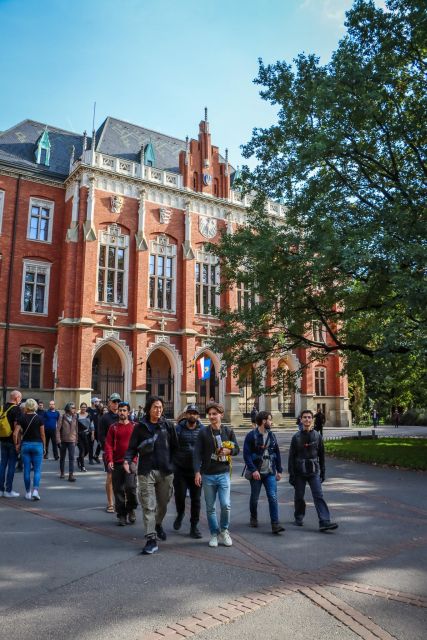
The walk starts at Triangle Square next to Wawel Hill, at the end of Grodzka Street. Arrive 10 minutes before the scheduled start, especially if you are unfamiliar with the area.
You can reserve now and pay later, which helps if your Kraków plans are still shifting. Cancellation is free up to 24 hours in advance for a full refund.
The tour is wheelchair accessible according to the activity details. Still, the route includes historic sites, streets, prison cells, and bomb shelters, so you should contact the provider if you need precise information about surfaces, entrances, or access inside each stop.
There is no hotel pickup or drop-off. You also need to arrange your own snacks. The walk lasts two and a half hours, so eat beforehand or carry something with you.
Only English is listed as the tour language. If English is comfortable for you, the format should make the storytelling easy to follow. If you need another language, this is not the right booking.
Should you book the World War II in Krakow Walking Tour?
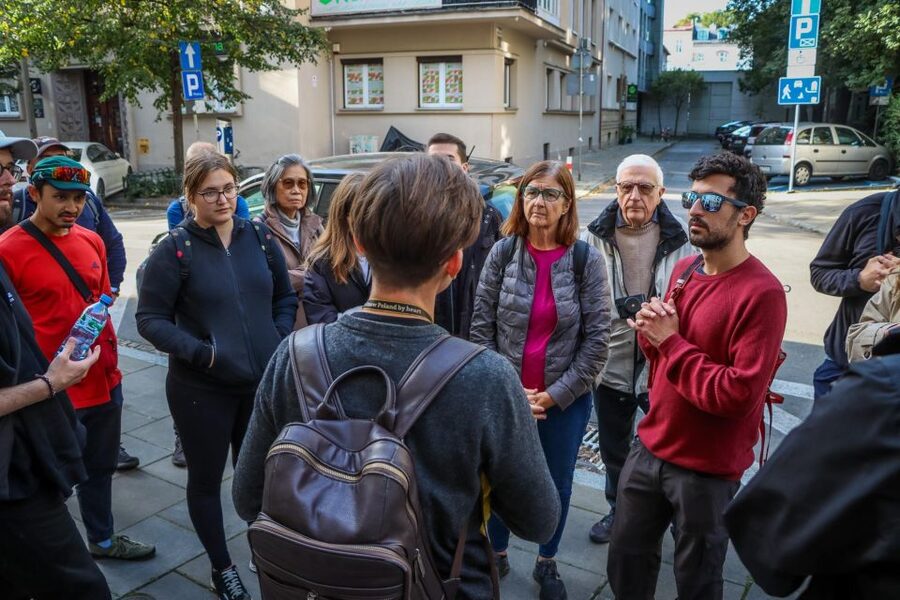
Book it if you want to understand how German occupation changed Kraków at street level. The prison inscriptions, Gestapo headquarters, Katyń cross, and Park Krakowski shelters give the route a strong range, while the resistance stories keep it focused on human choices rather than only military events.
The best reason to choose this walk is the guide-led storytelling, particularly if Tomasz is leading your departure. His warm style, local knowledge, and good humour can make a hard subject easier to follow without taking away its seriousness.
Skip it if you are looking for a light introduction to the city or a tour built around grand architecture. For a thoughtful, grounded look at Kraków’s wartime scars, $26 is a sensible price, and the 150-minute format fits neatly into a full day of sightseeing.
FAQ
Where does the World War II in Krakow Walking Tour begin?
It begins at Triangle Square next to Wawel Hill, at the end of Grodzka Street.
How early should I arrive?
You should arrive 10 minutes before the activity starts.
How long is the tour?
The walking tour lasts 150 minutes, or two and a half hours.
What language is the tour conducted in?
The live tour guide speaks English.
Is the tour wheelchair accessible?
Yes, the activity is listed as wheelchair accessible.
What wartime sites are included?
The route includes the Katyń wooden cross, St. Michael’s prison, Gestapo headquarters, and bomb shelters in Park Krakowski.
Can I see prison inscriptions during the tour?
Yes. The tour includes Nazi prison cells where victims left inscriptions on the walls.
Is hotel pickup included?
No. Hotel pickup and drop-off are not included.
Are snacks included?
No. Snacks are not included.
Can I cancel for a refund?
Yes. You can cancel up to 24 hours in advance for a full refund.
Can I reserve now and pay later?
Yes. The activity allows you to reserve your place and pay later.
Recently added in Krakow
- Auschwitz-Birkenau and Krakow Private Car Trip from Katowice★ 4.3 · 3 reviews
- Wawel Castle, Old Town with St. Mary’s Church Guided Tour★ 5.0 · 3 reviews
- Wawel Castle, Cathedral, Rynek Underground Tour with Lunch★ 5.0 · 3 reviews
- From Krakow: Chocholow Thermal Hot Springs (hotel pick up)★ 5.0 · 3 reviews
- Private tour to Zakopane and Thermal Baths from Krakow★ 5.0 · 3 reviews
- Legends of Cracow ROBOTIC SHOW★ 4.0 · 3 reviews
- From Krakow: Zakopane and Thermal Pools Guided Trip★ 5.0 · 3 reviews
- Guided Beer Tour in Krakow★ 4.5 · 3 reviews
Walking Tours, compared.




Gdańsk City Sights & History Guided Walking Tour in English
Read our review →


Where else this one turns up