
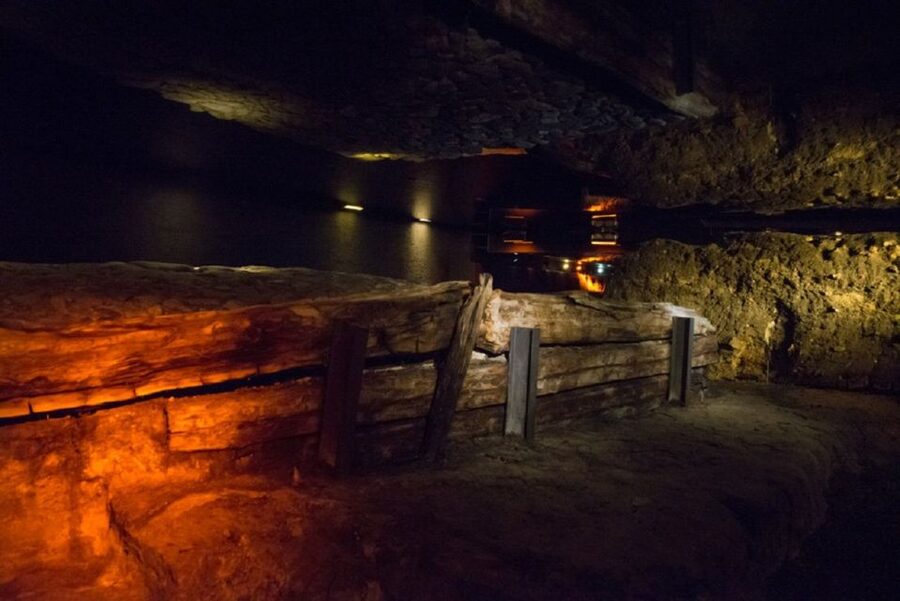
Reviewed · WAWEL CASTLE TOURS
Wawel Castle, Cathedral, & Rynek Underground Tour with Lunch
Wawel Hill packs Poland’s royal story into one memorable half-day, then sends you below Krakow’s Main Market Square to see the medieval city under your feet. I like the skip-the-line access at both major museum stops, and I like the range: Renaissance rooms and royal tombs above ground, archaeological remains and multimedia displays below it. The Sigismund Bell and the hilltop views add a strong visual finish.
The main caution is the handoff between parts of the day. One French-speaking guest described a rushed walk to lunch, a meal alone, and nearly an hour waiting before the Rynek Underground guide arrived. The guides, including Christoff and Pauline on other departures, earned warm praise, but the schedule may feel less polished if groups and languages need to be rearranged.
Key points to know before booking
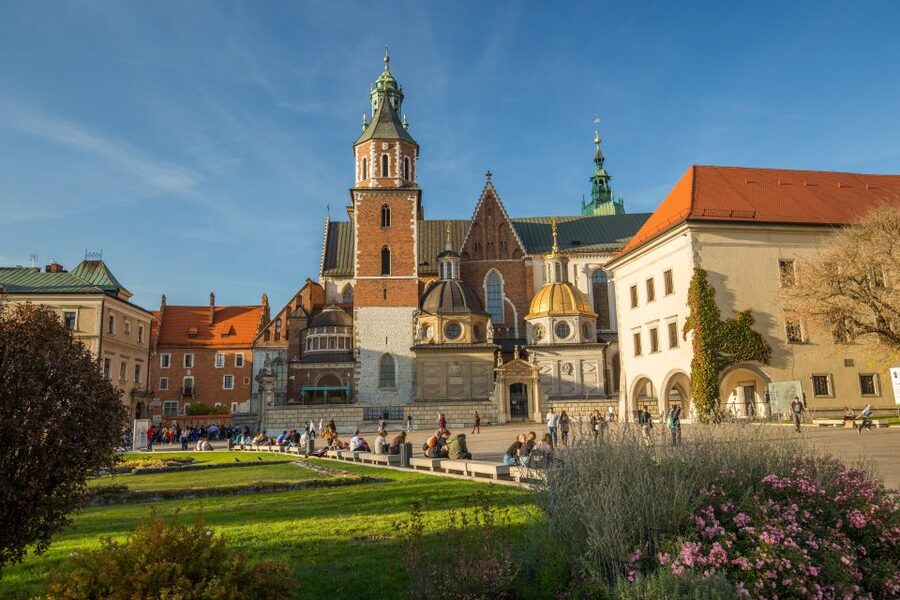
- Wawel Castle covers royal rooms, art, arms, porcelain, and Ottoman tents, but the exact fast-track exhibition varies with availability.
- Wawel Cathedral includes the royal crypts and Sigismund Bell tower, with shoulders and knees covered for entry.
- Lunch is included, but drinks are not, so plan to pay separately for anything you order to drink.
- Rynek Underground uses holograms, sound, and projections to bring medieval Krakow’s market trade to life.
- The tour lasts 330 minutes, or about five and a half hours, with roughly two hours spent walking through the castle complex.
- Groups can reach 30 people, and the tour runs in one selected language: English, Polish, French, Spanish, Italian, or German.
Starting at St. Mary Magdalene Square
Your day begins at the Piotr Skarga Monument on St. Mary Magdalene Square. This is an important detail: the meeting point is not on Wawel Hill, so do not head straight to the castle entrance expecting to find the group there.
Look for the guide holding a Wawel Castle and Cathedral Guided Tour sign. Arrive at least 10 minutes early. Once the group has entered, late arrivals cannot join, and the tickets are non-refundable.
That firm start matters here because the tour combines several timed places. A late arrival could affect not just your castle visit, but also lunch and the later museum entry. The exact meeting information appears on your voucher, so check it before setting off.
The tour is offered in a single language chosen when you book. That is useful for a history-heavy day, since the guide can keep names, dates, and explanations consistent instead of switching between languages. If you want English, French, or another option, select it carefully at booking.
More Wawel Castle visits:
- Krakow: Wawel Castle & Cathedral Guided Tour
★ 4.7 · 2,111 reviews - Old Town Krakow & Wawel Castle Walking Tour
★ 5.0 · 1,508 reviews - Krakow: Wawel Royal Hill with Optional Castle and Cathedral
★ 4.2 · 1,220 reviews
Wawel Castle and the story of Polish power
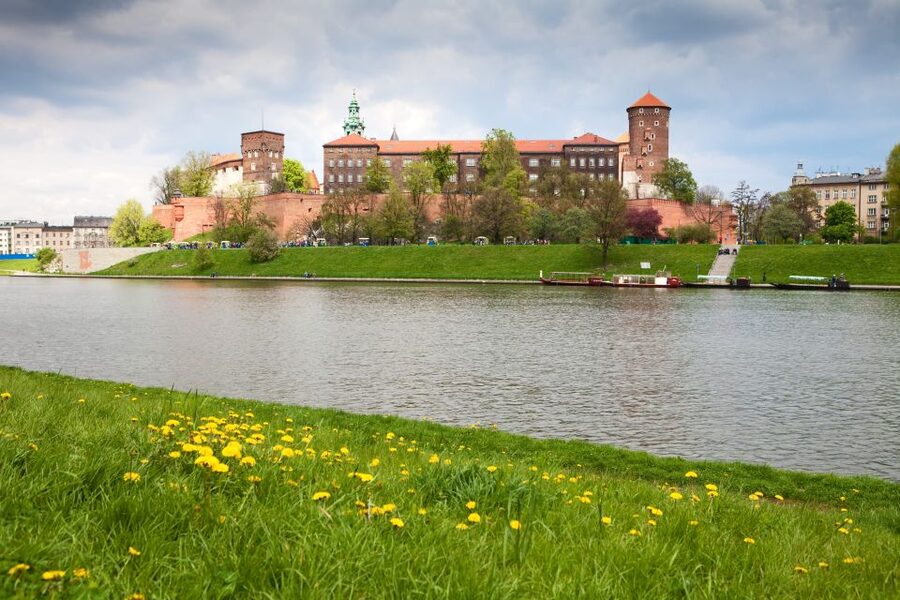
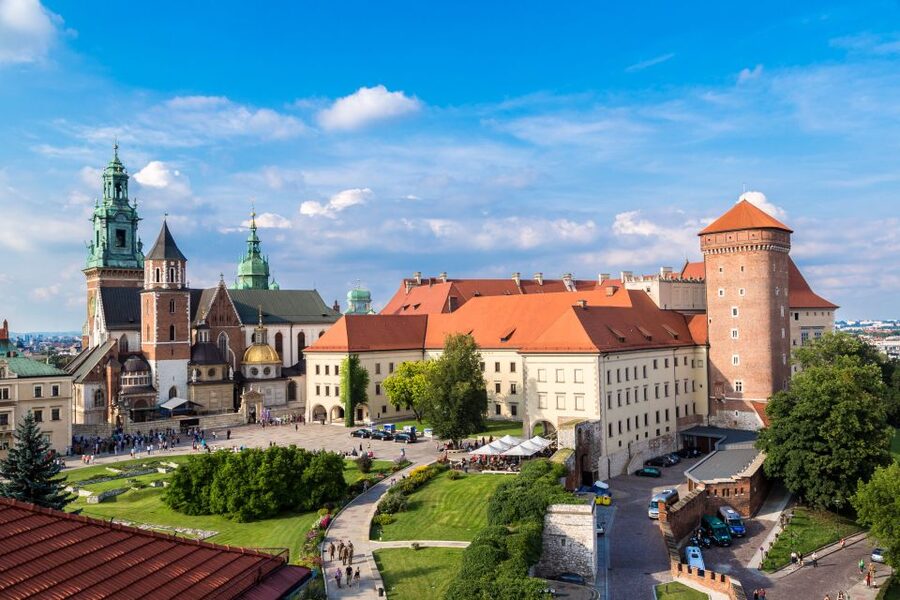
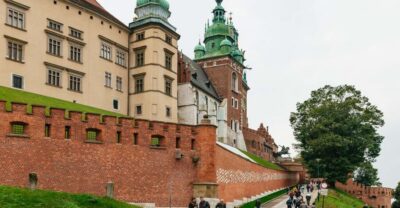
Wawel Castle is not simply a pretty building to photograph. It is one of the clearest places in Krakow for understanding Poland as a royal state, a Catholic country, and a meeting point between Western and Eastern Europe.
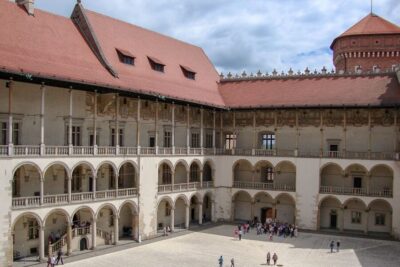
Your guided visit lasts about two hours through the castle complex. The main draw is the State Rooms, where Renaissance interiors, elaborate tapestries, and royal decoration give you a feel for court life. The rooms are not empty shells. Their art and furnishings help explain how rulers used architecture and display to project power.
The Lanckoroński collection of Italian paintings adds another layer. You get more than Polish royal portraits. The collection connects Wawel to the wider artistic world of Renaissance Italy, giving the castle a broader European setting.
The exact permanent exhibition included with fast-track access can vary. That means the tour is not a fixed promise of every room and gallery described in the full castle complex. Still, the planned emphasis on the State Rooms and the castle’s major collections gives you a solid introduction without asking you to work out the museum route alone.
Other collections include porcelain, weaponry, and Eastern art. The most unusual detail is the collection of Ottoman tents, described as the largest in Europe. This is a useful reminder that Polish history was shaped by contact with lands far beyond the castle walls. The collection also gives the visit more variety than a sequence of royal portraits and polished furniture.
I like having a guide here because Wawel can otherwise feel like a string of impressive rooms without a clear thread. Stories of monarchs, coronations, political power, and national heroes turn the objects into evidence of a changing country.
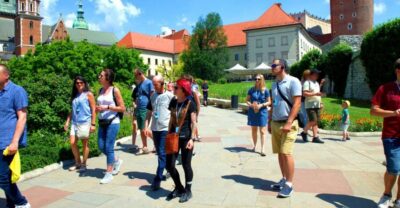
A group of up to 30 people is allowed under museum rules. That is not a tiny private visit, so you may need to stay near the guide in crowded rooms. The advantage is a lower price than a private tour, while still giving you a route and commentary through a large site.
Wawel Cathedral, royal crypts, and the Sigismund Bell
The cathedral changes the tone of the day. The castle presents royal life above ground, while the cathedral shows how religion, monarchy, and national memory were tied together.
Wawel Cathedral was the setting for royal coronations and marriages. It also holds the tombs of Polish rulers and important national figures. The ornate chapels and golden domes reward a slower look, especially if you care about religious art and architectural detail.
Your visit includes the royal crypts, where Poland’s major rulers and visionaries are laid to rest. This is one of the most meaningful parts of the experience because the names from the guide’s stories become real people in a physical place. The crypts are more solemn than the castle rooms, and you should allow the mood of the space to set the pace.
The tower climb leads to the Sigismund Bell. You can touch the bell, a small physical detail that makes the visit more memorable than simply seeing it behind a barrier. The climb also brings panoramic views over Krakow, giving you a chance to understand the city’s layout from above.
The supplied details do not state how many steps are involved or how easy the climb is, so I would not treat the tower as a minor add-on if climbing is difficult for you. The tour is a walking experience, and the castle portion alone takes about two hours.
Dress rules apply in places of worship and selected museums. Your clothing must cover your shoulders and knees, so leave shorts and sleeveless tops for another day. This is easy to manage, but it is worth planning for before you arrive, particularly in warm weather.
Lunch between the two major sights
Lunch is included at a nearby bistro, which helps break up a long day of museums and churches. After several hours of standing and listening, a seated meal is welcome.
Drinks are not included. Budget for them separately, and do not assume the price covers every item you might order at the table.
The practical weakness is timing. The lunch stop is not described as a long, leisurely meal, and the transfer from Wawel to the restaurant may involve walking. One French-language departure was reported as a rushed walk to a restaurant that felt fairly far away, followed by a meal taken alone while the coordinator managed the next part of the day.
That experience may not match every departure, but it points to a real issue: the group can split temporarily between the castle, lunch, and Rynek Underground. If you value a very smooth, social group day, ask the guide or coordinator where to go before leaving Wawel and confirm the meeting time for the next stop.
Lunch still adds value at this price because you do not need to find a restaurant during the middle of a tightly planned sightseeing block. Just keep your expectations practical. This is a convenient meal break, not a separate food tour.
More Rynek Underground visits:
- Krakow: Rynek Underground Museum Guided Tour
★ 4.6 · 1,122 reviews - Krakow: Guided Tour of Rynek Underground
★ 4.6 · 113 reviews - Krakow: Rynek Underground Museum Skip-the-line Guided Tour
★ 4.5 · 101 reviews - Krakow: Rynek Underground Guided Tour with Skip-the-Line
★ 4.4 · 55 reviews
Rynek Underground and medieval Krakow below the square
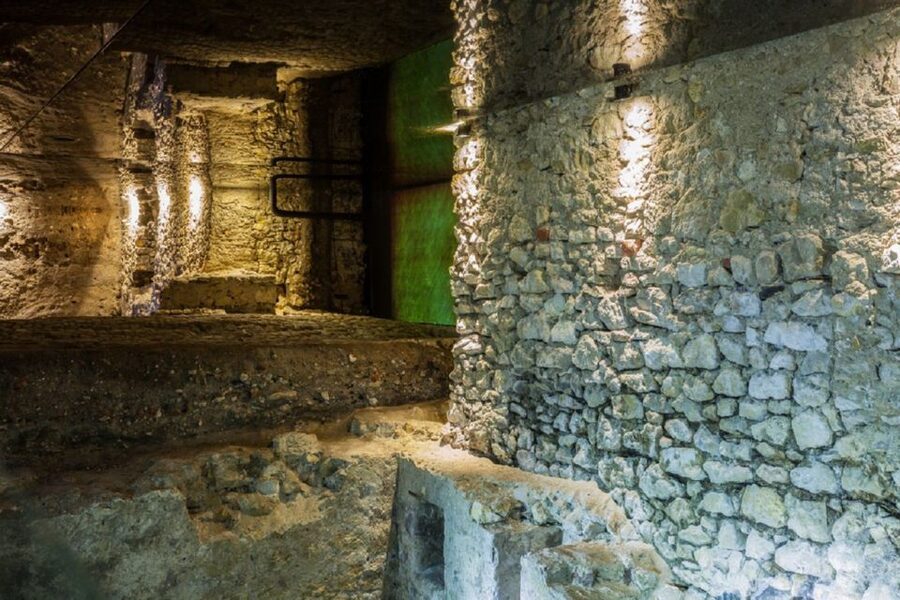
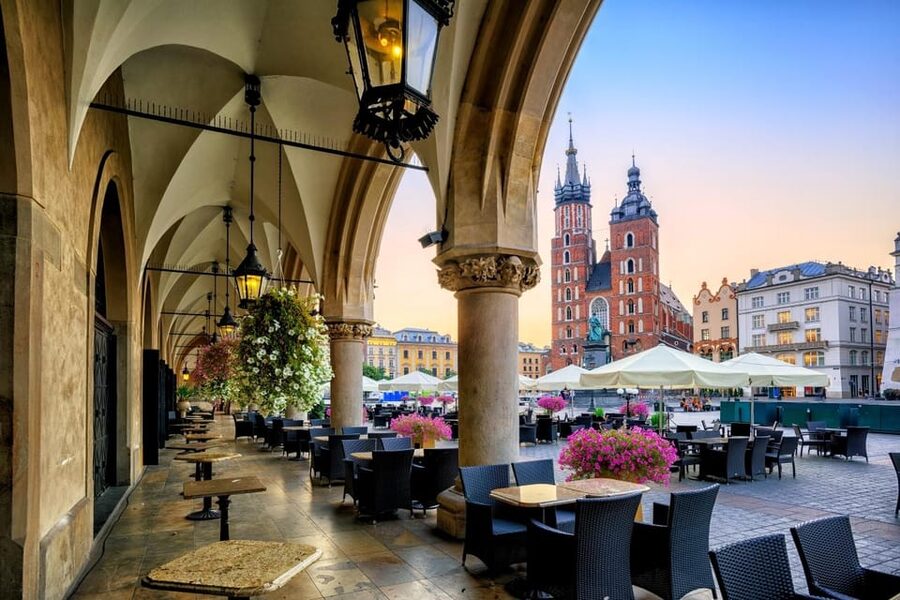
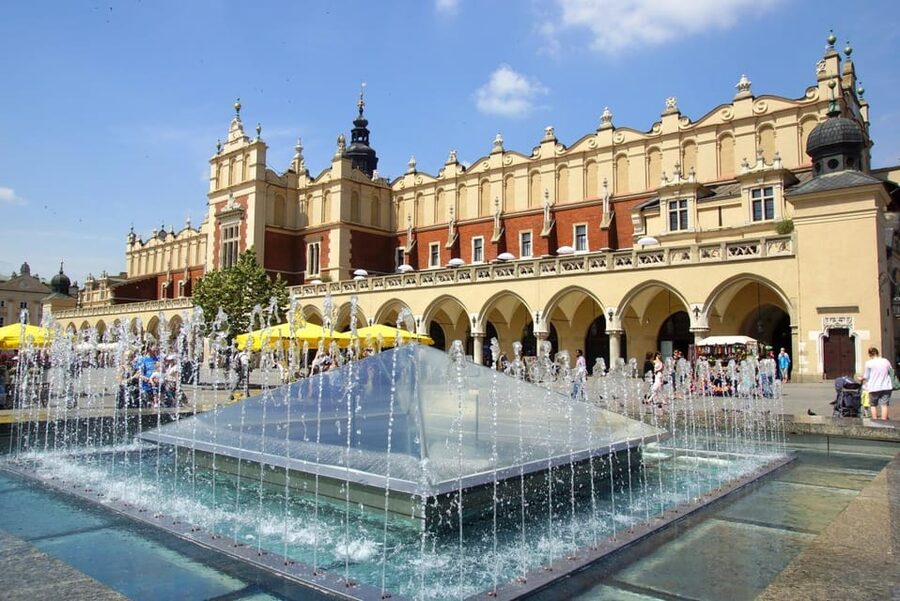
After lunch, the tour moves beneath the Main Market Square to Rynek Underground. This museum is different from Wawel in both setting and method. Instead of royal apartments and cathedral chapels, you follow archaeological remains connected to old streets, market stalls, trade, and daily work.
The underground route preserves traces of the medieval marketplace. You can see the physical remains of streets and trading areas while hearing about merchants, craftsmen, and people passing through the square. This gives Krakow’s famous central plaza a second identity. Above ground, it is a grand urban space. Below ground, it reveals the working city that supported it.
The museum uses holograms, sound, and projected images to recreate the noise and motion of medieval trade. You may hear carts and market activity while moving through the archaeological remains. The approach is more theatrical than the castle visit, which makes it a good contrast after several hours of traditional art and architecture.
Skip-the-line entry is especially helpful here. The underground museum is a popular stop, and entering with the group saves you from handling another ticket queue after lunch. Your guide also gives the displays a clear order, helping you understand what you are seeing rather than treating the remains as isolated stones.
The Rynek Underground visit is also a good reason to choose this package instead of booking Wawel alone. You get two very different views of Krakow: the official city of rulers and ceremonies, and the commercial city of tradespeople and visitors.
The schedule may be the least predictable part of this section. One French-language booking involved a wait of nearly an hour before the second guide arrived. The eventual guide led a private visit for that one participant, which created a very personal experience, but the waiting was frustrating.
If your day includes a concert, train, or dinner reservation, leave room after the stated 330 minutes. The published duration is five and a half hours, but the handoff between groups can affect how neatly the day ends.
How the guides shape the experience
This tour depends heavily on the guide because the sites contain more information than you can absorb by simply walking through them. You need someone to connect royal ceremonies, art collections, religious spaces, and archaeological remains.
Several guides received especially warm praise. Christoff and Pauline were singled out for informative explanations, while another French-language guide was described as excellent and deeply familiar with Polish culture and history. That is encouraging, particularly for a tour where context matters as much as the buildings.
The guide language is selected in advance, and each group uses one language. Options are English, Polish, French, Spanish, Italian, and German. A maximum group size of 30 follows museum rules, but the actual feel can change depending on the departure and language group.
The positive side of a group tour is structure. You do not have to decide which Wawel gallery to see first or how to connect the castle with the cathedral. The drawback is that the same structure can feel less personal when the group is full, and transfers may be handled by a coordinator rather than one guide who stays with you all day.
I would book this for the historical explanation, not just the ticket access. The skip-the-line benefit saves time, but the best value comes from having a person explain why the bell, crypts, chapels, paintings, and market remains matter.
What $109 means in practical value
At $109 per person, this is not a cheap entry ticket. You are paying for a 330-minute guided experience, entrance to Wawel Cathedral, fast-track access to one permanent Wawel exhibition, lunch, and skip-the-line admission to Rynek Underground.
The price makes more sense if you would otherwise book separate entries, arrange a guide, and find lunch yourself. You also avoid the work of fitting Wawel and the underground museum into one day.
It is less attractive if you prefer to explore slowly on your own or already have strong knowledge of Krakow’s royal sites. A self-guided visit may give you more control over time in each room and less concern about a group moving on.
The tour earns value from its range. In one booking, you see royal interiors, Italian art, Eastern collections, a cathedral, national tombs, a famous bell, city views, medieval trade remains, and multimedia displays. That is a lot of Krakow in one day, but it is also a demanding schedule.
The 4.5 rating from 10 reviews points to a generally positive experience with a small but important warning about organization. Most of the praise centers on the guides and the quality of the visits. The negative account does not criticize Wawel or Rynek Underground themselves. It criticizes the gap between them.
Who should choose this half-day tour?
I would choose it if you want a guided introduction to Krakow’s biggest historical sites and prefer a planned route to museum logistics. It suits first-time visitors, people with limited time, and anyone who wants both art and history rather than only one type of attraction.
It is also a strong fit if you want to hear Polish royal history explained in your own language. The guide options are unusually broad, and the named guides praised in the feedback suggest that several departures have strong local leadership.
You should think twice if you dislike walking, changes between guides, or group timing. The day lasts five and a half hours, includes a roughly two-hour castle walk, a cathedral visit, a tower climb, lunch, and an underground museum. That is a full program.
I would also avoid booking it too close to a fixed evening plan. The published duration is clear, but the lunch and museum handoff may not feel perfectly synchronized on every departure.
Should you book Wawel and Rynek Underground together?
Book this tour if you want Krakow’s royal and ordinary sides in one well-filled day. The castle rooms, cathedral crypts, Sigismund Bell, and underground market remains complement each other unusually well.
Before paying, confirm the language, meeting point, clothing, and exact start time. Arrive early at St. Mary Magdalene Square, and keep your schedule flexible after the five-and-a-half-hour window.
The best reason to book is the guide. You get far more from Wawel when someone explains the monarchs, art, ceremonies, and national figures, and Rynek Underground benefits from a clear story linking each archaeological feature.
The main reason to hesitate is not the sights. It is the possibility of a clumsy transition around lunch and the second guide. If you can accept that small organizational risk, this is a useful, content-filled way to meet Krakow’s grandest historical landmarks.
FAQ
Where does the tour meet?
Meet your guide at the Piotr Skarga Monument on St. Mary Magdalene Square. The guide will hold a Wawel Castle and Cathedral Guided Tour sign.
Is the meeting point on Wawel Hill?
No. The meeting point is not on Wawel Hill. Check your voucher for the exact location and arrive at least 10 minutes before departure.
How long does the tour last?
The stated duration is 330 minutes, or about five and a half hours.
What languages are available?
The tour is available in English, Polish, French, Spanish, Italian, and German. Each group uses one language selected at booking.
How large is the group?
The group can include a maximum of 30 participants, in line with museum regulations.
What does the Wawel Castle visit include?
The visit includes a guided tour of the castle complex and fast-track access to one permanent Wawel Castle exhibition, with availability varying. The planned highlights include the State Rooms, Renaissance interiors, tapestries, Italian paintings, porcelain, weaponry, Eastern art, and Ottoman tents.
Does the tour enter Wawel Cathedral?
Yes. Entrance to Wawel Cathedral is included, along with its chapels, royal crypts, and the Sigismund Bell tower experience.
Is lunch included?
Yes. Lunch at a nearby bistro is included. Drinks are not included.
What is included at Rynek Underground?
Skip-the-line entry to the Underground Museum is included. The visit covers medieval streets, market remains, trade relics, and multimedia displays using holograms, sound, and projections.
Is there a dress code?
Yes. In places of worship and selected museums, clothing must cover the shoulders and knees. Shorts and sleeveless tops are not permitted.
Can I cancel the booking?
You can cancel up to 24 hours in advance for a full refund. The reserve-now, pay-later option lets you book without paying immediately.
More lunch stops in Krakow
- Krakow: Auschwitz-Birkenau Guided Tour with Pickup & Lunch
★ 4.5 · 9,800 reviews - Krakow: Auschwitz-Birkenau Guided Tour Pickup/Lunch Options
★ 4.5 · 9,057 reviews - Krakow: Auschwitz Guided Tour with Pickup and Optional Lunch
★ 4.4 · 2,649 reviews - Krakow: Auschwitz-Birkenau & Wieliczka Salt Mine with Lunch
★ 4.1 · 214 reviews
Recently added in Krakow
- Auschwitz-Birkenau and Krakow Private Car Trip from Katowice★ 4.3 · 3 reviews
- Wawel Castle, Old Town with St. Mary’s Church Guided Tour★ 5.0 · 3 reviews
- Private tour to Zakopane and Thermal Baths from Krakow★ 5.0 · 3 reviews
- Wawel Castle, Cathedral, Rynek Underground Tour with Lunch★ 5.0 · 3 reviews
- From Krakow: Chocholow Thermal Hot Springs (hotel pick up)★ 5.0 · 3 reviews
- Legends of Cracow ROBOTIC SHOW★ 4.0 · 3 reviews
- From Krakow: Zakopane and Thermal Pools Guided Trip★ 5.0 · 3 reviews
- Guided Beer Tour in Krakow★ 4.5 · 3 reviews
Wawel Castle Tours, compared.

Wawel Royal Hill with Optional Castle and Cathedral
Read our review →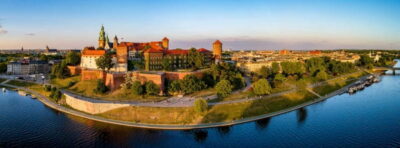
Skip-the-Line Wawel Castle Chambers Private Tour
Read our review →
Private Krakow City Tour, Krakow Old Town and Wawel Castle Tour
Read our review →
Krakow Guided Tour to Iconic Polish Royal Residence Wawel Castle
Read our review →Where else this one turns up